

Key Takeaways
Let another person's honest faith make room for your own dark season.
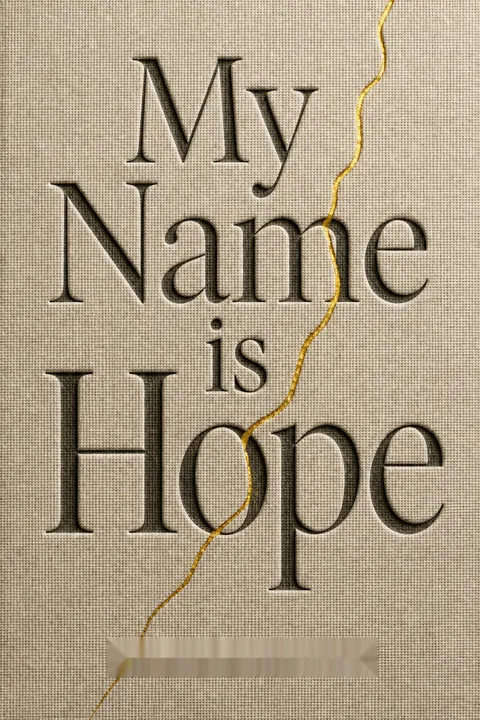
Pain is not disqualification. Comer begins with his own depression: despite a supportive life and deep religious practice, he became anxious, sleepless, and at times suicidal. At a church gathering, a stranger introduced herself by saying her name was Hope. He understood the encounter as reassurance, not an instant cure. Recovery took years, with progress and setbacks. The book builds that sense of company from biblical stories: Hannah grieves, Elijah asks to die, David writes both despairing and joyful poetry, and Jesus weeps at a friend's tomb. Even Psalm 88, which ends in darkness, appears among Israel's worship songs.
Stories can loosen shame. These examples make the book's central spiritual claim tangible: suffering does not prove that faith is false or that a person has failed.
What's powerful here is the use of shared stories to challenge stigma without requiring anyone to explain their pain away. In psychology, social support is associated with better coping and can make it easier to seek help; feeling understood is not the same as being cured. The book's biblical examples also make room for faith that includes lament, not just confidence. One limitation is that a religious community may not be safe or understanding for everyone. Solidarity matters most when it is offered without judgment, pressure, or a demand for quick improvement.
Distinguish ordinary sorrow from persistent distress without shaming either.
Pain belongs to life. Comer separates fear from anxiety and sorrow from depression. Fear can be a sensible response to danger; sorrow can be a fitting response to loss. He describes anxiety as fear that persists and expands into imagined outcomes, and depression as sorrow that becomes prolonged and drains hope, pleasure, energy, or motivation. His point is not that every unpleasant feeling is a problem to eliminate. A life without sadness, grief, or fear would not be fully human.
Duration and impact matter. The book uses these distinctions to help readers notice when distress has become overwhelming or disruptive. They are a starting vocabulary, not a reliable way to diagnose oneself. Persistent symptoms deserve attention rather than blame.
This distinction protects an important truth: grief and fear can be appropriate responses, not evidence of personal weakness. It also resembles a core clinical task, separating expected emotional responses from distress that is persistent, impairing, or dangerous. But the boundary is not as clean as a contrast between mind-based anxiety and soul-based depression suggests. Anxiety and depression can overlap, and symptoms alone do not reveal their cause. The useful move is to name what is happening and its impact, then seek appropriate support, rather than treating a label as either a moral verdict or a complete explanation.
Ask what feeds distress, but do not assume one hidden cause explains it.
Look beneath the feeling. Comer urges readers to ask why they feel downcast and to examine what may be contributing: grief, abuse, overwork, unresolved guilt, conflict, habits, or patterns of thought. He calls this digging to the roots rather than merely covering pain. His metaphor of wells and buckets draws on the idea that the inner life shapes what surfaces: thoughts and consciousness influence feelings and behavior.
Keep the question open. The author's strong claim that depression is a symptom rather than a disease supports personal investigation, but it can overstate how much a single cause can be found. The more careful application is to explore relevant factors with trusted people and qualified clinicians, without presuming the distress is caused by wrongdoing or a failure of faith.
Searching for contributors can restore agency, especially when distress is entangled with exhaustion, bereavement, unsafe relationships, or shame. It is a useful complement to symptom relief, not a replacement for it. Current clinical understanding treats depression as multifactorial: biology, psychology, social conditions, and life events can interact, and a clear trigger is not always identifiable. The book's insistence on a hidden root may encourage useful curiosity, but it can also turn suffering into a mystery the person is expected to solve. A sound inquiry leaves room for causes that are complex, cumulative, or not yet known.
Use repentance to return toward life, not to punish yourself.
Repentance means turning back. Comer explains the Hebrew term shuv as returning home, and the Greek term metanoia as changing one's thinking. In his Christian framework, repentance is a repeated return to a life aligned with God, not a single ritual of self-condemnation. He examines patterns he considers morally harmful, including resentment, habitual dishonesty, sexual behavior he views as wrong, and worry, alongside struggles such as perfectionism and self-absorption.
Responsibility has limits. The book also names abuse, betrayal, and loss as harms done to a person, not sins the victim committed. That distinction is essential: taking responsibility for one's actions is not the same as blaming oneself for another person's cruelty. Forgiveness need not mean denying harm, abandoning boundaries, or restoring an unsafe relationship.
The most constructive version of this teaching separates accountability from shame. In moral psychology, acknowledging harm can support repair, while global self-condemnation can make change harder by turning a behavior into an identity. The book's language of sin may offer a meaningful framework for readers who share its faith, but applying it carelessly can burden people already vulnerable to guilt. Especially in cases of trauma or depression, distress should not be treated as evidence of hidden wrongdoing. Repentance is most life-giving when it leads toward honesty, repair, and compassion, rather than fear or self-punishment.
Interrupt spiraling thoughts with prayer, gratitude, and trustworthy truths.
Notice the mind's loops. Comer sees recurring thoughts about imagined disasters, the future, and personal failure as important parts of anxiety. He encourages readers to notice these thoughts rather than automatically follow them, then redirect attention through prayer and Scripture. In a passage from Philippians, the practice is to bring concerns to God with thanksgiving and deliberately dwell on what is true and worthy.
Return to the present. The book connects future-focused worry with anxiety and past-focused guilt or regret with depression. Its practical response is not to ignore real problems, but to stop rehearsing imagined scenarios and attend to the day at hand. The author presents this as spiritual discipline and trust, not as a claim that every distressing thought can be switched off at will.
The practice has a useful parallel with cognitive behavioral therapy, which helps people identify recurring interpretations and consider more balanced alternatives. Gratitude can also broaden attention beyond threat, although it should never be used to silence grief. The phrase of taking control of every thought needs care: unwanted thoughts are not always voluntary, and trying to suppress them can make them more persistent for some people. A gentler approach is to notice a thought, assess whether it is useful, and choose what to do next. Prayer may support that process for believers, while other forms of grounding can serve people with different worldviews.
Treat sleep, movement, daylight, and food as part of emotional care.
The body affects the soul. Comer rejects the idea that spiritual health is separate from physical health. He recommends looking at sleep, exercise, diet, caffeine, time outdoors, and possible medical contributors. He recalls Elijah asking God to end his life, then receiving food and rest before continuing his journey. Comer also describes how regular running improved his own mood and how he changed his eating habits.
Start with practical checks. His personal routine included running roughly 20 to 25 miles a week, but the point is not that everyone should follow that schedule. It is that exhaustion, stress, or physical illness can intensify emotional suffering. The author encourages readers to consult a doctor about possible health factors, rather than assuming every struggle is exclusively spiritual.
This integrated view is a strength: sleep, activity, nutrition, and outdoor light can all affect mood and energy, and attending to them may make other forms of care more manageable. Yet an individual account is not a prescription, and exercise or dietary changes do not replace treatment when symptoms are severe. The book's broad health claims and its comparisons between running and antidepressants should not be read as settled clinical guidance. Its safest contribution is a checklist, not a cure: consider the body's needs, seek medical evaluation when appropriate, and avoid blaming someone who cannot simply exercise or sleep their way out of illness.
Tell trustworthy people the truth before isolation rewrites your story.
Secrecy feeds loneliness. Comer describes hiding his depression behind a cheerful public face, while pressure within his church made it difficult to admit that a faithful person could suffer. He argues that healing often involves honest relationships, not just private effort. He calls deep, transparent fellowship koinonia, a community where people share more than surface conversation. His wife and friends offered practical support during his worst years.
Share the weight wisely. The book draws on Paul's distinction between carrying another person's heavy burden and taking responsibility for one's own everyday load. Its emphasis is on mutual care, not asking others to solve everything. A therapist or doctor can be part of that care too. Professional help and supportive relationships are complements, not competitors.
The book makes a persuasive case that emotional care is social as well as individual. Disclosure can reduce shame and give others a chance to offer concrete help, from listening to accompanying someone to an appointment. But community is not automatically therapeutic: some groups stigmatize mental illness, breach privacy, or pressure people to forgive before they are ready. Nor is professional therapy a substitute for all relationships. The strongest model is a network with different roles: trusted friends for belonging, clinicians for specialized care, and faith communities for spiritual support when they are genuinely safe.
Keep praying honestly when relief is slow, without demanding a timetable.
Prayer makes room for truth. Comer finds a model in biblical figures who bring fear, anger, grief, and questions to God rather than disguising them. He describes a healthy prayer life through four elements: faith, requests shaped by Jesus' character, honesty, and endurance. The Psalms are especially important because they include both praise and protest. For him, prayer is not a polished performance or a technique for forcing an outcome; it is an ongoing relationship with God.
Expect uncertainty. The author believes prayer matters and encourages persistence, including when no answer seems to come. He does not promise that every request will produce immediate relief. That is important for readers whose suffering continues despite sincere prayer: ongoing symptoms do not prove that they prayed badly or lacked faith.
Prayer can function as a ritual of attention, emotional expression, and connection, giving distress a form that is less isolating than silent rumination. The book's permission to lament is particularly valuable because it resists the idea that spiritual language must sound cheerful. Its confidence that prayer changes events is a theological commitment, not a result that can be guaranteed to a reader. A compassionate practice therefore makes space both for hope and for disappointment. Continued prayer can coexist with medication, therapy, practical problem-solving, and the honest recognition that some suffering remains unresolved.
Measure healing in faithful steps, not a sudden return to your old self.
Recovery takes time. Comer says his depression began around 1999 and that he could describe himself as healed only after years of uneven change. The person he became was not simply the person he had been before the crisis. He presents recovery as a continuing movement toward greater strength and joy, with rough periods still possible.
Hope is a reason to continue. The book's title grows out of the stranger's brief encouragement, but hope here is more than a mood: it is the belief that suffering need not be the final definition of a life. Comer connects that belief to Christian faith in renewal and redemption. He does not offer a schedule for recovery, and his experience cannot predict anyone else's outcome.
A long view can soften the pressure to prove recovery through constant happiness. Many forms of healing are nonlinear, and progress may appear as improved functioning, more connection, or greater ability to seek support rather than a clean end to symptoms. The account also gives hope a narrative role: a painful chapter can become part of a larger identity without being called good in itself. That distinction matters. People should not be required to find a lesson in trauma or to feel grateful for illness. Hope is more credible when it accompanies pain instead of overruling it.
Pursue a life of purpose, not merely the feeling of being happy.
Identity can keep changing. Comer uses the theological idea of eschatological realism: a believer is understood in light of the person they are becoming, not only their past or present failures. He argues that the aim of Christian life is becoming more like Jesus, with joy and peace treated as qualities to practice rather than emotions that must arrive on command.
Purpose is not a productivity contest. The book also sees meaningful work, rest, gratitude, and service as ways to live beyond self-absorption. Its Sabbath teaching insists that human worth is not measured by constant output. This is not a demand to suppress symptoms in the name of faith. It is an invitation to build a life around values and relationships even while distress is being addressed.
The distinction between feeling happy and living meaningfully resonates with research on purpose and well-being: a worthwhile life can include difficulty, not just positive emotion. The book's religious account grounds that purpose in becoming like Jesus, which gives its advice a distinctive shape rather than a generic call to self-improvement. Still, purpose should not become another performance standard. Depression can sharply limit energy and motivation, and that is not proof of weak character. A humane approach lets meaning be modest and accessible, while respecting the need for clinical care and practical support.
Analysis
My Name Is Hope is part memoir, part pastoral guide, and part theological argument. Its structure follows a persuasive arc: Comer first breaks the isolation around depression, then invites readers to examine possible contributors, and finally turns to practices involving thought, body, prayer, community, and time. The personal account gives that arc credibility. His story does not end with a dramatic cure; the stranger's message becomes a beginning, and recovery unfolds over years. The strongest idea is that emotional suffering should not automatically be interpreted as spiritual failure. Job, Hannah, Elijah, the Psalms, and Jesus make room for lament within a life of faith. The book is also unusually attentive to embodiment and relationships: sleep, work, rest, and community belong to the picture of care.
Its central limitation is the confident claim that depression is a symptom rather than a disease, paired with moral language that sometimes treats worry or other distress as sin. Asking what contributes to suffering can be useful, but depression may have interacting biological, psychological, and social causes, and sometimes no single discoverable root. The author's medical claims and cited statistics come from an earlier moment in mental health research and should not be treated as current clinical guidance. Readers should not stop medication or avoid professional help because of this book. Persistent or severe symptoms warrant evaluation by a qualified clinician. Thoughts of suicide require immediate support from emergency services, a crisis line, or a trusted person who can help secure urgent care. The most balanced reading keeps the book's solidarity, spiritual practices, and patience while rejecting blame and false choices between faith, community, and treatment. Its hope is most useful as companionship on a difficult road, not as a guarantee that every journey follows the same route.
Review Summary
My Name Is Hope received mixed reviews. Some readers found it insightful and biblically grounded, praising Comer's personal approach to anxiety and depression. Others criticized it as oversimplified and potentially harmful, especially regarding medication and mental health. Many appreciated the emphasis on spiritual solutions but felt it lacked nuance. Some readers found hope and practical advice, while others were disappointed by the theological stance. The book's reception varied based on readers' personal experiences and beliefs about mental health and faith.
People Also Read








Glossary
Wells and Buckets
Inner life shapes feelingsA metaphor for the relationship between a person's inner thoughts and outward emotional experience. Comer connects it to the Hebrew word leb, which he describes as the inner seat of thought and consciousness. What is present in the inner life can surface in feelings, much as water drawn from a well reflects what lies below.
Shuv
Return toward GodA Hebrew word Comer explains as meaning to return home. In his account of repentance, it describes turning back toward the life God intends, rather than merely feeling regret. The image of home is linked to Eden, understood as a place of life, peace, and relationship with God.
Metanoia
Renewed way of thinkingA Greek term Comer uses for repentance, drawing on its connection to changing one's thinking. It describes a shift in how a person understands the world and chooses to live. In the book, metanoia is part of an ongoing practice of turning toward Jesus' way, not only a one-time admission of wrongdoing.
Shalom
Wholeness and peaceA Hebrew concept Comer uses for more than the absence of conflict or anxiety. Shalom describes peace, wholeness, and life in harmony with God. In his discussion of emotional health, it names the fullness of well-being he believes God desires, including steadiness amid difficult circumstances.
Koinonia
Deep shared fellowshipA Greek term Comer uses for close, honest fellowship among Christians. It means more than attending the same gathering or making casual conversation. In the book, koinonia involves relationships where people share real struggles, offer practical care, pray together, and take part in a community centered on Jesus.
Strongholds
Entrenched harmful patternsComer's spiritual-warfare term for areas where harmful thoughts or behaviors seem to have a powerful hold on a person's life. He draws on Paul's image of demolishing strongholds and applies it to patterns such as fear and anxiety. The term expresses his religious interpretation, not a clinical diagnosis.
Eschatological realism
Identity shaped by becomingA theological phrase Comer uses for understanding a person's identity in light of what they are becoming through faith. A believer is not defined only by past behavior or present struggles, but by a future identity shaped by life with God. The idea joins present growth with hope for spiritual renewal.
Sins and struggles
Two kinds of root factorsComer's distinction between deliberate actions he regards as disobedience to God and recurring tendencies he describes as weaknesses or patterns of personality. He places issues such as resentment and hidden wrongdoing among sins, while discussing perfectionism and introspection as struggles. The categories are his pastoral framework, not a mental health classification.
FAQ
What's "My Name is Hope" about?
- Author's Journey: "My Name is Hope" by John Mark Comer is a personal narrative about the author's battle with anxiety and depression and his journey toward healing.
- Themes of Healing: The book explores themes of failure, success, defeat, victory, ignorance, wisdom, and ultimately, healing through faith.
- Spiritual Perspective: It offers a Christian perspective on mental health, emphasizing the role of faith and the teachings of Jesus in overcoming emotional struggles.
- Practical Advice: Comer shares practical advice and insights drawn from his experiences and biblical teachings to help others facing similar challenges.
Why should I read "My Name is Hope"?
- Personal Connection: If you or someone you know struggles with anxiety or depression, this book provides a relatable and empathetic perspective.
- Faith-Based Approach: It offers a unique approach to mental health through the lens of Christian faith, which may resonate with believers seeking spiritual guidance.
- Practical Insights: The book provides practical advice and strategies for managing mental health issues, grounded in both personal experience and biblical teachings.
- Encouragement and Hope: Comer's story is one of hope and redemption, offering encouragement to those who feel trapped in their struggles.
What are the key takeaways of "My Name is Hope"?
- Solidarity in Struggle: You are not alone in your struggles with anxiety and depression; many others, including biblical figures, have faced similar challenges.
- Role of Faith: Faith in Jesus and the teachings of the Bible can be powerful tools in overcoming mental health issues.
- Importance of Community: Engaging with a supportive community, such as a church, is crucial for healing and growth.
- Holistic Approach: Addressing both spiritual and physical aspects of well-being is essential for overcoming anxiety and depression.
How does John Mark Comer define anxiety and depression in "My Name is Hope"?
- Anxiety Definition: Comer defines anxiety as a feeling of worry or unease, often about uncertain outcomes, and as a mental state characterized by excessive uneasiness and apprehension.
- Depression Definition: Depression is described as severe despondency and dejection, accompanied by feelings of hopelessness and inadequacy, and as an emotional state where sorrow becomes a way of life.
- Interconnection: He emphasizes the connection between anxiety and depression, noting that anxiety in the mind can lead to depression in the emotions.
- Biblical Insight: Comer references biblical teachings to illustrate how anxiety and depression are addressed in scripture.
What is the "Power of Solidarity" in "My Name is Hope"?
- Shared Experience: Comer emphasizes that many people, including biblical figures, have struggled with anxiety and depression, highlighting the importance of knowing you're not alone.
- Biblical Examples: He discusses figures like Job, Hannah, Elijah, and David, who faced emotional turmoil and found solace in their faith.
- Community Support: The book stresses the importance of community and solidarity in overcoming mental health challenges.
- Encouragement: Knowing others share your struggles can provide hope and encouragement on the path to healing.
How does "My Name is Hope" address the role of faith in healing?
- Faith as a Foundation: Comer presents faith in Jesus as a foundational element in overcoming anxiety and depression.
- Scriptural Guidance: The book draws heavily on biblical teachings and stories to provide guidance and encouragement.
- Prayer and Scripture: Comer emphasizes the importance of prayer and engaging with scripture as tools for healing and growth.
- Hope in Jesus: The author shares his belief that healing is possible through a relationship with Jesus, who offers hope and redemption.
What practical advice does John Mark Comer offer in "My Name is Hope"?
- Mind Control: Comer advises taking control of your thoughts, as they significantly influence your emotions and mental state.
- Holistic Health: He suggests addressing both spiritual and physical aspects of well-being, including sleep, diet, exercise, and community involvement.
- Prayer and Scripture: Regular prayer and engagement with scripture are recommended as vital practices for maintaining mental health.
- Community Engagement: Comer encourages involvement in a supportive community, such as a church, to foster healing and growth.
What is the "Art of Repentance" according to "My Name is Hope"?
- Returning Home: Repentance is described as returning to the way of life God intended, akin to returning home to Eden.
- Changing Thinking: It involves changing the way you think about the world, aligning your thoughts with the teachings of Jesus.
- Ongoing Process: Repentance is not a one-time act but a continuous process of aligning your life with God's will.
- Path to Joy: Comer presents repentance as a path to joy and peace, as it involves living in harmony with God's design.
How does "My Name is Hope" suggest managing the mind?
- Thought Control: Comer emphasizes the importance of controlling your thoughts to prevent anxiety and depression from taking hold.
- Prayer and Scripture: He advocates for using prayer and scripture to fill your mind with God's thoughts and truths.
- Captive Thoughts: The book advises taking every thought captive and making it obedient to Christ, filtering out negative and ungodly thoughts.
- Mind Renewal: Renewing your mind through consistent engagement with God's Word is presented as a key strategy for mental health.
What role does community play in "My Name is Hope"?
- Essential Support: Community is portrayed as an essential support system for those struggling with anxiety and depression.
- Church as Family: Comer emphasizes the church as a family where individuals can find healing, support, and encouragement.
- Confession and Prayer: The book highlights the importance of confessing struggles to others and praying for one another as a means of healing.
- Breaking Isolation: Engaging with a community helps break the isolation that often accompanies mental health struggles.
What are the best quotes from "My Name is Hope" and what do they mean?
- "You are not alone." This quote emphasizes the shared nature of struggles with anxiety and depression, encouraging readers to find solidarity in community.
- "Prayer changes reality." Comer underscores the power of prayer to influence outcomes and bring about change in one's life.
- "Hope does not put us to shame." This quote highlights the enduring nature of hope, encouraging readers to hold onto hope even in difficult times.
- "Healing takes time." Comer reminds readers that healing from anxiety and depression is a gradual process that requires patience and perseverance.
How does "My Name is Hope" address the necessity of hope?
- Hope as Lifeline: Comer presents hope as an essential lifeline for those struggling with anxiety and depression.
- Endurance and Perseverance: The book emphasizes the need for endurance and perseverance in the journey toward healing.
- Future Focus: Hope involves believing in a better future and trusting in God's promises for healing and redemption.
- Joy in the Morning: Comer encourages readers to hold onto hope, reminding them that joy comes in the morning after a night of struggle.
About the Author
Other books by John Mark Comer






Download PDF
Download EPUB
.epub digital book format is ideal for reading ebooks on phones, tablets, and e-readers.








