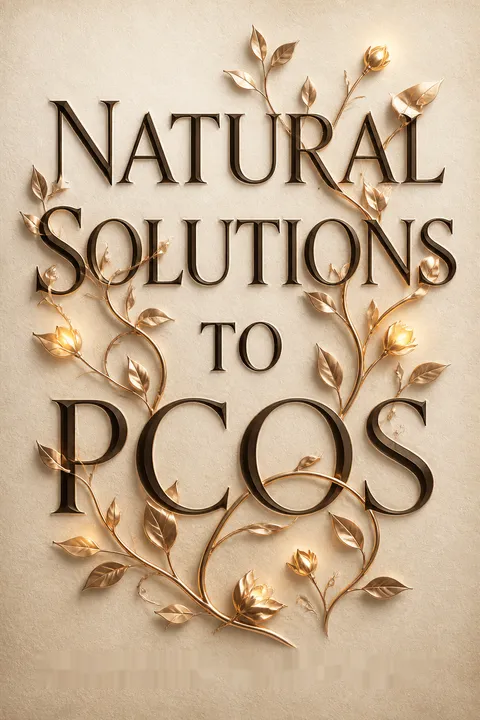


Key Takeaways
Treat PCOS as a whole-body syndrome, not an ovarian scan result
More than an ultrasound. Polycystic ovary syndrome affects an estimated 5 to 10 percent of women of reproductive age, but symptoms vary widely. Some women have irregular periods, acne, excess hair, weight changes, or fertility problems; others have few outward signs. The follicles that create the “polycystic” appearance on a scan are usually small, undeveloped follicles, not cysts. A scan alone does not explain how a woman feels or whether she has a hormonal disorder.
Diagnosis needs context. The book describes the Rotterdam Criteria, under which diagnosis generally requires two of three features: irregular or absent ovulation, signs of elevated androgens, or polycystic-appearing ovaries on ultrasound. Other causes of similar symptoms should be considered. The author’s opening case, Julie, illustrates the value of investigating symptoms instead of treating an irregular cycle as an isolated inconvenience.
What's useful here is the distinction between an image and a syndrome. A scan can contribute evidence, but it cannot stand in for menstrual history, symptoms, laboratory findings, or the exclusion of other conditions. That distinction also counters a common emotional trap: a diagnosis is not a prediction that every symptom, including infertility, is inevitable. The book's diagnostic discussion reflects criteria current at its publication, so its test lists and thresholds should not be treated as a self-diagnosis checklist. Clinical interpretation matters because hormone levels, cycle timing, and medications can affect results.
Interrupt the insulin-androgen loop before chasing one visible symptom
A reinforcing cycle. The book presents PCOS as a connected set of hormonal and metabolic disruptions. Insulin resistance means the body's cells respond less effectively to insulin, the hormone that helps move glucose from blood into cells. The body may compensate by producing more insulin. Glenville argues that excess insulin can encourage the ovaries to make more testosterone, while altered LH and low SHBG can further disrupt ovulation and intensify symptoms such as acne and excess hair.
Several links matter. Weight gain and inflammation may reinforce this pattern, but the book stresses that PCOS can affect lean women too. Its central practical idea is to address multiple contributors together rather than expecting one treatment for acne, cycle irregularity, or weight to resolve the whole condition. The feedback-loop metaphor explains why symptoms can cluster, while leaving room for different individual patterns.
The feedback-loop model is memorable because it replaces a search for one culprit with a map of interacting processes. It can help a reader ask more useful questions about glucose regulation, ovulation, and androgen symptoms as connected concerns. Its strength is explanatory, not diagnostic: a simplified cycle should not imply that every person follows the same sequence or that insulin resistance accounts for every feature. The book itself recognizes exceptions, and that variability is essential. A model is most helpful when it guides discussion with a clinician rather than becoming a universal explanation.
Build meals around slower carbohydrates, protein, vegetables, and steady timing
Reduce sharp glucose swings. The book's dietary foundation is to replace refined grains and sugary foods with less-refined choices, such as oats, brown rice, and wholegrain bread, and to include protein with meals. Fibre slows digestion, while protein can make a meal more sustaining. Glenville also advises eating regularly, often around every three hours, rather than skipping meals and arriving at the next one ravenous.
Julie’s experience. In the opening case study, Julie changed a diet heavy in refined starches, sugar, and coffee for meals built around vegetables and protein. She reported better energy and clearer skin within eight weeks, and a period; by sixteen weeks, her cycle was becoming more regular. These are one person's results, not a guarantee. The book's message is to choose food patterns that support metabolic health, not to count calories as the sole measure of progress.
The practical value is the shift from food morality to food effects: meals are judged by how they support stable energy and make a sustainable routine possible, not by whether a person has shown enough willpower. Julie's story makes the changes concrete, but a case study cannot establish what caused each improvement or predict another reader's response. The specific three-hour schedule is the author's prescription, not necessarily a universal requirement. Readers can retain the broader principle of balanced, fibre-rich meals while adapting timing to their routines and medical needs.
Use targeted food experiments, not blanket dietary rules, to test triggers
Prioritize the overall pattern. Beyond meal composition, the book recommends more vegetables and pulses, omega-3-rich foods such as oily fish, and fewer trans fats, excess saturated fat, alcohol, and caffeine. It argues that these choices may support insulin sensitivity, inflammation control, liver function, or SHBG, the protein that binds some sex hormones. The author also proposes avoiding dairy for one to three months, based on a theory involving insulin-like growth factor and androgen activity.
Test, then reassess. Glenville presents dairy avoidance as a temporary experiment, not necessarily a lifelong rule, and lists non-dairy calcium sources including sesame, tofu, kale, and sardines. The book's broader strategy is to make several supportive changes and observe symptoms over time. Its claims about particular foods and hormones vary in strength, so a restrictive change should be weighed against nutrition, preference, and professional advice.
A time-limited food experiment is more informative than adopting a rule because it sounds hormonally precise. It gives a reader a chance to notice whether a change is practical and associated with a meaningful difference, while keeping the question open. The book's dairy recommendation rests on a proposed mechanism and should not be mistaken for proof that dairy worsens PCOS in everyone. The same caution applies to confident claims about individual foods and hormone levels. The strongest transferable lesson is to preserve nutritional adequacy and evaluate changes rather than accumulating restrictions.
Train for insulin sensitivity and strength, not just scale change
Movement has metabolic value. The book recommends regular aerobic activity because working muscles use glucose and can become more responsive to insulin. For people seeking fat loss, it pairs cardiovascular exercise with resistance training, which builds muscle. Glenville suggests varying exercise intensity rather than repeating an identical workout, and emphasizes rest and gradual progression.
Track more than weight. The author argues that body mass index cannot distinguish muscle from fat and recommends paying attention to waist measurement or body-fat estimates. She cites research in which losing about 5 percent of body weight was associated with improved ovulation for some women with PCOS. That does not mean every reader needs weight loss: the book notes that insulin resistance and symptoms can occur at any body size. Exercise is presented as a health tool, not a punishment for eating.
This framing usefully separates movement from the scale. Strength, fitness, and metabolic function can improve even when body weight changes little, which makes broader measures of progress more humane and more informative. The 5 percent figure offers a hopeful example for some people trying to conceive, but it should not become a threshold that defines success or a reason to prescribe weight loss indiscriminately. The book's high-intensity exercise examples may not fit every fitness level or health condition. Personalizing intensity and building consistency are more important than copying a particular workout.
Treat stress and self-blame as clinical concerns, not character flaws
Stress can compound symptoms. Glenville links chronic stress, disrupted sleep, and blood-sugar fluctuations with cortisol and other stress responses that may aggravate PCOS symptoms. She also describes how distress about acne, hair growth, weight, and fertility can create a second burden: anxiety, low confidence, or emotional eating. The point is not that stress causes every case of PCOS, but that emotional health belongs in the care plan.
Make support practical. The book suggests relaxation, breathing exercises, enjoyable movement, better sleep routines, counseling, cognitive behavioural therapy, and PCOS support groups. It also encourages noticing the difference between physical hunger and eating prompted by stress or loneliness. These strategies aim to make daily changes more manageable, not to imply that positive thinking can replace medical treatment or that symptoms reflect personal failure.
The book is strongest when it treats distress as part of the illness experience rather than evidence of weakness. Visible symptoms and fertility uncertainty can affect identity and relationships, so emotional support is not an optional decoration around physical care. Its proposed tools range from simple routines to formal therapy, allowing readers to choose an appropriate level of help. The stress-hormone explanation is less useful if it makes people feel responsible for their symptoms. Support should reduce blame and expand options, not turn relaxation into another demand to perform perfectly.
Keep supplements subordinate to testing, medication review, and clinician guidance
Adjuncts, not replacements. The author proposes a three-month supplement and herbal programme, including nutrients such as chromium, inositol, vitamin D, and omega-3 fats, along with herbs intended to affect hormones or liver function. She also describes tests for vitamin D, omega-3 balance, cortisol patterns, and homocysteine to personalize support. Her main framework is that supplements should complement diet and lifestyle, not substitute for them.
Check interactions first. The text notes potential concerns when supplements are combined with glucose-lowering drugs or hormone treatments, and says some herbs should not be used alongside hormonal contraception. It also discusses vitamin B12 deficiency in people taking metformin. These cautions matter more than any shopping list: supplements can have side effects, vary in quality, and be inappropriate during fertility treatment or pregnancy. Do not start, stop, or change prescribed medication based on this book alone.
The book's emphasis on individual testing is more defensible than assuming every reader has the same deficiency, but its extensive supplement list can blur that distinction. A long regimen is not automatically a personalized regimen. Claims that nutrients or herbs reliably restore ovulation should be evaluated separately from claims about correcting a documented deficiency. This is especially important when someone takes medication, is trying to conceive, or is pregnant. The durable insight is to make supplement decisions part of coordinated care, with a clear reason for each product and a plan to review its safety and value.
Reduce avoidable chemical exposures without turning daily life into detox
The environment may matter. The book describes endocrine-disrupting chemicals, substances that may interfere with hormone production, signaling, or removal. It discusses bisphenol A in some plastics and food-can linings, as well as pesticides and chemicals in personal-care and household products. Glenville notes research associating some exposures with reproductive or metabolic concerns, while acknowledging that effects in humans can be difficult to establish.
Choose manageable changes. Suggested steps include using glass containers where practical, avoiding heating food in plastic, checking product ingredients, and choosing less-treated foods when feasible. The author does not claim that exposure can be eliminated completely. These measures are framed as ways to reduce avoidable contact, not as a cure for PCOS. Readers should not be made to feel that ordinary exposure means they have caused their condition.
The chapter raises a legitimate general question: hormones operate in an environment that includes substances beyond the body's own signals. Yet the uncertainty is substantial, and the volume of chemicals named can make ordinary life feel contaminated beyond repair. Practical exposure reduction is most useful when proportionate, affordable, and compatible with normal living. The book's own acknowledgement that human effects can be hard to isolate deserves emphasis. Environmental awareness can broaden prevention, but it should not displace diagnosis, symptom management, or access to evidence-based care.
Pair fertility goals with timely medical evaluation and partner assessment
Lifestyle is not a fertility guarantee. The book argues that improving metabolic health and ovulation may support conception, but it also describes medical options when pregnancy does not occur. These include ovulation-inducing medication, monitored hormone treatment, ovarian drilling in selected cases, and assisted conception such as IVF. It stresses that fertility evaluation should include the partner, noting that male factors can contribute to difficulty conceiving.
Timing matters. Glenville suggests that age and personal circumstances should shape how long someone tries lifestyle changes before seeking fertility care. She describes tests for ovulation, tubal patency, and semen quality, and warns that ovulation predictor kits can be misleading when LH is persistently high. The book also discusses pregnancy risks associated with PCOS, including gestational diabetes and high blood pressure. Anyone trying to conceive or already pregnant should coordinate care with qualified clinicians.
The most important balance is between agency and urgency. Lifestyle changes can support health, but a fertility goal should not become a reason to postpone evaluation indefinitely, especially when age or other health factors matter. Including the partner also prevents PCOS from becoming the default explanation for every fertility difficulty. The book offers a useful map of treatment options, though its recommendations reflect a 2012 publication and should not be treated as a current treatment protocol. Medical decisions require individualized discussion of benefits, risks, and timing.
Continue metabolic and reproductive monitoring even when symptoms improve
Improvement is not immunity. The book warns that visible symptoms may ease while vulnerability to metabolic problems remains. It highlights diabetes, high blood pressure, cardiovascular disease, and thickening of the womb lining when periods are infrequent or absent. It also discusses gestational diabetes and pregnancy-related blood-pressure risks. These concerns make long-term follow-up relevant even for someone whose cycle, skin, or weight has improved.
Keep care connected to risk. The author presents diet, exercise, and ongoing attention to blood sugar as ways to support future health, and encourages checking relevant clinical markers rather than relying on appearance alone. The most useful interpretation is not that serious illness is inevitable, but that a history of PCOS is worth sharing with healthcare providers. Symptom relief is a meaningful outcome, while periodic medical review helps address risks that cannot be judged by symptoms alone.
This is a strong closing principle because it distinguishes feeling better from having no remaining health considerations. It also avoids reducing PCOS to fertility alone: metabolic health and endometrial protection matter across a person's life. Risk language should remain calibrated, however. Increased risk is not destiny, and an alarming list of possible complications can overwhelm rather than motivate. Follow-up works best when it is proportionate to a person's history and current findings. The practical lesson is to keep PCOS visible in healthcare conversations even when its most noticeable symptoms recede.
Analysis
Natural Solutions to PCOS is a patient-oriented health guide organized around a central argument: PCOS is a network of interacting metabolic, hormonal, behavioural, and reproductive concerns, so care should address more than the symptom most visible to others. Its most useful contribution is this systems view. Irregular ovulation, androgen-related symptoms, insulin resistance, weight changes, stress, fertility, and long-term health are presented as related, while the author acknowledges that different women show different combinations. The book also gives readers a vocabulary for seeking assessment and a menu of topics to raise with clinicians.
Its narrative strategy is personal and encouraging. Julie's case makes dietary change feel concrete, and the three-part structure moves from understanding PCOS to daily management and reproductive planning. That accessibility is valuable, particularly for readers who have felt dismissed or confused. The same confidence can become a weakness. The book repeatedly presents natural interventions as reliably effective, and sometimes moves from plausible mechanisms or small studies to broad recommendations. Its extensive supplement regimen, strong claims about dairy and environmental chemicals, and skepticism toward medication need careful scrutiny. Natural does not mean risk-free, and the book's 2012 publication date matters: diagnostic practice, fertility care, and the evidence base may have changed.
The most responsible way to use this adaptation is as an orientation guide, not a treatment prescription. The dietary and exercise themes can prompt a discussion of sustainable metabolic-health habits, while the diagnostic and fertility sections can help readers formulate questions. Specific supplement doses, herbs, medication changes, and claims of symptom reversal require current professional review. PCOS is heterogeneous, and the same intervention may not suit every patient, especially during pregnancy or fertility treatment. The book's core promise of agency is strongest when understood as informed participation in care, not a guarantee that lifestyle changes can cure a complex endocrine condition.
Review Summary
Natural Solutions to PCOS receives mostly positive reviews, with readers praising its informative content and practical advice on managing PCOS through diet, exercise, and lifestyle changes. Many appreciate the clear explanations and scientific rationale behind the recommendations. Some criticize the emphasis on supplements and potential false hope of reversing PCOS. Readers find the book helpful for understanding their condition and making positive changes, though some caution against relying too heavily on alternative medicine approaches. Overall, it's considered a valuable resource for those with PCOS and their partners.
People Also Read


Glossary
Polycystic ovary syndrome (PCOS)
Hormonal and metabolic syndromeA common condition involving a varied combination of irregular or absent ovulation, signs of elevated androgens, and ovaries that may appear polycystic on ultrasound. The scan appearance reflects multiple small, underdeveloped follicles rather than ordinary cysts. Symptoms and health effects differ substantially between individuals, so diagnosis depends on clinical context and consideration of other possible causes.
Insulin resistance
Reduced response to insulinA state in which cells respond less effectively to insulin, the hormone that helps move glucose from the bloodstream into cells. The book presents insulin resistance as a frequent contributor to PCOS-related metabolic and hormonal disruption. The body may compensate by producing more insulin, which the author argues can influence ovarian androgen production and reinforce other symptoms.
Rotterdam Criteria
Three-feature diagnostic criteriaA commonly used framework described in the book for diagnosing PCOS when at least two of three features are present: infrequent or absent ovulation, clinical or laboratory signs of excess androgens, and polycystic-appearing ovaries on ultrasound. Other conditions that can produce similar symptoms must also be considered. The criteria allow for more than one presentation of PCOS.
Sex-hormone-binding globulin (SHBG)
Protein that binds sex hormonesA protein produced by the liver that binds some circulating sex hormones, including testosterone. When hormones are bound, less is freely available to act on tissues. The book describes SHBG as often low in PCOS and links lower levels with greater availability of androgens. It presents insulin regulation and dietary changes as possible influences on SHBG.
Hirsutism
Excess coarse body hairExcess growth of coarse, darker hair in areas where men commonly grow hair, such as the face, chest, or inner thighs. In PCOS, the book connects hirsutism with androgen activity. The symptom can be emotionally distressing even when it does not cause direct physical harm. Hair-removal methods address appearance, while hormonal management targets underlying contributors.
Insulin-like growth factor (IGF-1)
Growth-signaling hormone-like factorA substance with structural similarities to insulin that the book discusses in relation to dairy foods, ovarian follicle development, and androgen activity. Glenville proposes that dietary IGF-1 may contribute to symptoms such as acne and excess hair, and recommends a temporary dairy-free trial. This is presented as the author's rationale for an experiment, not a universal rule for people with PCOS.
Ovarian hyperstimulation syndrome (OHSS)
Ovarian response to fertility drugsA complication in which fertility medication stimulates the ovaries excessively. The book notes that people with PCOS may be at increased risk during IVF because their ovaries can respond strongly to stimulation. Enlarged ovaries and fluid shifts can occur. Treatment protocols and monitoring are managed by fertility specialists, who adjust medication and assess risk.
Metabolic syndrome
Cluster of metabolic risk factorsA grouping of metabolic concerns that the book associates with insulin resistance, including abdominal fat, raised blood sugar, high blood pressure, abnormal blood fats, and low HDL cholesterol. The cluster is relevant because it signals increased risk for conditions such as diabetes and cardiovascular disease. It is a risk framework, not a prediction that every person with PCOS will develop these conditions.
Seven-step diet
PCOS-focused eating programmeGlenville's named dietary programme combines changes intended to influence blood sugar, insulin sensitivity, androgen activity, liver function, and inflammation. Its recommendations include choosing less-refined carbohydrates, pairing foods with protein, eating regularly, including omega-3-rich foods and vegetables, reducing dairy, alcohol, and caffeine, and limiting unhealthy fats. The book presents the steps as a coordinated lifestyle plan, not a substitute for clinical care.
Download PDF
Download EPUB
.epub digital book format is ideal for reading ebooks on phones, tablets, and e-readers.








