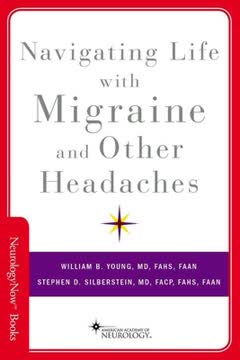
Key Takeaways
1. Headaches are a Significant Public Health Challenge, Often Undervalued and Stigmatized
The impact of headache should not be taken lightly.
Widespread burden. Headaches, particularly migraines, are far more than "just a headache"; they represent a major public health problem affecting millions, yet they are frequently overlooked, undertreated, or even ignored. Migraine alone affects 28 million U.S. residents severely, with a significant portion experiencing frequent, disabling attacks that interfere with work, family, and social life. This leads to substantial economic and societal costs, including missed workdays and inappropriate healthcare utilization.
Underestimated disability. Despite being the seventh leading cause of medical disability globally, headache disorders receive disproportionately low funding for research and are often underestimated by the medical community and society. Patients with chronic severe headaches report a very poor quality of life, comparable to or worse than many other chronic disorders. The associated symptoms like nausea, light/sound sensitivity, and fatigue further contribute to profound disability.
Pervasive stigma. Many individuals with headaches face stigma, feeling their condition is not legitimate or that they are weak for seeking help. This devaluation can be internalized, leading to reduced self-esteem and productivity. Even doctors can harbor prejudices, sometimes blaming patients if treatments fail. Overcoming this stigma requires increased awareness, funding for research and treatment centers, and active patient involvement in advocacy groups.
2. Accurate Diagnosis is Paramount, Distinguishing Primary Headaches from Urgent Secondary Causes
Headache is rarely, however, the first sign of a dangerous medical condition.
Primary vs. secondary. Headaches are broadly categorized into primary, where the headache itself is the main medical problem (e.g., migraine, tension-type), and secondary, which are symptoms of an underlying condition (e.g., neck injury, sinus infection). While most headaches are primary and benign, it's crucial to identify rare but serious secondary causes that require urgent medical attention.
Warning signs. Certain "red flags" indicate a potentially serious headache and necessitate immediate medical evaluation. These include:
- Sudden-onset headache (maximum pain in under 1 minute)
- Stiff neck or symptoms of brain damage (e.g., one-sided weakness)
- New headaches starting at age 50 or older
- Relentlessly worsening headache over days or weeks
- Headache with fever or a known serious disease (e.g., cancer, AIDS)
Serious conditions. Conditions like subarachnoid hemorrhage (often from an aneurysm), meningitis, encephalitis, brain tumors, and dissections can present with severe headaches. While rare, early diagnosis and treatment of these emergencies are critical for preventing severe complications or death. A thorough headache history and neurological examination are usually sufficient for diagnosis, with MRIs or CT scans reserved for specific warning signs.
3. Migraine is a Complex Neurological Disorder with Diverse Symptoms and Triggers
Migraine is a process the brain and head goes through for which has no test.
Beyond a simple headache. Migraine is a complex neurological disorder, not merely a severe headache. It's characterized by recurrent attacks of varying intensity, frequency, and duration, often unilateral and throbbing, accompanied by nausea, vomiting, and sensitivity to light and sound. The International Headache Society classifies it into types like migraine without aura (most common) and migraine with aura (preceded by sensory disturbances like flashing lights).
Underlying causes. Current understanding points to a neurovascular theory, suggesting migraine stems from an underlying brain disorder with increased sensitivity of pain nerves within the skull. Key contributing factors include:
- A hypervigilant brain, overly sensitive to stimuli
- Auras caused by waves of electrical activity across the brain
- Activation of specific brainstem areas during attacks
- Inflammation of blood vessels and meninges inside the skull
- Allodynia, or sensitivity to touch on the scalp or body
Diverse manifestations. Migraine symptoms extend beyond pain, encompassing a prodrome (pre-headache symptoms like mood changes, food cravings), aura (visual, sensory, or brainstem-related), the headache phase itself, and a postdrome (post-headache fatigue or mood changes). Triggers are highly individual but commonly include stress, hormonal changes, sleep disturbances, weather shifts, and certain foods or odors. Chronic migraine, occurring more than 15 days a month, often develops in relation to medication overuse.
4. Effective Migraine Treatment Combines Acute Relief with Long-Term Prevention and Lifestyle Adjustments
Your treatment plan should take into account your diagnosis, your symptoms, and your lifestyle.
Dual approach. Migraine management involves both acute treatments to stop an attack once it begins and preventive treatments to reduce the frequency, duration, and severity of future attacks. Acute medications range from simple analgesics and NSAIDs to specific migraine drugs like triptans and ergots, often combined with anti-nausea medicines. Preventive options include beta-blockers, antidepressants, neuromodulating drugs, and even botulinum toxin.
Early intervention. Treating a migraine early, when pain is mild, significantly increases the likelihood of complete relief and reduces the need for higher doses or multiple medications. Delaying treatment can lead to increased pain severity, longer attack duration, and a higher chance of recurrence. However, frequent use of acute medications, especially opioids or barbiturates, carries a high risk of medication-overuse headache, a vicious cycle where the medication itself perpetuates daily headaches.
Lifestyle as medicine. Beyond pharmaceuticals, lifestyle modifications are crucial for long-term migraine control. These include:
- Regular sleep schedule and consistent mealtimes
- Avoiding identified triggers (e.g., specific foods, caffeine withdrawal)
- Regular aerobic exercise (at least 20 minutes, 3-4 times/week)
- Stress-reducing techniques (meditation, yoga, breathing exercises)
- Maintaining proper hydration
5. Beyond Medication: Embrace a Spectrum of Alternative and Behavioral Therapies
Managing migraine, particularly chronic headache, means more than simply popping a pill.
Holistic management. A comprehensive approach to migraine extends beyond conventional medications, incorporating dietary, physical, and behavioral therapies. These non-pharmacological strategies are particularly beneficial for those who prefer to avoid drugs, experience side effects, are pregnant, or have coexisting psychological issues. They empower patients to take a more active role in their self-management.
Dietary supplements. Certain dietary supplements have shown promise in migraine prevention:
- Riboflavin (Vitamin B2, 400 mg/day) reduces attack frequency.
- Coenzyme Q10 improves cellular energy production.
- Magnesium may be effective, especially intravenously for acute attacks.
- Hydroxycobalamin (Vitamin B12) is a nitric oxide scavenger.
- Pyridoxine (Vitamin B6) supports histamine intolerance.
Herbs like feverfew and ginger are also explored, though evidence varies, and caution is advised due to potential side effects or interactions.
Physical and behavioral techniques. A range of physical and behavioral therapies can significantly improve headache control:
- Physical Therapy: Strengthens neck muscles, improves posture, uses heat/cold, massage.
- Acupuncture/Acupressure: Targets energy channels to block pain.
- Yoga/Tai Chi: Enhances blood flow, reduces tension, regulates serotonin.
- Relaxation Training: Progressive muscle relaxation, autogenic training, meditation.
- Biofeedback: Teaches control over body functions like muscle tension or hand temperature.
- Cognitive-Behavioral Therapy (CBT): Helps identify and challenge dysfunctional thoughts related to stress and pain.
6. Headaches in Children Require Specialized Understanding and Tailored Management
Most headaches in children do not have a serious symptomatic cause except for a headache associated with a sudden fever.
Prevalence and impact. Headaches are common in children, with migraine affecting a significant percentage, increasing with age and becoming more prevalent in girls after puberty. While serious causes like brain tumors are rare, headaches can profoundly impact a child's life, leading to missed school and affecting family dynamics. Diagnosis often requires a detailed history from both child and parent, focusing on development, academic performance, and behavior.
Unique features. Migraine in younger children often presents differently than in adults, with shorter attacks and pain on both sides of the head, though nausea, vomiting, and light/sound sensitivity are common. Special forms of childhood migraine, known as migraine equivalents or childhood periodic syndromes, include:
- Abdominal migraine (recurrent stomach pain without headache)
- Hemiplegic migraine (one-sided weakness)
- Migraine with brainstem aura (dizziness, double vision, unsteadiness)
- Cyclic vomiting (repeated severe vomiting episodes)
- Benign paroxysmal vertigo (sudden dizziness)
- Alternating hemiplegia (recurrent weakness on alternating sides)
- Paroxysmal torticollis (involuntary neck twisting)
Treatment considerations. Treatment for children emphasizes early intervention and non-drug approaches whenever possible. Lifestyle modifications, such as regular sleep, consistent meals, and avoiding triggers, are crucial. For acute attacks, over-the-counter NSAIDs like ibuprofen or naproxen are preferred, with aspirin avoided due to Reye syndrome risk. Preventive medications are considered for frequent, severe attacks, with the understanding that many childhood headaches improve spontaneously.
7. Coexisting Conditions Profoundly Impact Headache Presentation and Treatment Outcomes
All medical conditions that a migraine patient has affect migraine treatment.
Comorbidity matters. Migraine patients are more likely to experience certain other medical conditions, known as comorbid conditions, at a rate higher than expected by chance. These comorbidities are not merely coexistent but can significantly influence the presentation, severity, and treatment response of headaches. Recognizing and managing these associated disorders is critical for effective headache care.
Common comorbidities. Key comorbid conditions frequently seen with migraine include:
- Psychological Disturbances: Depression and anxiety are three times more common in migraineurs, and untreated psychological issues can hinder headache treatment.
- Epilepsy: A bidirectional relationship exists, meaning having one increases the likelihood of developing the other.
- Stroke and Heart Disease: Migraine with aura, especially in women who smoke or use oral contraceptives, is associated with an increased risk of stroke and cardiovascular events.
- Obesity: A risk factor for increased migraine frequency and a consideration due to potential weight gain from some migraine medications.
- Other Pain Conditions: Fibromyalgia and irritable bowel syndrome are often comorbid, suggesting shared pain system overexcitability.
- Restless Legs Syndrome: Can be exacerbated by certain migraine medications and contribute to sleep deprivation, worsening headaches.
Integrated care. The presence of comorbidities necessitates an integrated treatment approach. For instance, selecting migraine medications that also treat anxiety or depression, or avoiding those that worsen restless legs syndrome, can optimize outcomes. Open communication with your doctor about all health conditions is vital to develop a holistic and effective management plan.
8. Recognize and Treat Other Primary Headache Disorders: Tension-Type, Cluster, and Unusual Variants
Different types of headache are thoroughly explained in easy-to-understand language, beginning with migraine, which is the most common type of severe headache that can occur at any age.
Tension-type headache. The most common primary headache, affecting 80% of people at some point. It's characterized by a dull, achy, bilateral tightness or pressure, usually mild to moderate, and doesn't typically interfere with daily activities or involve nausea/photophobia. Episodic forms occur less than 15 days/month, while chronic forms occur more frequently, often linked to medication overuse. Treatment involves simple analgesics for acute attacks and antidepressants or muscle relaxants for prevention, alongside physical and behavioral therapies.
Cluster headache. A rare but excruciatingly painful primary headache, often called "suicide headache" due to its severity. Attacks are one-sided, centered around the eye, last 15-90 minutes, and occur in "clusters" over weeks or months, often waking patients from sleep. Associated symptoms include tearing, eyelid drooping, and nasal congestion on the affected side. Patients are typically agitated during attacks. Treatment involves rapid-acting acute therapies like 100% oxygen or sumatriptan injections, and preventive medications like verapamil or topiramate during cluster periods.
Unusual primary headaches. Several less common primary headaches exist, each with distinct features:
- Paroxysmal Hemicrania: Cluster-like, one-sided, severe attacks (15 min, >6 times/day), uniquely responsive to indomethacin.
- New Daily Persistent Headache: Abrupt onset of continuous, unrelenting pain, often resembling chronic migraine or tension-type, but starting on a specific day.
- Hemicrania Continua: Continuous, one-sided headache of moderate severity with periods of worsening pain, also responsive to indomethacin.
- Ice Pick Headache (Idiopathic Stabbing Headache): Very brief, sudden, severe jabs of pain lasting seconds, usually in patients with other headache disorders.
- Sexual Activity Headache: Explosively sudden, severe headache at orgasm, requiring urgent evaluation to rule out aneurysm.
9. Differentiate Primary Headaches from Secondary Causes Originating in Sinuses, Neck, or Trauma
Much less commonly, the headache is a secondary headache, due to an underlying medical condition, such as a neck injury or a sinus infection.
Sinus headache vs. migraine. A common misconception is that frontal head pain and nasal stuffiness indicate a "sinus headache." However, true sinus headaches (rhinosinusitis) are infections of the cranial sinuses, accompanied by fever, colored nasal discharge, bad breath, and facial pain. Many people mistakenly attribute migraine symptoms like nasal congestion to sinus issues, delaying appropriate migraine treatment. Diagnosis of rhinosinusitis requires clinical, nasal endoscopic, or CT evidence of infection.
Cervicogenic headache. This headache originates in the neck, with pain starting in the back of the head and spreading forward, often provoked or worsened by specific neck movements or positions. It can be caused by:
- Congenital abnormalities (e.g., basilar invagination, Arnold-Chiari malformation)
- Acquired conditions (e.g., tumors, arthritis, osteomyelitis)
- Trauma (e.g., whiplash injuries, prolonged static neck positions)
Diagnosis involves physical examination revealing restricted neck movement or tenderness, often confirmed by X-rays showing muscle spasm. Treatment typically includes physical therapy, NSAIDs, muscle relaxants, or nerve blocks.
Post-traumatic headache. Headaches that begin within a week of a head injury are termed acute post-traumatic headaches, often accompanied by nausea, light/sound sensitivity, and cognitive issues. If symptoms persist beyond three months, it becomes chronic post-traumatic headache. The legitimacy of this condition is sometimes questioned, but it's a real disorder caused by axonal stretching and chemical release in the brain. Treatment is symptomatic, mirroring migraine or tension-type headache management, alongside physical therapy for neck pain and cognitive strategies.
10. Empower Yourself: Active Partnership with Your Doctor is Key to Successful Headache Management
Headache treatment should be a two-way street, with you communicating your goals and desires regarding your headache management and your doctor bringing medical expertise and expectations, and both of you together developing a final treatment plan that incorporates both perspectives.
Shared responsibility. Effective headache management is a collaborative effort between patient and doctor. Patients must actively communicate their symptoms, goals, and preferences, while doctors provide medical expertise and guide treatment. This partnership ensures a personalized plan that integrates medication, lifestyle changes, and behavioral therapies. Patients should be prepared to discuss their headache history, frequency, intensity, triggers, and previous treatments.
Realistic expectations. It's important to have realistic expectations about diagnosis and treatment. Headache control often involves trial and error, and improvement may not be immediate, especially with preventive medications that can take weeks to show full effect. Understanding potential side effects and the difference between addiction and medication overuse is also crucial. Patients should be honest about medication use and disability to avoid confusion and optimize care.
Advocacy and self-management. Taking charge of your care involves:
- Keeping a headache calendar to track patterns and treatment effectiveness.
- Understanding your medications (acute vs. preventive, dosages, limits).
- Implementing non-pharmacological strategies (stress reduction, exercise).
- Seeking a headache specialist if your current doctor is unhelpful or skeptical.
- Advocating for yourself with insurance companies for necessary referrals or medications.
By being informed and actively engaged, patients can significantly improve their quality of life and regain a sense of control over their condition.
Last updated: