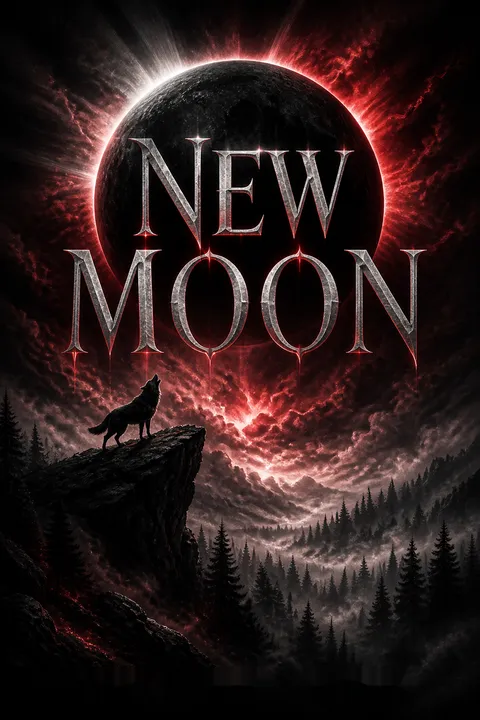


Plot Summary
Prologue
Bella races across a sunlit square, intent on reaching someone she loves before a clock strikes noon. Her companion, Alice, has warned that they may both die, but Bella scarcely cares about her own survival. She pushes through a crowd while the square grows brighter and the deadline closes in.
A waiting danger seems almost welcome if she fails. The scene begins at the story's future crisis, then the opening chapters rewind to Bella's eighteenth birthday and show how heartbreak, danger, and choices she cannot take back carry her toward Italy.
The opening makes urgency the reader's first fact and withholds its cause. Bella's willingness to risk death can initially read as despair, but the novel later reframes it as a desperate act of rescue. The clock and crowd turn private devotion into a public race, while Alice's warning establishes that foresight cannot guarantee control. Beginning at the climax also creates a question more specific than whether Bella will survive: what could make her value another person's life above her own, even after that person has left her?
The Bloodied Birthday
On her eighteenth birthday, Bella Swan resents the reminder that she will age while her vampire boyfriend, Edward Cullen, remains seventeen. Alice Cullen ignores Bella's request to skip the celebration and fills the Cullen home with flowers, cake, and presents.
When wrapping paper slices Bella's finger, Jasper Hale, whose control around human blood is fragile, lunges toward her. Edward knocks Bella across the table to protect her; broken glass cuts her arm, and Carlisle Cullen calmly removes the shards and stitches the wound.
The others retreat to restrain Jasper. Later, Edward admits that if Bella died, he had considered provoking the powerful Volturi in Italy to end his own existence. The party leaves him shaken by how easily his family endangered her.
The birthday concentrates the novel's central asymmetry into one room: Bella's body is vulnerable and aging, while the Cullens are physically fixed and dangerous. Her cut is accidental, but its consequence is collective; a family that loves her must still flee her blood. Edward's contemplated suicide also exposes a contradiction in his protection. He wants to control Bella's risks, yet imagines his own death as an answer to losing her. Carlisle's steady medical work offers a different model: responsibility expressed through practiced care rather than panic or possession.
The Clean Break
The morning after the party, Edward grows distant, while Alice leaves with Jasper so he can recover from his attack. After several days of silence, Edward leads Bella into the woods and says that his family is leaving Forks. He corrects her when she assumes she is going with them: he does not want her to come.
He claims their relationship is harmful and promises that he and the Cullens will disappear from her life. Bella follows him into the forest, searching until darkness and exhaustion leave her collapsed on the ground. Charlie and local searchers find her. Once home, she discovers that Edward has taken the photographs he left behind, and the absence turns his promise of erasure into something painfully tangible.
Edward turns separation into an act of unilateral protection: he decides what Bella can bear, then disguises that decision as rejection so she will stop hoping. The strategy depends on her believing his account of her worth, precisely because he knows she loves him. Bella's walk through the forest makes the cost physical; when Edward vanishes, she keeps moving because stopping would mean accepting the break. The removed photographs extend his control beyond his departure, yet their empty spaces cannot restore her earlier life. His attempt to erase himself instead becomes the most defining presence in it.
Months Without a Voice
Bella spends four months functioning mechanically in Forks, attending school and work while enduring a recurring dream of searching an empty forest. When Charlie threatens to send her to Florida, she arranges a movie night with Jessica Stanley to prove she can socialize. A zombie film unsettles her because its blank pursuer resembles the way she has been living.
Outside the theater, Bella approaches a group of men on a dark street, drawn by a memory of an earlier threat. In her mind, Edward's angry voice warns her away. The sound brings a moment of clarity, followed later by the familiar pain of missing him. Bella realizes that numbness has not healed her; it has only kept her from feeling the loss.
Bella's return to feeling begins not through a comforting memory but through a disturbing one. The zombie film supplies an image for her emotional suspension, and the men in the street give that suspension a real-world edge. Edward's voice is not an actual intervention; it is Bella's mind using his remembered concern to restrain her. That distinction matters. Her grief remains intense, but her inner life is no longer entirely vacant. The scene marks a shift from surviving by suppressing experience to seeking experiences strong enough to make her feel present.
Jacob's Garage Light
Looking for a way to be reckless, Bella buys two discarded motorcycles and takes them to Jacob Black, her childhood acquaintance in La Push. Jacob is delighted to repair them and teach her to ride, while Bella pays for parts from her small college fund. Hours in his garage turn into shared errands, meals, and homework; his easy warmth makes her laugh without having to pretend.
Their friendship also gives Charlie visible relief. Jacob's friends, Quil Ateara and Embry Call, tease him about Bella, and Jacob seems pleased by the possibility of being special to her. When the bikes are ready, he takes Bella to the cliffs, where she mistakes a group's leap for a suicide and discovers that Jacob regards the plunge as recreation.
Jacob's garage offers Bella a form of recovery built from ordinary cooperation: she funds the work, he supplies skill, and both spend time making something damaged usable. Unlike Edward's gifts, the motorcycles do not intensify the imbalance between a wealthy immortal and a human girl. They require Bella's participation. Jacob's cheerfulness helps, but the friendship is not emotionally neutral; his pleasure in her attention hints at a hope she does not share. The cliff divers also introduce a crucial distinction in Bella's appetite for danger: she is not seeking death so much as a jolt strong enough to interrupt numbness.
The Adrenaline Voice
Jacob teaches Bella to ride, but her first attempts end in crashes. Each burst of fear and adrenaline brings Edward's remembered voice into unusually sharp focus, warning her about the danger. Bella realizes that the voice returns when she risks herself, and the discovery makes her eager to ride again despite cuts, stitches, and Charlie's growing suspicion.
She also notices that Jacob's fever, sudden absences, and anxiety about Sam Uley's increasingly close-knit group are not ordinary teenage troubles. When Jacob stops seeing her, Bella worries that Sam has drawn him into a cult. At the same time, she tries to map the forest meadow where Edward once showed her his sparkling skin, hoping the place will make him feel real again.
Bella converts distress into a self-made signal: danger produces a vivid version of Edward who seems to protect her, even though the voice exists only in her mind. This coping strategy gives her short intervals of closeness but rewards behavior that could kill her. The motorcycles therefore function as both repair project and risky emotional technology. Jacob's unexplained fever and withdrawal open a separate mystery, one Bella interprets through the language available to her, namely a cult. Her search for the meadow extends the same logic: she wants proof of a lost relationship in physical places, but place alone cannot restore it.
The Meadow's Intruder
Bella eventually finds the meadow alone, but the clearing offers no comfort without Edward. Instead, Laurent, a vampire once associated with James, appears and admits that Victoria sent him to scout Bella before killing her. He is thirsty and prepares to attack. Bella lies that the Cullens may return, while the voice she associates with Edward urges her to keep Laurent talking and not move.
A gigantic black wolf emerges, followed by four more, and Laurent retreats into the trees. The pack pursues him, leaving Bella alive but terrified. She reaches home exhausted and tells Charlie she saw enormous wolves. He reports her sighting, unaware that she has just encountered a vampire hunting her.
The meadow reverses its earlier meaning. Bella went there looking for a place that belonged to Edward, but finds a threat that proves the supernatural world has not left her behind. Laurent's approach makes her longing dangerous: she is unprotected, and the only safeguard she can summon is an imagined Edward whose instructions happen to keep her alive. The wolves interrupt the expected predator-prey relation, confusing Bella as much as they save her. Her report to Charlie translates an encounter with vampires and impossible animals into a familiar wildlife problem, showing how little ordinary language can contain what is happening.
The Wolf Behind Jacob
Bella drives to La Push and finds Jacob changed: his hair is cropped, his manner is hostile, and he stands with Sam and the other boys. Jacob blames the Cullens for existing and ends their friendship rather than explain what has happened to him. That night, he climbs through Bella's window to apologize, but says loyalty prevents him from revealing his secret.
He reminds her of the Quileute stories he told on the beach, especially the legends of wolves who become men and oppose vampires. Bella dreams of Jacob changing into the enormous russet wolf from the meadow. She wakes understanding that Sam's group is a pack, not a cult, and learns Charlie is joining an armed search for the wolves.
Jacob's refusal hurts Bella because it combines two forms of exclusion: he withdraws affection and withholds the explanation that might make his change intelligible. His visit does not restore their old ease, but his clues trust Bella to do the interpretive work herself. The dream completes what his words could not safely state, linking inherited tribal stories to the wolf she saw at the meadow. Bella's realization also complicates her sense of normality: she has already accepted vampires, yet discovering that her human friend belongs to another supernatural tradition unsettles her more deeply.
Laurent Was the Prey
Bella finds Jacob on the beach and tells him she understands that he and the others are werewolves. He confirms the truth and explains that the pack protects people from vampires, not that it hunts humans. The missing hikers are victims of the vampires the wolves are trying to stop. Jacob also reveals that his pack killed Laurent after the vampire threatened Bella in the meadow.
Bella is relieved that Laurent cannot return, but Jacob tells her that Victoria, James's red-haired companion, is still nearby and wants revenge for James's death. Because Bella is her target, Jacob takes her to meet the pack and share what she knows. The threat now has a name, motive, and a clear route toward Forks.
The beach conversation repairs a moral misunderstanding before it repairs the friendship. Bella had feared that Jacob's new nature made him a murderer; learning that the pack's purpose is protective lets her accept the transformation without excusing harm to humans. Laurent's death brings immediate relief, then exposes a larger danger: Victoria's pursuit is motivated by a personal bond Bella had not understood. The information shifts Bella from passive quarry to participant in a defense effort. Yet Jacob's reassurance cannot erase the danger of his involvement, because the same loyalty that makes him protective also draws him toward violent confrontation.
Emily's Kitchen Pack
Jacob brings Bella to meet Sam's pack, where Paul loses control and transforms into a huge gray wolf after taking offense at her presence. Jacob changes into a russet wolf and fights Paul, driving him into the forest; Embry and Jared treat the clash as a familiar pack dispute.
They take Bella to Emily Young's home, where she sees the scars Sam caused when he first lost control near his fiancee. The kitchen's teasing and shared meal reveal the pack as a family, not a sinister gang. Sam outlines a plan to draw Victoria into an ambush and advises Bella to stay in La Push. Bella agrees to remain where Jacob's group can watch for the vampire.
Paul's transformation makes the pack's danger visible before its domestic warmth can soften it. Bella watches Jacob risk himself to shield her, while the other boys' casual betting shows how normalized their physical volatility has become. Emily's scars give that volatility a lasting human consequence, and her loving household prevents the group from being reduced to monsters. The scene's ethical tension rests in that coexistence: the werewolves are protectors, but protection does not make them harmless. Bella's choice to stay with them accepts both the shelter they offer and the instability that comes with it.
The Cliff in the Storm
While Jacob and the pack pursue Victoria, Bella grows frantic alone at the beach and climbs to the top of a cliff. She jumps in a storm, seeking the rush that lets her hear Edward's voice, but the current traps her underwater. Jacob finds her by following her truck and hearing her scream, then drags her ashore and forces water from her lungs.
At Billy Black's house, Bella learns that Harry Clearwater has suffered a fatal heart attack. She returns home to find Alice waiting. Alice explains that she saw Bella jump and hurried back, believing Bella meant to die. Bella's near-drowning has brought Alice back, but the visit carries a far more dangerous misunderstanding.
Bella's cliff jump is the most consequential escalation of her coping strategy: she treats a death-defying act as a controlled way to feel close to Edward, but the sea refuses to remain a tool. Jacob's rescue turns his protective role into action rather than promise. Harry's death sharpens the cost of Bella's recklessness by placing Charlie's grief beside her private crisis. Alice's arrival adds a second interpretation of the jump, one shaped by her visions and limited access to human intentions. The episode brings intimacy, loss, and misreading together, preparing the chain reaction that sends Edward toward Italy.
Rosalie's Fatal Message
Alice assumes Edward is still away until she learns he telephoned the Swan house and spoke with Jacob. Jacob told the caller that Charlie was at a funeral; Edward mistook that answer as confirmation that Bella had died. Alice calls Rosalie and discovers that Rosalie had already passed along the same false conclusion.
Because Edward knows the Volturi can kill him, he has gone to Italy to provoke them. Alice cannot see his future clearly enough to know what he will do next, so she decides to take Bella after him. Jacob objects, but Bella leaves with Alice, entrusting Charlie's safety to Jacob and the pack. The mistaken report turns Bella's return into a race against Edward's chosen death.
A tiny ambiguity in Jacob's answer becomes fatal because the characters communicate through assumptions rather than confirmation. Edward hears funeral and accepts the conclusion his despair already expects; Rosalie's warning gives that conclusion authority. Alice's vision is powerful but not omniscient, so she can identify the crisis without guaranteeing a solution. Bella's departure also costs her something: she chooses Edward's rescue over the safer life Jacob offers, despite the grief she knows this will cause him. The plot's urgency grows from a relational failure, not a villain's scheme.
Racing Toward Volterra
On the flight to Italy, Alice explains that the Volturi are an ancient ruling family who enforce secrecy among vampires through a powerful guard. Edward intends to expose himself in Volterra, forcing them to kill him rather than risk their hidden world. Alice sees that they may offer him a place instead, but cannot predict how he will respond.
After landing, she steals a bright yellow Porsche and speeds toward the walled city. A festival crowds the streets, and Alice bribes a guard to let them drive inside. She points Bella toward the square and the clock tower, then takes another route. Bella has only minutes to cross the crowd before Edward steps into direct sunlight.
The Volturi turn secrecy into an institution: vampire society has rules, enforcement, and an appetite for anyone who threatens public exposure. That makes Edward's plan both suicidal and politically legible. Alice's uncertain foresight raises the stakes without supplying a solution, while the festival gives the hidden rulers a public camouflage of red flags and celebration. The stolen Porsche and bribed guard make Bella's rescue depend on speed and improvisation rather than supernatural power. She must move through a human crowd that has no idea it is surrounding the point where an immortal world may reveal itself.
The Sunlit Square
Bella forces her way through the festival crowd as the clock approaches noon. She spots Edward in a shaded passage, bare-chested and poised to step into the sunlight, unaware that she has reached him. Bella slams into him and pulls him back before the crowd can see his skin shine.
Edward initially believes he is dead and that Bella is a vision, then recognizes that she is alive. Volturi guards Felix and Demetri move in to take them. Edward refuses to leave Bella behind, and Alice joins them before the guards can separate the group. Jane, a childlike guard with a dangerous gift, orders them into the underground passage leading to the Volturi.
The rescue resolves the prologue's clock-driven suspense through bodily action: Bella cannot outfight the Volturi, but she can reach Edward before he takes the one step that would expose him. His failure to recognize her immediately shows how completely grief has narrowed his expectations. The crowd is not merely an obstacle; it is the audience he deliberately chose, a mass of witnesses who would endanger every vampire's secrecy. Edward's refusal to abandon Bella repeats the protective impulse that earlier made him leave her, but now his choice keeps them together and places them under the Volturi's judgment.
Jane's Test
Aro, leader of the Volturi, welcomes Edward, Alice, and Bella into the ancient stronghold and reads Edward's memories by touching him. Curious about Bella's immunity to Edward's mind-reading, Aro takes her hand and finds that his own gift cannot reach her either. Jane tries her pain-inducing power and fails, making Bella unusually valuable to the rulers.
Caius argues that Bella knows too much to be allowed to remain human. Aro is willing to let the Cullens leave if they agree to change her, and Alice offers a vision suggesting they will do so. Edward refuses to join the Volturi and rejects the transformation for now. Aro releases them, but Caius warns that the promise must be fulfilled.
The Volturi scene recasts Bella's apparent weakness as a rare form of resistance. Her immunity does not make her physically powerful, but it disrupts the gifts on which the ruling vampires depend, shifting her from liability to coveted asset. That shift does not grant her full agency: Caius treats her knowledge as grounds for death, while Aro treats her future potential as a reason to spare her. Alice's vision can secure their departure only by promising a future Bella has not yet chosen. The rulers' politeness masks coercion; their offer is a reprieve tied to a demand.
The Lie Unmade
After the group escapes Volterra, Edward carries Bella home, where Charlie angrily bans him from the house. Bella wakes and doubts that the reunion is real. Edward explains that he did not leave because he stopped loving her; he lied in the forest to make her believe she could move on. When he heard she was dead, he went to Italy because he could not imagine living without her.
Bella tells him her love has not changed, and Edward promises not to leave again. He also admits he was tracking Victoria, whose pursuit remains unresolved. Bella refuses to let his remorse dictate their future, and insists that the Volturi's demand to change her must be discussed with the whole Cullen family.
The explanation restores the truth of the relationship without undoing the harm of Edward's choice. His lie was protective in intention but destructive in effect, because it made Bella doubt her own understanding of their bond. Bella's insistence on a family discussion is a meaningful change: she does not simply accept Edward's decisions as proof of love or protection. At the same time, their reunion remains precarious. Edward's promise answers her immediate fear, but Victoria and the Volturi still impose external threats, and his refusal to change Bella leaves the central disagreement unresolved.
A Vote for Forever
At the Cullen home, Bella asks the family to vote on whether she should become a vampire, since Alice has promised the Volturi it will happen. Edward votes no, as do Rosalie, who regrets losing her own human life, while Alice, Jasper, Emmett, Esme, and Carlisle vote yes. Carlisle supports the choice because Edward has already shown he cannot live without Bella.
The family agrees to wait until Bella graduates, giving her time to finish school and leave Charlie's home. Edward then offers to change her himself only if she marries him first. Bella resists marriage but bargains over the timing, leaving their future unsettled in one respect and unmistakably shared in another.
The vote gives Bella's transformation a social dimension that Edward's private arguments have denied it. Rosalie's dissent is not hostility toward Bella; it comes from knowing what immortality costs and wishing someone had protected her choice. Carlisle's vote recognizes that Edward's attachment has become a fact the family must reckon with. Bella gains a voice in the decision, though the marriage condition reveals that Edward still tries to shape its terms. The ending does not settle the conflict between human life and immortality. It establishes a deadline, a family commitment, and a negotiation neither lover can avoid.
Epilogue
In the weeks after the rescue, the Cullens return to Forks, and Edward resumes school beside Bella. Charlie allows Edward into the house only during supervised visiting hours and keeps Bella grounded. She cannot visit La Push, while Jacob refuses her calls. Eventually, Jacob appears with Bella's motorcycle, exposing her secret to Charlie and forcing a meeting in the woods.
He comes as a representative of the pack to remind Edward that the treaty forbids vampires from biting humans. Bella learns that Victoria has not returned to the wolves' territory, but Jacob still cannot promise their friendship will survive the divide between them. Bella walks back toward Charlie and Edward with both dangers unresolved.
The ending restores the surface of ordinary life without restoring the relationships that made it feel secure. Edward's return repairs Bella's immediate abandonment, but Charlie's grounding and Jacob's silence make the cost of that reunion visible. Jacob's motorcycle stunt is petty on the surface, yet it functions as his remaining leverage: unable to approach Bella freely, he can still force the supernatural conflict into the open. The treaty makes the lovers' private decision politically dangerous, while Victoria remains a threat beyond the final scene. Bella's new confidence therefore coexists with an unfinished emotional and physical predicament.
Analysis
New Moon treats separation not as a pause in romance but as a force that changes how Bella perceives her body, her friends, and the world around her. After Edward leaves, she does not simply miss him; she reorganizes daily life around avoiding reminders, then discovers that risk can briefly make his remembered voice vivid. That coping method is emotionally legible but dangerous, and the novel refuses to treat it as healing. Jacob gives Bella another route back to ordinary human connection through mechanical work, humor, and shared time. Yet he is not a cure or a substitute: his own feelings and inherited obligations create a separate claim on her attention.
The supernatural plot mirrors this emotional structure. Bella's lost sense of safety becomes literal when Laurent finds her in the meadow, while the wolves she first reads as monsters prove to be protectors. Their transformations do not erase the harm they can cause, as Emily's scars demonstrate. The book repeatedly asks whether love excuses control, whether danger can be managed by good intentions, and who has the right to choose a person's future. Edward's departure is intended as protection, Jacob's withdrawal is tied to loyalty, and the Volturi turn secrecy into law. Each form of care carries pressure with it.
Bella's choice to race to Volterra marks a turn from passive suffering to deliberate action. She cannot force Edward to change his mind about immortality, but she can refuse to let his despair make the decision for both of them. The final family vote grants her wishes a place in the room without resolving the conflict. That unresolved ending suits the novel's central tension: intimacy needs trust, but trust cannot be built by deciding for someone else. Bella and Edward reunite, while Jacob, Victoria, and the Volturi leave the future unsettled.
Review Summary
New Moon receives mixed reviews, with many readers critical of Bella's depression and behavior after Edward leaves. Some praise Meyer's writing and character development, particularly Jacob's role. Others find the relationship dynamics problematic and the plot weak. Fans appreciate the emotional depth and vampire lore, while critics argue the book promotes unhealthy relationships. The introduction of the Volturi and expansion of the werewolf storyline are generally well-received. Overall, opinions are polarized, with some considering it the weakest in the series and others finding it compelling.
People Also Read




Characters
Bella Swan
Human girl at the centerBella is an observant, accident-prone high school senior who has built her life around people she loves, especially Edward and her father, Charlie. She distrusts grand gestures that make her feel indebted, yet gives herself readily to the risks and obligations of close relationships. Her grief narrows her attention until ordinary life becomes difficult to inhabit; the friendship she forms with Jacob helps her reconnect with school, family, and humor. Bella's stubbornness can look like courage, but it also leads her to test danger rather than accept uncertainty. She wants control over her future and resists being treated as too fragile to choose, even when the people trying to protect her sincerely fear what their world can do.
Edward Cullen
Immortal, self-denying loverEdward is a vampire who lives with the Cullen family and possesses the ability to hear other people's thoughts, with Bella as a notable exception. His long life has made him intensely conscious of the harm his kind can cause, and he tries to manage that danger through restraint and strict rules. His love for Bella is inseparable from fear: he sees her humanity as precious and vulnerable, while she experiences it as a limit she wants to cross. He is formal, attentive, and capable of tenderness, but his instinct to decide what is best for Bella can become controlling. Edward's central tension is whether protecting someone means respecting their choices, especially when he believes those choices may cost them their soul or life.
Jacob Black
Bella's La Push confidantJacob is a Quileute teenager, the son of Billy Black, and a longtime acquaintance of Bella's. He is physically capable, mechanically gifted, and naturally generous with his time; rebuilding motorcycles gives him and Bella a shared project that asks for trust rather than explanation. Jacob's humor and warmth make him easy to rely on, but his feelings for Bella complicate the friendship he offers. He wants to be chosen, yet often tries to appear patient enough to wait indefinitely. His loyalty to family and community shapes his decisions, sometimes placing him at odds with Bella's attachment to the Cullens. Jacob's combination of youthful candor and growing responsibility makes him a source of comfort and a person with his own needs, not simply a refuge for Bella.
Alice Cullen
Foresightful family catalystAlice is Edward's adoptive sister, a quick-moving, affectionate vampire whose visions let her glimpse possible futures. Her gift makes her confident in planning, but it is not absolute: choices and incomplete information can alter what she sees. Alice loves Bella and treats her as part of the Cullen circle, sometimes overriding Bella's wishes in the name of celebration or safety. She is resourceful under pressure, willing to improvise with a stolen car, and willing to accept personal risk for her family. Her cheerfulness can conceal a decisive streak, while her loyalty to Jasper and the rest of the Cullens constrains what she can promise. Alice's presence connects private relationships to the larger dangers of vampire society.
Charlie Swan
Protective Forks fatherCharlie is Bella's father and the police chief of Forks. He is practical, emotionally reserved, and more comfortable with fishing, sports, and concrete problems than with discussing grief. That reserve does not mean he misses Bella's distress; he sees how her withdrawal changes the rhythms of their home and tries to draw her back into life. Charlie's concern can harden into rules and threats when he believes Bella is in danger, but his motives are rooted in care rather than punishment. His friendships in Forks and La Push widen the consequences of Bella's choices. He wants his daughter to remain close, safe, and capable of building a future beyond the people who currently dominate her attention.
Carlisle Cullen
Healer and family conscienceCarlisle is the Cullen patriarch and a doctor whose medical work gives practical form to his commitment to preserving human life. He treats Bella's injuries with composure and believes moral choices matter even for vampires. His history of choosing restraint informs how he views the family he has built. Carlisle offers Bella care without demanding that she accept his conclusions, though his wisdom cannot resolve the conflict between her wishes and Edward's fears.
Esme Cullen
Cullen family's gentle anchorEsme is Carlisle's wife and the warm, maternal center of the Cullen household. She welcomes Bella with careful affection and is distressed when the family puts her in danger. Esme's care is expressed through hospitality, touch, and the work of making a home, even when the family must move on. She wants Bella included without reducing her to a problem to manage.
Rosalie Hale
Proud, guarded Cullen sisterRosalie is Edward's exceptionally beautiful adoptive sister and Emmett's partner. She is proud, guarded, and protective of the Cullen family, especially when she believes an outsider's choices may endanger them. Her distance from Bella reflects a deeper attachment to the human life she can no longer have. Rosalie's opinions are often blunt, but they grow from experience rather than simple malice.
Jasper Hale
Vampire still mastering restraintJasper is Alice's partner and a member of the Cullen family. His history makes human blood especially difficult for him to resist, so he keeps a careful distance from Bella. He can influence the emotions of people nearby, a talent that suits his effort to manage volatile situations. Jasper's caution is not rejection; it reflects an honest awareness of his limits.
Emmett Cullen
Playful, powerful brotherEmmett is Edward's large, teasing adoptive brother and Rosalie's partner. He uses humor to puncture tension and enjoys physical challenges, but his playfulness sits within a fiercely loyal family. He treats Bella with more ease than some of the Cullens do, though his strength is a reminder of the danger that surrounds her.
Sam Uley
La Push's composed leaderSam is an older young man from La Push whose calm authority draws other boys toward him. He is respected by the reservation's elders and takes responsibility for the younger members of his community. His controlled manner can make him seem mysterious or intimidating to Bella, who does not initially understand the obligations he carries. Emily is his fiancee.
Billy Black
Jacob's watchful fatherBilly is Jacob's father, a wheelchair user and longtime friend of Charlie. He knows the Quileute stories that shape the community's view of the Cullens and takes those traditions more seriously than Jacob once does. Billy can be protective through silence and omission, which leaves Bella uncertain about what he knows. His loyalty to his son and the tribe is steady, even when it frustrates Charlie and Bella.
Laurent
Polished vampire outsiderLaurent is a composed vampire who once traveled with James and Victoria. He is more courteous than many of his kind, but his civility does not make him safe. His passage through Forks connects the earlier vampire threat to Bella's life after the Cullens leave.
Victoria
Vampire driven by revengeVictoria is a red-haired vampire formerly associated with James and Laurent. She is elusive, patient, and difficult to predict, making her threat feel less like a direct confrontation than a presence at the edge of safety. Her personal ties shape the danger she brings to Bella and the people around her.
Quil Ateara
Jacob's anxious childhood friendQuil is one of Jacob's close friends in La Push. He is sociable and outspoken, but becomes frightened when the boys around him begin changing their loyalties and behavior. His worry shows that the group's transformation affects more than the boys who join it.
Embry Call
Jacob's loyal friendEmbry is one of Jacob's closest friends, a quiet, lanky teenager who helps him with mechanical projects. He is more reserved than Quil but shares the easy teasing of their friendship. His changing association with Sam unsettles Jacob before Bella understands why.
Emily Young
Scarred heart of the packEmily is Sam's fiancee and a welcoming, practical presence in La Push. Her face and arm bear scars from an earlier loss of control, but she remains affectionate and active in caring for the young men around her. Her household offers Bella a view of the pack as a family, while her injuries show that its closeness has a cost.
Harry Clearwater
Charlie's trusted friendHarry is a friend of Charlie's and a member of the Clearwater family in La Push. His good humor and long friendship with Charlie connect the two communities. His family includes Sue, Leah, and Seth.
Leah Clearwater
Reserved Clearwater daughterLeah is Harry and Sue Clearwater's daughter and a senior at school. She is striking and preoccupied, and Bella knows little about her private life. Her presence links the high school and La Push circles.
Seth Clearwater
Young Jacob admirerSeth is Harry and Sue Clearwater's fourteen-year-old son. He looks up to Jacob and follows his stories closely. His youth gives the wider Quileute community a stake in the choices made by the older boys.
Aro
Curious Volturi rulerAro is one of the ancient leaders of the Volturi, an influential vampire family. He is charming, theatrical, and intensely interested in unusual abilities. His curiosity can soften the manner of his authority without making that authority any less coercive.
Caius
Volturi's severe lawkeeperCaius is one of the Volturi's ancient leaders. He is suspicious, severe, and quick to frame a potential threat as a violation of law. His cold pragmatism contrasts with Aro's fascination and enthusiasm.
Marcus
Detached Volturi elderMarcus is one of the Volturi's ancient leaders, a quiet figure whose gift lets him perceive relationships between people. He appears emotionally distant and rarely participates in the others' lively deliberations.
Jane
Childlike Volturi enforcerJane is a small, youthful-looking member of the Volturi guard. Her pleasant face and flat manner conceal a formidable ability that makes even powerful vampires wary. She is loyal to Aro and takes pleasure in exercising the authority he gives her.
Demetri
Volturi's relentless trackerDemetri is a member of the Volturi guard whose talent allows him to track people across great distances. His ability is central to the Volturi's reach, and he carries out their orders with quiet confidence.
Plot Devices
Adrenaline and Edward's voice
Danger summons remembered protectionAfter Edward leaves, Bella hears his remembered voice most clearly when she faces physical danger. Riding motorcycles and jumping from a cliff create brief moments in which the voice feels present and protective, giving her a reason to repeat behavior that frightens Charlie and risks her life. The device makes grief active rather than merely reflective: Bella uses bodily danger to regulate emotional pain. Its consequence is both psychological and practical, because her risky habits help bring Alice back to Forks and place Bella in the path of a near-drowning.
Alice's conditional visions
Possible futures guide desperate choicesAlice sees likely futures, but her visions change when people make different choices and are less reliable when she cannot observe someone directly. This limitation explains why she can recognize Bella's leap without understanding its intent, and why she cannot know exactly what Edward will do in Volterra. Her gift creates urgency while denying certainty: she can identify a narrowing set of possibilities, but the characters must still act without guarantees. It also makes her capable of anticipating the Volturi's interest in Bella's unusual resistance.
Quileute lore and treaty
Old stories govern present dangerJacob's stories about the Quileute people, wolves, and the cold ones give Bella clues to understand the transformations around her. The treaty between the Quileutes and the Cullens sets boundaries on where vampires may go and forbids biting humans. These traditions are not background decoration: they determine who can pursue Victoria, how the pack understands its duty, and why the Cullens' return creates a new confrontation with Jacob. The device turns local history into a living political arrangement, binding young characters to obligations they did not personally negotiate.
The Volturi's secrecy law
Secrecy gives the rulers powerThe Volturi enforce the rule that vampires must keep their existence hidden from humans. They use that law to judge Edward's attempt to reveal himself and to threaten Bella because she knows too much. Their authority is backed by a skilled guard and by abilities that make resistance dangerous. Aro's interest in Bella's immunity softens the immediate verdict, but does not remove the demand that she eventually become a vampire. The law transforms Bella's private relationship into a matter of vampire governance, with consequences that remain unresolved after the characters leave Italy.
Bella's immunity
Human exception disrupts vampire giftsEdward cannot hear Bella's thoughts, and Aro and Jane discover that their own powers cannot reach her in the ordinary way. Bella's immunity is not a weapon she can direct, but it prevents the Volturi from using gifts that normally give them an advantage. This exception makes her both harder to control and more valuable to Aro, who imagines what she might become as a vampire. The device complicates Bella's apparent helplessness without making her invulnerable: she remains physically human, emotionally vulnerable, and dependent on others for protection.
FAQ
Synopsis & Basic Details
What is New Moon about?
- Bella faces devastating loss: After a dangerous incident at her birthday party highlights the peril of her human mortality to the Cullen family, Edward decides the only way to keep Bella safe is to leave Forks permanently, promising it will be "as if I'd never existed."
- Despair leads to unexpected friendship: Bella falls into a deep, months-long depression marked by numbness and nightmares, only finding solace and a return to feeling through a burgeoning friendship with Jacob Black, who helps her engage with life again.
- Supernatural secrets resurface: As Bella grows closer to Jacob, she discovers he is part of a secret group of Quileute shape-shifters (werewolves) tied to ancient legends, whose existence is linked to the presence of vampires and who become her unexpected protectors against a vengeful threat from Edward's past.
- A race against time and fate: A misunderstanding leads Edward to believe Bella is dead, prompting him to seek destruction by provoking the powerful Volturi vampire coven in Italy, forcing Bella and Alice into a desperate race to save him before it's too late, ultimately leading to a confrontation with the Volturi and a crucial decision about Bella's future.
Why should I read New Moon?
- Deep dive into emotional impact: New Moon offers a raw exploration of grief, depression, and recovery, providing a relatable portrayal of loss and the struggle to find meaning when faced with devastating change, resonating with readers on a profound emotional level.
- Complex character development: The novel significantly develops Bella's internal world and resilience, while introducing the dynamic transformation of Jacob Black and exploring the intricate, often painful, dynamics of love, friendship, and conflicting loyalties in the face of supernatural realities.
- Expands the supernatural lore: The story broadens the Twilight universe by introducing the Quileute werewolves and the ancient, powerful Volturi coven, adding layers of mythology, conflict, and danger that deepen the stakes and world-building beyond the initial vampire romance.
What is the background of New Moon?
- Sequel building on established conflict: New Moon is the second book in the Twilight saga, directly following the events of Twilight where Bella discovered Edward and his family are vampires and faced a deadly encounter with a nomadic coven, setting the stage for the heightened dangers and emotional fallout explored in this installment.
- Mythological and literary allusions: The narrative draws heavily on classic literary themes of tragic romance (explicitly referencing Romeo and Juliet) and incorporates elements from various mythologies, particularly vampire and werewolf folklore, reinterpreting them within a contemporary setting in the Pacific Northwest.
- Focus on the Quileute reservation: The story significantly shifts focus to the La Push reservation, introducing the culture, legends, and characters of the Quileute tribe, whose history and supernatural abilities are intrinsically linked to the presence of vampires in the region, adding a new cultural dimension to the series.
What are the most memorable quotes in New Moon?
- "It will be as if I'd never existed.": Edward's devastating promise to Bella upon leaving encapsulates the core pain and void that defines the first half of the book, highlighting the theme of erasure and the profound impact of his absence on her identity and sense of reality.
- "Before you, Bella, my life was like a moonless night. Very dark, but there were stars—points of light and reason… And then you shot across my sky like a meteor.": Edward's confession near the end reveals the depth of his love and the transformative effect Bella had on his immortal existence, contrasting his previous state with the brilliance she brought, explaining his inability to live without her.
- "I'm not a killer, Bella.": Jacob's earnest declaration on the beach, after Bella confronts him about the missing hikers, is a pivotal moment that clarifies the nature of the Quileute wolves as protectors rather than malicious monsters, shifting Bella's fear and solidifying their bond based on trust in his character.
What writing style, narrative choices, and literary techniques does Stephenie Meyer use?
- First-person subjective narration: The story is told entirely from Bella's perspective, immersing the reader in her emotional state, thoughts, and limited understanding of events, which heightens the sense of confusion, despair, and later, the surprise of revelations, but also restricts the reader's knowledge to only what Bella perceives.
- Emphasis on internal monologue and emotion: Meyer heavily utilizes Bella's internal thoughts and feelings, often detailing her physical reactions to emotional pain (e.g., the "hole" in her chest, difficulty breathing), making her psychological state a central element of the narrative and driving the plot through her subjective experience.
- Foreshadowing and symbolic imagery: The novel employs subtle (and sometimes explicit) foreshadowing, such as Bella's birthday dream mirroring her fear of aging and Edward's immortality, and uses recurring symbols like the forest (representing danger and the supernatural world) and weather patterns (reflecting Bella's mood) to enhance thematic depth and build atmosphere.
Hidden Details & Subtle Connections
What are some minor details that add significant meaning?
- Bella's scar's coldness: The crescent-shaped scar on Bella's hand from James's bite is consistently described as being colder than the rest of her skin ("always just a few degrees cooler"), a subtle physical manifestation of her brush with vampirism and a constant, tangible reminder of the danger Edward saved her from, linking her permanently to his world.
- The Volturi painting in Carlisle's study: Mentioned briefly when Bella first visits the Cullen house in Twilight and recalled by Bella in New Moon, this painting depicting Aro, Caius, and Marcus centuries ago serves as a visual foreshadowing of the Volturi's ancient nature and unchanging appearance, subtly introducing the powerful coven long before their direct involvement in the plot.
- Emily Young's facial scars: The description of Emily's severe facial scarring, caused by Sam Uley losing control during his transformation, is a stark, visual detail that underscores the inherent danger and volatility of the werewolf nature, highlighting the risks the pack members face and the potential consequences of their power, particularly for those close to them.
What are some subtle foreshadowing and callbacks?
- Edward's "suicide" contemplation: Edward's casual mention of contemplating provoking the Volturi if Bella had died in Phoenix ("I wasn't going to live without you... maybe I would go to Italy and do something to provoke the Volturi") is a direct foreshadowing of his actions later in the book when he believes she is dead, revealing his deep-seated dependency on her existence.
- Jacob's Quileute legends: Jacob's early sharing of tribal legends, including stories of descent from wolves and ancient enemies called "cold ones" (vampires), serves as crucial, albeit initially dismissed, foreshadowing of his own transformation and the true nature of the conflict between the Quileute tribe and vampires, which Bella only fully grasps much later.
- The "clean break" metaphor: The doctor's description of Bella's broken leg in Twilight as a "clean break" that will heal easily is echoed by Edward's intention for their separation in New Moon ("a clean break would be better for you"), a callback that highlights the painful irony of his attempt to sever ties, as the emotional wound proves far from clean or easily healed.
What are some unexpected character connections?
- Carlisle's history with the Volturi: Carlisle's past connection to the Volturi, having lived with them briefly in his early years, provides a surprising link between the seemingly benevolent Cullens and the formidable ruling coven, explaining Aro's "fondness" for Carlisle and adding complexity to the vampire hierarchy and history.
- Jacob's lineage and the pack: Jacob's explanation that his werewolf ability is tied to his ancestry, specifically his great-grandfathers Ephraim Black and Quil Ateara (the Quil in the previous pack), reveals that the transformation is not random but hereditary within certain Quileute lines, connecting him directly to the historical conflict and the current pack members through bloodline.
- Emily's relationship to Sam and the pack: Emily Young is revealed to be Sam Uley's fiancée and is deeply integrated into the pack's life, providing a domestic center and emotional support. Her scarring serves as a constant, tragic reminder of the dangers inherent in the wolves' existence and Sam's struggle with control, highlighting the personal cost of their supernatural reality.
Who are the most significant supporting characters?
- Jacob Black: Beyond a friend, Jacob becomes Bella's emotional anchor and lifeline after Edward leaves, representing the human world she tries to cling to and later revealing the existence of the Quileute shape-shifters, fundamentally changing the supernatural landscape of the story and offering a contrasting form of love and protection.
- Alice Cullen: Alice's visionary ability is crucial to the plot, first by seeing Bella's potential future as a vampire (a vision that influences Edward) and later by seeing Edward's suicidal plan, prompting her to rescue Bella and travel to Italy, acting as Bella's guide and protector in the vampire world and providing vital information about the Volturi.
- Carlisle Cullen: As the compassionate patriarch, Carlisle represents the ethical path for vampires, providing a moral counterpoint to the Volturi and other vampires. His history with the Volturi is key to their interaction, and his willingness to transform Bella (despite Edward's objections) is pivotal to the resolution of the Volturi's ultimatum.
- Sam Uley: Sam is the Alpha of the Quileute pack, guiding the younger shape-shifters and enforcing the treaty with the Cullens. His initial portrayal as potentially sinister (from Bella's limited perspective) gives way to an understanding of his protective role and the burden of his leadership, highlighting the complex dynamics within the pack and their conflict with vampires.
Psychological, Emotional, & Relational Analysis
What are some unspoken motivations of the characters?
- Edward's self-punishment: Beyond protecting Bella, Edward's decision to leave and later seek death with the Volturi is implicitly driven by a deep-seated sense of guilt and self-loathing regarding his vampire nature and the danger he believes he poses to Bella, viewing his existence as inherently harmful and her death as a release from this burden.
- Bella's pursuit of danger: Bella's seemingly reckless behavior (motorcycles, cliff diving) after Edward leaves is not solely about seeking adrenaline; it's an unspoken attempt to feel something to combat her emotional numbness and potentially trigger hallucinations of Edward's voice, revealing a desperate need for connection and a distorted coping mechanism for grief.
- Jacob's desire for Bella's happiness (and love): While Jacob genuinely cares for Bella and wants to alleviate her pain, his motivation is also fueled by his deep love for her and the hope that his presence and the human life he represents might eventually replace her need for Edward, creating an unspoken tension in their friendship as he navigates his conflicting desires and loyalty to his pack.
What psychological complexities do the characters exhibit?
- Bella's dissociative response to trauma: Bella's reaction to Edward's departure—entering a state of prolonged numbness, emotional detachment, and difficulty engaging with reality—is a complex psychological response to trauma and loss, illustrating a form of dissociation where her mind attempts to protect itself from overwhelming pain by shutting down emotional processing.
- Edward's struggle with control and self-worth: Edward exhibits deep psychological complexity in his constant battle to control his vampire instincts, particularly his intense reaction to Bella's blood. His decision to leave stems from a profound lack of self-worth tied to his perceived monstrousness, leading to self-sacrificial actions that are both protective and self-destructive.
- Jacob's identity conflict: Jacob's transformation into a werewolf forces him to grapple with a sudden, involuntary change in identity. He struggles with the loss of his perceived normalcy, the burden of his new responsibilities, and the fear of losing control (as seen with Emily's scarring), adding layers of psychological strain to his character arc.
What are the major emotional turning points?
- Edward's departure: This is the primary emotional catalyst, plunging Bella into profound despair and marking the end of her initial happiness, setting the stage for her emotional journey through grief, numbness, and eventual recovery.
- Bella finding solace in Jacob: The deepening of Bella's friendship with Jacob represents a crucial emotional turning point, as his warmth and presence begin to pull her out of her catatonic state, offering a different kind of comfort and connection that allows her to feel alive again, even if the pain of loss remains.
- Bella's realization of Edward's continued love: The confrontation in Italy and Edward's subsequent confession that he never stopped loving her, but left to protect her, is a massive emotional turning point, shifting Bella from despair and perceived rejection to understanding and renewed hope, fundamentally altering her emotional landscape and relationship with him.
How do relationship dynamics evolve?
- Bella and Edward's relationship transforms: Their relationship shifts from an intense, almost idealized romance to one defined by devastating separation, grief, and misunderstanding, before evolving into a more complex dynamic based on Bella's resilience, Edward's regret, and a shared understanding of the sacrifices their love demands, culminating in a commitment to face future challenges together.
- Bella and Jacob's friendship deepens and strains: Their relationship evolves from a casual acquaintance into a vital, life-sustaining friendship for Bella, marked by shared activities and emotional support. However, Jacob's transformation and developing romantic feelings, coupled with Bella's unwavering love for Edward and the supernatural conflict between vampires and werewolves, introduce significant strain and conflicting loyalties that challenge their bond.
- The Cullen family dynamics are tested: Edward's decision to leave causes distress and division within the Cullen family, particularly impacting Alice and Esme. Their reunion is marked by relief but also lingering tension and disagreement regarding Bella's safety and future, highlighting the family's deep interconnectedness and the impact of individual choices on the group.
Interpretation & Debate
Which parts of the story remain ambiguous or open-ended?
- The exact nature of Bella's "shield" ability: While it's established that Bella is immune to Edward's mind-reading and Jane's pain illusion, the precise nature and extent of this "shield" ability remain somewhat ambiguous. Its potential for development and how it might manifest if she were to become a vampire is hinted at but not fully explained, leaving her future powers open to interpretation.
- The long-term implications of the werewolf/vampire treaty: The treaty between the Quileute pack and the Cullens is re-established, but the deep-seated "enmity" between the species, particularly between Edward and Jacob, suggests that maintaining this peace will be an ongoing challenge. The future interactions and potential conflicts between the pack and the Cullen family remain open-ended.
- The Volturi's true intentions and future involvement: While the Volturi allow Bella and Edward to leave based on Alice's vision of Bella becoming a vampire, their interest in Bella's potential and Caius's warning ("We do not offer second chances") leave their future involvement and the consequences of any delay in Bella's transformation as a significant, unresolved threat.
What are some debatable, controversial scenes or moments in New Moon?
- Edward's decision to leave Bella: This is highly debated among readers. Some view it as a necessary, albeit painful, act of self-sacrificial love aimed at protecting Bella from danger and allowing her a normal life. Others criticize it as abandonment, arguing that he underestimated Bella's resilience and caused her immense psychological harm, highlighting themes of control and agency in relationships.
- Bella's period of depression and numbness: Bella's extreme, almost catatonic, reaction to Edward's departure is sometimes debated. Some find it a realistic portrayal of severe grief and trauma, while others view it as an excessive or unhealthy depiction of dependency, sparking discussions about the portrayal of mental health and romantic relationships in the novel.
- Jacob's actions after his transformation: Jacob's shift in behavior, including his initial avoidance of Bella and later attempts to keep her away from vampires (culminating in revealing the motorcycle to Charlie), is controversial. Some see it as a protective instinct driven by his new nature and love for Bella, while others view it as manipulative or possessive behavior, debating the line between care and control in his actions.
New Moon Ending Explained: How It Ends & What It Means
- Edward and Bella reunite and commit: The climax sees Bella and Alice saving Edward from the Volturi in Italy. Edward realizes Bella is alive and confesses his unwavering love, explaining he left to give her a human life but cannot live without her. This signifies a renewed, deeper commitment between them, based on honesty about their feelings and the dangers they face together.
- The Volturi's ultimatum: The Volturi spare Bella and Edward based on Alice's vision of Bella becoming a vampire. They demand that Bella be transformed eventually, threatening intervention if she remains human and exposed to the supernatural world. This establishes a clear deadline and external pressure for Bella's transformation, shifting the conflict from internal (Edward's reluctance) to external (the Volturi's threat).
- Bella chooses immortality, but on her terms: Faced with the Volturi's ultimatum and Edward's continued reluctance to change her himself, Bella puts her fate to a vote with the Cullen family. The majority votes for her transformation. While Edward initially resists, he eventually agrees to be the one to change her, but proposes marriage first, delaying the transformation until after her high school graduation. This ending signifies Bella's agency in choosing her path, the Cullen family's acceptance, and sets up the central conflict and resolution for the next book, Eclipse.
The Twilight Saga Series
About the Author
Other books by Stephenie Meyer


Download PDF
Download EPUB
.epub digital book format is ideal for reading ebooks on phones, tablets, and e-readers.








