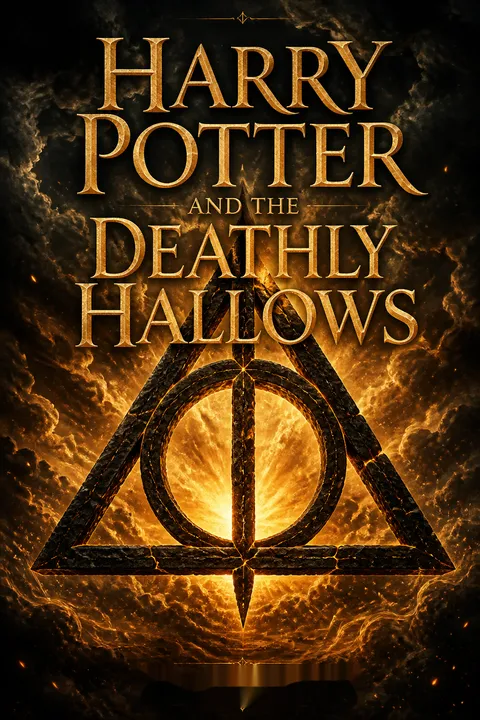


Summary Unavailable
This book is not suitable for a summary (it may be a textbook, workbook, cookbook, reference book, or collection). However, you can still explore the FAQs, about author, and other metadata below!
Plot Summary
Voldemort Takes the Ministry
At Malfoy Manor, Voldemort gathers his followers and learns that the Order plans to move Harry before his seventeenth birthday. Snape supplies the true date, while Ministry official Pius Thicknesse is already under the Imperius Curse, allowing Voldemort’s allies to tighten their grip on government.
To kill Harry, Voldemort borrows Lucius Malfoy’s wand, then executes Charity Burbage, the Hogwarts teacher who defended Muggle-borns. Harry, meanwhile, empties his trunk at Privet Drive and finds the broken mirror Sirius gave him. Reports about Dumbledore’s past and Rita Skeeter’s coming biography unsettle him, while a brief blue eye flickers in the mirror shard, an unexplained sign of help.
The opening makes political capture feel domestic and immediate: Voldemort converts a wealthy family’s drawing room into a tribunal, then turns Ministry procedure into a weapon. Charity’s murder shows that the regime attacks ideas as well as bodies. Harry’s discovery of the broken mirror and the hostile biography begins a different destabilization: he must confront how little he knows about the mentor whose instructions will guide him. Public propaganda and private doubt arrive together, making trust a central danger before Harry has even left home.
Seven Harrys, One Ambush
Harry’s aunt, uncle, and cousin prepare to leave Privet Drive under Order protection. Dudley surprises Harry by showing concern for his safety, a small change that makes their parting less hostile. That night, the Order disguises six volunteers as Harry with Polyjuice Potion and sends seven pairs toward separate safe houses. Death Eaters attack almost immediately.
Hagrid’s enchanted motorbike carries Harry through the pursuit, but Hedwig is killed and the sidecar breaks away. Harry’s wand acts on its own, sending golden fire at Voldemort and forcing him to retreat. At the Burrow, George returns with one ear cursed away, Mad-Eye Moody is confirmed dead, and the survivors realize the departure date has been betrayed.
The decoy plan turns loyalty into physical risk: the people Harry loves must literally wear his face so he can survive. His insistence on protecting them is sincere, but it cannot control the consequences of their choice to help. Hedwig’s death strips away a familiar companion just as Harry leaves his childhood home for good. The wand’s unexplained response offers a flash of power without understanding, while the ambush teaches the Order that secrecy alone cannot withstand an enemy embedded in the institutions meant to protect them.
Dumbledore’s Unfinished Will
At the Burrow, the Order hides Harry while Molly Weasley keeps him, Ron, and Hermione busy with Bill and Fleur’s wedding preparations. On Harry’s seventeenth birthday, Minister Rufus Scrimgeour delivers Dumbledore’s bequests: Ron receives a Deluminator, Hermione receives a book of wizarding tales, and Harry receives his first Snitch. The Ministry withholds the sword of Gryffindor.
Harry discovers a message inside the Snitch but cannot yet interpret it. During the wedding, Aunt Muriel repeats scandalous claims about Dumbledore’s family, deepening Harry’s doubts. Then Kingsley’s Patronus announces that the Ministry has fallen and Scrimgeour is dead. Death Eaters invade the celebration, and Harry, Ron, and Hermione escape to London.
Dumbledore’s gifts are practical objects wrapped in emotional ambiguity: each friend receives something whose purpose is hidden, and the withheld sword makes the Ministry’s suspicion tangible. Harry’s birthday should mark entry into adulthood, but the interrupted wedding turns it into an abrupt passage into fugitivity. The contrast between communal celebration and political violence is sharp: the new regime can invade even a family gathering. Muriel’s gossip does not prove Dumbledore guilty, but it exposes Harry’s hunger for a fuller account of the man he trusted.
Kreacher Remembers Regulus
After a brief clash with Death Eaters in a Muggle café, the trio reaches Sirius’s house, Grimmauld Place. There they discover that the locket they once discarded belonged to Regulus Black, Sirius’s younger brother and a former Death Eater. Kreacher explains that Voldemort used him to test the defenses of a hidden Horcrux, abandoning him in a lake full of Inferi.
Regulus later returned with Kreacher, switched the real locket for a fake, and died so the elf could escape. Kreacher had tried and failed to destroy it. He eventually tracked the real locket to Mundungus Fletcher, who had sold it to Dolores Umbridge. Harry sends Kreacher to find Mundungus and gives him Regulus’s fake locket as a gesture of trust.
Kreacher’s testimony revises the meaning of loyalty. He served the Black family’s pure-blood values, but his deepest attachment was to the people who treated him as someone worth addressing. Regulus’s rebellion begins not as a public conversion but as a private act of repair, carried out through the servant he once endangered. Harry’s decision to give Kreacher the imitation locket matters because it acknowledges the elf’s grief rather than treating him as a tool. That change in Harry’s conduct produces cooperation where command alone would not.
The Ministry’s False Justice
Kreacher brings Mundungus back to Grimmauld Place, where the thief identifies Umbridge as the woman who took the locket. With the help of Hermione’s research and Polyjuice Potion, Harry, Ron, and Hermione infiltrate the Ministry. They find Umbridge presiding over trials that brand Muggle-borns as criminals and send them toward dementors.
Harry and Hermione stun Umbridge and Yaxley, seize the locket, and free Mary Cattermole. Harry drives the other accused Muggle-borns toward escape, while Ron helps Mary reunite with her husband. Yaxley catches Hermione during their Apparition away, so she takes the trio somewhere else. Ron is badly splinched, and the group can no longer safely return to Grimmauld Place.
The Ministry sequence makes persecution bureaucratic before it becomes openly violent: hearings, records, and blood-status claims give prejudice the appearance of administration. Harry’s rescue is imperfect and costly. He can interrupt one courtroom and help people flee, but he cannot dismantle the machinery in a single raid. Hermione’s quick decisions save the group, yet Yaxley’s grip turns their escape into a new liability. The episode also tests Harry’s public identity: the man labeled a criminal uses the authority of his disguise to free people whom the state has already condemned.
Ron Leaves the Hunt
On the run, Harry, Ron, and Hermione camp in shifting locations while trying to identify the remaining Horcruxes. The locket worsens their hunger, fatigue, and suspicion, especially when Ron wears it. Harry’s scar repeatedly shows him fragments of Voldemort’s search for wandmaker Gregorovitch. After the trio learns that the Ministry tracks anyone who says Voldemort’s name, their isolation grows.
Ron’s worry for his family and frustration with Harry’s uncertain plan erupt during an argument. He removes the locket and leaves, despite Hermione’s plea for him to stay. Harry and Hermione continue alone, grieving the friend whose practical judgment and warmth had kept their hard journey from becoming purely grim.
The locket does not invent the trio’s tensions; it magnifies what each already fears. Ron’s insecurity about being second-best and his terror for his family become harder to contain, while Harry’s reluctance to admit uncertainty makes leadership feel like silence. Hermione works to preserve the mission and the friendship at once, but cannot prevent the rupture. Ron’s departure is therefore more than a magical symptom: it exposes how loyalty can fail when people are exhausted, underinformed, and carrying unequal emotional burdens.
Godric’s Hollow Turns Against Harry
Harry and Hermione reach Godric’s Hollow at Christmas, disguised as Muggles. Harry visits his parents’ graves and finds Dumbledore’s mother and sister buried nearby, confirming that Dumbledore had withheld a personal connection to the village.
They also find the symbol Hermione saw in Beedle’s book on an old Peverell grave. At the ruined Potter home, a memorial records the attack that made Harry famous. An elderly Bathilda Bagshot beckons them inside, but she is already dead, and Voldemort has concealed Nagini inside her body.
The snake attacks Harry and Hermione; they escape through a window, but Hermione’s blasting spell destroys Harry’s holly wand. Their visit yields no sword and leaves Harry injured, grieving, and without his familiar wand.
The journey answers Harry’s longing for home with evidence rather than comfort: graves, a ruined house, and a memorial that turns his childhood catastrophe into public property. His anger at Dumbledore intensifies because the shared family history feels like withheld intimacy. Bathilda’s apparent welcome becomes an ambush, showing how grief can make a desired encounter dangerous. Hermione’s spell saves them, yet destroys the wand that has accompanied Harry since childhood. The cost is emotional as well as practical: Harry loses an object he experienced as part of his own agency.
Ron Returns with the Sword
After escaping Godric’s Hollow, Harry and Hermione struggle to continue without a dependable wand or a clear lead. A silver doe appears in the Forest of Dean and guides Harry to a frozen pool, where the sword of Gryffindor lies beneath the ice. As Harry dives for it, the locket tightens around his throat.
Ron emerges, pulls him from the water, and reveals that the Deluminator led him back to the pair. Harry opens the Horcrux in Parseltongue; it projects visions meant to deepen Ron’s jealousy and fear. Ron resists them and drives the sword through the locket. The Horcrux is destroyed, and Harry and Hermione welcome Ron back, though Hermione’s anger at his leaving remains raw.
Ron’s return is made credible by a chain of choices: Dumbledore’s Deluminator gives him a route back, but he must decide to follow it. The sword is recovered only when Harry accepts danger himself, and Ron’s rescue transforms the scene from solitary sacrifice into renewed partnership. The Horcrux attacks the precise wound that had driven Ron away, making his decision to destroy it an act of self-knowledge as much as courage. Reconciliation is not instant forgiveness: Hermione’s fury preserves the real cost of his absence even as the trio becomes whole again.
The Hallows Are Named
The trio visits Xenophilius Lovegood to understand the triangular symbol worn by him, found on the Peverell grave, and marked in Dumbledore’s book. Xenophilius identifies it with the Deathly Hallows: the Elder Wand, the Resurrection Stone, and Harry’s Invisibility Cloak. He argues that uniting them makes a wizard master of death, though Hermione doubts the legend.
Harry connects the stone in Voldemort’s destroyed ring to the tale and begins to suspect that Voldemort seeks the Elder Wand. Then he discovers Luna’s room is empty and that Xenophilius has been printing Harry’s wanted image. Death Eaters have taken Luna, and her father summoned them in hopes of trading Harry for her. Hermione blasts the house apart to get the trio out.
The Hallows story offers an intoxicating alternative to the grim labor of destroying Horcruxes: mastery over death sounds like a way around loss. Harry is especially vulnerable to that promise because he has just stood at his parents’ graves and learned that Dumbledore kept secrets from him. Xenophilius’s betrayal is not simple malice; fear for Luna converts his public courage into a desperate bargain. His choice also illustrates the regime’s method of control, using family bonds to force dissenters into betraying one another.
Dobby’s Last Rescue
After listening to the underground broadcast Potterwatch, the trio accidentally triggers the taboo on Voldemort’s name, allowing Snatchers to find their camp. They are taken to Malfoy Manor, where Bellatrix recognizes Hermione and tortures her while demanding to know how the trio entered her vault. Harry and Ron are locked in the cellar with Luna, Dean, Ollivander, and goblin Griphook.
Harry’s mirror shard brings Dobby to their aid. The elf evacuates several prisoners, then returns for Harry and Ron. They escape the cellar, but Bellatrix throws her knife as they Disapparate. It strikes Dobby at Shell Cottage. Harry holds the dying elf, who has freed himself from his former masters, and buries him by hand.
Dobby’s rescue completes a long moral contrast between ownership and personhood. The Malfoys once treated him as property; Harry’s refusal to do so helped make the elf’s return possible. The rescue is not a clean victory, because Bellatrix’s knife kills Dobby just as he brings the others to safety. Harry’s choice to dig the grave without magic makes grief a physical act of gratitude. The scene also turns the mirror fragment from a token of loss into a channel through which help arrives, while keeping its mystery alive.
Griphook Names His Price
At Shell Cottage, Harry buries Dobby and questions Griphook and the rescued wandmaker Ollivander. Ollivander confirms that Voldemort is searching for the Elder Wand, and that a wand’s allegiance can change when its owner is defeated. Harry learns his broken holly wand cannot be repaired. Griphook agrees to help break into the Lestranges’ Gringotts vault, but demands the sword of Gryffindor as payment.
Harry promises it after the mission, withholding how long that could take. Bill warns that goblins understand ownership differently from wizards and may view the promise as binding in ways Harry does not grasp. Before leaving, Lupin visits to announce the birth of his son, Teddy, and asks Harry to be godfather.
At Shell Cottage, Harry’s choices become morally less comfortable even as his practical understanding improves. He learns that wands respond to allegiance, yet cannot restore the one he has lost. To secure Griphook’s help, Harry makes a promise he intends to honor eventually but does not explain fully, repeating a pattern of withholding information in the name of a larger goal. Bill’s warning gives that omission a cultural and ethical consequence. Lupin’s news of Teddy’s birth offers a glimpse of a future that Harry may not live to see, sharpening the stakes of the mission.
Gringotts Breaks Open
Hermione disguises herself as Bellatrix, Ron as a foreign wizard, and Harry and Griphook slip into Gringotts beneath the Invisibility Cloak. When goblins question Bellatrix’s wand, Harry uses the Imperius Curse on the examiner and on Death Eater Travers. The Thief’s Downfall washes away their disguises and exposes the intrusion. Griphook leads them to the Lestrange vault, past a chained, partly blind dragon.
Inside, multiplying, burning treasure threatens to bury them, but Harry finds Hufflepuff’s cup and uses Gryffindor’s sword to reach it. Griphook seizes the real sword and abandons them. Harry, Ron, and Hermione free the dragon and ride it out through the bank’s shattered entrance, carrying the cup but losing their guide and weapon.
The heist turns the trio’s preparation into improvisation under pressure. Harry’s use of the Imperius Curse marks a significant departure from his usual restraint, while the Thief’s Downfall strips away the false identities on which the plan depends. Griphook’s betrayal has a history: he sees the sword as goblin property, and Harry’s promise has never resolved that disagreement. The dragon’s escape offers freedom through the very creature the bank used to guard its wealth, but the trio exits poorer in trust and without the weapon they need.
Aberforth Opens the Passage
After Voldemort discovers the missing cup, Harry knows the last Horcrux is at Hogwarts. He and his friends reach Hogsmeade, where Death Eaters have sealed the village and blocked Apparition. Aberforth Dumbledore hides them in the Hog’s Head and reveals the passage to the Room of Requirement.
He also tells Harry what really happened to Ariana: Muggle boys’ attack left her unable to control her magic, and a later duel between Albus, Aberforth, and Grindelwald ended with Ariana dead. Harry answers that Dumbledore suffered over the event rather than escaping guilt. Neville welcomes them into the hidden resistance, explains how the Carrows brutalize students, and brings them into Hogwarts through the passage.
Aberforth’s account gives Harry the truth he had been demanding, but not the clean verdict he expected. Ariana was neither a Squib hidden out of shame nor a simple victim of one brother’s neglect; trauma, secrecy, and a catastrophic argument shaped her fate. Harry can now hold Dumbledore’s ambition and remorse together. The passage to Hogwarts makes that knowledge actionable: Aberforth, who distrusts his brother’s grand plans, still chooses to help Harry because the present danger outweighs old resentment.
The Castle Chooses Sides
Inside Hogwarts, Harry finds Neville and the Dumbledore’s Army members who have resisted Snape and the Carrows. With Voldemort approaching, Professor McGonagall takes charge, drives the Carrows out of power, and organizes the evacuation of younger students while teachers prepare the castle’s defenses.
Harry admits that he needs to find an object connected to Ravenclaw, and the returning students offer what they know. Luna takes him to the Ravenclaw common room, where the Gray Lady identifies herself as Helena Ravenclaw. She confesses that she stole her mother’s diadem and told its hiding place to Tom Riddle, who later retrieved it. Harry realizes Voldemort hid it in Hogwarts, likely in the Room of Requirement.
The return to Hogwarts shifts Harry from isolated seeker to one participant in a collective defense. McGonagall’s swift action rejects the Carrows’ use of fear as discipline, while Neville’s underground network shows that resistance survived without its famous leader. Harry’s willingness to share enough information lets others contribute without exposing every secret. Helena’s confession completes the diadem’s history: vanity, theft, and a desire to be valued made her vulnerable to Riddle’s charm, linking the lost object to the same human weaknesses Voldemort exploits.
Fiendfyre Takes the Diadem
In the Room of Requirement, Harry finds the Ravenclaw diadem atop the bust where he once hid his Potions book. Draco, Crabbe, and Goyle confront him, but Crabbe unleashes Fiendfyre, a cursed blaze he cannot control. Harry, Ron, and Hermione escape on broomsticks, rescue Draco and Goyle, and Harry catches the diadem as the room burns.
The fire destroys the Horcrux. Back in the corridors, the battle intensifies, and a blast kills Fred Weasley while he fights beside Percy. Harry and Ron move Fred’s body out of the fighting, but Percy stays with him in shock and grief. The victory over Voldemort’s hidden object offers no shelter from the human cost of the battle.
The diadem’s destruction is accidental in method but earned in consequence: Harry recognizes where Voldemort hid it because he has used the same room as a refuge for concealed things. Fiendfyre consumes the object and nearly consumes the people around it, making the means of victory as dangerous as the enemy’s magic. Fred’s death arrives in the pause after a family reconciliation, when laughter has briefly returned. The juxtaposition refuses a tidy equation between success and reward: the Horcrux falls, but the Weasleys lose a son and brother.
Snape’s Last Memories
With the last Horcrux gone except Nagini, Harry learns through Voldemort’s mind that Snape has been summoned to the Shrieking Shack. He, Ron, and Hermione reach the shack and witness Voldemort order Nagini to kill Snape, believing Snape’s death will make the Elder Wand obey him. Before dying, Snape gives Harry his memories.
In the Pensieve, Harry sees Snape’s childhood friendship with Lily, his choice of the Death Eaters, and his lifelong love for her. Snape joined Dumbledore’s cause after Voldemort targeted Lily, then protected Harry while resenting him. His final memories reveal that Harry carries a fragment of Voldemort’s soul and must let Voldemort destroy it.
Snape’s memories do not erase his cruelty; they explain its origin and the private loyalty that persisted beneath it. His love for Lily motivates years of dangerous service, but it does not make him gentle toward her son. Dumbledore’s plan depends on Snape’s ability to sustain a convincing double life, at great personal and moral cost. The revelation about Harry changes the meaning of his survival: he has been both the intended victim and an unintended container, and the mission now requires him to choose death without certainty that he will return.
Harry Walks Into the Forest
After seeing Snape’s memories, Harry understands that the piece of Voldemort’s soul inside him must be destroyed by Voldemort himself. He slips away from the castle and tells Neville to kill Nagini if the chance arises. At the forest’s edge, Harry opens the Snitch and finds the Resurrection Stone, summoning James, Lily, Sirius, and Lupin as companions.
They walk with him toward Voldemort while he accepts that he must not resist. Voldemort casts the Killing Curse, destroying the soul fragment but leaving Harry alive because Voldemort’s body contains Lily’s protective blood. Harry wakes in a liminal place with Dumbledore, who explains the failed curse and admits his own youthful ambition and mistakes.
Harry’s walk is not surrender born of hopelessness; it is a deliberate refusal to make others pay for his continued survival. The Stone gives him company without undoing death, allowing the past to support rather than replace the living. Dumbledore’s explanation confirms that Voldemort’s attempt to strengthen himself preserved the protection he meant to defeat. Their conversation also resolves Harry’s deepest grievance: Dumbledore had withheld truths, but he acknowledges the harm of that choice and Harry sees the man, not merely the mentor or strategist.
Neville Kills Nagini
Voldemort believes Harry dead and carries his body toward Hogwarts, where he demands surrender. Narcissa Malfoy discovers Harry is alive but lies to Voldemort so she can search for Draco. As Voldemort displays Harry’s apparent corpse, Neville refuses to submit. Voldemort sets the Sorting Hat on fire around Neville’s head, but Neville breaks free, draws Gryffindor’s sword from the hat, and kills Nagini.
The arrival of reinforcements from Hogsmeade, the centaurs, and Hogwarts’ house-elves turns the battle again. Harry throws off the Invisibility Cloak and joins the fighting. In the Great Hall, Molly Weasley kills Bellatrix, while Harry confronts Voldemort and explains that Draco, not Snape, had won the Elder Wand’s allegiance.
Voldemort’s public display is meant to convert Harry’s death into proof that resistance is futile. Instead, Neville’s defiance turns the moment into a rallying point, and the sword hidden in the Sorting Hat links the school’s identity to the final destruction of a Horcrux. The arrival of reinforcements shows that Harry’s cause has grown beyond the small group that began the mission. Narcissa’s lie is another quiet refusal within Voldemort’s ranks, motivated by family rather than ideology, and it helps keep Harry’s return possible.
The Elder Wand Fails
Harry tells Voldemort that the Elder Wand belongs to Draco, whom Harry disarmed, and that its allegiance has passed to him. He also urges Voldemort to feel remorse, but Voldemort chooses another duel. Harry uses Draco’s wand; Voldemort attacks with the Elder Wand, which refuses to kill its true master. The Killing Curse rebounds, and Voldemort falls dead before the assembled defenders.
After mourning and tending the wounded, Harry repairs his own holly wand with the Elder Wand. He chooses not to keep the legendary weapon: he returns it to Dumbledore’s tomb, intending its power to end with him. The war closes not with a new claim to supremacy, but with Harry refusing the object that made Voldemort’s ambition possible.
The final duel resolves the wand’s allegiance through history rather than raw force. Voldemort mistakes possession for mastery, repeating the central error that made him vulnerable throughout the story: he assumes objects and people can be reduced to instruments. Harry wins because he understands the wand’s relational history and refuses to use victory as permission to dominate. Returning it to the tomb prevents the triumph from becoming another succession struggle. His choice contrasts sharply with Voldemort’s appetite for permanence and leaves the possibility of an ordinary life open.
Epilogue
Nineteen years later, Harry and Ginny take their children to the Hogwarts Express. Their son Albus worries that the Sorting Hat may place him in Slytherin, so Harry reassures him that he can choose and that one of Hogwarts’ bravest headmasters belonged to that House.
Ron and Hermione arrive with their children, Rose and Hugo, and the families notice Draco Malfoy and his son Scorpius nearby. As the train departs, Harry watches Albus leave for school and touches the scar that has been painless for nineteen years. He knows his son will be all right.
The epilogue returns the story to the same railway platform where Harry’s life in the magical world began, but the old threshold now belongs to a family rather than an orphan. Albus’s fear of Slytherin lets Harry correct the moral simplification that shaped his own childhood: a House does not determine a person’s worth, and choice matters. Draco’s presence suggests that old divisions persist, but they no longer dictate the scene. Harry’s scar remains part of him without governing him; peace is not forgetting the past, but living beyond its command.
Analysis
The novel’s central conflict is not simply between good magic and dark magic; it is between relationships treated as obligations of care and people treated as instruments. Voldemort converts bodies, institutions, and even his own soul into mechanisms for control. He misunderstands the forces he cannot own: Lily’s sacrifice, a wand’s allegiance, a house-elf’s freedom, and Harry’s willingness to accept death. Each misunderstanding grows from the same premise, that power belongs to whoever can seize and preserve it.
Harry’s journey exposes the costs of inheriting a heroic role. He begins by resenting Dumbledore’s silences, and his doubt is justified: the older man withheld painful truths and once shared ambitions he later rejected. But the final revelation does not turn Dumbledore into a flawless guide. It makes Harry capable of seeing how remorse can shape a life without erasing its harms. Harry chooses to continue the mission not because he possesses complete certainty, but because he accepts responsibility for what his knowledge now requires.
The friendships are the story’s practical counterforce to isolation. Hermione prepares, Ron returns, Neville organizes, and the wider school chooses to resist. Their help does not make Harry’s burden disappear; it prevents the burden from becoming a private mythology in which only he can act. Even the objects carry relational histories: the sword is disputed property, the Deluminator is a route back to friendship, and the Elder Wand changes hands through defeat rather than rightful possession.
The ending rejects immortality as the highest good. Harry survives, but he does not claim the Resurrection Stone as a permanent bridge to the dead or keep the Elder Wand as a guarantee of power. He repairs his own wand and returns the legendary weapon to its grave. The final family scene does not erase loss; it shows that the future can inherit memory without inheriting fear.
Last updated:
Report IssueReview Summary
Harry Potter and the Deathly Hallows receives mostly positive reviews, praised for its epic conclusion, emotional depth, and character development. Readers appreciate the intricate plot, satisfying resolution of storylines, and themes of sacrifice and love. Some criticize pacing issues in the first half and certain character deaths. Many fans express bittersweet feelings about the series ending. The epilogue generates mixed reactions. Overall, readers consider it a fitting finale to a beloved series that has deeply impacted their lives.
People Also Read
Characters
Harry Potter
Reluctant hunted heroHarry is a young wizard marked by his survival of Voldemort’s attack and burdened with a mission Dumbledore leaves unexplained. He is brave, but not naturally certain: he doubts his mentor, resists being treated as a symbol, and often worries that his friends are paying for his choices. His instinct to protect others can become self-isolation, as when he withholds information or tries to face danger alone. Loyalty, humility, and a refusal to use power for personal gain distinguish him from Voldemort. Harry’s deepest struggle is not simply whether he can defeat an enemy, but whether he can act without becoming the kind of master who treats other lives as expendable.
Ron Weasley
Loyal friend, uneasy rivalRon is Harry’s closest friend and Hermione’s companion, raised in a large, affectionate family whose ordinary warmth contrasts with Harry’s isolation. His humor keeps frightening situations human, while his practical knowledge often fills gaps in Harry’s plans. Yet Ron fears being overlooked beside Harry and worries constantly about the safety of his family. The Horcrux intensifies those insecurities, but does not create them from nothing. Ron’s capacity to return, admit failure, and act when fear has nearly beaten him makes loyalty an active choice rather than a fixed trait.
Hermione Granger
Strategist and moral compassHermione is Harry and Ron’s most disciplined researcher, a Muggle-born witch whose knowledge and foresight repeatedly keep the trio alive. She prepares escape plans, learns the mechanics of Horcruxes, and tries to protect her parents by altering their memories. Her confidence in reason can harden into impatience, especially when others reject a plan she believes is sound. Yet Hermione’s intelligence is joined to moral attention: she sees the cost of wizarding prejudice, refuses to treat house-elves as tools, and challenges Harry when he tries to carry every burden alone. Her courage is practical, built from preparation and a willingness to act while afraid.
Lord Voldemort
Immortality-obsessed tyrantVoldemort is a powerful wizard who treats death as an enemy to be evaded and other people as instruments to be used. He builds Horcruxes to divide and preserve his soul, then turns the Ministry and Hogwarts into tools of persecution. His confidence rests on control, secrecy, and the belief that fear will make others obey. Because he cannot understand love, sacrifice, or loyalty except as weaknesses, he repeatedly misreads the people around him. His pursuit of magical objects expresses the same impulse as his political rule: to possess power absolutely, without recognizing the relationships and choices that govern it.
Albus Dumbledore
Strategist with buried guiltDumbledore is Harry’s former headmaster and the architect of the mission to destroy Voldemort’s Horcruxes. He is brilliant, compassionate, and capable of seeing possibilities others miss, but his kindness does not erase his appetite for influence in youth or his habit of keeping secrets. Harry first remembers him as a source of answers, then must confront a young Dumbledore who once shared Grindelwald’s ambitions and failed his family. Dumbledore’s complexity matters because he is neither a flawless saint nor a fraud. His later opposition to domination grows from remorse, self-knowledge, and a deliberate refusal of power.
Severus Snape
Hated double agentSnape is a severe Potions master whose public allegiance and private motives are difficult to separate. He is intelligent, resentful, and capable of cruelty, especially toward students who remind him of old injuries. His childhood friendship with Lily Evans becomes the emotional center of his adult choices, though love does not make him easy or generous. Snape works within Voldemort’s ranks while serving Dumbledore’s larger resistance, living by secrecy and controlled performance. His role forces Harry to revise a judgment formed from visible actions alone, while leaving the damage those actions caused intact.
Ginny Weasley
Defiant young rebelGinny is Ron’s younger sister and Harry’s former girlfriend, a capable witch raised among brothers who rarely let her remain protected for long. She is quick-witted, brave, and unwilling to accept that her age makes her irrelevant to a fight affecting her school and family. At Hogwarts she helps sustain resistance under Snape’s regime, even when adults try to shield her from danger. Her relationship with Harry is marked by genuine affection and painful separation: he cares for her, but fears that closeness will put her in Voldemort’s reach.
Neville Longbottom
Reluctant resistance leaderNeville is Harry’s Hogwarts classmate, once known for uncertainty and clumsiness, who grows into a determined organizer. Under the Carrows, he keeps Dumbledore’s Army alive and protects students despite punishment and the threat to his grandmother. Neville’s courage is not theatrical; it develops through repeated decisions to resist when retreat would be safer. He understands that defiance has a social effect, giving frightened students proof that the school has not surrendered. His loyalty to his parents’ memory and to his friends turns private vulnerability into public resolve.
Rubeus Hagrid
Harry’s steadfast guardianHagrid is Hogwarts’ gamekeeper and one of Harry’s earliest protectors. His immense strength is matched by tenderness toward creatures and people others dismiss. He often acts before thinking through the risks, but his loyalty is never in doubt: he carries Harry out of danger and returns to fight when he hears Hogwarts is under attack. Hagrid offers Harry a version of belonging grounded in care rather than achievement. His faith in Harry is uncomplicated, though not foolish; it persists even when Harry’s path seems impossible.
Kreacher
House-elf with divided loyaltiesKreacher is the Black family’s house-elf, shaped by years of servitude, inherited prejudice, and grief for Regulus. He initially despises Harry and the people he sees as betraying pure-blood traditions. His history shows how obedience can survive even when masters behave cruelly, because the elf’s world gives him few sources of identity or affection. Harry’s decision to listen to him and honor Regulus changes their relationship. Kreacher’s loyalty becomes more humane when it is met with respect rather than treated as an automatic service.
Draco Malfoy
Frightened heir to powerDraco is a Hogwarts student raised to value family status, blood purity, and his father’s place in the magical world. Voldemort’s demands expose the gap between Draco’s inherited bravado and his reluctance to commit murder. He is often cruel when surrounded by approval, yet fear and uncertainty show through when the consequences become personal. Harry’s encounters with him reveal a boy trapped by loyalties he has not chosen wisely and choices he is not fully prepared to make. Draco’s presence complicates the boundary between enemy and unwilling participant.
Luna Lovegood
Unshaken eccentric allyLuna is a Ravenclaw student whose unusual beliefs and dreamy manner conceal keen observation and deep loyalty. She treats Harry as a person rather than a public symbol, and her calm often steadies people who mistake unconventional thinking for weakness. Luna endures captivity without surrendering her particular way of seeing the world. Her friendship with Harry, Hermione, and Neville is built on acceptance rather than conformity. When danger rises, she acts decisively, proving that eccentricity can coexist with courage and practical intelligence.
Aberforth Dumbledore
Grieving, guarded brotherAberforth is Albus Dumbledore’s younger brother and the proprietor of the Hog’s Head Inn. Blunt and distrustful, he has spent years resenting the way Albus’s brilliance eclipsed the family’s needs. His care for Ariana gave him a more intimate understanding of her suffering than his brother’s public image allowed. Aberforth distrusts heroic plans because he has seen their costs at home, but he still helps Harry when the danger reaches Hogwarts. His skepticism is not indifference; it is grief sharpened into caution.
Dobby
Free elf, fearless rescuerDobby is a house-elf who values freedom and chooses service only when he believes it is right. His independence began when Harry helped release him from the Malfoys, but it grows into a personal ethic of protecting people in danger. Dobby is excitable and sometimes clumsy, yet he repeatedly risks himself for those he loves. His relationship with Harry is grounded in gratitude that has become genuine friendship. Dobby’s courage challenges the assumption that magical status or physical size determines whose actions can change a war.
Minerva McGonagall
Unyielding school protectorMcGonagall is a strict, principled Hogwarts professor who protects students without confusing discipline with cruelty. When the Carrows’ authority threatens the school, she resists them and organizes the teachers into a defense. Her courage is measured and institutional: she knows the castle, trusts her colleagues, and uses that knowledge to coordinate action. McGonagall’s loyalty to Hogwarts does not mean blind obedience to its leaders. She treats the school as a community worth defending, not merely a building or a tradition.
Molly Weasley
Protective family anchorMolly is Ron’s mother and the emotional center of the Weasley household. She expresses love through food, practical care, and fierce protection, sometimes trying to shield younger people by keeping them from the mission. Her fear is not timidity; it comes from knowing how many people she has to lose. Molly’s warmth can turn formidable when her family is threatened. She treats Harry as one of her own, offering him a home even when he cannot stay in it.
Fred Weasley
Fearless Weasley twinFred is George’s twin and a gifted prankster whose humor punctures fear without denying its reality. He is inventive, socially perceptive, and loyal to the people he loves. Fred’s jokes often serve as a form of resistance, making the regime’s solemn threats look less absolute. He and George build a business from their shared appetite for mischief, but their irreverence also conceals genuine courage. Fred’s bond with his family is expressed through teasing, collaboration, and an instinct to stand beside them when danger comes.
Remus Lupin
Wounded mentor and fatherLupin is Harry’s former teacher, a member of the Order, and a werewolf who has spent much of his life expecting rejection. He is intelligent, gentle, and often more self-critical than the people around him. When fear about his condition and his unborn child tempts him to flee his responsibilities, Harry confronts him sharply. Lupin’s struggle reflects the pressure of stigma: he worries that love will expose his family to the prejudice he has endured. His friendship with Harry is rooted in shared loss and in the memory of Harry’s parents.
Xenophilius Lovegood
Unorthodox, frightened fatherXenophilius is Luna’s father and editor of the Quibbler, a publisher willing to print material the official press suppresses. He is eccentric, credulous, and devoted to his daughter. His public advocacy of helping Harry proves sincere, but fear for Luna compromises his courage when the Death Eaters capture her. Xenophilius is not a simple hypocrite: the same love that inspires his resistance also makes him vulnerable to coercion. His predicament shows how authoritarian power turns family affection into leverage.
Griphook
Cautious goblin guideGriphook is a Gringotts goblin who understands the bank’s protections and the long history of conflict between goblins and wizards. He is sharp, proud, and guarded about agreements, especially when they concern goblin-made objects. His help is never unconditional, because he sees ownership differently from Harry and Ron. Griphook’s perspective exposes the arrogance embedded in wizarding assumptions about property and power. Even when he cooperates, he remains alert to whether the bargain respects his people’s claims.
Rita Skeeter
Gossip turned biographerRita Skeeter is a sensational journalist who turns private lives into marketable scandal. Her biography of Dumbledore draws on questionable methods and a vulnerable source, making her account difficult to trust but impossible for Harry to ignore. Skeeter understands that readers want a hidden, damaged truth behind public heroes. Her role shows how information can injure even when it contains fragments of fact.
Dolores Umbridge
Authoritarian bureaucratUmbridge is a Ministry official who makes cruelty appear orderly through rules, records, hearings, and polite manners. She believes that institutional authority can define who counts as a witch or wizard, and she uses that belief to target Muggle-borns. Her office preserves the same sentimental decor she once used at Hogwarts, a contrast that makes her violence more chilling. Umbridge embodies persecution carried out without the theatricality of a battlefield.
Neville Longbottom’s grandmother
Defiant family matriarchAugusta Longbottom is Neville’s formidable grandmother, a proud witch who refuses to let danger reduce her family to silence. When the regime targets her to control Neville, she escapes and sends him encouragement rather than asking him to stop resisting. Her blunt courage helps explain the steadiness Neville develops at Hogwarts.
Albus Severus Potter
Harry’s anxious younger sonAlbus is Harry and Ginny’s middle child, preparing to begin at Hogwarts nineteen years after the war. He worries about being sorted into Slytherin and about whether his parents will continue to support him from afar. His fear gives Harry an opportunity to pass on a more generous understanding of the school’s Houses and of choice.
Plot Devices
Horcruxes
Fragments anchoring VoldemortVoldemort divides his soul and hides the fragments in enchanted objects to prevent his death. Dumbledore leaves Harry, Ron, and Hermione the task of finding and destroying them, but gives Harry only partial guidance. The locket, cup, and diadem are destroyed during the trio’s search; the diary and ring have already been destroyed, while Nagini remains the final target. The Horcruxes shape both plot and psychology: each is hidden in a place or object Voldemort values, and the locket magnifies the trio’s insecurities while they carry it.
Deathly Hallows
A legend tempting griefThe Hallows are the Elder Wand, the Resurrection Stone, and Harry’s exceptionally effective Invisibility Cloak. A children’s tale presents them as gifts that can make their possessor master of death. Xenophilius interprets the legend literally, while Harry becomes absorbed by the possibility of possessing all three. The objects are real, but their power does not abolish death. The legend tests whether Harry will pursue mastery or accept limits: the Cloak helps him protect others, the Stone accompanies him toward sacrifice, and the Elder Wand becomes dangerous when treated as a guarantee of invulnerability.
Wand allegiance
Victory changes ownershipWands are not neutral tools: they choose users and can shift allegiance when their owner is defeated. This principle explains why Harry’s borrowed wand behaves differently from Voldemort’s expectations and why the Elder Wand refuses to serve Voldemort fully. Draco disarms Dumbledore before Snape kills him, making Draco the Elder Wand’s master without realizing it. Harry later defeats Draco and inherits that allegiance. The rule rewards attention to relationships and events rather than simple possession, while Voldemort’s failure to understand it turns his prized weapon against him.
Lily’s protection
Sacrifice survives in bloodLily Potter’s choice to die protecting Harry leaves a protective magic Voldemort does not understand. When Voldemort later uses Harry’s blood to rebuild his body, he carries that protection within himself, unintentionally tethering Harry to life. Harry’s own willingness to face death also extends protection to Hogwarts’ defenders, making Voldemort’s attacks fail to bind or harm them as intended. The device transforms love from an abstract feeling into a magical consequence of action and sacrifice. Voldemort’s attempt to appropriate its power preserves the very force he wants to erase.
The Deluminator
A light that finds homeDumbledore leaves Ron a Deluminator, an object that can remove and restore nearby light. Its importance is not obvious at first, and Ron repeatedly handles it while anxious or bored. After he leaves the trio, the device captures Hermione’s voice and releases a guiding light that leads him back to Harry. The Deluminator therefore functions as more than a magical gadget: it gives Ron a path back without forcing him, and turns a private symbol of connection into a practical means of reunion.
FAQ
Synopsis & Basic Details
What is Harry Potter and the Deathly Hallows about?
- Final battle against Voldemort: The story focuses on Harry, Ron, and Hermione's quest to find and destroy Voldemort's Horcruxes, while also evading capture by the Death Eaters.
- Sacrifice and loss: The trio faces immense challenges, including the deaths of loved ones, as they navigate a world increasingly controlled by Voldemort.
- Hidden truths revealed: The book uncovers secrets about Dumbledore's past, Snape's true loyalties, and the origins of the Deathly Hallows, adding layers of complexity to the overarching narrative.
Why should I read Harry Potter and the Deathly Hallows?
- Epic conclusion: It provides a satisfying and emotional conclusion to the beloved series, tying up loose ends and answering long-standing questions.
- Complex character development: The book delves deeper into the motivations and complexities of key characters, offering a more nuanced understanding of their actions.
- Exploration of profound themes: It explores themes of love, sacrifice, death, and the nature of good and evil, making it a thought-provoking and emotionally resonant read.
What is the background of Harry Potter and the Deathly Hallows?
- Wizarding world under siege: The story takes place in a wizarding world where Voldemort has gained significant power, infiltrating the Ministry of Magic and spreading fear and oppression.
- Historical and mythological allusions: The book draws on literary allusions, historical references, and mythological parallels, enriching the narrative and adding depth to the themes.
- Cultural context of prejudice: The book explores themes of prejudice and discrimination, reflecting real-world issues and highlighting the importance of tolerance and acceptance.
What are the most memorable quotes in Harry Potter and the Deathly Hallows?
- "Always": Snape's declaration of his enduring love for Lily Potter, revealing his true motivations and adding a tragic dimension to his character.
- "The last enemy that shall be destroyed is death": This quote, found on James and Lily Potter's grave, encapsulates the themes of sacrifice and the hope for life beyond death.
- "Of course it is happening inside your head, Harry, but why on earth should that mean it is not real?": Dumbledore's words to Harry in King's Cross, blurring the lines between reality and perception, and emphasizing the power of belief.
What writing style, narrative choices, and literary techniques does J.K. Rowling use?
- Multiple perspectives: Rowling shifts between Harry's limited third-person perspective and glimpses into Voldemort's mind, creating tension and suspense.
- Foreshadowing and callbacks: The book is rich with subtle foreshadowing and callbacks to earlier events, enhancing the reader's understanding of the plot and themes.
- Symbolism and motifs: Rowling uses recurring symbols and motifs, such as the Deathly Hallows, to add layers of meaning and connect seemingly disparate elements of the story.
Hidden Details & Subtle Connections
What are some minor details that add significant meaning?
- The broken mirror fragment: The shard of Sirius's mirror reflects Harry's longing for connection and foreshadows his ability to see into Voldemort's mind.
- The Deluminator: Ron's Deluminator, initially seen as a simple object, becomes a symbol of hope and guidance, leading him back to Harry and Hermione.
- The mokeskin pouch: Hagrid's gift of a mokeskin pouch, a seemingly simple item, becomes a safe haven for Harry's most prized possessions, highlighting the importance of personal connection.
What are some subtle foreshadowing and callbacks?
- The Tale of the Three Brothers: The children's story, initially presented as a simple tale, foreshadows the existence of the Deathly Hallows and their significance in the final battle.
- The broken wand: Harry's broken wand, a seemingly minor detail, foreshadows the importance of wandlore and the Elder Wand's true allegiance.
- The mention of Gregorovitch: The name Gregorovitch, initially a throwaway line, foreshadows Voldemort's quest for the Elder Wand and the importance of wandlore in the final conflict.
What are some unexpected character connections?
- Snape and Lily: The revelation of Snape's lifelong love for Lily Potter adds a tragic dimension to his character and explains his complex motivations.
- Dumbledore and Grindelwald: The friendship between Dumbledore and Grindelwald, revealed through Rita Skeeter's biography, highlights the complexities of Dumbledore's past and his struggle with power.
- Harry and the Peverells: The connection between Harry and the Peverell brothers, revealed through the Invisibility Cloak and the Resurrection Stone, underscores his destiny as the master of death.
Who are the most significant supporting characters?
- Kreacher: The house-elf's transformation from a resentful servant to a loyal ally highlights the importance of kindness and respect, and his knowledge of Regulus Black is crucial to the plot.
- Aberforth Dumbledore: Albus Dumbledore's brother, who provides a safe passage into Hogwarts and reveals the truth about Ariana's death, adds a layer of complexity to the Dumbledore family history.
- Luna Lovegood: Her unique perspective and unwavering belief in Harry's cause provide comfort and support, and her knowledge of the diadem is crucial to the plot.
Psychological, Emotional, & Relational Analysis
What are some unspoken motivations of the characters?
- Snape's desire for redemption: Snape's actions are driven by his guilt over Lily's death and his desire to protect her son, even at the cost of his own life.
- Dumbledore's fear of power: Dumbledore's reluctance to take on the role of Minister of Magic stems from his fear of his own potential for corruption and his desire to protect the wizarding world from his own ambition.
- Voldemort's fear of death: Voldemort's obsession with immortality and his creation of Horcruxes are driven by his deep-seated fear of death and his desire to control it.
What psychological complexities do the characters exhibit?
- Harry's survivor's guilt: Harry grapples with the guilt of surviving while others die for him, leading to his willingness to sacrifice himself.
- Ron's insecurity and jealousy: Ron's insecurities and jealousy are exacerbated by the Horcrux, highlighting his internal struggles and his need for validation.
- Hermione's fear of failure: Hermione's fear of failure and her need for control are evident in her meticulous planning and her anxiety about the mission.
What are the major emotional turning points?
- Hedwig's death: Hedwig's death marks a turning point in Harry's journey, symbolizing the loss of innocence and the harsh realities of war.
- Dobby's sacrifice: Dobby's death underscores the themes of loyalty and sacrifice, and it motivates Harry to continue fighting against Voldemort.
- Fred's death: Fred's death is a devastating blow to the Weasley family and a stark reminder of the cost of war, highlighting the emotional toll of the conflict.
How do relationship dynamics evolve?
- Harry, Ron, and Hermione's bond: The trio's friendship is tested by the challenges they face, but their loyalty and love for each other ultimately strengthen their bond.
- Harry and Ginny's relationship: Harry and Ginny's relationship evolves from a teenage crush to a deep and meaningful connection, providing Harry with a sense of belonging and love.
- The Weasley family's unity: The Weasley family's unity is tested by the war, but their love and support for each other remain unwavering, highlighting the importance of family in the face of adversity.
Interpretation & Debate
Which parts of the story remain ambiguous or open-ended?
- The nature of the afterlife: The scene at King's Cross raises questions about the nature of the afterlife and the possibility of consciousness beyond death.
- The true power of the Elder Wand: The book leaves open the question of whether the Elder Wand is truly unbeatable and whether its power can be fully understood.
- The long-term impact of the war: The epilogue provides a glimpse into the future, but it leaves open the question of how the wizarding world will continue to heal and rebuild after the war.
What are some debatable, controversial scenes or moments in Harry Potter and the Deathly Hallows?
- Snape's actions and motivations: Snape's complex character and his actions throughout the series continue to be debated, with some readers questioning his true loyalty and motivations.
- Dumbledore's manipulation of Harry: Dumbledore's manipulation of Harry and his withholding of information raise questions about his morality and the extent to which he was willing to sacrifice Harry for the greater good.
- Harry's decision to sacrifice himself: Harry's decision to sacrifice himself is both praised and criticized, with some readers questioning whether it was the only way to defeat Voldemort.
Harry Potter and the Deathly Hallows Ending Explained: How It Ends & What It Means
- Voldemort's defeat: Voldemort is defeated by his own rebounding curse, highlighting the power of love and sacrifice to overcome evil.
- Harry's mastery of death: Harry's acceptance of death and his willingness to sacrifice himself make him the true master of the Deathly Hallows, not by conquering death, but by embracing it.
- A hopeful future: The epilogue provides a glimpse into a peaceful future, where the wizarding world has begun to heal and rebuild, and where Harry and his friends have found love and happiness.
Harry Potter Series
About the Author
Joanne Kathleen Rowling, known as J.K. Rowling, was born on July 31, 1965, in Yate, Gloucestershire. She grew up writing fantasy stories and moved to Church Cottage in Tutshill at age nine. Rowling had a difficult adolescence and based the character Hermione on herself at eleven. She attended Wyedean School and College, where her mother worked. Rowling's best friend in school owned a turquoise Ford Anglia, which inspired the one in her books. She chose the pen name J.K. Rowling at her publisher's request, using her grandmother's name for the 'K' initial.
Other books by J.K. Rowling


Download PDF
Download EPUB
.epub digital book format is ideal for reading ebooks on phones, tablets, and e-readers.








