

Plot Summary
The First Oni's Bargain
A millennium before Yumeko’s journey, Lady Hanshou, immortal ruler of the Shadow Clan, summons Hakaimono, the First Oni, with blood magic. She wants him to retrieve the Dragon scroll from her champion, Kage Hirotaka, whom she suspects of pursuing its wish for himself. Hanshou asks Hakaimono to kill everyone at Hirotaka’s estate so her forbidden summoning stays secret.
The oni accepts, amused by the mortal’s nerve and eager to meet the warrior she describes as his equal. That confidence becomes a wound he will carry for centuries: Hakaimono reaches the estate too late to claim the scroll, and Hirotaka defeats and seals him inside the cursed sword Kamigoroshi.
This opening gives the present crisis a buried history. Hanshou treats violence as a form of political housekeeping, while Hakaimono mistakes power for control and accepts a task whose consequences he cannot foresee. The scroll is not simply a magical prize: it is a recurring temptation that binds rulers, demons, and later generations to choices made under fear. By beginning with a failed mission, the novel makes history feel less like a closed past than a trap that can be reopened.
Two Souls, One Blade
After the tengu banish the wounded travelers from their mountain temple, Tatsumi hides his horns and wonders whether the human demonslayer remains himself now that Hakaimono’s soul has merged with his. Genno, the Master of Demons, has escaped with all three pieces of the Dragon scroll after betraying Hakaimono and destroying the temple.
Tatsumi’s companions need to reach the Moon Clan islands before the last day of summer, when Genno can summon the Dragon. He names the ritual site, the cliffs of Ryugake, and the coastal port where they can find a ship. The group accepts the danger of entering reclusive Tsuki territory, while Tatsumi’s sudden flashes of demonic rage make his allies wary and his own loyalty uncertain.
Tatsumi’s merged identity turns the familiar possession story inside out. The danger is no longer an alien force he can isolate and resist; Hakaimono’s violence now feels like a possible part of himself. His companions’ distrust makes that fear social as well as private. Yet the deadline gives him a practical reason to remain with them. Duty begins as an inherited command, but the group’s dependence on him gives it a new, chosen shape.
Ayame's Last Mission
When Tatsumi takes watch outside the cave, a Kage shinobi attacks him with a kunai. He chases the assassin into the trees, where a second attacker joins the fight. Tatsumi kills the man by accident during the struggle, then unmasks the woman and recognizes Ayame, a childhood friend trained in the same clan that raised him.
Before he can persuade her to stop, she swallows the poison every Kage assassin carries to protect the clan’s secrets and dies in his arms. Her words confirm Tatsumi’s fear that she was sent as a distraction. He races back to the cave, where a dozen shinobi ambush Yumeko and the others. The party survives, but learns Hanshou wants them dead.
Ayame’s death makes the Kage’s discipline brutally personal. The clan has taught its agents to treat secrecy as more important than survival, and Tatsumi cannot rescue an old friend from that lesson even when he recognizes her. His guilt also exposes the cost of his demonic strength: he can overpower an attacker, but cannot undo the violence once it happens. The ambush turns his private exile into open conflict with the institution that shaped him.
The Smiling Dead
At Umi Sabishi, Tatsumi smells blood before the travelers find an open gate, wrecked streets, and no townspeople. A masked corpse charges them, then more rise from the houses and swarm the group toward the docks. Survivors shelter in a sake house and explain that the dead attacked overnight; the bodies are gathering near a warehouse.
Yumeko creates corpse disguises with fox magic and sends an illusion of herself running to draw the horde away. Inside the warehouse, the travelers find bodies piled high and three blood mages animating them as fused monsters. Reika’s talisman helps Okame break the witches’ barrier, and Tatsumi kills the coven. The curse ends, freeing the survivors and a stranded ship’s crew.
The village tests the party’s competing instincts. Reika calculates the danger and initially resists spending time on strangers, while Yumeko refuses to separate their survival from the quest’s consequences. Her illusion does more than conceal the group: it redirects violence long enough for them to reach its source. The victory also reveals Genno’s strategy. He attacks not only with soldiers, but with civilian suffering designed to delay anyone trying to stop him.
The Umibozu's Wake
The rescued first mate, Jotaro, takes the group aboard his ship toward Tsuki lands. Tatsumi avoids the crew by retreating to the crow’s nest, afraid his bloodlust could endanger everyone aboard. Yumeko climbs up to find him, and he finally admits how much he fears hurting her; her kiss breaks through his attempt to frighten her away.
Before they can return below, an umibozu rises beside the ship and smashes the mast. Tatsumi attacks the giant to buy the others time to escape. Yumeko turns back to help him and is struck by flying wreckage. The ship breaks apart, scattering the travelers into the sea. Tatsumi reaches Yumeko and swims with her toward shore, but wakes alone on a beach with her barely alive.
The ship makes emotional closeness feel dangerous before the monster makes it physically dangerous. Tatsumi tries to protect Yumeko by making himself feared, confusing self-control with rejection; her choice to kiss him refuses that bargain. The umibozu then destroys the fragile space where their relationship briefly felt safe. Tatsumi’s decision to dive after Yumeko, despite his fear of losing control, marks a shift from guarding her at a distance to risking himself for her.
Suki Enters the Game
Far from the shipwreck, Suki, a ghost who cannot let go of her memories of Taiyo Daisuke, travels over the sea with the mysterious Lord Seigetsu and the one-eyed yokai Taka. Seigetsu senses that the group’s fate has shifted and asks Suki to serve as his eyes on the Moon Clan island, since he cannot approach it himself.
He warns that Daisuke and the others may die if she refuses. Suki agrees, then flies to Shinsei Yaju to search the palace for Yumeko and her companions. Her task gives her a reason to remain near Daisuke, but Seigetsu’s unnerving flashes of anger reveal that his interest in the island is deeper than he explains.
Suki’s ghosthood turns devotion into a suspended life. She has outlasted the ordinary world, yet remains attached to one remembered act of kindness from Daisuke. Seigetsu converts that longing into leverage by making her affection useful to his plans. Her consent is real, but it is shaped by an uneven exchange: she is asked to protect someone she loves without being told what game she is entering.
The Forest Answers
Carrying Yumeko through the island forest, Tatsumi tries to treat her wound with his remaining bandages, but she is losing blood and growing cold. Lost among the kami-filled trees, he finds the kodama gift he received earlier, a glowing leaf that lets him ask the forest spirits for help. He begs them to save Yumeko, offering himself as the price.
The sacred Kirin appears and gives the exhausted travelers shelter, though it does not promise to reverse death. In a dreamlike meeting with her dead mentor, Master Isao, Yumeko is told her work is unfinished. She wakes beside Tatsumi, alive, and the pair follows a kitsune guide out of the forest toward the Moon Clan capital.
Tatsumi’s appeal to the kodama matters because it asks for help without claiming entitlement to it. The Kirin’s response is deliberately limited: protection and passage, not a simple erasure of mortality. Yumeko’s return depends on both spiritual recognition and her own unfinished commitment. The episode therefore preserves the cost of survival while allowing wonder into the plot. A gift accepted in an earlier act becomes a relationship of mutual obligation.
Yumeko Finds Her Mother
In Shinsei Yaju, Yumeko and Tatsumi discover that the city welcomes kami and yokai rather than treating them as threats. At the palace, they reunite with Reika, Daisuke, and Okame, who survived the shipwreck. The Moon Clan’s daimyo, Tsuki Kiyomi, recognizes Yumeko as the child she lost sixteen years earlier.
In private, Kiyomi explains that her husband changed after years of distance, fathered a daughter with her, then vanished with the baby on the night she nearly died in childbirth. The child was named Yumeko. The revelation gives Yumeko a family she never knew she had. After hearing that the Kirin directed her to Kiyomi, the daimyo agrees to gather Moon Clan forces against Genno.
The reunion gives Yumeko an identity through relationship rather than rank. Kiyomi’s story is not a convenient family tree revelation: it begins in a marriage shaped by duty, then turns on an unexplained intimacy and a disappearance that has defined years of grief. Yumeko inherits that grief without inheriting its cause. Her new family also changes the stakes of the mission, making the island a home she can lose rather than merely a battlefield she must cross.
Last Night in Shinsei
As Kiyomi prepares the Moon Clan for war, Yumeko and Tatsumi speak privately about her discovery and promise to stop Genno before he destroys the home she has just found. That night, Yumeko uses fox magic to make their room into a moonlit grove, giving Tatsumi a brief refuge from his fear that he is no longer himself.
Elsewhere in the palace, Suki finally tells Daisuke that she wants him to be happy. She watches him share sake with Okame, who asks whether their attachment is real despite the gulf between a noble and a ronin. Daisuke embraces him, and the two commit themselves to one another. Suki releases her hope of being loved in return, but chooses to stay until the danger passes.
These intimacies are not detours from the approaching battle. Each relationship revises an inherited social script: Yumeko sees the person inside Tatsumi’s frightening body, while Daisuke and Okame refuse the rank system that tells them their bond is improper. Suki’s release is quieter but equally consequential. She does not stop loving Daisuke; she stops treating that love as a claim on him.
The Capital Under Siege
Before dawn, an army of demons and yokai reaches Shinsei Yaju, forcing Kiyomi to defend her capital instead of marching directly to Ryugake. Yumeko, Reika, Okame, and Daisuke ride Chu toward the eastern wall, where burning wanyudo attack them.
They destroy the fire-wheel demons by using Yumeko’s decoys and Reika’s talismans to expose their vulnerable centers. At the palace, Kiyomi and the Moon Clan mages call for help while Reika maintains a protective barrier.
The Orochi, an eight-headed serpent, crashes into the courtyard with the scorpion twins who killed the tengu guardian. The barrier fails under the assault. Reika, struck by a dagger, dies after learning that Kiyomi is safe, leaving Yumeko to grieve while the Kirin drives the Orochi from the palace.
The siege makes political neutrality impossible: Genno’s forces reach the city precisely because Kiyomi’s clan once promised not to interfere in other powers’ struggles. Reika’s death is caused by holding open the interval in which others can act. The Kirin’s arrival stops the immediate slaughter, but it cannot restore what the defenders have lost. Yumeko’s grief becomes a new form of responsibility, not a reason to withdraw.
Akumu Meets Kamigoroshi
At the breached eastern gate, Akumu, a former subordinate of Hakaimono, leads Genno’s army into the city and reveals that the Lord of Jigoku has helped return Genno’s soul to the mortal realm. Tatsumi and Daisuke fight the giant oni together, cutting his chest and knee before Tatsumi severs his head. Kage master Ichiro and a force of shinobi arrive to help, then Lady Hanshou appears with Masao.
Her restored youth is a blood-magic disguise, and her ancient connection to Hakaimono becomes impossible to ignore. Hanshou offers an alliance because Genno’s ritual is drawing power from the city’s deaths. Tatsumi accepts help only on his own terms, insisting that she address him as Tatsumi rather than claim authority over him.
Tatsumi’s victory is collaborative rather than a return to solitary mastery. Daisuke creates openings, the shinobi distract Akumu, and the Moon Clan’s forces keep the wider invasion from swallowing the fight. Hanshou’s arrival reveals how little separates her present from her ancient use of blood magic. Tatsumi’s demand for his own name is a small but decisive refusal of the clan’s claim to define him.
The Valley Opens
With the kami fleeing and the Moon and Shadow forces exhausted, Yumeko’s party follows Kiyomi toward Tani Kaminari. From a rise, they see a vast rift into Jigoku pouring demons and tortured human spirits into the valley. Kiyomi prepares to hold the line and evacuate civilians, even though the army cannot win by force.
Suki appears as a guiding spirit and beckons Yumeko, Tatsumi, Daisuke, and Okame toward a hidden cave route under the valley. Masao gives them permission to leave, trusting them to reach the summoning site while the two clans fight. Tatsumi carries Yumeko down the cliff to the narrow entrance, and Suki warns them that something powerful and grieving lives within.
The open rift changes the conflict from a contest over a wish into a crisis of boundaries between worlds. Kiyomi chooses to protect people she may not be able to save, while Yumeko must leave her mother’s defense to pursue the source. Suki’s path offers hope at a cost: the group must trust a ghost whose knowledge comes from an unseen patron and enter a place even the kami fear.
The Grief Shrine
Deep in the cave, the travelers find black irises, the sound of sobbing, and a towering kijo guarding a shrine filled with a child’s doll, an amulet, and a folded sash. Tatsumi recognizes the monster as a woman transformed by overwhelming grief. When the party attacks, their blades and arrows only scatter her into ash; she reforms from the shrine and curses them with pain that locks their bodies.
Yumeko realizes the kijo’s rage is tied to the missing daughter remembered by the objects. She identifies herself as the child Kiyomi lost and offers herself in exchange for her friends’ release. The kijo recognizes her name, lets Yumeko remove her mask, and dissolves, lifting the curse and freeing the path.
The kijo is not defeated by superior force, because her violence is sustained by an unresolved attachment rather than a conventional body. The keepsakes make grief material: the shrine preserves both memory and captivity. Yumeko’s decision to name herself and accept the spirit’s anger risks repeating the original loss, but it gives the spirit a present person to meet instead of a vanished child to mourn.
Seigetsu's Long Game
Seigetsu emerges after the kijo fades and takes the Noh mask Yumeko has removed. He reveals that he is the kitsune who became Kiyomi’s husband, stole their newborn daughter, and left the shrine and keepsakes that turned her grief into the cave’s curse. The mask transforms into a dark arrow carrying that accumulated sorrow.
Seigetsu reveals his nine tails and admits he has guided events so Genno will summon the Dragon, whose immortal pearl he covets. Suki understands that he used her loyalty as part of the plan, yet refuses to abandon Yumeko and agrees to lead the group onward. The travelers leave the cave knowing that Genno may be only one piece in Seigetsu’s larger design.
The revelation reframes earlier assistance as manipulation without making the characters’ choices unreal. Seigetsu can arrange circumstances, but he cannot manufacture Yumeko’s compassion or Suki’s decision to continue helping. His scheme depends on people acting with recognizable motives, then mistakes their agency for a predictable mechanism. The arrow condenses his method: he turns another person’s pain into a tool, then calls the resulting catastrophe a game.
Rasetsu's Last Duel
Near the far side of the caves, the group emerges above the valley and begins climbing toward Ryugake. Rasetsu, another oni general, ambushes them and drives a kunai into Okame’s back. Daisuke and Tatsumi recognize that only one of them can hold Rasetsu long enough for Yumeko to reach Genno. Daisuke stays to fight, and the wounded Okame refuses to leave him.
Suki interrupts a scorpion twin’s attempt to kill Okame, giving him a moment to shoot her down. Daisuke finally kills Rasetsu, but the oni fatally wounds him. Okame crawls to Daisuke and dies beside him, while Suki remains with them. Tatsumi and Yumeko continue up the mountain, carrying their friends’ final act of protection with them.
The separation is painful because it completes choices made much earlier. Daisuke’s ideal of an honorable death is no longer an abstraction, while Okame’s survival instinct gives way to a freely chosen loyalty. Their deaths are not framed as proof that sacrifice is beautiful; they are the terrible price of creating a path for Yumeko. Suki, who once feared being forgotten, stays to witness the people she loves rather than flee toward safety.
Genno Summons the Dragon
At the summit, Genno stands over the complete Dragon scroll, surrounded by the bodies of blood mages whose deaths power a binding circle. The circle traps Tatsumi as Genno raises the dead to attack. Yumeko burns through the runes with foxfire, freeing Tatsumi to cut through the corpse puppets. Before he can reach Genno, the Dragon answers the completed prayer.
Genno begins his wish for a demon-ruled empire, but Yumeko smashes the glowing skull on the altar with a stone. The skull’s destruction breaks Genno’s hold; O-Hakumon claims the failed summoner’s soul and sends wanyudo after it. The Dragon remains in the mortal sky, however, and Seigetsu’s hidden arrow has already begun to corrupt him.
Yumeko wins this stage by attacking the structure that makes Genno powerful, not by matching his blood magic directly. Her choice to destroy the skull interrupts the ritual but cannot undo its larger consequences. The distinction matters: defeating the visible antagonist does not automatically repair the systems and bargains behind him. The Dragon’s arrival makes victory feel provisional, forcing the story into a more difficult question of what a successful ending can cost.
A God Falls
Seigetsu reveals that the arrow transformed Kiyomi’s accumulated grief into a corruption that drives the Dragon into destructive madness. He sends Tatsumi and Yumeko after the god, then uses the chaos to seize the Fushi no Tama, the pearl of immortality. Tatsumi drives Kamigoroshi into the Dragon, but Seigetsu strikes him and forces the blade deeper, killing the Harbinger.
As the wounded Tatsumi seems to fall, Yumeko’s fox illusions help him return and impale Seigetsu with the Godslayer. Tatsumi then drives the sword through his own chest to finish the fox. Seigetsu loses the pearl and dies; Tatsumi, mortally wounded, dies beside Yumeko. Kamigoroshi draws Hakaimono back inside, while the gate to Jigoku remains open.
The climax turns on the difference between destroying a body and ending a cycle of control. Seigetsu believes immortality will let him remake a world he judges corrupt, but his plan reproduces the very violence he condemns. Tatsumi’s final strike succeeds because he accepts vulnerability rather than trying to survive at any cost. The god’s death still leaves the world in danger, refusing the comfort of treating one villain’s defeat as sufficient repair.
The Last Wish
Tatsumi asks Yumeko to return the pearl to the fading Dragon rather than use it to revive him. She descends alone toward the rift, accepting Hakaimono’s strength so she can cut through the demons. Reika, Chu, Daisuke, and Okame appear as spirits to help her reach the Dragon; Tatsumi joins them, now separate from Hakaimono.
Yumeko offers the pearl back, and the Dragon gives her the choice to make one wish. She asks him to close the gates of Jigoku and return every creature that does not belong in the mortal realm. The rift closes, demons vanish, and Hakaimono is freed from Kamigoroshi. Yumeko says farewell to her friends, then returns to the living world alone, carrying their memories and the Dragon scroll.
Yumeko’s wish rejects private compensation. She could ask for the people she loves to return, but instead chooses to end the danger that would keep producing new victims. The choice does not make her grief noble or painless; the friends remain gone, and Hakaimono’s release is part of the same consequence. The novel’s resolution therefore treats care as a willingness to protect a shared world without pretending that protection can restore everything lost.
Epilogue
The Moon Clan keeps the Dragon scroll, and Yumeko eventually becomes its daimyo. She spends decades traveling beyond the islands before returning to lead her people and honor the friends lost on the Night of the Dragon.
A century after the battle, during a festival for the dead, she sees a young Kage samurai across the river. He looks like Tatsumi, and her soul recognizes him before he speaks. His return does not erase the years of mourning, but it gives their promise a new beginning.
The ending makes remembrance an active practice. Yumeko records the dead, governs the home they helped preserve, and continues living beyond the story’s central catastrophe. The reunion across the river offers emotional reciprocity rather than resurrection: Tatsumi returns in another life, not as a reversal of the deaths that shaped Yumeko. Her long wait also changes the meaning of her earlier promise. Love survives not by stopping time, but by remaining open to recognition when time has changed everything else.
Analysis
Night of the Dragon makes agency difficult to separate from manipulation. Genno, Hanshou, and Seigetsu all treat other lives as pieces in designs that promise order or power. Yet the story does not answer this by pretending its heroes are free of influence. Yumeko inherits a past she did not choose, Tatsumi carries a soul that began as an enemy, and Suki is drawn into a plan through her attachment to Daisuke. Their freedom appears instead in the choices they make within those constraints: Yumeko helps strangers, Tatsumi stays with the group, and Suki keeps guiding them after learning she was used.
The novel’s supernatural systems give those choices physical consequences. Blood magic turns deaths into power; the kijo’s shrine gives grief an anchor; fox illusions make deception protective; Kamigoroshi makes violence capable of reaching gods. These mechanisms are not interchangeable spectacles. Each asks what happens when feeling or memory is converted into an instrument. Seigetsu’s arrow is the most extreme example: Kiyomi’s grief is extracted, preserved, and used to corrupt the Dragon. His plan is horrifying because it treats pain as material rather than as another being’s experience.
Yumeko’s final wish answers this instrumental view of life without claiming that a single act can repair every loss. She returns the pearl rather than using it to reclaim Tatsumi, then asks for the gates of Jigoku to close. Her decision protects strangers as well as loved ones, but it cannot bring her dead companions back. The ending gives her grief time, work, and memory rather than a cure. Becoming daimyo lets her turn survival into care for a community, while the later reunion with Tatsumi’s reincarnated soul offers hope without undoing death. The book’s deepest claim is that love does not make loss harmless. It gives people a reason to keep choosing responsibility after loss has changed the world.
Review Summary
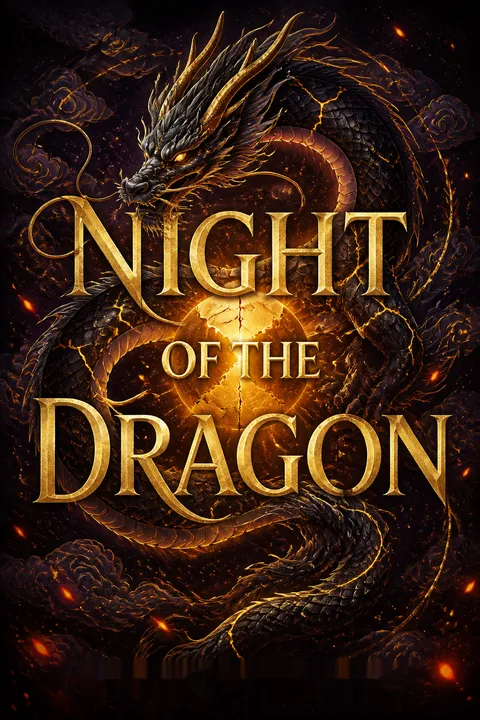
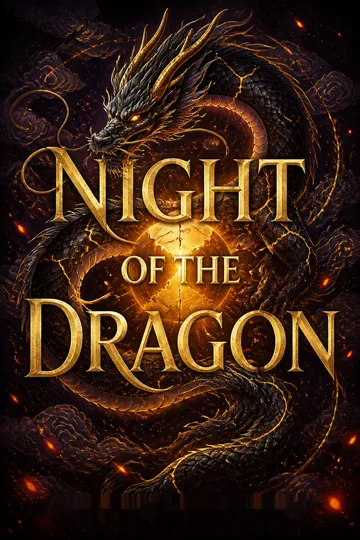
Night of the Dragon concludes Julie Kagawa's Shadow of the Fox trilogy to widespread acclaim. Readers praise the thrilling action, emotional depth, and satisfying conclusion. Many were moved to tears by the bittersweet ending and character fates. The Japanese mythology-inspired world-building and character development receive particular praise. While some found parts overwhelming or wished for more romance, most consider it a strong finale that skillfully balances action, heart, and cultural elements. Fans express sadness at saying goodbye to beloved characters but feel the series ended on a high note.
People Also Read


Characters
Yumeko
The fox with a choiceA half-kitsune raised by monks, Yumeko approaches danger with curiosity, mischief, and an instinct to help people who are not her responsibility. Her fox magic specializes in illusion, so she often wins by redirecting attention rather than overpowering an opponent. Beneath her cheerful manner is a persistent uncertainty about where she belongs and what her unusual nature means. Her bond with Tatsumi draws her toward a person others fear, while her friendship with Reika, Okame, and Daisuke teaches her to depend on people without losing her own judgment. She is motivated less by a desire for power than by a refusal to abandon those caught in the consequences of powerful people’s choices.
Kage Tatsumi
The divided demonslayerTatsumi is a disciplined Shadow Clan warrior trained to make himself a weapon, with Kamigoroshi and its resident oni defining much of his life. He values control because he believes any lapse could endanger his companions. That principle becomes harder to maintain when Hakaimono’s soul merges with his and rage no longer feels wholly separate. Yumeko unsettles his habit of emotional withdrawal by trusting him without denying his danger. His central struggle is not simply human against demon, but whether he can claim an identity beyond the clan’s training and the monster others expect him to become.
Hakaimono
The First OniThe ancient First Oni is a formidable general from Jigoku, proud, violent, and accustomed to measuring others by strength. For centuries, the cursed sword Kamigoroshi has kept him entangled with the Kage demonslayers. His presence in Tatsumi creates an uneasy counterpoint to the warrior’s restraint: Hakaimono understands violence as instinct, while Tatsumi has been trained to make it look like obedience. He is not softened into a harmless companion; his contempt and appetite remain real. Yet his growing entanglement with human feelings challenges his certainty that emotion is only a weakness.
Genno
The Master of DemonsGenno is a powerful blood mage whose ambition reaches beyond ordinary political rule. He commands demons, yokai, and human followers through a mixture of magic and ruthless calculation. His pursuit of the Dragon scroll turns distant towns and sacred sites into tools for delaying or destroying anyone who follows him. Genno sees human suffering as a price worth paying for the order he wants to impose, a belief that makes his cruelty systematic rather than impulsive. His confidence depends on treating other people as pieces in a design, and he underestimates the unpredictable moral choices they make.
Seigetsu
The silver-haired strangerSeigetsu is an elegant, enigmatic traveler with silver hair, golden eyes, and an intimate knowledge of spirits and fate. He moves through the story as a guide whose kindness can feel genuine even when his motives remain unclear. His careful attention to future events suggests a mind trained to think in long spans of time, while his courtesy makes it difficult to know when he is offering help and when he is steering someone. He is a powerful kitsune whose age and perspective set him apart from the mortal characters, and his mysterious interest in Yumeko gives their encounters a persistent unease.
Tsuki Kiyomi
The guarded Moon daimyoKiyomi rules the isolated Moon Clan, a people committed to living alongside kami and yokai. She is thoughtful, politically cautious, and accustomed to listening for guidance from spirits, yet her neutrality has limits when her people face danger. Years of private sorrow have made her careful about hope and intimacy. Her relationship with Yumeko is shaped by the tension between public duty and personal longing, while her leadership requires her to protect a community rather than indulge either impulse. Kiyomi’s strength is quiet: she can acknowledge fear and grief without allowing them to choose her actions.
Reika
The practical shrine maidenReika is a capable shrine maiden who balances spiritual knowledge with blunt practicality. She is quick to challenge Yumeko’s optimism when lives are at stake, but her caution is a form of care rather than contempt. Her talismans and knowledge of blood magic repeatedly give the group ways to confront threats that swords cannot solve. Reika expects others to act responsibly and is willing to put herself in danger when their survival depends on it. Her stern manner hides deep loyalty to Yumeko and a lasting sense of responsibility inherited from her own mentors.
Okame
The irreverent roninOkame is a quick-witted ronin who survives through archery, improvisation, and humor that punctures the group’s grim expectations. He distrusts the status and rituals of samurai life, having seen how easily honor becomes an excuse for serving cruel masters. His teasing rarely means he is indifferent; he stays beside people when the danger becomes real. His friendship with Yumeko draws him into a cause larger than his own survival, while his closeness with Daisuke tests the class divisions he once treated as permanent.
Taiyo Daisuke
The idealist nobleDaisuke is a Sun Clan noble and exceptional swordsman who sincerely tries to live by Bushido rather than use its language for convenience. His courtesy can initially resemble courtly distance, but his conduct reveals compassion and intellectual honesty. He is willing to question whether obedience and honor can coexist when a lord commands cruelty. His respect for Okame grows from the ronin’s candor and courage, while his regard for Yumeko reflects confidence in her judgment even when she is outmatched. Daisuke’s disciplined idealism is tested by the difference between imagining sacrifice and choosing it.
Suki
The lingering palace ghostSuki is a gentle yurei whose memories of life are fading, except for her recollection of Daisuke’s kindness when she was a palace maid. She is accustomed to going unnoticed and finds it easier to observe than to ask for attention. Her loyalty to Daisuke gives her a reason to remain involved in the living world, but her compassion extends beyond the person she once loved. Suki’s shyness and fear of magic coexist with a quiet capacity for courage. She is especially sensitive to the difference between helping someone and claiming to know what is best for them.
Lady Hanshou
The immortal Shadow rulerHanshou is the ancient daimyo of the Kage, a skilled shadow mage who protects her authority with secrecy and ruthlessness. She sees loyalty as a resource to be managed and is willing to sacrifice individuals to preserve the clan’s power. Her long history with Hakaimono gives her a personal stake in the demonslayer tradition she helped maintain. The pressure of immortality and political rule has narrowed her choices, but she remains formidable, strategic, and difficult to read. Her presence exposes how a leader can defend a community while also perpetuating the violence that keeps it obedient.
Kage Masao
Hanshou's measured adviserMasao is a poised Kage adviser who understands the danger of his clan’s methods without mistaking caution for neutrality. He moves between political factions with a practiced sense of timing and chooses when to offer support rather than impose it. His measured manner contrasts with Hanshou’s appetite for control. Masao recognizes that Yumeko and Tatsumi have a part to play beyond clan politics, and he is willing to let them pursue it even when the outcome remains uncertain.
Kage Ichiro
The demonslayer's stern teacherIchiro trained Tatsumi in the discipline and secrecy expected of a Kage demonslayer. He represents the system that taught Tatsumi to suppress fear and emotion in order to control Hakaimono. His teaching is demanding rather than affectionate, but he does not reduce his former pupil to a failed weapon when the demon becomes visible. Ichiro’s presence forces Tatsumi to confront the difference between rejecting his training and outgrowing its limits.
Chu
Reika's guardian dogChu is Reika’s small orange dog, a watchful companion who can become a powerful komainu guardian in battle. He is suspicious of Tatsumi at first, responding to danger with growls and raised hackles rather than words. His fierce loyalty to Reika is matched by a steady instinct to protect the group. Chu’s shifts between an ordinary pet and a supernatural defender make him a living bridge between domestic affection and the sacred world around the travelers.
Akumu
The calculating oni generalAkumu is a massive oni general who hides a calculating mind behind a brutish appearance. He has long resented Hakaimono’s place above him and understands how to exploit an opponent’s history. His allegiance to the Lord of Jigoku matters more to him than any personal bond with the other oni. Akumu’s size makes him terrifying, but his patience and knowledge of old bargains make him dangerous beyond brute strength.
Rasetsu
The ambitious second generalRasetsu is an oni general whose skill and ambition make him a serious threat even to a fellow demon. He is a relentless swordsman who uses his physical advantages without limiting himself to conventional combat. His role exposes the old rivalries among Jigoku’s generals and the bargains Genno has made to bring them into the mortal realm.
The Kirin
The forest's sacred judgeThe Kirin is a holy beast associated with wisdom, peace, and the natural balance of the islands. It moves with calm authority and does not grant help simply because a request is heartfelt. Its attention to debts and consequences reflects a spiritual order less concerned with human urgency than with the health of the world. The Kirin’s encounters with Tatsumi and Yumeko make clear that holiness can be compassionate without becoming obedient to mortal wishes.
Taka
Seigetsu's one-eyed companionTaka is a small, talkative yokai with one enormous eye and clawed hands. He travels with Seigetsu and Suki, commenting freely on the world around him. His openness and childlike enthusiasm contrast with Seigetsu’s polished reserve, making him an early sign that the silver-haired traveler’s company contains more than one kind of personality.
Ayame
Tatsumi's former friendAyame is an accomplished Kage kunoichi who knew Tatsumi before his demonslayer training separated him from other children. Defiant and fearless, she embodies the clan’s discipline while retaining traces of the girl who once challenged her instructors. Her history with Tatsumi makes their encounter more than a clash between two skilled fighters.
Tsuki Jotaro
The stranded ship captainJotaro is the first mate of a ship trapped in Umi Sabishi during the undead attack. After the captain dies, he takes responsibility for the crew and ship. Practical and grateful, he repays the travelers’ help by carrying them toward the Moon Clan islands, turning their victory in the village into a chance to continue the larger mission.
Master Isao
Yumeko's temple mentorIsao helped raise Yumeko at the temple where she grew up, teaching her to observe the world and take responsibility for her choices. His patient guidance continues to shape how she understands duty and mortality, especially when she must make decisions without a mentor beside her.
Denga
The monk who challenged YumekoDenga is one of the temple figures who helped educate Yumeko. His sayings challenge her assumption that life will reward fairness or good intentions. He represents the unsentimental side of the training that prepares her to make difficult choices without losing her curiosity or compassion.
Plot Devices
The Dragon Scroll
The wish that draws warThe Scroll of a Thousand Prayers is divided into three pieces and can summon the Great Dragon to grant a wish. Its repeated history makes it a focus for competing ideas of power: rulers see a means of securing control, Genno sees a way to remake the empire, and Yumeko must decide whether any mortal can use such power without causing further harm. The scroll’s physical fragments create the journey’s immediate objective, while its legendary wish gives the conflicts across the novel their larger stakes.
Kamigoroshi
The blade that binds soulsKamigoroshi is the cursed sword used by the Kage demonslayers. It once trapped Hakaimono and, after Tatsumi’s possession, becomes central to the merged warrior’s struggle for identity. Its power can kill beings ordinary weapons cannot harm, but the blade’s capacity to destroy also makes it a source of danger regardless of who wields it. The sword links the ancient history of Hanshou and Hakaimono to Tatsumi’s present, while forcing Yumeko to confront what a weapon’s curse means when its bearer is someone she loves.
Foxfire and Illusion
Deception becomes protectionYumeko’s kitsune magic creates illusions that misdirect enemies, disguise the travelers, and make a small group seem larger. The magic initially works through deception, a fitting counterpart to her modest appearance and uncertain place in human society. As the story intensifies, her illusions become more physically consequential, allowing her to challenge opponents who dismiss trickery as weakness. The device repeatedly changes the terms of a fight: it does not guarantee victory, but creates openings for others to act.
Blood Magic
Suffering fuels the ritualBlood magic uses death, pain, and sacrifice to strengthen spells. Genno employs it to raise corpses, curse towns, bind Tatsumi, and power the final summoning. Its effects give the antagonist an army, but they also make the cost of his ambition visible in bodies and damaged communities. The magic’s repeated use connects large-scale political violence to intimate grief, showing how a powerful ritual can turn individual suffering into fuel for someone else’s plan.
The Fushi no Tama
Immortality's stolen prizeThe Fushi no Tama is the pearl within the Great Dragon that grants immortality to its possessor. Seigetsu’s pursuit of the jewel lies behind his long manipulation of the characters and the ritual that brings the Dragon into the mortal world. The pearl forces Yumeko to confront the difference between preserving one beloved life and protecting the balance of an entire realm. Its movement between Seigetsu, Yumeko, and the Dragon shapes the final choices about death, power, and repair.
Shadow of the Fox Series

About the Author





Download PDF
Download EPUB
.epub digital book format is ideal for reading ebooks on phones, tablets, and e-readers.








