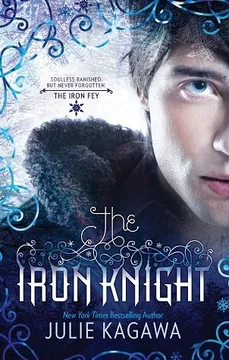


Plot Summary
The Bone Witch's Price
Ash, the exiled Winter prince, travels the Bone Marsh with Puck, his irrepressible Summer rival, searching for Grimalkin, a cat who may know how a faery could survive in the Iron Realm. The house they find belongs to a knife-wielding witch who demands Ash explain himself. He admits he wants to become human so he can return to Meghan, the Iron Queen.
Grimalkin offers a path to a seer but binds Ash to repay an unspecified future debt. Ash limits the bargain: Grimalkin cannot use him to harm friends or allies. The witch then pursues them from her marsh, forcing the three travelers to flee before their next search can begin.
Ash's quest starts not with a battle but with a definition of what he is willing to surrender. The bargain exposes a tension that will govern the journey: he wants to escape faery nature, yet must use faery contracts and courtly caution to do it. His restriction on Grimalkin's debt is significant. Ash cannot control the price, but he tries to preserve a moral boundary, suggesting that his wish for humanity is already a wish to become accountable for how he acts.
The Queen's Last Assassins
After escaping the Bone Marsh, Ash dreams of Winter territory ruined by Iron corruption, a vision that leaves him shaken even after he wakes. Deeper in the wyldwood, he and Puck find a mortally wounded Iron knight, who reports that assassins recently attacked Meghan and fled to a nearby lake. Ash cannot enter the Iron Realm, so he follows the attackers' trail instead.
Their camp holds seven scarred Thornguards, former followers of Ash's dead brother Rowan. They admit they want to reignite war and destroy Meghan, blaming the Iron Court for their ruined bodies. Ash and Puck kill the guards. Their leader's warning that Ash seeks the same escape from iron makes Ash question whether his own ambition resembles theirs.
The Thornguards turn Ash's private hope into a political danger. Their bodies record what happens when faeries try to force themselves into the Iron world, while their plan converts grievance into another war. Ash kills them to protect Meghan, but their resemblance to him unsettles the certainty of that choice. His goal is not merely a romantic exception to faery law; it risks repeating the same desperate logic that made the guards destructive.
Ariella Before the Oath
As the group presses onward, Ash remembers meeting Ariella Tularyn, a sheltered Winter noblewoman, at court. Her open wonder drew him out of his practiced reserve, and he gradually fell in love with her. Puck, already Ash's closest companion despite their rival courts, met Ariella during one of their hunts; she accepted their friendship rather than demanding that Ash choose sides.
That fragile balance ended when a wyvern attacked the three friends in the hollow. Ariella died in the encounter, and Ash blamed Puck for bringing them into danger. He swore to kill him. Years of grief hardened the vow into a feud, leaving Ash unable to remember their old friendship without reliving the loss that destroyed it.
This history gives the present-day rivalry its moral complication: Ash's hatred is rooted in grief, but it also keeps him bound to a promise made at his least clear-minded. Ariella's acceptance of the friendship between two enemies once offered a model of connection beyond court allegiance. Her loss made Ash retreat from that possibility. The vow against Puck does not repair the past; it preserves it in its most painful form.
The Wolf Joins the Hunt
A presence follows the travelers through the wyldwood, growing close as they cross a lake and discover a village torn apart. A hidden swamp troll rises beneath Puck, and the Big Bad Wolf appears in time to help Ash kill it. Ash expects Mab's legendary hunter to execute him, but the Wolf says the Winter Queen sent him to keep Ash alive.
The explanation is less reassuring than it sounds: the Wolf wants his name woven into Ash's quest, because human stories sustain his power. Ash accepts his help without trusting him, while Grimalkin warns that the guide still controls the route. With the Wolf added to the company, the search continues toward the seer.
The Wolf makes storytelling a material force rather than a decorative idea. He treats Ash's journey as a narrative that can feed his own survival, so even aid arrives with an appetite attached. Ash recognizes the transactional motive and accepts the alliance anyway, distinguishing useful cooperation from trust. The arrangement also complicates his effort to become human: his path depends on beings who survive through myth, bargains, and the circulation of other people's stories.
The Hollow Gives Her Back
Grimalkin leads the company into a poisoned hollow where the ground stirs Ash's buried rage. He recognizes the place as the site of Ariella's death and turns on Puck, accusing him aloud of causing it. Puck admits that he loved Ariella too and has carried his own guilt, then refuses to defend himself when Ash raises his sword.
Ash cannot strike the fatal blow. As he collapses under grief and self-loathing, the hooded seer approaches and reveals the face of Ariella, alive and unchanged. Puck sees her too. The encounter overturns Ash's central memory of loss, but it does not undo the decades in which that grief shaped his hatred and his choices.
The hollow functions as a pressure chamber for grief: its poisoned landscape gives Ash's suppressed anger physical force, while Puck's refusal to fight removes the excuse of mutual violence. Ash's lowered sword is not forgiveness, but it is the first interruption of the vow's momentum. Ariella's return then changes the facts without erasing the damage. Survival cannot retroactively restore trust or return the years Ash spent believing her dead.
A Seer Sets the Course
In her hidden glade, Ariella explains that a vision revived her after the wyvern's attack. She foresaw the Iron fey overrunning Faery unless Meghan survived, and quietly arranged events that would bring Meghan into the Nevernever, including having a guardian watch over her and Grimalkin look out for her arrival.
Ash and Puck, she says, repeatedly kept Meghan alive when the visions showed her dying. Ariella knew Ash would love Meghan, but stayed hidden because his part in Meghan's survival mattered more than her own longing. She now describes the Testing Grounds beyond the edge of Faery, where a successful challenger may earn a soul. Ash chooses to continue toward Meghan, and Ariella agrees to guide him.
Ariella's account reframes coincidence as intervention, but it does not make her a simple puppet master. Her foresight forced her to treat personal desire as a potential threat to collective survival, a severe form of self-denial. Ash's decision carries a different burden: he must honor his commitment to Meghan without pretending Ariella's return means nothing. The quest becomes a test of whether love can remain a choice when fate, obligation, and grief all claim authority over it.
The River Breaks the Party
The company follows the River of Dreams on a drifting raft, passing objects drawn from human dreams. At a riverside stop, Ash sees his closeness with Ariella rekindling while Puck and Ariella trade memories. Puck's fishing line snags a dragon, which rises from the water and disappears after he removes its hook. When they set off again, pale hobyahs attack from the banks with arrows.
Ariella shoots back while Ash and Puck fight off giant lampreys summoned by a shaman. One eel coils around the raft and crushes it. The current scatters the travelers: the Wolf drags Ash from the water, but Puck, Ariella, and Grimalkin vanish downstream. Ash refuses to believe they are dead and begins searching the bank.
The river turns the party's emotional unease into literal separation. Ash has begun to feel the pull of his former love just as the journey strips away the companions who make that choice possible. The dream debris offers a world made from longing and fear, but it cannot protect anyone from physical danger. The broken raft exposes the weakness in their plan: prophecy can point the way, yet survival still depends on improvised action and faith in one another.
Hobyahs at the Kettle
Following tracks from the riverbank, Ash and the Wolf discover that hobyahs dragged Puck and Ariella into their village and prepared to boil them. Grimalkin, who has already found the camp, identifies the shaman's hut. Ash cloaks himself in shadow, kills the shaman, and frees Ariella while Puck escapes in raven form.
The hobyahs swarm the hut, but Ash's whistle summons the Wolf, who drives them back. During the escape, the shaman's venom spreads through Ash's body and knocks him unconscious. The poison traps him in a dream where he finds Meghan beside a pond. Ariella eventually reaches him through dreamwalking, warning that his body is failing and he must wake.
Ash's rescue makes care visible through action: he risks the poisoning to reach the people he refused to abandon. Yet the hobyah venom also strips away his control, forcing his deepest desire into a dream rather than a decision he can manage. The Wolf's frightening legend becomes practical protection, while Ariella's dreamwalking bridges the gap between body and memory. Each companion contributes a different kind of survival.
Meghan Lets Him Go
In the dream, Meghan meets Ash with the tenderness he has been starving for, then learns Ariella is alive. Believing Ash may now have a chance at happiness with his first love, Meghan chooses to release him rather than keep asking for a relationship their courts and natures cannot sustain. Ash wants to tell her he is pursuing a soul, but fears raising hope before he can succeed.
Meghan ends the dream, and Ash wakes with his promise still intact. Ariella admits the meeting hurt her, while Puck challenges Ash to decide what he wants apart from obligation. Ash cannot answer yet, but he tells the others they may leave if the journey has become too painful. None of them do.
Meghan's farewell is an act of care that costs her emotionally, but it also exposes how little she knows about Ash's quest. He withholds the truth to protect her from disappointment, repeating the very distance that has shaped his life. Puck's question separates a binding vow from genuine desire. Ash cannot resolve that distinction yet, but the group's decision to stay gives him room to confront it without turning love into a debt.
Phaed Feeds on Names
Along the river, the travelers reach Phaed, a settlement for forgotten faeries whose fading memories have left them hollow. Its inhabitants drain glamour from Ash and his companions, and the thin caretaker says Ariella must remain because she has no essence of her own. Ash refuses to surrender her.
The group reaches the ferry as the Forgotten crowd the dock; the Wolf draws them away long enough for everyone to board, then leaps aboard himself. Already weakened, Ash dreams of a possible future in which he becomes Winter King and destroys the courts. Ariella warns that breaking his promise could let despair consume him. Puck shares a vision of his own death and promises to stop Ash if that future begins.
Phaed makes the faery fear of being forgotten tangible: loss of identity is not merely social disappearance, but a hunger that consumes the self. Ariella's danger forces Ash to defend a person whose own existence is precarious, while the caretaker's claim echoes the story's deeper anxiety about what remains without a soul. The violent future vision turns Ash's emotional repression into a political threat, giving Puck a role beyond rival or comic relief.
Spiders in the Briars
The ferry carries the group into the Briars, an ancient wall of thorns that encircles Faery. A swarm of beautiful, fanged spiders drops onto the boat and overwhelms the travelers. Ash freezes the deck, branches, and attackers with Winter glamour; Puck follows with a Summer whirlwind that hurls the shattered ice through the swarm.
Their combined power clears a path, though both are left exhausted. The ferry eventually stops at a vast thorn-covered temple, the gate to the End of the World. Ariella tells Ash they have nearly reached their destination, but her distress makes clear that she fears what comes next. The group leaves the boat and climbs the temple steps together.
The spider attack briefly restores Ash and Puck to the old rhythm of shared danger, showing that their opposing powers can cooperate when neither treats difference as a threat. Their victory depends on trust in timing rather than rank or a bargain. Ariella's unease at the temple signals that knowledge has not made her invulnerable; seeing a destination in visions does not mean she welcomes what it demands.
Ariella's Last Question
Before the temple doors, Ariella kisses Ash and confesses that she has always loved him. She asks whether he still loves her in the same way. Ash tells her he will always care for her, but he is no longer in love with her; he continues because he wants a life with Meghan. Ariella accepts his answer, then climbs the steps beside him.
The Guardian appears and explains that anyone seeking the End of the World must pass through a gauntlet, and not everyone will survive. It warns that the doors will close behind them if they take too long. Ash's companions choose to follow. The doors open, and the five enter the temple before the passage can shut.
Ariella's question prevents nostalgia from masquerading as a future. Ash does not deny the love that shaped him, but he distinguishes that history from the commitment he chooses now. Her acceptance is painful rather than triumphant, which keeps the scene from treating rejection as a clean cure. The Guardian then converts private uncertainty into shared risk: the companions can support Ash, but they cannot make his choice for him.
Keys, Flames, Scorpions
The first chamber's stone Fu dogs attack, forcing Ash and Puck to lure them into colliding so they can steal the golden halves of a key from their collars. With the doors opened, the group sprints through a corridor where stone dragon heads belch fire. In a sand-filled room, two sphinxes recite a riddle that links the seasons to memory, regret, knowledge, and strength.
Grimalkin assigns the four travelers to the carved words, but the scorpions erupt when they choose incorrectly. He realizes time is the missing fifth answer. Ariella reaches the platform's center just before the swarm overtakes them, and the creatures withdraw. The sphinxes accept the solution, opening the next passage.
The gauntlet rewards attention to relationships, not just combat skill. The Fu dogs yield when Ash and Puck turn their shared history into a tactic; the riddle requires the group to interpret identity through the qualities each person embodies. Grimalkin's first answer is incomplete because he overlooks Ariella's role. Time becomes the missing term that makes the puzzle whole, quietly preparing the story's later insistence that mortality cannot be reduced to strength or cleverness.
The Mirrors Step Out
Mirrors in the next corridor show each traveler at their most dangerous: Ash as a ruthless Winter King, Ariella as a cold queen, Puck as a cruel prankster, and the Wolf as an unthinking beast. The reflections step into the hall and attack. Ash and Puck outmaneuver their doubles, while Ariella shoots hers and the Wolf defeats his.
The group reaches the closing exit, but wraiths drag at them. The Wolf braces his body beneath the stone door, holding it open long enough for Ash, Puck, and Ariella to escape. He remains trapped inside as the three emerge at the End of the World, where the River of Dreams spills into the void.
The mirrors externalize possibilities already present in each character, refusing the comfort of treating evil as something belonging only to enemies. Ash defeats his double through deliberate resistance to despair, while the Wolf's strength becomes an act of loyalty rather than predation. His decision to hold the door open lets the others advance but leaves a debt they cannot immediately repay. Reaching the End of the World is therefore a victory marked by absence.
A Mortal Body
Beyond the temple, the party crosses floating rocks to the Testing Grounds, where the Guardian gives Ash a chance to turn back. He refuses. For the first trial, he climbs an icy mountain alone, bleeding and shivering in a cold his Winter body has never known. At the summit, the Guardian releases heartless creatures that tear him apart.
Ash cannot summon glamour or move with faery speed; he experiences the weakness and pain of a mortal body before the Guardian restores him. Back in the castle, Ash fears he could never protect Meghan without his magic. Ariella dreamwalks him through a memory of Meghan surviving earlier dangers without dependable magic, and Ash recommits to the quest.
The first trial corrects Ash's romanticized picture of humanity by making vulnerability bodily and immediate. Losing glamour is not a symbolic inconvenience; it changes what his muscles, senses, and reflexes can do. His fear is specifically relational: he imagines becoming a burden to Meghan. Ariella's memory of Meghan answers that fear not with reassurance but with evidence that courage and protection do not require supernatural strength.
Every Crime Returns
The Guardian's second trial forces Ash to inhabit memories of his past cruelty. He remembers breaking Brynna's heart after luring her into loving him, helping Mab destroy a nymph's community, and exploiting a father's desperation to take his child. The Guardian makes him relive countless killings and betrayals until Ash can no longer bear the victims' accusations.
He flees into a dark crypt and decides he deserves to remain there rather than claim a soul. Grimalkin finds him and argues that dying in hiding would help none of the people he harmed. Ash accepts that he cannot undo their deaths, but he can refuse to continue living as the person who caused them. He leaves the crypt to face the final trial.
The trial distinguishes guilt from repair. Ash's remorse cannot restore Brynna or the families he destroyed, and the temptation to die is partly a way to avoid living with responsibility. Grimalkin redirects him from self-punishment toward future conduct: atonement requires action, not an emotional spectacle of suffering. The lesson does not absolve Ash. It asks whether he can carry memory without letting it become an excuse for further harm.
A Lifetime in Seconds
In the final trial, Ash experiences a possible human life with Meghan and their son, Kierran. He survives a manticore attack but is left with a damaged leg; years pass while Meghan and Kierran remain unchanged and Ash grows old. At an Elysium gathering, he sees Meghan dancing with Puck and withdraws, convinced that his mortal body cannot offer her the life she deserves.
He eventually dies alone. Ash wakes in the Testing Grounds and learns the future was a trial, not a certainty. The Guardian offers to erase the experience or let Ash keep its lessons and accept a soul. Free of the binding vow, Ash chooses humanity because he would not trade away the love and family he experienced.
The vision makes mortality more difficult than a single threat of death: Ash must imagine the accumulated asymmetry of aging beside ageless companions. Its emotional force comes from the family he knows is imagined but still mourns. When the Guardian removes the vow as a motive, Ash's choice becomes ethically meaningful. He accepts finite life not because the outcome is guaranteed to be happy, but because the relationships make its costs worth bearing.
A Soul's Final Price
The Guardian explains that a soul can form in Ash only through a willing sacrifice made by someone who loves him. Ariella steps forward, revealing that she came back from death for this final purpose. Ash tries to stop her, but Grimalkin invokes the debt Ash owes and urges him to let Ariella choose for herself.
Ash finally releases her. Ariella gives her life without pain, and the light of her sacrifice fills Ash, driving back the darkness he has carried. When the light fades, she is gone and Ash has a soul. Puck stays beside Ash as he grieves. Their shared loss does not erase the past, but Ash no longer faces it alone.
Ariella's sacrifice completes her long commitment to a future she believed Faery needed, but the scene insists that it remains her decision. Ash's instinct to prevent her death repeats his desire to control loss; letting go becomes an act of respect, not indifference. The soul arrives through another person's freely given life, so Ash's transformation begins in dependence and grief rather than self-mastery. Puck's quiet presence marks a new form of their bond.
Back Through the Trod
The Guardian gives Ash a glass orb that will return him to the human world, and Grimalkin helps him and Puck retrace their way into the wyldwood. They free the exhausted Wolf by pushing against the stone door, and Ash's Winter glamour stirs despite his new soul. The Wolf chooses to return to the Deep Wyld rather than enter the human world.
Ash and Puck travel through goblin territory, fighting together once more, then part at the Iron Realm's border when Puck sets off on his own. Ash crosses the bridge alone. In the epilogue, Meghan sees him arrive in her throne room; iron no longer harms him, and he asks to resume his place at her side. She welcomes him home.
The return resolves the practical promise that began the book while refusing a simple return to the old self. Ash retains a trace of Winter power, but his new soul has changed what that power means. He frees the Wolf before seeking his own reunion, and his farewell with Puck turns their rivalry into a chosen separation rather than an unfinished feud. Meghan's welcome confirms that Ash's journey has brought him not merely back to her, but into a life he can now enter by choice.
Epilogue
Meghan, ruling the Iron Court, is hearing petitions when Glitch brings a hooded traveler before her. Ash reveals himself and explains that he has found a soul and become human, though enough faery magic remains in him to endure the Iron Realm.
Meghan draws him close, and the court's celebration falls away around them. The book's closing image returns to the hollow where Ariella died: flowers and moss are overtaking the old wyvern skeleton. Grimalkin pauses beneath a blossoming tree, senses peace in the changed ground, then slips back into the sunlit wood.
The reunion answers the opening separation without pretending that Ash has returned unchanged. Meghan receives a partner who can live in her realm, while Ash arrives with grief, memory, and a soul shaped by choices he cannot undo. The fading wyvern skeleton supplies a quieter coda: the place that once fixed Ash and Puck in a cycle of blame is being reclaimed by growth. Grimalkin's brief pause links remembrance to release, suggesting that peace does not require forgetting the dead.
Analysis
The Iron Knight treats humanity not as a prize of greater power but as a discipline of limits. Ash begins by imagining that becoming mortal is a technical problem: find a method, survive the journey, return to Meghan. The Guardian's trials expose what that plan leaves out. A human body tires and hurts. A human conscience preserves the memory of people harmed. A human life is finite, and love cannot abolish the asymmetry between mortal and immortal time.
Those tests also unsettle Ash's preferred defenses. He has used emotional numbness to survive Winter politics, then turned grief into a vow against Puck. The hollow forces him to see that revenge has prolonged the wound rather than honored Ariella. The trial of past crimes deepens the point: remorse matters only if it redirects future conduct. Ash cannot reverse what he did, but he can stop treating his past as either irrelevant or a sentence that permits him to give up.
The book's love triangle is therefore not a contest over who deserves Ash. Ariella's return gives him a real alternative, and Meghan's dream-farewell appears to release him from expectation. His eventual choice matters because he makes it after those alternatives are visible. Ariella's sacrifice completes the transformation, but the insistence on her consent prevents her love from becoming another contract Ash can claim.
The worldbuilding reinforces this moral argument. Stories nourish the Wolf; forgotten faeries fade in Phaed; memory can preserve or torment. Ash's new soul does not erase his old identity, and his remaining Winter magic leaves him between categories rather than safely remade. The ending imagines change as integration: he carries power, guilt, grief, and attachment together. Becoming human means accepting that none of them can be controlled into disappearing.
Characters
Ash
The oathbound Winter knightAsh is a former prince of the Unseelie Court, trained to treat emotion as weakness and power as protection. He is disciplined, observant, and fiercely loyal, but his instinct to contain pain often turns into cruelty or self-isolation. His devotion to Meghan gives him a reason to challenge the laws that once defined him, while his history with Ariella and Puck reveals how grief can harden into a vow. Ash's central struggle is not simply whether he can become human; it is whether he can accept responsibility, dependence, and loss without retreating into the coldness that once kept him safe.
Puck
The irreverent rivalRobin Goodfellow, usually called Puck, is a quick-witted Summer faery and Ash's longtime companion turned enemy. His jokes, tricks, and restless curiosity make him seem careless, yet he repeatedly stays when Ash is in danger. Puck also loves Meghan, but he can support Ash's quest without demanding that Meghan choose him. His loyalty is expressed through action and provocation: he challenges Ash when silence becomes self-deception, while hiding his own grief beneath humor.
Meghan Chase
The Iron QueenMeghan is the half-human daughter of the Summer King and ruler of the Iron Court. She carries the pressure of governing a realm mistrusted by the older courts, yet her strength comes as much from persistence and empathy as from power. Her relationship with Ash is shaped by real political and physical barriers, not a lack of feeling. Meghan's willingness to make painful choices for the people she protects gives her authority a personal cost and makes her more than the distant object of Ash's quest.
Ariella Tularyn
Ash's formative loveAriella is a Winter noblewoman whose history with Ash reaches back to his life before Meghan. Gentle without being passive, she values loyalty and has a gift for seeing possible futures. Her capacity to endure private sorrow for a larger purpose contrasts with Ash's tendency to turn grief into anger. Through Ariella, the story asks whether love means preserving a relationship or honoring another person's agency, even when that choice brings pain.
Grimalkin
The debt-collecting guideGrimalkin is a self-possessed cait sith who knows the paths of the Nevernever and rarely offers help without securing a future obligation. His dry impatience masks a keen understanding of other people's motives. He guides Ash's party while withholding information, forcing the travelers to make their own discoveries. Grimalkin's practical detachment provides a foil to Ash's emotional intensity, though his actions show that indifference and loyalty can coexist.
The Big Bad Wolf
The legend-hunting predatorThe Wolf is an ancient, formidable creature whose reputation grows through human stories. He values the hunt, resists being controlled, and joins Ash's journey partly to secure a place in its telling. His predatory nature makes him dangerous, but he is also capable of keeping an agreement and defending the company. The tension between appetite and loyalty gives him more complexity than his fearsome legend suggests.
Queen Mab
The unforgiving Winter QueenMab rules the Unseelie Court through hierarchy, rivalry, and fear. Ash's mother, she treats affection as a political instrument and expects loyalty to the court above personal conscience. Her influence lingers over Ash even after he rejects his princely role. Mab represents the system that taught him to suppress emotion and mistake ruthlessness for strength.
Rowan
Ash's cruel elder brotherRowan is one of Ash's older brothers, shaped by the same brutal competition for Mab's favor. He delights in manipulation and treats other people's feelings as proof of weakness. His influence on Ash appears through memories of their childhood and through the harm Ash once repeated in his own dealings with mortals. Rowan embodies the courtly cruelty Ash must confront within himself.
The Guardian
Keeper of the trialsThe Guardian presides over the Testing Grounds at the edge of the Nevernever. It speaks with immense authority but offers little comfort, presenting each challenge as a necessary condition of becoming human. Its trials test Ash's body, conscience, and understanding of mortality rather than his combat skill alone. The Guardian's severity forces Ash to confront truths that cannot be solved by glamour or a clever bargain.
Brynna
The mortal Ash wrongedBrynna is a young human whose encounter with Ash becomes central to his reckoning with his past. She is drawn to beauty and trusts the attention he gives her, unaware of the game he believes he is playing. Her story makes the consequences of Ash's earlier indifference personal and concrete.
Kierran
The possible future sonKierran appears as Ash's son in the possible future shown during the final trial. Curious, daring, and gifted with faery abilities, he reflects the family life Ash might gain through choosing mortality. His presence makes the trial's imagined future emotionally real to Ash, even after he learns it was not certain.
Oberon
Meghan's Summer King fatherOberon is the Summer King and Meghan's father, whose old rivalry with Winter shapes the political world around her. Though he is not central to Ash's journey, his position underscores the court divisions Meghan must navigate as Iron Queen.
Plot Devices
Ash's Binding Oath
A vow that drives the questAsh's promise to return to Meghan gives his journey urgency and has supernatural force: abandoning it begins to unravel his essence. The oath sustains him through danger, but it also risks replacing choice with compulsion. The trials eventually remove its power to decide for him, making Ash confront whether he wants humanity apart from the promise that first set him moving.
Faery Bargains
Help always carries a debtContracts structure Ash's dealings with powerful faery beings. Grimalkin guides him in exchange for a future favor, while Ash tries to limit how that favor may be used. These bargains create suspense because their costs are delayed rather than stated upfront. They also make a moral contrast with Ariella's eventual choice, which is freely offered rather than extracted through obligation.
Ariella's Visions
Prophecy redirects private desireAriella's visions show possible futures rather than one fixed outcome. They reveal the danger of Meghan's failure, help Ariella arrange events that support Meghan's survival, and bring Ash face to face with futures shaped by despair. Because the visions can mislead as well as inform, they create pressure without removing character choice. Ash must act without certainty that his sacrifice will produce the future he hopes for.
Stories and Memory
Belief sustains faery existenceFaeries draw strength from human imagination, stories, and remembrance. The Wolf joins Ash to place himself inside a tale that will renew his power, while forgotten beings in Phaed fade as their names and stories disappear. This rule turns memory into a survival mechanism and links the party's adventures to the inhabitants' fears of vanishing. It also gives the journey's retelling a literal consequence within the world.
The Testing Grounds
Humanity must be learnedThe Guardian's gauntlet tests Ash through physical vulnerability, moral memory, and a possible mortal future. Each ordeal challenges a different belief he holds about power, guilt, and loss. Passing the trials does not itself provide a soul; Ash must first choose humanity knowingly, then accept that another person must make a free sacrifice. The device turns his abstract wish into a sequence of costly recognitions.
The Iron Fey Series


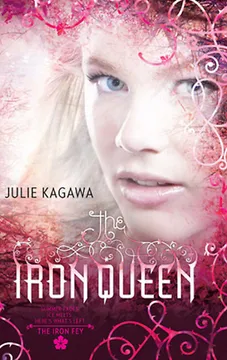
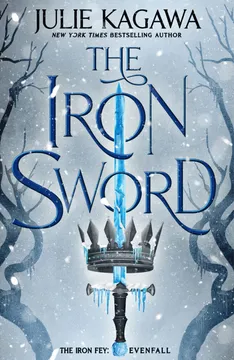
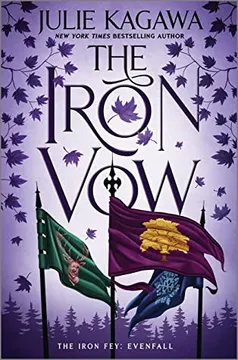



Download PDF
Download EPUB
.epub digital book format is ideal for reading ebooks on phones, tablets, and e-readers.








