

Key Takeaways
Begin with a concrete act, not a fantasy of changing everything.
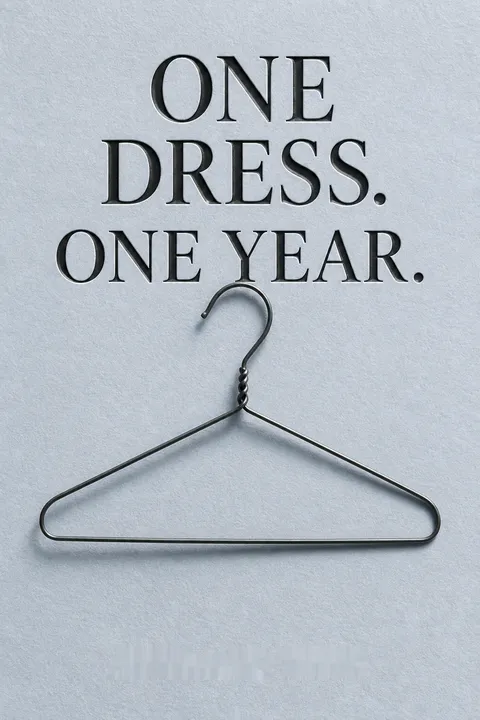
A symbol became a start. At sixteen, Bethany heard Christine Caine describe a rescued trafficking survivor asking why help had taken so long to arrive. Bethany had already been searching for a way to respond. She decided to wear one handmade black dress for a year, style it differently each day, and use a blog to raise awareness and money. Her project echoed a young woman who had worn one dress to raise funds for children in India. The idea was bold, but the sewing was frustrating, and Bethany began before the dress matched her original vision.
Chosen hardship is not captivity. Bethany connected her voluntary clothing restriction to the repetition enslaved people face, while emphasizing that her experience was not comparable to coercion and lost freedom. The distinction matters: the dress was a prompt to act, not a claim to share survivors’ suffering.
What's compelling is the conversion of moral shock into a small, legible commitment. A visible action gives an abstract injustice a conversational entry point, while the explicit distinction between voluntary inconvenience and forced exploitation keeps the metaphor from claiming too much. Symbols can open attention, but they cannot themselves rescue people or alter the conditions that enable trafficking. Their value depends on what they make possible next: learning, giving, organizing, and listening to people with direct experience.
Use attention as a doorway to effective organizations, not the whole intervention.
Attention needs a destination. Bethany asked supporters to give to six organizations addressing different parts of trafficking: rescue, survivor care, legal action, prevention, and economic vulnerability. After receiving advice about fundraising platforms, she shifted toward direct donations to the organizations, so contributions would not pass through a third-party site. She added short descriptions to help donors choose work that mattered to them.
The total was real, not miraculous. The project ultimately raised $8,615.09, far below its original $100,000 target. Bethany did not claim that her dress alone ended trafficking. The money went to groups already doing specialized work, including helping survivors rebuild their lives and supporting legal efforts against traffickers. The project’s practical contribution was to recruit attention and resources for that work.
This distinction separates publicity from impact. A personal campaign can attract attention, but experienced organizations provide the structures, expertise, and continuity that an individual project cannot. The range of approaches also matters: rescue without rehabilitation, legal support, or prevention would leave important needs untouched. Donors still need to understand what an organization does and how it uses funds. Bethany’s choice to describe several options makes participation more accessible, though a list of charities is not a substitute for careful accountability.
Make your cause understandable enough for a stranger to join.
Confusion is a communications problem. On the first day, Bethany wore orange for trafficking awareness. A woman at college mistook the color for support for a teacher in the news. Later, a friend asked why wearing one dress had anything to do with slavery. Bethany realized that the project needed a clearer explanation: people trapped in slavery face a reality they did not choose, while she was choosing a small constraint to help raise support for their freedom.
Stories made the issue tangible. Bethany and her friends hosted a Love146 fundraiser after learning why the organization was named for a girl they had seen in a brothel, identified by a number. They shared information, heard about survivor support, and raised $591. The event worked because it paired a human story with a clear invitation to learn and donate.
The first awkward conversation is a useful reminder that good intentions do not automatically communicate themselves. An audience needs both a reason to care and a practical next step. The party adds another strength: it turns a difficult subject into a shared gathering, without making the event merely entertaining. Still, a moving story can narrow attention to one person or one dramatic case. Strong public communication can use stories to open the door, then explain the broader systems and forms of help behind them.
Accept help before independence turns a mission into a burden.
The project was collective. Bethany’s friends lent clothes and helped plan outfits; her father took photographs, and her mother supported the blog and donations. When her mother relayed suggestions from an experienced blogger, Bethany initially felt criticized. After sleeping on it, she adopted several recommendations and improved the site. She also learned to ask for help explaining the project, rather than treating every task as something she had to solve alone.
Encouragement kept the work human. A nonprofit shared her blog, and Bob Goff offered to speak with her by phone. Friends helped host the fundraiser, while a youth camp took up an offering for the project. These moments did not remove the hard work, but they reminded Bethany that the campaign was not a solo performance.
The story shows how support operates at two levels: it supplies practical capacity and counters the isolation that can make a difficult effort feel futile. Accepting advice also requires separating useful feedback from a judgment of personal worth, a distinction Bethany struggles to make at first. Yet support should not mean uncritical affirmation. Expertise can improve a campaign, while people closest to the affected communities should shape decisions about what help is actually useful.
Treat limited results as information, not a verdict on your worth.
A target can distort perspective. Bethany began with a $100,000 fundraising goal. At one point, after wearing the dress for 75 days, she had completed more than a fifth of the year but raised only a small fraction of the target. The contrast made her feel that the project was failing, even though donations were reaching organizations working against trafficking. Near the end, she revised her goal to $10,000 and finished with $8,615.09.
Results still deserve scrutiny. The book does not present the shortfall as proof that the original ambition was meaningless. It shows how an ambitious number can motivate action and also become a measure of personal inadequacy. Bethany continued speaking, blogging, and inviting donations while acknowledging that she could not control how many people responded.
A goal is useful when it guides choices, but dangerous when it becomes a moral scorecard. The gap between $100,000 and $8,615.09 is not just a lesson in lowering expectations; it raises a sharper question: which activities actually moved resources or understanding? Campaigns benefit from tracking intermediate signs of progress, such as participation, donor conversion, or partnerships, alongside final totals. That approach preserves accountability without turning an uncertain public response into a verdict on the campaigner’s character.
Keep your worth separate from the cause you serve.
Good motives can get tangled. Bethany admits that she hoped the project would make her special and prove she was better than other teenagers. When donations fell short and the blog drew limited attention, the disappointment intensified her perfectionism. At the same time, health problems, including excess facial hair and a later diagnosis of polycystic ovary syndrome, made her feel exposed and unlikeable. A stranger’s cruel Facebook post about her appearance deepened that distress.
Support did not erase the hurt. Her family and friends stood beside her, and medical care gave her an explanation for some symptoms. Her Christian faith gradually helped her distinguish being loved from being impressive or useful. That distinction did not instantly resolve her pain, but it challenged the belief that her value depended on raising money, performing well, or looking a certain way.
This is the memoir’s most vulnerable counterpoint to its public campaign. Activism can become a stage on which a person tries to earn significance, especially when attention and measurable success are built into the work. Separating identity from performance does not mean ignoring whether a campaign is effective. It means evaluating the work without treating a disappointing result, illness, or appearance as evidence of personal failure. Bethany’s account also makes room for medical care and relationships, rather than treating spiritual reassurance as a substitute for either.
Build ordinary joy and rest into demanding justice work.
Commitment needs boundaries. Bethany wore the dress when she wore ordinary clothes, but not to sleep, shower, or swim. That limit made the project sustainable and preserved the difference between her chosen commitment and the lack of choice experienced by enslaved people. During a camping trip, she enjoyed swimming without the dress, then returned to the project afterward.
Play belonged in the year. Bethany played hide-and-seek with children and tore the dress on a bunk bed. She repaired it, then later damaged its lining while trying to improve it. At a youth camp, she and a friend raced tiny clams and were given a joke award. These episodes sit beside the grim subject matter, showing that friendship, humor, and rest were part of the life from which she served.
Sustainable commitment is not the same as constant intensity. Rest and play help prevent a cause from swallowing every other source of identity and connection. Bethany’s practical limits also protect the project’s ethical meaning: she voluntarily wore the dress, and she could take it off. That difference should remain visible whenever symbolic campaigns borrow the language of suffering. A public act can create solidarity without pretending to reproduce another person’s coercion.
Practice justice close to home, one relationship at a time.
The year was a beginning, not a template. After the project, Bethany studied social justice in college. She came to see that pursuing justice did not always require a dramatic public gesture. It could mean acting faithfully in the relationships and communities immediately around her. During a visit to Romania, she and fellow students met girls who had survived trafficking. They shared pizza, played games, and sang together.
Listening changed the frame. Bethany’s professor had asked students to consider their own vulnerability, rather than treating the people they met as wholly different from them. This did not erase the unequal experiences between the students and survivors. It encouraged attention to personhood and relationship, not just the role of rescuer and rescued. Bethany’s path moved from a highly visible campaign toward a more patient practice of learning and presence.
The ending resists the idea that moral seriousness must look dramatic to count. A one-year campaign can focus attention, while justice also depends on everyday relationships, institutional work, and learning from people who have lived through harm. The distinction between shared humanity and shared experience is crucial: connection does not authorize anyone to claim equivalence. Bethany’s later emphasis on vulnerability makes service less about being the heroic giver and more about meeting other people as full human beings.
Analysis
The book works on two tracks. On the surface, it follows a yearlong fundraising campaign: a teenager makes a dress, wears it for 366 days, blogs daily, speaks to groups, and raises $8,615.09 for anti-trafficking organizations. Underneath, it follows a young person discovering that public service can expose private needs for recognition, control, and reassurance. The garment holds those tracks together. Its seams, stains, repairs, and eventual retirement give the campaign a physical timeline, while its wearer learns that commitment does not guarantee either public impact or inner certainty.
The project’s strongest ethical move is its acknowledgment that chosen discomfort cannot stand in for coercive exploitation. That qualification matters because the dress’s central metaphor could otherwise blur the difference between a voluntary challenge and captivity. The campaign is most persuasive when the dress is treated as a prompt for conversation and donations, not as an experience that grants Bethany authority over survivors’ lives. The organizations receiving donations remain central to the practical work.
The fundraising shortfall is narratively important. It punctures the familiar story in which a bold idea produces a triumphant, easily measured result. The campaign did not reach its original target, and the text does not demonstrate a precise causal link between its attention and specific rescues. Its value lies in a more modest combination: money raised, people informed, new relationships formed, and a young organizer changed by sustained effort. Those outcomes are meaningful, but they are not interchangeable. Awareness is not rescue, and personal growth is not a substitute for structural change.
The memoir’s Christian framework interprets freedom in both social and spiritual terms. Its most compelling insight is not that inner struggle equals trafficking, but that a person can work for others while also needing care, limits, and help. The ending therefore does not conclude with a perfected activist. It points toward a continuing practice of justice, humility, and attention to people in relationship.
Review Summary
"One Dress. One Year." recounts a teenager's project to wear the same dress for a year to raise awareness about human trafficking. Reviews are mixed, with some praising Bethany's initiative and others criticizing the book's writing quality and depth. Many found it inspiring for young readers but lacking substantial information on trafficking. Some reviewers appreciated Bethany's honesty about her struggles and growth throughout the project, while others felt it focused too much on her personal journey rather than the cause.
People Also Read






Glossary
The Dress Project
Yearlong awareness campaignBethany Winz’s campaign, running from January 11, 2012, to January 10, 2013. She wore one handmade black dress, styled it differently each day, and blogged about the project to raise awareness of human trafficking and donations for six organizations. It raised $8,615.09 and also became a year of personal reflection.
slavery footprint
Supply-chain slavery estimateA survey-based estimate of how an individual’s consumption connects to people in slavery through the production of goods and services. Bethany used the survey to consider the labor behind clothing and other purchases. During her project, she chose not to buy new clothes, instead using her own and borrowed items.
The Rebelution
Teenagers challenging low expectationsA movement Bethany and her friend encountered through Alex and Brett Harris’s book Do Hard Things. It encourages teenagers to reject the assumption that they are too young to take meaningful responsibility. Bethany saw the idea as a reason to turn ambitious plans for justice into concrete action.
Celebration of Broken Hearts
Love146 awareness fundraiserA Love146 event concept in which people gather, learn about human trafficking, and turn emotional concern into action. Bethany and her friends hosted one at home, sharing the story behind Love146, information about trafficking, and accounts of survivor support. The event raised $591 for the organization.
FAQ
1. What is "One Dress. One Year." by Bethany Winz about?
- Personal Experiment for Justice: The book chronicles Bethany Winz’s year-long commitment to wear the same black dress every day to raise awareness and funds to fight human trafficking.
- Teen Activism and Growth: It’s a coming-of-age memoir that explores Bethany’s journey as a teenager grappling with big dreams, self-doubt, and the realities of activism.
- Blending Faith and Action: The narrative weaves together her Christian faith, her desire to make a difference, and the personal challenges she faces along the way.
- Impact on Self and Others: The story highlights both the external impact (fundraising, awareness) and the internal transformation Bethany experiences through her project.
2. Why did Bethany Winz decide to wear one dress for a year, and what was her goal?
- Raising Awareness: Bethany wanted to draw attention to the issue of human trafficking by making a visible, daily statement.
- Fundraising Ambition: Her initial goal was to raise $100,000 for organizations fighting modern-day slavery, though she later adjusted her expectations.
- Solidarity with the Enslaved: Wearing the same dress symbolized the lack of choices faced by trafficking victims, creating a tangible connection for observers.
- Inspired by Others: She was influenced by Elaini, who wore one dress for 100 days for orphans, and by the book "Do Hard Things," which encouraged teens to defy low expectations.
3. How did Bethany Winz structure and carry out "The Dress Project" in "One Dress. One Year."?
- Daily Outfit Posts: Bethany wore the same black dress every day, styling it differently with accessories, and posted a photo of each outfit on her blog.
- No New Purchases: She committed not to buy new clothes during the year, borrowing from friends to minimize her “slavery footprint.”
- Fundraising Mechanism: She encouraged donations directly to six anti-trafficking organizations, asking donors to notify her so she could track the total.
- Public Engagement: The project included speaking engagements, themed parties, and social media outreach to spread the message and involve others.
4. What challenges and obstacles did Bethany face during her year in "One Dress. One Year."?
- Sewing Struggles: She had difficulty making the dress herself, including issues with buttonholes and fabric durability.
- Physical and Emotional Health: Bethany battled hormonal imbalances, PCOS, and self-image issues, which were exacerbated by the public nature of her project.
- Criticism and Insults: She faced indifference, awkward questions, and even online bullying, such as a hurtful photo posted by a stranger.
- Fundraising Disappointment: The project raised less than her ambitious goal, leading to feelings of inadequacy and self-doubt.
5. What organizations and causes did "The Dress Project" support, and how were donations handled?
- Six Main Organizations: Donations were directed to International Justice Mission, Not for Sale, the A21 Campaign, Compassion International, Restore International, and Love146.
- Direct Giving Model: To avoid third-party fees, Bethany encouraged donors to give directly to these organizations and inform her for tracking purposes.
- Diverse Approaches: The supported organizations addressed human trafficking through rescue, rehabilitation, legal action, prevention, and poverty alleviation.
- Transparency and Updates: Bethany regularly updated her blog with donation totals and information about how the funds were being used.
6. How did "One Dress. One Year." by Bethany Winz address the realities of human trafficking?
- Educational Content: The book includes facts, statistics, and stories about human trafficking, both globally and in the United States.
- Personal Connections: Bethany shares encounters with survivors, anti-trafficking leaders, and organizations, making the issue relatable and urgent.
- Symbolic Action: The dress served as a conversation starter, helping others understand the monotony and lack of freedom experienced by trafficking victims.
- Call to Action: The narrative encourages readers to move from awareness to action, emphasizing that ordinary people can make a difference.
7. What personal transformations did Bethany experience during "One Dress. One Year."?
- Growth in Vulnerability: Bethany learned to be open about her struggles with perfectionism, self-worth, and physical health.
- Redefining Success: She shifted her focus from external achievements (fundraising totals) to internal change and faithfulness.
- Deeper Faith: The project deepened her reliance on God, especially during periods of doubt, disappointment, and emotional darkness.
- Lasting Impact: The experience influenced her future choices, including her decision to study social justice in college and continue advocacy work.
8. What role did faith and community play in "One Dress. One Year." by Bethany Winz?
- Faith as Motivation: Bethany’s Christian beliefs were central, inspiring her to pursue justice and trust God through challenges.
- Support System: Family, friends, church members, and mentors provided encouragement, practical help, and emotional support throughout the year.
- Shared Journey: The project became a “patchwork” of community involvement, with others lending clothes, hosting events, and spreading the word.
- Spiritual Lessons: The book explores themes of grace, identity in Christ, and the importance of loving others as Jesus did.
9. What are the key takeaways and lessons from "One Dress. One Year." by Bethany Winz?
- Ordinary People Matter: Anyone, regardless of age or resources, can take meaningful action against injustice.
- Perfection Isn’t Required: Impact comes from faithfulness and vulnerability, not flawless execution or impressive results.
- Freedom Is Universal: The need for freedom—physical, emotional, and spiritual—is shared by all, including the activist herself.
- Community Multiplies Impact: Change is most effective when people work together, each contributing their unique gifts and passions.
10. What are some of the most memorable quotes from "One Dress. One Year." and what do they mean?
- “If you’re going to fail, fail while daring greatly. Fall off a cliff, not a curb.” – Encourages boldness and risk-taking in pursuit of meaningful goals.
- “You may choose to look the other way, but you can never again say you did not know.” (William Wilberforce) – Highlights the responsibility to act once aware of injustice.
- “He is good, he is enough, and he will sustain us.” – A reminder of God’s sufficiency in the face of personal and external challenges.
- “The dress isn’t perfect, and neither am I. Maybe if I can embrace that, then I’ll find a little more freedom myself.” – Emphasizes self-acceptance and the value of imperfection.
11. How did Bethany Winz’s project influence her future and what advice does she offer to others?
- Pursuing Social Justice: The project led Bethany to major in social justice at Trevecca Nazarene University and continue advocacy work.
- Advice to Start Small: She encourages others to begin with whatever resources or passions they have, rather than waiting for the perfect plan.
- Importance of Faithfulness: Bethany stresses that lasting change comes from consistent, everyday actions, not just grand gestures.
- Legacy of Love: She believes that being loved by God and loving others is the most important legacy anyone can leave.
12. What makes "One Dress. One Year." by Bethany Winz unique among books about activism and social justice?
- Teen Perspective: The memoir offers an honest, relatable look at activism from a high school student’s point of view.
- Blending Personal and Global: It intertwines Bethany’s internal struggles with the external fight against human trafficking, showing how the two are connected.
- Practical Inspiration: The book provides concrete examples of how to turn passion into action, even with limited resources.
- Vulnerability and Honesty: Bethany’s willingness to share her doubts, failures, and growth sets the book apart as both a guide and a companion for aspiring changemakers.
Download PDF
Download EPUB
.epub digital book format is ideal for reading ebooks on phones, tablets, and e-readers.








