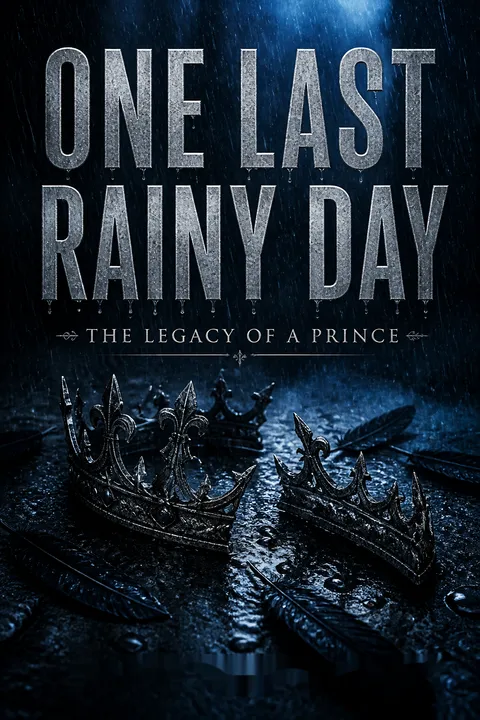


Plot Summary
Prologue
Dominic King begins with the certainty that instinct has always guided him, then questions how he reached a moment he cannot explain. The opening frames the story as a reckoning: Dom has spent months investigating powerful men and keeping what he has found from even his closest allies. His silence is not calm. It is the strain of holding evidence, anger, and a dangerous plan alone.
The brief opening makes intuition both Dom’s compass and his blind spot. He trusts his instinct so completely that he treats its warnings as commands, yet the question of how he arrived at his present crisis admits that instinct cannot protect him from the consequences of his own choices. The frame also establishes the novel’s retrospective pressure: events are not merely unfolding, they are being reconsidered by someone who already senses that the path ahead has narrowed. His secrecy looks like control, but it is also isolation disguised as discipline.
Cecelia Crosses the Fence
After a sleepless night in the garage, Dom King hides the evidence he has gathered about powerful men from his closest friend, Sean. Their plan sends Sean back to Horner Tech, the company controlled by Roman Horner, the man Dom believes responsible for his parents’ deaths.
Then Sean brings home an unexpected complication: Cecelia, Roman’s eighteen-year-old daughter, has returned to town. Roman has offered to pay her college costs and provide an inheritance if she works at his plant for a year.
Dom missed her arrival while monitoring her, and now she is at the group’s party. He makes his hostility plain; Cecelia answers by breaking a bottle at his feet and warning him that she brings trouble. Dom recalls the club’s strategy for reaching Roman and orders the others to assemble.
Cecelia’s arrival collapses two systems Dom has kept separate: the family wound that drives his vengeance and the carefully managed operation meant to reach Roman. Dom treats her as a tactical risk before he can encounter her as a person, repeating the very habit that has made him effective and emotionally stranded. His failure to notice her return is more than a surveillance mistake. It exposes how fixation on a hidden enemy can make him miss what is happening in front of him. The party’s clash gives the conflict a human face and makes the Trojan-horse plan morally unstable from its first use.
Crates Beneath the Warehouse
Dom directs Tyler and the crew through a timed break-in at a warehouse tied to freight executive Anthony Spencer. The building’s hidden location and weak guard suggest it contains more than routine cargo. Inside, the crew finds military rifles, pistols, body armor, and ammunition, so they load what they can before the security patrol returns.
Dom begins tracing the weapons while Tyler recognizes that the inventory points toward corrupt military contacts. Meanwhile, Sean keeps Cecelia close at Roman’s property and obtains the gate code, giving the group a way inside the estate they could not safely surveil from outside. Dom watches her through Roman’s outdated cameras and realizes her access may help them uncover what the mansion conceals.
The raid converts Dom’s private suspicions into material danger. Guns are evidence, but they are also a promise of retaliation from people whose power exceeds the local club’s reach. The scene shows the group’s competence through timed roles and disciplined escape, while revealing the limits of competence: Dom can coordinate a theft, but he cannot yet understand the full network the stolen weapons implicate. Cecelia’s access is similarly double-edged. She can open a door the ravens cannot approach, but treating her as an instrument risks making her another person exploited by the powerful men they claim to oppose.
The Flock Turns Inward
The operation falters when Jonathan, nicknamed Fatty, is arrested for soliciting a prostitute while a club van is under his watch. His arrest leaves him printed and therefore too risky to keep inside the secret. Sean and Dom remove him from the group despite his loyalty and years of help.
Tyler then uncovers a deeper breach: Clint, a recruit struggling with addiction, had tipped off the woman whose arrest led police to Fatty. Sean confronts Clint and forces him to reveal how he tried to steal merchandise for a drug fix. Tyler takes Clint away while Sean absorbs the cost of trusting him. Dom sees that their rules are not abstract ideals; one member’s weakness can expose every person who depends on the club.
The club’s harsh discipline is presented as both protection and a source of moral danger. Dom and Sean believe their secrecy keeps the vulnerable safe, so they respond to breaches with a severity that can resemble the coercive systems they oppose. Fatty’s privilege makes him expendable in Dom’s calculation, while Clint’s addiction turns need into betrayal. Yet the emotional emphasis falls on Sean, who has to punish someone he recruited and cared for. The episode tests whether loyalty is a feeling or a practice. In Dom’s world, it must be both, but the rules offer little room for failure or repair.
The People Left Outside
Dom’s private code becomes visible when Ginger, an old friend, asks for help removing Jeffrey, a drug-using partner whose presence puts her sister’s infant, Toby, at risk. Dom and Sean confront Jeffrey, clear his companions from the apartment, and call child-protection authorities so the baby can be placed safely with Ginger.
Later, Dom finds Zach, an eleven-year-old he has known since childhood, wearing ruined shoes and carrying a damaged backpack because his alcoholic father has taken the money Dom left for him. Dom gives Zach cash and a phone, then warns the father not to hurt him again. These interventions do not advance the Roman operation, but they show why Dom’s growing list of targets is personal.
Dom’s violence and generosity come from the same conviction: people with power should not be allowed to abandon those who depend on them. He can be cruel to people he considers a threat, but his attention sharpens around children and those trapped by poverty or addiction. The contrast complicates his self-image as a cold strategist. He is not detached from suffering; he absorbs it so completely that it fuels his need to act. Yet his methods remain unilateral. Calling authorities and threatening abusers may protect someone in the moment, but Dom still assumes responsibility for decisions that should belong to the people he is trying to help.
A Daughter Becomes Access
Sean draws Cecelia into the garage, where she asks questions about the men around her and about her father’s offer. Dom keeps her at a distance, but her presence gives the group a route into Roman’s heavily monitored home. When Roman is away, Dom and Tyler slip inside and install listening devices and spyware on Cecelia’s computer.
The surveillance catches Cecelia confronting Roman after a worker at the plant treats her as though her family name should silence her. She demands that he support her struggling mother and rejects the inheritance if it depends on ignoring the people Roman’s company harms. Dom hears her defend someone with less power than herself, and his certainty that she is merely her father’s daughter begins to weaken.
The operation’s most effective access point is also its most ethically uncomfortable one. Cecelia is not simply a key to Roman’s house; she has her own reasons for returning and her own judgments about the people around her. Dom’s surveillance allows him to hear those judgments, but it also reproduces the invasion of privacy that marks the powerful world he condemns. Her confrontation with Roman matters because she refuses the role he has offered her: grateful heir, compliant employee, or convenient symbol of reconciliation. Dom begins to recognize that her character cannot be inferred from her bloodline, though he has not yet stopped using her circumstances for his purposes.
Rain Makes Room
Dom and Cecelia move from hostility to intimacy through the long hours they spend together in the garage, at Roman’s house, and in the storms that repeatedly interrupt their plans. Sean is already involved with Cecelia, and the three negotiate an uneasy closeness rather than pretending the attraction is simple.
Dom takes her to the winery during a downpour, where they have sex and then talk about his family, her childhood, and her mother’s illness. She learns that Dom’s club has been helping people beyond its own members, and the work moves her because she recognizes the poverty and neglect from her own upbringing. On Dom’s birthday, she gives him a handmade celebration; his guarded life begins to include ordinary tenderness as well as the mission.
Rain becomes the condition under which Dom can stop managing every feeling as a threat. His bond with Cecelia is not presented as a cure for his anger, but as a temporary return to sensation: food, music, touch, humor, and the present moment regain force. Sean’s place in the relationship prevents the romance from becoming a conventional contest, yet it does not erase jealousy or fear. Cecelia offers Dom a kind of attention he rarely permits himself to receive, while his care for her remains entangled with secrecy. The intimacy therefore creates genuine refuge and a future vulnerability at once.
The List Turns Lethal
Dom’s research into the warehouse guns opens onto a wider pattern of powerful men exploiting children and hiding behind public respectability. He gathers evidence on his advanced laptop but keeps the worst of it from Sean, Tyler, and Tobias, fearing that knowledge will pull them away from their assigned roles.
When he discovers that Joshua Brown plans to attack a crowd at a stadium, Dom intercepts him before the shooting and kills him, taking the weapons and leaving authorities to search for a second suspect.
Tyler and the ravens scatter shell casings and false leads to redirect investigators toward the corrupt officials tied to the arms. Dom is sent to Denny’s farm while the others contain the fallout, but the act leaves him emotionally numb.
Dom’s decisive intervention prevents an imminent massacre, yet the novel refuses to make the killing clean. He acts to save strangers, but he also crosses a threshold alone and conceals the act from the people whose trust sustains him. His belief that delay is complicity becomes psychologically understandable, then dangerous: it lets him treat his own judgment as sufficient authority. Tyler’s cover-up protects the club and may help expose the arms network, but it also deepens the secrecy that is already corroding the brothers’ relationships. The episode asks whether moral urgency can justify unilateral violence without turning the rescuer into another unaccountable power.
The Gun in the Crib
As Delphine undergoes cancer treatment, Cecelia visits her and helps her through an evening that leaves both women exposed. Dom later takes his aunt to Pretty Place Chapel, where she speaks about fear, regret, and the possibility of forgiveness.
Back at home, Delphine admits that years earlier, furious at Roman and grieving Dom’s parents, she broke into the Horner home and placed a loaded gun in infant Cecelia’s crib. She had left the safety on, but the confession horrifies Dom all the same. He leaves at once to find Cecelia, carrying a new understanding of how vengeance has crossed generations and how easily an innocent child could have become its victim.
Delphine’s confession breaks the clean moral division Dom has relied on between his family and Roman’s. His aunt’s grief did not merely make her bitter; it once drove her to endanger the very child he now loves. The gun is significant because it makes inherited violence literal: an infant lay beneath a weapon placed there by an adult seeking to frighten another adult. Dom’s response is not to excuse Delphine, nor to abandon her, but to face the fact that love and culpability can coexist. This revelation also prepares him to question whether his own family’s account of the past is complete.
France Becomes Their Sentence
Dom and Sean have been concealing both their growing relationship with Cecelia and parts of Dom’s independent investigation from Tobias, the older brother who designed the club’s long campaign against Roman.
When Tobias discovers the deception, he is devastated and orders both men to spend ten months in France, away from Cecelia and the club. At the Apple Festival, Cecelia finds them before they leave and makes clear that she loves them, but neither brother can persuade Tobias to relent.
They board the plane without giving her the future she asks for. In France, Dom and Sean work under Tobias’s network, carrying out dangerous assignments while enduring the separation. Dom begins to understand that his obedience has become another choice with a cost.
The sentence to France converts a private betrayal into a physical geography. Dom and Sean lose access not only to Cecelia but also to the community that made their purpose feel shared. Tobias’s response is rooted in the old family pattern of protection through control: he believes distance can prevent further harm, even as it reproduces abandonment. Cecelia’s declaration at the festival gives the departure its emotional weight, because the brothers leave knowing they are loved and choosing the club anyway. Dom’s later resentment does not cancel his responsibility for deceiving Tobias; it reveals how duty can become self-punishment when no one is permitted to renegotiate it.
Homecoming Finds Them Changed
After months in France, Dom can no longer bear the exile and persuades Tyler to arrange an early return for him and Sean. He arrives at Roman’s home and finds Tobias and Cecelia together, their intimacy making it appear that his brother has taken the place Dom left behind.
Cecelia explains that she waited, suffered, and eventually came to love Tobias, while Dom struggles to hide his jealousy and the hurt of his own choice. He knows Tobias and Cecelia were both misled about the brothers’ departure, but the damage remains. Dom and Sean must decide whether to return to the club’s work or continue fighting for a relationship they helped make unsafe. Their reunion offers no simple restoration.
The homecoming reverses Dom’s fantasy of return. He comes back believing that time served might restore his place, only to find that Cecelia has built a new bond in the space his absence created. The scene makes the cost of his earlier obedience visible without turning Cecelia into a prize that can be reclaimed. She has acted within incomplete information and made choices of her own. Tobias’s intimacy with her is both a betrayal in Dom’s eyes and evidence that the brother he idealized can also conceal, desire, and wound. The love triangle is less about possession than about what each person believes loyalty requires.
Roman Was Not the Enemy
Cecelia returns to Dom’s life, but the fresh club tattoo on her body and her fury at being marked without informed choice reveal that Tobias has acted on her behalf without asking. Before Dom can make sense of that conflict, Tobias calls with two urgent revelations: the Miami chapter has taken a contract on Roman, and Roman has just explained that he did not murder Dom’s parents.
Their deaths resulted from an accident involving Diane, Cecelia’s mother, who was pregnant at the time. The old revenge campaign has been built around a false accusation. Dom and his brothers must now protect Cecelia and Roman from the Miami gunmen while absorbing the fact that their central enemy was never the murderer they imagined.
The revelation dismantles the story that has organized Dom’s adulthood. His parents’ deaths remain real, but the deliberate villain he built his purpose around dissolves, leaving grief without a target and years of violence without its original justification. At the same moment, Cecelia’s unwanted tattoo repeats the club’s central contradiction: men who claim to protect her have made a decision about her body without consent. The incoming hit prevents the characters from processing either truth in safety. Their private reckoning and public danger become inseparable, forcing Dom to choose between the old mission and the person standing before him.
The House Under Fire
Miami gunmen reach Roman’s property as the ravens scramble to protect Cecelia and the people inside. Dom confronts Matteo while Tobias tries to contain the wider attack, and Cecelia refuses to retreat from the danger surrounding them. Dom keeps the gunmen’s attention on himself long enough for others to move, but the fight turns against him.
He is shot repeatedly and collapses, still focused on whether Cecelia and Tobias are safe. As his strength fades, Dom asks his brother to care for her, while Cecelia insists that he stay with her and imagines a future they might have shared. The rain and the life she brought into his guarded world return in his final moments.
The climax brings Dom’s central contradiction to its final form: he has spent his life treating himself as expendable in the service of others, yet the person he most wants to protect is also the person who made him imagine surviving. His last act is not a strategic victory but a choice to stand between Cecelia and the threat. Tobias’s presence matters because the brothers’ conflict is still unresolved, but Dom entrusts him with what he cannot finish. Cecelia’s imagined future counters Dom’s fatal certainty with possibility, even when the scene offers no time for reconciliation or fulfillment.
A Grave Cannot Contain Him
Dom’s death leaves the ravens gathered at his funeral, where grief breaks through the discipline that usually holds them together. Sean remembers their childhood friendship, and Russell meets Zach at the grave, recognizing the boy Dom had tried to protect and bringing him back to the group. Delphine and Tyler grieve beside the people Dom gathered into his chosen family.
In a later chapter, Tyler and Cecelia return to Dom’s encrypted laptop. Tobias’s fingerprint opens the first lock; Cecelia realizes the second answer is a raven’s natural enemy, and types bald eagle. The files expose organized atrocities and point the survivors toward a larger campaign, turning Dom’s hidden evidence into work the living must carry forward.
The funeral changes the meaning of Dom’s careful isolation. His work has survived him, but so have the relationships he built through attention to people who were usually overlooked. Russell’s encounter with Zach gives that legacy a concrete human form: protection becomes continuity rather than an abstract tribute. The laptop’s two-part lock makes the future depend on collaboration, precisely what Dom struggled to trust while alive. Tobias supplies access, Cecelia supplies insight, and the evidence requires them to act together. The inheritance is therefore not simply a list of enemies. It is a demand that the survivors become more accountable to one another than Dom was able to be.
Epilogue
Years later, Tyler’s work in Washington and the ravens’ growing network bring Dom’s evidence into public view, exposing powerful abusers and helping rescue victims. Zach, now an adult and part of Tyler’s family, visits Dom’s grave with Clint, whose recovery Dom helped make possible.
The final sequence shifts beyond ordinary chronology: Dom experiences the lives and reunions that follow his death, including Cecelia, Tobias, and the family they build. His story closes not with the revenge he once expected, but with the idea that the people he loved continue the work and carry him with them.
The epilogue refuses to treat Dom’s death as the end of consequence. His files become useful only when other people interpret them together, while Zach’s presence at the grave shows that the smallest acts of protection can outlast the grandest plans. The imagined afterlife offers a spiritual answer that the plot cannot empirically prove, but it is grounded in the novel’s insistence on relational memory: Dom remains present through the choices his friends make and the people they shelter. The ending does not erase the cost of vengeance or the pain of lost time. It grants the dead a form of participation in a future they helped make possible.
Analysis
The novel’s central conflict is not simply whether vengeance can punish corrupt power. It asks what happens when people build a moral identity around stopping abuse while using secrecy, coercion, surveillance, and violence themselves. Dom sees institutional harm with unusual clarity, but his conviction that he must act alone reproduces the same structure of unaccountable authority he wants to dismantle. His care for Zach, Toby, Ginger, and Cecelia is real, yet it repeatedly becomes control when he decides what others may know or choose.
Cecelia destabilizes Dom’s inherited categories. She is Roman’s daughter but not an extension of him, and her compassion is not innocence so much as a choice made after deprivation. Her presence forces the ravens to confront whether their rules protect people or merely preserve the group’s power. The love triangle with Sean and Tobias broadens that question: loyalty can be generous, but it can also become possessive and punitive when each man confuses protection with the right to decide for her.
The revelation that Roman did not deliberately kill Dom’s parents does not erase the brothers’ grief. It exposes the danger of converting grief into a complete political explanation. Their campaign has grown beyond its original target, and Dom’s evidence finally supplies a more consequential purpose, one that requires cooperation instead of a single avenger’s judgment. His death makes that shift unavoidable. The survivors can preserve his work only by sharing knowledge and responsibility, the practices he struggled to trust. The ending offers no easy victory over violence. It gives the ravens a continuing task, and gives Dom a spiritual afterlife shaped by the novel’s belief in memory, forgiveness, and love. His legacy is most persuasive not in the scale of his revenge, but in the people he noticed and the choices they make after he is gone.
Review Summary
One Last Rainy Day received overwhelmingly positive reviews, with readers praising the emotional depth and new perspective on Dominic's character. Many found it heartbreaking yet cathartic, offering closure to the Ravenhood series. Readers appreciated the added scenes and insights into Dominic's thoughts and motivations. Some felt the business aspects were repetitive, while others found the book unnecessary. Overall, fans were deeply moved by Dominic's story, with many citing intense emotional reactions and a renewed appreciation for his character.
People Also Read







Characters
Dominic King
The watchful strategistDom is a gifted mechanic, hacker, and tactician whose intelligence gives him access to systems other people cannot see. He is driven by grief over his parents and by anger at powerful men who exploit the vulnerable, but his instinct to act alone makes him secretive and difficult to reach. He shows care through practical interventions: protecting children, supporting struggling families, and building a network that can provide help. Emotional openness frightens him more than physical danger, so he often converts tenderness into teasing or distance. His relationship with Cecelia challenges his belief that a life devoted to vengeance leaves no room for ordinary happiness.
Cecelia Horner
The questioning heiressCecelia is Roman Horner’s daughter, an observant young woman whose return to Triple Falls is shaped by financial need and concern for her ill mother. She is curious without being naïve, and she tests the people around her rather than accepting the identities assigned to them. Her empathy comes from having experienced neglect and poverty herself, while her stubbornness keeps that history from becoming submission. Cecelia is drawn to Dom’s guarded intensity but also challenges his cruelty and self-denial. Her connections with Dom and Sean reveal her capacity for affection without reducing her to a passive object of their plans.
Tobias King
The absent architectTobias is Dom’s older brother and the strategic founder of the ravens’ campaign. He has spent years building an organization across borders, balancing long-range plans with an almost parental need to protect his younger brother. His charisma and authority make others follow him, but his habit of withholding information turns protection into control. Tobias believes discipline and sacrifice are necessary to transform their anger into lasting change. The burden of leadership leaves him emotionally guarded, particularly when he fears that personal attachments could endanger the club or the people in it.
Sean
The loyal connectorSean is Dom’s closest friend and chosen brother, a sociable mechanic whose ease with people complements Dom’s reserve. He reads emotions quickly and can make newcomers feel welcome, which gives him an important role in recruiting and in the group’s work. His loyalty is not merely obedience; he feels responsible for the people he brings into the flock, even when their choices disappoint him. Sean is drawn to pleasure and connection, but he takes the club’s promises seriously. His relationship with Cecelia exposes the difficulty of separating affection from the dangerous business the ravens have built.
Tyler
The disciplined enforcerTyler is a former Marine and one of the ravens’ most capable planners. He understands security, military procedure, and the cost of letting emotion disrupt an operation. His steadiness often makes him the group’s practical voice, though he is not immune to grief or attachment. Tyler cares deeply for Dom, Sean, and Delphine, and his loyalty can place him between competing obligations. He is alert to risks others dismiss, especially when the club’s private actions threaten to expose everyone around it.
Delphine
The wounded auntDelphine is Dom and Tobias’s aunt, a French-speaking woman whose alcoholism, grief, and illness shape the household in which the brothers grew up. Her past contains both cruelty and hard-won insight, and she can be perceptive about the power structures the ravens oppose. She has difficulty expressing care without defensiveness, partly because regret has accumulated over years of withdrawal. Her bond with Dom is complicated by their shared history, but beneath their sharp exchanges is a genuine effort to understand one another.
Roman Horner
The guarded industrialistRoman is Cecelia’s wealthy father and the powerful owner of Horner Tech. He has been estranged from his daughter and offers her money and employment on terms that leave his motives uncertain. Roman protects his privacy with a fortified home, extensive cameras, and a carefully managed public image. To Dom and the ravens, he represents the kind of influence that can hide wrongdoing behind business and respectability. His relationship with Cecelia is marked by distance, financial leverage, and the unresolved history of her parents.
Denny
The self-sufficient farmerDenny is a quiet, resourceful raven who has built a self-sustaining farm away from town. He prefers practical work and solitude to conversation, but he is dependable when the group needs a secure place or a discreet solution. His relationship with Layla reveals a more possessive, intimate side than he shows the rest of the flock.
Layla
The trusted decoyLayla is a capable member of the ravens’ circle and Denny’s fiancée. She can play a role convincingly during an operation, including distracting a security guard, but she is also a person with loyalties and boundaries of her own. Her warmth helps make the group feel like a community rather than only a criminal enterprise.
Russell
The quiet recruitRussell is a measured, observant recruit who studies the ravens’ methods before speaking. His family history includes immigration and financial hardship, giving him a personal understanding of how institutions can punish people with little leverage. He hopes to lead one day and learns by watching Dom’s decisions closely.
Jeremy
The irreverent operativeJeremy is a loud, joking member of the crew whose humor cuts tension during dangerous jobs. Beneath the performance, he is loyal and willing to take risks for the group. His impulsiveness can create problems, so Dom tries to teach him to stay alert and treat every operation as consequential.
Peter
The hungry newcomerPeter joins the ravens after poverty and family instability push him toward theft. His infant sister’s needs matter more to him than status or excitement, and he responds strongly when the group lets him take supplies for his family. He represents the kind of recruit Dom believes the club should protect rather than exploit.
Ginger
The old friendGinger is a childhood acquaintance of Dom who turns to him when her sister’s partner creates danger at home. She is protective of her family and especially concerned for her young nephew. Her trust in Dom reflects the history they share, while her difficult circumstances reveal how few reliable options she has.
Zach
The overlooked boyZach is a boy Dom has known since childhood, living with a father whose alcoholism and abuse leave him neglected. He is quiet, watchful, and ashamed of needing help, traits that make his circumstances easy for adults to overlook. Dom’s attention gives him a rare sense that someone sees what is happening.
Anthony Spencer
The freight magnateSpencer is a shipping executive whose hidden warehouse brings the ravens into contact with military-grade weapons and a corrupt supply chain. His respectable business image conceals a darker set of connections. The warehouse makes him an early test of the group’s ability to investigate powerful targets without exposing themselves.
Jonathan George
The privileged recruitKnown as Fatty, Jonathan is a well-connected member whose access to good cannabis makes him popular with the group. Unlike several of the other recruits, he has not experienced the same degree of hardship or responsibility. His place in the club depends on whether he can follow its rules.
Clint
The compromised recruitClint is a recruit whose addiction makes him unreliable and vulnerable to desperate decisions. He is connected to Sean, who took him under his wing, and his struggle tests how the club handles a member who has become a risk to others.
Andre
The Miami chapter leaderAndre leads the Miami chapter, whose relationship with the Triple Falls ravens becomes increasingly strained. He and his associates operate closer to organized criminal networks than Dom’s group wants to accept. His choices turn an uneasy chapter rivalry into a serious threat.
Matteo
The Miami enforcerMatteo is a violent member of the Miami chapter who takes pleasure in intimidation and physical danger. His approach contrasts with the ravens’ claim to target only the powerful and guilty. He brings the chapter’s threat directly into the lives of Dom and Cecelia.
Julien
The French tacticianJulien is a former French serviceman recruited into Tobias’s network. His education and military training make him valuable, but his stubbornness means trust must be earned. Dom recognizes in him the possibility of a capable ally who can move through Antoine’s organization without attracting attention.
Clint's infant nephew Toby
The endangered infantToby is Ginger’s infant nephew, exposed to the instability and drug use of the adults around him. His safety becomes the immediate reason Ginger asks Dom for help, and his vulnerability gives the ravens’ protective ideals a concrete test.
Plot Devices
The Ravens' ink and rules
A code made visibleThe ravens’ tattoo marks membership in a secret organization, while its rules attempt to distinguish the group from the criminal worlds it enters. Members promise loyalty and reject drugs, guns, and harm to innocents, even as they steal, surveil, and punish. The contrast gives the story a practical moral framework and a source of conflict: the characters believe their purpose justifies secrecy, but their methods can violate the autonomy of the very people they want to protect. The ink also makes betrayal personal, because breaking the group’s code means breaking a promise written on the body.
Dom's hidden evidence list
A map of the guiltyDom’s list begins as a private record of powerful men and institutions he believes are abusing their position. His hacking, surveillance, and financial tracking turn scattered suspicions into evidence that can be acted on. The list expands beyond Roman to include arms traffickers, corrupt officials, and men involved in the exploitation of children. Because Dom keeps much of it secret, the list advances the investigation while worsening his isolation and conflict with the people who share his mission. The encrypted computer later makes his work a task the surviving ravens must complete together.
The sealed Horner estate
Access through CeceliaRoman’s camera-covered mansion is difficult to approach and impossible for the ravens to wire openly. Its security creates a physical barrier around the secrets Dom suspects are inside. Cecelia’s return changes that equation: she has a legitimate reason to enter the house and eventually gives the group an opening to place surveillance devices. The estate therefore functions both as a tactical puzzle and as a family space in which Cecelia is caught between her father’s control and the ravens’ plans. The device’s tension comes from the fact that access to Roman’s secrets depends on someone the operation risks exploiting.
Storms and the little prince
A language for tendernessRain repeatedly marks the rare moments when Dom stops treating every feeling as a liability. It accompanies his intimacy with Cecelia, their private rituals, and the temporary sense of peace she brings him. The recurring book Le Petit Prince links Dom to his mother and childhood, giving him a vocabulary for attachment that he otherwise tries to suppress. These motifs do not cancel the violence around the characters; they make the contrast sharper. Storms become a private emotional climate in which Dom can feel present, while the book recalls the family connection that shaped his loyalty and his fear of loss.
Ravenhood Legacy Series Series


About the Author
Other books by Kate Stewart







Download PDF
Download EPUB
.epub digital book format is ideal for reading ebooks on phones, tablets, and e-readers.








