


Plot Summary
Eighteen Beneath the Spotlight
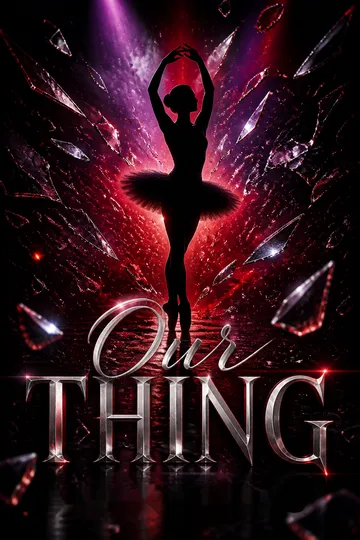
On her eighteenth birthday, Cassidy Slater finishes a successful ballet performance and spots Max Butcher in the audience, the boy who once stopped a bully from beating her adopted brother, Konnor. Cassidy has built her life around dance, but her private crush on Max has lasted for years. Her best friend, Toni, teases her about it while helping her out of her pointe shoes.
Then Jimmy Storm, a powerful District figure, visits Cassidy backstage and praises her performance. He asks her to dance at one of his events. Cassidy agrees, assuming it is an ordinary arts booking. Her artistic success has just drawn her into the Butchers' orbit, though she does not yet understand what that invitation may cost.
The opening ties Cassidy's public identity to discipline and achievement, then lets a private longing slip into view. Her memory of Max begins not with his reputation as a dangerous womanizer, but with an act of protection toward Konnor. That distinction matters: she has already imagined a moral core beneath his menace. Jimmy's invitation turns her talent into the bridge between two worlds, making her ambition both a source of independence and the means by which the criminal network can approach her.
A Birthday Butcher Arrives
Flick fills Cassidy's birthday party with guests, music, and drinks, and Max arrives with his brothers and friends. Cassidy watches him from across the garden, then drinks enough to lose her balance and retreat outside. There she sees Max argue with a red-haired woman who slaps him before driving away. Cassidy falls as she tries to hide; Max finds her, jokes with her, and catches her when she collapses.
The next morning, Toni reports that Max carried Cassidy upstairs and left water and painkillers beside her bed. At the pool, Max flirts with Cassidy, remembers her drunken compliments, and warns that a relationship between them would be a bad idea. His attention delights her, but his refusal to promise anything unsettles her.
Cassidy's first direct contact with Max is filtered through intoxication, so attraction and vulnerability arrive together. Max's care is tangible, but it does not erase his warning that he will not be a boyfriend. His conduct with the woman outside the party also hints at a history he will not explain. The scene establishes the pattern that governs their romance: Max offers protection and intimacy, then retreats from the obligations Cassidy associates with them.
The Slide Turns Dangerous
Toni arranges an evening out with his new police-officer friend, Braidy, and Braidy's colleague Luke. Cassidy enjoys the carnival with Luke, then dances for him near an abandoned waterpark. They begin kissing on a slide, and Luke's hands move beneath her skirt. Max appears, punches Luke, and forces him away before Cassidy can decide whether she wants the encounter to continue.
Max scolds Cassidy for being alone in a dark place, then drives her home and sleeps beside her rather than taking advantage of her drunkenness. The following morning, Luke and Braidy visit to check on Cassidy. Luke leaves with a warning about the Butchers. Cassidy is left with Max's tenderness, his jealousy, and the knowledge that the police have not challenged him.
The rescue exposes the contradiction at the center of Max's protectiveness. He recognizes a real danger in Cassidy's isolation, yet he asserts control through violence and humiliation rather than asking what she wants. Cassidy is neither simply grateful nor simply frightened; she feels the pull of being protected while resenting the assumption that she cannot protect herself. The scene also shows how privilege operates in the District: Max can strike an officer and face no immediate consequences.
The Barre Changes Everything
Jimmy's daughter, Aurora, reveals that her father wants Cassidy to perform at her destination wedding to Clay Butcher in Bali. Cassidy accepts the paid commission, then runs into Max at Jimmy's home. He treats her presence as an intrusion, but later climbs to her window to apologize. As Cassidy advances from Clara to the Sugar Plum Fairy in her academy's Nutcracker production, Max visits her studio.
Their attraction becomes physical, and he takes Cassidy's virginity, though he continues to describe their bond as sex without commitment. His tenderness makes that boundary hard for Cassidy to accept. When Max leaves, she wonders whether she has mistaken desire for affection, even as the Bali wedding promises more time in his world.
Cassidy's professional ambition is not a decorative subplot: the wedding commission brings her into a family gathering where private power can be observed up close. Her promotion to Sugar Plum marks genuine artistic growth, while her first sexual experience with Max opens an equally consequential part of her life. The asymmetry is clear. Cassidy wants intimacy to mean a developing relationship; Max tries to define it narrowly. His apology and care complicate that definition without yet changing it.
Konnor's Past Breaks Open
Konnor returns home with his girlfriend, Blesk, and clashes with their father, Ben, over the truth of his childhood. Ben explains that Konnor was kidnapped at four, later rejected by his biological father, Dustin Nerrock, and left money through his biological mother for his future. The family suspects the Nerrocks may have arranged the kidnapping, though they cannot prove it.
Ben also confirms that the District is controlled by criminal families. Max hears enough to warn Cassidy away from questions about his world, then calls her a foolish girl and leaves. Hurt, Cassidy decides to go to Bali anyway, both to honor her dance contract and to see Max again. Konnor's history makes her own connection to the Butchers feel suddenly less innocent.
The revelation destabilizes Cassidy's secure family story without weakening her loyalty to the Slaters. Konnor's adoption is not treated as a question of whether he belongs; the wound lies in the possibility that adults used his childhood as an instrument of power. Cassidy's anger at Max's dismissal is sharpened by the discovery that the worlds they inhabit may already be connected. Her choice to travel is therefore not just romantic impulsiveness. It is a decision to keep her own access to the truth.
Bali Brings the Butchers
Cassidy reaches the Butchers' Bali villa before the others and joins Flick and Stacey at the resort. When Max arrives, he stares at Cassidy's revealing swimsuit and interrupts a stranger who offers her a drink. He later takes her to a boxing match, where his father, Luca Butcher, officiates and the family cheers for the winning fighter.
At dinner Cassidy meets Victoria, Max's cold, glamorous mother. Stacey explains that Victoria often hurt the boys while Luca was away. Cassidy finds Max alone at a club and comforts him with a private dance; he responds with an intimacy he rarely allows. Their closeness grows, but Cassidy has now seen the violence inside the family as well as its charm.
Bali intensifies the romance by placing Cassidy inside the Butchers' ordinary rituals: the pool, the boxing arena, and a family dinner. She does not simply encounter danger from outside; she sees how it has been normalized within the home. Victoria's cruelty helps explain Max's guardedness without excusing it. Cassidy's comfort at the club is an act of care, but the scene also risks turning her into the person responsible for soothing wounds she did not cause.
One Bed, One Boundary
During Clay's bachelor celebration, Max and Cassidy have unprotected sex, so he leaves emergency contraception for her the next morning. Soon after, Cassidy finds a naked woman asleep beside Max in his room. The sight breaks through every disclaimer he has given her: she knows he promised no commitment, but their private tenderness had begun to feel singular.
Cassidy walks away rather than pretend she is unaffected. Max insists that he did not sleep with the woman and, when Cassidy tells him she wants all of him or none, agrees to be monogamous. He admits the arrangement will be difficult, but says he can do it. For Cassidy, the promise is a risk she chooses over the certainty of never asking.
The scene turns an abstract boundary into a visible image: another woman's body occupies the bed Cassidy thought carried the memory of their intimacy. Max's explanation matters less than the fact that Cassidy finally states what she needs. Her demand does not erase his history or guarantee emotional security, but it changes the terms on which she will participate. The choice reflects a recurring tension in the novel: Cassidy's agency grows when she names her limits, even within a relationship shaped by Max's greater power.
Sugar Plum at the Wedding
Cassidy performs her self-choreographed ballet at Aurora and Clay's pre-wedding dinner, completing the demanding sequence Aurora requested. Stacey then tells Cassidy and Flick that Jimmy arranged their presence partly because he hopes Cassidy will influence Max.
At the wedding, Cassidy understands that her work and romance have become useful to the Family. Dustin Nerrock approaches her on the dance floor. Later, Erik, a scarred young man connected to Konnor and Blesk, finds Cassidy in the woods.
Max arrives and drives Erik away, explaining only that Konnor and Erik hate each other. He promises Cassidy he knows nothing about Konnor's kidnapping, but his refusal to explain the larger conflict leaves her uneasy. The wedding ends with affection surrounded by political calculation.
Cassidy's performance is her own achievement, yet the people around her also treat it as an instrument of influence. Stacey gives a name to the leverage Cassidy has sensed: favors and invitations can become obligations in a system that keeps accounts. Dustin's appearance and Erik's hostility turn that abstract warning into personal danger. The wedding's polished ceremony therefore carries two meanings at once, a celebration of chosen partnership and a gathering where alliances are measured.
Konnor's Warning, Blesk's Secret
Back in the District, Konnor confronts Max about dating Cassidy, and the men fight outside the Slater home. Max pins Konnor down, then helps him inside when he collapses from alcohol withdrawal. Konnor has recently stopped drinking after years of using alcohol to blunt his trauma. Cassidy thanks Blesk for supporting him, then learns that Erik is Blesk's adoptive brother and abused her for years.
Konnor had attacked Erik, leaving the scars Cassidy saw in Bali. The revelation clarifies why Max warned Cassidy away from him, but it also exposes how much danger surrounds the people she loves. Cassidy tells Konnor that she and Max are together, insisting her brother cannot make the choice for her.
The homecoming shifts the story's concern from rumor to intimate knowledge. Konnor's sobriety shows him actively confronting the pain that once governed his behavior, while Blesk's disclosure makes clear that the violence between the men has a history beyond male rivalry. Cassidy's family is not a simple safe haven, but it remains a place where truth can be shared and support offered. Her refusal to surrender her romantic choice also marks a firmer boundary with Konnor's protectiveness.
Ice Water Confession
After Cassidy takes an ice bath for a dance injury, Max reacts sharply because the cold recalls his mother's abuse of him and his brothers. He admits that Victoria beat them when she was angry with Luca, and that Luca praised the boys for fighting back rather than asking what had happened. Cassidy listens without pressing him for details he cannot yet offer.
Their relationship settles into daily routines: Max collects her after rehearsals, and Cassidy learns how to fit him beside ballet, family, and Toni. Their private tenderness grows more dependable, although Max's work remains sealed off from her. Cassidy's care cannot undo his childhood, but he begins to trust her with the parts of himself he usually keeps hidden.
The ice bath works as a bodily trigger, connecting Cassidy's disciplined athletic practice to Max's childhood experience of punishment. His account shows how the family taught strength as performance: injury mattered less than the appearance of having won. Cassidy's response is neither interrogation nor rescue; she listens and allows him to control what he discloses. That restraint offers a different model of intimacy from the possessiveness that often defines Max's behavior.
Blood on the Shirt
One night, Xander pages Max during sex, and Max leaves to handle Family business. He returns with blood on his shirt and a gun beside the bed. Cassidy fears he has been wounded, but Max tells her he watched a man die and says the death came down to survival. She does not excuse the killing or pretend it is harmless.
Instead, she tells Max she loves him and chooses to remain beside him. Their relationship now includes what he does, not only the tenderness he offers her in private. Cassidy's decision makes her more vulnerable to his world, while Max's disclosure reveals that secrecy can no longer protect their bond from its moral consequences.
The blood is both literal evidence and a test of the story Cassidy has been telling herself about Max. Her love does not convert his violence into innocence; rather, she refuses the comfort of believing she can love only a sanitized version of him. The scene also sharpens the danger of their intimacy. Max's secrecy may protect him operationally, but it leaves Cassidy to interpret the costs after they have already entered her home and bed.
The Pink Diamond
After Max takes Cassidy to a jazz club for their first public date, Jimmy insists she attend a private diamond auction as a showcase for a rare pink stone. Cassidy recognizes that the invitation is business, but goes with Max and his brothers. She wears a diamond worth a fortune while guests examine it, and Max stays close until Jimmy summons him and Bronson away.
Xander remains with Stacey; Cassidy, feeling unwell, heads toward a courtyard with his reluctant approval. Erik has already sent unsettling messages, and he is waiting beyond the door. He locks Cassidy inside, invokes Dustin's desire for revenge, and begins assaulting her. The glittering event has turned the Family's use of Cassidy into a direct threat against her body.
The auction brings the novel's central metaphor into hard focus: Cassidy is displayed as an object of value at the same moment she is treated as a person with agency. The diamond's price makes the Family's logic visible, where beauty, access, and loyalty can be converted into leverage. Max's protection is present but incomplete; he leaves because Jimmy commands it, and Cassidy is isolated by the very network that claims to keep her safe.
Glass, Blood, and Choice
Erik pins Cassidy against the courtyard door and assaults her. Cassidy finally breaks free of her freeze response, scratches his face, and fights back when he throws her through a glass table. She pulls a shard from her arm and stabs Erik in the neck. Max and his brothers rush in. Max draws his gun, but instead of firing, places it in Cassidy's hands.
She shoots Erik twice before Max takes the weapon away. Max then tries to reach Dustin, whom Erik named as the person seeking revenge, but Luca and the brothers stop him from charging into another confrontation. Cassidy has survived by acting, but she has also been forced into a world where protection and violence arrive together.
Cassidy's resistance is not presented as a clean victory. Her body moves from involuntary fear to decisive action, and that movement saves her, but leaves her with blood, injury, and the burden of killing. Max's transfer of the gun gives her immediate control while also drawing her into the family's retaliatory logic. The scene refuses a simple distinction between victimhood and power: Cassidy acts for herself, yet the circumstances that make action necessary are produced by a system she did not choose.
A Guard at Her Side
At the hospital, Cassidy is treated for cuts, a bruised face, and dehydration. Max stays beside her, but guilt makes him distant until she asks him to look at her as he once did. When the assault triggers panic in the shower, he stops and holds her, letting her set the pace. Cassidy's friend Toni visits, then Max introduces Carter, a longtime family guard, and assigns him to protect her when Max cannot.
Cassidy questions the intrusion, but Max makes the arrangement part of their relationship rather than a decision he hides from her. He promises he will not let anyone hurt her again. Cassidy accepts his care, knowing the danger has not disappeared and her life with Max will never be separate from it.
The ending offers repair through attention rather than a claim that trauma is finished. Max learns that protection after the attack requires listening to Cassidy's body and allowing her to stop; desire cannot simply restore what was taken. Carter's assignment is both care and surveillance, so the novel leaves its central power tension intact. Cassidy accepts security without pretending it is freedom from risk, while Max's promise expresses commitment more clearly than the declarations he once resisted.
Analysis
Our Thing builds its romance around a contradiction it never fully resolves: Max's protectiveness can be an expression of care and an exercise of control at the same time. He sees danger accurately, but often responds by deciding for Cassidy, using force, or withholding information. Cassidy's growth is not a simple rejection of dependence. She wants intimacy and accepts help, yet repeatedly insists that her choices remain hers. Her ballet career gives that insistence a material foundation: she has trained, earned roles, and built a life that does not originate with Max.
The novel also distinguishes family as an emotional bond from family as an institution. The Slaters give Konnor belonging after abandonment, while the Butchers bind affection to hierarchy, violence, and loyalty. Konnor's past and Blesk's history show that trauma cannot be reduced to a single villain or cured by romance. Max's childhood helps explain his difficulty with vulnerability, but the explanation does not erase the harm caused by his behavior. The story's most important emotional negotiations occur when Cassidy asks for more than physical desire, and when Max begins to disclose rather than simply command.
The assault and its aftermath force the romance's central fantasy into contact with consequence. Cassidy survives through her own action, but that survival does not leave her untouched, and Max's guilt cannot reverse what happened. His promise and the guard he assigns her offer commitment, while also extending the system that placed her in danger. The ending is therefore emotionally affirmative but not morally uncomplicated. Cassidy chooses Max with open eyes, not because violence has become harmless, but because love, agency, and risk remain entangled in the world she has entered.
Review Summary
Our Thing received mixed reviews, with an average rating of 3.85 out of 5. Some readers praised the chemistry between the main characters, Max and Cassidy, and enjoyed the mafia romance elements. Others found the characters immature and the plot unrealistic. Criticisms included poor writing, underdeveloped characters, and problematic relationship dynamics. Positive reviews highlighted the steamy scenes and character development. The book's cliffhanger ending left many readers eager for the sequel, while others found it frustrating. Overall, opinions were divided on the book's merits.
Characters
Cassidy Slater
The disciplined ballerinaCassidy is an ambitious young dancer whose rigorous training gives structure to a life she otherwise approaches with humor, appetite, and unusual candor. She is close to her sister Flick and fiercely loyal to her adopted brother Konnor. Her inexperience with romance does not make her passive: she notices when people underestimate her and increasingly names what she wants, both in her career and with Max. Cassidy is drawn to intensity, but she also values family, independence, and the right to decide what risks she accepts. Her emotional openness is a strength, though it can lead her to mistake protection for safety and private tenderness for a promise.
Max Butcher
The possessive heirMax is a powerful, guarded young man raised inside a family whose authority rests on intimidation and loyalty. He is studying architecture and plays rugby, but his obligations to the Butchers govern much of his time and behavior. Max expresses care through practical acts, physical attention, and a fierce instinct to control threats; he struggles to offer emotional reassurance without retreating into bluntness or command. His upbringing has taught him to treat vulnerability as dangerous, yet Cassidy draws out a gentler curiosity in him. He is not a conventional romantic hero: his tenderness is real, but it exists beside jealousy, secrecy, and violence.
Flick Slater
Cassidy's bold sisterFlick is Cassidy's older sister, a sociable, confident woman who delights in crowds and takes charge of family celebrations. She is protective of Cassidy, though her advice can be blunt and overly certain. Her relationship with Stacey draws her closer to the Butcher circle and forces her to reckon with the danger around the people she loves.
Konnor Slater
The adopted brotherKonnor is Cassidy's older brother, adopted into the Slater family after a traumatic childhood. He is athletic, intelligent, and deeply loyal, but often handles fear and grief through anger or alcohol. His protectiveness toward Cassidy can become controlling, though his fierce attachment to the Slaters is rooted in a hard-won sense of belonging.
Toni D'Annunzio
The loyal comic confidantToni is Cassidy's closest friend, a funny, flamboyant confidant who uses jokes and sexual bravado to make difficult subjects easier to approach. Beneath the performance, he is loyal and perceptive about Cassidy's insecurities. His growing relationship with Braidy asks him to risk emotional vulnerability rather than rely on charm alone.
Stacey Grange
The guarded family friendStacey is close to the Butcher brothers and is Flick's romantic partner. She is socially confident but keeps the most important parts of her knowledge guarded, partly because she understands the consequences of speaking freely around the Family. Her warnings to Cassidy come from hard experience, not simple disapproval.
Xander Butcher
The watchful younger brotherXander is Max's younger brother, handsome and socially capable, with an observant streak that makes him alert to the moods in a room. He is close to Stacey and often mediates among the Butchers. His ease with people differs from Max's intimidating directness, though both are shaped by family loyalty.
Bronson Butcher
The playful middle brotherBronson is Max's brother, a charismatic joker with a mischievous manner and a strong bond with his siblings. He welcomes Cassidy more readily than Max does and often softens tense situations with humor. His warmth does not make him separate from the family's harder world.
Clay Butcher
The groom and eldest brotherClay is the eldest Butcher brother and Aurora's fiancé. He is more reserved than his younger brothers, but his wedding gathers the family and its associates into one place. His relationship with Aurora offers Cassidy a view of affection inside the Butcher world.
Luca Butcher
The boxing patriarchLuca, also known as Butch, is Max's father and a celebrated former boxer. His sons admire his strength and seek his approval, while his role in the Family makes him both a parent and an authority figure. He prizes toughness, a standard that shapes how his sons understand pain and loyalty.
Jimmy Storm
The District powerbrokerJimmy is a feared and influential figure in the District who also presents himself as a patron of the arts. His admiration for ballet brings Cassidy into his circle, but his generosity sits within a world of favors, alliances, and calculated influence. He treats family and business as closely linked.
Victoria Butcher
The polished matriarchVictoria is Max's mother, a beautiful and socially polished woman whose coolness unsettles Cassidy. Her presence carries weight in the Butcher family, and her relationships with her sons are strained. She embodies the distance between respectable appearances and private family life.
Aurora Butcher
The determined brideAurora is Jimmy Storm's daughter and Clay Butcher's fiancée. She is energetic, decisive, and exacting about her wedding, and she admires Cassidy's dancing. Her celebration brings together the artistic and criminal worlds that Cassidy is learning to navigate.
Blesk Bellamy
Konnor's steady partnerBlesk is Konnor's girlfriend, a gentle and thoughtful young woman who offers him a steadier kind of companionship. Her quietness should not be mistaken for weakness. She carries a difficult private history and is learning to speak about it on her own terms.
Dustin Nerrock
The old family rivalDustin is a wealthy District figure connected to Konnor's biological family and to Jimmy's social circle. He is polished enough to move among powerful people, but his presence unsettles Cassidy. His influence rests on old alliances and long-standing grievances.
Erik
The scarred antagonistErik is a scarred young man whose history connects him to both Konnor and Blesk. He is volatile and resentful, and his appearance at the Butcher wedding signals that older conflicts have not been settled. Cassidy has reason to be wary of him.
Luke
The brief romantic prospectLuke is a police officer and Braidy's colleague. He accompanies Cassidy to the carnival and briefly becomes a romantic prospect before Max intervenes.
Braidy
Toni's police-officer dateBraidy is a police officer who begins seeing Toni. Their developing relationship gives Toni a chance to test his usual confidence against the uncertainty of dating.
Carter
The trusted family guardCarter is a longtime Butcher security man, physically imposing and professionally discreet. He has protected members of the family for years and is accustomed to taking instructions without fuss.
Plot Devices
Ballet and performance
Cassidy's public selfCassidy's dance career gives her a disciplined identity that exists beyond her attraction to Max. Rehearsal, pointe work, and promotion to the Sugar Plum Fairy track her ambition and provide concrete settings where her skill earns recognition. Her performance at Aurora's wedding is both a professional milestone and a point of contact with the Butcher family. Ballet also sharpens the contrast between controlled movement onstage and Cassidy's uncertain navigation of intimacy, violence, and power offstage.
The Butcher Family network
Power made personalThe Family is not merely an offstage criminal organization. Its influence shapes weddings, business, security, and the way people speak or remain silent. Jimmy's invitation, Max's guards, and the expectation that relatives protect one another show how care and control can share the same channels. The network gives Max material power, but it also limits his freedom and draws Cassidy into conflicts she did not create. It turns family loyalty into both shelter and obligation.
The pink diamond
A beautiful liabilityThe rare diamond Cassidy wears at the auction makes wealth physically visible and places her on display before powerful guests. It is a valuable object, but also a means of access and a reason for Cassidy to remain inside the event while Max is called away. The jewel's beauty disguises the danger of the arrangement. It captures the novel's concern with how people can be turned into assets through favors and social performance.
Guns and security
Protection with a costMax's gun, the Butcher guards, and Cassidy's eventual security detail make the family's threat environment tangible. These devices are presented as practical responses to danger, not as proof that danger has been defeated. Cassidy's encounters with the weapon reveal the distance between her ordinary life and Max's, while Carter's assignment makes protection part of their relationship. Security offers safety, but it also means Cassidy's freedom is increasingly organized around risks she cannot control.
FAQ
Synopsis & Basic Details
What is Our Thing about?
- A Ballerina's Entanglement: Our Thing follows Cassidy Slater, a talented ballerina, whose disciplined life is upended when she reconnects with Max Butcher, a notorious figure from the District's underworld. Their intense, complicated attraction pulls Cassidy into a world of hidden dangers, family secrets, and moral ambiguities she never imagined.
- Love in a Dangerous World: The narrative explores the burgeoning, tumultuous relationship between Cassidy and Max, set against the backdrop of a powerful crime family. Cassidy grapples with Max's conflicting nature—his tenderness towards her versus his ruthless loyalty to his family—forcing her to confront her own desires and the perilous realities of his life.
- Self-Discovery Amidst Chaos: As Cassidy navigates this new, dangerous landscape, she undergoes a profound journey of self-discovery, challenging her perceptions of love, strength, and identity. The story delves into how she reconciles her artistic, sheltered upbringing with the raw, visceral world of Max and his family, ultimately defining what "their thing" truly means.
Why should I read Our Thing?
- Intense Emotional Depth: Readers seeking a dark romance with profound psychological and emotional complexity will find Our Thing captivating. The story masterfully portrays the internal struggles of its characters, particularly Cassidy's journey from innocence to a nuanced understanding of love and loyalty in a morally grey world.
- Gripping Narrative & World-Building: Nicci Harris crafts a compelling narrative with a unique blend of ballet's grace and the underworld's grit. The District's intricate social structure and the Butcher family's dynamics are richly detailed, offering a thrilling backdrop to the central romance and keeping readers on the edge of their seats.
- Unforgettable Character Arcs: The evolution of Cassidy and Max is a major draw, showcasing how two seemingly opposite individuals can find profound connection. Their raw, honest interactions and the exploration of their vulnerabilities make for a deeply engaging read that challenges conventional romance tropes.
What is the background of Our Thing?
- The District's Underworld: The story is set in "The District," a fictional area in Western Australia comprising four towns (Brussman, Connolly, Stormy River, and Moorup), where powerful crime families like the Storms and Butchers hold significant sway. This established criminal network, reminiscent of the Mafia or Cosa Nostra, dictates much of the social and economic landscape, operating with its own strict codes and hierarchies.
- Author's Dark Romance Niche: Nicci Harris explicitly positions herself within the dark romance genre, promising "sex, sex, awesome sex" alongside themes of jealous, overprotective heroes and strong heroines. This context informs the intense, often morally ambiguous nature of Max and Cassidy's relationship, aligning with genre expectations while subverting others.
- Interconnected Series Lore: Our Thing is part of a larger series, with references to Facing Us (Konnor's story) and Cosa Nostra (Max's brother's story). This intertextuality enriches the world-building, hinting at a broader universe of characters and conflicts that influence the events and relationships within Our Thing.
What are the most memorable quotes in Our Thing?
- "I'd die for my brothers, little one. But if any part of them ever touches you, I'll be hacking that part right off." - Max Butcher: This quote, a pre-release teaser for Cosa Nostra, perfectly encapsulates Max's fierce, possessive love and loyalty, not just to his family but, by extension, to Cassidy. It foreshadows his protective instincts and the violent lengths he's willing to go to for those he claims.
- "God doesn't do terrible things to people, little one. People do terrible things to people." - Max Butcher: Uttered during a vulnerable conversation with Cassidy, this line reveals Max's hardened worldview, shaped by his traumatic upbringing and the brutal realities of his family's business. It's a stark philosophical statement that defines his moral compass and the harsh lessons he's learned about human nature.
- "I may not tell you I love you, but I'm a scary kind of possessive over you, Cassidy." - Max Butcher: This confession, delivered with raw intensity, is a pivotal moment in Max's character development, showcasing his unique expression of love. It highlights his struggle with verbalizing affection while unequivocally declaring the depth of his feelings through his actions and protective nature, resonating deeply with Cassidy's understanding of him.
What writing style, narrative choices, and literary techniques does Nicci Harris use?
- First-Person, Present Tense Immersion: The novel is told from Cassidy's first-person perspective in the present tense, creating an immediate, intimate, and often breathless reading experience. This choice plunges the reader directly into Cassidy's emotional turmoil and sensory perceptions, making her journey of discovery and entanglement with Max intensely personal and visceral.
- Juxtaposition of Worlds: Harris masterfully employs juxtaposition, contrasting Cassidy's graceful, disciplined world of ballet with Max's brutal, chaotic underworld. This thematic and stylistic contrast is evident in everything from character descriptions (Cassidy's "petite" form vs. Max's "thick, tattooed forearms") to settings (the serene ballet studio vs. the violent boxing arena), highlighting the inherent tension and attraction between their two lives.
- Sensory-Rich and Visceral Language: The author uses vivid, often raw, and highly sensory language, particularly in describing physical intimacy and moments of violence. This visceral prose aims to evoke strong emotional and physical reactions from the reader, aligning with the dark romance genre's emphasis on intense experiences and the blurring of pleasure and pain.
Hidden Details & Subtle Connections
What are some minor details that add significant meaning?
- Max's "Shoe Polish" Scent: When Cassidy first meets Jimmy Storm, she notes he "smells like smoke and bourbon and something else - something like. . . shoe polish?" This seemingly throwaway detail subtly links Jimmy to the underworld's grittier, more hands-on aspects, hinting at the "dirty work" he's involved in, as later revealed in his backstory where he cleans his shoe after crushing Dustin's trachea.
- Bronson's Chopper Moustache: Bronson's "terrible chopper-style moustache" that Cassidy hopes he wears "ironically" is a small but telling detail. It reflects his playful, rebellious nature compared to Max's more serious demeanor, and also hints at a subversion of traditional "tough guy" imagery, suggesting a deeper, more complex personality beneath the surface.
- Max's New Finger Tattoo: After the wedding, Cassidy notices a new tattoo on Max's finger: "the date of the wedding, I think, in cursive writing." This detail, though small, is profoundly significant. It symbolizes Max's deep, unspoken commitment to his family and their "thing," marking a pivotal event in their world, and subtly foreshadows his eventual commitment to Cassidy as part of his "family."
What are some subtle foreshadowing and callbacks?
- "Glass is fragile. It also cuts.": This chapter title, initially appearing as a seemingly generic philosophical statement, subtly foreshadows Cassidy's violent encounter with Erik. Her act of using a shard of glass to defend herself directly fulfills this ominous warning, transforming her from a "fragile" ballerina into someone capable of inflicting harm when pushed.
- Max's "Ladder-Man" Ancestry: Jimmy Storm's backstory reveals his father was a "ladder-man" for the Family, trusted for his "clear vantage point" and ability to "control the streets." This concept subtly foreshadows Max's own role as a watchful, controlling figure in Cassidy's life, always observing and intervening from a position of perceived authority, much like his ancestors.
- Konnor's "Green Jelly Crystals" Story: Konnor's anecdote about dyeing the tap water green with jelly crystals, a past "acting out" behavior, subtly foreshadows the deeper trauma and emotional instability stemming from his kidnapping. It's a seemingly innocent childhood prank that, in retrospect, hints at his struggle to cope with his past, which Blesk later confirms.
What are some unexpected character connections?
- Nina and Bronson's Past Relationship: The revelation that Nina, the barmaid, "used to sleep with Bronson" and is "still in love with that crazy son of a bitch" is an unexpected connection. It adds a layer of emotional depth to Bronson, showing he's capable of inspiring deep affection, and highlights the enduring impact of the Butcher brothers on the women in their lives, even if unrequited.
- Erik as Blesk's Abusive Brother: The shocking twist that Erik, the man who attacks Cassidy, is Blesk's adopted brother and her abuser, creates a profound and tragic connection. This link not only explains Erik's twisted motivations for revenge against Konnor (and by extension, Cassidy) but also deepens Blesk's character, revealing the immense trauma she carries and the strength she's found in Konnor.
- Max's Shared Trauma with Konnor: Max's admission about his mother's abuse and his subsequent understanding of Konnor's pain ("It's good he didn't want him, little one. Then you got him") creates an unexpected parallel between their traumatic pasts. Despite their animosity, they share a common ground of childhood suffering and abandonment, forging a subtle, unspoken connection through their shared experiences.
Who are the most significant supporting characters?
- Toni D'annunzio: Cassidy's best friend, Toni, serves as her emotional anchor and comedic relief, offering unfiltered advice and unwavering loyalty. His role as a confidante allows for deeper exploration of Cassidy's feelings and provides a contrast to the intense, often dark world she enters. Toni's own journey of self-acceptance and his relationship with Braidy mirror Cassidy's quest for love and authenticity.
- Stacey Grange: As Flick's partner and a long-time friend of the Butcher brothers, Stacey acts as a crucial bridge between Cassidy's innocent world and the underworld. Her warnings and revelations about the Butcher family's true nature and Jimmy Storm's manipulative tactics are pivotal, providing Cassidy (and the reader) with essential, albeit unsettling, insights into the dangers she faces.
- Bronson Butcher: Max's brother, Bronson, is a significant supporting character who offers a softer, more playful counterpoint to Max's intensity. His genuine kindness and protective instincts towards Cassidy, coupled with his own hidden romantic depth (his enduring love for Shoshanna), humanize the Butcher family and provide Cassidy with a sense of acceptance within their formidable circle.
Psychological, Emotional, & Relational Analysis
What are some unspoken motivations of the characters?
- Max's Need for Control: Beneath Max's protective instincts and possessiveness lies a deep-seated need for control, stemming from his traumatic childhood abuse by his mother, Victoria. His desire to dictate Cassidy's actions and shield her from harm is not just love, but also a subconscious effort to prevent a repeat of his own helplessness and to assert dominance in a world where he once felt powerless.
- Cassidy's Craving for Protection: Cassidy's seemingly irrational attraction to Max, despite his dangerous world, is subtly motivated by a subconscious yearning for protection. Her brother Konnor's traumatic past and her own role in "looking after him" instilled a desire for someone strong to lean on, making Max's fierce protectiveness deeply appealing, even if she initially denies it.
- Jimmy Storm's Strategic Manipulation: Jimmy's "sponsorship" of Cassidy and his desire to see her with Max are not acts of benevolence but calculated moves to further his family's power. His motivation is to integrate Max more deeply into the "Family" by giving him a "bedda girlfriend" who can be leveraged, ensuring Max's loyalty and control within the larger criminal empire.
What psychological complexities do the characters exhibit?
- Max's Duality of Tenderness and Brutality: Max exhibits a profound psychological complexity, oscillating between intense tenderness and raw brutality. His capacity for gentle affection with Cassidy ("I'd give up sex to make you smile") contrasts sharply with his violent actions and cold demeanor towards others ("I'm going to shoot Dustin in the fucking head"). This duality is a direct result of his abusive upbringing and the demands of his underworld life, forcing him to compartmentalize his emotions and actions.
- Cassidy's Naivety and Resilience: Cassidy's psychological journey is marked by a transition from sheltered naivety to a resilient acceptance of a morally ambiguous world. Initially, she struggles to reconcile her idealized view of love with Max's dangerous reality, often downplaying his actions. However, her innate strength and capacity for unconditional love allow her to adapt, finding peace and even power within the chaos, demonstrating a complex psychological resilience.
- Konnor's Trauma and Self-Sabotage: Konnor's character is deeply complex, driven by the psychological scars of his kidnapping and abandonment. His past "acting out" behaviors, including alcoholism, are manifestations of his unresolved trauma and a subconscious attempt to push away those who love him, testing their loyalty. His journey to sobriety, aided by Blesk, highlights his struggle for healing and self-acceptance, revealing the profound impact of his early life experiences.
What are the major emotional turning points?
- Max's Confession of Childhood Abuse: Max's raw confession to Cassidy about his mother's physical abuse and his father's disdain for "weakness" is a major emotional turning point. This vulnerability shatters Cassidy's perception of him as merely a "jerk" and deepens her empathy, solidifying her love and commitment to him, despite his dangerous world. It's a moment where his emotional walls crumble, allowing for a profound connection.
- Cassidy's Act of Violence and Its Aftermath: Cassidy's decision to stab Erik with a shard of glass and then shoot him is a shocking emotional turning point. This act, born of self-preservation and rage, irrevocably changes her, forcing her to confront her own capacity for violence and the dark realities of Max's world. The subsequent emotional fallout, including her breakdown in the shower, marks a loss of innocence and a deeper understanding of the sacrifices required for survival and love in their shared life.
- Max's Vow of Protection After the Attack: Following Cassidy's attack, Max's desperate vow, "Max will never let anyone hurt you again," and his subsequent actions (assigning Carter as a bodyguard, being monogamous) represent a significant emotional shift. This moment solidifies his commitment to Cassidy, moving beyond casual encounters to a profound, protective love, driven by guilt and a fierce desire to shield her from the dangers he couldn't prevent.
How do relationship dynamics evolve?
- Cassidy and Max: From Infatuation to Unconditional Love: Their relationship evolves from Cassidy's initial "infatuation" and Max's casual "sex-only" stance to a deep, unconditional love. Max's gradual softening, his willingness to be vulnerable, and his fierce protectiveness transform their dynamic. Cassidy, in turn, moves from a "silly little girl" to a resilient partner who accepts Max's complex world, culminating in her declaration of love and his reciprocal commitment to monogamy and protection.
- Konnor and Blesk: Healing Through Mutual Support: Konnor and Blesk's relationship develops into a powerful bond of mutual support and healing. Blesk's unwavering presence helps Konnor confront his alcoholism and past trauma, while Konnor's protectiveness offers Blesk a safe space to process her own abuse. Their dynamic showcases how shared vulnerability and genuine care can foster profound emotional growth and stability.
- Flick and Stacey: Navigating Loyalty and Secrets: The relationship between Flick and Stacey is tested by the secrets of the Butcher family and Stacey's deep-seated loyalties. Initially, Flick is oblivious to the dangers, but Stacey's reluctant revelations create tension. Their dynamic evolves as Flick comes to understand the gravity of Stacey's position, ultimately strengthening their bond through shared concern for Cassidy and a deeper appreciation for each other's burdens.
Interpretation & Debate
Which parts of the story remain ambiguous or open-ended?
- The Full Extent of Jimmy Storm's Control: While Jimmy Storm is clearly established as a powerful figure in the District's underworld, the precise nature and full extent of his control over Max and the Butcher family remain somewhat ambiguous. Readers are left to infer the depth of his influence and the specific "favors" or "kindnesses" that bind Max, leaving room for debate on Max's true agency.
- Max's Long-Term Commitment to a "Normal" Life: Max's promise to be "monogamous" and his efforts to integrate Cassidy into his life while seemingly stepping back from some "Family" duties (like rugby) leave his long-term commitment to a less violent existence open-ended. The question of whether he can truly escape or redefine his role within the underworld, or if Cassidy will be permanently drawn into its dangers, remains a central ambiguity.
- The Future of Konnor's Relationship with the Butchers: Despite Max's act of letting Konnor score in rugby and his eventual help, the underlying animosity between Konnor and Max, fueled by Konnor's past and his protective instincts, is not fully resolved. The potential for future conflicts or a forced reconciliation, especially given Dustin Nerrock's continued presence, leaves their relationship dynamic open to further development.
What are some debatable, controversial scenes or moments in Our Thing?
- Max's Initial Treatment of Cassidy: Max's early behavior, including his aggressive confrontation at the waterpark, his dismissive attitude towards her feelings, and his "monogamy is worse than polio" comment, is highly debatable. Some readers might find his actions misogynistic and manipulative, questioning the romanticization of such a dynamic, while others might interpret it as a flawed man's struggle with intense emotions and protective instincts.
- Cassidy's Acceptance of Max's Violence: Cassidy's evolving acceptance of Max's violent lifestyle, particularly her internal justification of the gun ("A gun is terrifying until it's what's keeping you safe, and then you're terrified without it") and her participation in Erik's death, is a controversial aspect. This challenges traditional moral boundaries in romance, prompting readers to debate whether her choices are a sign of strength and adaptation or a troubling descent into moral compromise.
- The "Our Thing" Dynamic: The very nature of "Our Thing" – a relationship built on intense passion, possessiveness, and a shared world of danger – can be controversial. The blurring lines between love, control, and violence, and the characters' willingness to embrace these complexities, invite debate on whether their bond is truly healthy or a toxic codependency, especially given the dark romance genre's conventions.
Our Thing Ending Explained: How It Ends & What It Means
- A Love Forged in Fire: The ending of Our Thing sees Cassidy and Max's relationship solidified through shared trauma and a profound commitment. After Cassidy is attacked by Erik and forced to kill him in self-defense, Max's protective instincts reach their peak. He vows to never let anyone hurt her again, assigning a bodyguard (Carter) to her and explicitly stating his intention to be monogamous. This signifies a shift from a casual, undefined affair to a deeply committed, albeit unconventional, partnership.
- Acceptance of the Underworld's Reality: Cassidy fully embraces Max's world, accepting his role as a "gangster" and the violence inherent in his life. Her internal monologue, "I accept the gun. I accept what he does with it. I trust in his character enough to believe he'll make the right decisions for his family," marks her complete immersion and loyalty. This isn't a naive acceptance, but a conscious choice to stand by the man she loves, understanding the "contradictory pieces" that make him who he is.
- **The Promise of a Future, Defined by "
Kids of The District Series

About the Author

Download PDF
Download EPUB
.epub digital book format is ideal for reading ebooks on phones, tablets, and e-readers.








