

Plot Summary
Prologue
On March 18, 1937, rescue workers sift the ruins of New London’s school beneath a ring of floodlights. They find bodies in fragments, while parents search for children and volunteers build coffins from fresh lumber.
The school’s oil wealth keeps pumping from the ground nearby. After days of funerals, the town has grief in abundance and no agreed culprit. The wreckage is not only the opening disaster but the pressure that will turn private losses into public accusations.
The prologue gives the catastrophe before the lives that will be caught inside it, so the reader enters the story already knowing that ordinary school routines will end in mass death. Its stark attention to bodily remains resists the comforting distance of statistics. At the same time, the oil pumps continue working beside the rescue effort, linking prosperity to the town’s peril without reducing the disaster to a single villain. The final hunger for someone to blame establishes the mechanism that later converts grief into racialized suspicion.
New London Bound
In September 1936, Henry Smith brings Naomi Corona Vargas and her seven-year-old twins, Beto and Cari, from San Antonio to New London. The twins are Henry’s children, but Naomi is his stepdaughter, nearly eighteen and already wary of him. Their grandparents agreed to the move because the oil-rich town has a well-equipped school, unlike the segregated, underfunded Mexican schools they left behind.
Henry enrolls all three under the surname Smith, and registers Beto and Cari as Robbie and Carrie, asking them to hide their Spanish in public. Naomi is expected to keep house and watch the twins. They have better rooms and running water, but the new home gives Naomi little say over her own life.
The move is presented as opportunity, but its benefits are distributed unevenly. The twins gain access to a school with books and equipment; Naomi is made responsible for their care while her own identity is filed away under Henry’s chosen names. Her silence is not consent so much as a practical defense in a household where she has little power. The aliases also expose how assimilation works at the level of daily administration: the children can enter the school more easily if the names and language that connect them to family are suppressed.
Two Strangers in the Woods
Naomi avoids the white students who stare at her and retreats to a tree near the school. Wash Fuller, a black teenager who earns money doing odd jobs, finds one of her shoes below the branches and returns it. He is drawn to her quiet watchfulness; she gives him little reason to expect friendship.
Wash attends the separate Black school, where his parents teach him to value education, while New London’s white school has resources his school lacks. Naomi enters the white school under Henry’s false surname and faces whispers, sexualized speculation, and open contempt. When Wash learns her name, their first connection is modest: he has noticed her, and she has accepted help without inviting the town’s scrutiny.
Their first meeting occurs outside the institutions that divide them, in a tree that offers Naomi a temporary refuge from being classified and watched. Wash approaches her with flirtation, but his gesture of returning the shoe becomes a small act of practical care. The contrast between his family’s commitment to education and the unequal schools keeps the romance grounded in material conditions, not just attraction. Both teenagers know that visibility can be dangerous, though for different reasons: Naomi is exposed as Mexican in a white school, and Wash has learned to measure every interaction with white authority.
Turner’s Closed Door
When Naomi tries to buy groceries at Turner’s, the white shopkeeper humiliates her and orders her away. Wash catches up with her in the woods, then offers to take her and the twins to Mason’s store in Egypt Town, where Black residents trade freely. Beto and Cari enjoy the candy and the walk; Naomi gets food without being forced to use the back entrance.
Wash takes the twins fishing and teaches them to clean their catch, while Naomi begins meeting him by the river for help with schoolwork. He draws mathematical figures in the dirt and encourages her to keep studying. His kindness makes the woods feel less like an escape she must take alone.
The grocery store turns segregation into a concrete obstacle: Naomi cannot simply feed the household through the town’s most convenient shop. Wash responds not with a speech but with a route to another store, converting solidarity into usable help. The river then becomes a place where knowledge travels in both directions. Wash tutors Naomi, while she later helps him learn Spanish. Their emerging bond challenges the town’s racial boundaries through ordinary acts of exchange, even as their reliance on hidden paths reveals how little room the public world allows them.
Estella’s Empty Place
As Naomi settles into Henry’s house, memories explain why she flinches from his attention. When she was a child, Henry sexually abused her and warned her into silence. Estella, Naomi’s mother, suffered repeated miscarriages after Henry insisted on further pregnancies despite medical danger; the last birth brought Beto and Cari, then killed her.
Naomi helped care for the newborn twins while Henry shattered her mother’s guitar and her doll in grief and anger. Now he presents himself as a changed Christian, but still leaves Naomi to cook, clean, and wash his clothes. She protects the twins and keeps her mother’s braid and belongings hidden in a guitar case beneath the bed.
The backstory changes the meaning of Naomi’s present-day quiet. She is not merely reserved or resentful: silence has been learned under coercion, and household labor keeps her near a man she fears while making her indispensable to the twins. Henry’s religious conversion may be sincere as an aspiration, but it does not erase his history or repair the power imbalance he benefits from. The guitar case holds a counter-record of Estella’s life, preserving evidence of affection and grief that Henry’s preferred story of repentance cannot contain.
Heart Rot, Hidden Love
Naomi mistakes Wash’s attentiveness to Fannie, a blind pianist from Egypt Town, for proof that he has another sweetheart. She finally tells him what she saw, and the twins explain that Fannie cannot see. The revelation clears the hurt between them. Naomi shows Wash a hollow oak she has found in the woods, and inside it they kiss and begin a private relationship.
They exchange a carved ring and a handkerchief, and the twins make a painted ornament showing their four figures holding hands. Wash and Naomi keep their love secret because a Black boy and a Mexican girl cannot safely claim one another in New London. Their hidden tree becomes a place where they can imagine being a family.
The misunderstanding matters because Naomi has learned to anticipate abandonment and betrayal, while Wash initially assumes she will simply tell him what is wrong. Their repair requires trust rather than charm alone. The hollow tree gives their relationship a material shelter, but its rotten interior also complicates the refuge: their private freedom exists inside a space already weakened by damage. The children’s ornament makes visible a family that the town’s racial order would reject. It is both a tender keepsake and an early declaration of the life Naomi and Wash hope to build.
Christmas, Then Violation
At Christmas, Naomi, Beto, and Cari exchange gifts and share a brief sense of abundance they never had in San Antonio. Henry gives Naomi yellow dress fabric, while the twins make a wooden jewelry box. Later, Naomi wears Estella’s red dancing dress as the children ask about their mother.
Henry arrives drunk, sees the dress, and remembers Estella; after the twins go to bed, he grabs Naomi and treats her as if she were his wife. She breaks free and spends the night guarding the bedroom door with a letter opener. The next morning, he apologizes for a separate indignity, waking her by throwing water, and she accepts too quickly. She tells no one what happened.
The Christmas gifts create a fragile domestic scene in which care and control coexist. Henry’s gift can look generous, yet his later assault exposes how readily he confuses provision with entitlement. The red dress is not merely clothing: it carries Estella’s history into a room where Henry tries to overwrite Naomi’s identity with her mother’s. Naomi’s reflexive acceptance of his apology shows how survival can demand the smallest available peace, even when it costs her the right to name a harm. Her silence protects the household’s routine while isolating her further.
Gas Beneath the School
Wash notices the expensive heating bill at New London’s white school and proposes using nearby bleed-off gas from an oil line. His father, Jim, warns that white officials may reject the idea or turn it against them, but Wash sees a chance to free money for the Black school’s books and equipment.
When Jim and Wash seek funds, school board member Zane Gibbler dismisses their request and mocks the inferior supplies already given to Black students. Meanwhile, the school does switch to raw gas, a common local practice, without adequate safeguards. Wash has no reason to expect the line to become deadly. His proposal grows from a desire to improve education, but the town’s unequal decisions make the eventual danger collective.
Wash’s proposal is ethically distinct from the school board’s response: he seeks to redirect a saving toward children who have been denied resources, while officials treat even damaged castoffs as generosity. Yet the same economy that makes oil wealth possible normalizes unsafe shortcuts. The novel refuses a simple division between innocent individuals and a guilty institution. Wash participates in a decision whose danger he cannot see, while the adults who control school policy fail to insist on protections. This distinction becomes crucial when grief later seeks a person to punish.
A Gun for Beto
Henry takes Beto hunting with Vince Harris to teach him manhood. Beto cannot shoot a tin can, then panics when Henry kills a dove and forces him to fire at the wounded bird. Beto wets himself and returns home ashamed, while Henry offers no comfort. Naomi sees the damage in the boy and challenges Henry’s right to define his son through violence.
At the same time, Henry has begun offering Naomi gifts and imagining that she might become his wife. A sewing machine he arranges for her to use seems like kindness, but Naomi recognizes how often his generosity carries an expectation. His pressure makes her understand that simply refusing him may not keep the twins safe.
Henry’s lesson in masculinity reproduces the violence he claims to be preparing Beto to survive. Beto’s fear is treated as a defect rather than a response to killing, and the forced shot turns obedience into a source of shame. Naomi’s intervention grows from her knowledge of Henry’s capacity to make other people bear his needs. The sewing machine sharpens that ambiguity: practical help can ease Naomi’s labor, yet it also becomes part of Henry’s imagined courtship. Care is difficult to trust when the giver believes it creates a claim.
The Engagement Trap
Henry tells Naomi he wants to marry her, and Pastor Tom encourages the match as a way to steady Henry and preserve the household. Muff and Tommie misread Naomi’s silence as romantic interest. A letter from Abuelita adds pressure: her grandfather is ill, the family has lost its security, and she urges Naomi to accept Henry for the twins’ sake.
Naomi tells Wash that Henry has abused her, including when she was a child, and explains that she blames herself for her mother’s death. Wash rejects that blame and helps her plan an escape to Mexico with Beto. To buy time, Naomi tells Henry she will marry him after graduation, while insisting they keep the engagement secret and maintain distance.
Naomi is pressed from several directions by people who mistake survival for consent. Her grandmother’s advice is shaped by economic desperation and a generational belief that a husband’s predictability is safer than uncertainty; it still places Naomi’s body in service of family stability. Wash’s insistence that the abuse was not her fault offers a crucial counterinterpretation, but it cannot by itself free her. The false engagement is a tactical performance, not reconciliation. It buys time while exposing how easily religious language can sanctify coercion when the people affected are not allowed to define what is right.
The Birthday Before Blast
As March 18 approaches, Beto and Cari open Naomi’s hidden guitar case, hoping to find something their mother left for them. They discover Estella’s red dress, shoes, religious cards, fragments of Naomi’s broken doll, and a braid concealed in the skirt. Cari organizes a séance with schoolmates on Estella’s birthday.
Naomi finds them in a supply closet, takes the keepsakes, and tells the twins to return to class. She is still wearing the small shoes when she heads back for baking soda. The school explodes. Naomi is thrown down outside, while Beto is inside and Cari remains buried in the east wing. The secret family history has become a painful argument just before the disaster tears the family apart.
The twins’ search is not childish curiosity alone. They have inherited a mother through Naomi’s fragments and want a claim to Estella that does not depend on their sister’s permission. Naomi’s anger protects a private grief, but it also repeats the withholding that leaves Cari feeling excluded. The timing makes their conflict irreparable in the moment: Naomi cannot explain the past before the blast, and Cari cannot answer afterward. The explosion converts an intimate family dispute into a catastrophe, while the gas line established earlier prevents the disaster from appearing as an arbitrary accident.
Hands in the Rubble
Wash reaches Beto and carries him clear, then returns to the collapsing school to search for Cari. He finds her beneath a bookcase and concrete, but she is dead. Naomi waits with Beto, who has a broken rib and cannot make himself release his sister’s hand. Wash brings Cari’s body home, and the family lays her on the kitchen table until undertakers can take her.
Henry returns from the drilling site to find the loss already certain. When Pastor Tom warns that Cari may not be saved because she never publicly accepted Jesus, Henry rejects the sermon and sends him away. Beto withdraws beneath the table, and Naomi and Wash begin to understand that their escape plan cannot wait.
The rescue reveals both Wash’s courage and the limits of what courage can repair. He saves Beto and reaches Cari, yet arrives too late to change the outcome. Beto’s grip on his sister makes grief physical: letting go would mean accepting a separation he cannot yet imagine. Henry’s anger at the pastor marks the collapse of the religious framework that had helped him narrate himself as redeemed. The explosion also destroys the time Naomi and Wash had hoped to gain through graduation. Their private future is now entangled with bereavement and a town searching for someone to blame.
Blame Finds Egypt Town
Investigators find no single person responsible for the explosion, but the town refuses a conclusion without a culprit. Miranda tells grieving men that Wash threatened the school after a dispute over books. A mob forms around the Fullers’ home, beating Wash and Jim, destroying the house, and preparing to lynch them.
Henry brings Beto to the scene and makes him throw a stone through the Fullers’ window, forcing the boy to participate in the attack. Pastor Tom arrives and interrupts the mob before it can hang Wash and Jim. In the confusion, the Fullers escape toward a borrowed car. Beto reaches the church for help, then ends up with Naomi and Wash as they prepare to leave New London.
The mob does not need evidence; it needs a story that turns grief into permission. Miranda’s old hostility supplies a ready-made accusation, and Wash’s earlier advocacy for school resources is twisted into proof of sabotage. Henry’s coercion of Beto shows how racial violence can recruit even a child into the performance of loyalty. Pastor Tom’s intervention prevents an immediate lynching, but it cannot restore the Fullers’ home or make the town safe. The community’s demand for justice has narrowed into a demand for a body, and the most vulnerable people are made to carry the cost.
Mexico Slips Away
Wash buys tickets and plans to travel with Naomi and Beto, while Jim, Rhoda, and Peggy leave ahead in a car. Naomi returns to Henry’s house for their money, belongings, and Beto’s cat, Edgar. Henry catches them at the waiting car, points a gun at Wash’s family, and forces them to drive away.
He takes Naomi, Wash, and Beto into the woods, ties Wash to a tree, rapes Naomi, then orders Beto to shoot Wash. Beto refuses. Henry shoots Naomi, and Wash crawls to her; Henry then shoots them both. When Henry orders Beto to fire again, Beto turns the shotgun on Henry and kills him. Jim arrives and takes the surviving boy away.
The escape plan had offered a future built from practical steps: tickets, work as a porter, Spanish, and a place beyond the town’s immediate reach. Henry destroys that future by converting family authority into armed captivity. Beto’s forced participation echoes the earlier hunting trip, but this time he refuses the role Henry assigns him and acts against the man who has made him a weapon. His choice does not undo the murders or free him from their memory. It is an act of resistance made under terror, with survival arriving inseparably bound to loss.
Epilogue
Jim takes Beto to San Antonio, where the boy lives with his grandparents and carries the truth of what happened. A newspaper prints a false account naming Wash as Naomi’s attacker and describing Henry’s death as suicide; no one investigates the contradictions. Beto studies, attends university, and writes the story the paper erased.
He preserves the newspaper clipping as evidence of how easily an official version can replace the lives it claims to describe. His writing begins with the family he remembers in the woods, not with the town’s convenient lie. He asks the reader to carry the account forward.
The epilogue makes storytelling an act of witness rather than repair. Beto cannot recover Naomi, Cari, or Wash, and the false newspaper report remains in circulation, but he can refuse its claim to be the only record. His education and writing continue the intellectual promise first glimpsed in the twins’ encyclopedias and in Wash’s hope for better schooling. The framing also complicates the reader’s role: receiving the story is not equivalent to correcting its historical violence, but it interrupts the silence that allowed the lie to stand unchallenged. Memory becomes a responsibility carried across generations.
Analysis
Out of Darkness sets private survival against public systems that decide whose safety, education, and testimony matter. Its central relationships are not permitted to develop on neutral ground. Naomi’s household labor, Wash’s work and schooling, and the twins’ borrowed access to New London’s white school all take place inside racial and gender hierarchies that shape what choices seem possible. The novel gives those structures concrete machinery: an alias on an enrollment form, a grocery store’s back entrance, a school budget, and a gas line connected without adequate safeguards.
The gas line also complicates responsibility. Wash proposes the switch because he hopes savings will help Black students, but he does not know that the practice is dangerous. The explosion is not attributed to one guilty individual; it follows from ordinary decisions made in a culture that tolerates risk. Yet the community rejects that difficult conclusion. After immense loss, rumor offers a simpler target, and racial prejudice turns Wash into a suspect despite his efforts to save children.
The novel’s treatment of Henry makes redemption a question of conduct rather than self-image. He wants religious reassurance and the standing of a father, but his desire to feel forgiven does not undo the harm he has inflicted. Naomi’s silence, by contrast, should not be mistaken for passivity. She reads danger, protects the twins, and makes a plan with Wash even when the available options are brutally narrow.
Finally, Beto’s act of writing counters the public lie without pretending that testimony restores the dead. The novel asks readers to hold both truths: the family’s brief happiness was real, and the violence that destroyed it was not inevitable or deserved. Remembering the story means refusing the ease with which institutions and communities can turn victims into convenient explanations.
Review Summary
Out of Darkness received mixed reviews, with many praising its powerful portrayal of racism and forbidden love in 1930s Texas. Readers found the writing beautiful but the content emotionally devastating. Some appreciated the unflinching look at difficult topics, while others felt it was too dark for YA. Many noted the lack of content warnings for sexual abuse and violence. Critics praised the complex characters and historical context, though some found the ending excessively tragic. The book has faced banning attempts in schools.
People Also Read




Characters
Naomi Corona Vargas
The twins’ fierce guardianNaomi is a Mexican American teenager who becomes the practical and emotional center of her family after her mother’s death. Nearly eighteen, she cooks, cleans, protects Beto and Cari, and tries to continue the education her grandparents want for her. Her reserve is shaped by years of fear and by the knowledge that adults can disguise control as care. She preserves her mother’s belongings and retreats to the woods when the scrutiny of school and home becomes unbearable. Her relationship with Wash gives her a rare space to express desire and imagine a future, but she remains fiercely attentive to the twins’ needs. Naomi’s guardedness is not a lack of feeling; it is a form of self-protection.
Wash Fuller
The resourceful schoolboyWash is a Black teenager from Egypt Town, the son of the local school principal and a capable worker who repairs, builds, and finds practical solutions. His parents expect him to pursue higher education, while he is drawn to carpentry and the freedom of choosing his own life. He has learned caution around white authority, yet his confidence and humor often lead him to test its limits. With Naomi, he is attentive to her intelligence and does not treat her silence as stupidity. He bonds with Beto and Cari through fishing, teaching, and making things. His desire for Naomi grows alongside a wish to build a life that can include all three children.
Beto
The careful twinBeto is Cari’s twin brother, a sensitive boy with a powerful memory and a hunger to understand how the world works. He loves books, especially encyclopedias, and watches adults closely for signs of safety and approval. His bond with Cari is intimate but not identical: he often follows her lead while quietly forming his own judgments. Beto wants to please Henry, but he is also drawn to Wash’s patience and practical knowledge. He keeps small objects as tokens of luck and meaning, a habit that reflects his need to make uncertainty manageable. His gentleness is sometimes mistaken for weakness by people who expect boys to prove themselves through force.
Cari
The daring twinCari is Beto’s twin sister, quick-witted, bold, and unwilling to accept rules simply because adults impose them. She is socially nimble, turning new people and unfamiliar places into opportunities for play, but her confidence can become a weapon when she feels excluded. She loves reading and shares her remarkable memory with Beto, though she also bargains for what she wants. Cari challenges Henry, resists religious pressure, and insists that her mother belongs to her as much as to Naomi. Beneath her bravado is a child trying to understand the family history that Naomi has kept private. She asks for answers directly, even when the questions expose old wounds.
Henry Smith
The troubled stepfatherHenry is the twins’ father and Naomi’s stepfather, an oil-field worker who brings the children to New London after a preacher urges him to reclaim his family. He wants to see himself as a provider and a newly redeemed Christian, and he is capable of moments of tenderness toward the twins. But he also drinks, relies on control, and interprets his family’s needs through his own entitlement. His past with Naomi’s mother has left her with reason to fear him, while he often treats religion as reassurance rather than accountability. Henry’s central contradiction is that he wants the recognition of fatherhood without consistently accepting the obligations that make care safe.
Jim Fuller
Wash’s cautious fatherJim is Wash’s father and the principal of the Black school. A Tuskegee-educated teacher, he believes education and disciplined conduct can help his children survive a racist society. His caution comes from experience, not indifference, but it frustrates Wash, who wants to challenge the unequal treatment of Black students more directly. Jim must balance public respectability with the knowledge that white officials can punish even a reasonable request.
Rhoda Fuller
Wash’s steady motherRhoda is Wash and Peggy’s mother, a former teacher who now manages the household and earns money through baking. She expects her children to contribute, study, and conduct themselves carefully in a town that gives them little margin for error. Her strictness can irritate Wash, but her protective instincts are sharp. She recognizes danger before her husband is willing to accept it and is determined to move her family when remaining in place becomes unsafe.
Pastor Tom
Henry’s spiritual guidePastor Tom is the New London preacher whose appeals to Christian duty persuade Henry to bring his children to East Texas. He offers Henry a language of repentance and tries to hold him to it when he falls back into drinking. Tom’s faith can prompt genuine acts of intervention, but his rigid theology also leads him to judge salvation through public religious choices. He represents both the support a church can offer and the harm that follows when doctrine claims certainty about another person’s worth.
Muffy Clarkson
Naomi’s practical neighborMuffy, usually called Muff, is Naomi’s neighbor and a warm, capable mother who teaches her Southern cooking and helps her manage a new household. She offers food, friendship, and opportunities to contribute through tending chickens. Her kindness is real, but she absorbs the racial and gender assumptions of her community, sometimes interpreting Naomi’s private distress through conventional ideas about marriage. Muff’s mixture of generosity and blind spots makes her a believable source of both comfort and pressure.
Tommie Kinnebrew
Naomi’s outspoken friendTommie is a white classmate who befriends Naomi and brings her into the social life of the church and school. She talks freely, shares family invitations, and asks Naomi for help with sewing. Her loyalty gives Naomi a rare companion outside her home and the woods. Tommie can be sheltered in her assumptions about race and gender, but her affection is sincere, and she offers help without demanding that Naomi perform gratitude.
Miranda Gibbler
The jealous classmateMiranda is the daughter of wealthy landowner Zane Gibbler and one of the most influential girls at school. She protects her social position through gossip, ridicule, and the recruitment of other students into her judgments. Her hostility toward Naomi is sharpened by jealousy and by her own fear of losing control over the people around her. Miranda is not simply a bully with power; she is also a young person whose status depends on her father’s wealth and whose insecurity often surfaces as cruelty.
Gilbert Harris
The considerate suitorGilbert is a young oil-field worker and former football player who treats Naomi with more courtesy than most of her classmates. He lends her his jacket during a cold night and later expresses romantic interest. His own prospects have been constrained by Zane Gibbler’s influence, giving him some understanding of how power can limit a young person’s choices. He is kind, though he sometimes assumes that good intentions are enough to bridge differences he has not fully understood.
Zane Gibbler
The powerful landownerZane Gibbler is Miranda’s father, a wealthy oil-land owner and school board member. He uses money and influence to protect his family’s advantage, dismisses the needs of the Black school, and expects others to accommodate his authority. His contempt is expressed as ordinary business judgment, which lets racial hierarchy pass as practical governance. He embodies the power of a town where oil wealth does not make its institutions fair.
Dan Crane
The school superintendentDan Crane is New London’s superintendent and Wash’s employer. He gives Wash steady work and recognizes his skill, but he operates within a school system that lavishes resources on white students while leaving the Black school with inadequate supplies. His relationships with Wash and the school board expose the limits of individual decency when institutional choices remain unequal.
Fannie
The blind pianistFannie is a blind pianist from Egypt Town who is close to the Fuller family. Wash helps her move safely, and she plays with skill despite having little access to the instruments and resources enjoyed by white residents. Her presence briefly exposes Naomi’s insecurity, then helps clear a misunderstanding between the young couple.
Cal
Wash’s teasing friendCal is Wash’s friend, a companion for work and conversation who tells him a story about the deadly consequences of a Black man’s relationship with a white woman. His tale turns local gossip into a warning about the danger facing anyone who crosses racial boundaries.
Miss Bell
The twins’ observant teacherMiss Bell teaches Beto and Cari at the New London school. She gives them access to substantial reference books and notices their intelligence, creating a classroom where their curiosity can flourish. Her teaching offers the twins a sharp contrast with the schools they left behind.
Plot Devices
The hollow oak
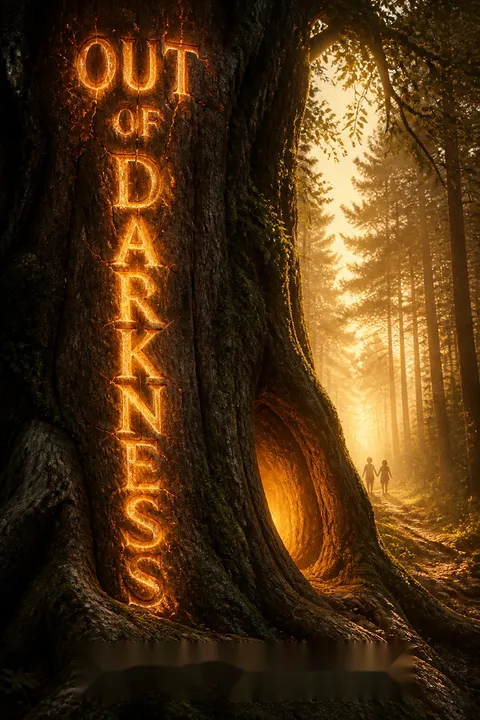
A shelter for chosen familyNaomi discovers a hollow oak in the woods and brings Wash inside. The tree becomes the couple’s private meeting place, where they can share affection and imagine a future outside New London’s racial rules. Beto and Cari’s painted ornament, showing the four of them together, hangs inside it. The tree’s hidden interior offers intimacy, but its decay also echoes the damage that shapes the characters’ lives. It returns as a refuge for Naomi and Beto during the final violence.
Estella’s guitar case
A family archive underfootNaomi hides her mother’s guitar case beneath the bed, protecting the few objects that remain from Estella’s life. The red dress, shoes, holy cards, doll fragments, and preserved braid carry memories Naomi cannot yet share. When Beto and Cari search the case, the objects prompt their attempt to connect with their mother and bring their private family conflict into view. The case also becomes a container for necessities when Naomi prepares to leave Henry’s house.
School aliases
Identity traded for accessHenry enrolls the Corona Vargas children as Smiths, and Beto and Cari become Robbie and Carrie on the school records. The invented names help them enter New London’s white school, where educational resources exceed those available in Mexican schools. Yet the arrangement asks them to suppress language and family identity in public. The aliases make the promise of opportunity inseparable from the cost of being made legible to a system that does not welcome them as they are.
The bleed-off gas line
A shortcut with hidden dangerWash proposes that New London’s white school use nearby oil-field bleed-off gas to reduce its high heating bill and redirect money toward education. The school adopts the fuel without adequate precautions, following a common local practice. Gas accumulates and contributes to the school’s explosion. The line links Wash’s hope for fairness to a collective failure of safety, while later rumor erases that complexity and turns his presence near the school into an accusation.
The false newspaper account
A lie made officialAfter the killings, a newspaper publishes a fabricated version in which Wash abducts and assaults Naomi, Henry dies by suicide, and the truth of the night disappears. Beto recognizes contradictions in the article but finds that no one has investigated them. The report shows how racial prejudice can shape an official narrative and close a case without justice. Beto’s writing becomes a counter-record, preserving the people and choices the public account distorts.
FAQ
Synopsis & Basic Details
What is Out of Darkness about?
- Love amidst tragedy: Out of Darkness tells the story of Naomi, a Mexican-American girl, and Wash, a Black boy, whose lives intertwine amidst the racial tensions and social injustices of 1930s East Texas, culminating in a devastating school explosion.
- Forbidden romance: The novel explores their secret and forbidden love, which blossoms in the face of societal prejudice and family conflicts, offering a glimpse of hope amidst the harsh realities of their world.
- Struggle for identity: The narrative delves into the characters' struggles with identity, family, and the oppressive forces that seek to control their lives, highlighting their resilience and determination to find their own paths.
Why should I read Out of Darkness?
- Powerful emotional impact: The novel offers a deeply moving and emotionally resonant experience, exploring themes of love, loss, and the human spirit's capacity to endure in the face of tragedy and injustice.
- Exploration of social issues: Out of Darkness provides a nuanced and unflinching look at the racial tensions and social inequalities of the 1930s, prompting readers to reflect on the enduring impact of prejudice and discrimination.
- Unique narrative perspective: Ashley Hope Pérez crafts a compelling narrative that blends historical context with intimate character studies, offering a fresh and thought-provoking perspective on a tragic event and its aftermath.
What is the background of Out of Darkness?
- Historical setting: The novel is loosely based on the 1937 New London school explosion, the deadliest school disaster in US history, which provides a backdrop of tragedy and social upheaval.
- Racial segregation: The story is set in a time of strict racial segregation in East Texas, where Black and Mexican-American communities faced systemic discrimination and limited opportunities.
- Oil boom era: The setting is also influenced by the East Texas oil boom, which brought economic prosperity but also exacerbated social tensions and created a volatile environment.
What are the most memorable quotes in Out of Darkness?
- "It was not darkness that fell from the air. It was brightness.": This quote from James Joyce, used as an epigraph, foreshadows the unexpected nature of the tragedy and the way it will illuminate the characters' lives.
- "You think it's hot tonight? The fires of hell are hot, but God's grace is a soothing balm!": This quote from the preacher at the revival highlights the religious fervor and the use of fear to control people, a theme that runs throughout the novel.
- "I'm just ... careful.": Naomi's explanation of her guarded nature reveals her awareness of the dangers she faces and her determination to protect herself and her siblings.
What writing style, narrative choices, and literary techniques does Ashley Hope Pérez use?
- Multiple perspectives: Pérez employs a multi-perspective narrative, shifting between Naomi, Wash, and Beto, which allows readers to gain a deeper understanding of their individual experiences and motivations.
- Vivid imagery and sensory details: The author uses rich, sensory language to create a vivid and immersive reading experience, bringing the setting and characters to life with evocative descriptions.
- Foreshadowing and symbolism: Pérez skillfully uses foreshadowing and symbolism to create a sense of impending doom and to deepen the thematic resonance of the story, enhancing the emotional impact of the narrative.
Hidden Details & Subtle Connections
What are some minor details that add significant meaning?
- The broken doll: Naomi's broken doll, Nana, symbolizes the loss of her childhood and innocence, as well as the shattered dreams of a better life, reflecting the broader themes of loss and brokenness in the novel.
- The red dress: Estella's red dress, which Naomi wears, represents both her mother's past and Naomi's own struggle with identity and her connection to her mother's legacy.
- The tin of condoms: The tin of condoms Wash's father gives him, with the warning to "think of your future," highlights the complex and often contradictory messages about sexuality and responsibility that young people receive.
What are some subtle foreshadowing and callbacks?
- The opening scene: The prologue's description of the school explosion foreshadows the tragedy that will befall the characters, creating a sense of impending doom and highlighting the fragility of life.
- The river: The river, a place of both solace and danger, foreshadows the tragic events that will unfold there, as well as the characters' longing for escape and freedom.
- The repeated phrase "yessir, yessum": Wash's father's insistence on using "yessir, yessum" with white people foreshadows the limitations and dangers of navigating a racist society, and the ways in which Wash will eventually reject this approach.
What are some unexpected character connections?
- Muff and Naomi: The unlikely friendship between Muff, a white woman, and Naomi, a Mexican-American girl, highlights the potential for connection and understanding across racial and social divides, even within a prejudiced society.
- Pastor Tom and Henry: The relationship between Pastor Tom and Henry reveals the complexities of faith and redemption, as well as the ways in which religious beliefs can be used to justify or excuse harmful actions.
- Wash and Beto: The bond between Wash and Beto, which transcends racial and age differences, underscores the power of friendship and mentorship in the face of adversity, and the ways in which they find solace in each other.
Who are the most significant supporting characters?
- Rhoda Fuller: Wash's mother, a former teacher, embodies the importance of education and the strength of Black women in the face of systemic racism, and her actions reveal the complexities of navigating a prejudiced society.
- Muff Clarkson: Naomi's neighbor, a kind and supportive woman, provides a sense of community and offers Naomi a glimpse of a different kind of life, highlighting the importance of female friendships and support networks.
- Pastor Tom: The local pastor, while well-intentioned, represents the limitations of religious institutions in addressing systemic injustice, and his actions reveal the complexities of faith and redemption.
Psychological, Emotional, & Relational Analysis
What are some unspoken motivations of the characters?
- Naomi's desire for control: Naomi's fierce protectiveness of her siblings stems from a deep-seated need for control in a world where she feels powerless, and her actions are driven by a desire to create a safe space for them.
- Wash's longing for belonging: Wash's kindness and generosity are rooted in a longing for belonging and acceptance, as he navigates a society that constantly marginalizes him, and his actions are driven by a desire to create a better world for himself and those he loves.
- Henry's fear of inadequacy: Henry's violent and controlling behavior stems from a deep-seated fear of inadequacy and a need to assert his dominance, and his actions are driven by a desire to maintain control over his life and those around him.
What psychological complexities do the characters exhibit?
- Naomi's internal conflict: Naomi struggles with the desire for independence and the responsibility she feels for her siblings, creating an internal conflict that drives her actions and shapes her relationships.
- Wash's internal struggle: Wash grapples with the desire for a better future and the limitations imposed by his race, creating an internal struggle that fuels his determination and resilience.
- Henry's self-destructive tendencies: Henry's inability to cope with his past and his present circumstances leads to self-destructive behaviors, highlighting the psychological toll of trauma and the destructive nature of unchecked anger.
What are the major emotional turning points?
- The discovery of the tree: The discovery of the hollow tree marks a turning point for Naomi and Wash, as it becomes a symbol of their love and a space where they can escape the pressures of their lives, offering a brief respite from the harsh realities they face.
- Henry's proposal: Henry's proposal to Naomi forces her to confront the reality of her situation and the limited choices available to her, leading to a desperate attempt to escape and a tragic confrontation.
- The school explosion: The school explosion is a major emotional turning point, shattering the characters' lives and forcing them to confront the fragility of life and the devastating consequences of prejudice and injustice.
How do relationship dynamics evolve?
- Naomi and Henry: The relationship between Naomi and Henry evolves from strained to openly hostile, as Naomi resists his control and Henry's actions become increasingly violent and unpredictable.
- Naomi and Wash: The relationship between Naomi and Wash deepens from friendship to a forbidden love, offering them a sense of solace and hope amidst the harsh realities of their world, but also putting them in danger.
- Beto and Cari: The relationship between Beto and Cari, initially characterized by a close bond, is strained by the events of the story, as they grapple with their individual experiences and the loss of their mother, and their relationship is ultimately shattered by the tragedy.
Interpretation & Debate
Which parts of the story remain ambiguous or open-ended?
- The nature of the explosion: The exact cause of the school explosion is left somewhat ambiguous, highlighting the uncertainty and lack of closure that often accompany real-life tragedies, and the ways in which communities grapple with loss and blame.
- The future of Beto: The novel's ending leaves Beto's future open-ended, suggesting that his journey of healing and self-discovery is ongoing, and that the impact of the tragedy will continue to shape his life.
- The possibility of change: The novel does not offer easy answers or resolutions, leaving the reader to ponder the possibility of change and the enduring nature of prejudice and injustice, and the ways in which individuals can resist and challenge these forces.
What are some debatable, controversial scenes or moments in Out of Darkness?
- Henry's actions towards Naomi: The scenes depicting Henry's sexual harassment and assault of Naomi are deeply disturbing and raise questions about the nature of power, consent, and the long-lasting effects of trauma.
- The portrayal of violence: The novel's graphic depiction of violence, particularly the lynching and the school explosion, may be seen as controversial, but it serves to highlight the brutal realities of the time and the devastating consequences of prejudice and hate.
- The ending: The ending, with its tragic loss and open-ended future, may be seen as controversial, but it reflects the complexities of real life and the enduring impact of trauma and injustice.
Out of Darkness Ending Explained: How It Ends & What It Means
- Tragic loss: The ending of Out of Darkness is marked by the tragic deaths of Naomi, Wash, and Cari, highlighting the devastating consequences of racism, violence, and the oppressive forces that seek to control their lives.
- Beto's survival: Beto's survival, while offering a glimmer of hope, is also a reminder of the lasting impact of trauma and the burden of survivor's guilt, as he is left to grapple with the loss of his loved ones and the weight of his experiences.
- Enduring legacy: The novel's ending emphasizes the importance of remembering and telling the stories of those who have been marginalized and silenced, as Beto's journey to write their story serves as a testament to the power of truth and the need for justice.
Download PDF
Download EPUB
.epub digital book format is ideal for reading ebooks on phones, tablets, and e-readers.








