Key Takeaways
1. Plant-Based Eating: A Triple Win for Health, Ethics, and Your Wallet
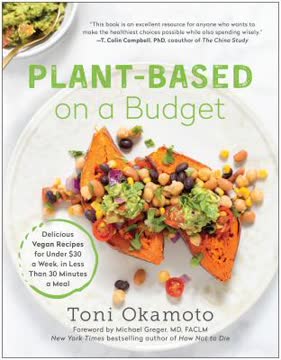
Whether or not you’ve got money growing on the trees in your life, if health is wealth—and I believe it is—then this book will give you the great gift of wealth that you deserve.
Beyond personal health, eating a plant-based diet offers profound benefits, extending to animal welfare and environmental sustainability. It directly challenges the common misconception that healthy eating is inherently expensive, proving that it can be incredibly affordable and accessible. This approach addresses critical issues like diet-related illnesses, which disproportionately affect low-income communities, offering a path to better health for all.
Optimizing health and finances, Dr. Michael Greger emphasizes that a whole-foods, plant-based diet optimizes health and reduces the risk of premature death, making it a "gift of wealth." Crucially, this doesn't necessitate expensive superfoods or specialty stores; everyday supermarkets stock everything needed to thrive. The author's personal journey, starting with health improvements from simply cutting red meat, underscores the tangible benefits of these dietary changes.
Multifaceted impact of choices, the author's transition to veganism expanded to include animal welfare and environmental concerns, demonstrating the broad, positive impact of dietary choices. This book aims to debunk the myth that veganism is costly, showing how it can save both lives and finances. It makes compassion and vibrant health accessible, proving that a plant-based lifestyle is a win-win-win.
2. Embrace a Budget-Conscious Mindset, No Shame Allowed
If you’re having trouble giving yourself permission to be cost conscious, or if you’re feeling some embarrassment, just channel your inner George Okamoto.
Shift your mindset, as adopting a budget-conscious approach to food fundamentally requires shedding any embarrassment associated with frugality. The author learned this invaluable lesson from her father, George Okamoto, who unapologetically prioritized saving money at the grocery store, famously stating, "I don't care; they don't pay my bills." This fearless attitude is crucial for effectively managing food expenses and making smart financial decisions.
Prioritizing survival and savings, the author's personal experience of living paycheck to paycheck taught her to prioritize food expenses, often choosing instant ramen over eviction. This survivalist mindset, inherited from her parents, highlights the necessity of making every cent count. It’s about giving yourself permission to be strategic with your spending, understanding that financial stability is a key component of overall well-being.
Practical, unapologetic application, channeling this "inner George Okamoto" empowers individuals to actively seek out deals, use coupons, and even return items that exceed their budget at the register without hesitation. This proactive and unapologetic approach to saving money is a cornerstone of successful budget-based plant-based eating, ensuring financial stability alongside healthy habits. It’s about being smart with your money, not ashamed.
3. Master the Art of Smart Grocery Shopping to Slash Food Costs
I’ll take the time to bust out the calculator app on my phone while going through my clipped coupons in the grocery store.
Strategic shopping is a science, requiring intentional strategies beyond just buying less. The author employs a meticulous approach, including using a calculator for coupons and not hesitating to return items that push her over budget. This level of dedication ensures maximum savings, transforming grocery shopping into a deliberate, cost-effective mission.
Key money-saving tactics include:
- Bringing measuring cups for bulk purchases to buy exact amounts, preventing waste.
- Scraping bowls and avoiding food waste, treating every morsel as money.
- Haggling at farmers markets, especially near closing time, for better deals.
- Scouting imperfect produce online for up to 50% discounts.
- Always using a shopping list to prevent impulse buys and stay on budget.
- Checking bulk bins for spices and staples, buying only what's needed.
- Cooking from scratch, which often yields double or triple the amount of food for the same price.
- Keeping prepared snacks to avoid the temptation and cost of fast food.
- Comparing price per ounce, not just unit price, for true value.
- Looking beyond eye-level shelves for cheaper options, as stores place expensive items at eye level.
- Buying store brands, which are often identical to major labels but cheaper.
Advanced savings strategies involve freezing produce before it expires, scoping out multiple stores (including international and dollar stores), digitally clipping coupons, and doubling up on sales for pantry items. Even growing your own herbs or fruit trees can yield significant long-term savings, fundamentally transforming your relationship with food procurement and making healthy eating more sustainable.
4. Streamline Your Kitchen Routine to Maximize Time and Minimize Effort
I strongly believe that time is the most valuable asset in our lives.
Time is your most valuable asset, and beyond financial savings, this book emphasizes the critical importance of saving time in the kitchen. The author views time as life's most precious resource, aiming to free it up for other enriching experiences like spending time with loved ones, pursuing career goals, or enjoying the outdoors. This focus on efficiency transforms cooking from a chore into a means to a delicious end, enhancing overall quality of life.
Efficiency hacks for the kitchen include:
- Planning meals weekly to avoid last-minute decisions and mental fatigue.
- Using jarred minced garlic or a garlic press to save precious prep time.
- Stocking frozen, pre-cut vegetables for quick additions to any meal.
- Involving family or roommates in cooking and cleanup, sharing the load.
- Investing in a slow cooker or pressure cooker for hands-off, set-it-and-forget-it cooking.
- Batch cooking and embracing leftovers for future lunches and dinners.
- Doubling up on prep by chopping extra vegetables for later use.
- Buying canned beans for quick meals when time is short.
- Cleaning as you go to prevent dried-on food and extensive post-meal cleanup.
- Organizing shopping lists by store section for efficient navigation.
Smart practices for daily living extend to avoiding peeling certain vegetables to retain nutrients and save time, meal swapping with friends for variety and shared effort, keeping bouillon handy for instant broth, and prepping breakfast components in advance. Investing in a good knife and organizing your kitchen further reduces wasted time, making healthy, plant-based meals achievable even on the busiest days.
5. Start Simple: Equip Your Kitchen with Essential, Affordable Tools
There’s no need to invest in loads of fancy cookware when you’re just getting started.
A minimalist approach to kitchen equipment is perfectly sufficient when beginning a plant-based cooking journey, avoiding the need for an expensive overhaul. The author started with basic, mismatched items—a big pot, a little pot, a thrift-store knife—and gradually upgraded with affordable finds. This philosophy encourages new cooks to avoid intimidation and unnecessary spending, focusing on functionality over flash.
An essential starter kit includes:
- A cutting board for safe and efficient chopping.
- A vegetable peeler and a can opener for basic prep.
- A big soup pot and a small to medium pot, both with lids, for versatile cooking.
- A decently rated kitchen knife, which can be found affordably (e.g., around six dollars on Amazon).
- Plastic storage containers from dollar stores for leftovers and meal prep.
- A colander (strainer), basic kitchen utensils, and different-sized bowls for mixing and serving.
Smart upgrades enhance efficiency without breaking the bank once the basics are covered. Recommended "level-up" items include an Instant Pot for quick pressure cooking, a Vitamix for tasks like making nut butter, and a food processor for efficient vegetable prep. The emphasis remains on functionality and affordability, proving that gourmet, healthy meals don't require gourmet, expensive equipment.
6. Understand Core Plant-Based Cooking Techniques for Flavor and Efficiency
Recipes are general guides—don’t be afraid to experiment, swap out veggies or spices, use rice instead of quinoa, or use frozen instead of fresh.
Flexibility in cooking is highly encouraged, viewing recipes as adaptable guides rather than rigid rules. This mindset empowers cooks to swap ingredients based on pantry availability, cost, or personal preference, fostering creativity and reducing food waste. It's about making recipes "your own" and not being afraid to experiment with flavors and textures.
Fundamental techniques for success and efficiency:
- Freezing Bananas: Always peel and slice ripe bananas before freezing to prevent impossible-to-remove peels.
- Pressing Tofu: Essential for removing excess water, allowing tofu to absorb flavors better and achieve desired textures. Use a clean kitchen towel and a heavy object.
- Making Vegetable Broth: Use richly flavored bouillon cubes (a 2:1 water to cube ratio) or homemade broth for depth of flavor.
- Water vs. Oil: Swap 3 tablespoons of water for every tablespoon of oil when sautéing for an oil-free cooking option.
- Rinsing Staples: Always rinse dry beans, lentils, quinoa, and split peas to remove bitterness or small debris.
- Steaming Veggies: Use a steamer basket or "steep" veggies in a small amount of water in a lidded pot for tender results.
Personalizing flavor and learning is key, with the author leaving salt and pepper "to taste," acknowledging diverse preferences while recommending a reduction in salt for health. "Testers' Tips" and "My Tips" sections throughout the book further encourage experimentation and personalization, turning the cookbook into a dynamic tool for culinary exploration and adaptation.
7. Build Your Budget-Friendly Vegan Pantry with Essential Staples
My goal with this book is to help you spend the least amount of time and energy in the kitchen, while still serving delicious and nutritious meals.
A strategically stocked pantry is the absolute foundation of budget-friendly, time-saving plant-based cooking. The author provides a concise grocery list of essential staples, meticulously designed to minimize kitchen time and effort while consistently delivering delicious and nutritious meals. This strategic stocking allows for quick meal assembly and significantly reduces reliance on expensive, pre-made items.
Affordable dry goods and canned items form the core:
- Affordable Dry Staples: Barley, black beans, pinto beans, chickpeas, brown rice, bulgur wheat, corn tortillas, flours (whole wheat, all-purpose), oats, pasta, raisins, raw sunflower seeds, red/green lentils, vegetable bouillon.
- Canned/Bottled Goods: Chopped tomatoes, coconut milk, hot sauce, oils (olive, canola/vegetable), peanut butter, plant-based milk, soy sauce, tomato paste, tomato sauce. These items offer unparalleled convenience and a long shelf life, making them perfect for quick meals.
Fresh produce and key spices complete the picture:
- Fruits & Veggies: Bananas, bell peppers (green), butternut squash, cabbage (green, red), fresh greens (lettuce, spinach, kale), frozen broccoli, frozen/fresh berries, frozen peas, frozen spinach, jarred minced garlic, onions (red, white, yellow), potatoes (russet, sweet).
- Spices: Cinnamon, chili powder, cumin, curry powder, oregano, pepper, red chili flakes, salt.
- Splurge Items: Nutritional yeast, nuts, pumpkin seeds, quinoa, dried fruit are recommended for when the budget allows, adding versatility and gourmet touches without excessive everyday cost.
8. Leverage Meal Planning to Consistently Eat Well and Save Money
My message for the challenge was about saving money and eating healthier.
The transformative power of meal planning is presented as the ultimate tool for jump-starting a plant-based journey, consistently saving money, and eating healthier. The author's "Plant-Based on a Budget Meal Plan Challenge" was born from a desire to provide accessible resources for those with limited incomes and anyone seeking culinary inspiration. It proves that a healthy, plant-based diet is achievable even on a strict budget.
A practical sample meal plan for one person, adhering to a $30 per week budget, demonstrates real-world application. It outlines a weekly grocery list and daily menus, showing how staples can be repurposed and leftovers efficiently utilized. This structured approach eliminates guesswork and reduces food waste, making healthy eating effortless.
Maximizing the plan with smart tips includes prepping overnight oats and smoothie fixings in advance for busy mornings, using dried beans instead of canned for extra savings, and adapting stir-fry sauces based on what's cheapest or on hand. Batch cooking brown rice ensures a versatile base for multiple meals throughout the week, reinforcing the core principles of affordability, convenience, and nutrition that define the book's philosophy.
Last updated: