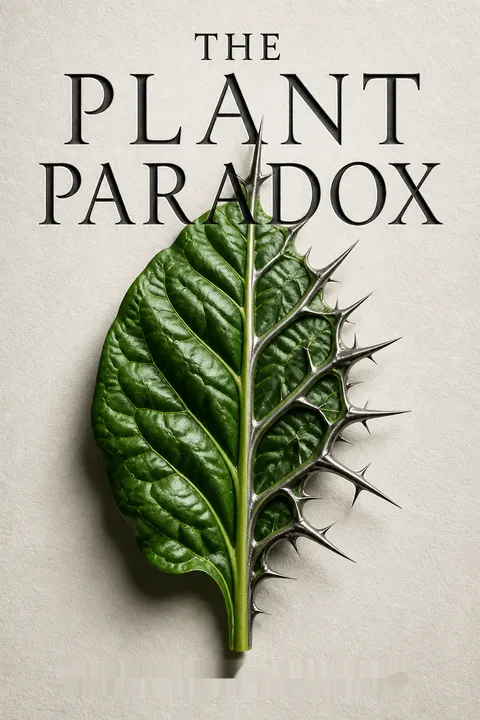


Key Takeaways
Judge plant foods by type, dose, timing, and preparation, not labels
The central paradox. Gundry’s argument is not that plants are bad, but that some plants defend their seeds with lectins, proteins that bind to sugars and, he proposes, may irritate the gut or interfere with cell signals. He describes the body’s response as sometimes confusing a dietary protein with a similar-looking human tissue, a process called molecular mimicry. His own account supplies the narrative hook: despite exercise and a diet he considered healthy, he says he was ill and overweight, then improved after changing his diet.
A disputed leap. Gundry extends this explanation to a wide range of chronic diseases and weight problems. The book’s patient stories are vivid, but they are not controlled evidence that lectins caused those conditions or that avoiding them cures them.
The evolutionary framing is useful because it breaks the simplistic equation of natural with harmless. Plants do make defensive chemicals, and dose and preparation can matter. The leap from that observation to a single explanation for many unrelated illnesses is much less secure. Human digestion, cooking, and immune systems are not equivalent to those of insects, and responses vary. The book is most valuable as a prompt to notice individual food responses, not as proof that ordinary plant foods are broadly toxic.
Treat the gut ecosystem as part of the body, not background
A living partnership. The book uses the term holobiome for a person together with the microbes living in and on the body. These microbes help break down food and interact with immune and other bodily systems. Gundry’s model places the intestinal lining between this microbial community and the rest of the body: nutrients should cross, while larger unwanted material should remain in the gut.
Where the model leads. He argues that a damaged barrier, sometimes called leaky gut, allows lectins and bacterial fragments to provoke immune activity. He compares the barrier to containment around a hazardous facility: useful activity is possible when it stays in the right place, but escape creates trouble. His practical implication is to reduce exposures he considers irritating while feeding beneficial microbes with plant fibers.
The microbiome is a genuine research frontier, and the idea that microbes influence digestion and immune development is well supported. The barrier metaphor helps readers grasp why location matters. However, the popular phrase leaky gut can blur distinct conditions and does not establish a common cause for every chronic illness. Microbial communities are also shaped by many factors, not food alone. The strongest use of this model is as a systems perspective, not as a shortcut diagnosis.
Question the modern exposures Gundry says can weaken gut defenses
Seven proposed disruptors. Gundry groups several modern exposures under the name Seven Deadly Disruptors: broad-spectrum antibiotics, anti-inflammatory painkillers called NSAIDs, acid-blocking drugs, artificial sweeteners, hormone-disrupting chemicals, genetically modified foods and the herbicide Roundup, and persistent blue light at night. He also criticizes whole grains and a food-processing enzyme called transglutaminase. In his account, these exposures alter gut microbes, weaken intestinal defenses, or disturb signals involved in appetite and metabolism.
A changed landscape. He links the rise of processed foods, industrial farming, and year-round food availability to the increasing burden of these exposures. The list encourages readers to look beyond the ingredient panel, but the book presents very different kinds of evidence together, from established drug effects to more speculative claims about light, pesticides, and disease.
This chapter’s useful move is to widen the lens from personal discipline to the systems shaping daily exposure: medicine, food production, packaging, and lighting. That is a productive public-health question. Yet grouping all seven factors under one causal banner obscures important differences in evidence and risk. Antibiotics can disrupt microbes, but they can also be lifesaving. A medication’s potential harms do not justify stopping it without medical advice. A ranked, exposure-specific assessment would be more actionable than treating the list as a single class of threats.
Think beyond calories when asking why bodies store fat
The book’s weight model. Gundry argues that inflammation and disrupted insulin or appetite signals can encourage the body to store energy, so weight is not simply a matter of willpower or calorie arithmetic. He points to wheat germ agglutinin, a wheat lectin, as a possible insulin mimic, and treats grains, beans, and some animal foods as especially weight-promoting.
Feed microbes, too. His counterpoint to strict low-carbohydrate eating is resistant starch: starch that resists digestion in the small intestine and reaches gut microbes, which ferment it into compounds the body can use. He highlights foods such as plantains and tubers. The Kitavans, whom the book describes as eating a carbohydrate-rich diet based largely on starchy roots, illustrate his claim that carbohydrate quantity alone does not predict body weight.
The emphasis on food quality, satiety, and microbial fermentation usefully complicates a one-number account of weight. Resistant starch is a real dietary-fiber category, and its fermentation products matter to gut biology. But the book’s proposed lectin-insulin mechanism is not enough to explain population weight trends, and the Kitavan comparison cannot isolate diet from genetics, activity, or living conditions. Calories remain relevant, while appetite, food access, and physiology shape how people consume them. The more defensible insight is that food is not metabolically identical.
Use the program as a staged elimination and reintroduction experiment
Three steps, not a quick fix. The Plant Paradox Program begins with an optional three-day cleanse, moves into at least six weeks of restrictive eating, then treats the next phase as a long-term pattern. The menu favors leafy greens, cruciferous vegetables, mushrooms, nuts, and selected resistant-starch foods. It initially removes grains, legumes, most fruit, and seeded vegetables such as tomatoes and peppers. Animal protein is limited, with wild seafood preferred.
Test rather than assume. Gundry advises some readers to add foods back one at a time after symptoms improve, watching for changes. That makes the plan resemble an elimination diet: remove possible triggers, then assess responses under more controlled conditions. The book says the phases can last longer if needed, but its extensive restrictions make planning, food access, and adequate nutrition important considerations.
A structured elimination and reintroduction process can help people identify reproducible food triggers, especially when symptoms are recorded and only one variable changes at a time. The method is stronger than permanently banning long lists based on theory alone. Its weakness is that the initial restriction is unusually broad, making it hard to know which change helped and increasing the chance of nutritional or social strain. A registered dietitian or clinician can help preserve adequacy and distinguish a true reaction from coincidence.
Choose food by how it was grown, raised, and prepared
Trace the food chain. A recurring rule in the book is that animal foods reflect what the animals ate. Gundry objects to conventional poultry, meat, dairy, and farmed fish because he says their grain- and soy-heavy feed can carry unwanted compounds into the human diet. He favors pastured animals, wild seafood, and dairy from goats, sheep, or certain cow breeds.
Preparation changes the picture. He also describes traditional methods as ways to reduce some plant defenses: pressure-cooking legumes, fermenting foods, and peeling or removing seeds from certain vegetables. His examples include fermented sourdough and carefully prepared tomatoes. These practices make the book less a blanket rejection of plants than a demand to consider source and processing. Still, its broad claims about particular feeds and foods should be treated as the author’s theory, not settled fact.
Food provenance matters for reasons beyond the book’s lectin hypothesis: animal welfare, environmental impact, nutrient profiles, and agricultural practice all shape food choices. Cooking and fermentation also alter many food components, so preparation is a sensible variable to consider. The caution is that labels such as pastured, organic, or wild do not automatically establish a particular health effect, and their availability and cost differ. Readers can retain the useful habit of asking how food was produced without accepting every causal claim attached to it.
Treat low animal protein and fasting as longevity hypotheses, not dogma
Growth and aging. Gundry argues that high animal-protein intake can activate TOR, a cellular nutrient sensor, and raise IGF-1, a growth-related signal associated in the book with aging and cancer risk. He points to long-lived populations, including Seventh-day Adventists and residents of so-called Blue Zones, whose diets generally contain little animal protein. His proposed long-term approach is to reduce animal protein substantially.
Several routes to restriction. The book also describes periodic fasting: a five-day modified vegan fast, one or two low-calorie days each week, or daily intervals without food. These are presented as ways to reduce protein or energy intake and encourage metabolic flexibility, the ability to shift between fuels. The recommendations vary in intensity and should not be assumed suitable for everyone.
The connection between nutrient sensing, growth signals, and aging offers a coherent biological hypothesis, while population comparisons raise worthwhile questions about dietary patterns. Neither alone proves that restricting animal protein extends every individual’s life. Long-lived communities differ in exercise, social structure, healthcare, and many foods at once. Fasting also carries risks for people with certain illnesses, medications, pregnancy, or a history of disordered eating. The insight to examine habitual excess is more transferable than a universal protein target or fasting schedule.
Do not mistake a ketogenic protocol for proven disease treatment
An intensive version. For people with diabetes, cancer, kidney failure, or neurological conditions, Gundry proposes a stricter program that sharply limits carbohydrates and animal protein while emphasizing fats such as medium-chain triglycerides. He presents ketones as an alternative fuel for cells and draws on the observation that some cancer cells rely heavily on sugar metabolism. Patient stories describe dramatic improvements, including claims of disease reversal.
The evidence boundary. These cases are testimonials, not clinical trials, and cannot establish that the diet caused the outcomes or can treat cancer, ALS, dementia, diabetes, or kidney disease. The book’s claims are far broader than the evidence supplied in its narrative. Anyone with a serious diagnosis should discuss nutrition changes with the treating team and should not delay or replace standard care.
The metabolic logic behind ketogenic diets has legitimate clinical applications in specific contexts, and research on ketones and neurological disease continues. That does not validate this program as a cure-all. A case report can generate a question, but spontaneous variation, concurrent treatment, and selection effects can explain apparent success. Cancer and diabetes care require especially careful monitoring because major dietary changes can affect treatment and medication needs. The central safeguard is to separate a plausible mechanism from proof of clinical benefit.
Keep supplements and medication changes under professional supervision
Food first, supplements second. The book recommends vitamin D, omega-3 oils, probiotics, prebiotics, and plant compounds such as polyphenols. Gundry presents these as support for the gut barrier, microbes, and metabolic health, while explicitly describing supplements as additions rather than substitutes for dietary change. He also recommends changing or stopping certain drugs, including NSAIDs and acid blockers, as part of the program.
A necessary safety check. The book’s supplement suggestions include high doses and are based partly on the author’s clinical experience. Needs, interactions, and risks vary, so readers should not copy dosing advice without individualized guidance. Likewise, prescribed medication should never be stopped or replaced on the basis of a diet book. This matters most for people with chronic disease, who may need monitoring as food intake changes.
The distinction between supplements and substitutes is important: a capsule cannot compensate for an inadequate or unsuitable diet. At the same time, supplement quality, dose, interactions, and baseline nutrient status are clinical questions, not universal defaults. Vitamin D, for example, can be measured, and excessive intake can be harmful. Medication changes deserve the same caution. The book’s strongest practical message is to make changes deliberately and monitor outcomes, but that principle should include qualified care rather than self-directed discontinuation.
Analysis
The book is built as a conversion story: a physician reinterprets his own illness and patients’ recoveries, proposes a hidden dietary cause, then offers a staged program that turns the theory into daily choices. Its memorable contribution is a reframing of the word healthy. Gundry asks readers to consider a food’s species, part, dose, season, processing, and supply chain rather than trusting a broad category such as whole grain or plant based. The microbiome and intestinal barrier provide the explanatory bridge between those choices and symptoms. That narrative is persuasive partly because it joins several real areas of inquiry: plant defense compounds, intestinal permeability, microbial ecology, nutrient sensing, and circadian biology. But the book often treats a plausible pathway as a demonstrated cause. It moves from molecular mechanisms and patient anecdotes to sweeping claims about autoimmune disease, cancer, neurological disorders, and weight. Those kinds of claims require controlled human studies, not testimonials alone. The varied evidence for the named disruptors also deserves separate evaluation rather than one unified explanation.
The practical program contains a potentially useful experimental element: remove suspected triggers, observe changes, and reintroduce foods systematically. Yet its wide initial exclusions can create confounding, reduce dietary variety, and make adherence difficult. Its fasting, supplement, and medication advice raises additional safety concerns, especially for people with serious conditions. The most durable value is therefore not a presumption that lectins explain disease, but a set of questions about food processing, individual tolerance, microbial health, and the assumptions hidden inside nutrition labels. Readers can use those questions while keeping clinical decisions anchored in evidence and qualified medical care.
Review Summary
The Plant Paradox receives mixed reviews. Some readers find it thought-provoking and potentially life-changing, praising Gundry's insights on lectins and their impact on health. Others criticize the book for its repetitive content, contradictory claims, and infomercial-like tone. Many question the scientific validity of Gundry's assertions and express skepticism about his dietary recommendations. Some readers appreciate the historical and biological context provided, while others find the diet too restrictive and complicated. Overall, opinions are divided on the book's credibility and practicality.
People Also Read






Glossary
Plant Paradox
plants can help or harmGundry’s central idea that plants provide essential nutrients while also using defensive compounds, especially lectins, to discourage predators. The same food may be beneficial or problematic depending on its type, amount, timing, preparation, and the person consuming it. The book applies this idea to a restrictive eating program.
Lectins
sugar-binding proteinsProteins found in many plants and some animal foods that bind to specific carbohydrate structures. In Gundry’s account, certain lectins can irritate the intestinal barrier, alter cell signaling, or prompt immune reactions. Lectins are a diverse group, and the book’s broad claims about their effects should not be taken as established for every lectin or person.
Holobiome
host plus associated microbesThe term Gundry uses for a human being considered together with the organisms living in and on that person. It includes microbes in the digestive tract and on the skin, as well as other associated organisms. The concept emphasizes that microbes participate in digestion and interact with the host’s immune and other systems.
Seven Deadly Disruptors
seven proposed modern exposuresGundry’s framework for modern factors he believes can harm gut microbes, intestinal defenses, or bodily signaling: broad-spectrum antibiotics, NSAIDs, acid-blocking drugs, artificial sweeteners, endocrine-disrupting chemicals, genetically modified foods and Roundup, and blue light exposure at night. The book groups them together, although the evidence and risks differ by exposure.
Resistant starches
starches that reach gut microbesStarches that resist digestion in the small intestine and pass onward to the large intestine, where gut microbes ferment them. Gundry recommends them as food for beneficial microbes and as an alternative to rapidly digested starches. Examples in the book include plantains, taro, and certain unripe fruits.
Molecular mimicry
similarity that confuses immunityA process in which a foreign molecule resembles a structure in the body closely enough that an immune response to the foreign target may also react with the body’s own tissue. Gundry uses the concept to explain how he believes some lectins could contribute to autoimmune reactions. The proposed role of dietary lectins in particular diseases requires careful evidence.
Metabolic flexibility
shifting between energy fuelsThe capacity to use different fuels, particularly glucose and fat-derived ketones, as food availability and energy needs change. Gundry links this ability to seasonal rhythms, fasting, and mitochondrial function. In his program, fasting and restricting certain foods are intended to encourage a shift toward burning fat.
Keto Plant Paradox Intensive Care Program
a restrictive ketogenic variationGundry’s stricter variation of the Plant Paradox Program for people with serious conditions. It sharply limits fruit and animal protein, restricts carbohydrates, and emphasizes fats such as medium-chain triglycerides, which can be converted into ketones. The book presents it as a treatment approach, but its disease-reversal claims are not established by the patient stories alone.
FAQ
What is The Plant Paradox by Dr. Steven R. Gundry about?
- Lectins as hidden dangers: The book reveals that many foods considered healthy, such as whole grains and legumes, contain plant proteins called lectins that can cause inflammation, disease, and weight gain.
- Gut health focus: Dr. Gundry emphasizes the central role of gut health and how lectins damage the gut lining, leading to chronic illnesses and metabolic issues.
- Dietary solution: The Plant Paradox Program is introduced as a comprehensive dietary and lifestyle approach to eliminate harmful lectins, repair the gut, and restore health.
Why should I read The Plant Paradox by Dr. Steven R. Gundry?
- Challenges conventional wisdom: The book debunks popular nutritional beliefs, showing that many “healthy” foods may actually harm your health due to lectins.
- Science-backed and practical: Gundry’s claims are supported by medical research, clinical experience, and patient success stories, offering a credible and actionable program.
- Comprehensive health benefits: The program addresses gut health, inflammation, autoimmune diseases, and weight management, providing meal plans, recipes, and lifestyle changes.
What are the key takeaways from The Plant Paradox by Dr. Steven R. Gundry?
- Lectins are widespread and harmful: Many common foods contain lectins that can damage the gut, disrupt the immune system, and promote chronic disease.
- Gut health is foundational: Repairing the gut lining and restoring the microbiome are essential for reversing disease and achieving optimal health.
- Diet and preparation matter: Avoiding certain foods, choosing high-quality animal products, and using specific preparation methods (like pressure cooking) are crucial.
- Lifestyle factors count: Supplements, intermittent fasting, and reducing exposure to environmental disruptors also play a role in the program’s success.
What are lectins, and why are they important in The Plant Paradox by Dr. Steven R. Gundry?
- Plant defense proteins: Lectins are proteins found in many plants and some animal products that bind to carbohydrates and serve as a defense mechanism for plants.
- Disrupt human health: They can damage the gut lining, increase intestinal permeability (“leaky gut”), and trigger immune responses, leading to inflammation and autoimmune diseases.
- Not all lectins are equal: Some lectins have been part of the human diet for millennia and are tolerated, but modern lectins from grains, legumes, and nightshades are especially problematic.
How do lectins affect gut health and the immune system according to The Plant Paradox?
- Gut barrier breach: Lectins can pry apart the tight junctions in the intestinal lining, allowing harmful substances to enter the bloodstream and trigger systemic inflammation.
- Immune confusion: Once inside the body, lectins can mimic human proteins, causing the immune system to attack the body’s own tissues (molecular mimicry).
- Microbiome disruption: Lectins damage beneficial gut bacteria, allowing harmful species to thrive and further compromising gut and immune health.
What is the Plant Paradox Program by Dr. Steven R. Gundry, and what are its main phases and rules?
- Three-phase approach: The program includes a three-day cleanse, a six-week repair phase, and a long-term maintenance phase with possible reintroduction of some lectins.
- Core rules: Stop eating lectin-rich foods, feed beneficial gut bacteria with resistant starches and fiber, limit fruit intake, and choose animal products from pastured or grass-fed sources.
- Preparation and supplements: Pressure cooking, peeling, and deseeding reduce lectin content; targeted supplements support gut repair and immune function.
What foods are considered harmful or beneficial in the Plant Paradox Program by Dr. Steven R. Gundry?
- Harmful foods: Grains (wheat, rye, barley, oats), legumes (beans, soy, peanuts, cashews), nightshades (tomatoes, peppers, eggplants), conventional dairy (A-1 casein), and processed oils.
- Beneficial foods: Leafy greens, cruciferous vegetables, resistant starches (yams, green bananas), wild-caught fish, pastured eggs, certain nuts (macadamias, walnuts), and healthy fats (avocado, olive oil).
- Preparation matters: Pressure cooking and fermentation can reduce lectin content, making some foods safer to eat.
How does The Plant Paradox by Dr. Steven R. Gundry explain weight gain and obesity?
- Lectin-induced fat storage: Lectins like wheat germ agglutinin mimic insulin, promoting fat storage and blocking glucose use in muscles and nerves.
- Inflammation and metabolic dysfunction: Lectins and bacterial fragments entering the bloodstream trigger immune “war mode,” causing insulin and leptin resistance and increased hunger.
- Gut microbiome’s role: An imbalanced gut microbiome promotes cravings and fat storage, while a healthy microbiome supports metabolism and satiety.
How does The Plant Paradox by Dr. Steven R. Gundry address autoimmune diseases and chronic conditions?
- Lectins as root cause: Autoimmune diseases arise when lectins breach the gut barrier and mimic human proteins, leading to immune attacks on the body’s own tissues.
- Gut healing focus: The program emphasizes repairing the gut lining, restoring the microbiome, and eliminating lectins to halt the immune attack.
- Clinical success: Gundry reports many patients reversing autoimmune diseases and chronic conditions by following the Plant Paradox Program.
What are the “Seven Deadly Disruptors” in The Plant Paradox by Dr. Steven R. Gundry, and how do they worsen lectin damage?
- Antibiotics and NSAIDs: Broad-spectrum antibiotics and painkillers damage gut bacteria and the intestinal barrier, increasing vulnerability to lectin damage.
- Stomach-acid blockers and artificial sweeteners: These disrupt gut flora and digestion, promoting harmful bacteria and inflammation.
- Environmental toxins: Endocrine disruptors, GMOs, herbicides, and constant blue light exposure further damage gut health and metabolism.
What supplements and additional strategies does Dr. Gundry recommend in The Plant Paradox?
- Vitamin D3 and polyphenols: Essential for gut repair, immune regulation, and reducing inflammation; supplements like grape seed extract and green tea extract are recommended.
- Prebiotics and probiotics: Support the restoration of healthy gut flora; specific strains and prebiotic fibers are highlighted.
- Lectin blockers and sugar defense: Compounds like glucosamine, D-mannose, and berberine help neutralize lectins and regulate blood sugar.
What are the best quotes from The Plant Paradox by Dr. Steven R. Gundry, and what do they mean?
- “Plants don’t like you, and they (and their babies) are armed and dangerous!” This highlights the evolutionary defense mechanisms of plants, especially lectins, which are designed to deter predators like humans.
- “You are not just what you eat, but also how what you are eating was prepared and raised.” Emphasizes the importance of food sourcing and preparation methods in health outcomes.
- “Fat is my friend!” Reminds readers that healthy fats and ketones are essential fuels for the body, especially for metabolic health and disease reversal.
- “The single factor that stands out in long-lived societies is the very small amount of protein, and particularly animal protein, that its members consume during their long life span.” Underscores the link between moderated animal protein intake and longevity.
About the Author
Other books by Steven R. Gundry


Download PDF
Download EPUB
.epub digital book format is ideal for reading ebooks on phones, tablets, and e-readers.








