

Key Takeaways
Change the prayer method before judging the state of your faith
Repetition can drain attention. Whitney argues that many Christians pray about the same concerns because their lives keep presenting the same concerns: family, work, money, the future, faith, and whatever crisis is pressing now. The trouble is repeating the same words about them until prayer feels like a script. He describes a five-year-old who could recite his father’s familiar prayer in unison, having heard it so often. For Whitney, that kind of boredom is not proof of spiritual failure. In his theology, the Holy Spirit gives Christians a desire to pray, while a stale method can make prayer hard to sustain.
His remedy is practical: change the words and structure of prayer, rather than treating distraction as a verdict on your character.
What's useful here is the separation of a spiritual aspiration from a practical obstacle. Repetition can become automatic in any routine, including one people deeply value. Changing the structure gives attention something new to work with, without demanding that the underlying concerns change. The claim that boredom chiefly reflects method is pastorally relieving, but it should not become a universal diagnosis. Fatigue, grief, anxiety, depression, or doubts can also affect prayer. A method can help with attention; it cannot explain every person's experience. The book is strongest when its reassurance invites experimentation rather than assigning blame in either direction.
Let Scripture supply the next sentence when your own words run dry
Read, pause, respond. The central practice is simple: choose a passage, read a line or phrase, and speak to God about what it brings to mind. In Psalm 23, the image of God as shepherd might prompt gratitude for care, a request for guidance, or a prayer for family members. A line about rest might lead to a plea for peace or, quite ordinarily, a moment of prayer about needing sleep.
Continue until time runs out or the passage ends. If a verse is unclear, skip it. If nothing comes to mind, move on. There is no requirement to finish the chapter or produce a thought for every line. The text provides prompts, so the person praying does not have to invent a fresh opening each time.
The method works like a conversational scaffold: a text supplies the next topic, while the person praying supplies a response. That structure can reduce the mental effort involved in beginning and sustaining a practice. It also leaves room for spontaneous concerns rather than forcing prayer into a rigid script. The image of a shepherd, for instance, can lead to several different requests without requiring identical wording each day. The safeguard is freedom from performance pressure. If each verse becomes an assignment to produce a profound response, the method recreates the burden it is meant to ease.
Use biblical phrases as prompts without changing what the passage means
Prayer is not interpretation. Whitney distinguishes praying with a verse from explaining what that verse teaches. In Bible study, readers should seek the meaning intended by the text, rather than treating a personal association as its meaning. In prayer, a phrase can prompt a request that is not the subject of the verse. A line about restoration, for example, may bring a struggling friend to mind. That friend can be included in prayer without claiming the verse was originally about that person.
This distinction matters especially when a passage is hard to use. In psalms that call for judgment against enemies, Whitney advises against directing violent language at a specific person. He suggests praying against sin and injustice, or moving to a clearer passage.
This distinction protects two different activities: understanding a text and responding to it. It permits personal association without turning the Bible into a collection of private predictions or arbitrary meanings. The boundary is particularly important in emotionally charged passages, where anger can borrow sacred language to justify retaliation. Whitney's counsel to redirect such language toward injustice or sin is a way of keeping prayer accountable to the broader ethical commitments of the faith. Still, difficult texts may require more than skipping a verse; study, pastoral guidance, or patient uncertainty can be appropriate responses too.
Start with Psalms, where Scripture already gives prayer a human voice
A ready-made prayer vocabulary. The Psalms were Israel's songbook, and Whitney presents them as especially suited to prayer because they address God directly and express a wide range of experience. Their language includes praise, fear, guilt, gratitude, frustration, and hope. A reader can pray a psalm's words, or let an image or idea lead into personal requests.
That range helps explain why the Psalms can meet people in very different circumstances. One passage may give words to confidence in God; another may voice distress or the need for forgiveness. Whitney also describes the Psalms as a compact reflection of the Bible's broader concerns. They do not eliminate the need to read other biblical books, but they offer an accessible place to begin turning Scripture into prayer.
Poetry gives emotion a form that ordinary explanatory prose often lacks. The Psalms can name distress and praise without requiring the reader to manufacture an eloquent account of either. This resembles a broader human practice: inherited songs, poems, and liturgies let people speak when private language feels thin. The Psalms' emotional range is a strength, though not every line will fit every reader or moment. The book's recommendation is not that all prayer should sound alike, but that a rich shared vocabulary can widen what a person knows how to bring before God.
Use five daily psalm options to remove the daily search
A small system for choosing. The “Psalms of the Day” approach offers five psalms to scan, then asks the reader to choose one to pray. Find the psalm matching the calendar date, then add 30 repeatedly. On the 15th, for example, the options are Psalms 15, 45, 75, 105, and 135. The scan is meant to take about half a minute, not to require reading all five closely.
The plan provides regular exposure to all 150 psalms and avoids spending devotional time searching for a passage. On the 31st, Whitney recommends returning to Psalm 119, which is long enough to offer material even if part of it was used on the 29th. The schedule is an aid, not a rule: another passage remains available when it better fits the occasion.
This is a modest example of reducing decision friction. A fixed shortlist turns an open-ended question, what should I pray today, into a manageable choice among five texts. The calendar pattern also encourages variety across the Psalms instead of repeatedly returning to familiar favorites. Its value lies in making a start easier, not in guaranteeing that the selected passage will feel relevant. A reader who finds the arithmetic distracting or the schedule cumbersome can choose another simple routine. The underlying principle is to make passage selection easy enough that it does not become a reason to postpone prayer.
Pray letters line by line and narratives through their central action
Let the genre guide the pace. Psalms are not the only passages that can become prayer. In a New Testament letter, a line about suffering can prompt prayer for someone in pain; a warning about deception can lead to prayer for a friend or a church's teachers. Whitney uses 1 Thessalonians 2 to show how a chapter's language can generate specific requests across many verses.
Narrative passages work differently. Rather than attaching a prayer to every small detail, step back and notice the main action. In the story of Jesus healing a man who had been ill for many years, the broad themes of suffering, mercy, and hope may guide prayer. The method adapts: attend closely to the wording in letters and poems, and to the larger movement in stories.
This genre-sensitive approach prevents a useful practice from becoming mechanical. A letter often makes compact claims that invite close attention, while narrative depends on events and their larger significance. The contrast resembles good reading more generally: form shapes what deserves notice. It also helps readers avoid forcing a devotional meaning onto every incidental detail in a story. The method remains deliberately simple, but judgment matters. When a passage is difficult or unfamiliar, pausing to understand its context can deepen prayer rather than interrupt it.
Let Scripture direct attention, not merely extend the prayer clock
Focus can grow through response. Whitney reports that people praying through a psalm often find it easier to stay attentive, pray beyond their usual concerns, and remember phrases afterward. He asks students to spend four hours alone with God; after learning to alternate Scripture meditation and prayer, many continue beyond the required time because they want to. He also describes a seven-minute group exercise after which participants could recall lines from the psalm they had prayed.
For Whitney, the text makes prayer a real exchange: a reader attends to Scripture, then responds to it. The practical gain is not simply longer prayer. Familiar requests can take new forms, such as asking for children to grow in love, wisdom, or trust, depending on the passage being prayed.
The practice joins attention, reflection, and speech in a single loop. Reading a phrase, considering it, and then putting it into one's own words gives the mind more than one chance to engage with the idea. That may help explain why a brief passage can remain memorable without a formal memorization exercise. The book's reports are pastoral observations, not controlled evidence that every reader will pray longer or remember more. The more reliable lesson is modest: a specific prompt can make attention easier to sustain and can give routine requests a more considered shape.
Give shared prayer a scriptural prompt so more people can pray specifically
A shared text broadens participation. For a group, Whitney recommends reading a psalm and then offering accessible phrases from it as prompts. Participants can pray aloud when ready, connecting the words to concerns such as a friend's job loss or an upcoming operation. This tends to produce more specific prayers than simply collecting requests and repeating general appeals for help. It can also give quieter participants a clear way into the conversation.
Whitney supports the practice with examples from Christian history. George Mueller said that praying in response to Scripture transformed his previously difficult mornings; his journals recorded tens of thousands of answers to prayer. The book also points to Jesus praying words from Psalms on the cross and to the early church drawing on psalms in Acts. These examples show a longstanding practice, not a guarantee of a particular outcome.
A shared text can distribute both attention and responsibility. Instead of one confident speaker carrying the entire prayer meeting, each line offers another person a possible entry point. The result can be more varied intercession and less reliance on stock phrases. Historical examples give the practice a strong place within Christian tradition, though stories of answered prayer do not establish that a method reliably produces specific outcomes. The most transferable claim is about participation and language: common words can help a group attend to individual needs without reducing prayer to a list of names.
Analysis
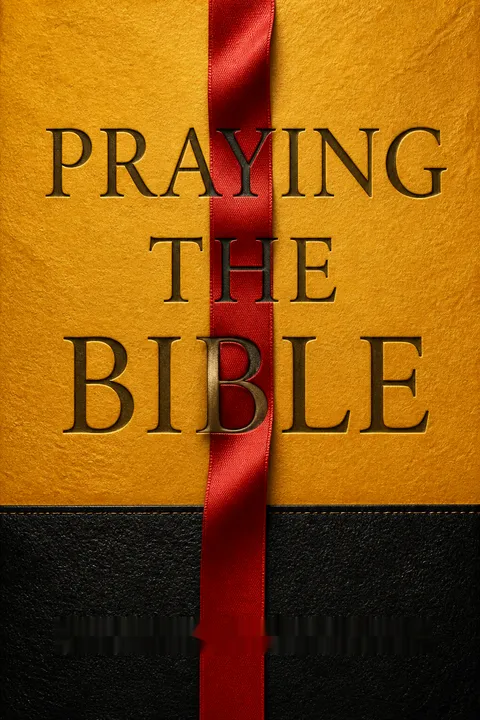
Praying the Bible is a compact argument about language, attention, and religious formation. Its practical claim is that prayer often falters not because people lack concerns or conviction, but because they have too few ways to articulate what matters. Scripture supplies a changing set of prompts, so recurring needs can be voiced through different images, emotions, and moral priorities. The book's method is therefore not merely a devotional trick. It is a way of letting a community's inherited language shape private attention.
Its strongest feature is the distinction between using a passage in prayer and claiming that one's associations are the passage's meaning. That distinction allows flexibility while preserving interpretive discipline. The genre guidance extends the same intelligence: poems and letters invite close attention to phrases, while narratives often call for attention to the whole event. These are small but consequential safeguards against turning a practice into either free association or forced allegory.
The book speaks from a specific Christian theology: Scripture is inspired, the Holy Spirit indwells believers, and prayer is communion with God. Its claims about spiritual desire and the divine character of Scripture make sense within that framework, but readers outside it may not share the premises. Even within the framework, boredom has more than one possible cause. Fatigue, illness, trauma, or spiritual doubt cannot always be addressed by changing technique. The method is best understood as a useful scaffold, not a universal explanation or measure of faith.
The lasting insight is practical and modest: attention often needs structure. A passage gives prayer a starting point, a sequence, and language beyond the self. That structure can make prayer more attentive without making it less personal. It can also move a familiar request into unfamiliar moral territory, asking not only for relief, but for patience, courage, justice, or trust. The reader's task is not to force novelty, but to respond honestly to the text and the concerns it brings into view.
Review Summary
Praying the Bible receives mostly positive reviews, with readers praising its practical approach to revitalizing prayer life. Many found the method of praying through Scripture, especially Psalms, transformative. Some critics felt the book was repetitive and could have been shorter. Readers appreciated the simplicity and immediate applicability of the concept. While a few found it lacking depth, most considered it a valuable resource for Christians seeking to enhance their prayer life and engage more deeply with the Bible.
People Also Read







Glossary
Praying the Bible
Scripture-guided prayerA practice of reading a biblical passage slowly and responding to its words in prayer. The reader may praise, confess, give thanks, or make requests prompted by the passage. The text guides attention and language, while the person praying brings personal concerns to God. The practice does not require interpreting every verse as a direct statement about the reader's situation.
Psalms of the Day
Five daily psalm choicesA schedule for selecting five psalms to scan on any date of the month. Begin with the psalm matching the date, then add 30 repeatedly to identify four more. Choose one of the five to pray through. The plan encourages regular exposure to the full book of Psalms and reduces the time spent deciding where to begin.
imprecatory psalms
Psalms invoking judgmentPsalms that call for God's judgment against enemies or wrongdoing. Their language can be difficult to pray, particularly when a reader has a specific person in mind. Whitney advises against using these lines to direct harm toward individuals. He suggests praying against sin or injustice, considering the passages in relation to Christ, or moving on when their meaning is unclear.
hermeneutics
Principles of biblical interpretationThe disciplined interpretation of biblical texts, including attention to what a passage meant in its original context. Whitney distinguishes this from using a passage as a prompt in prayer. A personal association may guide a request to God, but it should not be presented as the passage's actual meaning unless the text supports that interpretation.
FAQ
1. What is "Praying the Bible" by Donald S. Whitney about?
- Core Premise: The book addresses the common struggle of boredom and repetitiveness in personal prayer, proposing a simple, biblical solution: praying through passages of Scripture.
- Practical Guide: Whitney provides a step-by-step method for transforming prayer life by using the words of the Bible, especially the Psalms, as prompts for prayer.
- Audience: It is written for Christians of all backgrounds who desire a more meaningful, satisfying, and consistent prayer life.
- Encouragement and Examples: The book includes testimonies, biblical examples, and practical exercises to help readers immediately apply the method.
2. Why should I read "Praying the Bible" by Donald S. Whitney?
- Solves Common Prayer Problems: If you find prayer boring, repetitive, or difficult to sustain, the book offers a proven, accessible solution.
- Biblical Foundation: Whitney’s method is rooted in Scripture, making prayer more God-centered and aligned with biblical truth.
- Applicable for All: The approach is simple enough for any Christian, regardless of age, education, or spiritual maturity.
- Immediate Application: The book is concise and practical, encouraging readers to try the method right away for immediate results.
3. What is the main problem with prayer that "Praying the Bible" by Donald S. Whitney identifies?
- Repetitiveness and Boredom: Most Christians tend to say the same old things about the same old things, leading to boredom and disengagement in prayer.
- Wandering Mind: Without guidance, prayer often results in a wandering mind and lack of focus.
- Self-Blame: Many believers wrongly conclude that their struggle is a personal or spiritual failure, rather than a problem with their method.
- Universal Experience: Whitney argues that this is a nearly universal issue among Christians, not a sign of spiritual deficiency.
4. What is the core solution or method proposed in "Praying the Bible" by Donald S. Whitney?
- Pray Through Scripture: The main solution is to pray through a passage of the Bible, especially the Psalms, using each verse as a prompt for prayer.
- Line-by-Line Approach: Read a verse, pause, and talk to God about whatever comes to mind, whether directly related to the text or not.
- No Pressure to Finish: If you run out of time before finishing the passage, simply stop; if you finish the passage before time is up, move to another.
- Accessible to All: The method is simple, flexible, and can be adapted to any amount of time or any part of Scripture.
5. How does the "Psalms of the Day" method work in "Praying the Bible" by Donald S. Whitney?
- Systematic Selection: Divide the 150 Psalms by 30 days, resulting in five Psalms to choose from each day (e.g., on the 15th, use Psalms 15, 45, 75, 105, 135).
- Quick Scan: Spend 30 seconds scanning the five Psalms of the day and pick one that resonates with your current situation or mood.
- Avoids Randomness: This method prevents aimless flipping and ensures you regularly encounter all the Psalms.
- Daily Freshness: It provides structure and variety, making it easier to find a Psalm that fits your heart’s needs each day.
6. What are the key benefits of praying the Bible, according to Donald S. Whitney?
- Freshness in Prayer: You avoid saying the same old things, making prayer more engaging and meaningful.
- God-Centered Focus: Praying Scripture leads to prayers that are more about God—His attributes, works, and will—rather than just personal requests.
- Sustained Attention: The text keeps your mind from wandering, providing a natural structure and flow.
- Broader Prayer Topics: You end up praying about things you wouldn’t normally think to pray for, expanding the scope of your intercession.
7. How does "Praying the Bible" by Donald S. Whitney address concerns about interpreting Scripture versus praying Scripture?
- Distinction Made: Whitney distinguishes between interpreting the Bible (hermeneutics) and praying the Bible; the former requires accuracy, the latter is about responding to God’s Word in prayer.
- Freedom in Prayer: When praying, it’s acceptable to talk to God about anything that comes to mind, even if it’s not the main meaning of the verse.
- Not Teaching Doctrine: Praying the Bible is not the same as teaching or preaching from it, so there’s less risk of doctrinal error.
- Spirit and Word Confidence: Whitney trusts that the Holy Spirit and the Word will guide believers to pray more biblically over time.
8. Can the method in "Praying the Bible" by Donald S. Whitney be used with other parts of the Bible besides the Psalms?
- Yes, All Scripture: The method works with any part of the Bible, including New Testament letters and narrative passages.
- New Testament Letters: These are especially fruitful, as many contain prayers or easily adaptable content for prayer.
- Narrative Passages: For stories, focus on the big ideas or main events rather than praying line-by-line.
- Flexible Application: The approach can be adapted to any genre or section of Scripture, not just the Psalms.
9. What are the most common experiences and feedback from people who try "Praying the Bible" by Donald S. Whitney?
- Increased Focus: People report their minds wander less and prayer feels more like a real conversation with God.
- More God-Centered: Prayers become less self-focused and more about God’s character and works.
- Time Flies: Many are surprised at how quickly time passes and how easy it is to pray for longer periods.
- New Prayer Topics: Users find themselves praying about things they never would have thought to pray for otherwise.
10. How does "Praying the Bible" by Donald S. Whitney suggest praying the Bible with a group?
- Individual Experience First: Whitney recommends everyone try praying the Bible individually before doing it in a group.
- Best Group Method: Read a psalm aloud, have each person pick a verse that stands out, and pray aloud starting with that verse.
- Facilitator’s Role: The leader can call out verses conducive to prayer, allowing group members to pray as prompted.
- Benefits for Groups: This method leads to more participation, more biblically grounded prayers, and less repetition.
11. What biblical and historical examples does "Praying the Bible" by Donald S. Whitney provide to support this method?
- Jesus on the Cross: Jesus prayed the Psalms during His crucifixion, showing the practice’s deep roots.
- Early Church: Christians in the Book of Acts prayed the Psalms together in times of crisis.
- George Mueller: The renowned prayer leader found his prayer life transformed by praying through Scripture.
- Church Tradition: The Psalms have been the prayer book of God’s people for centuries, used by saints throughout history.
12. What are the key takeaways and best quotes from "Praying the Bible" by Donald S. Whitney?
- Key Takeaway: The main obstacle to a vibrant prayer life is not you, but your method; praying the Bible offers a simple, permanent, biblical solution.
- Memorable Quote: “If you pray the Bible, you’ll never again say the same old things about the same old things.”
- Practical Wisdom: “Let God initiate the conversation by means of your Bible, and you simply respond to his words there.”
- Encouragement: Anyone with a Bible and the Holy Spirit has everything necessary for a meaningful, satisfying prayer life.
About the Author

Download PDF
Download EPUB
.epub digital book format is ideal for reading ebooks on phones, tablets, and e-readers.








