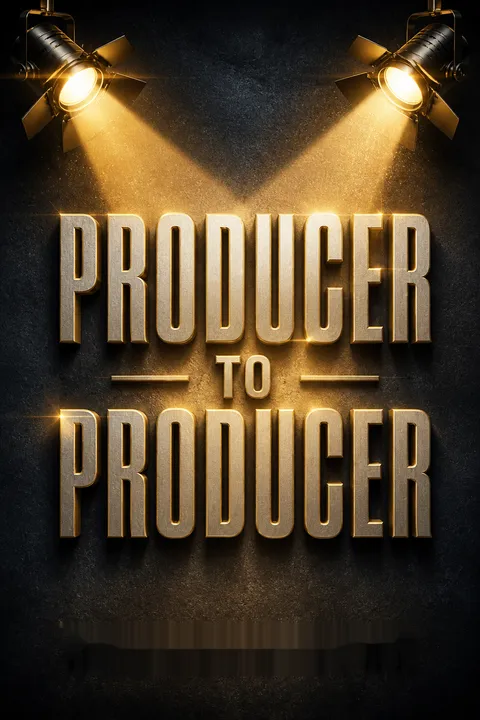


Key Takeaways
Produce the film, not the fantasy: make the work happen well
The producer makes it real. Ryan defines producing as assembling the people, rights, money, plan, and decisions that move a film from idea to finished work. Her opening image is less glamorous: in a Victorian costume, she lies in mud while crew members pelt her with potatoes because the production cannot afford more extras. The scene did not make the final cut, but she would make five films with that director. The point is not to romanticize discomfort. It is that producing means solving the real problem in front of the project, not protecting an imagined version of filmmaking.
Method beats bravado. A producer must control costs and schedules while treating collaborators with respect, decency, and humor. The book’s practical advice is grounded in a line producer’s work: do the planning, make decisions, and keep the project moving without making scarcity an excuse for poor treatment.
What's striking is how the mud-and-potatoes story makes production tangible without turning hardship into a badge of honor. The producer's job resembles operations leadership: translate a shared ambition into coordinated work while preserving the conditions that let people do good work. That distinction matters on tiny budgets, where enthusiasm can be used to disguise exploitation. Ryan's standard is more demanding than simply finishing cheaply. The project must get made, but the way it gets made is part of the producer's responsibility.
Love the project, but secure rights and test its market before investing
Passion needs a map. A feature can occupy two to five years, so Ryan urges producers to choose a subject that can hold their attention and fits their longer-term aims. But love alone is not a development plan. Before spending heavily, establish who owns the underlying material and secure the necessary rights in writing. An option can grant exclusive development time before a larger purchase, but the agreement must identify the owner, term, territories, and uses. The chain of title is the documented path showing how rights moved from the original work to the producer and, eventually, to a distributor.
Test the idea in words. A log line, a concise description of protagonist and conflict, helps expose whether the story has a clear center. Research comparable films and their budgets, audiences, and performance. Ryan's example of the documentary The Team shows how a specific premise can attract interest and funding. A polished proposal should wait until the script is ready.
This pairing of emotional commitment with market scrutiny avoids two familiar traps: making only what seems commercially safe, or treating artistic conviction as proof that an audience exists. In decision theory, early research is valuable because it is cheaper to discover a mismatch before resources become sunk costs. Yet comparison films are evidence, not prophecy. A project can differ from its references in ways that change its audience or economics, so market analysis should sharpen judgment, not replace it.
Break every script into costs before the script breaks your budget
Turn pages into requirements. A script breakdown is a scene-by-scene inventory of production needs, including cast, locations, props, vehicles, animals, stunts, and effects. It gives the producer a practical view of the scale and difficulty hidden inside a screenplay. Ryan uses the short film Red Flag to show why page count is not enough: its roughly ten-page story required several locations, extras, a dog, a wig, and visual effects. Three shooting days looked possible only after those demands were understood.
Rewrite around reality. A breakdown can expose a costly scene while there is still time to change it. In one example, an unaffordable motorcycle crash was rewritten so the motorcycle would not start, and the character nearly gets struck by a cab instead. The dramatic danger remains, but the production avoids a stunt double, damaged vehicles, street closures, and added crew.
A breakdown is a form of systems modeling: it reveals dependencies that are invisible when a script is read only for story. The motorcycle example shows the key creative opportunity. A constraint does not merely subtract production value; it can prompt a different staging of the same dramatic purpose. The caution is that cost reduction should preserve the scene's function. Cutting an element because it is expensive is easy. Finding a cheaper choice that still gives the audience the intended experience is the producer's craft.
Build the expensive budget first, then cut with evidence, not hope
Start with the full picture. Ryan recommends a first-pass budget that includes every plausible cost, rather than assuming favors will appear. This estimate helps reveal the production's size, from labor and locations to equipment, food, and postproduction. As details become real, the producer updates a working budget and matches it to a cash-flow schedule, which shows when each expense must be paid. A contingency provides room for surprises; the book describes a common allowance of about 10 percent.
Learn from actuals. During and after production, invoices and petty cash are entered against the estimates. On Red Flag, the estimate was $13,175 and the final actual cost was $11,548, a difference of $1,627. The producer could explain why: some locations, equipment, and visual effects came in below estimate, while meals cost more than planned. That record makes the next estimate more reliable than memory or optimism.
The budget here functions as both forecast and feedback system. A large initial estimate makes assumptions visible; actualization then tests those assumptions against experience. This is more useful than treating a budget as a single number to defend, because the line items show where creative choices have financial consequences. A contingency is not permission to spend carelessly, however. Its value comes from protecting the plan against uncertainty while keeping the producer attentive to overruns and trade-offs.
Do not shoot until production and post are fully financed
A rough cut is not a finished film. Ryan warns against starting with enough money only to shoot and reach an edit. Sound, music, color correction, mastering, legal clearances, and delivery materials can still be costly. Without a credible plan to pay for them, a project can become an unfinished asset that cannot earn revenue. Her advice is to delay production rather than depend on personal credit cards or vague promises of future money.
Match funding to the project. Presales can fund a film when the producer, director, cast, or subject gives buyers confidence, but they are unlikely for many low-budget films without such elements. Documentaries may pursue grants; fiscal sponsors can receive tax-deductible donations, typically retaining an administrative fee. Equity and deferred-pay deals require clear contracts and frank warnings that participants may never be repaid. Funding plans should reflect both the budget and the likely market.
This is a lesson in lifecycle costing: the true cost of an asset includes the work needed to make it usable, not just the conspicuous first phase. The same logic applies to software, buildings, and research projects. Ryan's warning about debt is particularly useful because a film's cultural value and its ability to repay financing are different questions. Still, the advice is not that every uncertainty must be eliminated. It is that the producer should know which risks are accepted and who bears them.
Spend preproduction time to prevent expensive, avoidable failures
Time is a production resource. Ryan's Production Triangle is a planning model: a low-budget film can usually optimize two of speed, low cost, and quality, but not all three at once. Good work on a small budget therefore depends on enough preparation. Before shooting, the script, budget, funding, cast, locations, crew, equipment, and technical workflow need to be ready to the degree the project requires. Money must be available when commitments come due, not merely expected.
Choose collaborators carefully. The producer is not only hiring talent, but also building a functioning team. Ryan emphasizes references, availability, work habits, communication, and compatibility with the director. A polished reel cannot reveal every risk. Vendor relationships matter too: a reliable rental house that can replace failed equipment may be more valuable than the lowest quote. The book's practical refrain is to plan early, confirm commitments, and treat favors as relationships to maintain.
The triangle is memorable because it makes trade-offs explicit instead of allowing the schedule to pretend that ambition has no cost. In project management, preparation reduces uncertainty by resolving questions before they become time-critical. Yet more planning is not automatically better. Preparation has diminishing returns, and a production can be postponed indefinitely while pursuing perfect certainty. The useful standard is readiness for the risks that could threaten the shoot, not exhaustive planning for every imaginable inconvenience.
Schedule around locations, daylight, weather, and human limits, not page order
Build the shootable version. A low-budget production often plans roughly three to four script pages per 12-hour day, then groups scenes by location, interior or exterior, and day or night. Shooting in story order is usually inefficient. A company move, when the cast and crew pack, travel, and set up at another location, can consume about two hours. In Red Flag, Ryan found a closed nightclub that could serve as two different settings, saving a move.
Protect people and contingencies. Exterior scenes should be scheduled with weather alternatives. Ryan's planned park day for Red Flag had to shift after a forecast of heavy rain. Meals should arrive within six hours, and turnaround between workdays must be long enough for safe rest, with union contracts setting specific rules. A day-out-of-days schedule tracks when each cast member or other element starts, works, and finishes, helping departments prepare accurately.
A shooting schedule is a constrained optimization problem, but its variables include fatigue, weather, travel, and performance, not just pages per day. The Red Flag location solution illustrates how a spatial choice can recover scarce production time. The page-count rule is a useful first estimate, not a promise: a dialogue-heavy interior and an effects-heavy exterior do not take equal effort. The schedule becomes reliable when it is tested against the actual scenes and the people who must execute them.
Treat contracts and insurance as creative infrastructure, not paperwork
Clear rights before exposure. Contracts establish who owns what, what each party must do, how fees work, and who carries liability. For underlying material, music, archive footage, locations, and performers, the right permissions must match the film's intended uses. Music commonly requires two separate permissions: one for the composition and another for a particular recording. Fair use is a limited legal defense, not a general substitute for clearance. An entertainment lawyer should review agreements, especially investment arrangements and rights deals.
Separate the risk. Ryan recommends creating a production entity, often an LLC, and obtaining insurance suited to the work. Coverage may include general liability, workers' compensation, equipment, vehicles, and errors and omissions. The latter addresses claims related to a film's content, such as alleged copyright infringement or defamation. A location or rental company may require an insurance certificate before granting access. Insurance cannot guarantee a successful film or protect investors from poor sales, but it can prevent an accident from becoming a personal financial catastrophe.
Legal clearance and insurance are often treated as obstacles to making art, when they more accurately define the boundaries within which the work can circulate. This is institutional design: agreements allocate rights and risks so collaborators can act with clearer expectations. The distinction between permission and fair use is especially important because legal uncertainty can travel with a film into distribution. No checklist can replace qualified counsel, and coverage should be tailored rather than purchased by blindly selecting the cheapest policy.
Feed people, protect trust, and stop small set problems becoming disasters
Set the working culture. Ryan treats food, safety, communication, and respect as part of production management. Serving a proper meal within six hours is both a scheduling requirement in many agreements and a concrete sign that the crew's labor matters. On the first day, the producer should arrive early, check that people and equipment are in place, support the director, and watch for delays or unsafe work. The location should be cared for and left clean.
Catch trouble early. Ryan warns about second-day disasters: after the intensity of the first day, tired people may miss pickups, food, or props. A previsualized plan and explicit next-day checks reduce those errors. She also uses the term Enemy of the Production for behavior that undermines trust or destabilizes the crew. Address the issue directly, listen for legitimate concerns, seek a workable correction, and remove the person if the behavior continues. At wrap, record expenses and preserve the production paperwork.
The book's emphasis on meals and respect is a practical theory of morale, not just a kindness checklist. Under pressure, people notice whether the production's stated values are reflected in its routines. That makes leadership observable and credible. The Enemy of the Production label is useful as a warning, but it must be applied carefully: disagreement or criticism is not sabotage. A producer should distinguish harmful conduct from uncomfortable feedback before acting, or the label can silence the very information a production needs.
Design the postproduction workflow before choosing a camera format
Plan from delivery backward. The camera choice affects editing, storage, color correction, sound, and the formats a buyer may require. Ryan recommends testing the complete workflow before shooting, including how footage will be transferred, edited, backed up, finished, and mastered. Keep duplicate copies of original material and edit files. A deliverables list is the collection of masters, publicity items, contracts, licenses, and other materials required by a distributor or broadcaster; it can be expensive, and a final payment may depend on supplying it.
Do not neglect sound. A capable production mixer can prevent costly problems that postproduction cannot fully repair. Recording room tone, the ambient sound of a location without dialogue, and wild sound, separately captured environmental sounds, can help build the soundtrack. Post may also involve sound effects, Foley, which recreates action-specific sounds, ADR, which replaces or adds dialogue, music, mixing, and picture finishing. Budget and schedule these tasks before production begins.
Thinking backward from delivery is a form of interface design: every stage must hand off material in a form the next stage can use. A camera's image quality is only one part of that chain. The broader lesson is that technical choices create obligations, including storage, backup, compatible software, and conversion costs. The book's format-specific guidance reflects its publication period, so its workflow logic remains useful while equipment specifications and distribution requirements need current verification.
Treat festivals as market channels, not guaranteed routes to a sale
Choose festivals strategically. Festivals can bring audiences, reviews, industry attention, and relationships, but entry is competitive and fees accumulate. Research which festivals suit the film, decide which premiere matters, and apply first to the strongest realistic choices. A film's distinctive qualities and likely audience matter more than simply having a finished movie. A festival acceptance or award can help, but neither guarantees a buyer.
Keep selling beyond the screening. Prepare a press kit, accurate credits, publicity photos, a website, and watermarked screeners. A sales agent should offer a marketing plan and references worth checking, not merely a list of contacts. Distribution can involve theatrical, television, DVD, video on demand, or self-distribution, each with costs and contractual demands. Review deliverables and rights before signing. Ryan closes with a sober market view: producing the film is only half the task; producers must also learn to reach an audience and plan for alternatives.
This account resists the festival fairy tale in which a premiere automatically turns into a distribution deal. Festivals are better understood as concentrated attention markets: they can create visibility, but visibility still needs a clear audience, credible materials, and follow-through. The marketing work begins before the film is complete, not because every project needs a large campaign, but because audiences rarely discover a film by accident. The difficult question is how to sustain attention without mistaking online availability for actual reach.
Analysis
Producer to Producer is both a manual and an argument about what low-budget filmmaking demands. Its central claim is that a producer does more than administer a production: the producer converts creative intention into an achievable plan, then protects the conditions needed to complete and circulate the work. The recurring examples make that claim concrete. A scene that seems like a small piece of script can imply expensive logistics; a location choice can save a company move; an apparently completed shoot can still be stranded by unfunded postproduction.
The book's deepest strength is its systems perspective. Development, rights, budgeting, casting, scheduling, insurance, sound, and distribution are treated as connected decisions rather than separate specialties. This is why the script breakdown matters so much: it gives creative collaborators a common view of consequences before those consequences become expensive. The same logic applies to the budget, the production book, the technical workflow, and the deliverables list. Each is a way of making hidden dependencies visible.
Ryan also expands the definition of efficiency. Finishing under budget matters, but so do food, safety, trust, and respectful negotiation. That emphasis is not decorative. In a production where many people accept reduced pay or donate time, the producer's treatment of collaborators becomes a practical resource. The book argues for discipline without cynicism and resourcefulness without treating people as expendable.
Its limitations follow from its useful specificity. The book was published in 2010, and some equipment, software, union arrangements, tax incentives, festival hierarchies, and distribution assumptions are time-sensitive. Its enduring contribution is not any single platform or format. It is the habit of asking what a decision requires across the entire life of a film, who bears the risk, and whether the project has the money and people to finish. For contemporary readers, the operational principles remain valuable, while technical and legal details require fresh professional advice.
Review Summary
Producer to Producer is highly regarded as an invaluable resource for independent filmmakers. Readers appreciate its comprehensive coverage of producing aspects, from budgeting to safety. Many find it particularly useful for low-budget projects, praising its practical advice, example paperwork, and step-by-step approach. While some note it may be slightly dated for major studio productions, it's still considered essential for indie filmmakers. The book's thorough explanations of producer responsibilities and industry insights make it a go-to guide for both novices and experienced professionals in the film industry.
People Also Read


Glossary
Script breakdown
Scene-by-scene production inventoryA script breakdown lists the production elements required by each scene, such as cast, locations, props, vehicles, animals, stunts, and effects. Producers and assistant directors use it to estimate budget and schedule, identify difficult requirements, and discuss changes while the script can still be revised.
Chain of title
Documented ownership historyChain of title is the documented record of how rights to source material and a screenplay pass from their original owner to the writer, producer, and any later rights holder. Distributors and financiers rely on it to confirm that the production has authority to make and exploit the film.
Production Triangle
Three-way production trade-offRyan's Production Triangle describes the tension among speed, low cost, and quality. Her rule of thumb is that an independent production can generally prioritize two, but should not assume it can maximize all three. The model encourages producers to negotiate a realistic schedule and budget rather than promise incompatible outcomes.
Company move
Relocation of the productionA company move occurs when cast, crew, equipment, props, and other production materials must be packed, transported to a different location, unloaded, and set up again. It consumes time that could otherwise be used for filming, so low-budget schedules try to group scenes at nearby or shared locations.
Shooting ratio
Footage filmed per finished minuteThe shooting ratio compares the total amount of footage recorded with the finished running time of the film. A ratio of 10:1 means ten minutes of material are recorded for each minute used in the completed film. It helps producers estimate film stock or digital storage needs and related costs.
Day-Out-of-Days
Workday tracking scheduleA Day-Out-of-Days schedule tracks when each production element, especially each cast member, begins work, works, and finishes across the shooting schedule. It helps departments plan availability, pay, preparation, and logistics, and reduces the risk of missing an actor, prop, or other required element on a particular day.
Deliverables
Materials required by buyersDeliverables are the technical masters and supporting materials a distributor or broadcaster requires when acquiring a film. They can include different video formats, publicity materials, contracts, music licenses, cue sheets, and chain-of-title documents. Producing them takes time and money, so the producer should know the requirements before accepting a deal.
Most Favored Nation
Equal terms for comparable partiesMost Favored Nation, often shortened to MFN, is a contractual approach in which parties in comparable positions receive the same terms for a particular item. Ryan discusses it in crew pay and music licensing. Consistent terms can reduce resentment, but a producer must understand how changing one agreement may affect the others.
Room tone
Recorded ambient location soundRoom tone is a recording of a location's ambient sound, usually captured while the set is quiet. Editors may use it to fill gaps between dialogue or smooth audio edits. Whether to record it depends on the sound editor and designer's workflow, so the production team should decide before shooting.
FAQ
What's Producer to Producer about?
- Comprehensive Guide: Producer to Producer by Maureen Ryan is a detailed manual for low-budget independent film producers, covering every aspect of film production from development to postproduction.
- Step-by-Step Approach: The book breaks down the filmmaking process into manageable steps, making it accessible for both novice and experienced producers.
- Real-World Experience: Ryan shares her extensive experience and insights, providing readers with practical advice and strategies based on her career in the industry.
Why should I read Producer to Producer?
- Actionable Insights: The book offers practical advice that can be immediately applied to film projects, helping readers manage budgets, schedules, and crew dynamics effectively.
- Expert Guidance: With contributions from various industry professionals, it provides a wealth of knowledge and perspectives to enhance understanding of film production.
- Avoid Common Pitfalls: Ryan’s insights help readers avoid common mistakes in filmmaking, ensuring a smoother production process and a higher chance of success.
What are the key takeaways of Producer to Producer?
- Structured Approach: Emphasizes a structured, step-by-step approach to film production, from development to postproduction.
- Budgeting and Funding: Offers detailed guidance on budgeting, funding options, and securing financial backing, including pre-sales and equity investments.
- Casting and Crew Management: Highlights the importance of casting the right actors and assembling a competent crew, with strategies for effective communication and collaboration.
What are the best quotes from Producer to Producer and what do they mean?
- Producer's Role Clarity: “You never will ask ‘what does a producer do?’ once you read Maureen's brilliant book.” This quote underscores the clarity and thoroughness of Ryan's explanations regarding the producer's role.
- Empowerment Commitment: “A good producer can do that and that's what I intend to do with this book.” Reflects Ryan's commitment to empowering readers with the necessary knowledge and skills.
- Production Triangle Insight: “You only get 2 out of 3.” Refers to the Production Triangle, indicating that in filmmaking, you can prioritize only two of three aspects: quality, cost, and speed.
What is the Production Triangle mentioned in Producer to Producer?
- Three Key Aspects: The Production Triangle consists of Good, Cheap, and Fast, where producers can only choose two for their project.
- Impact on Filmmaking: Highlights the trade-offs filmmakers must make, emphasizing the importance of preproduction for a successful outcome.
- Strategic Decision-Making: Helps producers make informed decisions, balancing quality and budget constraints with time limitations.
How does Producer to Producer address budgeting for independent films?
- Detailed Budget Breakdown: Provides a comprehensive breakdown of budgeting, including line items for labor, equipment, and locations.
- Kitchen Sink Approach: Advises starting with a “kitchen sink” budget, including all possible expenses, which can then be refined.
- Cash Flow Management: Emphasizes creating a cash flow schedule to ensure funds are available when needed throughout production.
What specific advice does Producer to Producer offer for scheduling?
- Shooting Schedule Creation: Outlines the process of creating a flexible shooting schedule to accommodate changes and maximize resources.
- Day-Out-of-Days Schedules: Introduces schedules that track cast and crew availability, minimizing scheduling conflicts.
- Union Regulations: Highlights the importance of adhering to union regulations regarding meal times, turnaround times, and overtime.
How does Producer to Producer guide readers in the casting process?
- Hiring a Casting Director: Emphasizes the importance of hiring a casting director for their industry connections and expertise.
- Attaching Actors: Discusses strategies for attaching well-known actors to secure funding and increase marketability.
- Casting Sessions: Provides a detailed overview of conducting auditions and callbacks to select the best actors for each role.
How does Producer to Producer suggest handling legal issues in filmmaking?
- Understanding Rights: Emphasizes acquiring necessary rights for any material used, including music and archival footage.
- Liability Management: Discusses mitigating liability risks through written agreements and insurance coverage.
- Legal Document Breakdown: Provides a breakdown of common legal documents, detailing essential components like parties, terms, and rights.
What marketing strategies does Producer to Producer recommend?
- Press Kit Essentials: Outlines key components of a press kit, crucial for generating interest and publicity for the film.
- Utilizing Social Media: Highlights the importance of social media as a cost-effective way to promote the film and engage audiences.
- Hiring a Publicist: Suggests considering a publicist to leverage industry connections and expertise in promoting the film.
How does Producer to Producer address the distribution of films?
- Sales Agents: Discusses the role of sales agents in representing films and negotiating distribution deals.
- Understanding Distribution Models: Outlines various distribution models, including theatrical, television, and VOD sales.
- Self-Distribution Considerations: Explores the possibility of self-distribution, providing insights into its challenges and opportunities.
What are the common pitfalls to avoid during production as mentioned in Producer to Producer?
- Second Day Disasters: Warns about the chaotic nature of the second day of shooting and the need for preparation.
- Enemy of the Production (EOP): Identifies individuals who may undermine morale or efficiency, advising prompt action to maintain a positive environment.
- Budget Overages: Emphasizes tracking expenses closely to avoid budget overruns and manage costs proactively.
Download PDF
Download EPUB
.epub digital book format is ideal for reading ebooks on phones, tablets, and e-readers.








