

Key Takeaways
Treat self-direction as a daily practice, not a rescue someone else provides
Freedom means choosing. Dyer uses “victim” broadly: not only someone harmed by crime, but anyone who routinely gives other people control over their choices, behavior, or emotional life. The aim is not to dominate others. It is to act from self-respect while leaving them the same freedom. When George wants a refund for defective pants, he anticipates that the clerk is unlikely to help and goes directly to a manager with authority to make an exception.
Start by noticing. In one audience survey described in the book, 83 percent of reported situations involving feeling controlled concerned family members. That figure is an anecdotal finding, not a representative measure, but it highlights how ordinary and intimate these struggles can be. Dyer's central claim is that freedom is practiced through decisions and actions, not granted by a book, institution, or rescuer.
What's valuable here is the shift from waiting for permission to identifying the next available choice. That resembles the psychological idea of perceived control: people cope differently when they can see some action within their reach, even if they cannot control the whole situation. The framing also has a limit. Defining victimization as something a person “allows” can wrongly place responsibility on people facing abuse, discrimination, disability, or coercive power. Agency matters, but it is not the same as blame. The most useful reading preserves Dyer's invitation to act while recognizing that some constraints require outside help, collective action, or protection.
Build courage by taking small risks before fear feels gone
Action tests fear. Dyer argues that fear often gains strength through imagined consequences and avoidance. His example is Donna, who as a child walked miles rather than ask a bus driver how to pay. As an adult, she feared speaking in public and even using a bathroom at a party. In counseling, she began with manageable risks, such as telling her mother she could not visit, then practiced confronting service workers and eventually gave a short talk to a class.
Experience changes expectations. Donna was nervous before speaking, but completed the talk and later led workshops herself. Dyer's point is practical: reassurance alone rarely teaches someone what they can handle. Repeated action provides evidence that feared outcomes may not occur, or that they can be managed if they do. The first step need not feel heroic. It only needs to be real.
This is a strong behavioral insight: avoidance offers immediate relief, which can teach the mind that the avoided situation was dangerous. Gradual exposure works in the opposite direction by letting people learn through experience. The emphasis on small, chosen risks is especially useful because it makes courage a practice rather than a personality trait. Still, not every fear is a false alarm. Fear can signal genuine danger, and trauma, illness, or unequal power can make exposure more complicated. The sensible test is not “ignore fear,” but “what does this fear predict, and is there a safe way to gather evidence?”
When the past cannot be changed, turn blame into a present-tense choice
Separate learning from reliving. Dyer warns against the “you should have” maneuver: focusing on a past mistake can distract from what can be done now. Arthur calls a utility company on Friday to have his electricity connected. A clerk says he should have called Wednesday. Arthur cannot travel back in time, so he asks for a supervisor and keeps the discussion on restoring power that day.
Use history, do not inhabit it. Dyer also describes Joanne, who blamed her deceased parents for anxiety in her fifties. Counseling helped her notice how repeatedly revisiting the explanation kept her focused on an unchangeable past rather than present choices. The book recommends acknowledging what happened, identifying any lesson, and shifting attention to the next workable step. That is different from pretending the past had no effects or that harm did not matter.
The distinction between explanation and action is useful: understanding why a pattern developed can clarify it, but insight alone may not change the pattern. This echoes a broader therapeutic principle that present behavior can be practiced even when its origins cannot be revised. The needed nuance is important. Memories of abuse or trauma are not simply useless baggage, and a person is not responsible for harm done to them. The book's practical question, what can be influenced now, can support agency when paired with validation, safety, and appropriate care. Without those, “move on” risks becoming another way to silence someone.
Stop borrowing other people's scorecards for a life only you experience
Comparison outsources judgment. Dyer argues that people often assess their intelligence, attractiveness, or success by measuring themselves against other people. That standard keeps moving and gives others an easy way to prescribe how someone should live. His alternative is not automatic rebellion. It is deciding what matters personally, then choosing whether a conventional path genuinely fits.
Understanding has limits. The chapter introduces “existential aloneness,” Dyer's term for the fact that each person experiences life from a private inner point of view that nobody else can fully enter. Ralph, a married executive, realizes that his wife cannot directly know his inner life. Instead of treating this as proof that the relationship is broken, he stops demanding complete understanding and gives both of them more room to be distinct. The insight supports closeness without requiring sameness.
This section connects self-definition with a realistic account of intimacy. Relationships can offer care, shared meaning, and deep knowledge without granting access to another person's private experience. That distinction can reduce the pressure to prove that a partner understands every feeling. Social comparison also has a legitimate role: shared standards can help people learn skills or coordinate expectations. The danger is treating a comparison as a verdict on worth. A useful question is whether an external benchmark serves a chosen goal, or has quietly become the authority that decides what a life should look like.
Let your actions set boundaries where repeated explanations have failed
Behavior makes limits credible. Dyer's “teaching others” idea is that repeated tolerance can establish a pattern, while a clear response can change what happens next. Gayle, a client who felt dominated by her husband and ignored by her children, began refusing routine demands and leaving conversations when her husband berated her. Her family initially objected, but the new behavior made her limits harder to dismiss than another long discussion would have.
Assertiveness is not aggression. The book recommends practical consequences: say no without inventing elaborate excuses, stop doing chores that others can manage, or leave a conversation that has become abusive. Its “karate chop” metaphor means a decisive response to mistreatment, not a requirement to use violence. These strategies work best when boundaries are clear, proportionate, and safe. They are ways to express what someone will do, not guarantees that another person will change.
The behavioral emphasis is persuasive because boundaries become meaningful through follow-through, not merely through eloquent explanations. It also resembles contingency learning: people adjust when the pattern of rewards and consequences changes. But Dyer's language can imply that mistreated people caused their own treatment by tolerating it. That is not a fair account of abuse, which may involve threats, dependency, or escalating violence. In such situations, confrontation can increase danger, and outside support may be essential. The most constructive lesson is not “you taught them to hurt you,” but “where it is safe, choose a response that protects your limits.”
Protect your life from jobs that turn achievement into your identity
Institutions are not people. Dyer cautions against treating an employer as a friend who will repay unlimited loyalty. A job can be meaningful, but it is still an institution with its own aims, and its needs do not automatically outrank a worker's health or family life. He describes Alex, a high-ranking executive with a heart attack, ulcers, and a strained marriage, who claimed to value family and peace while devoting his days to work.
Change the daily pattern. Alex began leaving the office at a fixed time and making plans with his children. He gradually reduced his overcommitment, reconciled with his wife, and ultimately left the corporate job to raise farm animals in Montana. Dyer also challenges competition as a measure of personal worth: winning may be enjoyable, but it cannot establish that someone deserves a life. Cooperation and relationships matter apart from status or rank.
The case makes a sharp distinction between a person's values and the schedule their behavior actually serves. That is a useful way to examine overwork: not by asking whether ambition is bad, but whether its costs match its purpose. Organizational psychology also distinguishes commitment to a role from identification so total that setbacks feel like personal erasure. Yet leaving a job is not equally available to everyone, and competition can sometimes motivate learning or coordination. The practical principle is to protect nonwork commitments where possible, while judging institutions by their actual incentives rather than by promises of loyalty in return.
Describe what happened before deciding whether it is good, bad, or unbearable
Facts and evaluations differ. A rainy day is a fact; calling it a terrible day is an evaluation. Dyer argues that treating judgments as properties of the world can add avoidable distress. He does not say that harmful events should be ignored. Rather, he recommends distinguishing what has happened from the labels attached to it, then acting where change is possible and accepting what cannot be changed.
Quiet the judging mind. Dyer suggests noticing sensory details, reducing habitual complaints, and practicing meditation by focusing attention on a sound, color, or blankness. He compares this with skilled activities such as driving or sport, where excessive conscious monitoring can disrupt practiced movement. The aim is to experience the present without constantly grading it. His examples of illness and bodily symptoms should be treated cautiously: attention can shape experience, but the book's claims about expectations curing physical problems go beyond what a reader should assume.
Cognitive reappraisal, changing how an event is interpreted, can influence emotional response without changing the event itself. That is the strongest version of this idea: a judgment is not the same thing as a fact, and noticing the difference creates room to respond. The boundary is equally important. Calling a loss, illness, or injustice “just reality” can minimize real harm, and positive attention cannot replace medical treatment or material remedies. Mindfulness is most useful here as a way to notice experience more clearly, not as pressure to approve of every circumstance or suppress grief.
Treat setbacks as constraints to work with, not verdicts on your life
Creativity means finding options. Dyer uses “creative aliveness” to mean engaging actively with whatever situation is at hand, not producing art. A canceled flight, dull meeting, or unsatisfying job need not dictate how the whole experience feels. The question becomes what can be tried, learned, or enjoyed within the available conditions.
Experiment instead of waiting. Sandra had sent out many standard resumes without success in public relations. She changed tactics: she approached the current director, contacted personnel, and presented the company president with concrete ideas for improving the store's public image. She got the job. Dyer also tells of Wesley, who met a new friend while both were stranded by a snowstorm. These stories illustrate initiative, not guaranteed success. If one route fails, reconsider the goal, change the approach, and keep going when the effort is worth its cost.
This is a practical model of constrained problem-solving: the obstacle remains real, but the response is not limited to the obvious script. The examples turn adversity from a verdict into information about where another route might exist. This complements research on psychological flexibility, the capacity to adapt behavior to changing conditions while staying connected to what matters. It should not be confused with forced optimism. Some setbacks are genuinely devastating, and not every situation contains an appealing opportunity. Creative action can mean seeking help, documenting a problem, organizing with others, or leaving.
Use ordinary friction to locate exactly where you surrender choice
Audit real situations. The book closes with a 100-item “victim-profile,” a self-assessment comparing habitual responses with more self-directed alternatives. Its examples range from answering a phone during an intimate moment to accepting an unwanted task, disputing an overcharge, or requesting a second medical opinion. The point is not to get a perfect score. It is to spot the small, repeated moments when fear of disapproval or conflict overrides a person's actual preference.
Change one response at a time. A reader might notice that saying no is easy at work but difficult with relatives, or that they complain privately instead of asking for a correction. Choose one recurring situation, decide on a safe response, and test it. Dyer presents the checklist as a guide to progress, not as a precise scientific instrument. Its value is the concrete inventory: freedom becomes visible in ordinary decisions, not only dramatic acts of rebellion.
Self-monitoring can turn a vague sense of powerlessness into a pattern that is easier to examine. The checklist's everyday detail is a strength: it asks about behavior in settings where people often act automatically. Its scoring language, however, risks turning self-direction into a moral ranking. Compliance can be freely chosen, and assertiveness is not always the safest or most effective option. The useful unit is therefore not a “victim score,” but a specific behavior: what happened, what mattered, what options existed, and what response would better protect the person's priorities?
Analysis
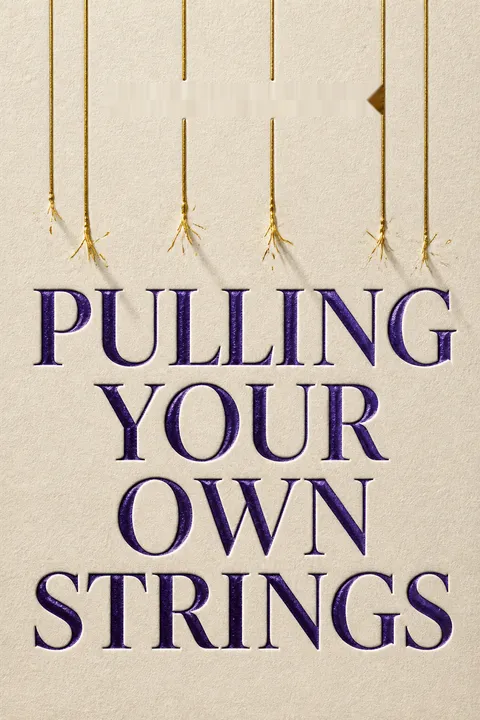
Pulling Your Own Strings is a practical argument built around one metaphor: someone else may tug on a person's choices, but learned habits can keep the strings taut even when the immediate pressure is gone. The book moves from recognizing those habits to practicing alternatives. Its examples are intentionally ordinary: a refund, a family chore, a work schedule, a dinner bill. That scale is part of the method. Agency is not reserved for grand declarations; it is rehearsed in small exchanges where a person can notice a preference, state it, and tolerate another person's displeasure.
The book's strongest contribution is behavioral. It repeatedly asks readers to replace rumination with action, comparison with self-assessment, and a demand for universal understanding with acceptance of difference. Those moves fit modern ideas about perceived control, exposure to feared situations, and psychological flexibility. Its insistence that self-worth should not depend on winning or institutional approval also offers a useful counterweight to achievement-driven identities.
Its main weakness is an overstatement of personal control. Dyer sometimes treats distress as a choice and mistreatment as something people teach others to continue. That formulation may help a reader identify options, but it can also blame people facing coercion, illness, trauma, or limited resources. The book's confidence about changing physical symptoms through expectation is especially unreliable as general advice. A careful adaptation therefore keeps the practical invitation while rejecting the implication that every constraint is self-created.
The most durable reading is neither passive nor combative. It asks readers to assess the situation, identify what they can influence, select an effective and ethical response, and accept that the outcome is not a measure of their human worth. Some problems require persistence; others require compromise, help, or exit. Self-direction is not controlling every result. It is participating in one's life with clearer judgment and more deliberate choices.
Review Summary
Pulling Your Own Strings receives mostly positive reviews, with readers praising its practical advice on assertiveness and avoiding victimization. Many find it life-changing, helping them take control of their lives and set boundaries. Some criticize its dated perspective and potentially aggressive approach. Readers appreciate Dyer's clear writing style and relatable examples. The book's emphasis on personal responsibility and not letting others manipulate you resonates with many. However, some feel it oversimplifies complex issues and may encourage selfish behavior.
People Also Read









Glossary
Non-victim
Self-directed livingDyer's term for a person who takes responsibility for making choices and resists unnecessary control by other people or institutions. It does not mean overpowering others or always getting one's preferred outcome. In the book, non-victim behavior combines self-respect, practical action, and the ability to avoid treating setbacks as proof of personal worthlessness.
Operating from strength
Worth plus effectivenessDyer's framework for responding to difficult situations from a sense of personal worth while using available strategies to pursue a goal. Worth does not depend on approval or success; effectiveness concerns what a person can do in a particular encounter. Strength, in this definition, is not intimidation or control over others.
Existential aloneness
Private inner experienceDyer's term for the fact that each person experiences thoughts and feelings from an individual point of view that no one else can fully share. He uses the idea to challenge demands for complete understanding between partners or family members. It is presented as a basis for respecting difference, not as a reason to withdraw from relationships.
Quietly effective
Acting without applauseDyer's description of pursuing goals without needing other people to witness, praise, or validate each success. A quietly effective person can state a preference, protect privacy, and act strategically without turning every disagreement into a contest over who is right. The term emphasizes independence from approval, not passivity or secrecy in every situation.
Creative aliveness
Active, flexible engagementDyer's term for bringing attention, experimentation, and initiative to whatever situation one occupies. It does not mean artistic talent. A creatively alive person looks for ways to learn, solve a problem, or find enjoyment within real constraints, and changes tactics rather than assuming there is only one possible response.
Victim-profile
Everyday behavior auditDyer's 100-item self-assessment of habitual responses to common situations, such as unwanted requests, poor service, family expectations, and bureaucratic obstacles. Each item contrasts a passive or distressed reaction with a more self-directed alternative. The author presents it as a tool for personal reflection and tracking change, not as a validated psychological test.
Karate chop theory
Decisive boundary responseDyer's metaphor for responding decisively when another person first behaves abusively, so that the behavior does not become an accepted pattern. Although the image evokes physical force, the chapter also suggests nonviolent responses, including leaving, ending a conversation, or contacting authorities. The underlying idea is to make a boundary clear through action rather than relying only on repeated discussion.
Type A behavior
Urgent, competitive strivingA behavioral pattern discussed in the book through the work of Meyer Friedman and Ray Rosenman. Dyer describes it as chronic time urgency, impatience, competitiveness, rapid speech and movement, and overcommitment to work. He connects the pattern with physical strain and heart disease, while using it to question lifestyles organized around constant achievement.
FAQ
What's Pulling Your Own Strings about?
- Focus on Empowerment: The book emphasizes taking control of your life and resisting manipulation by others. It provides strategies to help readers avoid victimization.
- Dynamic Techniques: Wayne W. Dyer offers practical methods for dealing with interpersonal situations, aiming to empower individuals to assert themselves.
- Personal Responsibility: It stresses the importance of taking responsibility for one's own feelings and actions, rather than blaming external circumstances.
Why should I read Pulling Your Own Strings?
- Overcome Manipulation: If you feel controlled by others, this book offers advice to help you reclaim your power and recognize when you're being manipulated.
- Enhance Self-Confidence: It encourages the development of self-confidence and assertiveness, essential for personal growth and fulfillment.
- Transform Relationships: Applying the book's principles can improve your relationships by teaching you to communicate your needs effectively.
What are the key takeaways of Pulling Your Own Strings?
- Declare Non-Victimhood: Recognize and declare that you will no longer be a victim of others' actions or expectations.
- Operate from Strength: Approach situations from a position of strength, believing in your worth and being assertive.
- Avoid Comparisons: Focus on your unique qualities and goals instead of comparing yourself to others.
What are some specific techniques mentioned in Pulling Your Own Strings?
- Sizing Up Situations: Assess the dynamics before entering potentially victimizing situations, being aware of people and anticipating behaviors.
- Teaching Treatment: Demonstrate through actions how you want to be treated, including setting boundaries and being assertive.
- Karate Chop Theory: Respond firmly to abusive behavior, taking a stand and communicating boundaries clearly.
How does Pulling Your Own Strings address the concept of victimization?
- Definition: Victimization is being out of control of your life due to external influences. Recognizing this is the first step to reclaiming power.
- Self-Responsibility: Individuals often victimize themselves by allowing others to dictate their feelings and actions.
- Combat Strategies: Dyer provides strategies like assertiveness training and recognizing manipulative behaviors to resist victimization.
What are some common victimizing tactics described in Pulling Your Own Strings?
- Comparison to Others: Victimizers use comparisons to make you feel inadequate, controlling your behavior by making you feel less than others.
- Guilt Induction: Manipulators use guilt to coerce compliance, diverting attention from the present with phrases like "You should have."
- Emotional Manipulation: Provoking emotional responses to gain control is a common tactic, and recognizing these is essential for autonomy.
What are the best quotes from Pulling Your Own Strings and what do they mean?
- “You need never be a victim again.”: Emphasizes empowerment and the power to change circumstances and refuse victimization.
- “A well-adjusted slave does not exist.”: Highlights the absurdity of being content in a victimized state, reminding that fulfillment comes from autonomy.
- “You teach others how to treat you.”: Stresses the importance of setting boundaries and expectations in relationships.
How can I apply the principles from Pulling Your Own Strings in my daily life?
- Practice Assertiveness: Start by asserting your needs and boundaries in small interactions to build confidence and a non-victim mindset.
- Reflect on Relationships: Evaluate how you are treated and identify areas of victimization, using strategies to communicate expectations clearly.
- Focus on Self-Improvement: Build self-esteem and recognize your worth through activities that reinforce identity and independence.
What is the significance of existential aloneness in Pulling Your Own Strings?
- Understanding Individuality: Emphasizes that each person is unique, freeing you from the need for external validation.
- Empowerment Through Acceptance: Accepting existential aloneness allows control over your life without relying on others for approval.
- Building Authentic Relationships: Recognizing that no one can fully understand you fosters healthier relationships without needing constant validation.
How does Pulling Your Own Strings address family dynamics?
- Teaching Through Behavior: Parents can teach effective communication and conflict resolution by modeling desired behaviors.
- Setting Boundaries: Emphasizes setting clear boundaries within family relationships, allowing children to resolve conflicts independently.
- Avoiding Victimization: Encourages recognizing victim roles within families and taking proactive steps to change them.
What strategies does Pulling Your Own Strings suggest for dealing with authority figures?
- Assertive Communication: Use clear communication to state needs and expectations without being confrontational.
- Understanding Power Dynamics: Recognize power dynamics in interactions with authority figures to navigate situations effectively.
- Control Your Responses: Focus on controlling your responses, remaining calm and composed rather than reacting emotionally.
How does Pulling Your Own Strings define assertiveness?
- Clear Expression of Needs: Assertiveness is expressing needs and desires clearly and confidently, without aggression.
- Setting Boundaries: Involves setting and maintaining personal boundaries, saying no, and protecting time and energy.
- Responsibility for Feelings: Assertive individuals take responsibility for their feelings, avoiding blaming others for their emotional state.
About the Author
Other books by Wayne W. Dyer









Download PDF
Download EPUB
.epub digital book format is ideal for reading ebooks on phones, tablets, and e-readers.








