

Plot Summary
A Letter Among Bones
Harriet Pomeroy, a rector’s daughter who supports her household and hunts fossils, works among bones in the rectory when Gideon Westbrook, Viscount St. Justin, arrives in answer to her urgent letter.
She has discovered stolen silver and jewelry hidden in a cavern beneath his land, and has watched men carry goods inside after midnight. Harriet suspects Gideon’s steward, Crane, is turning a blind eye, so she refuses to trust the local authorities. Gideon is amused by her bluntness, but warns her to stay away from the caves.
Before he leaves, the housekeeper, Mrs. Stone, recognizes him as the notorious Beast of Blackthorne Hall and accuses him of ruining Deirdre Rushton, a former rector’s daughter. Harriet’s new ally suddenly becomes a man she has reason to fear.
Harriet’s first appeal joins practical need to personal desire: she wants the stolen goods removed, but also wants her fossil work restored. Her confidence in evidence makes her less receptive to social warnings, while Gideon’s notoriety lets others treat rumor as established fact. Mrs. Stone’s accusation transforms an investigation into a moral test. Harriet has summoned the very man she may be expected to distrust, and her curiosity begins to contend with caution.
The Cave's Dangerous Welcome
Harriet insists on guiding Gideon through the twisting, tide-washed passage because he could not locate the thieves’ cavern alone. Inside, he confirms that the sacks contain valuable stolen goods, while Harriet becomes absorbed by a fossil tooth embedded in the wall. Gideon orders her to leave the caves until the thieves are caught; when she argues, he corners her and kisses her.
Harriet responds with startling eagerness, touching his scar without recoiling, until Gideon abruptly tells her that she must either submit to him or flee. The threat destroys her trust in the moment, and she escapes toward the beach. Gideon is left confronting his own desire and the cruel role he has chosen to play.
The contrast between jewelry and fossil gives the encounter its peculiar intimacy: Gideon expects conventional greed, but Harriet values an ancient tooth more than a fortune. Her unguarded response to his face unsettles his practiced self-image, while his threatening retreat into the Beast persona turns desire into a test of safety. The scene makes their central conflict bodily and immediate: Harriet wants to choose for herself, and Gideon fears his own power over her.
A Waltz in Black
At Blackthorne Hall, Gideon examines Crane’s accounts and realizes the steward has likely pocketed increased rents from local tenants. He hides his suspicions and announces a long stay, hoping Crane will continue behaving as if his position is secure. At the village assembly, Gideon appears after years away, asks Harriet to dance, and has the musicians play the controversial waltz.
Their closeness sends the room into gossip, but Harriet is pleased that Felicity can now practice a fashionable dance before her hoped-for London Season. The next morning, Harriet sees a man heading toward the caves and assumes another fossil hunter has found her tooth. Ignoring Gideon’s prohibition, she dresses and hurries down the cliffs to confront him.
Gideon’s private audit shows a competence that his public reputation obscures, but his chosen strategy still relies on withholding information. At the assembly, he uses spectacle rather than explanation, making the waltz both courtship and a public challenge to local judgment. Harriet reads his gesture as practical help for Felicity, revealing how readily she translates attention into usefulness. Her decision to pursue the stranger repeats the very risk Gideon fears, because her intellectual ownership of the caves overrides her sense of personal danger.
A Runner in the Dark
Harriet reaches the cave without a lamp and waits for the intruder, only to find Gideon arriving behind her. The stranger emerges from the passage and greets Gideon as Mr. Dobbs, a Bow Street Runner hired to investigate the stolen goods. Dobbs has already located the hidden chamber; he and Gideon plan to watch the beach and signal when the thieves return.
Harriet approves, then presses to help, but Gideon again orders her away from the caves. He explains the damage that public accusations have done to his honor and warns Harriet that reputation can be more than gossip. She recognizes his pain, but leaves without agreeing to obey him.
Dobbs gives the investigation a legitimate route beyond Gideon’s private suspicions, while Harriet’s mistaken assumption keeps her actively involved rather than safely informed. Gideon’s account of social ostracism briefly reveals the person beneath his intimidating performance. Yet his lesson about honor is delivered as another command, so the exchange reproduces the conflict it tries to solve. Harriet can understand his wounds without accepting that his authority should replace her judgment.
Crane's Knife at High Tide
When the thieves return at night, Dobbs signals Gideon and the men move in to arrest them. Harriet watches from the cliff path, but Crane appears behind her with a knife and forces her down toward the caves, hoping to retrieve valuables before the authorities seize them. As the incoming tide floods the entrance, Harriet slips away in the darkness and runs deeper into the passage.
Crane’s fear of being trapped eventually drives him back toward the beach. Gideon hears Harriet’s call and enters through the rising surf, reaching her in the inner cavern after the way out has flooded. Dobbs and Gideon’s butler, Owl, later pull Crane from the water alive. Harriet and Gideon are stranded until the tide recedes.
The investigation’s apparent victory does not end the danger because Crane’s betrayal turns Harriet’s curiosity into a hostage crisis. Her knowledge of the cave is both resource and liability: she navigates the darkness, but cannot simply escape the changing tide. Gideon’s rescue reverses his earlier attempt to control her through threats. This time his strength is spent entering danger himself, while Harriet’s quick thinking helps her survive until he can reach her.
A Marriage Before Dawn
Unable to leave the cavern, Gideon and Harriet make a bed from the thieves’ emptied sacks and share his coat against the cold. In the night, their attraction overcomes their restraint, and Harriet gives herself to him willingly.
At dawn Gideon says he will offer marriage, because he refuses to let the village believe he has ruined another rector’s daughter and abandoned her. Harriet protests that she will not marry from obligation, but Gideon insists that the consequences will reach beyond her own reputation.
Their argument is interrupted by Dobbs and Owl, who confirm Crane has been captured and the other thieves are in custody. Gideon tells Harriet to expect his formal offer that afternoon; she returns home feeling trapped rather than triumphant.
Their intimacy is mutual, but the social consequences are not equally distributed: Gideon sees marriage as protection from a public repetition of his past, while Harriet fears that protection will cost her autonomy. He acts from a genuine sense of responsibility, yet his certainty leaves little room for her choice. The contrast between her emotional openness and his defensive honor establishes the marriage’s central problem: duty can keep them together, but it cannot by itself make them equal partners.
London Without a Promise
Gideon offers marriage, and Harriet accepts the fact that he is determined, though she resents being treated as a problem his honor must solve. After she retrieves the fossil tooth from the cleared cavern, Gideon leaves for his father, who has suffered another health scare.
Aunt Adelaide then invites Harriet, Felicity, and Aunt Effie to London, offering to fund Felicity’s Season and leave her nieces portions of her fortune. Effie wants Harriet to learn how to behave as a future viscountess, but worries that Gideon may abandon her.
Harriet insists she is engaged and will not pretend otherwise. At Hardcastle House, Gideon tells his parents that he has compromised Harriet and intends to marry her. Her letter says she is already on her way to London, and he follows.
The shift to London expands the pressure on Harriet from village gossip to the judgment of Society. Her family’s new money makes a Season possible, but it also turns marriage and status into more visible calculations. Harriet agrees to travel partly to prepare for Gideon’s world, not to seek another match. Gideon’s response to her letter exposes a new vulnerability: he fears losing her, though he still understands his attachment through duty and possession rather than love.
The Story of Deirdre
In London, Harriet joins the Fossils and Antiquities Society and meets Bryce Morland, Gideon’s former friend. Morland claims that Gideon forced Deirdre Rushton, then abandoned her when she became pregnant. Harriet refuses to accept his account, but the story unsettles her. Gideon arrives at a ball and publicly confirms their engagement.
When Deirdre’s father, Reverend Clive Rushton, confronts him, Harriet argues that Deirdre’s child must have belonged to another man, since Gideon would have married her if it were his. Rushton leaves furious. Harriet does not yet know the truth behind the old scandal, but Gideon thanks her for defending him. Her instinctive loyalty makes their engagement harder to dismiss as mere obligation.
Harriet’s defense is logically reasoned but also emotionally revealing: she assumes Gideon’s honor from how he behaves toward her, even though she lacks the facts of his past. Morland offers a confident counter-narrative, while Rushton’s grief makes the accusation feel socially credible. By publicly standing against them, Harriet accepts a reputational risk on Gideon’s behalf. Her faith is not proof, but it gives Gideon something the gossip has deprived him of: the experience of being believed.
The Road to Gretna
Lord Applegate, Lady Youngstreet, and Lord Fry decide that Harriet must be saved from Gideon and take her north in a traveling coach, claiming they will arrange her marriage to Applegate at Gretna Green. Harriet refuses to marry anyone else, even when Applegate insists that his shared interest in fossils makes them suited.
Gideon learns of the plan from Felicity and Effie, catches the coach on the road, and lifts Harriet out as Applegate threatens to defend her. Gideon challenges him, but Harriet stops the quarrel before it becomes a duel. At an inn, Gideon says he wants to end their engagement by marrying her at once. Harriet agrees. The next day, they wed and travel to Hardcastle House.
The attempted rescue is comic in its misplaced certainty, but it sharpens the difference between how Society sees Harriet and how she sees herself. Applegate treats her as an innocent victim whose preferences can be overridden for her own good; Harriet rejects that paternalism as firmly as Gideon’s. Her choice to marry Gideon is not simply submission to duty. It is a refusal to let others decide whom she belongs with, even while she remains unsure what he feels.
The Hardcastle Dinner
At dinner, Gideon’s parents react uneasily to the sudden marriage, and the Earl of Hardcastle questions whether his son has compromised another woman. Harriet explains how she discovered the cave thieves and became trapped with Gideon, then turns the conversation toward fossils.
The earl, once a collector himself, warms to her discovery of a large reptile tooth. After dinner, Gideon and his father quarrel over the old accusation involving Deirdre; Gideon maintains that he never touched her, but his father still doubts him.
He then tells the earl that the thieves’ stolen goods suggest a mastermind with access to wealthy homes and knowledge of the caves. Gideon’s private investigation continues, while Harriet’s presence begins to give father and son a reason to speak.
Harriet’s enthusiasm redirects a hostile family scene toward shared intellectual ground, giving the earl a way to engage with her that is not mediated by scandal. Yet Gideon’s account of the past still meets disbelief from the person whose trust matters most. His investigation reflects the same need to establish facts that Harriet brings to fossil hunting, but he has not learned to make his reasoning available to others. The marriage creates an opening for repair without making repair automatic.
The Museum's Dark Room
In London, Gideon explains that Morland scarred him in a fencing match years earlier, and that Deirdre had named Morland as the man who made her pregnant. Harriet sees Morland as a threat, but still does not know the full story. While touring the reclusive collector Humboldt’s museum, she is cornered in a locked basement room by Morland, who intends to assault her and humiliate Gideon.
Harriet escapes his grasp by climbing across tall specimen cabinets and dropping a heavy stone onto him. She leaves Morland bleeding and unconscious, afraid she may have killed him. Back at home, she tells Gideon what happened. He goes to the museum, finds blood but no body, and then confronts Morland at his house.
The museum turns Harriet’s field of expertise into a survival resource. Her practiced strength with stone, dismissed by others as eccentric labor, becomes the means by which she escapes Morland. His attack is also an attempt to repeat the old scandal and make Gideon’s marriage look doomed. Harriet’s fear afterward shows that competence does not erase trauma; it only gives her a way to act within it. Gideon’s discovery that Morland survived shifts the danger from rescue to reckoning.
A Challenge and a Quarrel
Gideon challenges Morland for insulting and attacking Harriet, and asks Applegate and Fry to serve as his seconds. Harriet begs him not to risk a duel, confessing that she loves him, but he refuses to cancel the challenge. In protest, she stops speaking to him. At a ball, Gideon carries her onto the dance floor when she refuses his invitation, and Reverend Rushton publicly calls him a murderer.
Harriet throws champagne at Rushton and attacks him; Gideon lifts her away before the scene turns worse. Later, he asks whether she meant her declaration of love. She confirms it, but remains angry about the duel. Gideon keeps the challenge secret from her, while the growing gossip turns their private disagreement into public entertainment.
Harriet’s silence is an attempt to make Gideon experience the cost of decisions taken without her, but he converts it into another public performance. Their conflict is not a lack of feeling; it is a struggle over whether love permits unilateral protection. Her outburst against Rushton reveals that she will defend Gideon even while opposing his choices. The ballroom makes reputation theatrical: everyone watches the couple, but few understand the private fear driving Harriet’s resistance.
Morland Leaves London
Before the duel can take place, Morland flees to the Continent, leaving his staff and creditors behind. Society recasts Gideon as courageous, and the old suspicion surrounding Deirdre begins to weaken.
Harriet learns that Gideon had hoped Morland would run rather than meet him, but resents being kept ignorant. She had also summoned Gideon’s parents, hoping they would stop the duel. Her father-in-law comes to London, and he and Gideon finally discuss the past without their usual shouting.
The earl admits he never believed Gideon murdered his brother, though he had doubted his conduct toward Deirdre. Gideon explains the theft investigation, and his father joins him in reviewing suspects. Their renewed cooperation begins with work, not an easy apology.
Morland’s flight changes public judgment with unnerving speed, demonstrating that Society’s verdict depends less on truth than on visible displays of courage and retreat. Gideon gains a cleaner reputation, but Harriet is more interested in the trust his secret plan denied her. The father-son reconciliation is similarly limited yet meaningful: the earl does not erase his past doubt, but he listens and collaborates. Repair begins when both men risk sharing evidence instead of relying on inherited assumptions.
The Thief at the Soiree
Gideon and his father narrow the list of possible masterminds, while Lady Hardcastle helps Harriet organize a fashionable soiree. Gideon invites suspicious guests and places Dobbs among the crowd. Harriet slips upstairs to fix a loose garter and finds Humboldt searching her room, apparently hoping to learn what fossil she found. Gideon and Dobbs seize him before he can escape.
Humboldt admits he suspected Harriet had made an important discovery and had turned to theft to fund his fossil collection. The newspapers call the capture a triumph, but a letter from Mrs. Stone warns that another collector has entered Harriet’s caves. Gideon agrees to return to Upper Biddleton with Harriet, where the danger has not ended.
The soiree converts the social world that once judged Gideon into an investigative tool: the crowd grants strangers cover, but Dobbs uses that same crush to watch them. Humboldt’s motive blends greed with obsession, complicating the easy division between respectable scholarship and criminal appetite. Harriet’s own room becomes vulnerable because her discovery has value to others. The capture appears to close the case, yet the warning letter forces the narrative back to the landscape where the mystery began.
Rushton's Last Cavern
Back at Blackthorne Hall, Harriet ignores Gideon’s warning and enters the cave alone to protect her fossil. Reverend Rushton appears with a pistol and confesses that he killed Gideon’s brother, Randal, to clear the path for Deirdre’s marriage to Gideon. When Deirdre became pregnant by Morland and refused her father’s plans, Rushton killed her and staged her death as suicide.
He also admits that he organized the theft ring hidden in the caves. Before Rushton can shoot Harriet, Gideon arrives. Rushton fires, then attacks Gideon with Harriet’s dropped chisel, but Gideon overpowers him. Harriet embraces her husband, shaken but alive. The final shot has broken away rock, exposing the enormous fossil skeleton she had been seeking.
Rushton’s confession joins the book’s two apparent mysteries: the old scandal and the recent thefts were both shaped by a man who treated other people as instruments of his ambition. His violence is not simply concealed beneath respectability; it grows from the same social logic that made Deirdre’s marriage a transaction. Harriet’s return to the cave repeats her familiar risk, but this time the danger is real and immediate. Gideon’s rescue cannot erase her agency, yet it answers her trust with action.
The Beast Comes to Light
With Rushton defeated, Harriet studies the exposed skeleton and recognizes that its jaw holds teeth like the one she found earlier. Gideon tells her that he loves her, and she turns from the ancient creature to embrace the living man who has finally stopped treating love as something lost beyond recovery.
Their return to Blackthorne Hall brings the household back to life and gives Gideon’s parents a place in the family. In the autumn, Harriet’s paper on the great Upper Biddleton beast appears in the Transactions of the Fossils and Antiquities Society. Two months later, she gives birth to a healthy son with Gideon’s size, eyes, and stubborn temper. Their future joins the work Harriet loves to the home Gideon once avoided.
The fossil discovery gives the romance a precise image of what the couple has done: Harriet brings buried evidence into view, while Gideon allows a buried capacity for love to become visible. The ending does not ask her to abandon science for domestic life; her published work and motherhood coexist. Gideon’s homecoming is likewise practical and emotional, restoring connection to land and family. Their child carries forward the traits that once made Gideon seem frightening, now held within a household built on trust.
Analysis
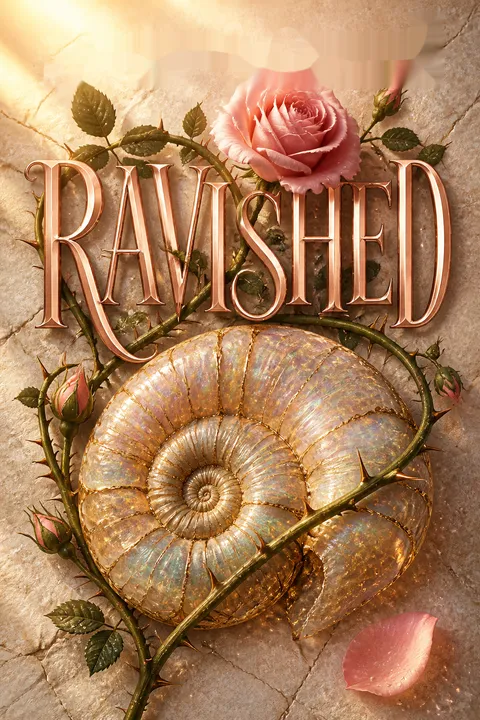
Ravished builds its romance around a conflict between being seen and being judged. Gideon’s scar becomes a visible shorthand for a moral story that the community has accepted without proof. Harriet resists that story, not because she is naïve about danger, but because she trusts observation over inherited opinion. Her scientific practice becomes a form of characterization: she studies fragments, asks what they can and cannot establish, and refuses to claim certainty before the evidence supports it. That method contrasts with the town’s treatment of Deirdre, whose life is reduced to a cautionary tale told by others.
The book also tests the difference between protection and control. Gideon’s sense of honor is meant to shield Harriet from the consequences of their intimacy, yet his habit of making plans alone recreates the very powerlessness she resists. Harriet’s directness forces him to confront an uncomfortable fact: good intentions do not make unilateral decisions harmless. Their intimacy deepens as they learn to share risk and information, not simply as attraction overcomes suspicion.
The criminal plot sharpens the same concern with appearances. Crane’s respectability hides greed, Humboldt’s scholarship coexists with theft, and Reverend Rushton’s public grief conceals the crimes that created the tragedy he blames on Gideon. Society changes its judgment of Gideon when Morland flees, revealing how quickly reputation can be rewritten by spectacle rather than truth. The resolution does not depend on winning that audience alone. It comes through Harriet’s trust, Gideon’s willingness to face the past, and the family’s gradual return to honest conversation. The fossil and the romance converge in the final image: bringing something buried into view requires patient attention, but recognition only matters when the living are willing to accept what they see.
Review Summary
Ravished by Amanda Quick receives mostly positive reviews (4.02/5 stars) for its Beauty and the Beast retelling featuring scarred hero Gideon and fossil-hunting heroine Harriet. Readers praise their strong chemistry, witty banter, excellent communication, and Harriet's fierce defense of Gideon against society's harsh judgment. The marriage-of-convenience plot and passionate scenes are highlights. However, some critics find Harriet's fossil obsession excessive and her reckless behavior frustrating, particularly when she ignores safety warnings. The mystery subplot receives mixed reactions—some find it entertaining while others consider it predictable or thin. Overall, most recommend it as a charming, fun historical romance.
People Also Read


Characters
Harriet Pomeroy
The determined fossil hunterHarriet is a practical, intellectually ambitious rector’s daughter who has become the responsible center of her family since her father’s death. Fossils offer more than a pastime: they give her a field in which careful observation matters more than wealth, beauty, or rank. She is outspoken, curious, and confident in her own judgment, sometimes to the point of ignoring real danger. Her affection for Gideon grows from the way she sees beyond his scar and refuses to accept rumor as fact. Harriet’s challenge is not learning to submit to a husband or Society, but finding ways to share decisions without surrendering her independence. She brings energy, scientific curiosity, and moral steadiness to a household long organized around silence and suspicion.
Gideon Westbrook
The scarred viscountGideon, Viscount St. Justin and heir to the Earl of Hardcastle, is a large, capable landowner whose scar and reputation make people expect cruelty from him. Years of being judged without a chance to answer have taught him to conceal his feelings and sometimes to perform the villain others imagine. He prefers control, careful accounts, and solitary action, whether managing estates or confronting danger. Harriet unsettles that defense because she is unafraid of his face and willing to challenge his decisions. Gideon’s sense of honor is sincere, but he initially mistakes protection for authority and duty for love. Beneath his guardedness is a man who wants to be trusted, though he has difficulty asking for it.
Felicity Pomeroy
Harriet’s practical beautyHarriet’s younger sister, Felicity, is admired for her beauty and ease in Society, but she is also perceptive, pragmatic, and less dazzled by romance than her appearance suggests. She supports Harriet while recognizing that her sister’s choices affect the whole household. Felicity hopes to enjoy a London Season, yet does not want to be treated as a family project whose only purpose is to marry well. Her teasing often punctures the solemnity around Harriet and Gideon, while her clear-eyed observations help the family understand what is at stake.
Euphemia Pomeroy Ashecombe
The anxious auntKnown as Aunt Effie, Euphemia is Harriet and Felicity’s widowed aunt and guardian figure. She values propriety because she believes it protects women with limited money and influence. Her concern can become controlling, especially when she fears scandal, but she is also socially skilled and devoted to her nieces. Effie’s cautious outlook contrasts with Harriet’s willingness to risk reputation for principle, and her presence makes the pressures of Regency marriage and respectability tangible.
Mrs. Stone
The housekeeper of warningsThe Pomeroy household’s gloomy but loyal housekeeper, Mrs. Stone, carries the local story of the previous rector’s daughter, Deirdre. She believes Gideon is dangerous and repeatedly warns Harriet against trusting him. Her melodramatic manner makes her easy to dismiss, but her fear comes from genuine grief and a long memory of Upper Biddleton’s history. She embodies how a community can preserve a partial account until it hardens into accepted truth.
Bryce Morland
The polished former friendMorland is a handsome, socially adept widower who once called Gideon his closest friend. His polished manner wins him access to drawing rooms and the confidence of people who mistake charm for goodness. He appears to understand the old Upper Biddleton scandal better than most, and he uses that knowledge to shape Harriet’s view of Gideon. Morland’s relationship with Gideon is marked by an old injury and unresolved hostility, making his attention to Harriet especially unsettling.
Clive Rushton
The grieving former rectorThe Reverend Clive Rushton is the former rector of Upper Biddleton and father of Deirdre. He moves through the story as a grieving, intense man whose accusations keep the local scandal alive. His history with the Pomeroy rectory and his connection to Gideon place him at the intersection of private loss and public judgment. His presence complicates Harriet’s attempts to distinguish what the village believes from what actually happened.
Deirdre Rushton
The absent rector’s daughterDeirdre is the former rector’s daughter whose death and broken engagement define Gideon’s reputation in Upper Biddleton. Though absent from the present action, her remembered beauty and vulnerability shape how the community understands both him and Harriet. Different people tell her story to support different judgments, making her a person whose own perspective has been almost entirely replaced by others’ accounts.
The Earl of Hardcastle
Gideon’s proud fatherGideon’s father is an aging aristocrat and former fossil collector who expects his heir to maintain the family line and estate. Pride and grief have made him difficult to approach, particularly after the family’s losses and Gideon’s scandal. His sharp temper resembles his son’s, though both men struggle to acknowledge their similarities. Harriet’s arrival gives him a chance to engage with Gideon through practical work and shared interests rather than accusation.
The Countess of Hardcastle
The observant motherGideon’s mother is a delicate-seeming countess whose calm perception is stronger than her manner suggests. She has watched the distance between her husband and son widen, and she recognizes the effect Harriet has on both men. Her affection for Gideon is evident, but she has not known how to bridge the family’s old hurts. She welcomes Harriet and helps make reconciliation possible without pretending the past caused no pain.
Aunt Adelaide
The newly wealthy auntAunt Adelaide is Euphemia’s recently widowed sister. Newly in control of her late husband’s fortune, she offers to take Harriet, Felicity, and Effie to London and fund the young women’s futures. She understands how money and social standing affect a woman’s choices, and she helps the family navigate the Season’s expectations. Her generosity creates opportunity, though Harriet remains determined not to let it turn her into a marriage-market project.
Mr. Dobbs
The Bow Street investigatorDobbs is the Bow Street Runner Gideon hires to investigate the stolen goods. Observant and resourceful, he understands how to watch the caves and later helps Gideon investigate London’s thefts. His practical interest in rewards and results contrasts with the aristocratic characters’ concern for reputation. Dobbs supplies the professional methods that allow Gideon’s suspicions to become an organized investigation.
Owl
Gideon’s trusted butlerOwl is Gideon’s imposing butler and most trusted servant. A former pugilist, he is loyal, watchful, and more capable than his position suggests. His grave manner and plain assessments make him a steady presence when Gideon’s temper or Harriet’s daring threatens to disrupt the household.
Mr. Crane
The compromised stewardCrane manages Gideon’s neglected Upper Biddleton estates. His thin, nervous appearance conceals an appetite for personal gain, and his role gives him access to the land and its operations. Harriet’s suspicion of him is one of the first warnings that the thefts may involve people close to the estate.
Lord Applegate
The earnest fossil enthusiastApplegate is a young baron and member of the Fossils and Antiquities Society. He admires Harriet’s intelligence and shares her interest in collecting, though his gallant ideas about protecting her do not always account for what she wants. His earnestness makes him likable and occasionally misguided.
Lady Youngstreet
The eccentric society patronLady Youngstreet is a prominent fossil collector and a forceful presence in London Society. Her curiosity and unconventional behavior make her an ally to Harriet, though she sometimes mistakes intervention for understanding. She helps show how intellectual circles and social gatherings overlap in Harriet’s London life.
Lord Fry
The genial society elderFry is an older baron, fossil enthusiast, and friend to the Pomeroy sisters in London. His easy sociability and willingness to join other people’s schemes make him a comic presence, while his connections help bring Harriet into scientific and social circles.
Mr. Humboldt
The reclusive collectorHumboldt is a suspicious, sharp-tempered collector who has filled his townhouse with fossils and specimens. His private museum reflects a life organized around acquisition and expertise. Harriet visits to study his collection, unaware that her own discovery has drawn his attention.
Plot Devices
The Upper Biddleton caves
Dangerous hidden groundThe caves beneath Gideon’s estate connect Harriet’s fossil hunting to the criminal plot. Their passages hide stolen goods, while the tide can flood the lower chambers and trap anyone inside. Harriet’s knowledge of the routes makes her valuable to Gideon’s investigation, but her sense of ownership encourages her to enter them alone. The caves ultimately hold both the danger she has been trying to remove and the fossil discovery she longs to make.
Gideon’s reputation
A public false verdictThe name Beast of Blackthorne Hall condenses years of gossip about Gideon’s scar, Deirdre’s death, and his supposed dishonor. It affects how the village, Society, and even his family interpret his actions. Gideon sometimes leans into the reputation because it keeps people at a distance, but doing so makes it harder for others to recognize his restraint. Harriet’s refusal to accept rumor as proof challenges the social verdict that has shaped his life.
The fossil tooth
A scientific promiseThe large tooth Harriet finds in the cave gives her a concrete reason to risk Gideon’s anger and return to dangerous ground. It represents the scientific work she values for its own sake, not as a route to marriage or status. Its anatomical clues lead her toward a much larger discovery in the cavern wall. The tooth also helps define her relationship with Gideon: he must learn that her intellectual life is not a rival to be defeated, but an essential part of who she is.
The marriage bargain
Duty becomes partnershipGideon initially offers marriage because he believes his honor requires him to protect Harriet after their night together. Harriet accepts the commitment but refuses to let it erase her independence or become a substitute for affection. The marriage brings them into close proximity while forcing them to negotiate authority, trust, and public reputation. Its meaning changes as Harriet’s faith challenges Gideon’s shame and he begins to treat her as a partner rather than someone to manage.
The fossil Society
Science meets social theaterThe Fossils and Antiquities Society gives Harriet a community where her expertise can be valued, but it also brings her into contact with admirers and collectors who may not respect her boundaries. Its members offer access to knowledge, specimens, and London’s elite, while their assumptions about Harriet’s innocence feed the attempted rescue to Gretna Green. The Society’s world mirrors the wider social order: discovery can be generous and collaborative, but the desire to possess rare things can also become exploitative.

Download PDF
Download EPUB
.epub digital book format is ideal for reading ebooks on phones, tablets, and e-readers.








