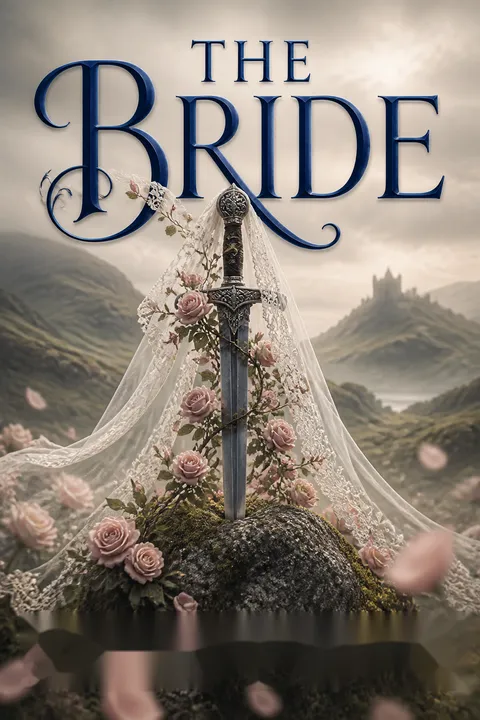


Plot Summary
Prologue
At Helena Kincaid’s burial in Scotland, one mourner remembers how the chieftain’s first wife took three days to die. The mourner had smothered her beneath the Kincaid plaid, then watched Alec place her in an unconsecrated grave while the clan believed her death a suicide.
The killer keeps the truth hidden and waits for time to pass before challenging Alec for power. If Alec grows to love another bride, the murderer expects her death to wound him more deeply. The narrator’s identity remains concealed, but the burial begins the story under the shadow of a crime mistaken for shame.
The prologue turns a funeral into a performance of concealment. Alec’s private grief, the priest’s unease, and the clan’s judgment all orbit a death they misunderstand, while the killer stands among them and privately claims victory. The church’s refusal to bury Helena among the faithful adds a public punishment to a private murder: the community condemns the victim while protecting the culprit through its certainty. This opening makes the novel’s central danger more than physical violence. It is also the damage done when authority, custom, and rumor decide what a woman’s death means before anyone investigates it.
A Tax Debt Chooses Brides
In England, Baron Jamison’s failure to send King Henry his taxes brings a royal penalty: two Highland lairds will choose English brides from his household. The baron has spent the collected money, so he cannot repair the offense without burdening his tenants again. His daughters Agnes, Alice, and Mary fear that Alec Kincaid, rumored to have killed his first wife, will select one of them.
Their youngest sister, Jamie, steadies the household and tries to reason through the threat. Their father claims the king excluded Jamie, but he has hidden her from the order because he depends on her work at home. The stable master, Beak, suspects the deception and decides to assess the Scots himself before revealing Jamie’s existence.
The decree converts a fiscal failure into a family crisis, making women the currency through which two kings manage political relations. Jamison’s concealment of Jamie sharpens the irony: he protects the daughter he relies on by denying her the chance to choose her own future, while his other daughters face selection as though beauty and obedience were sufficient qualifications. Jamie responds by organizing her sisters rather than collapsing into fear. That practical competence is already a form of resistance, though she herself interprets it as duty. Beak’s suspicion matters because the people who notice the baron’s selfishness are not those with formal authority, but those who have watched Jamie carry its consequences.
The Hidden Daughter Is Chosen
Alec Kincaid and his friend Daniel Ferguson arrive three days early, prepared to obey their kings and leave England as quickly as possible. Beak studies Alec’s care for his horse, then engineers a meeting with Wildfire, Jamie’s half-wild mare, hoping Alec will recognize her worth and accept her owner. Alec does.
When Jamie finally enters the hall, he has already chosen her, despite her father’s attempt to hide her from the bride selection. Daniel chooses Mary. Jamie protests, but the king’s command and Alec’s insistence leave her little power to refuse. The two couples marry before the day is out, and Alec orders Jamie to gather her things for an immediate journey north. Her family’s tears cannot change the choice.
Alec’s choice begins as an act of command, not courtship, and the difference matters. Jamie is selected because Alec recognizes something in her presence and bearing, yet the political arrangement gives her no meaningful say in what follows. Beak’s horse analogy also exposes the limits of the world around them: men read character through ownership, strength, and usefulness, and women are folded into the same logic. Jamie’s competence has kept her family functioning, but it has not given her authority over her own marriage. Her first response is therefore not romantic surrender but an effort to preserve composure while the life she built is carried away from her.
The Road Tests Their Vows
Alec drives the two brides north at a punishing pace, and Mary’s exhaustion finally throws her from her horse into a bush. Jamie demands a rest, but before the party can settle, bandits emerge from the trees. Daniel shields Mary while Alec draws the attackers away, though he has no sword. Jamie throws her own dagger at a bandit who threatens the sisters, then struggles against the man who grabs her.
Alec tricks the captor into believing he will surrender Jamie’s horse, uses the animal to create an opening, and kills the man. Jamie recoils from the blood and from Alec’s apparent willingness to trade her for a horse, until he explains the deception. She admits she fears his strength, and he promises he will not harm her.
The attack makes Jamie’s fear concrete. Alec’s size and reputation stop being rumor when she watches him dismantle armed men with ease, while her own dagger turns her from protected passenger into an active defender. Yet the rescue does not instantly settle their relationship. Alec’s ruse depends on making Jamie believe he might sacrifice her, and that moment exposes how little trust the new marriage has earned. His explanation and promise matter because he responds to her fear rather than dismissing it as foolishness. Their bond begins to develop through a repeated test: Jamie must learn what his violence is for, and Alec must learn that protection without explanation can feel indistinguishable from threat.
The Plaid Becomes Intimate
At their first camp, Jamie tries to bathe in a mountain pool and cramps in the cold water. Alec carries her out, warms her beneath his plaid, and holds her until her shivering stops. She falls asleep against him, and he points out that she is already wearing his clan colors. Desire overcomes the distance they had agreed to keep, and they spend the night together.
In the morning, Jamie is sore and shy, so she offers Alec coins for an indulgence and a sword, not realizing he already owns several. Alec is amused, but he lets her believe the gifts please him. As they continue toward his holding, he carries her when she grows tired and begins treating her fears with more care.
The plaid changes from a political marker into a shelter that Jamie accepts physically before she accepts its social meaning. Alec’s protection is still possessive, and their intimacy unfolds within a marriage imposed on both of them, but Jamie’s growing desire is also unmistakably her own. The morning’s comic gifts reveal how differently they understand competence: she thinks she is correcting a warrior’s dangerous lack of equipment, while he has an armory at home. Rather than expose her ignorance, Alec lets her keep her dignity. His restraint is an early sign that affection is altering his conduct, even before he can name what is changing.
A Deathwatch Gives Way
At the Kincaid stronghold, Alec’s soldiers are preparing a burial for Angus, a badly wounded officer they believe is dying. Jamie recognizes that Angus is still alive and pushes past Alec’s orders to treat him. She gives him medicine, resets his broken arm with Alec and Gavin’s help, cleans and stitches his chest wound, and recruits his wife Elizabeth to assist.
By morning, Angus is stable, and the soldiers who had doubted Jamie kneel in recognition of what she has done. Her skill wins the clan’s loyalty faster than Alec expected. While tending Angus, Jamie also asks about Helena, Alec’s former wife. The priest says Helena killed herself, but Jamie sees reasons to doubt the story when she discovers Helena’s carefully packed belongings.
Jamie earns authority by exercising a kind of knowledge the warriors do not possess. The men initially measure her through Englishness, marriage, and presumed fragility; Angus’s recovery forces them to recognize her expertise as practical power. Her bedside care also changes the emotional register of the hall: a place organized around weapons and rank becomes a place where people wait, assist, and hope. At the same time, Jamie’s attention to Helena’s possessions begins a second inquiry. She does not accept the clan’s explanation simply because it is official. Her healer’s habit of examining what others overlook becomes an investigative method as well as a medical one.
Helena’s Chest Raises Questions
Jamie asks Father Murdock to explain Helena’s death and learns that the clan believes she jumped from a ridge. The priest admits that Helena seemed content, and that no one understood why she might have chosen to die.
Jamie finds baby clothes and carefully packed linens among Helena’s possessions, details that seem inconsistent with a woman who had supposedly planned her death. Rather than accuse Alec, Jamie privately suspects an accident and promises to pray for Helena. Her questions reach Alec through the people around him.
He begins asking Angus and others for what they remember, breaking a silence he has maintained since the burial. Jamie does not yet know that her curiosity has disturbed an old danger, but her refusal to treat Helena’s death as settled fact changes what Alec is willing to investigate.
Jamie’s response to Helena is shaped by identification rather than rivalry. She does not see the first wife as an obstacle to her own marriage; she sees a woman whose story has been reduced to a moral verdict. The packed baby clothes become evidence because Jamie notices the ordinary plans embedded in them. This is an intimate form of reasoning: objects carry the future Helena expected to have, and that expectation conflicts with the accepted account of her death. Alec’s renewed questions suggest that grief has been preserved by silence, not resolved by it. Jamie’s compassion opens a path toward truth precisely because it refuses to make another woman disposable.
Mary Runs to Jamie
Mary arrives at the Kincaid holding alone, saying she has fled Daniel because he mocked her, kept a mistress, and failed to give her the patience she needs. Jamie gives her sanctuary, knowing Daniel may consider it an insult.
When Alec learns what happened, he rides to meet Daniel before their clans can turn the dispute into war. Alec refuses to fight over Mary and instead persuades his friend to take her home, where she belongs. Daniel carries Mary away over his saddle despite her protests.
Jamie is angry at both men, but she recognizes that Daniel’s harshness has injured her sister. Later, Mary admits she is beginning to respond to Daniel’s gentler attention, and Jamie encourages her to ask for the marriage she wants rather than retreat into fear.
Mary’s crisis echoes Jamie’s own lack of control, but the sisters respond differently. Mary flees because she cannot yet distinguish Daniel’s authority from rejection; Jamie offers protection because she understands that a marriage cannot be repaired by silencing distress. Alec’s refusal to fight Daniel prevents the women’s conflict from becoming a clan war, but his solution still relies on male authority and physical force. The scene therefore holds two truths at once: the men preserve political peace, while the sisters must do the emotional work of naming what they need. Mary’s growing willingness to approach Daniel marks a shift from panic toward active negotiation.
The Enemy’s Baby Lives
A desperate mother from the feuding McPherson clan brings her sick infant to Jamie through Mary. The child cannot keep down his mother’s milk, and Jamie decides he needs goat’s milk instead. When the McPherson laird arrives expecting to reclaim a dead son, Jamie returns the lively baby only after making him promise to follow her feeding instructions.
He refuses, so she briefly takes the child back rather than let him risk another bout of sickness. Jamie’s bluntness enrages the old laird, who threatens the Kincaids and reaches for violence. Alec arrives with armed men and answers the threat with equal force. The infant’s survival prevents a burial, but Jamie’s decision to treat an enemy’s child has made the feud more dangerous.
Jamie treats the infant’s need as more real than the clans’ inherited claims, a decision that makes care politically disruptive. The child cannot understand the feud, yet adults are prepared to turn his body into evidence of grievance. Jamie’s insistence on goat’s milk is not sentimental; it is an intervention based on observation and responsibility. Her argument with the laird also reveals a recurring limit in her new home: compassion is praised after the fact, but acting on it can be read as trespass. Alec’s armed arrival protects Jamie, while also showing that her ethical choices now carry consequences for an entire clan.
A Kitchen Wall Burns
Jamie persuades Alec to let her improve the distant kitchens, then misunderstands his permission to rearrange them as approval to dismantle part of the castle wall. While she explores the settlement, someone traps her inside a tannery and sets it alight.
Alec hears the commotion, tears away the barred door, and carries her out before the building collapses. Jamie believes the wind caused the accident, but Alec suspects an attack and orders guards around her. Their argument over the kitchen ends differently: he agrees to connect the new building with a covered passage rather than leave it across the snow.
Jamie recognizes that his fury came from fear for her, while Alec admits he cannot bear the thought that she believed he would hurt her. The fire confirms that someone inside the settlement is targeting her.
The kitchen episode joins domestic misunderstanding to physical danger. Jamie’s architectural plan grows from noticing servants’ labor, but Alec hears only that his household has been altered without his control. The fire then makes that conflict secondary: his strength matters because it gets her out alive, and his terror gives emotional meaning to the command he once framed as ownership. Jamie’s mistaken explanation preserves her trust, but it also postpones the truth and leaves Alec to investigate without her knowledge. Their compromise over the kitchen is a small model of the marriage they are building: her concern changes the household, while his authority must learn to make room for it.
A Daughter Comes Home
While challenging Edith’s hostility, Jamie learns that Helena had a daughter, Mary Kathleen, whose existence Alec’s household has barely discussed. The child has been left with a distant English relation since her grandmother died.
Jamie rides to bring her home, and on the way rescues nine-year-old Lindsay, a boy from an enemy clan, from a charging boar. She keeps his presence secret as she continues to the girl. When Jamie finds Mary Kathleen, bruises on the child’s back and legs convince her that leaving her there would be dangerous.
She returns to the Kincaid holding with the little girl, prepared to face whatever Alec decides. Alec claims Mary Kathleen as his daughter and thanks Jamie for bringing her home. The family now has a child to protect, and Jamie has made Helena’s past part of their present.
Jamie’s actions connect two vulnerable children across the clan map. She saves Lindsay without demanding allegiance, then refuses to leave Mary Kathleen in a household where the girl is being harmed. Neither decision is politically convenient. Both arise from Jamie’s conviction that responsibility follows need, not bloodline or faction. Alec’s acceptance of Mary Kathleen matters because it turns a neglected child into a recognized member of the household without treating her as a threat to his new marriage. The scene also clarifies Jamie’s way of making a home: she does not wait for permission to notice who has been excluded, though she must still persuade those with power to shelter them.
The King Hears Confession
King Edgar arrives without first announcing himself to Jamie. Believing him an ordinary guest, she pours out her worries about the feuds she has stirred up, the children she has protected, and the trouble she expects from the king. Edgar listens patiently and helps her arrange Alec’s plaid.
Jamie kneels to practice the Gaelic pledge she intends to make, then realizes the man before her is the king himself. She has already shown him the loyalty and candor she hoped to demonstrate formally.
Edgar keeps her confidence and leaves her less afraid of his visit. Jamie later hears that the king has departed while she tends to a household matter, so she misses the chance to say goodbye. His kindness gives her a first, personal view of the political authority that arranged her marriage.
The mistaken identity reverses the usual performance of rank. Jamie speaks most freely because she believes she is addressing a sympathetic stranger, and Edgar learns who she is before she can shape herself into a courtly subject. Her instinct is to confess responsibility, not conceal it, even though she has exaggerated how much trouble she caused. The king’s response gives her a model of authority different from Jamison’s evasions and Alec’s commands: he can listen without immediately punishing. The plaid adjustment is especially apt. Jamie wants to make herself legible to Scotland, but the king helps her do so without demanding that she stop being English.
A Club Finds the Wrong Twin
At the gathering for Edgar’s visit, Justin, the handsome son of Alec’s ally Harold, grabs Jamie and presses unwanted attention on her. Jamie goes to fetch a club, intending to stop him, but mistakes his identical twin Philip for Justin and knocks Philip down instead.
Alec discovers what happened and moves to punish Justin. Jamie pleads for restraint, then admits in Gaelic that she loves Alec while defending her husband’s honor. Alec asks Harold to control his sons or face war.
Jamie’s attempt to protect herself has exposed her feelings in front of the clan, and the confusion over the twins has injured an innocent man. Before the argument can settle, Jamie goes to place flowers at Helena’s grave, where she hopes to understand the first wife’s death more fully.
The twin confusion gives Jamie’s growing confidence a comic cost: she has learned to answer unwanted male attention, but incomplete knowledge makes her strike the wrong target. The scene does not make Justin’s behavior harmless; Jamie’s use of force follows his violation, and Alec’s response reflects the dangerous honor system surrounding them. Her declaration of love arrives not as a private confession but as part of an argument over protection and loyalty. The transition to Helena’s grave links present intimacy with unresolved history. Jamie has begun to belong to the clan, yet that belonging now places her beside the woman whose death may have shaped Alec’s silence.
The Grave Gives Up Its Killer
At Helena’s grave, Jamie questions Gavin about the first wife’s fall and learns that Helena survived for two days after landing on a ledge. As Jamie and Gavin stand near the ridge, someone strikes Gavin with a rock, wounds Jamie, and sends them over the edge.
Jamie shields the unconscious Gavin until Marcus finds them; Alec then lifts them to safety. Alec already suspects Annie, Helena’s sister, and confronts her. Annie’s jealous fixation on Alec emerges: she admits that she killed Helena and has been trying to eliminate Jamie so she can claim Alec herself.
The murderer from the opening is no longer hidden. Jamie survives the attack, but her questions have brought a long-buried crime into the open and changed the meaning of Helena’s grave.
The attack makes Jamie’s moral attention physically costly. She goes to the ridge seeking a more humane account of Helena’s death, then uses her own injured body to keep Gavin from falling farther. Her instinct to protect someone else persists even when she is the one bleeding. Annie’s confession exposes the violence beneath a story the clan had accepted as religious shame and private despair. The contrast is severe: Helena was judged for a death she did not choose, while the person who killed her remained close to the community. Alec’s investigation finally joins Jamie’s compassion to evidence, turning suspicion into accountability.
Two Sisters Choose Their Husbands
During Jamie’s recovery, Mary visits often and admits that Daniel has a mistress but has also begun treating her more gently. Jamie urges her sister to stop accepting a marriage organized around fear and to ask Daniel for the closeness she wants.
Mary later returns in noticeably better spirits, suggesting the couple has found a way toward intimacy. Jamie, meanwhile, insists Helena receive a requiem mass and that the consecrated cemetery be extended to include her grave. Alec agrees, honoring the woman he had tried not to remember.
He also keeps Jamie in bed until her injuries heal, while she continues to direct changes in the household. The sisters are no longer merely enduring assigned marriages: each is learning how to ask for care, though neither relationship becomes simple.
Recovery gives the novel room to distinguish marriage from mere possession. Jamie’s advice to Mary does not solve the problem for her; it helps Mary name a desire she had been afraid to express. Alec’s agreement to honor Helena likewise shows that loving Jamie need not require erasing the previous wife. The cemetery change corrects a communal injustice by placing Helena’s memory inside the sacred boundary that excluded her. These acts are modest in scale, but they change the household’s emotional rules. Care becomes something women can request, men can offer, and a community can formalize rather than leave to private grief.
A Dowry Becomes Tribute
Jamie learns that her former suitor, Baron Andrew, is approaching with soldiers to collect the gold her father accepted as a loan. Afraid Alec will kill him and provoke a war with England, she rides out alone to reason with Andrew.
Alec catches her and brings the Kincaid warriors, while allied clans form a circle around the English party. Andrew demands Jamie’s help, but she makes clear that Alec will decide his fate. Alec gives Andrew a ruby from his sword, then McPherson, Daniel, Lindsay’s father, and other chiefs add jewels in repayment for Jamie’s aid.
Their gifts turn a dangerous claim into a public acknowledgment of her service. Andrew leaves wealthy but defeated, and Jamie sees that her acts of care have united clans that once stood against one another.
The ending answers the opening’s bargain with a different exchange. At first, Jamison’s debt makes Jamie a commodity offered to powerful men; here, the clans give wealth because they recognize what she has done. The jewels do not erase the danger of the world she entered, but they reverse its moral accounting. McPherson, Daniel, and Lindsay’s father repay specific acts of care, making the clan alliance tangible rather than sentimental. Jamie’s attempt to resolve Andrew’s claim alone still risks her safety, yet Alec’s support and the chiefs’ collective response show that she no longer stands isolated. Belonging is earned through reciprocal obligation, not obedience.
Analysis
The Bride makes marriage both a political institution and a daily negotiation over who gets to decide. Jamie and Alec do not meet on equal terms: a royal order selects their marriage, Alec expects obedience, and Jamie enters his household with little knowledge of its customs. The romance gains force not because that imbalance disappears, but because Jamie continually contests it through concrete action. She treats the wounded, challenges Alec’s assumptions, changes the kitchen, protects children, and refuses to let Helena’s story remain a convenient verdict. Her agency is practical before it is rhetorical. She changes the household by making care impossible to dismiss.
Alec’s development is equally material. He begins by treating protection as a command, yet Jamie’s questions force him to recognize that safety without respect can still feel like confinement. His growing attachment appears in what he does: he adjusts his pace for her, searches for her when she leaves, accepts her plans for the household, and recognizes Helena’s daughter as his own. He does not become gentle in every situation, and the novel does not pretend that his strength or authority has vanished. Instead, the marriage becomes more reciprocal as he learns to treat Jamie’s judgment as consequential.
The mystery around Helena gives the romance an ethical counterweight. The clan’s belief in suicide allows them to condemn the dead woman and stop asking questions. Jamie’s attention to possessions, wounds, and testimony challenges that closure. Her healing work follows the same logic as her investigation: look closely, do not mistake appearances for causes, and act before neglect becomes irreversible. The novel’s resolution extends that principle beyond the couple. Rival chiefs repay Jamie because her care has crossed clan lines, turning acts that seemed disruptive into the basis of cooperation. Belonging is not granted by blood or costume alone. It is made through remembered obligations, protection freely offered, and changes that leave room for more than one person’s way of life.
Review Summary
The Bride by Julie Garwood is a beloved historical romance novel set in medieval Scotland. Readers praise the strong-willed heroine Jamie, the alpha hero Alec, and their entertaining banter. Many consider it a classic of the genre, with a perfect blend of humor, passion, and adventure. While some criticize historical inaccuracies and the heroine's perfection, most fans find it a delightful, feel-good read that stands the test of time. The book's charm and memorable characters have made it a favorite for many romance readers.
People Also Read


Characters
Jamie Jamison Kincaid
The healer with a willJamie is the youngest of Baron Jamison’s daughters and the person who quietly keeps his household functioning. She is observant, resourceful, and unusually skilled at healing, riding, hunting, and managing people, yet she often mistakes being needed for being loved. Her humor helps her challenge authority without surrendering her warmth, although her impulsive interventions can create political consequences she has not anticipated. Jamie’s instinct is to protect whoever is vulnerable, whether a servant, a child, a wounded warrior, or a sister. Her adjustment to Alec’s household tests whether she can retain that generous nature while claiming a voice of her own.
Alec Kincaid
The guarded Highland lairdAlec is a formidable young chieftain responsible for a large clan and its defenses. He approaches marriage as an obligation to his king and initially assumes that authority means deciding what is best for his wife. Beneath his discipline is a fierce capacity for protection, loyalty, and grief, though he rarely makes those feelings easy to read. Jamie unsettles him because she questions his commands, notices people he overlooks, and meets his strength without worshipping it. His bond with her challenges the separation he maintains between private feeling and public duty, while his care for the clan remains central to his identity.
Mary Jamison Ferguson
Jamie’s anxious sisterMary is Jamie’s older sister, prone to fear and tears but more perceptive than she first appears. She resists being treated as a passive bride, especially when Daniel’s mistress and blunt judgments make her feel unwanted. Her dependence on Jamie is affectionate, but it also reflects a family habit in which Jamie has always stepped in to protect her. Mary must learn to express her own needs rather than relying on her sister to confront every threat.
Daniel Ferguson
Alec’s warrior friendDaniel is Alec’s longtime friend and the future laird of the Ferguson clan. He is cheerful, capable in danger, and less severe in manner than Alec, but his confidence can make him careless with Mary’s feelings. He expects loyalty and directness, and his initial assumptions about how a wife should behave put him at odds with his bride. His friendship with Alec is strong enough to survive a serious marital dispute without becoming a clan war.
Beak
Jamie’s steadfast mentorBeak is the elderly stable master who has taught Jamie to ride, hunt, and speak Gaelic. He sees how much work she carries and worries that her devotion to her father has crowded out her own freedom. His affection for Jamie is parental, though his protective instincts lead him to maneuver behind her back. He judges character through practical care, especially how a man treats his horse, and uses that measure when deciding whether Alec might be safe for her.
Gavin
Alec’s trusted secondGavin is Alec’s second-in-command, a seasoned warrior who manages the clan when its laird is away. He is loyal, sociable, and initially inclined to judge Jamie by her English origins and delicate appearance. Her medical skill and courage gradually change his understanding of her. Gavin also serves as a bridge between Alec’s private concerns and the wider clan, often recognizing how much his laird cares before Alec admits it himself.
Angus
The wounded clan captainAngus is a senior Kincaid warrior, Alec’s friend, and a respected officer whose judgment matters to the clan. He is gruff and proud, especially when illness keeps him from his duties, but his affection for his wife Elizabeth reveals a softer private self. His injury brings Jamie’s healing abilities before the whole household and gives the soldiers a reason to reconsider their first impressions of her.
Elizabeth
Angus’s patient wifeElizabeth is Angus’s loving wife and a steady presence during his recovery. She is worried by his injuries but willing to help Jamie care for him. Her gentleness contrasts with Angus’s bluster, and she shows how tenderness can endure even in a household shaped by battle. She also offers Jamie companionship as the two women care for the people around them.
Helena Kincaid
The absent first wifeHelena was Alec’s first wife and Annie’s sister. She remains important to the Kincaid household through her belongings, her connection to Mary Kathleen, and the unanswered questions surrounding her short marriage. Jamie approaches her memory without jealousy, treating the traces she left behind as evidence of a person with plans and attachments. Helena’s story shapes how Alec and his clan understand grief, loyalty, and the obligations owed to the dead.
Annie
Helena’s dependent sisterAnnie is Helena’s sister and a young woman whose manner can seem childlike. She lives within the Kincaid household and is deeply attached to the history she shares with Helena. Her dependence makes others protective of her, while her connection to Alec’s past gives her a complicated place in his new marriage. She is not easily understood by the people around her, who must distinguish genuine vulnerability from the assumptions they make about her.
Edith
The guarded household cousinEdith is Marcus’s sister, Helena’s cousin, and a capable manager of the Kincaid household. She initially resents Jamie’s arrival and worries that Helena’s place will be erased. Her strictness is partly a defense of the people and memories she believes Alec’s new marriage may displace. Once Jamie listens rather than simply demanding obedience, Edith becomes an important partner in household life.
Marcus
The watchful clan officerMarcus is Edith’s brother and one of Alec’s senior warriors. He is reserved and difficult to read, shaped by loyalty to Alec and attachment to Helena’s memory. His initial resistance to Jamie reflects the clan’s suspicion of outsiders, but he takes her safety seriously and responds to Alec’s trust. Marcus often communicates more through action than warmth.
Father Murdock
The clan’s gentle priestFather Murdock is an elderly priest who knows Alec and the Kincaid household well. He offers Jamie a calmer religious presence than the strict priest she left in England, and he recognizes that her care may help the clan move beyond old grief. His humor and discretion make him a mediator between Jamie’s customs and the Highlanders’ traditions.
Mary Kathleen
Helena’s young daughterMary Kathleen is Helena’s small daughter, a shy child whose early life has left her wary and physically fragile. She responds to warmth and patience more readily than formal instruction. Her presence connects Alec’s household to Helena’s history and gives Jamie a new responsibility. The adults around her must decide whether kinship is a duty they will actively fulfill or merely a name.
King Edgar
The approachable Scottish kingEdgar is Scotland’s king and Alec’s sovereign. He supports the political marriages intended to strengthen relations between Scotland and England, yet he can meet Jamie with unexpected patience. His authority is backed by a reputation for decisive rule, and his visit shows how personal conduct can complicate the frightening stories told about rulers.
Baron Jamison
Jamie’s affectionate, unreliable fatherBaron Jamison loves Jamie and claims her as his own daughter, despite not being her biological father. He is forgetful, dependent on her labor, and inclined to excuse his failures rather than repair them. His affection is real, but it coexists with selfishness: he relies on Jamie so heavily that he tries to keep her from leaving. He is a reminder that love can be sincere while still failing to respect another person’s freedom.
Baron Andrew
Jamie’s former English suitorAndrew is the English baron to whom Jamie was pledged before the royal marriage order intervened. He lends money to Baron Jamison and later expects the debt to be honored. His connection to Jamie is shaped more by contract and status than by any intimate knowledge of her, making him an emblem of the life her father had arranged.
Lindsay
The rival-clan boyLindsay is a nine-year-old boy from a clan hostile to the Kincaids. He enjoys hunting and takes risks beyond his age. His encounter with Jamie reveals that a child’s trust can cross a boundary adults treat as permanent.
Justin
The presumptuous twinJustin is one of Harold’s identical twin sons. He is handsome, entitled, and accustomed to women responding to his charm. His conduct tests Jamie’s ability to defend her boundaries and challenges Alec’s relationship with his powerful ally.
Philip
The quieter twinPhilip is Justin’s identical twin, but he is more timid and less socially forceful. His resemblance to his brother creates confusion at a moment when Jamie is trying to protect herself. He is caught in the consequences of another person’s behavior.
Baron McPherson
The rival clan chieftainMcPherson is the stern laird of a clan feuding with the Kincaids. He is proud, loud, and accustomed to treating conflict as a matter of honor. His sick infant exposes the tension between inherited hostility and the immediate needs of a child.
King Henry
The English political architectHenry is England’s king, whose tax dispute with Baron Jamison triggers the marriage order. He hopes an English bride will draw powerful Scottish lairds closer to England, though his plan underestimates the strength of clan loyalties and the agency of the women caught within his diplomacy.
Agnes and Alice
Jamie’s tearful twin sistersAgnes and Alice are Jamie’s older twin sisters. They are affectionate and emotionally expressive, often turning to Jamie to calm their fears. Their panic over the marriage order shows how much they rely on her steadiness, even as Jamie’s departure leaves them facing family responsibilities without her.
Plot Devices
The royal marriage order
Politics selects the bridesKing Henry’s tax dispute with Baron Jamison becomes the mechanism that brings Alec and Daniel to England to choose wives. The arrangement is meant to strengthen relations between rulers, but its costs fall on the women and families who have little say in it. The order also gives Jamison a reason to hide Jamie, revealing that the household’s private loyalties do not match its public story. It launches the marriage plot while establishing the novel’s central conflict between political authority and personal choice.
The Kincaid plaid
Belonging becomes visibleThe plaid marks Alec’s clan and the obligations attached to his household. At first it represents a marriage Jamie has not chosen and a culture she does not understand. Its repeated use as clothing and shelter lets its meaning shift through practical actions: Alec wraps it around Jamie against the cold, and Jamie later chooses to wear it publicly. The garment makes belonging visible without requiring Jamie to abandon her English identity. It also connects the present marriage to Helena’s burial and to the history Alec has tried to keep silent.
Jamie’s remedies
Care earns public trustJamie’s medicine jars, knowledge of wounds, and willingness to treat people outside her family give her practical power in a community organized around warriors. Her treatment of Angus persuades the Kincaid soldiers to trust her, while her care for a rival infant risks turning compassion into a political offense. The remedies are not magical shortcuts. Jamie observes symptoms, cleans injuries carefully, and accepts responsibility for what follows. Healing becomes a repeated test of whether clan identity will matter more than a person’s immediate need.
Helena’s death
A false story hides murderThe clan accepts Helena’s death as suicide and treats her burial outside consecrated ground as a religious consequence. Jamie notices that Helena’s packed belongings and baby clothes complicate that account, then asks people who were present to reconsider what happened. Her questions activate Alec’s neglected memories and lead him to investigate the people close to the household. The mystery links the opening burial, the attacks on Jamie, and the clan’s grief. The accepted explanation is wrong: Annie killed Helena and concealed the crime beneath the appearance of suicide.
The clan feuds
Kindness crosses bordersThe rivalries among Kincaid, Ferguson, McPherson, and other clans turn small personal choices into potential wars. Jamie’s actions repeatedly cross those boundaries: she shelters Mary, treats a McPherson infant, saves Lindsay, and helps people who may not belong to her household. Each choice risks retaliation, but the final gathering of chiefs shows that such care can also create reciprocal obligations. The feuds provide the political pressure around the romance and make the ending’s collective repayment meaningful rather than ceremonial.
FAQ
Synopsis & Basic Details
What is The Bride about?
- Forced marriage, clashing cultures: The story centers on the forced marriage between an English noblewoman, Jamie, and a powerful Scottish laird, Alec Kincaid, due to a royal decree. It explores their initial resistance and the cultural clashes that arise.
- Mystery and danger: The narrative is interwoven with a mystery surrounding the death of Alec's first wife and the dangers they face from external threats and internal clan conflicts.
- Growth and love: As Jamie and Alec navigate their forced union, they develop a deep bond, learning to trust and love each other amidst the challenges they face.
Why should I read The Bride?
- Strong female lead: Jamie is a compelling character, intelligent, independent, and compassionate, who challenges societal norms and expectations. Her journey is both inspiring and empowering.
- Intriguing romance: The relationship between Jamie and Alec is a slow-burn romance filled with tension, humor, and emotional depth. Their journey from reluctant partners to devoted lovers is captivating.
- Rich historical setting: The novel provides a vivid portrayal of medieval Scotland and England, with detailed descriptions of the landscapes, customs, and social dynamics of the time.
What is the background of The Bride?
- Medieval Scotland and England: The story is set in the early 12th century, a time of political tension and cultural differences between Scotland and England. The narrative explores the power dynamics and social structures of the era.
- Royal decree and political alliances: The forced marriage between Jamie and Alec is a result of a royal decree aimed at forging a tenuous alliance between the two kingdoms. This political backdrop adds complexity to the characters' personal journeys.
- Clan system and Highland culture: The novel delves into the clan system of the Scottish Highlands, highlighting the importance of loyalty, honor, and tradition. The clash between English and Scottish customs is a central theme.
What are the most memorable quotes in The Bride?
- "You're wearing my plaid.": This quote, spoken by Alec to Jamie, signifies a turning point in their relationship, marking her acceptance into his world and his possessive nature.
- "I'm not afraid.": Jamie's repeated assertion of her lack of fear, despite facing numerous dangers, highlights her courage and independence. It also shows her defiance of Alec's attempts to control her.
- "You belong to me now.": This possessive statement by Alec underscores the power dynamics of their relationship, yet also hints at his growing affection and protectiveness towards Jamie.
What writing style, narrative choices, and literary techniques does Julie Garwood use?
- Third-person limited perspective: The narrative primarily follows Jamie's point of view, allowing readers to experience her thoughts, emotions, and perceptions. This creates a strong connection with the protagonist.
- Dialogue-driven scenes: Garwood uses dialogue to reveal character traits, advance the plot, and create tension. The witty banter between Jamie and Alec is a hallmark of her writing style.
- Foreshadowing and suspense: The author employs subtle foreshadowing and suspenseful pacing to keep readers engaged. The mystery surrounding Helena's death and the threats Jamie faces add layers of intrigue to the story.
Hidden Details & Subtle Connections
What are some minor details that add significant meaning?
- Jamie's calloused hands: The description of Jamie's calloused hands, a result of her hard work and responsibilities, contrasts with the expectations of a noblewoman. It highlights her strength and independence.
- The color black: Jamie's choice to wear black to her wedding is a deliberate act of defiance, symbolizing her resistance to the forced marriage and her mourning for her lost freedom.
- Wildfire's behavior: The mare's initial resistance to Alec and her eventual acceptance of him mirrors Jamie's own journey, highlighting the connection between the two.
What are some subtle foreshadowing and callbacks?
- Beak's warnings: The stable master's warnings to Jamie about her father's deceitful nature and the need for a strong man foreshadow the challenges she will face and the importance of Alec's protection.
- The mention of "preferences": Daniel's teasing remarks about Scottish preferences for "strong horses, fat sheep, and soft women" foreshadow the power dynamics and expectations Jamie will encounter.
- Jamie's skill with a dagger: Her proficiency with a dagger, initially a minor detail, becomes significant when she uses it to defend herself and others, showcasing her hidden talents.
What are some unexpected character connections?
- Helena and Jamie: Though they never meet, the connection between Helena and Jamie is significant. Jamie's compassion for Helena's sister and daughter, and her determination to uncover the truth about her death, reveal a deeper bond.
- Beak and Alec: The stable master's initial fear of Alec and his subsequent trust in him, based on his treatment of his horse, highlight the importance of character judgment and the unexpected connections that form.
- Jamie and Father Murdock: Their shared sense of humor and mutual respect, despite their different backgrounds, create a bond that transcends cultural and religious differences.
Who are the most significant supporting characters?
- Beak: The stable master serves as Jamie's confidant and protector, offering her guidance and support. His loyalty and wisdom are crucial to her journey.
- Gavin: Alec's second-in-command is a loyal and steadfast warrior who provides support and protection to both Alec and Jamie. His growing respect for Jamie highlights her influence.
- Father Murdock: The priest acts as a voice of reason and compassion, offering Jamie guidance and understanding. His acceptance of her, despite her English background, underscores the themes of tolerance and unity.
Psychological, Emotional, & Relational Analysis
What are some unspoken motivations of the characters?
- Alec's need for control: Alec's initial possessiveness and attempts to control Jamie stem from his need to protect her and his own vulnerability after the loss of his first wife.
- Jamie's desire for independence: Jamie's defiance and resistance to Alec's authority are driven by her desire to maintain her independence and assert her own identity.
- Beak's protectiveness: The stable master's overprotectiveness of Jamie stems from his deep affection for her and his desire to shield her from harm.
What psychological complexities do the characters exhibit?
- Alec's internal conflict: Alec struggles with his growing feelings for Jamie, torn between his desire to control her and his need to protect her. His internal conflict is evident in his possessive behavior and his attempts to maintain emotional distance.
- Jamie's fear of vulnerability: Jamie's initial resistance to Alec and her attempts to maintain control stem from her fear of vulnerability and her desire to protect herself from emotional pain.
- Mary Kathleen's insecurity: Mary Kathleen's insecurity and need for validation are evident in her constant seeking of approval and her fear of being unloved.
What are the major emotional turning points?
- The bandit attack: The attack forces Jamie to rely on Alec's protection, leading to a shift in their relationship and a growing sense of trust.
- Angus's injury: Jamie's determination to save Angus's life, despite the clan's skepticism, highlights her compassion and earns her a measure of respect.
- The fire: The attempt on Jamie's life forces Alec to confront his feelings for her and his need to protect her.
How do relationship dynamics evolve?
- From resistance to acceptance: Jamie and Alec's relationship evolves from initial resistance and mistrust to mutual respect and love. Their journey is marked by challenges and compromises.
- From suspicion to loyalty: The clan's initial skepticism towards Jamie gradually transforms into loyalty and acceptance as they witness her courage and compassion.
- From fear to trust: Jamie's initial fear of Alec transforms into trust and affection as she recognizes his protective nature and his growing love for her.
Interpretation & Debate
Which parts of the story remain ambiguous or open-ended?
- The true nature of Helena's death: While the novel suggests Helena was murdered, the exact circumstances and the identity of the killer remain somewhat ambiguous, leaving room for interpretation.
- The long-term impact of the cultural clash: The novel hints at the ongoing challenges of cultural integration, leaving open the question of how Jamie and Alec will continue to navigate their differences in the future.
- The future of the clans: The novel ends with a sense of unity, but the long-term stability of the alliance between the clans remains uncertain, leaving room for future conflicts.
What are some debatable, controversial scenes or moments in The Bride?
- Alec's possessiveness: Alec's possessive behavior towards Jamie, while rooted in his desire to protect her, can be interpreted as controlling and problematic.
- Jamie's initial resistance: Jamie's initial resistance to Alec and her attempts to maintain control can be seen as both empowering and frustrating, depending on the reader's perspective.
- The use of violence: The novel's depiction of violence, particularly Alec's brutal efficiency in battle, can be seen as both thrilling and disturbing, raising questions about the glorification of violence.
The Bride Ending Explained: How It Ends & What It Means
- A union of love and loyalty: The ending of "The Bride" emphasizes the power of love and loyalty in overcoming adversity. Jamie and Alec's relationship has evolved into a deep bond based on mutual respect and affection.
- A united clan: The clans have come together, united by their shared respect for Jamie and their loyalty to Alec. The ending suggests that their union has brought peace and stability to the Highlands.
- A hopeful future: The novel concludes with a sense of hope for the future, as Jamie and Alec embrace their new life together, surrounded by their family and clan. The ending suggests that their love and partnership will continue to grow and flourish.

Download PDF
Download EPUB
.epub digital book format is ideal for reading ebooks on phones, tablets, and e-readers.








