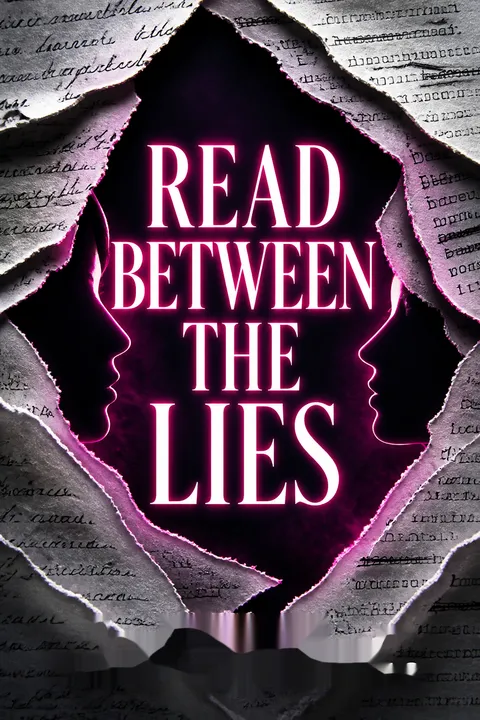


Plot Summary
Prologue
During a high-school math lesson, police take Fern Huang and Haven Lee to the principal’s office: their childhood friend Dani has been found dead. The officers ask whether Dani had been depressed, and Haven cries beside Fern.
Fern remembers how close she and Dani once were, then feels a rush of blame toward Haven. Yet when the officers ask what happened, Fern cannot make herself accuse her former bully. The prologue frames Dani’s death as a mystery and shows how fear has already silenced Fern before the story reveals what she knows.
The opening gives the reader the central moral problem before supplying its history: Fern’s silence may be fear, complicity, or both. Her insistence that she was Dani’s best friend sounds childish to her, but it also exposes how much of her identity remains fixed in the past. Haven’s tears complicate the scene without resolving it; the two girls appear equally bereaved, while Fern’s private blame points toward a hidden imbalance. By withholding the circumstances of Dani’s death, the prologue makes silence itself the first piece of evidence.
A Book Deal, Finally
In New York, Fern Huang edits wedding photographs for Annette, an exacting photographer, and keeps her own ambitions quiet. Her childhood bully, Haven Lee, is now a celebrated food influencer, and Fern still watches her online. Fern has spent years writing and has an agent, Poppy, but publisher rejections have made her doubt that a book will ever sell.
Then Harvest Press offers a small two-book deal for her novel. Fern’s joy turns the offer into proof that her life can change: she tells herself the book will fill the hollow left by years of bullying and isolation. She cannot afford to leave Annette’s job, but she starts preparing to enter publishing as an author, a world where she hopes Haven’s old power will no longer matter.
Fern’s first success is not simply professional; she treats it as a verdict on her worth. That belief gives the book deal its emotional force, but also makes it precarious: if recognition can repair her, rejection can reopen the original wound. Her attentiveness to Haven shows how thoroughly the old hierarchy survives at a distance. Even while pursuing a future of her own, Fern measures progress against the person she fears. The novel’s central tension begins here: self-invention is possible, but it cannot be secured by applause alone.
Dani, Fern, and Haven
As a child, Fern has one dependable friend in Dani, who shares afternoons, snacks, and private jokes with her. When Haven joins their school, Dani grows close to the charming newcomer, and Fern begins to feel edged out. In a moment of jealousy, Fern puts laxatives into a cookie meant for Haven, hoping to drive her away. Haven becomes ill, recognizes Fern’s part in it, and confronts her.
Fern denies it rather than admit what she did, and Haven uses the incident to brand Fern as dangerous. The small act becomes a secret Fern carries into adulthood: her fear of Haven is real, but so is the knowledge that she once tried to hurt her. That hidden guilt later gives Haven a weapon against Fern’s account of their past.
The cookie prevents the conflict from settling into a simple victim-and-villain story. Fern’s exclusion is painful, but her response crosses a moral line, giving Haven genuine grounds for fear even as Haven exploits the incident to dominate her. At twelve, Fern cannot separate a desperate wish to recover Dani from the harm she chooses to inflict. The episode becomes a template for their later relationship: private injury produces secret retaliation, then each girl interprets the other’s actions as proof of a fixed character. The novel asks how long an early wrongdoing can be used to erase later abuse.
The Hallway Never Ends
Haven’s attacks become harder for Fern to prove. She sabotages Fern’s baking club by switching sugar for salt, crushes Fern’s cinnamon rolls at a school bake sale, and turns a class presentation into a public humiliation by replacing Fern’s baking slides with images of animals defecating.
Dani repeatedly sees only the aftermath and asks the girls to be civil, leaving Fern feeling abandoned. Haven also threatens Fern over prom and spreads rumors that help keep her out of clubs and college opportunities.
Fern graduates with few prospects and years of cruelty folded into her sense of self. At eighteen, she is pulled into a final confrontation with Haven and Dani, but the exact consequences of that night remain buried beneath the silence introduced in the prologue.
The cruelty works through social plausibility. Haven’s gestures are brief, deniable, and often witnessed only after Fern reacts, so Fern’s anger becomes the most visible evidence against her. Dani’s appeal to general kindness is not malicious, but it leaves the person being targeted to absorb the cost of everyone else’s comfort. Fern learns to distrust her own perceptions and to treat silence as survival. The prologue’s police questioning gains weight here: years of failed attempts to be believed prepare Fern to say nothing when the stakes become irreversible.
Two Debuts, One Old Wound
After Fern’s book deal is announced, she joins a private group for authors debuting in 2020 and begins building a friendship with fellow writers Lisa and Jenna. Then she discovers Haven’s debut novel has attracted a nine-house auction, a seven-figure deal, foreign sales, and a film option.
Haven joins the same group, where her warmth and publishing advice quickly make her popular. Fern struggles to speak in the shared Slack channels, while Haven appears effortlessly helpful. Fern privately warns another debut, Yuna, to be cautious of Haven’s advice, believing Haven may be trying to undermine her.
Her suspicions deepen as she sees Haven’s manuscript praised and later learns Haven’s book has been selected by Good Morning America’s book club. Fern’s new community begins to feel like high school with better software.
The debut group promises Fern a fresh social beginning, yet it reproduces the old conditions of belonging: visibility, reputation, and the fear of exclusion. Haven’s competence and generosity may be genuine in particular moments, but Fern reads them through a history in which charm concealed harm. That history makes her observations difficult for others to verify and her warnings easy to mistake for jealousy. The group’s private channels intensify the problem: intimacy is created quickly, while messages can be preserved, circulated, and reinterpreted. Fern has found peers, but not yet the security to trust them.
Lockdown Takes the Floor
Fern’s editor, Lindsay, sends a twelve-page letter asking for a near-total rewrite. Fern eventually accepts the plan and spends months rebuilding the novel, while trying to maintain her friendships and prepare for publication. Then COVID-19 empties New York.
Fern spends much of her savings hiring a publicist, but when she emails a client to confirm a photo shoot, she unknowingly contacts a woman whose father has just died of the virus. Annette fires Fern after the client threatens to damage the business’s reputation.
With rent due and little money left, Fern returns to her emotionally distant parents in California. The pandemic has taken her job, independence, and familiar routines, leaving the online debut group as her main source of companionship and reassurance.
The pandemic removes the structures that help Fern regulate herself: work, movement, financial independence, and proximity to the life she built in New York. Her mistake with the client is careless and consequential, not an act of malice, but it feeds her belief that every failure confirms she is fundamentally defective. The job loss also makes her more dependent on the debut group, where emotional support and social judgment occupy the same space. Her return home is not a restorative homecoming. It places her inside the family silence that helped shape her loneliness.
The Blackout and Bread
When Lisa tells Fern that Haven’s father has had COVID, Fern assumes Haven is using the illness to win sympathy. She drives to Haven’s home, sees her father looking gravely unwell, and realizes the danger is real. Still, anger and envy overpower her judgment.
Fern tears cables from the house, intending to cut Haven off from the internet, but actually causes a power outage that puts her father’s refrigerated insulin at risk. Haven and her parents find refuge in a stranger’s guesthouse, and an electrician restores their power.
To atone, Fern organizes a group card, buys a secondhand espresso machine, and spends a day baking sourdough gifts. She delivers them herself, then watches from her car as Haven throws the bread away. Fern photographs it in the trash.
Fern’s act grows out of a distorted attempt to regain control, but its consequences exceed her intention: a symbolic attack on Haven becomes a real danger to Haven’s family. Her gift-making is equally revealing. Baking is Fern’s most practiced form of care, yet she also uses generosity to manage guilt and secure recognition as a good person. The discarded bread destroys that reassuring story. By turning the trash into photographic evidence, Fern shifts from private remorse to public accusation, without yet understanding that evidence can be used by either side.
The Camera Changes Sides
Fern sends the photographs of her bread in Haven’s trash to Lisa and Jenna. They share the story with other debut authors, who confront Haven in Slack; Haven leaves the group as the incident spreads across publishing social media.
Then Haven visits Fern and shows her security footage from the night of the blackout. She identifies Fern as the person who approached the house, and reminds her of the poisoned cookie from childhood. Haven also posts private messages that make Fern’s warnings about her look like a campaign to sabotage a rival.
Jenna publicly disowns Fern and shares screenshots. Fern’s agent, Poppy, drops her, and Harvest cancels her book. Fern is left with the consequences of the blackout, the exposure of her old secret, and the collapse of the career she had treated as her escape.
The conflict turns on competing records. Fern’s photographs show Haven’s rejection of the gift; Haven’s footage shows Fern’s trespass and the blackout; private messages reveal Fern’s suspicions without proving her interpretation. Each record is authentic, yet none contains the whole history. The group’s swift reversal demonstrates how reputations are made from fragments assembled by audiences who were not present. Jenna’s betrayal hurts because Fern had treated private intimacy as protection. The scene does not merely expose Fern’s wrongdoing; it shows how easily her legitimate history of victimization can be discredited by her own misconduct.
A Truth Goes Viral
With her fiction deal gone, Fern writes a BuzzFeed essay about the bullying, her fear, and the blackout, admitting that she caused the power failure and endangered Haven’s father. The essay goes viral, and readers respond to both her account of long-term abuse and her refusal to excuse what she did. Haven’s publisher cancels her novel, and Haven’s agent, Rachel Reed, offers to represent Fern’s memoir.
Fern’s former bully becomes the person who can help her turn the essay into a book. Fern accepts, and Rachel sends the proposal to publishers. The shift does not make Fern innocent or Haven harmless; it gives Fern a public voice in which she can acknowledge her own actions without surrendering her account of the past.
The essay changes Fern’s position because it refuses the clean moral categories that social media rewards. She confesses to a serious act while insisting that it does not retroactively make every accusation against Haven false. That complexity attracts readers who recognize both the damage of bullying and the danger of retaliatory certainty. Rachel’s offer turns personal exposure into professional possibility, but the opportunity is inseparable from the same public spectacle that destroyed Fern’s first book. Her voice gains authority precisely when she stops presenting herself as blameless.
The Second Chance Auction
Rachel sells Fern’s memoir, I Didn’t Mean to Do That, in a fierce auction to Salt Books for $830,000. Fern writes the manuscript from her old journals, works closely with editor Julia, and joins a new debut group with greater caution.
Her parents begin showing care through small practical gestures, and Fern learns to set boundaries during interviews. At a Good Morning America appearance, she is told that Haven has died by suicide. Haven’s parents later sell Haven’s canceled novel to another publisher, and the book eventually reaches the top of the fiction list.
Fern’s own memoir debuts at number two. The public controversy keeps their names linked, but Fern’s growing career no longer depends on pretending that success has erased her grief or responsibility.
The second deal offers material security and public recognition, but it does not resolve the moral injuries that drive the story. Fern’s better editor, supportive team, and changing relationship with her parents help her function differently, not escape consequence. Haven’s death interrupts the narrative of comeback and exposes the cruelty of treating online judgment as a manageable marketing event. The publishers can reframe controversy into sales, but Fern cannot convert grief into a clean ending. The contrasting bestseller rankings make the rivalry persist even after one participant is gone.
Dani’s Fall, Finally Named
After Haven’s death, the full memory returns. At eighteen, Fern and Haven fought at a cliffside overlook while Dani tried to separate them. Dani fell over the edge; neither girl could be certain whose movement caused it.
Instead of calling for help and telling the truth, Haven persuaded Fern that disclosure would ruin them both. At the police interview, Haven suggested Dani had been depressed, and Fern stayed silent. Six months after her memoir’s release, Fern visits Dani’s grave, places a copy of her book there, and dedicates it to the friend who deserved better.
She tells Dani she intends to go to the police and report what happened, accepting that legal or civil consequences may follow. The story ends not with absolution, but with Fern choosing to stop protecting the lie.
The final revelation recasts the prologue: Fern’s silence was not only the residue of bullying but a decision made under pressure after an accidental death. The uncertainty over who caused Dani’s fall remains, yet the shared cover-up is clear. By choosing to confess, Fern accepts a form of accountability that neither online vindication nor literary success can provide. Her dedication recognizes Dani as a person rather than a symbol in Fern and Haven’s rivalry. The ending offers agency without promising forgiveness, justice, or repair.
Analysis
Read Between the Lies treats bullying not as a closed chapter of childhood but as a social structure that Fern carries into adulthood. She has learned to monitor other people’s reactions, distrust her own perceptions, and avoid confrontation; those adaptations once helped her endure school but later make her vulnerable to online comparison and sudden public judgment. Haven’s influence is powerful partly because her charm and cruelty are not equally visible to everyone. Fern knows what happened to her, yet her account becomes harder to trust when she retaliates and endangers Haven’s family.
The novel’s strongest complication is that it does not let victimhood function as innocence. Fern’s poisoned cookie and the blackout are real harms, not metaphors for her pain. At the same time, those actions do not prove Haven’s version of every earlier event. The narrative makes readers confront the gap between a person’s worst act and the whole history that led to it, without treating context as an excuse.
Social media intensifies that gap. Photographs, screenshots, deal announcements, and a security video travel farther than the people who made them can control. The same audiences that first turn Haven into a darling and Fern into a villain later reverse their judgment, while publishers convert controversy into market opportunity. Public vindication gives Fern a voice, but it cannot restore Dani or settle what happened at the cliff.
The ending therefore resists the fantasy that a successful book, a viral essay, or a crowd’s approval can repair the past. Fern’s final decision to report Dani’s death marks a different kind of change: she accepts that accountability may cost her, and acts without knowing whether the outcome will reward her. The story’s measure of growth is not victory over Haven, but Fern’s willingness to stop confusing silence with safety.
Review Summary
Read Between the Lies receives mixed reviews averaging 3.45/5 stars. Readers praise Sutanto's compelling exploration of bullying, cancel culture, and publishing through an unreliable narrator, Fern, who confronts her high school bully Haven in their debut author group. Many found the psychological thriller addictive despite a slow start, appreciating its dark, unhinged tone and timely themes. However, critics cite Fern's unlikeable, whiny character, repetitive inner monologues, and juvenile tone as frustrating. The pandemic setting and lack of Haven's perspective disappointed some. Comparisons to Yellowface are frequent, with opinions divided on execution.
People Also Read


Characters
Fern Huang
The self-effacing writerFern is an aspiring novelist and devoted baker whose carefulness often becomes self-erasure. Years of being bullied leave her alert to rejection and quick to interpret social cues as evidence that she is unwanted. She wants publication to prove that she deserves a life of her own, so professional recognition becomes tangled with her need for belonging. Fern is observant and capable, but fear often keeps her from speaking directly, while envy and guilt can distort her judgment. Her story examines the distance between being harmed and being harmless: she has been a target, yet she can also make choices that hurt others. Her persistence lies in her willingness, eventually, to name both truths.
Haven Lee
The magnetic rivalHaven is a popular food influencer whose beauty, confidence, and ease with other people make her socially powerful. She knows how to offer warmth, encouragement, and practical advice, which helps her form fast connections and makes her difficult to challenge. Fern remembers a crueler side: Haven’s bullying is often private, brief, and deniable, leaving Fern with little evidence. Haven is also ambitious and talented as a writer, and her publishing success intensifies Fern’s comparison with her. The story presents her through competing accounts rather than a simple public image. Her character raises questions about charm, social credibility, and whether a person’s generosity in one setting can coexist with cruelty in another.
Dani
The childhood best friendDani is Fern’s closest childhood companion, sharing ordinary rituals that make their friendship feel like family. She values peace and kindness, and often tries to smooth over conflict rather than decide who is responsible for it. That instinct makes her a source of warmth for Fern but also leaves Fern feeling unprotected when Haven enters their friendship. Dani’s importance rests not only on what she means to Fern, but on her own desire to keep the people she loves together. Her memory shapes Fern’s guilt, her fear of speaking, and her eventual need to tell the truth.
Lisa Garcia
Fern’s debut-group friendLisa is one of the first writers Fern befriends in the debut group. She is warm and sympathetic, but her understanding of Haven develops independently of Fern’s history, creating tension between loyalty and the desire to judge fairly. Lisa’s changing responses show how private confidence can be strained by competing stories.
Jenna Duncan
Fern’s closest peerJenna is an author in Fern’s debut cohort and becomes part of Fern and Lisa’s close online trio. She is quick to encourage Fern and values the idea of friends protecting one another. Her confidence in online solidarity makes the group feel safe to Fern, while also revealing the risks of trusting private messages to remain private.
Yuna
A fellow debut authorYuna is another writer in the 2020 debut group, managing the ordinary anxieties of publication while raising a young child. Fern privately warns her about Haven, making Yuna an early test of Fern’s ability to speak up for someone else. Her connections within the cohort also show how rapidly advice and personal confidence travel through the group.
Felicity
Haven’s trusted friendFelicity is close to Haven and helps bring her into the debut group. She publicly praises Haven’s work and character, giving Haven social credibility among the other authors. Her position makes her reactions consequential when the group’s confidence in Haven is challenged.
Poppy Davidson
Fern’s first literary agentPoppy is Fern’s young, ambitious literary agent and helps secure the first publishing offer. Their relationship grows warmer as the deal develops, and Poppy gives Fern an early sense of professional support. She represents the agent-client bond Fern hopes will carry her into a stable writing career.
Lindsay Tillman
Fern’s first editorLindsay is the editor at Harvest Press who acquires Fern’s novel. Her extensive revision letter initially overwhelms Fern, but their later conversation helps Fern see a stronger direction for the manuscript. Lindsay’s editorial rigor demonstrates the demanding labor hidden behind a book deal.
Rachel Reed
The high-profile agentRachel is a prominent literary agent known for negotiating ambitious deals. She recognizes the force of Fern’s viral essay and sees the possibility of a memoir in it. Rachel’s direct, confident manner offers Fern a model of professional advocacy and a different kind of working relationship.
Annette
Fern’s demanding employerAnnette runs a prewedding photography business and relies heavily on Fern for administrative work, editing, and support on shoots. She is meticulous with clients but brusque with her assistant. Her workplace gives Fern useful skills and income, while reinforcing the feeling that she is expected to work behind the scenes.
Aliyah
Fern’s former therapistAliyah helps Fern develop grounding techniques and recognize the habits formed by years of bullying. Her guidance gives Fern practical tools for managing panic and returning attention to the present. Though absent from much of the action, her influence shapes how Fern understands healing and boundaries.
Terry
Fern’s noisy neighborTerry is Fern’s musician neighbor, whose keyboard practice repeatedly disrupts her sleep. He is casual about her requests and accustomed to getting his way, echoing the small daily boundary violations Fern struggles to confront.
Fern’s mother
A distant parentFern’s mother is practical and restrained, living in a carefully maintained home that reflects the family’s reluctance to make a fuss or put down roots. She struggles to express affection in the way Fern longs for, but communicates care through small acts and household attention.
Fern’s father
A quiet providerFern’s father shares the family’s reserve and often expresses concern through practical observations rather than emotional conversation. His relationship with Fern is awkward but not empty; small moments around her baking reveal a tentative possibility of greater closeness.
Mr. Lee
Haven’s ailing fatherMr. Lee is Haven’s affectionate father, familiar to Fern through Haven’s social media and family cooking videos. His illness makes the stakes of Fern’s reckless act concrete, separating the imagined target of her resentment from the real people endangered by it.
Mrs. Lee
Haven’s affectionate motherMrs. Lee is warm and openly affectionate with Haven, helping create the close family life Fern admires from afar. Her kindness toward Fern at the door contrasts with Fern’s restrained homecoming and complicates Fern’s envy of the Lee family.
Sarah Clarke
Fern’s independent publicistSarah is an independent publicist Fern hires with much of her savings to support the launch of her first novel. Her nonrefundable deposit becomes a painful reminder that Fern’s attempt to invest in her career has left her financially vulnerable.
Plot Devices
Doughlores and the baking
Care made tangibleFern’s sourdough starter, Doughlores, and her steady baking practice give her a source of calm outside writing and work. Baking lets her offer care to neighbors and colleagues, and later becomes the medium through which she tries to make amends with Haven. Because the bread is both a sincere gift and a way for Fern to reassure herself that she is good, its disposal wounds her beyond the wasted effort. The food also connects different stages of Fern’s life, from childhood baking to the adult identity she builds around patience and skill.
The debut group
A public-private arenaThe 2020 author cohort begins as an exclusive online community where debut novelists exchange support, advice, and manuscripts. Slack channels make ordinary professional anxieties visible to everyone, while private messages foster fast intimacy. The same design that helps Fern find friends also creates a record of statements that can be shared beyond their original context. The group becomes a miniature version of the larger internet: people gather around partial evidence, respond quickly, and revise their loyalties as a story changes.
Publishing deal announcements
Success measured in numbersDeal announcements make the publishing industry’s hidden negotiations public through auction results, advance sizes, foreign rights, and film options. Fern reads these details as a ranking of personal worth, especially when Haven’s enormous deal appears beside her own modest offer. The announcements propel the rivalry into the debut group and give social media an apparently objective scorecard. Later, another auction offers Fern a second chance, but the device remains double-edged: professional recognition can open doors without settling the emotional conflicts that produced it.
The childhood journals
A private past goes publicFern’s journals preserve her adolescent account of bullying, including incidents that adults and peers did not witness or believe. They give her memoir concrete material and help her explain how isolation shaped her behavior. The journals are not neutral proof of every claim, but they are a record of what Fern experienced and felt before the publishing scandal began. Their use in her later work shifts her private coping habit into public testimony, allowing readers to encounter her history alongside her admission of wrongdoing.
Footage and bread photos
Evidence with competing meaningsFern photographs her bread in Haven’s trash, intending to show the group that Haven rejected a thoughtful gift. Haven, in turn, uses security footage from her home to connect Fern to the blackout. Each image records a real event, but each also leaves out the history and motives needed to interpret it. The photographs first help Fern persuade the debut group, while the footage later gives Haven a stronger public counterclaim. Together they show how evidence can establish actions without resolving the larger story around them.
Download PDF
Download EPUB
.epub digital book format is ideal for reading ebooks on phones, tablets, and e-readers.








