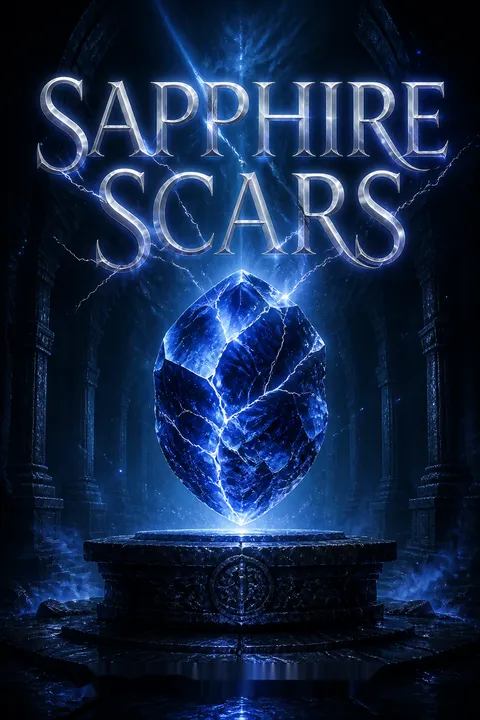


Plot Summary
Prologue
Henri’s brief manuscript fragment describes an awakening that comes when life has pushed a person to the edge. He recognizes that such a moment might expose the truth of who he is, but when his own arrives, he cannot accept what it shows him.
The revelation does not free him. It breaks him, setting the book’s central tension: whether facing the past can lead to change, or only make a person feel more irredeemable.
The prologue frames the story as a crisis of recognition rather than a simple escape plot. Henri already knows that an awakening may reveal both identity and wrongdoing, but he treats insight as a verdict instead of an invitation to change. That distinction shapes his later despair: he believes that seeing the harm he has done proves he can only remain harmful. The fragment also establishes the book’s unstable moral terrain. Self-knowledge is necessary, but it offers no automatic absolution, and the story repeatedly asks what responsibility looks like when a person’s history has been built around coercion.
The Hunt Breaks Open
Victor’s Emerald Bruises hunt has turned the captives loose across the island, and Ily runs with Peter, the burned, drugged servant who knows its paths. While Rachel tries to keep him upright, Peter promises that he and Ily will get the jewels home. His knowledge carries them toward the caves and a possible boat, but he also reveals that Victor stages Diamond Kiss ceremonies there, killing selected captives and harvesting their blood.
The explanation nearly pushes Suri and others toward the cliffs. Peter hauls Suri back and offers the desperate group a chance to escape by boat after dark. Ily follows despite mistrusting his feverish plan, because the hope of getting everyone out is stronger than her fear.
Peter’s promise gives the group a reason to keep moving, but his authority is damaged by the very knowledge that makes him useful. He has survived by learning Victor’s procedures and obeying him, so his map to escape leads directly through the evidence of what obedience has cost. Ily’s role is not simply to believe him or reject him. She must decide when hope is worth the risk of trusting a compromised guide. The cliffside fugitives make that calculation visible: despair offers immediate certainty, while Peter’s plan asks them to endure uncertainty together.
Henri Chooses the Beast
Henri joins the Masters searching the island, carrying a paintball gun and focusing on finding Ily before the other men do. A blowhole erupts beneath him, injuring him and breaking his weapon, but he recovers enough to follow Charles into the caves. There Charles casually admits that he eats strips of Dane’s flesh, treating human bodies as a private delicacy.
Henri’s disgust overwhelms the restraint he has been trying to preserve. He attacks Charles in the dark and strangles him, watching him die rather than later dismissing the killing as a blackout. Henri takes a gun and continues into the caves, newly frightened by how satisfying the murder felt and how quickly it has awakened his appetite for more violence.
Henri’s killing of Charles changes his relationship to violence because he experiences himself as present and deliberate. Before, he could treat brutality as a temporary loss of control; now he has to recognize that he chose an act and felt relief in doing it. The scene does not make Charles’s cruelty a simple excuse. Instead, Henri’s response exposes how readily righteous disgust can become permission to indulge a violent self. His fear afterward is therefore moral as well as practical: he does not know whether the darkness is a symptom he can resist or a desire he has been disguising.
The Temple Splits Them
Peter guides the jewels into the Temple of Facets, where a stone altar, channels for blood, and a cupboard of skulls reveal the purpose of the Diamond Kiss ceremonies. The group learns that Victor has killed captives there and that Peter has been forced to clean up afterward.
Their terror breaks their unity: some choose the sea, others scatter into the caves, and several hope that surrender will earn Victor’s mercy. Only a small group stays with Peter, Ily, and Rachel. They search a chest for knives and lights, but the sight of the skulls overwhelms Ily. Peter urges the survivors toward a hidden passage, then collapses from his injuries as the group pushes deeper into darkness.
The Temple transforms rumor into physical knowledge. The altar and skulls make Victor’s violence impossible to dismiss as threat or spectacle, and the survivors respond not with one shared plan but with competing strategies for preserving themselves. Some choose flight, some seek appeasement, and others trust Peter’s call to remain together. These are not simply differences in courage. They reflect how captivity fractures a group’s sense of what can be controlled. Ily’s nausea and Peter’s collapse bring the costs of witnessing into the body, while the remaining jewels must choose whether to keep moving without certainty.
Tide Traps the Last Three
Peter loses consciousness, and most of the remaining fugitives abandon the dark cave, leaving Ily, Rachel, Mollie, and Peter behind. When seawater begins to rise, Mollie cannot take them back the way they came. Ily quiets the panic between the women and spots a faint light and dry uphill fissure. Together they drag Peter through it, climbing until they emerge into a natural hollow beneath the twilight sky.
They cannot scale its steep sides with Peter badly injured. Four Masters arrive through another entrance, led by Kyle, who tells Ily that Henri has already left the island. When she refuses to surrender, Kyle fires repeatedly at her, knocks away her knife, and covers her in paint before preparing to cut her.
Ily’s leadership appears when the group’s usual sources of direction fail. Peter is unconscious, Mollie’s calculation cannot solve the rising water, and Rachel’s panic is understandable but contagious. Ily does not defeat those conditions through superior strength. She regulates herself long enough to notice a route others cannot see, then accepts the responsibility of asking them to follow. The escape delivers them into danger rather than safety, underscoring the difference between survival and freedom. Kyle’s arrival shows that even a successful decision can leave captives exposed to the rules of a game controlled by their abusers.
Blood on the Beach
Henri hears Ily’s scream after escaping the flooded caves and reaches the hollow just as Kyle holds her at knifepoint. The other Masters withdraw when Henri refuses to back down. Kyle attacks him, stabs his arm, and tries to keep control of Ily, but Henri takes the knife and kills him with repeated blows.
Ily and the others bring Henri back from the killing, then help him dispose of another dead Master. Henri carries the barely conscious Peter back to the castle and claims to Victor that Kyle drowned after attacking him. Rachel and Mollie support the lie, and Ily challenges Victor over Peter’s treatment. Victor allows the injured jewels to see Dr Belford, but orders Ily to follow Henri upstairs.
Henri’s rescue of Ily is inseparable from the violence that makes it possible. His actions protect her and Peter, yet the way he kills Kyle alarms even those he has saved. The group’s decision to help hide the bodies and corroborate Henri’s account creates an alliance across the boundary between Master and captive, but it is an alliance built under surveillance and shared danger. Victor’s scrutiny keeps their choices constrained: returning to the castle offers medical care, while lying about the deaths risks punishment. Ily begins to see that Henri’s protection may be real, without mistaking it for innocence.
Three Letters, One Wound
At Dr Belford’s rooms, Peter’s hands and feet need urgent treatment, while Ily faints from her injuries. Henri refuses to leave her behind and carries her to a guest room, where a doctor gives Ily a small dose of GHB after she agrees to it. As Henri applies cream to her bruises, she tells him that Ily began as a child’s misreading of the initials I.L.Y., meaning I love you.
The discovery strikes at Henri’s fear of attachment. Ily then initiates sex while impaired, and Henri struggles with the intimacy and with his own guilt. After she falls asleep, he collapses from his injuries. The next morning Victor expels most guests for a month, but keeps Henri on the island.
The name revelation makes language itself intimate: Henri has unknowingly spoken the words that frighten him whenever he calls Ily by her familiar name. Yet the scene’s vulnerability is ethically complicated by Ily’s drugged state and the unequal power between them. Her choice to take medication does not erase that imbalance, and Henri’s hesitation registers his awareness of it without resolving it. The emotional shift matters because care and desire now occupy the same space as coercion and injury. Victor’s temporary removal of the guests gives the characters a pause, not freedom, and leaves the new attachment under the same system of control.
Freedom Has a Cost
While Henri withdraws into books and writing, Ily visits the recovering jewels and finds Peter alive but badly injured. He tells her that Suri and Dane were shot while trying to swim away, Kirk survived but has stopped speaking, and several other captives died during the hunt. Ily insists that the dead deserve to be remembered rather than blurred into a number.
Rachel and Mollie then meet her in the kitchens, where cook May helps them speak beyond a camera’s view. They decide that escape requires more people and access to supplies. May identifies Faiza, a trafficked cleaner who fears being reassigned as a jewel, as a potential ally. Ily begins assigning tasks, turning grief for the missing into the first organized effort against Victor.
Ily’s insistence on naming the dead resists the system’s effort to reduce people to replaceable inventory. Memory becomes a form of responsibility, but it also deepens the burden carried by survivors such as Peter, who has already witnessed too many deaths. The kitchen meetings convert mourning into coordination. Unlike a heroic uprising led by one exceptional person, this resistance grows through trusted relationships and access to ordinary labor. May’s help and Faiza’s position show that Victor’s hierarchy creates both vulnerability and openings: people who move through the castle unseen may possess the access the captives lack.
The Past Unsealed
As the Masters stay away, Ily and her allies begin gathering cleaning chemicals and making small devices, while Henri retreats into a manuscript he cannot finish. Writing brings back memories of his father forcing him, as a child, to watch and participate in the abuse of women.
Henri recalls his half-siblings and the older brother who killed their father, then realizes his hatred of that brother is tangled with the feeling that he failed to protect him. The recovered memories intensify his depression and self-disgust. Meanwhile, Ily counts guards, studies the castle’s routines, and expands the resistance through Faiza and the staff. Henri remains emotionally distant, unable to explain what has returned or ask Ily for help.
The manuscript is less a record of events than a mechanism that dismantles Henri’s protective forgetting. His childhood explains the learned pattern behind his adult conduct, but the book does not present explanation as exoneration. Henri must face both what was done to him and what he later did to others. His isolation repeats the family separation that shaped him, while Ily’s practical planning offers a contrasting response to pain: she turns observation into collective action. Their divergence is psychologically important. One seeks refuge in private narration; the other tries to make survival a shared project.
A Chit and a Signal
When the Masters return early, a hidden treasure-hunt chit falls from Henri’s wardrobe. It grants its holder the right to a Diamond Kiss, which Ily recognizes as a murder ritual. Henri tears up the chit and flushes it, but the cameras have already recorded it. Ily’s fear convinces Henri that she believes he might use the prize against her.
He carries her to bed and promises not to, then leaves after another nightmare. Unable to tell whether his brother Q can still be reached, Henri throws his distinctive cufflinks over the outer wall in hopes their signal will reach him. He wants Q to rescue Ily, even if Q kills him. The gesture exposes both Henri’s desperation and his belief that death may be the only escape left for himself.
The chit turns a concealed threat into a test of trust. Ily’s alarm is rational because Victor’s institution has taught her that any privilege granted to a Master can become a weapon, and Henri’s earlier cruelty gives her reason to fear his intentions. Destroying the paper cannot undo the recorded evidence, so the couple’s private fear remains legible to their captor. Henri’s cufflinks function as an imperfect signal, but his message is emotionally clear: he can imagine a future for Ily only if he is absent from it. His self-sacrifice is therefore both protective and entangled with suicidal despair.
Victor’s Cruel Cure
Victor returns with new captives and describes plans to profit from trafficking children and selling organs. He also tells Henri that his team is pursuing Q’s young son, Lino. Then Victor forces Henri into sex with Rachel and rapes Ily himself. Henri’s father’s commands return with the memories he has recovered, and he dissociates through the assault rather than stopping Victor.
Ily also retreats into a detached inner state to endure what is happening. Afterward, Henri carries her to their room and breaks down in the shower, convinced he has destroyed her. Ily comes back to herself and holds him while he admits what his father forced him to do as a child. He confesses his love and vows that Victor will never touch her again.
Victor calls coercion a cure, using Henri’s shame and need for guidance to reproduce the structure of childhood abuse. The scene makes repetition explicit: an authority figure uses affection, instruction, and force together, teaching Henri that care can be a tool of domination. Henri’s dissociation is not consent, and Ily’s mental withdrawal is a survival response rather than acceptance. Their aftermath shifts the emotional center from rescue to mutual witnessing. Ily does not erase Henri’s culpability or her own injury; instead, she allows him to speak while eventually acknowledging her own pain.
A Safe Word for War
Once Henri has confessed, Ily tells him she loves him and explains that her detachment helped her survive Victor’s assault, though she will need to process it later. She asks Henri to pretend to be the cruel Master Victor wants, so he can distract the host while the captives prepare an escape.
They agree that Khushi, Ily’s private nickname, will be their signal to stop if their play goes too far. Henri accepts the plan and later meets Peter in a kitchen blind spot.
He apologizes to Rachel and Mollie, then challenges Peter’s bomb-heavy strategy, warning that chemicals without reliable weapons and timing may kill the rebels too. Peter eventually trusts him with the plan and tells him that an ally among the guards may have been hired to kill him.
The safe word gives the couple a limited language for separating staged power from actual harm. It does not make their circumstances equal, but it gives Ily a way to assert a boundary and Henri a concrete obligation to hear it. Their shared performance is strategic, not a cure for the coercive environment surrounding them. Henri’s meeting with Peter also widens his moral commitments: he must earn trust from people he has harmed, not merely seek Ily’s forgiveness. Peter’s suspicion remains valuable because affection cannot substitute for accountability or sound planning.
Sapphires Under Skin
Victor gives Henri a whip and takes him to the snuffbox, where he expects a display of control over Ily. Henri and Ily perform hostility for the watching cameras, but their private signals keep them connected. Henri whips her and, when the strokes cut her skin, places crushed sapphire dust in the wounds. He adds a small H-shaped mark among the scars, turning Victor’s ritual into a personal signature.
The cuts and bruises intensify their charged bond, but Henri remains attentive to Ily’s agreed boundary. Afterward, he takes her for medical care and stays with her. The marks become evidence of the difficult balance they are attempting: to use a performance of domination without letting Victor dictate what it means to them.
The Sapphire Scars ritual makes the body an archive, but its meaning is contested. Victor intends the marks to demonstrate ownership and to turn injury into decoration. Henri and Ily privately reinterpret the sapphire dust as part of their pact, though that choice does not erase the real pain or danger involved. Their ability to assign meaning is a form of agency, not proof that coercive conditions have become harmless. The scene also tests whether Henri can distinguish an erotic performance from the abusive inheritance he fears repeating. The safe word matters precisely because desire and harm remain dangerously close.
Guns Behind the Masks
Ily and Henri continue their public performance while Ily, Peter, Rachel, and Mollie build a Christmas escape plan. Cleaner Faiza and several workers help move supplies, and the group prepares small chemical devices, hidden weapons, and timed distractions.
Henri doubts that bombs alone can defeat Victor’s guards, so he urges them to secure weapons and map their targets. At the maze, visitors Ben and Stewart reveal that they love Abigail and Penelope, the captives they regularly visit, and that Victor refused to release them.
They have already learned about the plan and offer help from three guards who are also trapped on the island. Those guards can conceal guns and ammunition. Henri accepts their help, then apologizes to Rachel and Mollie for the harm he has caused.
The escape plan grows from a network of people who occupy different levels of Victor’s system: captive jewels, cleaners, cooks, gardeners, visitors, and guards. Each group has a distinct form of access, and no single one can succeed alone. Ben and Stewart complicate the easy division between predator and ally. They came to the island as paying guests, yet their attachment to Abigail and Penelope makes Victor’s refusal to release them intolerable. That does not erase their complicity. Their decision to risk wealth and safety becomes meaningful only when paired with concrete assistance and a willingness to surrender control.
Halloween’s False Welcome
At Victor’s Halloween ball, the Masters wear black masks while the jewels are dressed in white. Peter notices that the costumes resemble diamonds and realizes Victor knows about the Diamond Kiss chit. Victor announces that Rachel is carrying his son, makes Henri the child’s proposed godfather, and offers him a share of the estate.
He then exposes the rebellion and accuses Ily and Peter of turning the jewels against him. Guards block the exits, and Victor orders the group to follow him. On the march underground, he reveals that he knows Peter’s real name. Peter admits responsibility for the rebellion in an attempt to shield Ily, but Victor says Peter will still have to perform his final cleaning duty.
The ball’s costumes turn Victor’s wealth into a warning: the jewels are displayed as precious objects just before he reveals how little their lives matter to him. His offer to make Henri an heir is not simple generosity; it ties belonging to obedience and tempts Henri with a family role while he threatens Henri’s actual family. Peter’s choice to take blame for Ily repeats his protective habit, but Victor refuses to honor even that sacrifice. The procession below ground strips away the party’s bright spectacle and makes the rebels confront the institution’s physical center: the place where its violence is staged and concealed.
The Knife at the Altar
Victor brings the Masters, guards, Ily, Peter, and Henri to the Temple of Facets, where he straps Ily to the blood-grooved altar. Peter holds one of her hands while Henri takes the other, but Victor pulls Henri away and presents a diamond-handled knife. He announces that Ily’s blood and organs have already been sold, then orders Henri to make one hundred cuts, remove her heart, and replace it with a diamond.
Victor frames the killing as the final step in freeing Henri from love and completing his initiation into the Jewelry Box. Ily cannot know whether Henri will obey, attack Victor, or be overcome by his memories. The book ends with the knife in Henri’s hand and the first cut still to come.
The ending forces the book’s central moral question into an immediate physical choice. Victor turns Henri’s love into the alleged obstacle to his freedom, then gives him the power to enact the violence that has defined both his childhood and his adult life. The ritual also literalizes Victor’s economy: a human heart is assigned a market value and exchanged for a gemstone. Ily’s danger is unresolved, and Henri’s capacity to act remains uncertain. Ending before the knife moves denies easy catharsis. The reader is left at the point where understanding, desire, guilt, and action must finally diverge or converge.
Analysis
Sapphire Scars builds its plot around a contradiction: the characters try to form genuine attachments inside a system that converts every attachment into leverage. Victor uses money, collars, cameras, sexual access, and even the language of friendship to make control feel like care. Henri’s history makes that strategy especially effective. He has learned to associate intimacy with coercion, so his desire for Ily can feel both like a reason to protect her and a danger that might reproduce his father’s violence.
Ily’s strength is not presented as immunity. She panics, dissociates, grieves, and needs help. Her leadership comes from noticing what others miss and distributing responsibility among people with different skills. Peter supplies knowledge of the island, Rachel and Mollie offer judgment and expertise, and Faiza and the staff can move through spaces the jewels cannot. The resistance is therefore a practical answer to Victor’s attempt to isolate everyone and make survival competitive.
The romance remains morally unsettled by the coercive conditions around it. The characters build private boundaries and reinterpret marks, punishment, and desire, but a safe word cannot transform captivity into freedom. The novel asks readers to hold that distinction without flattening the characters’ feelings. Henri’s remorse matters, but it does not undo his earlier harm; Ily’s desire does not make her injuries unreal. Their connection becomes meaningful when Henri begins accepting obligations beyond possession, including earning Peter’s trust and helping the wider group.
The final scene refuses to resolve these tensions. Victor offers Henri the same violence that shaped his childhood and calls it liberation, while the woman he loves is bound to the altar. The cliffhanger leaves the decisive question open: whether Henri can act against the role Victor has built for him, even when his own memories and desires pull him toward it.
Review Summary
Sapphire Scars is the third installment in Pepper Winters' Jewelry Box series, receiving mostly positive reviews. Readers praise the intense, dark storyline and character development, particularly Henri and Ily's complex relationship. Many found the book emotionally gripping and suspenseful, with vivid writing that immerses readers in the characters' experiences. Some reviewers noted it was darker than previous books, while others felt it was repetitive. The cliffhanger ending left readers eager for the final book. Overall, fans appreciate Winters' ability to craft a compelling, emotionally charged narrative.
People Also Read


Characters
Ilyana Sharma
Defiant captive gemmologistIly is a gemmologist whose knowledge of stones once belonged to a life of study and professional ambition. On Victor’s island, she becomes an observant survivor who notices people, routes, and opportunities others miss. Her care for Peter and Rachel draws her into collective resistance, while her charged, antagonistic bond with Henri unsettles her ideas about desire and safety. Meditation helps her manage panic, but it does not make her invulnerable or erase the harm she experiences. She is driven by loyalty to the other captives and by a stubborn refusal to let Victor’s system define her as property.
Henri Mercer
Wounded, dangerous MasterHenri arrives at Victor’s island as a wealthy guest with a history of violence and a complicated family connection to Victor’s enemy, Q. He is intelligent, guarded, and deeply attached to books, which offer him refuge when emotion becomes unbearable. His desire for blood and control sits beside a conscience that keeps returning, especially when he sees Ily and the other captives harmed. Memories of his father’s abuse complicate his understanding of his own appetites, but do not excuse his choices. Henri’s central struggle is whether he can acknowledge his history without treating it as destiny.
Victor
Island’s polished traffickerVictor owns the island compound known as the Jewelry Box and controls its captives through collars, cameras, wealth, and carefully staged rules. He presents himself as a gracious host and sometimes as a mentor, but his hospitality disguises a business built on trafficking, assault, and murder. He studies people closely and uses their vulnerabilities to make coercion feel like opportunity or care. His attachment to order is not a moral restraint; it is a way to preserve his authority and keep others predictable.
Peter, also called Paavak
Captive guide and organizerPeter has spent years inside Victor’s system and knows its routines, caves, and ceremonies better than most captives. His position as a trusted servant gives him access, but it also forces him to assist with horrors that leave lasting damage. He protects the jewels by offering hope and taking responsibility, even when he is injured or uncertain. His affection for Ily is deep, while his loyalty to the group remains central to how he acts. Peter’s humor and boldness help others endure, though they often conceal his exhaustion.
Rachel
Victor’s sharp-eyed favouriteRachel is one of Victor’s most established jewels and understands how to read his moods without confusing compliance for safety. She is quick-witted, protective, and often more willing than others to voice the danger in a plan. Her friendship with Ily and Mollie grows through shared risk, while her position near Victor gives her both access and exposure. Rachel can perform the role Victor expects when necessary, but she retains an independent judgment about what the captives need. Her survival depends on balancing caution with a growing willingness to resist.
Mollie
Scientist turned strategistMollie is a highly capable physicist who applies her scientific training to the practical problem of escaping Victor’s compound. She is pragmatic, skeptical of grand gestures, and alert to the danger of poorly planned devices. Her bond with Rachel gives the two women a shared language of trust, argument, and survival. Mollie’s expertise makes her essential to the resistance, but she understands that technical knowledge is not enough without materials, access, timing, and people willing to act.
Q
Henri’s estranged older brotherQ is Henri’s older brother and the man Victor identifies as his enemy. Henri’s memories connect Q to the moment their father’s household was freed, but their relationship remains fractured by years of separation and resentment. Henri nevertheless hopes that Q might receive a signal from the cufflinks he throws beyond the island wall. Q represents both possible rescue and the family history Henri has not yet faced directly.
Caishen
Cave escape companionCaishen is one of the jewels who travels with Ily and Peter into the caves. He recognizes the danger of remaining underground and pushes for a vote when the group’s route becomes uncertain. His practical survival instinct sometimes conflicts with Peter’s insistence that they stay together, but he offers Ily a knife before leaving. His actions show how fear and self-preservation can divide people who share the same captivity.
Faiza
Cleaner and resistance linkFaiza was brought to the island after working as a hotel housekeeper and is now marked by a silver collar that makes her vulnerable to being reassigned as a jewel. She has access to cleaning supplies and parts of the castle unavailable to the captives, making her a crucial link in Ily’s escape network. Her wish to remain a worker rather than become property gives her a clear personal stake in the rebellion.
Melanie Belford
Resentful castle physicianDr Belford treats the captives and guests in a medical facility that is constantly overwhelmed by injuries. She dislikes the Masters who create her patients’ suffering and resists their attempts to control her work, though Victor’s authority limits what she can do. Her professional concern for Ily and Peter creates brief moments of care inside a system designed to injure them.
Rose
Compassionate medical nurseRose assists Dr Belford and treats Peter and Ily with a tenderness that Henri finds difficult to accept. She takes risks by advocating for Ily’s pain management and asks Henri to promise he will not harm her. Rose’s kindness does not dismantle the institution around her, but it offers practical care and a rare reminder that the castle’s staff are not all willing participants in cruelty.
May
Kitchen’s quiet allyMay is a cook who quietly helps the jewels by sharing food, identifying a camera blind spot, and connecting Ily with Faiza. She understands that small acts of access can matter more than grand declarations in a watched compound. Her position in the kitchens lets her assist the resistance without becoming its visible leader.
Kyle
Violent visiting MasterKyle is a repeat guest known for dismemberment and for helping Victor brutalize captives. He treats the hunt as permission to injure people beyond its stated rules, making him a direct threat to Ily and the others.
Charles
Cannibal MasterCharles is a visiting Master who presents himself as comparatively restrained while confessing that he eats pieces of Dane’s flesh. His casualness exposes the moral evasions that allow Victor’s guests to disguise abuse as private taste.
Ben
Guest seeking releaseBen visits the island with Stewart and has formed a serious attachment to Abigail. He and Stewart ask Victor to release the women they love, then offer help with the escape when he refuses. Ben’s choices complicate his role as a paying guest: concern does not erase his participation, but it moves him toward material risk and opposition.
Stewart
Guest with guard contactsStewart is Ben’s business partner and shares his attachment to Penelope. He has built a rapport with several guards by talking with them during visits, giving the resistance a possible route to weapons and ammunition. His willingness to help depends on his belief that the women can leave Victor’s control for a legitimate life.
Abigail
Captive seeking a futureAbigail is one of Victor’s jewels and is closely attached to Ben. She has survived profound loss before arriving on the island, and she sees the prospect of leaving with him as a chance to begin a different life. Her willingness to support the resistance comes from both trust and the need to choose her own future.
Penelope
Captive seeking releasePenelope, often called Pen, is a captive who has been with Stewart for years of visits. Having grown up in foster care, she has few ties outside the island and considers a life with Stewart a possibility rather than a guaranteed rescue. She helps the resistance by sharing information and supporting the plan to escape.
Kirk
Grieving captive protectorKirk is a jewel who tries to protect Suri during the hunt and speaks openly about the impossibility of escape. His attachment to her is visible in the way he stays near and tries to keep her moving. He represents the captives whose hope has been worn down by repeated failed attempts.
Suri
Exhausted captiveSuri is one of the jewels caught in the Emerald Bruises hunt. She is exhausted by captivity and doubts that another escape attempt can work, even as Kirk tries to keep her with the group.
Dane
Captive under CharlesDane is a jewel subjected to Charles’s cruelty. His treatment makes Charles’s cannibalism more than an abstract confession and gives Henri a direct glimpse of what the Masters do when they believe no one will hold them accountable.
Roland
Mollie’s brutal MasterRoland is a visiting Master who abuses Mollie and embodies the danger she faces whenever Victor’s guests return. His presence increases the urgency of the resistance and forces the jewels to work around the routines of their assigned Masters.
Branson
Peter’s abusive MasterBranson is a guest who repeatedly exploits Peter. His return after the period of relative quiet reminds Peter and the other jewels that the castle’s brief lull has not changed the rules governing their lives.
Larry
Guest plotting against HenriLarry is a guest who has arranged for a guard to help kill Henri. His presence gives the escape plot an additional danger beyond Victor and shows that Henri remains vulnerable even among the Masters.
Lino
Q’s young sonLino is Q’s son, mentioned as part of Henri’s estranged family. His existence sharpens Henri’s connection to the brother he has tried to reject and gives Victor another way to threaten that family.
Plot Devices
The Temple of Facets
Makes murder tangibleVictor’s cave altar, blood channels, ceremonial knife, and cupboard of skulls reveal what the Diamond Kiss means in practice. Peter’s forced role as cleaner connects the ritual to his private trauma, while the survivors’ discovery of the site converts rumor into evidence. The Temple returns at the ending, where Victor brings Ily to the altar and forces Henri to confront the ritual directly. It anchors the book’s violence in a specific place rather than leaving it as an abstract threat.
Collars and Cameras
Enforce captivityThe collars make obedience physically enforceable, while cameras make even private alliances precarious. Victor uses the threat of an electric shock to discipline jewels and treats recorded behavior as evidence he can interpret or weaponize. The characters respond by finding blind spots, communicating through glances and coded touches, and performing roles that conceal their intentions. Together, the devices turn the castle into an environment where escape requires managing both physical access and what Victor believes he has seen.
The Diamond Kiss Chit
Turns a prize into threatThe treasure-hunt chit grants its holder the right to a Diamond Kiss, which Ily understands as a license to kill a jewel. Its accidental discovery in Henri’s wardrobe makes her fear that he might use it against her. Henri destroys the paper, but the cameras have already recorded the evidence, allowing Victor to shape the prize into a test of loyalty. The chit links the earlier treasure hunt to the final Temple scene and helps explain why Victor chooses Henri for the ritual.
Henri’s Manuscript
Unlocks buried memoryHenri begins writing to manage his thoughts, but the manuscript draws him toward memories of his father’s abuse and the siblings he lost. The act of writing makes repression harder to maintain, worsening his isolation even as it gives him a way to describe what he cannot tell Ily. Victor’s intrusion into the manuscript also shows that Henri’s attempt at private reflection takes place under surveillance. The unfinished writing becomes a measure of how difficult it is for him to understand himself without treating memory as a sentence.
Khushi and the Sapphire H
Create private signalsKhushi, Ily’s family nickname, becomes the safe word she and Henri agree will stop their staged violence if it crosses a real boundary. The sapphire dust Victor supplies is intended to turn Henri’s cuts into permanent marks of ownership, but Henri adds an H that carries a private meaning for the couple. These devices allow them to communicate beneath the cameras while performing the cruelty Victor expects. They provide limited agency, not a guarantee of safety, because the same play can still cause injury and draw Henri back toward his own history.
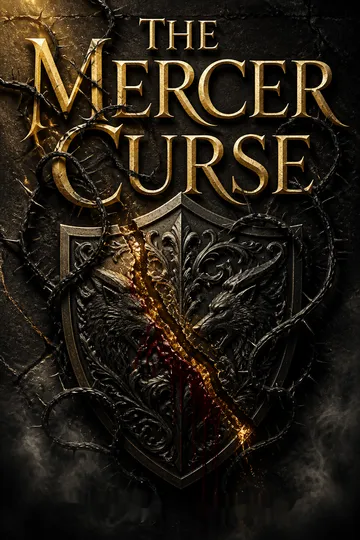
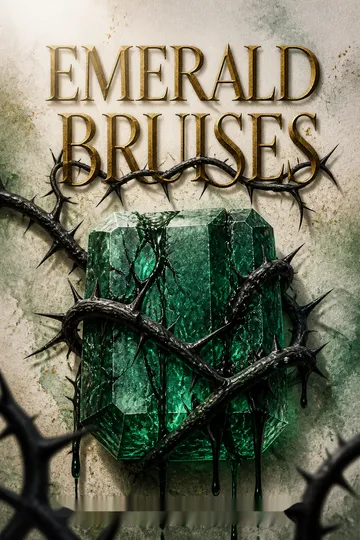
The Jewelry Box Series Series

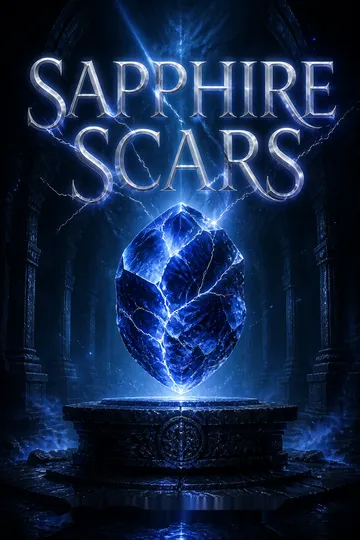

About the Author



Download PDF
Download EPUB
.epub digital book format is ideal for reading ebooks on phones, tablets, and e-readers.








