Plot Summary
Rain Against Sterile Glass
Waylynn Graff, a young woman accustomed to the sterile, confining world of psychiatric care, spends her final night in a treatment center watching rain streak down the window. The comfort of routine is laced with exhaustion from the endless cycle of "getting better." Her roommate, Alexis, voices the hopelessness that haunts many inside, and Waylynn's practiced lies about optimism reveal her own doubts. The rain becomes a symbol of both cleansing and isolation, as Waylynn tries to quiet her mind with breathing exercises, desperate for sleep and a sense of peace. The chapter sets the tone of vulnerability, the ache of loneliness, and the hope that maybe, just maybe, life outside will be different.
A New Life Alone
Released from the institution, Waylynn's parents help her settle into a charming house near campus. The transition is bittersweet—her mother's anxiety about safety and her father's gentle encouragement highlight the tension between independence and protection. Alone for the first time, Waylynn is both liberated and terrified. The silence is heavy, and the return of the voices she thought she'd left behind shakes her fragile confidence. She clings to her medication, counting pills and rationalizing her fears. The house, with its manicured garden and empty rooms, becomes a stage for her internal struggle: can she trust herself to live, to thrive, outside the walls that once kept her safe?
Campus Voices, Familiar Strangers
Waylynn's first days on campus are a blur of orientation tours, awkward introductions, and the overwhelming sense of being an outsider. She meets Mia, a vibrant art student, and has a mortifying run-in with a mysterious, broad-shouldered man—later revealed as Memphis Gravlin. The voices in her head, once random and distant, now seem eerily similar to the people she encounters. The boundaries between reality and her mind blur, leaving her questioning her sanity. The campus, with its bustling crowds and hidden hierarchies, is both a promise of belonging and a minefield of triggers. Every interaction is tinged with the fear of being exposed as "crazy," yet also with the hope of genuine connection.
Collisions and Connections
A series of chance encounters—bumping into Memphis, awkwardly meeting his brother Oswald (Oz), and befriending the charming Liam—pull Waylynn into the orbit of the Gravlin brothers. Each collision is charged with an inexplicable sense of déjà vu, as if she's known them all her life. The brothers, both protective and enigmatic, are drawn to her vulnerability and wit. Their presence soothes the chaos in her mind, but also intensifies her confusion about what's real. The emotional stakes rise as Waylynn navigates the fine line between friendship and something more, all while hiding her struggles with mental health and the persistent, haunting voices.
The Gravlin Brothers
The narrative shifts to Memphis and Oz, revealing their close-knit, codependent relationship forged by a troubled family history. Memphis, the older, stoic graduate student and TA, is fiercely protective of Oz, a freshman football player with a rebellious streak. Their banter is laced with unspoken trauma and a shared desire to shield each other from pain. Both are captivated by Waylynn, sensing in her a kindred spirit and a chance at something healing. Their rivalry is playful but edged with real longing, as they each vie for her attention while grappling with their own demons. The brothers' dynamic adds depth and tension, complicating the budding triangle.
Unraveling the Past
Haunted by the loss of a brother she barely remembers and the weight of her parents' expectations, Waylynn's past is a labyrinth of grief and misdiagnosis. Therapy sessions, medication, and the constant fear of relapse shape her every decision. The voices, once dismissed as a coping mechanism, now feel like echoes of something real—especially as they begin to mirror the Gravlin brothers' tones. The past is not just prologue; it is an active force, threatening to unravel her hard-won stability. The chapter explores the intersection of memory, identity, and the desperate need to be understood.
Chemistry and Kismet
As Waylynn spends more time with Memphis and Oz, the chemistry between them becomes undeniable. Shared meals, study sessions, and late-night conversations foster a sense of belonging she's never known. The brothers' protectiveness is both comforting and overwhelming, blurring the lines between friendship, romance, and something more unconventional. First kisses are electric, charged with the thrill of discovery and the terror of vulnerability. The trio's dynamic is fraught with jealousy, longing, and the intoxicating possibility of a love that defies convention. Kismet—fate—seems to draw them together, even as their secrets threaten to pull them apart.
Boundaries and Breaches
The forbidden nature of Waylynn's relationship with Memphis, her TA, adds a layer of danger and excitement. University policies, social expectations, and personal boundaries are tested as the trio grows closer. The brothers' willingness to share, to redefine what love can look like, is both liberating and fraught with risk. Waylynn's fear of being "too much" or "not enough" is mirrored by Memphis's anxiety about losing control and Oz's struggle to prove himself. Every touch, every secret meeting, is a rebellion against the world's rules—and a step closer to either healing or disaster.
The Art of Belonging
Waylynn's house becomes a sanctuary, a place where she, Memphis, and Oz can drop their masks and simply be. Shared meals, movie nights, and lazy afternoons foster a sense of family that none of them have ever truly known. The trio's bond deepens, with Bates—their musician friend—adding another layer of warmth and acceptance. Yet, the specter of mental illness, addiction, and past trauma looms large. The art of belonging is not just about finding people to love, but about learning to love oneself, flaws and all. The chapter is a celebration of chosen family and the messy, beautiful work of building a life together.
Mind Games and Meltdowns
The delicate balance of the trio's relationship is tested by misunderstandings, jealousy, and the ever-present threat of Waylynn's mental health struggles. A confrontation over her medication—sparked by Memphis's own trauma with addiction—explodes into a painful argument. Accusations fly, old wounds are reopened, and the trust they've built begins to crumble. The voices in Waylynn's head grow louder, feeding her fears of abandonment and unworthiness. The chapter is a raw exploration of how love can both heal and harm, and how the mind's games can sabotage even the most genuine connections.
Sharing the Silence
In the wake of the blowup, silence settles over the trio. Apologies are hard-won, and forgiveness is not immediate. Each must confront their own role in the conflict—Memphis's controlling nature, Oz's need for validation, Waylynn's fear of being a burden. Through honest conversation, vulnerability, and the willingness to listen, they begin to mend the fractures. The silence, once oppressive, becomes a space for reflection and growth. The chapter is a testament to the resilience of love and the power of second chances.
The Weight of Secrets
As trust is rebuilt, deeper secrets come to light. Waylynn finally shares the truth about her diagnosis, her brother's death, and the origins of the voices. Memphis and Oz reveal the full extent of their family's addiction and loss. The act of confession is both terrifying and liberating, stripping away the last barriers between them. The trio's bond is strengthened by their willingness to be seen, flaws and all. The weight of secrets, once crushing, is lightened by the knowledge that they are not alone.
Games People Play
Oz's football career becomes a metaphor for the games people play—on the field, in relationships, and within themselves. The pressure to perform, to be strong, to never show weakness is a burden shared by all three. The public nature of their lives—Oz's athletic fame, Memphis's academic reputation, Waylynn's struggle to appear "normal"—contrasts with the private reality of their pain and longing. The chapter explores the tension between authenticity and performance, and the courage it takes to drop the mask.
Control and Surrender
The trio's relationship deepens as they explore the dynamics of control and surrender. Memphis's need to protect and direct is balanced by Waylynn's willingness to trust and let go. Oz's playful charm masks a deep desire to be needed and valued. Together, they navigate the complexities of dominance, submission, and the freedom that comes from mutual respect and consent. The chapter is a nuanced exploration of power, vulnerability, and the ways in which surrender can be an act of strength.
Mistakes and Misunderstandings
Old patterns resurface as jealousy and fear threaten to undo the progress they've made. Memphis's suspicion of Waylynn's medication, fueled by his mother's addiction, leads to a devastating confrontation. Words are said that cannot be unsaid, and the trio is fractured once more. The cost of pride, the pain of misunderstanding, and the difficulty of forgiveness are laid bare. The chapter is a sobering reminder that love is not a cure-all, and that healing is a messy, nonlinear process.
The Edge of Trust
In the aftermath of the fight, each must decide whether to walk away or fight for what they've found. Through honest dialogue, setting boundaries, and the willingness to be vulnerable, they begin to rebuild trust. The process is slow, marked by setbacks and small victories. The promise of tomorrow is not a guarantee, but a choice—to keep showing up, to keep loving, even when it's hard. The chapter ends with a sense of hope, tempered by the knowledge that the work of healing is ongoing.
Breaking and Becoming
The final chapter is a meditation on transformation. Waylynn, Memphis, and Oz are no longer the broken, isolated individuals they once were. Through pain, love, and the willingness to face their demons, they have become something new—a family, a team, a safe place for each other. The voices in Waylynn's head are no longer just symptoms, but part of her story, woven into the tapestry of her life. The book ends on a note of acceptance, with the trio poised on the edge of a future they will build together, one day at a time.
Characters
Waylynn Graff
Waylynn is the emotional heart of the story—a young woman marked by trauma, misdiagnosis, and the persistent fear of her own mind. Her brother's death and years in psychiatric care have left her wary, yet fiercely hopeful. She is intelligent, witty, and deeply empathetic, but struggles with feelings of inadequacy and the stigma of mental illness. Her relationships with Memphis and Oz are both a lifeline and a source of anxiety, as she fears being "too much" or "not enough." Waylynn's journey is one of learning to trust herself, to accept love, and to find strength in vulnerability. Her development is a testament to the power of chosen family and the courage it takes to be seen.
Memphis Gravlin
Memphis is the older Gravlin brother—a graduate student, teaching assistant, and surrogate parent to Oz. Scarred by a family history of addiction and loss, he is driven by a need to control and protect those he loves. His exterior is tough, often intimidating, but beneath the surface lies a deep well of tenderness and longing. Memphis's attraction to Waylynn is both healing and terrifying, forcing him to confront his own fears of vulnerability and failure. His relationship with Oz is central to his identity, and his willingness to share Waylynn is both an act of love and a challenge to his own boundaries. Memphis's arc is one of learning to let go, to trust, and to accept that love cannot be controlled.
Oswald "Oz" Gravlin
Oz is the younger Gravlin brother—a freshman football player with a rebellious streak and a heart of gold. His easy charm and humor mask a deep need for validation and belonging, shaped by the same family trauma that haunts Memphis. Oz is fiercely loyal, both to his brother and to Waylynn, and his willingness to share love is both radical and deeply sincere. He struggles with feelings of inadequacy, especially in the shadow of Memphis's stoicism, but finds confidence in the trio's dynamic. Oz's development is marked by a growing sense of self-worth and the realization that he is worthy of love, just as he is.
Bates
Bates is the Gravlin brothers' oldest friend—a musician whose cello performances provide both literal and metaphorical harmony. He is solid, reliable, and unflappable, offering a sense of stability amid the chaos of the trio's lives. Bates's presence is a reminder that family can be chosen, and that friendship is as vital as romance. He is perceptive, often seeing through the facades of those around him, and is unafraid to call out bullshit when he sees it. Bates's role is that of confidant, mediator, and occasional comic relief, grounding the story in warmth and loyalty.
Mia
Mia is an art student who befriends Waylynn early on, offering a burst of color and authenticity. She is unfiltered, energetic, and fiercely loyal, providing a counterpoint to Waylynn's anxiety and self-doubt. Mia's presence is a reminder that friendship can be found in unexpected places, and that being true to oneself is the ultimate act of rebellion. Her relationship with Waylynn is marked by mutual respect and a shared sense of being outsiders.
Alexis
Alexis, Waylynn's roommate in treatment, is a poignant reflection of what could be—a young woman trapped by her parents' expectations and her own pain. Her struggles with self-expression and autonomy highlight the dangers of misdiagnosis and the importance of agency. Alexis's presence in the story is brief but impactful, serving as both a warning and a source of empathy for Waylynn.
Liam
Liam is a fellow student who briefly enters Waylynn's orbit, offering the possibility of a more conventional romance. He is kind, attentive, and genuinely interested in Waylynn, but ultimately serves as a foil to the deeper, more complex connection she shares with the Gravlin brothers. Liam's presence underscores the theme of choice—what we settle for versus what we truly desire.
Bethany
Bethany is a fellow teaching assistant and Memphis's former hookup. Her presence introduces tension and jealousy, forcing Memphis to confront his own feelings and the consequences of his actions. Bethany is ambitious, intelligent, and unapologetic, serving as both a rival and a mirror for Waylynn's insecurities.
Makayla
Makayla is a former casual partner of Memphis, representing the allure and danger of old habits. Her attempts to rekindle their relationship highlight Memphis's growth and his commitment to something deeper with Waylynn. Makayla's presence is a test of loyalty and a catalyst for self-reflection.
Eddy
Eddy is the elderly neighbor who embodies the watchful eye of society. Her well-meaning but intrusive questions force Waylynn to confront her own fears about independence, safety, and the judgments of others. Eddy's character is both comic relief and a subtle reminder of the pressures to conform.
Plot Devices
Dual and Rotating Perspectives
The novel employs a shifting narrative structure, alternating between Waylynn, Memphis, and Oz (with occasional chapters from Bates and others). This device allows readers to inhabit each character's psyche, understanding their motivations, fears, and desires. The rotating perspectives create dramatic irony, as readers are privy to secrets and misunderstandings that the characters themselves are not. This structure heightens tension, fosters empathy, and underscores the theme of connection—how our stories intertwine, overlap, and shape one another.
Unreliable Reality and Foreshadowing
Waylynn's experience of hearing voices—once dismissed as a symptom of trauma—takes on new meaning as the voices begin to mirror the Gravlin brothers. The ambiguity of her perception creates suspense and invites readers to question what is real. Foreshadowing is woven throughout, with early hints of the trio's destined connection and the dangers that lie ahead. The interplay between reality and imagination is a central plot device, reflecting the novel's exploration of madness, magic, and the power of belief.
Symbolism and Motifs
Recurring symbols—rain, music, the house—serve as metaphors for the characters' emotional states. Rain represents both cleansing and confinement; music is a source of solace and connection; the house is both sanctuary and prison. These motifs are used to evoke mood, foreshadow events, and deepen the thematic resonance of the story.
Slow-Burn Romance and Triad Dynamics
The novel's central romance is a slow burn, marked by tentative steps, setbacks, and the gradual erosion of boundaries. The triad dynamic—Waylynn, Memphis, and Oz—challenges conventional notions of love, fidelity, and family. The narrative structure allows for the exploration of jealousy, consent, and the negotiation of power within nontraditional relationships. The slow build heightens emotional stakes and makes the eventual union all the more satisfying.
Conflict and Resolution Cycles
The plot is driven by cycles of conflict and resolution—misunderstandings, arguments, and the painful work of apology and forgiveness. These cycles mirror the realities of mental illness, trauma, and recovery, emphasizing that healing is not linear. The use of cliffhangers, emotional reversals, and moments of catharsis keeps readers engaged and invested in the characters' journeys.
Analysis
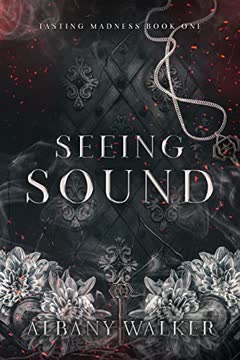
"Seeing Sound" is a raw, intimate exploration of madness, love, and the search for belonging. Albany Walker crafts a narrative that is both deeply personal and universally resonant, inviting readers to question the boundaries between sanity and insanity, reality and imagination, self and other. The novel's greatest strength lies in its refusal to offer easy answers—Waylynn's voices are never fully explained, the trio's relationship defies labels, and healing is portrayed as an ongoing, imperfect process. The story is a celebration of chosen family, the courage to be vulnerable, and the transformative power of acceptance. In a world that stigmatizes difference and demands conformity, "Seeing Sound" offers a radical vision of love that is messy, unconventional, and fiercely redemptive. The lessons are clear: we are all haunted by our histories, but we are also capable of rewriting our stories; connection is both risk and reward; and the work of becoming whole is never done alone. For modern readers, the novel is a reminder that the heart's desires—no matter how strange or wild—are worthy of pursuit, and that true belonging is found not in perfection, but in the willingness to be seen, known, and loved.
Last updated:
Review Summary
Seeing Sound receives mixed reviews with an overall 4.19 rating. Readers praise the unique premise of a college student hearing voices that belong to three men she meets, describing it as an engaging slow-burn reverse harem romance with well-developed characters. However, many criticize the lack of plot progression, repetitive daily-life scenes, and underdeveloped paranormal elements. The heroine is seen as overly submissive and naive, while the male leads exhibit controlling behavior some found uncomfortable. Multiple reviewers note zero spice despite the reverse harem tag, minimal world-building, and an unsatisfying cliffhanger ending with too many unanswered questions about the voice phenomenon.