Plot Summary
Ten Years of Vengeance
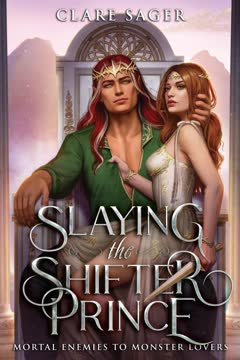
Zita, a human performer, has spent ten years consumed by the need to avenge her sister Zinnia's murder at the hands of a fae prince. Her life is hollow, her emotions numbed by grief and obsession. She has trained her body and mind for this moment, perfecting her art and waiting for the chance to get close to Prince Sepher, the exiled shifter prince of the Dawn Court. The story opens on the night she finally enacts her plan, performing for the monstrous fae court, her every move calculated to seduce and distract the prince so she can kill him. The weight of her sister's death and her own emptiness drive her forward, setting the stage for a tale of vengeance, pain, and unexpected transformation.
Seduction on the Silks
Zita's aerial act is more than entertainment—it's a calculated seduction aimed at drawing Sepher's attention. Every movement is a memory of her sister, every pose a lure. The prince, surrounded by his monstrous court, is captivated, and Zita's plan seems to be working. The performance is both a tribute to Zinnia and a mask for Zita's true intentions. Beneath the lights, she is both predator and prey, her body a weapon and her heart a grave. The tension between art and violence, beauty and brutality, pulses through the air, as Zita prepares for the private audience that will bring her face-to-face with her sister's killer.
The Prince's Private Game
Alone with Sepher, Zita's performance becomes intimate and dangerous. She uses her body and skills to distract him, hiding an iron dagger—deadly to fae—within reach. The prince is both predator and connoisseur, his monstrous nature barely restrained. As Zita attempts to strike, Sepher's reflexes and strength overwhelm her. The assassination fails, and the prince's true power is revealed. Instead of killing her, he claims her as his own, binding her fate to his. The failed murder transforms Zita from avenger to captive, setting her on a new, perilous path.
Betrayal in the Spotlight
Zita's closest friend, Eric, betrays her to the prince, revealing her plot in exchange for the troupe's safety and his own gain. The pain of this betrayal cuts deeper than any wound, compounding her grief for Zinnia. Sepher, relishing his power, sentences Zita to a fate worse than death: she will live as his pet, a plaything for his court, her life forfeit but her suffering prolonged. The emotional devastation of Eric's betrayal and the prince's cruelty force Zita to confront the emptiness inside her, even as she clings to the hope of revenge.
Judgment and Claiming
Sepher stages a mock execution, only to spare Zita at the last moment, claiming her life as his property. The act is both punishment and possession, a public display of dominance that humiliates Zita and cements her status as the prince's pet. The court watches as she is collared and paraded, her humanity stripped away. Yet, beneath the humiliation, a spark of defiance remains. Zita refuses to break, vowing to use her new position to get close enough to Sepher to finish what she started. The power dynamic shifts, but the game is far from over.
Celestine's Gentle Touch
Celestine, a fae woman close to Sepher, tends to Zita's wounds and offers her a rare kindness. In Celestine's care, Zita glimpses a different side of fae society—one of friendship, vulnerability, and support. The contrast between Celestine's gentleness and Sepher's cruelty unsettles Zita, challenging her assumptions about monsters and allies. As she recovers, Zita begins to see the cracks in her own armor, the possibility of feeling something other than hate and grief. The seeds of transformation are sown, even as she remains determined to seek vengeance.
The Pet's Public Debut
Sepher introduces Zita to his court as his pet, forcing her to wear a jeweled collar, and serve at his feet. The court's reactions range from amusement to predatory interest, but Zita refuses to be cowed. She turns her humiliation into a weapon, performing her role with malicious compliance, daring Sepher to break her. The public spectacle becomes a new battleground, with Zita's pride and defiance clashing against the prince's need for control. The emotional stakes rise as Zita navigates the dangers of court life, her resolve hardening even as her circumstances grow more dire.
Malicious Obedience Begins
Zita embraces her role as Sepher's pet, but twists every command into an act of defiance. She serves, obeys, and performs, but always with a sharp edge, undermining the prince's authority at every turn. Their relationship becomes a game of power and resistance, each trying to outmaneuver the other. The court watches, entertained and intrigued by the battle of wills. Beneath the surface, attraction and obsession simmer, complicating the lines between captor and captive, enemy and lover. Zita's refusal to break only deepens Sepher's fascination, setting the stage for a dangerous intimacy.
Nights of Defiance
As days turn to nights, the tension between Zita and Sepher intensifies. Their interactions become charged with both animosity and desire, each encounter a test of boundaries and wills. Zita's defiance fuels Sepher's obsession, while his cruelty awakens feelings in her she thought long dead. The line between punishment and pleasure blurs, and both are drawn into a web of mutual fascination. Yet, beneath the games, Zita's grief and longing for revenge remain, even as she begins to question what she truly wants—and what it means to be alive.
The Hunt in the Woods
Sepher unleashes Zita into the woods, giving his court license to hunt her for sport. The chase is both terrifying and exhilarating, forcing Zita to rely on her wits and skills to survive. When Sepher catches her, he reveals his true beast form—a monstrous sabrecat, both beautiful and deadly. The encounter is a crucible, breaking down the last of Zita's numbness and awakening a primal fear and desire. The hunt becomes a metaphor for their relationship: a relentless pursuit, a dance of danger and attraction, with no clear victor.
Beast Unleashed
In his beast form, Sepher toys with Zita, threatening her life but also revealing vulnerability. The power dynamic shifts again, as Zita realizes the prince is as much a prisoner of his own nature as she is of his. Their connection deepens, forged in violence and intimacy. Zita's hatred is complicated by fascination, and Sepher's cruelty is tempered by moments of care. The boundaries between captor and captive, monster and lover, blur further, setting the stage for a transformation neither could have foreseen.
Court of Monsters
Zita is drawn into the social life of the Court of Monsters, discovering unexpected camaraderie and even friendship among the fae. Through Celestine and others, she learns that not all monsters are cruel, and not all humans are innocent. The court's acceptance challenges her black-and-white view of the world, forcing her to confront her own capacity for both kindness and vengeance. As she navigates court politics and relationships, Zita begins to reclaim her sense of self, even as her quest for revenge remains unresolved.
The Game of Power
Sepher escalates his punishments, testing Zita's limits with public humiliations and private torments. Yet, each act of cruelty only strengthens her resolve. Their power struggle becomes increasingly intimate, with pain and pleasure intertwined. Zita learns to wield her obedience as a weapon, turning every command into an opportunity for subversion. The court watches their battle with fascination, sensing the undercurrents of obsession and desire. The stakes rise as both realize that breaking the other may come at the cost of breaking themselves.
The Prince's Obsession
Sepher's fascination with Zita deepens into obsession, and he begins to reveal cracks in his armor. Moments of vulnerability and care slip through his cruelty, hinting at a deeper connection. Zita, too, finds herself drawn to the prince, her hatred complicated by attraction and empathy. Their relationship becomes a mirror, each reflecting the other's pain and longing. The emotional stakes intensify as they move from enemies to something more ambiguous, neither willing to surrender but both unable to let go.
Breaking and Broken
The battle of wills reaches a breaking point as Zita and Sepher push each other to their limits. Through pain, punishment, and pleasure, they strip away each other's defenses, exposing raw vulnerability. The line between captor and captive dissolves, replaced by a mutual surrender that is both terrifying and liberating. In the aftermath, both are changed—broken open, but also made whole in new ways. The possibility of love emerges, fragile and dangerous, even as the shadow of vengeance still looms.
The Ceasefire
In a rare moment of peace, Zita and Sepher share their histories and wounds. The prince reveals his own trauma and the loss of his twin, while Zita opens up about her sister and the accident that awakened her magic. Their shared pain becomes a bridge, allowing for understanding and even tenderness. The ceasefire is temporary, but it marks a turning point: both see the possibility of something beyond hate and revenge. Yet, the past is not so easily escaped, and the need for justice remains.
The Performance of a Lifetime
With Sepher's help, Zita devises a plan to lure her sister's true killer by recreating the night of Zinnia's death. She performs a breathtaking aerial act, channeling all her pain, love, and rage into the performance. The court is mesmerized, and the suspects are gathered. The stage is set for the final confrontation, as Zita prepares to face the truth and claim her vengeance. The performance is both a farewell to her old self and an embrace of the woman she has become.
The Truth Revealed
In the aftermath of her performance, Zita is confronted by Eric, her former friend and lover. He reveals himself as Zinnia's true killer, driven by jealousy and resentment. The revelation shatters Zita, forcing her to confront the depth of his betrayal and the futility of her decade-long quest for vengeance against the wrong man. The emotional climax is raw and devastating, as Zita must choose between revenge and the possibility of a new life.
The Real Enemy
Zita and Eric battle high above the stage, their fight a culmination of years of pain and betrayal. The struggle is brutal and desperate, with both risking everything. Sepher intervenes, offering Zita a choice: claim her revenge and die, or choose life and a future with him. The moment is charged with emotion, as Zita must decide what matters most—vengeance or love, the past or the future.
The Final Confrontation
In a moment of clarity, Zita chooses to let go of her obsession with revenge, sparing Eric's life and taking Sepher's hand. The act is both a surrender and a victory, a rejection of the cycle of violence that has defined her life. Sepher proposes, offering her a future built on love and acceptance rather than pain and loss. Zita's decision marks the end of one story and the beginning of another, as she steps into a new life with the prince who was once her enemy.
Choosing Life
Zita and Sepher return to the world above, their bond sealed by mutual acceptance and love. The court, once a place of humiliation and danger, becomes a home. Zita reclaims her identity, cutting her hair and regrowing her teeth, embracing the woman she has become. Together, they face the challenges of court life, family, and the lingering shadows of the past. Their love is fierce and imperfect, forged in pain but tempered by hope.
Vengeance and New Beginnings
Sepher delivers Eric to Zita as a wedding gift, giving her the chance to claim the justice she has long sought. With the prince's support, Zita executes her sister's killer, finding closure and release. The act is not one of hate, but of necessity—a final act of love for Zinnia and for herself. Free from the weight of vengeance, Zita embraces her new life, her new love, and the possibility of happiness. The story ends not with death, but with the promise of a future built on strength, defiance, and the hard-won right to live and love on her own terms.
Characters
Zita (Marigold)
Zita is a human performer whose life is defined by the murder of her sister, Zinnia. Consumed by grief and vengeance, she spends a decade training her body and mind to kill Prince Sepher, whom she believes responsible. Zita is fiercely intelligent, stubborn, and emotionally numb, using performance as both armor and weapon. Her journey is one of transformation: from avenger to captive, from pet to partner, from numbness to feeling. Through pain, humiliation, and unexpected kindness, she reclaims her identity, learns to feel again, and ultimately chooses life and love over death and revenge. Her psychological arc is one of healing, self-acceptance, and the courage to let go of the past.
Prince Sepher
Sepher is the exiled shifter prince of the Dawn Court, a fae with the power to transform into a sabrecat. Outwardly cruel, arrogant, and predatory, he rules the Court of Monsters with a mix of brutality and charisma. Beneath the surface, Sepher is haunted by his own trauma—exile, the loss of his twin, and the burden of his monstrous nature. His obsession with Zita begins as a desire to break her, but evolves into vulnerability, care, and ultimately love. Sepher's journey is one of self-acceptance, learning to embrace his true nature and let go of vengeance. His relationship with Zita is both a mirror and a crucible, forcing him to confront his own capacity for change and redemption.
Celestine
Celestine is a fae woman close to Sepher, serving as his confidante and emotional anchor. She is kind, nurturing, and wise, offering Zita a rare glimpse of friendship and support in a hostile world. Celestine's own frailty and illness make her vulnerable, but her strength lies in her empathy and ability to see the best in others. She becomes a surrogate sister to Zita, helping her heal and reclaim her sense of self. Celestine's loyalty to Sepher is deep, but she is unafraid to challenge him when necessary, embodying the possibility of kindness even among monsters.
Eric
Eric is Zita's childhood friend, fellow performer, and former lover. Outwardly supportive, he is ultimately revealed as the true murderer of Zinnia, driven by jealousy and resentment. His betrayal is a devastating blow to Zita, compounding her grief and sense of isolation. Eric's psychological complexity lies in his ability to mask his true nature, manipulating those around him while nursing his own wounds. His confrontation with Zita is the story's emotional climax, forcing her to choose between vengeance and life.
Zinnia
Zinnia is the catalyst for Zita's journey, her murder the wound that drives the entire narrative. In life, she was talented, beautiful, and loving, serving as both inspiration and shadow to Zita. Her absence is a constant presence, shaping Zita's choices and sense of self. Zinnia's memory is both a source of pain and a guide, ultimately helping Zita find the strength to let go of vengeance and embrace a new life.
Cadan
Cadan is a fae member of Sepher's court, initially suspected of being Zinnia's killer. He is kind, helpful, and somewhat out of place among the monsters, offering Zita aid and support. His own grief for Zinnia mirrors Zita's, and his innocence is a reminder of the dangers of assumption and the complexity of guilt. Cadan's presence complicates the search for justice, forcing Zita to confront her own capacity for error and forgiveness.
Roark
Roark is a monstrous fae in Sepher's court, embodying the predatory and cruel aspects of fae society. He is both rival and threat to Zita, testing her boundaries and serving as a constant reminder of the dangers she faces. Roark's interest in Zita is both sexual and violent, highlighting the thin line between pleasure and pain, power and vulnerability.
Essa, Anya, and Other Courtiers
The various members of Sepher's court—Essa, Anya, and others—represent the diversity and complexity of fae society. Some are kind, others cruel, but all are outsiders in their own way. Their interactions with Zita challenge her assumptions about monsters and humanity, offering both danger and the possibility of friendship. The court serves as both backdrop and crucible, shaping Zita's journey and testing her resolve.
The Day King and Dawn Court
The Day King and the Dawn Court represent the power structures that have shaped Sepher's life, exiling him for his monstrous nature. Their presence is felt more than seen, a reminder of the costs of difference and the dangers of power. The court's rejection of Sepher mirrors Zita's own sense of alienation, forging a bond between them.
The Gilded Suns
The Gilded Suns are Zita's found family, a troupe of performers who offer her a place and purpose after Zinnia's death. Their betrayal and abandonment deepen Zita's wounds, but also force her to confront the limits of loyalty and the necessity of self-reliance. The troupe's presence lingers as both comfort and cautionary tale.
Plot Devices
Revenge as Transformation
The central plot device is Zita's quest for revenge, which drives the narrative and shapes her identity. Revenge is both motivation and prison, a force that numbs her emotions and narrows her world. As the story unfolds, revenge becomes a crucible, forcing Zita to confront her own pain, capacity for violence, and the possibility of healing. The pursuit of vengeance is ultimately revealed as a path to self-discovery, with the choice to let go marking the true victory.
Power Dynamics and Malicious Compliance
The relationship between Zita and Sepher is defined by shifting power dynamics, with obedience and punishment serving as both tools of control and acts of rebellion. Malicious compliance—Zita's strategy of obeying commands in ways that undermine authority—becomes a central device, turning the tables on her captor and transforming victimhood into agency. The constant negotiation of power and submission blurs the lines between captor and captive, enemy and lover.
Performance and Identity
Performance is both literal and metaphorical, with Zita's aerial acts serving as both seduction and self-expression. The stage becomes a battleground for identity, with each performance a negotiation between who she is, who she pretends to be, and who she might become. The final performance, a recreation of the night of Zinnia's death, serves as both trap and catharsis, allowing Zita to reclaim her story and her future.
Foreshadowing and Red Herrings
The narrative employs foreshadowing and red herrings to build suspense and complicate the search for Zinnia's killer. Suspects are introduced and dismissed, with clues and misdirections keeping both Zita and the reader guessing. The ultimate revelation—that Eric, not Sepher or any fae, is the true killer—serves as both shock and commentary on the dangers of assumption and the complexity of guilt.
Dual Transformation and Mutual Healing
The story's structure mirrors the transformation of both protagonists: Zita from numb avenger to feeling woman, Sepher from cruel monster to vulnerable lover. Their relationship is a dance of mutual healing, with each breaking and remaking the other. The narrative arc is one of dual transformation, with love and acceptance emerging from pain and violence.
Symbolism of Collars, Stages, and Weapons
Collars, stages, and weapons serve as recurring symbols, marking shifts in power, identity, and agency. The collar is both a mark of humiliation and a chosen accessory; the stage is both prison and place of liberation; the dagger is both instrument of death and tool of justice. These objects anchor the story's themes, embodying the tension between captivity and freedom, vengeance and forgiveness.
Analysis
Slaying the Shifter Prince is a dark, emotionally charged exploration of revenge, trauma, and the possibility of transformation. At its core, the novel interrogates the costs of vengeance—how it can consume and deaden, narrowing the world to pain and obsession. Through Zita's journey, the story asks whether healing is possible after profound loss, and what it means to reclaim agency in a world that seeks to define and confine. The relationship between Zita and Sepher is both a metaphor and a lived reality of power, submission, and resistance, challenging traditional notions of victimhood and villainy. The novel's willingness to blur the lines between pleasure and pain, love and hate, monster and human, speaks to the complexity of trauma and the messy, nonlinear path to healing. Ultimately, the story suggests that true victory lies not in the destruction of one's enemies, but in the courage to choose life, love, and self-acceptance—even when those choices are the hardest of all. The lessons are clear: vengeance can be a prison, but forgiveness and self-knowledge can set us free.
Last updated: