Plot Summary
The Pact of Silence
Billy Hasler, a teenager from the small, historic island of New Castle, New Hampshire, narrates the story of a summer that changed everything. He and his close-knit group of friends—Spivey, Kira, Matty, Izzie, Chloe, and Alesia—are bound by a pact of silence after a series of traumatic events. The story opens with Billy's struggle to process the past, haunted by guilt and the weight of secrets. The group's friendship is forged in the isolation of their small town, but it is also tested by the darkness that seeps into their lives. The pact is both a shield and a prison, as each member carries their own trauma, shame, and longing for closure. The emotional tension is palpable, setting the stage for a tale of loyalty, betrayal, and the supernatural.
Inheritance and the Island
Spivey, Billy's best friend, unexpectedly inherits Wood Island—a mysterious, isolated property off the coast—after the death of his estranged grandmother, Geraldine Rote. The inheritance is not just a windfall; it comes with a set of strict, cryptic rules and a conservatorship managed by the enigmatic attorney, Marston. The group is drawn to the island, lured by the promise of freedom, privacy, and the thrill of exploring a place steeped in local legend. The island's history is shadowed by tragedy, and its house is preserved like a time capsule. The friends' excitement is tinged with unease as they sense the island's secrets and the weight of the past pressing in on them. The inheritance becomes a catalyst, setting in motion a chain of events that will test their bonds and their sanity.
The Rules Are Written
Upon exploring the house, the group discovers a set of rules left by Spivey's grandmother—rules that are both practical and ominous. They include prohibitions against locking doors, mandates to feed "Emerson," and a chilling warning: anyone present at sunset must stay until sunrise. The rules are enforced by the conservatorship, and breaking them risks losing the island forever. The friends debate the meaning and necessity of these rules, but their curiosity and youthful arrogance lead them to test boundaries. The rules become a source of tension, both within the group and between the living and the supernatural forces that seem to govern the island. The sense of being watched, of history repeating itself, grows stronger, and the rules begin to feel less like guidelines and more like a curse.
Ghosts in the Walls
As the friends settle into the island, they are confronted by the house's uncanny preservation and the presence of photographs that seem to change and multiply. The walls are lined with images of Spivey at every age, many taken without his knowledge. The group uncovers evidence of surveillance, obsession, and a deep, unresolved family rift. The house is a museum of memory, but also a mausoleum of lost childhoods and broken relationships. The friends' own images begin to appear, and the line between observer and observed blurs. The emotional impact is profound: they feel both chosen and trapped, celebrated and condemned. The ghosts in the walls are not just spirits, but the echoes of choices, regrets, and the inescapable pull of family legacy.
The First Descent
Driven by curiosity and the thrill of the forbidden, the group descends into the basement—a space carved from granite, filled with dirt, and marked by strange mounds. Here, the supernatural presence of the island becomes undeniable. The friends begin a ritual of burying objects connected to the dead, haunted places, and tragic events, hoping to summon or control the island's power. The act is both a game and a desperate attempt to make sense of the rules. The basement becomes a crucible for their fears and desires, a place where the boundaries between life and death, past and present, are dangerously thin. The emotional atmosphere is charged with dread, excitement, and the first hints of betrayal.
Project Poltergeist Begins
Chloe, the group's resident expert on the occult, proposes "Project Poltergeist"—a plan to deliberately haunt the house by collecting and burying cursed or haunted objects. The friends, eager for meaning and power, embrace the project with a mix of skepticism and hope. They hold séances, tell ghost stories, and perform rituals that blur the line between play and invocation. The house responds: strange phenomena escalate, and the friends begin to experience visions, voices, and physical manifestations. The project, meant to give them control, instead awakens something ancient and hungry. The emotional arc shifts from bravado to fear, as the group realizes they are in over their heads.
The Gathering Storm
As the supernatural pressure mounts, so do the tensions within the group. Old resentments, romantic entanglements, and personal traumas come to the surface. The arrival of outsiders—partygoers, rivals, and the police—brings chaos and violence. A confrontation with Rory, a local bully, turns deadly, and the group is forced to confront the reality of their actions and the island's power. The storm outside mirrors the storm within: relationships fracture, trust erodes, and the friends are pushed to the brink. The emotional intensity is raw and unrelenting, as each character is forced to choose between self-preservation and loyalty.
Tokens and Property
The friends learn the true meaning of the rules: anyone under sixteen who sets foot on the island becomes "property"—a token claimed by the supernatural entity known as Emerson. The house's history is revealed through visions and confessions: generations of children have been claimed, their souls trapped, their bodies lost or returned only to be buried again. The friends realize they are repeating a cycle that has played out for centuries, manipulated by Marston and the island's curse. The emotional impact is devastating: guilt, fear, and a sense of inevitability grip the group as they struggle to find a way out.
The House Cycles
The supernatural force of the island intensifies, and the house begins to "cycle" between realities—sometimes new and pristine, sometimes old and decayed, sometimes missing entire rooms or floors. The friends are caught in a liminal space where time, memory, and identity blur. They encounter ghosts, relive past tragedies, and see visions of their own deaths. The cycling house becomes a metaphor for trauma and the impossibility of escape. The emotional arc is one of disorientation, despair, and the desperate search for meaning in a world that no longer obeys the rules of logic or morality.
The Price of Wishes
The friends are offered a terrible bargain: Emerson, the island's entity, will grant their deepest wishes—health, love, immortality—in exchange for sacrifice. Some, like Alesia and Matty, embrace the deal, driven by ambition and the promise of power. Others, like Spivey and Kira, are torn between hope and horror. The rituals become more elaborate, the stakes higher. The price of wishes is revealed to be death, betrayal, and the loss of self. The emotional climax is a reckoning with the consequences of desire and the limits of friendship.
The Basement's Hunger
The group's last descent into the basement is a nightmare of violence, betrayal, and supernatural terror. The ritual, meant to free them or grant their wishes, instead unleashes Emerson's full power. Friends turn on each other; poison is drunk, throats are cut, and the dead rise to claim the living. The basement becomes a tomb, a place of sacrifice and transformation. The emotional arc is one of horror, grief, and the shattering of innocence. The friends' pact is broken, and the true cost of their actions is revealed.
The Pact Breaks
As the ritual spirals out of control, the group's unity dissolves. Betrayals come to light: some friends have been dead for days, others are revealed as ghosts or puppets of Emerson. The survivors are forced to confront the reality that they cannot save each other, that the pact of silence was always doomed. The emotional devastation is total: love turns to loss, hope to despair, and the bonds of friendship are severed by death and madness.
The Night of Sacrifice
The climax unfolds in a night of violence, supernatural chaos, and desperate escape. The house cycles between realities as the storm outside reaches its peak. The friends are hunted by Emerson, by each other, and by the ghosts of the past. Sacrifices are made—some willing, some forced. The survivors flee into the storm, pursued by sharks, guilt, and the knowledge that they can never truly escape. The emotional arc is one of terror, sacrifice, and the final dissolution of the group.
The Living and the Dead
Billy wakes in the hospital, paralyzed and alone. The official story is a tangle of lies, omissions, and misunderstandings. The police, the press, and the families search for answers, but the truth is too strange to be believed. The dead are missing, the living are broken, and the island's secrets remain hidden. Billy is haunted by memories, guilt, and the knowledge that the door to the supernatural is never truly closed. The emotional arc is one of grief, isolation, and the longing for closure that may never come.
The Final Escape
Years later, Billy returns to Wood Island, unable to let go of the past. The house is abandoned, the island's curse undiminished. He is tempted by Marston's offer: to join his friends and Kira in death, to be reunited in the afterlife Emerson offers. The line between longing and self-destruction blurs. The emotional arc is one of resignation, temptation, and the final, tragic acceptance of the island's power. The story ends with Billy's decision to relight the pilot light, to join the dead, and to become part of the island's endless cycle.
The Truth That Remains
The narrative closes with an author's note that blurs the line between fiction and reality. The story of Wood Island is rooted in real history, real tragedy, and the enduring power of place. The island's curse is both supernatural and psychological—a metaphor for trauma, guilt, and the way the past shapes the present. The emotional impact is bittersweet: the dead are never truly gone, the truth is never fully told, and the door between worlds is always ajar.
The Door Never Closes
The final chapter is a meditation on the nature of haunted places, the persistence of evil, and the impossibility of closure. The island's story is unfinished, its hunger undiminished. The living and the dead are bound together by memory, desire, and the choices they cannot undo. The emotional arc is one of acceptance, ambiguity, and the haunting knowledge that some doors, once opened, can never be closed.
Characters
Billy Hasler
Billy is the emotional and narrative center of the story—a sensitive, loyal, and deeply traumatized teenager who is both witness and participant in the island's horrors. His friendship with Spivey is the anchor of his youth, but he is also defined by his love for Kira and his desperate need for closure. Billy's psychological journey is one of guilt, grief, and the search for meaning in the aftermath of trauma. He is both a victim and a survivor, struggling to reconcile the supernatural events with the mundane realities of small-town life. His development is marked by increasing isolation, the dissolution of his friendships, and the ultimate temptation to join the dead in order to escape his pain. Billy's role is that of the everyman caught in a web of forces beyond his understanding, his voice both confessional and elegiac.
David "Spivey" Spivey
Spivey is Billy's best friend and the inheritor of Wood Island's curse. Introverted, musically gifted, and marked by a history of illness and family dysfunction, Spivey is both the group's outsider and its linchpin. His inheritance of the island is both a blessing and a curse, offering him freedom and power but also binding him to the island's supernatural rules. Spivey's psychological arc is one of hope, despair, and eventual surrender to the island's will. He is manipulated by Marston, betrayed by friends, and ultimately destroyed by the very forces he hoped to control. His development is a study in the corrosive effects of trauma, isolation, and the seductive power of the supernatural. Spivey's relationship with Billy is central, but he is also a mirror for the group's collective fears and desires.
Kira Woodward
Kira is Billy's girlfriend and the emotional heart of the story. Warm, funny, and fiercely loyal, she is both a source of comfort and a catalyst for the group's actions. Kira's psychological journey is one of love, fear, and self-sacrifice. She is drawn into the island's curse by her desire to protect Billy, but is ultimately claimed by the very forces she hoped to resist. Her death is both a tragedy and a turning point, shattering Billy and marking the end of innocence for the group. Kira's presence lingers after death, blurring the line between the living and the dead, and her love for Billy becomes both a comfort and a curse. Her development is a testament to the power of love and the inevitability of loss.
Alesia Dubin
Alesia is the enigmatic, ambitious, and ultimately tragic figure who drives much of the supernatural plot. The daughter of a self-styled witch, she is both a victim and an agent of the island's curse. Alesia's psychological arc is one of power, obsession, and self-destruction. She is the architect of Project Poltergeist, the leader of the rituals, and the one most willing to bargain with Emerson for immortality and power. Her relationship with the group is complex: she is both admired and feared, desired and resented. Alesia's development is a study in the dangers of unchecked ambition and the seductive allure of the supernatural. She becomes the vessel for Emerson, losing herself in the process, and her fate is both horrifying and pitiable.
Matty Fernandez
Matty is the group's muscle and cynic, driven by jealousy, insecurity, and a desperate need for control. His psychological journey is one of increasing violence, betrayal, and self-destruction. Matty is both a protector and a threat, his loyalty to the group undermined by his own ambitions and resentments. He is seduced by Alesia's promises of power and immortality, but is ultimately destroyed by his own actions. Matty's development is a cautionary tale about the corrosive effects of envy, the dangers of violence, and the ease with which friendship can turn to enmity.
Izzie Fernandez
Izzie, Matty's younger sister, is one of the group's most innocent and vulnerable members. Her relationship with Chloe is a source of joy and hope, but also marks her as a target for the island's curse. Izzie's psychological arc is one of longing for acceptance, love, and belonging. She is claimed as a token by Emerson, her death both a sacrifice and a tragedy. Izzie's development is a meditation on the loss of innocence and the price of love in a world governed by supernatural rules.
Chloe Kittle
Chloe is the group's expert on the occult, a former goth whose fascination with death and the supernatural drives much of the plot. Her relationship with Izzie is tender and genuine, but her curiosity and willingness to experiment with the unknown make her both a catalyst and a victim. Chloe's psychological journey is one of hope, fear, and ultimate surrender to forces beyond her control. Her death is both a fulfillment of her desires and a cautionary tale about the dangers of seeking power without understanding the cost.
Geraldine Rote
Geraldine is Spivey's estranged grandmother and the architect of the island's rules. Her life is marked by isolation, loss, and a desperate attempt to control the supernatural forces that destroyed her family. Geraldine's psychological arc is one of guilt, fear, and the futile hope of redemption. Her death sets the story in motion, and her presence lingers as both a warning and a curse. Geraldine's development is a meditation on the limits of control, the persistence of trauma, and the inescapable pull of family legacy.
Lockwood Marston
Marston is the enigmatic attorney who manages the island's conservatorship and enforces its rules. He is both a servant and a master, manipulating the living to serve the will of Emerson. Marston's psychological arc is one of detachment, calculation, and the slow erosion of humanity. He is a symbol of the law's impotence in the face of supernatural evil, and his development is a study in the dangers of serving power without conscience. Marston's relationship to the group is that of a puppet master, pulling strings from the shadows and ensuring the cycle of sacrifice continues.
Chief Clifford Whaley
Chief Whaley is the town's police chief, a figure of authority, compassion, and growing desperation. His psychological journey is one of skepticism, dawning horror, and ultimate sacrifice. Whaley is both an investigator and a protector, trying to save the children of New Castle from forces he cannot understand or control. His own family history is entwined with the island's curse, and his fate is a testament to the impossibility of escaping the past. Whaley's development is a meditation on duty, loss, and the limits of reason in a world governed by the supernatural.
Plot Devices
The Haunted House as Living Entity
The central plot device is the house on Wood Island, which functions as both a traditional haunted house and a living, supernatural entity. The house cycles between different realities—sometimes new, sometimes decayed, sometimes missing entire rooms or floors—reflecting the psychological states of the characters and the influence of Emerson. The house's rules, enforced by the conservatorship and Marston, are both literal and symbolic, binding the characters to the island's curse. The house is a repository of memory, trauma, and supernatural power, its shifting nature a metaphor for the instability of reality and the persistence of the past.
The Pact and the Ritual
The story is structured around a series of pacts and rituals: the friends' initial pact of silence, the rules of the island, and the increasingly elaborate supernatural rituals they perform. These rituals are both attempts to control the supernatural and expressions of their own desires and fears. The pact is repeatedly tested and ultimately broken, mirroring the dissolution of the group and the collapse of their shared reality. The rituals serve as both plot engines and psychological crucibles, forcing the characters to confront the cost of their wishes and the limits of their loyalty.
Tokens, Property, and the Cycle of Sacrifice
A key plot device is the concept of "tokens"—anyone under sixteen who sets foot on the island becomes property of Emerson, the supernatural entity. This device is used to explore themes of inheritance, trauma, and the inescapability of the past. The cycle of sacrifice is both literal and metaphorical: generations of children are claimed, their souls trapped, their bodies lost or returned only to be buried again. The device is reinforced by the changing photographs, the recurring rituals, and the house's cycling between realities. The cycle is both a curse and a metaphor for the persistence of trauma and the impossibility of closure.
The Unreliable Narrative and Shifting Reality
The narrative is marked by unreliability: Billy's memories are fragmented, the house's reality is unstable, and the truth is always just out of reach. The story uses shifting perspectives, visions, and supernatural events to blur the line between reality and hallucination, past and present, living and dead. The unreliable narrative is both a plot device and a psychological exploration of trauma, guilt, and the search for meaning. The reader is forced to question what is real, what is imagined, and what is inevitable.
Foreshadowing and Recursion
The story is structured around the repetition of events: the rules, the rituals, the cycle of sacrifice. Foreshadowing is used extensively—visions, dreams, and ghost stories all hint at the fate of the characters and the inevitability of the island's curse. The recursive structure reinforces the sense of doom and the impossibility of escape. The past is never truly past; it is always present, always waiting to claim the living.
Analysis
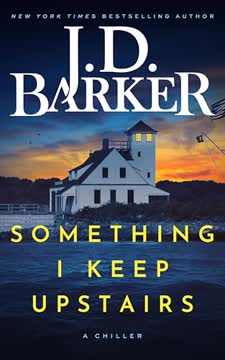
Something I Keep Upstairs is a masterful exploration of trauma, inheritance, and the inescapable pull of the past, wrapped in the guise of a supernatural thriller. At its core, the novel is about the ways in which history—personal, familial, and communal—shapes and haunts the present. The haunted house is both a literal and metaphorical space: a repository of memory, guilt, and unresolved trauma that cycles endlessly, trapping the living and the dead in a dance of desire and sacrifice. The rules of the island, the rituals of the friends, and the manipulations of Marston all serve to illustrate the seductive power of denial, the dangers of unchecked ambition, and the impossibility of closure in the face of loss. The novel's use of unreliable narration, shifting realities, and recursive structure forces the reader to confront the instability of truth and the persistence of evil. Ultimately, the story is a meditation on the cost of wishes, the limits of friendship, and the enduring power of love and grief. The lesson is both simple and profound: some doors, once opened, can never be closed, and the past is never truly dead—it waits, hungry, in the places we keep upstairs.
Last updated: