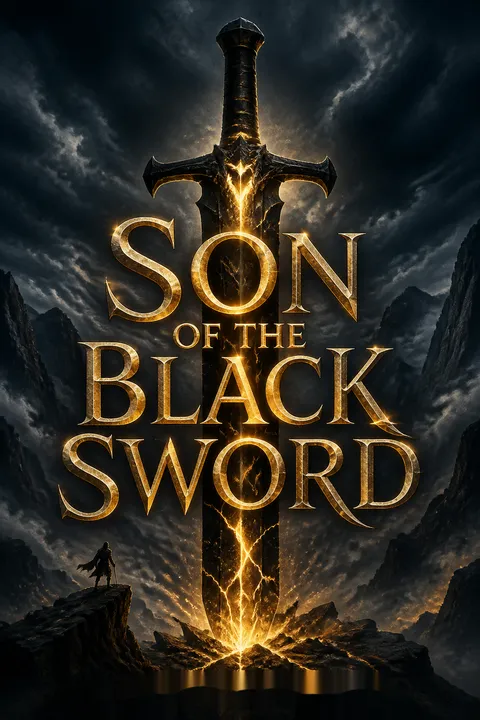


Plot Summary
Two Demons, One Grave
A Protector of the Law, Ashok Vadal, is sent to a coastal village in House Gujara after a demon begins slaughtering its people. He kills it, then discovers a second demon and barely survives the fight. An old casteless man distracts the creature with a spear, giving Ashok time to finish it.
The warriors then kill the old man for possessing a weapon, despite his having saved Ashok's life. Ashok realizes, with unfamiliar unease, that he is looking at a person rather than a piece of property. He orders the man buried instead of abandoned to scavengers. The decision leaves Ashok troubled by the gap between the Law he enforces and the courage he has just witnessed.
Ashok's crisis begins not with doubt about the demons, but with a human act the Law cannot honor. The old man's illegal spear is both a practical weapon and an assertion of responsibility toward his family. By burying him, Ashok performs a small, private violation of caste custom while still insisting that the system is sound. That contradiction matters: his first movement toward moral change is not rebellion, but an attempt to make the Law acknowledge a value it has excluded.
The Summons from Mindarin
Ashok's fellow Protector Devedas arrives at the burned village and finds him digging the casteless man's grave. Their rough affection shows the trust built through years of shared training, even as Devedas teases Ashok about nearing the end of his required service. A sealed message from the Capitol orders Ashok to return at once because their mentor, Master Mindarin, is gravely ill.
Devedas suspects the summons concerns the Order's leadership, but Ashok refuses to speculate and begins the punishing journey across the continent. Their parting also exposes Devedas's resentment: he has sacrificed as much as Ashok, yet fears that Ashok's noble birth and legendary sword will earn him every honor.
The grave gives Ashok a moment of unplanned tenderness, while the summons pulls him back into the institution that shaped him. Devedas's envy is not simple spite. He has built his identity around service, but sees the Order rewarding Ashok for advantages Devedas never possessed. Their friendship contains this unequal pressure without collapsing, establishing a bond that will later be tested by the same hierarchy they both uphold.
The Boy Behind the Bearer
A flashback reveals that Ashok was born Fall, a casteless child ordered to scrub blood from House Vadal's hall after its ancestor sword, Angruvadal, rejected one warrior after another. While cleaning beneath the blade, Fall touches its hilt and is chosen as its bearer. Thakoor Bidaya and her son Harta fear that a casteless bearer will disgrace their house, so they conceal the choice rather than honor it.
Bidaya orders the boy's mother, Addis, and the people who knew him killed. Wizard Kule then alters Fall's memories, builds a false identity around devotion to the Law, and removes his capacity for fear. The child is sent to the Protectors as a supposedly noble obligation.
Fall's manufactured identity is not merely a disguise. It is an institutional technology that makes a victim serve the system that erased him. Bidaya preserves the sword by sacrificing the person it chose, while Kule replaces memory with a usable civic self. Ashok's fearlessness therefore has a political origin: it is less a heroic temperament than a missing emotional safeguard, engineered to make obedience efficient.
The Heart Beneath Devakula
At twelve, Ashok joins older acolytes on a lethal climb to the Protectors' hidden sanctuary, driven by his need to prove himself worthy of Angruvadal. Devedas helps him survive the ascent, and together they fight faceless guardians that endure wounds which should kill them. Their swordmaster, Ratul, reveals that the battle is a test and leads the two survivors underground.
There Ashok sees an ancient map showing lands and cities far beyond Lok, then learns that the Order's power comes from a living mass of black steel called the Heart of the Mountain. It strengthens and heals its initiates, but its magic is finite. Ashok accepts the Heart under orders, unaware that Ratul sees something disturbing in his past.
The initiation ritual makes institutional belonging physical: Ashok bleeds, climbs, and is remade by a power that keeps the Order's agents alive. Yet the map quietly unsettles the official story of a self-contained world. The Heart is presented as a tool without opinions, unlike Angruvadal, but Ashok's later experience suggests that black steel carries histories and judgments that the Law cannot fully control.
Truth in a Sealed Letter
In the Capitol, Ashok finds Mindarin weakened by illness and learns that the old master has summoned him for more than a promotion. Mindarin gives him a choice: keep his established life, or read a coded message Ratul left about what the Heart revealed. Ashok opens it.
The secret confirms that his life rests on a lie, and Mindarin admits that both he and Ratul allowed the deception to continue because Ashok had become the Order's most effective weapon. Mindarin calls him a creation shaped for obedience rather than a man who freely chose it. Ashok leaves the sickroom furious and disoriented, unable to return to the certainty that once made every order simple.
The revelation attacks Ashok at the point where he is strongest: his belief that duty is a chosen moral discipline. Mindarin reframes that discipline as an engineered reflex, exposing the difference between reliable behavior and free consent. His offer of a choice is ethically compromised, since Ashok has been denied the memories and emotional tools needed to choose comfortably. The truth arrives as an act of care, but it also transfers the burden of the lie onto Ashok.
A Life for Addis
Ashok returns to House Vadal and interrupts a lavish gathering hosted by Bidaya. He removes his Protector insignia and demands restitution for a casteless life, then reveals that the victim was his mother, Addis. Bidaya denies responsibility until her own words expose the fraud. She demands a duel, then orders a dozen warriors to attack Ashok together.
Rather than use Angruvadal, he plants the sword in the floor and fights them with knives and whatever he can seize, defeating the attackers at terrible cost. Bidaya then grabs the ancestor blade herself, and it kills her for being unworthy. Ashok takes it up again and turns himself over to the judges, confessing to crimes instead of fleeing.
Ashok's demand gives a name to the people the caste system renders interchangeable. Bidaya's attempt to preserve her reputation through a staged massacre instead confirms her original crime: she treats human lives as expendable instruments. Ashok's decision to set the sword aside makes the fight legally meaningful to him, even as the scene exposes how little law can restrain power when its rulers control the procedure.
The Brother at the Cell
Ashok waits in a Vadal prison, still carrying Angruvadal, until Devedas visits him privately. Devedas has come on his own, not to deliver a sentence, and his shock turns into anger when Ashok confirms he was born casteless. He feels that Ashok's hidden origins have mocked their years in the Order and the sacrifices they shared.
Devedas nearly challenges him, but Ashok reminds him that Angruvadal once judged him unworthy, and Devedas lowers his hand from his sword. Their friendship breaks without a duel. Later, the Keeper of Names, Keta, slips into Ashok's cell and supplies the names of his parents, Fall's birth name, and the story of his mother's murder. Ashok weeps alone after Keta disappears.
Devedas's grief is inseparable from his sense of professional identity: if Ashok's place in the Order was fraudulent, then their shared brotherhood seems contaminated too. Ashok cannot defend himself by claiming innocence, because his moral vocabulary allows little distinction between deception suffered and deception committed. Keta offers a different kind of repair. Naming the dead cannot restore them, but it resists the official erasure that made their deaths politically convenient.
The Law's Missing Pages
Grand Inquisitor Omand uses Ashok's scandal to inflame debate in the Capitol. He encourages officials to blame the casteless for unrest and proposes that they be eliminated, while secretly organizing powerful allies to centralize control under the Inquisition.
Archivist Rada Nems dar Harban is assigned to research the proposal and discovers that records about the casteless' origins have been removed. Defying her father, the Lord Archivist, she enters the restricted collection and reads ancient histories linking the castes to the Age of Kings.
An intruder attacks her, destroys her glasses, and threatens her into submitting an incomplete report. At the hearing, Rada stays silent as the judges accept the false account and debate the fate of millions.
Omand understands that bureaucratic violence becomes easier when its victims are reduced to a category and the history behind that category is suppressed. Rada's research shows how archives can function as a political battleground: what is omitted shapes which laws appear natural. Her silence is coerced, but the fact that she recognizes it as complicity gives her a moral position the chamber's polished rhetoric lacks.
A Sentence Worse Than Death
After more than a year in prison, Ashok is transferred into Omand's custody. The Grand Inquisitor acknowledges that Ashok was deceived about his birth, but argues that his years of service and his killing of Bidaya still demand punishment. Instead of execution, Omand presents signed orders requiring Ashok to travel to House Akershan, find the casteless prophet, and serve him openly for the rest of his life.
The sentence turns Ashok's deepest allegiance against itself: he must obey the Law by joining its declared enemies. Omand also forbids him to explain the orders, ensuring that the world will see only a criminal defecting to rebels. Ashok accepts the command, then slips out of prison that night with Angruvadal.
Omand's punishment is carefully tailored to Ashok's psychology. Death would end the instrument; exile into a life of apparent treason forces him to remain conscious of the Law while acting against its institutions. The order exploits Ashok's obedience rather than trying to break it. It also manufactures public evidence for Omand's political story, turning a coerced mission into a plausible betrayal.
The Prison Burns Behind Him
While Ashok escapes unseen, men disguised as Protectors attack Cold Stream Prison and slaughter guards and prisoners to make the massacre look like his work. Risaldar Jagdish, the warrior Ashok defeated at Bidaya's gathering, returns to find the prison collapsing into violence. He fights one disguised attacker with a halberd, then a sword, but the wizard Lome overwhelms him with magic.
A huge worker prisoner named Gutch kills Lome by crushing his head with the gate bar and helps Jagdish survive. Jagdish is blamed for the escape, stripped of his command, and rejected by his house. When Gutch reveals he can track magic, Jagdish takes him along to pursue Angruvadal and clear his name, despite having no official standing left.
The staged massacre converts Omand's political plan into bodily evidence, while Jagdish's defeat shows how easily a truthful witness can be discredited when institutions control the narrative. Gutch's intervention complicates the caste hierarchy in practical terms: a worker's strength and expertise save the warrior who had once regarded him as an inferior. Jagdish's pursuit is both a search for truth and an attempt to recover a self his superiors have withdrawn.
The River Takes Ashok
Ashok reaches Sutpo Bridge but finds Vadal soldiers waiting on both banks, apparently tipped off before he arrived. He refuses to cut through them and instead deflects their arrows while running onto the bridge. An arrow pins his foot; more soldiers close in. Rather than kill them, Ashok jumps onto a cargo barge below. Flaming arrows ignite its lantern oil, and a poisoned shaft strikes his back.
He enters the river with Angruvadal, nearly drowns, and finally experiences fear. Thera, a hidden rebel operative, revives him with rescue breathing and removes the arrows. Keta, the Keeper of Names, explains that he arranged the rescue and insists Ashok must meet the prophet. Ashok agrees to travel with them and serve her.
The river forces Ashok into the first vulnerability his training cannot solve. His refusal to kill the garrison is not a sudden conversion, but a break in his old automatic response, one that leaves him physically exposed. Fear arrives not as a moral lesson but as a bodily fact. Thera's practical rescue, rather than magic, begins a new form of dependence built on human skill instead of institutional power.
A Keeper's Dangerous History
On the journey south, Keta explains that he once organized a casteless uprising in House Uttara. Ratul, the former Protector believed to have betrayed the Order, found Keta before that revolt and told him the buried history: Ramrowan's descendants became the ruling caste, while the other castes were created to serve them.
When the kings and priests grew tyrannical, rebellion destroyed their rule, but the new Law suppressed the past and kept the casteless alive as a safeguard against the demons' return. Ratul gave Keta a forbidden genealogy recording the casteless families' descent from Ramrowan. Ashok rejects the prophecy and resents Ratul for hiding his origins. Meanwhile, Jagdish and Gutch follow the trail of Angruvadal south.
The genealogy changes the casteless from a population defined by exclusion into a people with a historical claim. It also unsettles Ashok's understanding of Ratul: the man he remembers as a traitor may have acted from knowledge rather than madness. Yet revelation alone does not persuade Ashok. His grief over losing a place in the Law is still stronger than his curiosity about what might replace it.
Rada Risks the Archive
Rada seeks out Lord Protector Devedas and admits that threats forced her to submit a false report. She shows him an ancient passage linking the Law to the casteless' origins, and he promises to investigate without exposing her. Their trust becomes intimate, though Devedas initially dismisses the possibility that the Inquisition itself is involved.
When Omand's agents come after Rada, she serves as bait while Devedas and the Protector Karno guard her. Karno blocks an arrow with a book, then kills an attacker; Devedas defeats the remaining assassins and sends a warning to Omand. The rescue confirms that the Inquisition's campaign is more than political theater. Rada is moved from a threatened researcher to a participant in the struggle.
Rada's shift from archivist to active witness is not a rejection of scholarship, but its extension into public responsibility. Her evidence matters because it can alter how the present is interpreted, yet the institutions that preserve records also threaten anyone who reads too far. Devedas's protection is emotionally significant, but it is not a substitute for Rada's agency: she knowingly accepts danger to make the concealed history harder to erase.
A Lie on the Road
Ashok, Keta, and Thera move through Thao lands in disguise, carrying forged travel papers and hiding Angruvadal among their cargo. When a checkpoint searches wagons for the sword, Thera slips away and detonates Fortress alchemy on the hillside. The blasts and smoke draw the soldiers off, letting the group pass without killing anyone.
Ashok condemns the illegal papers and explosives, but he also sees that Thera's planning has spared innocent warriors. During the journey, Keta's visions describe a chosen general who will risk his life against a demon in human form on a crystal bridge. Ashok dismisses the prediction. He remains reluctant to trust either the prophecy or the people who are trying to make room for him among the casteless.
The checkpoint turns Ashok's moral rigidity into a practical obstacle: the only route forward requires fraud, yet Thera's deception prevents a bloodbath. His old categories make criminality easy to identify and ethical value difficult to judge. The prophecy adds pressure without providing certainty. Instead of making Ashok believe, it gives the others a pattern by which they will interpret his choices.
Learning the Shape of Hunger
In Jharlang, Ashok gives food and a blanket to two starving casteless children, then discovers the innkeeper is drowning the girl for sharing what she received. Ashok beats the innkeeper and his workers, frees the children, and carries them to the casteless quarter.
When a mob gathers to punish the quarter for the supposed killing of workers, Ashok blocks the bridge and reveals his identity as the bearer of Angruvadal. The crowd retreats from the black blade.
His intervention, however, draws notice to the village and gives the Somsak a reason to come looking for him. Mother Dawn, an elderly casteless leader, warns that his next choice will decide whether her people live or die. Ashok has to confront consequences created by his first acts of compassion.
Ashok's kindness remains entangled with control. He acts decisively for the children, but still assumes that force and authority are the natural means of protection. Mother Dawn's warning widens the scale of consequence: one rescued pair cannot be separated from the vulnerable community around them. His public revelation makes protection visible, but visibility itself becomes dangerous in a society built to punish the casteless collectively.
Jharlang Turns to Battle
A large Somsak force arrives under Nadan Somsak, whose tongue has been replaced by a demon's through the wizard Sikasso's magic. Ashok's companions prepare to flee, but he sees the raiders closing every route and realizes Keta and Thera will be captured if he leaves. For the first time, he knowingly chooses against his orders and stays to draw the attackers away.
He fights through Jharlang's narrow lanes, using the Somsak's lack of coordination against them, while the casteless quarter is set on fire. Keta and Thera initially retreat, then turn back when they see Ashok holding the bridge. The casteless rise against the raiders with stolen weapons and improvised tools, buying their people time to escape through old mines.
This is Ashok's decisive break from obedience because he makes it with full knowledge of the cost. Earlier acts of mercy could be dismissed as impulse; here he chooses a community over the mission imposed by the Capitol. The casteless do not wait passively for a savior, either. Their resistance is limited and costly, but it forces Ashok to recognize them as agents in their own survival.
Angruvadal Breaks Open
Wounded and exhausted, Ashok holds the ice-covered bridge against Nadan, while Keta recognizes the prophecy's crystal bridge in its reflection. Nadan's demon strength nearly overwhelms him, and crossbow bolts pierce Ashok as the Somsak interfere.
Ashok chooses to expose Nadan's corruption rather than escape. He drives Angruvadal into the champion's helmet, and the sword explodes in a burst of heat and thunder. In a vision, the ancient hero Ramrowan tells Ashok he is not yet dead.
Ashok rises with a shard embedded in his heart, kills Nadan, and destroys the demon tongue. The Voice of the Forgotten announces that demons will return and identifies Ashok as its general. Sikasso's wizards abduct Thera, leaving Ashok alive but the prophet in enemy hands.
The shattered sword is both a material catastrophe and the collapse of Ashok's inherited certainty. Its remnant in his heart converts the weapon's history into a wound he must carry rather than an authority he can wield. The prophecy is fulfilled through an action Ashok chooses for ethical reasons, not religious conviction. Yet its public announcement immediately creates new danger: the story that grants him legitimacy also makes Thera a target.
The Black Sword's Sons
After Ashok survives Nadan's defeat, the surviving Somsak and Jharlang workers begin to organize around him. Jagdish reaches the village with Gutch, confirms that the Lost House wizards framed Ashok for the prison and bridge massacres, and offers to join the hunt for them. Ashok accepts him, though Jagdish's decision further endangers his standing and separates him from his pregnant wife, Pakpa.
Keta renews his determination to rescue Thera. Ashok names their improvised force the Sons of the Black Sword and prepares to pursue the wizards who carried her away. Alone, he addresses the Forgotten conditionally: he will protect the prophet because he has sworn to do so, but he refuses to serve any cause that proves unjust.
The new company gathers people whose commitments do not neatly match their beliefs. Ashok and Jagdish act from duty and honor, while Keta sees religious fulfillment and the Somsak see a chance to remember a suppressed past. Their cooperation is therefore practical, not ideological. Ashok's final condition is the clearest change in him: he no longer treats authority, human or divine, as self-justifying.
Epilogue
Devedas confronts Omand in the desert as the Protectors leave the Capitol to pursue Ashok. Omand admits that he has manipulated the historical record and used the casteless crisis to strengthen central control. Devedas sees that the Inquisitor wants a new order with himself behind its machinery, and proposes that Devedas become its public ruler instead.
He rejects the plan to exterminate the casteless, but agrees to crush the rebellion and return with power enough to govern. Omand threatens Rada to keep Devedas compliant. Devedas leaves determined to find Ashok, not merely for politics, but because he believes his old friend may now be the most dangerous man alive.
The epilogue turns the conflict from a struggle between law and lawlessness into a contest over who gets to define order. Devedas understands Omand's ambition but does not share his appetite for extermination; his proposal is both a bid for power and a restraint on the Inquisitor's most extreme plan. Omand's threat against Rada exposes the coercion beneath his political elegance. Devedas's pursuit of Ashok carries an intimate motive as well as a public one, leaving the novel's central friendship suspended between recognition and possible violence.
Analysis
Son of the Black Sword builds its central conflict around a society that mistakes consistency for justice. The Law has real functions: it limits house wars, organizes trade, and gives the Protectors a shared mandate. But it also assigns personhood by caste, turning cruelty into routine administration. Ashok embodies that contradiction. He is an exceptionally disciplined enforcer, yet his identity was manufactured through violence and memory alteration, so his apparent devotion cannot be treated as uncomplicated consent.
The novel makes historical knowledge materially dangerous. Bidaya's fraud, the missing archive pages, and Keta's genealogy all concern who may tell the past and who benefits when it is forgotten. Recovering the casteless' ancestry does not automatically create a just movement; Keta's faith can become as certain as Ashok's former obedience, and the prophecy can be used to interpret people before they understand themselves. Thera's skepticism and Rada's documentary care provide necessary counterweights to both kinds of certainty.
Ashok's moral development occurs through increasingly deliberate choices. He first buries a man the Law calls property, later gives starving children food, then stays to defend a village although he knows that doing so violates his orders. His transformation is not a simple conversion from law to rebellion. He retains a fierce commitment to justice, but begins judging institutions by what they do to vulnerable people rather than by their authority. The shattered sword makes this shift tangible: inherited memory and borrowed power cannot settle the moral question for him. By the end, he is willing to confront even a god if its cause proves unjust. The novel's unresolved political struggle follows from that change. A new army has formed, but whether it can resist reproducing the certainty and hierarchy it opposes remains an open question.
Review Summary
Son of the Black Sword receives mostly positive reviews, praised for its unique fantasy world inspired by Indian culture, complex characters, and gripping action scenes. Readers appreciate the fresh take on familiar tropes and the intricate plot. Some criticize the protagonist as one-dimensional initially but note character development. The book is described as a page-turner with excellent world-building and an engaging magic system. While a few reviewers found it predictable or lacking depth, most recommend it as an underrated gem in the fantasy genre.
Characters
Ashok Vadal
The Law's lethal instrumentAshok is a senior Protector, a feared enforcer whose skill is amplified by Angruvadal, the ancestor sword of House Vadal. He values precision, obedience, and clear rules because they make violence seem bounded and purposeful. His emotional restraint is not simple coldness; it is the product of a life shaped by severe training and a deliberately narrow understanding of the world. Ashok has little patience for argument, yet he notices courage even when caste custom tells him not to. His struggle is less about becoming gentle than about deciding whether duty can remain honorable when its institutions deny the humanity of the people they govern.
Devedas
Ashok's rival and brotherDevedas is a veteran Protector and Ashok's closest friend, bound to him by shared training rather than blood. He is blunt, physically imposing, and more openly emotional than the Order's ideal enforcer, though he works hard to conceal the bitterness he feels about his lost family inheritance. Devedas wants his sacrifices to count, which makes Ashok's effortless legend both inspiring and painful to him. He is also capable of questioning the institution's political theater when it threatens people he cares about. His loyalty is real, but it is not blind, and that tension gives his friendship with Ashok its force.
Keta
Keeper of NamesKeta is a casteless butcher turned keeper of forbidden histories and organizer of a rebellion. Literate, persistent, and fervently religious, he believes the Forgotten has chosen a prophet and a general to restore what the Law erased. He is not a natural warrior, and his courage often takes the form of speaking when silence would be safer. Keta's faith gives him purpose, but it also tempts him to interpret other people's choices as parts of a divine design. His relationship with Ashok is strained by Ashok's skepticism, yet Keta recognizes that the former Protector's actions may matter more than his beliefs.
Thera
The rebel's sharp edgeThera is a resourceful operative who guides Keta's movement and protects him through planning, disguise, and concealed weapons. She distrusts prophecy and organized religion, preferring practical power and the possibility of personal freedom. Her humor can be cutting, especially when Ashok's rigid code endangers the people traveling with him, but she is not indifferent to their safety. Thera's competence makes her more than a companion or guide: she can improvise under pressure and recognize the cost of a decision before others do. She challenges Ashok directly because she sees both the danger in his obedience and the possibility that he might choose differently.
Jagdish
The disgraced warriorJagdish is a Vadal warrior whose skill and pride are tested after he loses to Ashok and is assigned to guard him. He is ambitious, but not merely vain: his honor depends on being useful to his fellow soldiers and protecting the people under his command. His marriage to Pakpa gives him a life beyond military status, even when he struggles to admit how much it matters. Jagdish's willingness to keep learning from Ashok complicates the easy division between victor and defeated man.
Omand
The masked political spiderOmand is Grand Inquisitor, a patient manipulator who treats information, fear, and public outrage as tools of government. He is skilled at reading people and turning their ambitions toward his own plans. Omand does not need to believe the stories he promotes; he needs others to act as though they are true. His polished manners conceal a ruthless willingness to threaten, deceive, and sacrifice people for centralized authority. He represents a kind of power that rarely draws a sword because it can persuade institutions to do the killing.
Mindarin
Ashok's dying teacherMindarin is a senior Protector and teacher whose eloquence and care helped shape Ashok's understanding of duty. He believes the Law can prevent society from collapsing into violence, but he is not wholly blind to the ways its institutions have become cruel. His final effort to offer Ashok the truth comes too late to spare either of them pain. Mindarin's affection is sincere, yet his role in maintaining the deception shows how easily benevolent motives can preserve an unjust structure.
Ratul
The vanished swordmasterRatul trained Ashok and Devedas in the Protector Order and led the tests that transformed them into senior enforcers. A hard teacher with a scholar's interest in ancient history, he combined practical severity with curiosity about the stories the Law forbade. His pupils know him through the institution's official account of his disappearance, but Keta remembers another side of him. Ratul's life links the Protectors' hidden foundations to the casteless movement.
Bidaya
Vadal's iron ThakoorBidaya rules House Vadal through political skill, wealth, and an uncompromising belief in her family's authority. She is shrewd enough to recognize how an ancestor sword shapes a house's reputation, and willing to make brutal choices to protect that reputation. Her command of appearances makes her formidable in public, but it also reveals how much her power depends on controlling what others are allowed to know.
Rada
The archivist who reads deeperRada is a meticulous archivist who would rather trust a well-preserved document than a political speech. Her devotion to accuracy leads her into restricted records and beyond the sheltered routine of the library. She dislikes crowds and social games, but she is not intellectually timid; once she understands that information is being suppressed, she takes personal risks to expose it. Her growing trust in Devedas gives her an ally without replacing her own judgment.
Nadan Somsak
The maimed mountain ThakoorNadan is a proud leader of a vassal house, shaped by a culture that prizes battle reputation and remembers every humiliation. His defeat by Ashok leaves him physically and politically diminished, intensifying his need to reclaim honor through revenge. He is vulnerable to offers that promise restored power, especially when they appeal to his wounded status.
Sikasso
The Lost House wizardSikasso leads a hidden magical house that survives through secrecy, contracts, and the acquisition of rare power. He is practical and observant, able to shift between political calculation and direct violence without confusing the two. His interest in black steel and demon magic makes him a dangerous opportunist. Sikasso understands that powerful allies are useful only while their interests overlap.
Gutch
The forge master trackerGutch is a large, talkative worker and former forge master with a rare ability to sense and follow magic. His easy humor hides a shrewd eye for bargaining, mechanics, and other people's motives. Gutch is more interested in practical agreements than abstract ideals, but he can be loyal once treated as a partner rather than property. His skills help turn Jagdish's personal pursuit into a workable hunt.
Harta
Vadal's silver-tongued judgeHarta is Bidaya's son and a skilled political speaker who knows how to frame his house's interests as matters of public security. He values status and influence, and has learned to survive by making a strong case before the Capitol's judges.
Kule
The memory-working wizardKule is a quiet wizard whose calm manner makes his interventions more unsettling. He offers solutions to House Vadal's political problems through magic, treating memory and identity as things that can be altered to suit a powerful patron.
Mother Dawn
Jharlang's casteless elderMother Dawn is an elderly community leader whose frail appearance conceals a sharp sense of danger. She understands how quickly a local grievance can become collective punishment, and speaks plainly about the choices facing Ashok and the casteless.
Pakpa
Jagdish's steady-hearted wifePakpa is a worker-caste woman whose warmth and loyalty offer Jagdish a life beyond military ambition. She is practical and affectionate, though she cannot always understand the warrior code that drives him into danger.
Artya
The persuasive young arbiterArtya is a gifted speaker from House Zarger who can make a dangerous political proposal sound measured and reasonable. Her intelligence and composure attract Omand's attention, and she shows how ambition can operate through rhetoric as effectively as through force.
Karno
The blunt Protector's shieldKarno is a huge, direct Protector who relies on physical presence and practical judgment rather than courtly manners. He is suspicious of strangers but knows how to distinguish a genuine threat from an awkward visitor.
Fall
Ashok's hidden birth nameFall is the name given to a casteless child by his mother, reflecting the season of his birth. It belongs to the life Ashok cannot initially remember and points toward the human history concealed beneath his official identity.
Plot Devices
Angruvadal
A blade that remembersAngruvadal is the black-steel ancestor sword of House Vadal, an ancient weapon that can cut demon hide and carries the combat instincts of its past bearers. It chooses who may wield it and can reject an unworthy hand. For Ashok, it is not merely equipment: its accumulated memories shape his responses in battle, while its presence gives him a personal link to a past he cannot otherwise recall. The sword's judgment also offers a counterpoint to the Law's rigid human rankings.
The Heart of the Mountain
Power with a finite costHidden beneath Devakula, the Heart is a mass of black steel that grants Protectors enhanced strength, speed, senses, and healing. It keeps them fighting through injuries that would kill ordinary people, but it cannot make them immortal, and its store of magic is dwindling. The Order treats the Heart as the source of its authority and survival. Its existence helps explain Ashok's endurance while raising a quiet question about what happens when institutions consume the power that sustains them.
The caste Law
Hierarchy disguised as orderThe Law divides society into ranked castes and regulates everything from weapons and travel to work, punishment, and property. It presents these divisions as the foundation of peace, while the casteless bear the most dangerous and degrading labor. Because its statutes determine who counts as a person, the Law is both a political system and a moral vocabulary. The plot repeatedly tests whether obeying a rule can still be called justice when the rule protects power rather than people.
The hidden genealogy
History restored through namesKeta's forbidden book records generations of casteless families and links them to the descendants of Ramrowan. The genealogy contradicts the official claim that the casteless are merely property without families or history. It gives Keta's rebellion an inherited identity and explains why the Law preserves the casteless despite its contempt for them. Its role is not simply to prove ancestry; it makes record-keeping an act of resistance against a state that has edited its own past.
The Forgotten's prophecy
A vision tested by choicesA prophet receives visions attributed to the Forgotten, while Keta records and interprets them. One vision describes a general who will sacrifice himself to protect innocents while facing a demon in human form on a bridge of crystal. The language is cryptic enough to invite doubt, but events in Jharlang give the prophecy a concrete shape. It does not make Ashok a believer; instead, it gives Keta and the rebels a framework for recognizing what Ashok's choices may mean.
FAQ
```markdown
Synopsis & Basic Details
What is Son of the Black Sword about?
- A World of Absolute Law: The novel introduces Lok, a continent where humanity lives under a rigid, caste-based "Law" established after a war with demons, which banished them to the sea. Religion and kings are outlawed, replaced by an unflinching legal code.
- Ashok Vadal's Shattered Identity: Ashok Vadal, a Protector of the Law and wielder of the ancient, sentient blade Angruvadal, is a merciless enforcer. His life is upended when he discovers his entire existence is a lie: he is not a high-caste noble, but a casteless child whose memories were erased and replaced.
- Journey from Enforcer to Rebel: Forced into exile, Ashok must navigate a world he once policed, encountering the very "lawbreakers" he hunted. He grapples with his true origins, the hypocrisy of the Law, and a prophecy that names him a general for the Forgotten, leading him towards a rebellion that could reshape Lok.
Why should I read Son of the Black Sword?
- Deep Dive into Moral Ambiguity: The book challenges readers to question the nature of justice, law, and morality through Ashok's journey, forcing him to confront the very system he dedicated his life to. It explores how good intentions can pave the way for tyranny.
- Unique Blend of Fantasy Elements: Larry Correia masterfully combines epic fantasy tropes with a distinct, almost Indian-inspired cultural backdrop, featuring sentient magical swords, demon-human hybrids, and a complex caste system, offering a fresh take on the genre.
- Action-Packed Philosophical Thriller: Beyond the relentless, visceral action sequences and intricate world-building, the novel delves into profound themes of identity, memory, and the search for truth, making it a thought-provoking read for fans of philosophical fantasy.
What is the background of Son of the Black Sword?
- Post-Apocalyptic Rebuilding: The world of Lok was nearly destroyed by demons after a "War of the Gods." The hero Ramrowan united humanity, gave them magic, and drove the demons into the sea, establishing the first kings and a prophecy that his descendants would defeat future demon incursions.
- The Age of Law's Genesis: Centuries of tyrannical rule by Ramrowan's descendants and a corrupt priesthood led to a rebellion by the castes. Religion was banned, royalty and priests were made casteless, and the "Age of Law" began, emphasizing order and reason above all else.
- Geopolitical Landscape of Lok: The continent is isolated, surrounded by an "uncrossable hell" of demon-infested oceans. Society is stratified into castes (governors, warriors, workers, casteless), with powerful Great Houses vying for influence under the central authority of the Capitol and its enforcing Orders (Protectors, Inquisition, Archivists).
What are the most memorable quotes in Son of the Black Sword?
- "The Law is a dam, and on the other side is an ocean of chaos. If a chip isn't repaired, the dam will crack." (Mindarin, Chapter 3): This quote encapsulates the core philosophy of the Protectors and the fragility of their ordered society, foreshadowing the systemic breakdown that Ashok's revelations will cause. It highlights the constant vigilance required to maintain the Law, even if it means sacrificing truth.
- "The Law is wrong." (Old Casteless, Chapter 2): This simple, defiant statement from a low-status character directly challenges Ashok's entire worldview and the absolute authority of the Law. It's a pivotal moment that plants the first seed of doubt in Ashok's mind, hinting at the inherent injustice within the supposedly perfect system.
- "I will make sure even the gods regret crossing me." (Ashok Vadal, Chapter 52): Spoken after Angruvadal shatters and Ashok embraces his new role, this declaration signifies his complete transformation. It reveals a new, fierce autonomy and a willingness to defy even divine will for his own sense of justice, marking his transition from obedient tool to formidable leader.
What writing style, narrative choices, and literary techniques does Larry Correia use?
- Direct and Action-Oriented Prose: Correia employs a straightforward, no-nonsense writing style, particularly evident in action sequences. His descriptions are vivid and visceral, focusing on the mechanics of combat and the immediate sensory experience, making battles feel grounded and impactful.
- Layered Flashbacks and Foreshadowing: The narrative skillfully uses non-linear storytelling, particularly flashbacks (e.g., Ashok's childhood, Mindarin's deathbed confession, Ratul's past) to gradually reveal hidden truths and build suspense. Subtle foreshadowing, like Ashok's recurring dream of blood-stained hands, hints at deeper mysteries.
- Moral Ambiguity and Character-Driven Conflict: Correia excels at creating characters with complex motivations, forcing readers to question who is truly "good" or "evil." The internal conflicts of characters like Ashok, Devedas, and Omand drive much of the plot, exploring themes of duty, personal ambition, and the corrupting influence of power.
Hidden Details & Subtle Connections
What are some minor details that add significant meaning?
- The "Blood Scrubbing" Dream's Deeper Symbolism: Ashok's recurring dream of cleaning blood as a child (Chapter 1, 2, 11) is more than just a suppressed memory; it symbolizes his entire life's purpose as a Protector. He was literally cleaning up the mess of the ruling caste's violence, and metaphorically, he was "cleaning" society of "impurities" (lawbreakers, demons) on behalf of the Law, unknowingly scrubbing away the truth of his own origins.
- The Significance of the "Heart of the Mountain" Location: The Heart is located in the rugged mountains of Devakula, Devedas's ancestral lands (Chapter 6). This subtle detail links Devedas's personal history of loss (his father's ancestor blade shattering) with the source of the Order's power, hinting at a deeper, almost fated connection between the two Protectors and the ultimate fate of the Order itself.
- Kule's "Oddly Pointed Teeth" and Wizardly Nature: The wizard Kule, who rewrites Ashok's memories, is described as having "oddly pointed teeth" (Chapter 8, 11). This seemingly minor physical detail subtly hints at a more sinister, possibly non-human or magically altered nature, aligning him with the "Lost House" wizards who later appear, suggesting a deeper, long-standing conspiracy involving forbidden magic and manipulation of human society.
What are some subtle foreshadowing and callbacks?
- Mindarin's Philosophical Warnings: Mindarin's early philosophical musings about the Law being a "dam" (Chapter 3) and his fear that "our people have forgotten too much" (Chapter 3) subtly foreshadow the eventual collapse of the Law's authority and the revelation of humanity's forgotten history. His words hint at the inherent instability of a system built on deliberate ignorance.
- Devedas's Father's Fate as a Callback: Devedas recounts how his father "slowly went mad until he flung himself into the sea to be devoured by demons" after losing his ancestor blade (Chapter 8). This serves as a chilling callback to the potential psychological toll of losing such a powerful, sentient weapon, foreshadowing Ashok's own despair and suicidal ideation after Angruvadal is destroyed and he is stripped of his purpose.
- The "Walls Have Ears" Motif: The phrase "the walls have ears" is used by the Inquisitor who threatens Rada (Chapter 16) and later by Devedas (Chapter 20) when discussing the Capitol's pervasive surveillance. This motif subtly reinforces the theme of constant monitoring and control within the Age of Law, highlighting the oppressive nature of the bureaucracy and the difficulty of uncovering hidden truths without being detected.
What are some unexpected character connections?
- Ratul's Mentorship of Keta: The revelation that Lord Protector Ratul, the "Traitor" who abandoned the Order, was Keta's teacher (Chapter 29, 30) is a profound and unexpected connection. It links the highest echelons of the Law's enforcers directly to the nascent rebellion, showing how disillusionment with the Law can lead even its most devoted servants to seek truth in forbidden places, and how the seeds of revolution were sown from within.
- Jagdish's Unlikely Role as Ashok's Trainer: Jagdish, initially an opponent and later Ashok's prison warden, becomes his sparring partner and student (Chapter 18, 19). This unexpected relationship transforms a former enemy into a loyal ally, demonstrating Ashok's capacity for mentorship and connection beyond the rigid caste system, and highlighting Jagdish's own deep-seated honor and desire for truth, transcending his initial prejudice.
- Thera's Scar and the "Bolt from the Heavens": Thera's hidden head scar, which she attributes to "something fell on me" (Chapter 37), is later revealed by Keta to be the result of the "bolt from the heavens" that marked her as the prophet (Chapter 49). This subtle detail connects her personal trauma directly to her divine calling, explaining her skepticism and resilience, and revealing her as a living embodiment of the forgotten history that literally fell from the sky.
Who are the most significant supporting characters?
- Jagdish, the Redeemed Warrior: Jagdish, initially a minor warrior in House Vadal, becomes a pivotal figure through his interactions with Ashok. His unwavering sense of honor, even when facing overwhelming odds or personal disgrace, leads him to seek justice for his fallen men and ultimately join Ashok, embodying the potential for individual integrity to challenge systemic corruption. His arc highlights the warrior caste's struggle for meaning beyond blind obedience.
- Rada, the Truth-Seeking Archivist: Senior Archivist Rada's role is crucial in exposing the historical manipulation of the Law. Her intellectual curiosity and dedication to academic honesty drive her to uncover the suppressed origins of the casteless, directly challenging the Capitol's narrative. Her alliance with Devedas provides a vital counterpoint to Omand's conspiracy, demonstrating the power of knowledge and integrity in the face of political machination.
- Karno, the Loyal Protector: Karno, a fellow Protector and friend to Devedas, serves as a steadfast anchor of loyalty and pragmatic strength within the Order. His blunt honesty and unwavering commitment to his duties, even when faced with the Order's disgrace, highlight the internal integrity that still exists within the Protectors, providing a contrast to the corruption of the Inquisition and the moral compromises of other characters.
Psychological, Emotional, & Relational Analysis
What are some unspoken motivations of the characters?
- Ashok's Subconscious Search for Belonging: Beyond his conscious devotion to the Law, Ashok's relentless pursuit of duty and his deep bond with Angruvadal stem from a subconscious need for identity and belonging, stolen from him as a child. His "unfeeling" nature is a defense mechanism, a void left by the erasure of his past, making his eventual acts of mercy and self-sacrifice a profound re-engagement with his suppressed humanity.
- Devedas's Desire for Redemption and Legacy: Devedas's ambition to become Lord Protector and his intense rivalry with Ashok are driven by a deep-seated need to redeem his family's name, which was disgraced when their ancestor blade shattered (Chapter 8). His loyalty to the Order and later his fury at Ashok's "betrayal" are rooted in a desire to restore a lost legacy, making his eventual pursuit of Ashok a complex mix of duty, personal vengeance, and a desperate attempt to reclaim his own sense of worth.
- Omand's Quest for Absolute Control: Grand Inquisitor Omand's elaborate conspiracy to exterminate the casteless and consolidate power (Chapter 14, 15) is motivated by a belief that "stagnation stands in the way of progress" and a desire to prevent the chaos of the Age of Kings from returning. His ruthlessness isn't just for personal gain, but a twisted form of utilitarianism, believing that absolute control, even through genocide, is necessary for societal stability.
What psychological complexities do the characters exhibit?
- Ashok's Identity Dissociation and Reintegration: Ashok exhibits a profound psychological complexity rooted in his fabricated identity. His initial "unfeeling" nature is a form of dissociation, a coping mechanism for a mind built on lies. The slow return of his memories and the exposure of the Law's hypocrisy force a painful reintegration of his true self, leading to emotional outbursts (Chapter 10) and a struggle to reconcile his past programming with his emerging conscience.
- Thera's Skepticism as a Trauma Response: Thera's deep skepticism towards faith and prophecy, despite being the prophet herself, is a complex psychological response to her traumatic past (Chapter 37, 49). Having been "smote" by the Voice and nearly killed for it, her disbelief is a defense mechanism against a power that has caused her immense suffering, even as it guides her, creating a constant internal conflict between her rational mind and her spiritual burden.
- Jagdish's Struggle with Honor and Disgrace: Jagdish's character arc is a study in the psychological impact of honor and disgrace within a rigid military culture. His initial shame over his "defeat" by Ashok (Chapter 18) and subsequent dismissal from service (Chapter 31) drive him to a desperate quest for redemption. His willingness to ally with a "criminal" like Ashok, despite his ingrained loyalty to the Law, reveals a profound internal conflict between external validation and his personal code of integrity.
What are the major emotional turning points?
- Ashok's Confrontation with Bidaya: The emotional climax of Ashok's personal journey occurs when he confronts Bidaya and demands "restitution" for his mother's murder (Chapter 10). This scene is a raw outpouring of suppressed rage and grief, marking his definitive break from his fabricated identity and his embrace of a personal, rather than purely legal, sense of justice. It's the moment his "black heart" truly begins to feel.
- Devedas's Prison Visit to Ashok: Devedas's visit to Ashok in prison (Chapter 13) is a major emotional turning point for both characters. Devedas's heartbroken fury and tears reveal the depth of his friendship and the profound sense of betrayal he feels, shattering his idealized view of Ashok and the Order. For Ashok, Devedas's pain is a stark reminder of the human cost of his existence and the lies that shaped his life, leading to his own rare moment of weeping.
- Ashok's Decision at Jharlang: Ashok's choice to defend the casteless in Jharlang against the Somsak army, knowing it means certain death and abandoning his orders (Chapter 42), is a pivotal emotional turning point. It signifies his complete rejection of Omand's cruel punishment and his embrace of a self-chosen purpose rooted in compassion, even at the cost of his own life and the destruction of Angruvadal.
How do relationship dynamics evolve?
- Ashok and Angruvadal: From Tool to Symbiotic Partner: Initially, Ashok views Angruvadal as a tool, an extension of his duty, and the sword acts as a guide and amplifier of his martial prowess. As Ashok's identity unravels, their relationship evolves into a more symbiotic, almost spiritual partnership. The sword's "words" and "feelings" become more pronounced, culminating in its ultimate sacrifice and embedding within Ashok's heart, transforming him into a living embodiment of its power and purpose.
- Keta and Thera: Skepticism and Faith in Partnership: Keta and Thera's relationship is a dynamic interplay of unwavering faith and pragmatic skepticism. Keta, the Keeper, believes implicitly in the Forgotten and prophecy, while Thera, the prophet, struggles with her role and doubts the divine. Their journey together forces them to rely on each other's strengths, with Thera's street smarts balancing Keta's idealism, ultimately forging a bond of mutual respect that transcends their differing beliefs.
- Omand and Devedas: Chess Masters and Pawns: The relationship between Omand and Devedas evolves from a distant, manipulative one (Omand using Devedas as a pawn) to a direct confrontation between two powerful figures vying for control of Lok. Devedas, initially a loyal Protector, uncovers Omand's conspiracy and challenges him directly, transforming their dynamic into a high-stakes game of political chess where both recognize the other's cunning and ambition, culminating in a tense, uneasy alliance.
Interpretation & Debate
Which parts of the story remain ambiguous or open-ended?
- The True Nature of the Forgotten and Prophecy: While the Voice speaks through Thera and Keta interprets prophecies, the exact nature of the "Forgotten" remains ambiguous. Is it a true deity, an ancient magical entity, or a collective consciousness of past beliefs? The story leaves room for debate on whether the prophecies are divine guidance or self-fulfilling narratives shaped by belief and circumstance.
- Ashok's Post-Shattering Powers and Identity: After Angruvadal shatters and a shard embeds in Ashok's heart, his new powers and identity are left open-ended. He is "reborn" as the "general of the Forgotten's people," but the extent of his new abilities, the long-term effects of the shard, and whether he is truly free or merely a new kind of weapon for a different cause are questions left for future installments.
- The Fate of the Lost House Wizards and Omand's Full Plan: The Lost House wizards, particularly Sikasso, escape with Thera, and their ultimate goals beyond acquiring black steel remain somewhat mysterious. Similarly, while Omand's ambition to consolidate power is clear, the full scope of his long-term plan for Lok and his willingness to ally with Devedas leave his ultimate success or failure open to interpretation.
What are some debatable, controversial scenes or moments in Son of the Black Sword?
- Ashok's Initial "Unfeeling" Nature and Acts of Violence: Ashok's early characterization as "unfeeling" and his merciless execution of lawbreakers, including women and children (Chapter 3), is highly controversial. Readers may debate whether this is a justified portrayal of a character conditioned by a brutal system, or if it makes him too unsympathetic. The narrative later attributes this to Kule's magic, but the initial impact is stark.
- The Proposal to Exterminate the Casteless: The open debate in the Capitol about "destroying all of the untouchables" (Chapter 14) is a deeply controversial moment. It forces readers to confront the dehumanizing logic of a caste system taken to its extreme, sparking debate about the ethics of utilitarianism and the dangers of systemic prejudice, even if the proposal ultimately fails in this book.
- Omand's Manipulation of Ashok's Punishment: Grand Inquisitor Omand's decision to sentence Ashok not to death, but to a life of dishonorable service to the casteless rebellion (Chapter 21), is a morally ambiguous and controversial act. While presented as a "masterpiece" of punishment, it raises questions about the ethics of psychological torture and manipulation, and whether Omand's actions, despite their cruelty, inadvertently serve a greater purpose.
Son of the Black Sword Ending Explained: How It Ends & What It Means
- Ashok's Sacrifice and Rebirth: The novel culminates in Ashok's seemingly suicidal stand against the Somsak army on an icy bridge, where he confronts Nadan Somsak, a demon-hybrid. In a desperate act to expose Nadan's corruption and protect the fleeing casteless, Ashok drives Angruvadal into Nadan's helmet, causing the sword to shatter. This act fulfills a prophecy of martyrdom, and a shard of Angruvadal embeds in Ashok's heart, miraculously saving him and transforming him into the "general of the Forgotten's people." This signifies his rebirth from a tool of the Law to a leader of a new cause, no longer bound by his old identity.
- The Rise of the Sons of the Black Sword: With [


Download PDF
Download EPUB
.epub digital book format is ideal for reading ebooks on phones, tablets, and e-readers.








