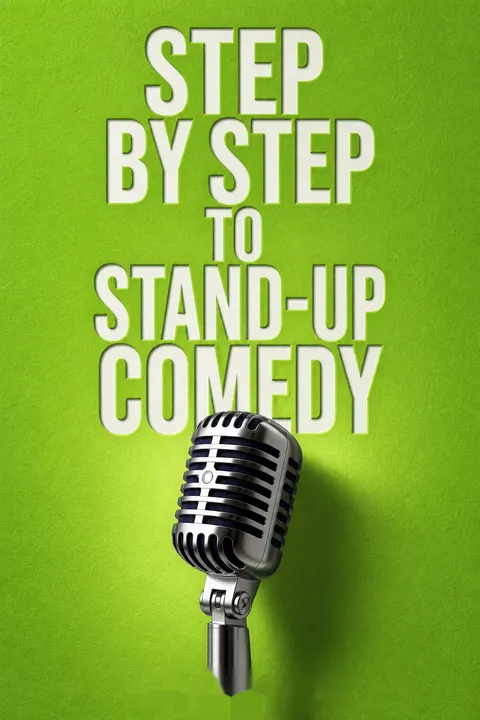


Key Takeaways
Build every joke around an expectation the punch makes impossible to keep
A joke redirects a story. Dean’s central model begins with a setup that leads the audience to imagine a likely situation, then a punch that makes another, surprising situation fit the same details. The imagined first situation is the 1st Story; the new one is the 2nd Story. In one example, a man appears to lament that his wife has left him, until the punch makes clear he misses the friend who went with her.
Find the hidden hinge. A target assumption is the key inference the audience makes about one thing, and the connector is that thing, which can be interpreted in more than one way. The punch supplies a reinterpretation that overturns the target assumption. A joke without that shift may still be a story or a funny observation, but this model says it lacks the engine of a conventional joke.
What's striking is how the model treats laughter as a consequence of active interpretation. The audience is not simply receiving a clever sentence; it is revising a mental scene. That connects comedy to predictive processing, the idea that people continually anticipate what comes next and update when evidence disagrees. The framework is especially useful for diagnosing why a punchline feels flat. Its universal claim deserves a lighter grip, though: absurdity, character, rhythm, and shared social context can create laughter without a neat two-story switch. It works best as a writer's instrument, not as a final theory of every laugh.
Mine your own specific grievances instead of guessing what strangers will laugh at
Start with personal friction. Dean urges comics to write from their own perspective, interests, judgments, and feelings, rather than imitate material that has already worked for someone else. A topic is a single subject connected to something the writer sees as wrong. The topic itself need not be funny. Its comic potential often lies in irritation, embarrassment, disappointment, or another discomfort that can be reshaped into a joke.
Details create options. A broad subject such as the post office can produce a list of concrete associations: lines, mail slots, stamps, workers, and delivery. The writer then chooses a smaller aspect and forms a negative opinion about it. The author's example shifts from a complaint about mail delivery to a joke that begins by pretending the workers are efficient. The false praise sets up a reversal without limiting the writer to one specific complaint.
Personal material can feel distinctive because it carries the writer's selection of details, not merely a topic that many people share. In memoir and ethnography, particular observation often reveals a broader social pattern more effectively than a broad claim does. Comedy gains the same advantage: an individual irritation can become recognizable without pretending to speak for everyone. There is a useful boundary here. Pain can provide comic energy, but it is not a requirement, and some experiences are better handled with care than mined for laughs. Specificity supports honesty; it does not guarantee that every audience will welcome the same interpretation.
Use questions to turn a broad topic into several workable punchlines
Prospect before polishing. The Joke Prospector is Dean's method for developing material from a topic through to a completed joke. Its Joke Map narrows the subject into details, an opinion, and a setup that suggests the opposite view. Its Joke Mine starts with a setup and explores the assumptions that could be overturned. The purpose is not to follow a formula mechanically, but to keep generating possibilities instead of waiting for inspiration.
Dig through alternatives. The writer lists assumptions about the setup, selects one likely to be shared by the audience, identifies the connector, and brainstorms other interpretations. Next comes a plausible second situation that makes one alternative interpretation work. The writer then distills that situation into a punch. If the result is weak, the method encourages changing the interpretation or the assumption, rather than forcing a bad line to survive.
The method externalizes a process that experienced writers often perform intuitively. Listing possibilities reduces the pressure to produce a finished joke in one flash, much as exploratory drafts help in fiction and design. Questions also make creative search more productive by directing attention toward new information instead of repeated self-judgment. Yet a stepwise method can create an illusion of certainty: plausible alternate meanings are raw material, not proof of comic force. Timing, voice, audience familiarity, and taste still determine whether a constructed joke earns a laugh. The system is strongest as a generator and diagnostic aid, not as an automatic joke machine.
Cut explanation until the audience reaches the reveal before its laugh expires
Protect the surprise. The reveal is the word, phrase, or action that exposes the punch's reinterpretation. Dean's practical advice is to place it as close to the end as natural speech allows, then stop. If the comic keeps talking after the surprise, the audience may interrupt its own laughter to catch the extra words. A joke about a closet works, for instance, when that final word can make the audience reinterpret the earlier setup without an explanatory tail.
Spend fewer mental steps. Trim details that do not help the audience build the setup or understand the new story. The book also recommends checking whether a familiar expression is clearer than an obscure reference, trying words with sharper consonant sounds, and using a three-part pattern when the last item can break the audience's expectation. These are editing tools, not laws. Clarity and surprise matter more than any sound trick.
This is a lesson in information design as much as joke writing. A punchline must preserve enough uncertainty for surprise, then resolve it quickly enough for the audience to feel the click. The advice resembles interface design, where unnecessary steps can obscure the action a user needs to take. Rhythm and phonetics can also change how a line feels when spoken, even when its meaning stays constant. Still, a hard consonant or three-part list is not inherently funny. Treating such devices as reliable recipes can make performance mannered. Testing a line aloud is the essential check.
Put jokes onstage as scenes, not reports about scenes
Shift the audience's viewpoint. Dean distinguishes three points of view, or POVs. Narrator POV describes an event from outside it. Self POV reenacts the comic's own part in the event. Character POV portrays another person, animal, object, or idea. A comic can frame a scene as narrator, become a spouse asking a question, then answer as the self. That small shift can turn an account into a live exchange.
Let characters contribute. Dean describes a student who expanded a story about retrieving a towed car by becoming the sarcastic attendant at the impound yard. Exploring what that character might say generated a fuller scene than simply reporting the encounter. Clear physical and vocal differences help audiences follow shifts. The performer should keep character positions consistent and face the audience rather than turning away during transitions.
Changing viewpoint gives an audience more than added theatrical color. It distributes information among speakers, letting a character's reaction become part of the joke rather than merely something the narrator summarizes. This resembles dramatic writing, where action and dialogue can reveal motives more vividly than explanation. The technique also creates a clarity challenge: if characters sound or move alike, the audience spends attention identifying who is speaking. Physical distinction should therefore serve comprehension, not become decoration. The most effective enactment is not necessarily the most elaborate one; a single well-timed shift can carry the scene.
Rehearse the remembered experience, not a transcript of its sentences
Separate making from judging. Dean calls the creative, playful side the Creator and the analytical, editing side the Critic. He recommends assigning them different physical locations: the Rehearsal Space for improvising and enacting material, and the Critic Spot for evaluating it. If self-criticism interrupts practice, move to the Critic Spot, take note of the feedback, then return to the rehearsal area.
Practice the scene's sensory cues. Instead of memorizing only the wording, identify what would have happened for the joke to make sense. Enact the relevant roles, settings, and reactions, then practice performing from that remembered scene. Dean recalls a student who rehearsed while driving a milk truck and could not initially recall his routine onstage. Recreating the driver's posture restored his memory. His point is that rehearsal conditions shape performance, though concise wording still needs deliberate practice.
Separating generation from evaluation resembles a well-established principle in creative work: divergent thinking benefits from temporarily suspending judgment, while editing benefits from focused scrutiny. Rehearsing actions and context can also create more retrieval cues than memorizing a bare sequence of words. The milk-truck story makes that point memorable, though it is an anecdote rather than controlled evidence. Experience-based rehearsal should not be confused with abandoning craft. A performer still needs to preserve the joke's structure and avoid wandering into unnecessary detail. The useful balance is vivid memory with disciplined selection.
Treat each set as a test, then rebuild the routine from recorded laughs
Keep an external record. Dean recommends storing jokes in an organized file and grouping material by subject so it can be found and recombined. His Routine Builder moves from separate jokes to related categories, then arranges them so one thought can lead into another. Reading the draft aloud reveals clumsy transitions and excess explanation that may look fine on a page. A small story line, such as going to the post office and interacting with its workers, can link otherwise separate jokes.
Let performance update the draft. Record shows and rate each joke by audience response. Dean estimates that only about one in ten written jokes becomes regular material, and only about one in ten of those earns the strongest rating. He suggests opening with strong, but not strongest, material, placing weaker or riskier bits between reliable sections, and closing with a peak. A tag adds another punch to an existing setup.
The routine file and recording practice turn comedy from a private impression into an observable craft. A performer can compare remembered confidence with the audience's actual response and notice which transitions lose energy. This resembles iterative product testing: keep what works, revise what fails, and do not mistake attachment for evidence. But a laugh rating is a noisy measure. Audience size, mood, venue, delivery, and cultural references all affect response, while a quiet but meaningful line may have value beyond immediate volume. Recorded data should guide judgment, not replace it.
Let audience response set your timing, and change course when the room goes cold
Timing is an exchange. Dean illustrates comic timing with African dance and drumming: dancers follow the drum, while drummers adjust to the dancers. Neither side controls the rhythm alone. In stand-up, the comic's pauses and pace should respond to the audience, and the audience reacts to the comic. When laughter starts, the comic should stop speaking long enough for it to finish instead of talking over the response.
Use silence as information. If a set is failing, Dean advises trying something different rather than repeating the same material with greater force. Acknowledge the mismatch, stay playful, and consider a stronger joke, a riff with the audience, or a change of pace. With hecklers, he recommends first judging whether the audience sees the interruption as unwelcome. A sincere request to stop can work; an aggressive comeback can alienate the room if the audience has not seen what prompted it.
This section frames performance as feedback control: the comic acts, reads the room, and adapts. That is more realistic than imagining a set as a fixed script delivered to passive listeners. The idea also connects with improvisation, where attention to partners matters more than forcing a preplanned move. The caution is that audience response is not always a clean signal. A joke may fail because of context, clarity, or delivery, and not every heckle reflects the room's judgment. Adaptability means noticing evidence without letting one reaction dictate the entire set.
Get stage time before you feel ready, and treat bombing as tuition
Practice in public. Dean argues that performing is the indispensable teacher because a comic learns what works by testing material with real people. Open mikes may offer only three to six minutes, inconvenient time slots, and small or distracted crowds, but each appearance builds experience. He also suggests organizing shows, trying civic events, or performing in public spaces when clubs are unavailable. The aim is repeated exposure to different audiences, not waiting for ideal conditions.
Build toward professional reliability. The book advises keeping material within the allotted time, preparing a brief show list, and getting comfortable with a microphone before a gig. It sets a rough threshold of a dependable 20 to 25 minute show before actively seeking paid work. Fear may remain, but acknowledging it, staying sober, and treating a bad set as feedback can make the next attempt more informed. Repetition matters most when each performance is followed by honest review and revision.
The emphasis on early, repeated performance matches the logic of deliberate practice: improvement depends on attempts that reveal specific gaps, not merely on years spent near a stage. Open mikes provide exposure to uncertainty, which a private rehearsal cannot fully simulate. The book's insistence on taking responsibility is useful, but bombing should not be romanticized. A failed set is tuition only when it yields a question to investigate, such as whether the premise was unclear or the audience was mismatched. Time onstage creates opportunity; reflection converts that opportunity into skill.
Analysis
Dean's book is best understood as a practical apprenticeship organized around a single idea: comedy can be analyzed, generated, rehearsed, and revised, even though no method can guarantee a laugh. Its most useful contribution is the bridge between joke construction and live performance. The two-story model offers a way to inspect a punchline; the Joke Prospector turns that inspection into a repeatable search; the rehearsal method then tries to preserve the spontaneity that analysis can otherwise suppress. The chapters on routines and audience response complete the loop by treating each show as both performance and experiment.
The book is unusually concrete. It does not stop at the romantic instruction to be funny. It discusses filing jokes, recording sets, staging characters, handling a microphone, preparing an introduction, and adapting when the room responds differently than expected. The recurring student stories show craft as learned behavior rather than a mysterious gift. Its strongest teaching principle may be the separation of invention from critique: create first, edit later, and use evidence from performance to decide what survives.
Some claims should be treated as craft heuristics rather than settled science. The assertion that every joke shares one structure may not neatly explain absurdism, observational comedy, or humor that depends primarily on character and social identity. The book also gives pain a prominent role as comic raw material, but painful experience is not automatically funny, safe to share, or equally available to every performer. Finally, laughter is a useful signal but an imperfect measure of quality. A room's response reflects context as well as writing. Read this as a detailed workshop manual, not a universal lawbook: its models are valuable precisely when they help a comic notice, test, and improve choices.
Review Summary
Step by Step to Stand-Up Comedy receives mostly positive reviews, praised for its practical approach to joke writing and performance techniques. Readers appreciate the detailed breakdown of joke structure and find the book helpful for both beginners and experienced comedians. Some criticize the outdated content and repetitive examples, while others note the audiobook version lacks accompanying materials. Overall, reviewers recommend it as a valuable resource for aspiring stand-up comedians and writers looking to improve their comedic skills.
People Also Read



Glossary
1st Story
Expected imagined sceneThe audience's imagined situation built from a joke's setup. It includes assumptions that make the limited information feel complete and predictable. The 1st Story is not simply the setup's words; it is the fuller scene the listener supplies and expects the joke to continue.
2nd Story
Surprising imagined sceneThe alternative situation the audience reconstructs after hearing a punch. It must fit the setup while differing from the expected 1st Story. The punch communicates only enough information for listeners to discover this second interpretation and recognize which earlier assumption was mistaken.
target assumption
Key assumption overturnedThe central assumption that gives the audience's 1st Story its expected meaning. It is the particular inference the punch overturns. For a setup to misdirect effectively, the audience should be likely to make this assumption without needing it stated explicitly.
connector
Thing with multiple meaningsThe single element interpreted in at least two ways within a joke. One interpretation supports the target assumption, while another supports the punch's reinterpretation. A connector can be a word, an object, a movement, or another feature of a scene.
reinterpretation
Unexpected alternate meaningThe punch's alternative reading of the connector. It must be unexpected but compatible with the setup, allowing the audience to form the 2nd Story and revise its earlier assumption. A reinterpretation may be spoken, implied, or communicated through physical action.
Joke Prospector
System for developing jokesGreg Dean's joke-writing system, made up of the Joke Map and Joke Mine. The Joke Map helps a writer move from a subject toward possible setups. The Joke Mine examines the assumptions in a setup and searches for an alternate interpretation that can become a punch.
Joke Map
Topic-to-setup planningThe first part of the Joke Prospector. It guides a writer from a broad topic to specific related details, a negative opinion about one detail, an opposite setup premise, and several possible setups. Its purpose is to generate a supply of starting points for jokes.
Joke Mine
Setup-to-punch explorationThe second part of the Joke Prospector. The writer lists assumptions prompted by a setup, chooses a target assumption and connector, brainstorms alternate interpretations, develops a situation around one, and compresses it into a punch.
Punch-premise
Negative view of a detailA step in the Joke Map: a negative opinion about a smaller aspect of a topic. It is deliberately broad and does not include a specific example, so it can generate multiple jokes rather than restricting the writer to one instance.
Setup-premise
Opposing view for setupsThe opposite opinion to a punch-premise, applied to the same smaller aspect of the topic. The writer uses it to invent setups that present an expected or positive view, leaving room for a punch to reverse that expectation.
Narrator POV
Observer's point of viewThe performance position used to describe or comment on an experience without participating in it. The narrator addresses the audience and can establish a scene, connect actions, or add observations while remaining outside the enacted event.
Self POV
Participant's point of viewThe performance position in which the comedian portrays themself as a participant in an experience. Instead of merely describing what happened, the performer reenacts their own actions and responses as if the scene is occurring in the present.
Character POV
Another character's viewpointThe performance position in which the comedian portrays someone or something else in a scene. This may be another person, an animal, an object, or an abstraction. Distinct voices, postures, and stage positions help the audience identify the character.
Critic Spot
Place for evaluating workA physical location assigned to analysis and feedback during Dean's rehearsal method. Moving to this place signals a shift away from improvising and toward assessing what happened, identifying needed changes, and planning the next rehearsal.
Rehearsal Space
Place for creative enactmentA physical area kept separate from the Critic Spot, where the performer improvises and enacts the experience behind the material. The separation is intended to prevent self-evaluation from interrupting creative practice and to make rehearsal resemble the desired performance.
reveal
Punch's decisive final elementThe key word, phrase, or action that exposes the punch's reinterpretation. Dean recommends placing it at or near the end of the punch so the audience can respond before the performer continues speaking.
hammocking
Weak material between strong bitsA sequencing technique that places uncertain or experimental material between reliable jokes or routines. Strong material before and after can support audience attention and help a set recover if the new section receives a weak response.
Download PDF
Download EPUB
.epub digital book format is ideal for reading ebooks on phones, tablets, and e-readers.








