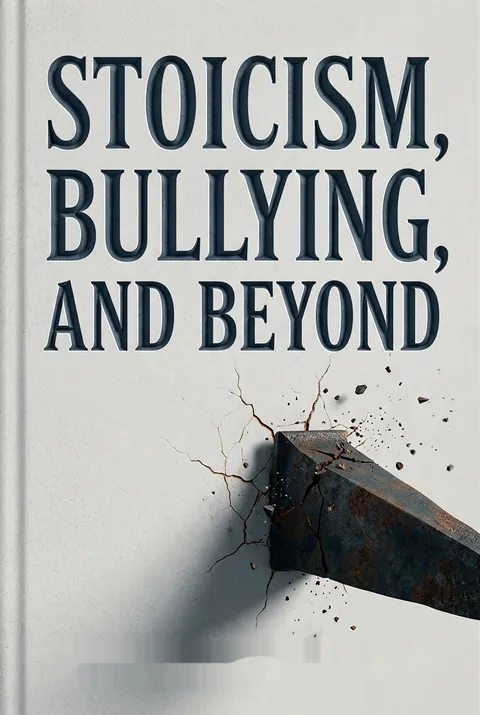


Key Takeaways
Treat repeated workplace hostility as a group process, not a personality clash.
A pattern, not one incident. Workplace bullying is repeated, harmful conduct, often backed by an imbalance of power. Sharpe prefers the term “mobbing” because the campaign commonly involves colleagues, managers, and bystanders, not just one aggressor. Tactics can be quiet: withholding information, stealing credit, spreading rumors, isolating someone, or turning their complaint into evidence that they are difficult. Ron, a senior manager, lost his responsibilities and was shut out of meetings after a new supervisor took credit for his work. His health deteriorated, and he never returned to the job.
You are not alone. The book cites Australian data indicating that about one worker in ten reported bullying in a six-month period. A 2021 US survey reported that 30% experienced abusive conduct and another 19% witnessed it. Those figures do not prove any individual case, but they show that the problem is not a personal failing or rare aberration.
What's important here is the shift from asking, “What is wrong with this person?” to asking, “What pattern is this workplace permitting?” That change can help a target describe events more clearly and help an observer notice how exclusion or rumor-spreading recruits an audience. It also resists an overly neat villain story: the same behavior can arise from different motives, while organizational incentives and weak oversight can still enable it. Precise descriptions of repeated actions are often more useful than guessing at a perpetrator's personality.
When managers side with aggressors, ordinary conflict becomes institutional mobbing.
The second blow comes from above. A disagreement becomes especially dangerous when management accepts one side's story without hearing the target, or lets the conduct continue. Sharpe calls this the “one-two punch”: colleagues first undermine or isolate someone, then managerial authority reinforces the campaign and makes the target's options seem to disappear. Sylvie's boss rebuffed her request to discuss a work change, then described her as mentally unstable and pressured her to take leave, despite a workplace doctor finding no reason for it.
A campaign gains cover. The book also uses Brian Martin's “backfire model” to explain how harmful actions can be concealed, presented as reasonable management, shifted onto the target as blame, kept inside company procedures, and enforced through intimidation or silence. Leymann's account describes escalation from an initial conflict to attacks, managerial involvement, formal humiliation, and pressure to leave. These stages can overlap, and the sequence is not inevitable.
This account makes procedural fairness central, rather than treating it as office etiquette. An organization controls access to records, meetings, evaluations, and complaint systems, so managerial neutrality is not a decorative virtue. It is a check on unequal power. The model is most useful as a warning map, not a verdict: a manager's poor response may be negligent without proving a coordinated campaign. Keeping that distinction clear protects targets from being dismissed as well as from reaching conclusions the evidence cannot support.
Build your worth on chosen conduct, not a reputation others control.
Separate character from status. Stoicism argues that external goods such as a job title, reputation, income, or popularity can matter, but cannot guarantee a good life. Its central good is virtue: practical wisdom and strengths such as courage, fairness, and self-restraint. That claim matters when a workplace tries to define someone through allegations or exclusion. A mob may affect a person's role or standing, but it cannot decide whether that person acts honestly, treats others fairly, or seeks help wisely.
Control is not total power. The Stoic “dichotomy of control” distinguishes choices and judgments from outcomes that depend on other people or circumstance. A target can document, seek advice, and choose a response; they cannot command coworkers to believe them. Sharpe stresses that this is not a reason to accept injustice. It is a way to put effort where it can matter, while refusing to make self-respect depend entirely on an employer's verdict.
The distinction is psychologically useful because reputation is inherently social: it depends on other people's judgments, which no individual can fully manage. The ethical emphasis also prevents resilience from collapsing into image management. Yet the claim that virtue is the only true good can sound too absolute when income, healthcare, and professional identity are at stake. The stronger practical reading is not that external losses are trivial, but that they do not exhaust a person's value or dictate every future choice.
Record facts carefully, and label suspicion as suspicion.
Make a clear record. Sharpe recommends writing down incidents as soon as possible, with dates, locations, people present, what was said or done, and any documents or witnesses. Keep relevant records somewhere separate from work systems. This chronology can help preserve details when stress makes recall harder, and can support a complaint or legal consultation. It also gives the mind a place to put events instead of endlessly replaying them.
Do not outrun the evidence. Mobbing can include covert actions, leaving targets unsure who did what or why. The Stoic practice of “non-precipitancy” means resisting a rush to certainty. Mark what is directly observed, what is reported by someone else, and what remains a reasonable suspicion. Sharpe suggests noting how confident a person is in an interpretation. A pattern of documented incidents may carry more weight than one disturbing event whose cause cannot be established.
This is a rare point where emotional steadiness and evidentiary discipline reinforce each other. A careful record can protect memory, reduce circular rethinking, and make a complex experience more legible to an outsider. The method also guards against confirmation bias, which becomes especially tempting when a person feels threatened. Its limitation is that documentation cannot make a hostile process fair, and excessive monitoring can intensify vigilance. The useful aim is a bounded record, not a second job spent investigating every ambiguity.
Calm the nervous system before deciding whether to stay or leave.
Stabilize before strategy. Sharpe describes targets experiencing anxiety, sleep disruption, hypervigilance, anger, shame, and repeated thoughts about incidents. Ongoing threat can keep the body in a fight-or-flight state, making concentration and judgment harder. The book therefore puts personal triage before major decisions. It recommends seeking qualified support, including a counsellor or therapist independent of the workplace, rather than treating Stoicism as medical care.
Create small pauses. Stoic exercises include noticing a recurring thought as a thought, rather than reliving it as if the event were happening now. A person can ask whether there is anything useful to do at that moment, especially during a night-time replay. Morning preparation and brief evening review build a routine for anticipating stress and examining one's own actions. These practices are not commands to suppress emotion or instant cures; their purpose is to create a little room for response.
The sequencing is sensible: acute stress narrows attention, so a decision made in panic may reflect exhaustion more than considered priorities. The book's Stoic exercises resemble a basic metacognitive move, noticing a thought without treating it as a command. Still, trauma responses are not simply judgments a person can switch off. The recommendation to seek professional care is therefore essential, not an optional footnote. Self-regulation can support safety and clearer choices, but it cannot repair a dangerous workplace by itself.
Imagine the worst realistically, then build a practical Plan B.
Prepare instead of rehearsing dread. Stoic “premeditation of adversities” means picturing a feared outcome and asking what options, supports, and next steps would remain if it happened. It is not an exercise in expecting disaster. Sharpe applies it to possibilities such as further humiliation, forced leave, or losing a role. Naming the fear can expose the assumption beneath it: that if this job ends, nothing worthwhile remains.
Make alternatives concrete. A safety plan can include an updated CV, possible referees, job-search contacts, a financial overview, expenses that could be reduced, and people who might help in an emergency. The book also urges targets to grieve the lost version of their career rather than pretending it does not hurt. An exit plan does not require leaving immediately. It can reduce the feeling of being trapped and let a person assess whether staying is still viable.
Preparedness changes the emotional geometry of a decision. When alternatives are vague, the current workplace can feel like the only possible world; a written plan makes other routes easier to evaluate. This resembles contingency planning in safety-critical work, where teams rehearse failure modes to preserve options under pressure. There is a balance to strike: dwelling on catastrophic scenarios can amplify anxiety. The exercise works best when each feared outcome leads to a finite, practical response, not an endless forecast of everything that could go wrong.
Refuse the bait, but pursue fairness through deliberate channels.
Do not let an insult set the timetable. Sharpe argues that visible anger can be used to portray a target as unstable or aggressive. Stoic reflection separates the event, such as hearing that someone spoke badly, from the judgment that one's worth has been destroyed. The aim is not to deny the harm or silence justified anger. It is to avoid letting a provocateur dictate when and how to respond. A target can note an insult, consider whether it contains any useful criticism, and choose a calmer route to address the conduct.
Justice is not revenge. If a target considers formal action, the book recommends learning the rights and options available in their jurisdiction, consulting appropriate professionals, and preparing for cost, delay, and emotional strain. A fair hearing may matter even if it cannot make aggressors regret what they did. The goal should be safety, accountability, and a chance to present evidence, not control over another person's feelings.
The distinction between anger and action is valuable: anger can register that a boundary has been crossed, while still being a poor strategist when it dictates the next move. The legal emphasis also shifts the response from private retaliation toward accountable process. But restraint should not become a demand that targets perform perfect calm to deserve protection. Institutions should assess evidence and conduct, not reward the person who appears least distressed. Deliberate response is a tactic for preserving options, not a test of moral worth.
Spread identity across relationships that a workplace cannot erase.
A job is one role. Mobbing attacks more than work assignments: it can damage social belonging, professional reputation, and the ability to speak and be heard. Sharpe urges readers to inventory other identities and relationships: family roles, friendships, interests, community ties, and skills outside the job. His “different eggs, different baskets” exercise asks what recognition and meaning each source offers, especially when work has become hostile.
Keep contact with the wider world. The book illustrates the shock of social exclusion with a character in a novel who is treated as dead because official records say so, despite standing before his colleagues. The analogy captures how powerful non-recognition can feel. Reconnecting with trusted people and activities does not make workplace injustice disappear. It can remind a target that a clique's judgment is not the whole social world, while providing support beyond the organization.
This is more than distraction. Social identity research broadly treats belonging as a basic human need, and a workplace can become dangerously dominant when it supplies nearly all recognition, routine, and status. Maintaining other roles creates redundancy: if one source of identity is under attack, others remain available. The caution is that family and friends may also be strained by prolonged distress. Support should be reciprocal and appropriately bounded, with professional help included when the burden exceeds what informal relationships can safely carry.
Use trusted support and formal justice without making revenge the mission.
Do not deliberate alone. The book recommends identifying a small circle of trusted advisers, such as a partner, friend, counsellor, union representative, or lawyer. Their distance from the workplace can matter, since a colleague may feel pressure or become a source of information for the people involved. A candid adviser can help test assumptions, see options that stress obscures, and point out when a response may be counterproductive.
Choose by your values. Staying to challenge conduct, leaving to protect health, or pursuing legal recourse are decisions no general philosophy can make for every target. Sharpe suggests asking what matters across a whole life, not only in the current crisis, and considering the practical burdens of each path. Legal proceedings can be slow, costly, and retraumatizing; outcomes are uncertain. Advice from qualified local professionals is important, especially before acting on workplace or legal procedures.
This closes the gap between inner discipline and collective accountability. A private philosophy may help a person preserve judgment, but workplace abuse is also a governance problem, and support networks can connect individual experience to institutional remedies. The emphasis on advisers is strongest when they are independent and willing to disagree, rather than simply affirming the target's account. No single adviser has the full picture. Combining personal support, relevant expertise, and documented evidence gives decisions a firmer basis without promising that the system will respond fairly.
Analysis
Sharpe's central move is to join two levels of a problem that are often separated. Workplace mobbing is an organizational and social process: repeated denigration becomes more damaging when colleagues participate and managers lend authority or refuse fair process. At the same time, the book addresses the target's inner experience, where uncertainty, isolation, anger, and fear can erode the capacity to choose. Stoicism is presented as a practical discipline for preserving judgment under pressure, not as a claim that external harm is imaginary.
The strongest contribution is this double vision. Documentation, careful assessment of uncertainty, and preparation for adverse outcomes are not merely philosophical exercises. They are ways to recover agency while making one's account more legible to others. The distinction between what a person can choose and what others control can also reduce futile self-blame, provided it is not misused to imply that targets control their emotional responses or should tolerate injustice. Sharpe repeatedly makes that qualification, and the recommendation to seek clinical, legal, and social support matters for precisely this reason.
There is a productive tension in the book's advice to remain composed. In a hostile organization, emotional restraint may protect a target from having distress reframed as misconduct. Yet a system that credits calm testimony more readily than visible suffering risks making the target responsible for managing the institution's bias. Stoic composure is best understood here as an optional tactical resource, not a standard that victims must meet to deserve a hearing.
The book also avoids prescribing one heroic ending. Leaving can be an act of self-protection; staying and seeking redress can express justice or solidarity with future workers. The useful question is not which choice proves strength, but which choice best serves the person's health, obligations, values, and realistic options. Its practical message is therefore neither passive endurance nor guaranteed victory. It is to protect the capacity to think, preserve evidence, seek allies, and choose with open eyes while demanding that responsibility remain with the people and institutions causing harm.
Review Summary
Stoicism, Bullying, and Beyond receives overwhelmingly positive reviews, praised for its clear explanations of workplace bullying tactics and Stoic coping strategies. Readers find it relatable, thought-provoking, and practical, with many appreciating its timely advice for dealing with difficult situations. The book is commended for its accessibility, helpful exercises, and empathetic tone. Several reviewers note how the book helped them understand and overcome their own experiences with bullying, while others recommend it as a valuable resource for anyone facing workplace challenges.
People Also Read


Glossary
mobbing
Group workplace bullyingA sustained pattern of harmful workplace behavior in which one or more aggressors enlist, exploit, or receive the cooperation of colleagues or managers against a target. The term emphasizes that bullying is often social and organizational, rather than a simple conflict between two individuals. It can involve isolation, rumors, false accusations, obstructed work, and pressure to leave.
one-two punch
Peer attacks, then managerial backingSharpe's description of two connected layers of workplace mobbing. The first is repeated hostility from colleagues, such as humiliation, exclusion, or undermining. The second occurs when a manager accepts the aggressors' framing, denies the target a fair hearing, or reinforces the treatment. This managerial response can make the target feel that ordinary routes for help have closed.
backfire model
Tactics that protect wrongdoingA framework associated in the book with scholar Brian Martin for explaining how people or institutions respond when their actions violate accepted standards. The tactics include concealing conduct, discrediting the person harmed, presenting the conduct as legitimate, keeping scrutiny within internal channels, and intimidating or silencing critics. Sharpe applies the model to explain how organizations can deny or obscure workplace mobbing.
dichotomy of control
Separate choices from outcomesA Stoic distinction between what depends directly on a person's choices, judgments, and actions, and what depends on other people or external circumstances. In the context of workplace bullying, a target cannot command others' beliefs or behavior, but can choose how to document events, seek advice, and respond. The distinction is meant to focus effort, not excuse injustice.
assent
Accepting an impression as trueIn Stoic psychology, an impression is an initial perception or impulse, which may arise without deliberate choice. Assent is the person's acceptance of the impression or the judgment it suggests. Sharpe uses this distinction to explain how a target may notice anger, fear, or suspicion without immediately treating every thought as certain or every impulse as a command.
non-precipitancy
Resist premature certaintyA Stoic discipline of withholding categorical judgment when the available evidence is incomplete. Applied to covert bullying, it means distinguishing witnessed events from hearsay or suspicion, recording uncertainty, and avoiding claims stronger than the evidence permits. This can help a target reason more clearly, reduce repetitive speculation, and present a more credible account to an independent reviewer.
premeditation of adversities
Rehearse responses to hardshipA Stoic exercise in which a person deliberately imagines a possible difficulty and considers how to respond if it occurs. The aim is not to dwell on disaster, but to reduce fear of the unknown by identifying options, resources, and likely obstacles. Sharpe applies it to feared workplace outcomes, including further retaliation, forced leave, or losing a position.
inner citadel
A protected space for judgmentA Stoic metaphor, associated in the book with Marcus Aurelius, for the person's capacity to return to reflection and govern their own judgments. It does not mean that external harms are unreal or that a person is invulnerable. In Sharpe's application, it represents the effort to preserve dignity and ethical choice when other people control workplace decisions or reputation.
FAQ
What's "Stoicism, Bullying, and Beyond" about?
- Overview: "Stoicism, Bullying, and Beyond" by Matthew Sharpe explores how Stoic philosophy can help individuals cope with workplace bullying and mobbing.
- Focus: The book provides practical tools and insights from Stoicism to help targets of bullying maintain their mental and emotional well-being.
- Structure: It includes case studies, historical examples, and Stoic exercises to guide readers through understanding and overcoming bullying.
- Goal: The aim is to empower individuals to regain control over their lives and respond constructively to workplace challenges.
Why should I read "Stoicism, Bullying, and Beyond"?
- Practical Guidance: The book offers actionable advice for dealing with workplace bullying, making it a valuable resource for anyone facing such challenges.
- Philosophical Insights: It introduces readers to Stoic philosophy, providing a framework for resilience and emotional regulation.
- Empowerment: By applying Stoic principles, readers can regain a sense of agency and dignity in difficult situations.
- Comprehensive Approach: The book combines philosophical teachings with real-world applications, making it accessible and relevant.
What are the key takeaways of "Stoicism, Bullying, and Beyond"?
- Dichotomy of Control: Focus on what is within your control and let go of what is not, to maintain peace of mind.
- Virtue as the Only Good: Inner strength and character are more important than external circumstances for true happiness.
- Emotional Regulation: Emotions are based on beliefs; by changing beliefs, you can change your emotional responses.
- Practical Exercises: The book provides Stoic exercises to help manage stress, anxiety, and anger in the face of bullying.
How does Matthew Sharpe suggest using Stoicism to handle workplace bullying?
- Understanding Stoicism: Sharpe explains Stoic principles like the dichotomy of control and the importance of virtue.
- Practical Application: He offers exercises to help targets of bullying manage their emotions and regain control.
- Case Studies: Real-life examples illustrate how Stoicism can be applied to overcome workplace challenges.
- Empowerment: The book encourages readers to focus on their inner strengths and maintain their dignity despite external pressures.
What is the "dichotomy of control" in Stoicism, and how is it applied in the book?
- Concept: The dichotomy of control distinguishes between what is within our control (thoughts, actions) and what is not (others' actions, external events).
- Application: Sharpe advises focusing on internal responses rather than external circumstances to maintain emotional stability.
- Practical Use: By applying this principle, targets of bullying can reduce stress and focus on constructive actions.
- Empowerment: Understanding this concept helps individuals regain a sense of agency and control over their lives.
What are some Stoic exercises recommended in "Stoicism, Bullying, and Beyond"?
- Morning Premeditation: Start the day by mentally preparing for potential challenges and reminding yourself of your inner strengths.
- Evening Reflection: Review the day's events, assess your actions, and plan for improvement without self-criticism.
- Premeditation of Adversities: Imagine worst-case scenarios to reduce fear and prepare for potential challenges.
- Handling Insults: Use Stoic reasoning to depersonalize insults and maintain emotional balance.
How does "Stoicism, Bullying, and Beyond" address the emotional impact of bullying?
- Emotional Awareness: The book emphasizes understanding the beliefs underlying emotions to manage them effectively.
- Reframing Experiences: It encourages reframing negative experiences to reduce their emotional impact.
- Practical Exercises: Stoic exercises help targets of bullying regulate emotions like anger, fear, and anxiety.
- Support and Community: The book highlights the importance of seeking support and connecting with others who understand the experience.
What are the best quotes from "Stoicism, Bullying, and Beyond" and what do they mean?
- "The best revenge is to be unlike the person who would harm you." This quote from Marcus Aurelius emphasizes maintaining one's integrity and character despite others' actions.
- "If you can keep your head when all about you are losing theirs and blaming it on you..." This line from Rudyard Kipling's poem "If" underscores the importance of staying calm and composed in challenging situations.
- "Wherever it is possible to live, it is possible to live well." This Stoic principle suggests that happiness and fulfillment are possible regardless of external circumstances.
- "Remember that benevolence is invincible." This quote highlights the power of kindness and goodwill in overcoming adversity.
How does Matthew Sharpe use case studies in the book?
- Real-Life Examples: Sharpe includes case studies of individuals who have experienced workplace bullying to illustrate Stoic principles in action.
- Learning from Others: These examples provide insights into how others have successfully navigated similar challenges.
- Practical Application: The case studies demonstrate how Stoic exercises can be applied to real-world situations.
- Empathy and Understanding: They help readers feel less isolated by showing that others have faced and overcome similar difficulties.
What is the "one-two punch" structure of mobbing described in the book?
- First Punch: The initial aggression and undermining actions by colleagues or superiors.
- Second Punch: The managerial enabling or tacit approval that compounds the target's difficulties.
- Psychological Impact: This structure creates a sense of helplessness and isolation for the target.
- Stoic Response: Understanding this structure helps targets focus on what they can control and seek appropriate support.
How does "Stoicism, Bullying, and Beyond" suggest handling insults and slights?
- Depersonalization: Recognize that insults are external events and do not define your worth.
- Reframing: Consider the source of the insult and whether it holds any truth or value.
- Self-Reflection: Use insults as opportunities for self-improvement if they highlight genuine flaws.
- Emotional Regulation: Apply Stoic reasoning to reduce the emotional impact of insults and maintain composure.
What role does community and support play in "Stoicism, Bullying, and Beyond"?
- Importance of Connection: The book emphasizes the value of seeking support from friends, family, and professionals.
- Shared Experiences: Connecting with others who have faced similar challenges can provide comfort and validation.
- Counsel and Advice: Trusted individuals can offer valuable perspectives and guidance in difficult situations.
- Building Resilience: A supportive community helps individuals maintain their strength and resilience in the face of adversity.
Download PDF
Download EPUB
.epub digital book format is ideal for reading ebooks on phones, tablets, and e-readers.








