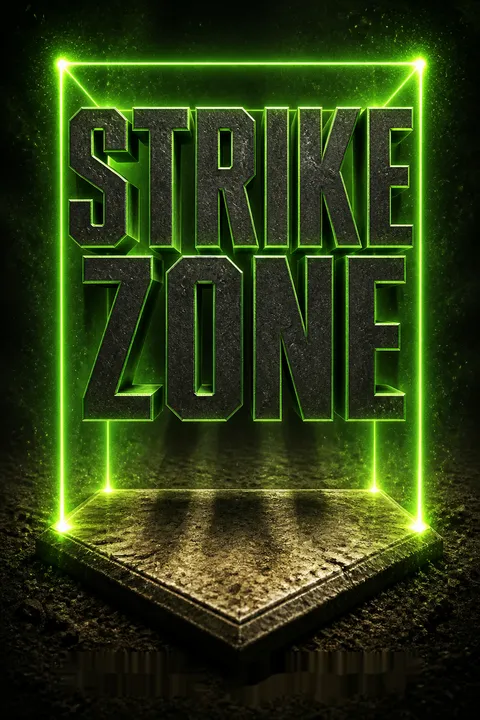


Plot Summary
A Dream Across 161st
Twelve-year-old Nick García pitches for the Bronx Blazers in the South Bronx, where Yankee Stadium stands across the street from his field. His idol, Yankees pitcher Michael Arroyo, makes the distance feel crossable, and the Dream League tournament offers Nick a chance to win MVP and throw a first pitch at the Stadium.
At home, though, the future is less certain: Nick’s parents are undocumented, and his father’s old arrest for jumping a subway turnstile could expose him to deportation.
Nick’s older sister, Amelia, also lives with lupus, and her medical expenses leave little money for a replacement glove. When Nick’s control deserts him at practice, the failure reveals how much he depends on pitching to manage fears that baseball cannot solve.
Nick’s dream is not simply ambition. The Stadium gives physical shape to a future that his family’s legal and financial circumstances make precarious. His fastball becomes a small territory in which effort seems to produce control, unlike immigration policy or illness. The worn glove and the medical bills connect his sporting life to the household economy, preventing talent from becoming an uncomplicated escape fantasy. The opening therefore establishes a double wager: Nick hopes to earn recognition, but what he wants most is a future in which his family can remain together long enough for that dream to matter.
Ten Strikeouts, One Win
Before the Blazers face the Rangers, catcher Ben Kelly helps Nick settle into a measured warm-up instead of overthrowing. Nick strikes out ten batters across five innings, while Diego Gomez triples and Ben drives him home to give the Blazers an early lead. Nick keeps improving as the game goes on, then leaves at Coach Tomás Viera’s pitch limit to protect his arm.
The Blazers finish the 3 – 0 win with closer Kenny Locke on the mound. Nick’s parents arrive with Amelia, who can safely watch because clouds soften the summer sun. Seeing all three in the stands turns the victory into something larger than a first step toward MVP: for one evening, the boy who fears losing his family has them gathered around him.
The game makes Nick’s strength visible without pretending it can solve his private troubles. His pitch limit is an important counterweight to the fantasy of limitless talent: Coach Viera treats the arm as something to preserve, not spend for a single triumph. Nick’s family in the bleachers offers a temporary version of security, assembled through weather, work schedules, and Amelia’s health. The win matters because it lets Nick experience his skill in company. Baseball gives him a shared occasion, but the chapter’s emotional reward comes from the people who make it to the field.
A Uniform in the Stands
Against the Bronx Giants, Nick faces Eric Dobbs, a talented left-handed pitcher who expects to dominate. Eric knocks Nick down with an inside pitch, but Nick gets up and doubles, helping the Blazers score the game’s first run.
The pitchers trade strikeouts until Nick walks two batters in the sixth. He sees Marisol Pérez, the tennis-playing girl he likes, beside her father, Officer Eddie Pérez, whose police uniform recalls the danger Nick associates with law enforcement.
Ben steadies him behind the plate; Nick regains the strike zone, strikes out Eric, and protects the lead. Kenny closes the 2 – 0 victory. Afterward, Nick can speak politely with Officer Pérez, yet his father’s strained smile shows that courtesy does not erase the family’s fear.
Nick’s collapse and recovery give his anxiety a measurable form: the pitches scatter when he sees a uniform, then settle when he turns his attention back to Ben’s mitt. That is not a simple lesson in concentration. The officer is also Marisol’s father, so affection and fear occupy the same space, forcing Nick to negotiate a social relationship through a political threat. His father’s controlled politeness models survival, but Nick reads the tension beneath it. The game’s win cannot make the uniform harmless; it only shows that trust between friends can briefly help him function while the larger danger remains unresolved.
The Raid Across the Concourse
Walking home after hearing Michael Arroyo escape a bases-loaded jam, Nick sees an ICE van outside a nearby apartment building. Agents bring out a young Ecuadorian man in handcuffs while his wife struggles against officers and cries for him.
Nick believes the leader is the same man who had watched his own building from the street. Neighbors gather, some challenging the agents, but the van leaves with the detainee. Nick runs upstairs, shaken and crying, then tells his family what he saw.
His parents explain that the man had previously been deported after defending his wife from a harasser, then returned to the United States. Nick’s father recognizes the risk: Victor’s old arrest is already in the system, and another encounter could expose the family.
The raid converts Nick’s imagined danger into a public event on a familiar block. The man’s wife is not an abstract symbol of separation; Nick watches her reach toward a van that keeps moving. That sight makes the family’s precautions feel less like parental overreaction and more like a daily calculation under unequal power. The apparent recognition of the agent intensifies Nick’s fear, though it also sets up a correction: his certainty is shaped by threat, not reliable identification. By making the neighborhood witness the arrest together, the story shows how state action affects people beyond the person taken, spreading fear through those who watch.
A Comeback and a Vanishing Man
Against the Braves, Nick walks two hitters and gives up a two-run single before the Blazers record an out. Coach Viera considers removing him, but Nick stays in and helps limit the damage to three runs. The Blazers answer with a five-run rally, including hits from Diego, Ben, and Nick, then Nick settles into the game and keeps the Braves there.
The 6 – 3 win preserves the Blazers’ unbeaten record. During the handshake line, Nick sees the man he believes led the ICE raid standing behind home plate. He hurries to his father, who looks where Nick points, but the man has disappeared. The victory now shares space with fresh uncertainty, and Nick’s family cannot tell whether the stranger is a real threat or a mistaken identification.
Nick’s recovery is earned through adjustment rather than a sudden return to effortless mastery. After the opening inning, he accepts that he cannot undo the damage and pitches to the situation in front of him. That emotional discipline contrasts with his response to the figure behind the plate, where ambiguity is harder to tolerate because the stakes involve his father. The vanishing man leaves no evidence, only a perception that the family must take seriously without allowing it to become certainty. The chapter places two kinds of control side by side: Nick can alter his next pitch, but he cannot determine who is watching.
The Bronx Defender’s Card
At Joyce Kilmer Park, Nick sees the man from the raid handing out flyers and runs. The stranger catches up and identifies himself as Ryan Gasson, an immigration lawyer with the Bronx Defenders, not an ICE agent. Gasson explains that the pamphlets describe people’s rights during ICE visits and gives Nick his number.
Nick brings the information home, but Victor refuses to call: a previous lawyer warned him that contacting the government might expose him to arrest, and he fears any outsider could draw attention to the family. Amelia and Nick argue that refusing even to ask for help is dangerous. Victor orders Nick not to approach Gasson again. Nick hides the card in his desk, then secretly saves the lawyer’s number in his phone.
The mistaken identity reveals how fear reorganizes perception: the same face first appears as an agent of removal, then as someone offering legal protection. Yet Victor’s refusal is not mere stubbornness. Earlier advice taught him that seeking help can create exposure, so Gasson’s offer arrives inside a history of institutional risk. Nick’s saved number marks a quiet breach of his father’s instruction, but not a rejection of his father. He is trying to preserve an option his family may need. The card functions as both practical information and a fragile alternative to helpless waiting.
A Shoulder on the Line
After Nick pitches through a rough first inning against the Braves, he faces the Orioles with his fastball at its sharpest. He strikes out Benny Alvarez repeatedly, then charges after a slow grounder and collides with the powerful runner, landing on his pitching shoulder.
Nick conceals the pain from his mother and asks Amelia to help him ice it at home. The next day, Mrs. Gurriel, their elderly neighbor and a former nurse, examines the bruised muscle with his mother’s permission.
Her massage eases the pain, and Nick tests his throwing motion with a homemade paper ball in her apartment. He can pitch without pain. Mrs. Gurriel’s care allows him to return to practice, but the injury exposes the cost of treating his arm as the one thing he must never lose.
The collision threatens the very instrument Nick uses to feel capable, and his first response is concealment. He worries about adding expense and stress to a household already stretched by Amelia’s medical needs, so even an injury becomes something he tries to manage alone. Mrs. Gurriel’s treatment offers a form of care that is intimate and competent, while her insistence on parental permission prevents kindness from becoming recklessness. The paper ball turns recovery into a modest test rather than a miracle. Nick’s arm is valuable, but the episode also shows that its protection depends on other people noticing what he hides.
The Secret Between Them
As Nick sits with Ben and Diego, he admits that he cannot tell Marisol about his family because her father is a police officer. Marisol, arriving with tickets she meant as a surprise, overhears him and hears his caution as distrust.
She runs toward Yankee Stadium, and Nick follows, explaining that his father forbade him to share the family’s private situation. Their argument exposes the difference between protecting someone and keeping them outside.
Marisol is hurt, especially because she has tried to be close to him, but she still gives Nick the tickets: her father obtained seats behind the Yankee dugout for Michael Arroyo’s next start. She leaves before their friendship is repaired. Nick is left with the tickets and the knowledge that his silence has damaged a relationship he values.
Nick’s secrecy has a rational source, but its effects are emotional rather than abstract: Marisol hears herself classified as a possible danger because of her father’s job. The scene refuses to make either teenager wholly wrong. Nick has learned that information can put his family at risk; Marisol wants the trust that intimacy requires. Her gift complicates the rupture, showing that affection persists even when confidence falters. The tickets also connect the private conflict to Nick’s public dream, but they cannot serve as an apology by themselves. Repair will require him to recognize that protecting a person can still wound them.
Victor’s Second Arrest
When Amelia’s lupus causes swollen legs, fever, and troubled breathing, Victor takes her to urgent care with Nick. Outside, a drunken man insults the family, knocks Amelia off balance, and attacks Victor. Victor does not strike back, but responding officers arrest both men after hearing conflicting accounts.
At the precinct, police fingerprint Victor, reviving the record that began with his turnstile arrest. He returns home on a desk appearance ticket, but ICE arrives at eight the next morning and takes him to a New Jersey detention center before he can call Ryan Gasson.
Nick retrieves the lawyer’s card and reaches him. The family’s fear has become immediate: Victor is detained, Graciela is still at work, and Nick and Amelia are left to understand what happens next.
The arrest exposes how a sequence of ordinary pressures can become an irreversible crisis. Victor is trying to get a sick daughter medical care; the confrontation begins when a stranger targets the family, yet Victor’s earlier record gives the resulting arrest consequences far beyond the incident. The police process and the immigration system are distinct, but their records connect them. Nick’s insistence on calling Gasson reverses his earlier obedience to his father’s warning, now because waiting has become more dangerous than seeking help. The family’s vulnerability is not caused by one reckless choice, but by accumulated exposure to systems that interpret their lives through prior records.
Baseball Without His Father
With Victor detained and facing months before an immigration hearing, Nick decides that playing baseball is selfish and considers quitting the Blazers. Graciela and Amelia refuse to let him surrender the part of life his father would want him to keep.
Amelia reminds him that baseball once gave Michael Arroyo a refuge when he feared separation from his brother. Nick plays second base against the Astros, hits four times, and helps the Blazers win 11 – 3. Ben then tells him that his family would take in both Nick and Amelia if Victor cannot return.
Later, Marisol finds Nick outside his building, apologizes for their fight, and embraces him. She asks to attend the Michael Arroyo game with him after all, reopening their friendship while his father remains absent.
Nick’s wish to quit is an attempt to make his grief morally tidy: if he cannot help his father, he believes he should stop enjoying anything. His mother and sister reject that bargain, not by minimizing the crisis but by insisting that love does not require self-erasure. The game lets anger become effort, while Ben’s offer makes friendship concrete as a possible home, not a consoling slogan. Marisol’s return matters for a different reason. She acknowledges both the hurt and Nick’s fear, allowing closeness to resume without pretending the misunderstanding never happened.
A Letter Reaches Michael
Nick and Marisol attend a Yankees game from seats her father arranged, then Officer Pérez takes them through the Stadium after the final inning. Michael Arroyo meets them beneath the stands and recognizes Nick as a young pitcher from the Bronx.
Michael says he has read a letter about Nick’s family and asks to speak with him privately. Nick realizes Amelia found his writing on the laptop and gave it to Marisol, who passed it to her father, then to Michael. Rather than resent the breach, Nick explains that Victor is now detained.
Michael calls his brother Carlos, his manager, and asks him to explore ways to help. Officer Pérez also clarifies that he sees Victor as a good man, not someone he would arrest. Nick leaves with support, though no solution is promised.
The letter changes function as it moves from private writing to shared evidence of need. Nick had used the page to say what he could not safely disclose aloud; Amelia and Marisol act on it without asking permission, an ethically complicated choice that nevertheless brings his situation to people with influence. Michael’s response is rooted in recognition, not celebrity benevolence alone: he remembers his own childhood fear and connects it to Nick’s. Still, the promise is deliberately limited. The story resists making access to a famous athlete an instant legal remedy; Michael’s attention opens a possibility, while the case remains uncertain.
Nine Pitches, Nine Strikes
Before the championship, Nick’s father tells him to play for himself and the team, though Nick brings Victor’s old catcher’s mitt to the game against the Tigers. Nick allows a walk, then settles down and keeps the Tigers scoreless as the Blazers build a 7 – 0 lead. In the fifth, Coach Viera gives him one final inning.
Nick strikes out the first two batters, then throws three fastballs past the next hitter for a nine-pitch, three-strikeout inning. Ben records the date on the game ball. At home, Nick takes the ball from his shelf and unexpectedly cries. He has achieved a rare pitching feat, but the tears belong to the missing person who should have shared it, and to the knowledge that only one game remains.
The immaculate inning condenses the kind of control Nick can actually achieve: nine decisions, each made in sequence, within rules that protect his arm and give the game shape. It does not restore his father or settle the legal case. Victor’s mitt makes that absence physically present on the field, and the ball becomes a record of both accomplishment and separation. Nick’s tears complicate the expected sports triumph. He is proud, but his response recognizes that success can sharpen longing when the person whose approval matters most cannot be there to see it.
The Blazers Take the Title
In the championship against Eric Dobbs and the Giants, Nick strikes out Eric twice before Nick’s triple and a wild pitch bring home the game’s first run. Eric tags Nick across the face at the plate, then taunts him about his family’s legal status. Ben’s home run and Diego’s contribution extend the lead to 3 – 0. Nick refuses to let Eric’s provocation pull him into a fight and persuades Coach Viera to keep him in.
In the seventh, Nick strikes out the first two hitters, then finishes Eric with another fastball. The Blazers win the championship. The coaches choose Nick unanimously as tournament MVP, giving him the chance to throw the ceremonial first pitch at Yankee Stadium. His team celebrates, but his father remains in detention.
Eric turns Nick’s private vulnerability into a weapon, making the championship test not only physical skill but restraint under humiliation. Nick’s refusal to retaliate is not passivity; it protects his team’s chance to win and denies Eric control of the game’s terms. Ben’s home run supplies the run support Nick needs, emphasizing that the decisive performance is collective even when the MVP honor is individual. The unanimous selection fulfills Nick’s opening ambition, yet it arrives beside his father’s absence. Victory answers the baseball question while leaving the family’s more consequential question open.
The Empty Seat at Yankee Stadium
At Yankee Stadium, Nick waits for news that his father might be allowed to attend the ceremonial pitch. He leaves a ticket at will call for Victor and another for Ryan Gasson, but no release comes. Nick asks to throw to Ben rather than a Yankees catcher, and carries Victor’s old mitt for him to use.
His mother, Amelia, Marisol, Diego, and Ben fill the seats around the empty place reserved for his father. Before Nick steps onto the mound, the Yankees give him a new ball signed by Michael Arroyo, who watches from the dugout. Nick takes his position, sees Ben setting a target with Victor’s mitt, and delivers the pitch. His dream arrives, but the person he most wanted to catch it is still absent.
The ceremony gives Nick the field he imagined, but the scene refuses to equate achievement with a perfect ending. The empty seat makes the cost of Victor’s detention visible inside a celebration designed for public spectacle. Nick’s choice of Ben as catcher keeps the first pitch connected to the season’s shared labor, while Victor’s mitt lets his father’s presence travel symbolically without pretending he is there. Michael’s signed ball recognizes Nick’s talent, but the emotional center is the pitch itself: a ritual of arrival shaped by absence, friendship, and endurance.
A Bond, Then Home
Three months later, Ryan Gasson argues for Victor’s release at a bond hearing, presenting work references, tax records, and Amelia’s medical history. Michael arrives unexpectedly and testifies about his own family’s fear of separation, connecting Victor’s case to the life his father hoped his sons could build.
The judge grants release on a five-thousand-dollar bond. Graciela admits the family cannot afford it, and Michael offers to pay. That evening, Victor returns home.
Nick, Amelia, and Graciela surround him in a long embrace, relieved but aware that the immigration case is not over. The bond frees Victor from detention while the family continues to face the possibility of removal. Their reunion is real, but it is a beginning rather than a final legal victory.
The ruling offers meaningful relief without erasing the precariousness that produced the crisis. Gasson’s evidence translates Victor’s everyday life into forms a court can recognize, while Michael’s testimony brings personal memory into a process inclined to reduce a person to violations and records. The bond is both a legal threshold and a financial obstacle, overcome through Michael’s resources rather than through fairness alone. That detail preserves the story’s realism: solidarity can alter an immediate outcome, but it cannot instantly repair the system. Victor’s return restores the family’s physical closeness while leaving their longer struggle unresolved.
Analysis
Strike Zone places a Little League season beside the machinery of immigration enforcement, refusing to treat either strand as a metaphor for the other. Nick’s pitching has rules, teammates, and a coach who can protect his arm. His family’s legal situation does not offer the same fairness or reliable feedback. The contrast makes baseball valuable without making it magical: it supplies routine, shared effort, and moments of competence, but cannot stop an arrest or guarantee a family’s future.
Nick’s central psychological habit is converting fear into secrecy. He withholds his family’s circumstances from Marisol because he believes knowledge can expose them, then discovers that silence also injures trust. The novel does not dismiss his caution as childish. It shows how a reasonable survival strategy can become isolating when applied to every relationship. Ben, Amelia, Marisol, and Mrs. Gurriel each offer a different form of care, from practical help to emotional honesty, and Nick’s growth depends on allowing support to reach him without surrendering his judgment.
The story also distinguishes legal guilt from moral character without pretending the distinction alone can overcome law. Victor’s old mistake becomes a lasting record; a later confrontation is interpreted through that record, regardless of the family’s account. Gasson’s advocacy and Michael’s testimony make Victor’s ordinary life legible to a court, while Michael’s history gives the case an emotional and civic dimension. Yet the bond requires money, and release does not settle the immigration case. The resolution is therefore deliberately provisional.
The sports climax and legal resolution answer different questions. Nick earns the MVP and throws his pitch, proving he can reach the field he has imagined. Victor’s return comes through collective action, not athletic achievement. The book’s most durable insight lies in that distinction: dreams help a child imagine a future, but families survive through solidarity, informed action, and the willingness to keep caring when no outcome is guaranteed.
Review Summary
Strike Zone receives mostly positive reviews, with readers praising its engaging baseball storyline and timely exploration of immigration issues. Many appreciate the balance between sports action and social commentary, finding it relatable and eye-opening. The book is commended for its themes of perseverance, hope, and pursuing dreams. Some readers note similarities to Lupica's previous work "Heat" but still enjoy the story. A few criticize it as preachy at times, but overall, it's recommended for young sports fans and those interested in immigration topics.
People Also Read




Characters
Nick García
The wary young pitcherNick is a twelve-year-old Dominican American pitcher whose fastball gives him a sense of control in a life shaped by his parents’ undocumented status, his sister’s illness, and tight family finances. He is observant, private, and prone to turning worry over until it becomes difficult to act. Baseball offers structure, but his writing gives him another way to name what he cannot say aloud. His loyalty to family sometimes becomes secrecy, and his fear of institutions complicates his friendship with Marisol. Nick’s sensitivity is not weakness: it allows him to notice other people’s pain, though he must learn that protecting others and trusting them can come into conflict.
Amelia García
The clear-eyed sisterNick’s older sister lives with lupus and works hard to keep the illness from becoming the only thing her family sees when they look at her. She is academically gifted, funny, and determined to become a doctor, but she dislikes being praised as if endurance makes her a saint. Amelia understands Nick’s protectiveness and sometimes challenges it when it turns her into someone fragile or distant. She offers emotional steadiness without pretending she never worries, and her independence shapes the way Nick learns to regard illness, care, and family responsibility.
Victor García
A devoted fatherNick and Amelia’s father is a Dominican immigrant who works in a Manhattan restaurant and believes in providing for his family through labor, faith, and caution. His old turnstile arrest has left him deeply conscious of how a minor act can acquire lasting consequences, so he distrusts attention from authorities and outsiders alike. Victor is loving and proud, but his desire to protect his children can become a refusal to accept help. His experience gives the family’s fears a history, while his insistence on dignity shows how self-respect can coexist with vulnerability.
Graciela García
The family’s steady centerNick and Amelia’s mother works as a housekeeper and holds the family together through practical care, humor, and an effort to keep hope alive. She understands the daily demands of Amelia’s lupus and the strain of paying for treatment without secure insurance. Graciela comforts Nick but does not mistake reassurance for certainty; she knows how easily a family’s plans can be disrupted. Her strength is quiet and relational, expressed through meals, hugs, work, and the ability to keep making decisions while frightened.
Ben Kelly
Nick’s trusted catcherBen is Nick’s catcher and closest friend, a thoughtful boy whose steadiness balances Diego’s showmanship and Nick’s anxious imagination. He studies Nick’s pitching closely and notices when something is wrong even when Nick tries to hide it. Ben’s loyalty is practical: he protects Nick’s arm, helps him regain focus, and treats the friendship as a commitment rather than a convenience. Beneath his quiet manner, he is competitive and dryly funny. His understanding of Nick’s family situation makes him one of the few people with whom Nick can speak without translating his fear.
Diego Gomez
The team’s bright sparkDiego is the Blazers’ center fielder and Nick’s longtime friend, known for his confidence, quick humor, and appetite for attention. His jokes ease tension, but he is more perceptive than his performance suggests and recognizes when Nick has retreated into worry. Diego treats the team as a source of belonging and helps make baseball feel like play rather than another test Nick must pass. His optimism does not solve Nick’s problems, but it gives their friendship energy and keeps the boys’ shared world from shrinking to fear.
Marisol Pérez
The tennis-playing confidanteMarisol is a talented tennis player who dreams of reaching the professional level and enjoys challenging Nick’s certainty that baseball is the best sport. She is playful, direct, and comfortable with silence, qualities that make Nick feel both at ease and newly self-conscious. Her father’s police work places her close to an institution Nick fears, though she has her own perspective and loyalties. Marisol wants honesty in friendship, not because she demands access to everything, but because she wants to be trusted as herself rather than treated as an extension of her father.
Ryan Gasson
The neighborhood immigration lawyerRyan Gasson is an immigration lawyer with the Bronx Defenders who grew up in the Bronx and works to explain legal rights to neighborhood residents. He is patient with Nick’s suspicion and understands why a family might fear contacting an attorney. Gasson combines procedural knowledge with moral commitment, but he is careful not to promise results he cannot guarantee. His role offers the Garcías a way to navigate a system that has previously seemed too dangerous to approach.
Michael Arroyo
Nick’s baseball heroMichael is a celebrated Yankees pitcher who grew up in the Bronx after arriving in the United States from Cuba with his father and brother. Nick admires him not only for his command on the mound, but because Michael’s childhood included fear and uncertainty. His fame could make him distant, yet he remembers the young player he once was and remains attentive to baseball’s local roots. Michael represents a possible future for Nick, though his presence in the story also tests whether admiration can become genuine recognition.
Tomás Viera
The arm-protecting coachCoach Viera leads the Bronx Blazers and understands both the exhilaration and risk of pitching. A former high-school pitcher whose own arm injury ended his chance at a professional career, he limits Nick’s workload and insists that no single game is worth permanent damage. Viera expects effort and competitiveness, not empty slogans about participation. His care is demanding but grounded in experience, and he helps Nick measure ambition against the physical future he hopes to have.
Eddie Pérez
Marisol’s police-officer fatherEddie Pérez is a New York City police officer and Marisol’s father. His uniform initially makes Nick tense, but Eddie is also a parent who takes an interest in the young people around him and appreciates their athletic dedication. He understands that Nick’s fear is connected to his family’s circumstances, even when Nick does not know what to make of him. Eddie’s character complicates Nick’s tendency to experience institutions only as threats, without denying why that fear exists.
Mrs. Gurriel
The neighborhood caregiverMrs. Gurriel is a retired nurse and a trusted neighbor who looks after the García children when their parents are working. She offers Nick reassurance, practical help, and a sense of family beyond his apartment. Her confidence in the children’s future can frustrate Nick when he wants concrete answers, but she also respects medical caution and asks Graciela’s permission before treating his shoulder. She combines warmth with competence, making care feel like a neighborhood practice rather than a transaction.
Eric Dobbs
Nick’s rival on the moundEric is the Giants’ tall, left-handed ace and Nick’s principal pitching rival in the tournament. His confidence often tips into arrogance, encouraged by his connection to the Yankees through his father’s scouting job. Eric wants the same public recognition Nick does and treats their matchups as personal contests. He is talented enough to make the rivalry meaningful, while his conduct reveals how competition can become an effort to unsettle an opponent rather than simply outplay him.
Carlos Arroyo
Michael’s protective brotherCarlos is Michael’s older brother, closest family member, and manager. He helped raise Michael after their father died and carries the practical responsibilities of work and protection. Michael trusts Carlos to turn concern into action, while their shared history keeps their relationship rooted in the difficulties of growing up in the Bronx. Carlos’s connection to baseball is both professional and familial, shaped by a determination to look after his younger brother.
Benny Alvarez
The power-hitting first basemanBenny is a large, strong first baseman for the Orioles and one of the Dream League’s most powerful hitters. His aggressive play creates a consequential collision with Nick during a close play at first. Benny is not presented as malicious; he is a competitor moving at full speed, and he apologizes after the accident.
Plot Devices
The Dream League MVP
A dream with a deadlineThe tournament offers its MVP a chance to throw the first pitch at Yankee Stadium, turning Nick’s admiration for Michael Arroyo into a concrete goal. The award also gives the baseball plot a sequence of measurable tests: starts, wins, rival performances, and the championship. Because Nick cannot control the result of the coaches’ vote, the prize eventually exposes the limits of athletic merit. It functions as motivation without replacing Nick’s deeper need for family security.
Victor’s old arrest record
A past mistake resurfacesVictor’s turnstile arrest and missed court date establish why the family fears any new contact with police or immigration authorities. The record makes a later arrest consequential beyond the immediate incident and connects an old attempt to reach a job interview with the family’s current danger. It is not a hidden crime that explains Victor’s character; it is a bureaucratic trace that follows him and changes how he weighs every offer of help.
Nick’s private letter
Private words find alliesNick writes to clear his mind, putting his family’s fears into language he cannot comfortably speak. Amelia finds the writing and passes it to Marisol, who helps bring it to Michael Arroyo. The letter becomes a bridge between Nick’s private distress and people able to offer support. Its journey also raises a question of consent: the disclosure violates Nick’s privacy, yet comes from people trying to protect him and his family.
The borrowed mitt
A father’s place beside NickVictor’s old catcher’s mitt links Nick’s baseball life to the father who taught and supported him. Nick brings it to the game Victor cannot attend, and Ben uses it to catch the ceremonial pitch. The mitt does not erase the separation or pretend that a symbol is equivalent to a person. Instead, it makes absence visible inside Nick’s achievement and gives the father-son relationship a physical presence on the field.
The bond hearing
A legal door, not an endingThe bond hearing turns the family’s uncertainty into a specific legal question: whether Victor can leave detention while his immigration case continues. Gasson presents work history, tax records, and Amelia’s medical needs; Michael adds personal testimony about family separation. The judge’s bond decision creates an immediate path home, but the required payment shows that release depends on resources the family lacks. The mechanism delivers a partial resolution while keeping the larger case unsettled.
FAQ
1. What is "Strike Zone" by Mike Lupica about?
- Coming-of-age baseball story: "Strike Zone" follows 12-year-old Nick García, a talented pitcher in the South Bronx, as he chases his dream of winning MVP in his summer baseball league and throwing out the first pitch at Yankee Stadium.
- Family and immigration struggles: Nick’s family lives in fear of deportation due to his parents’ undocumented status, adding tension and urgency to his everyday life.
- Balancing dreams and reality: Nick must juggle his baseball ambitions with the harsh realities of his sister’s illness (lupus), financial hardship, and the threat of ICE.
- Friendship and community: The novel highlights Nick’s close friendships, his supportive coach, and the vibrant, sometimes challenging, Bronx neighborhood.
- Inspiration and hope: Through setbacks and adversity, Nick finds hope in baseball, his family, and the possibility of a better future.
2. Why should I read "Strike Zone" by Mike Lupica?
- Realistic portrayal of modern issues: The book addresses timely topics like immigration, deportation fears, and healthcare access, making it relevant and thought-provoking.
- Heartfelt sports narrative: Fans of baseball and sports stories will appreciate the detailed, exciting game scenes and the authentic depiction of youth athletics.
- Strong, relatable characters: Nick and his friends are well-developed, with believable struggles, dreams, and personalities that resonate with readers.
- Uplifting and inspiring: Despite serious challenges, the story is ultimately hopeful, showing the power of perseverance, community, and following your dreams.
- Accessible for young readers: Written in a clear, engaging style, "Strike Zone" is suitable for middle-grade and young adult readers, as well as adults interested in contemporary issues.
3. Who is the main character in "Strike Zone" and what are his main challenges?
- Nick García, 12-year-old pitcher: Nick is a Dominican American boy living in the South Bronx, passionate about baseball and determined to succeed.
- Family’s undocumented status: His parents are undocumented immigrants from the Dominican Republic, making the family vulnerable to ICE raids and deportation.
- Sister’s chronic illness: Nick’s older sister, Amelia, has lupus, which strains the family emotionally and financially due to medical bills.
- Balancing dreams and fears: Nick must navigate his desire to win the MVP and pitch at Yankee Stadium while coping with anxiety about his family’s future.
- Navigating friendships and first crush: He also deals with typical adolescent issues, including friendships, a crush on Marisol, and the pressures of growing up.
4. How does "Strike Zone" by Mike Lupica address immigration and deportation fears?
- ICE raids and community fear: The novel depicts ICE raids in Nick’s neighborhood, showing the constant anxiety and vigilance among immigrant families.
- Personal impact on Nick: Nick’s father is arrested and detained, directly illustrating the threat of family separation and the legal complexities involved.
- Legal rights and advocacy: The story introduces an immigration lawyer, Mr. Gasson, who educates the community about their rights and helps Nick’s family.
- Emotional and psychological effects: The book explores the stress, secrecy, and sense of powerlessness that undocumented families experience.
- Hope and resilience: Despite these challenges, the characters demonstrate resilience, solidarity, and the importance of community support.
5. What role does baseball play in "Strike Zone" and Nick’s life?
- Source of hope and escape: Baseball is Nick’s passion and provides a sense of normalcy and control amid chaos in his personal life.
- Pathway to dreams: The chance to win MVP and throw out the first pitch at Yankee Stadium symbolizes Nick’s aspirations and the possibility of a better future.
- Building friendships and teamwork: The sport brings Nick closer to his friends Ben and Diego, and teaches lessons about teamwork, perseverance, and leadership.
- Coping mechanism: Baseball helps Nick manage his anxiety and gives him a safe space where he feels “in control” when much of his life is uncertain.
- Connection to heritage and heroes: Nick idolizes Yankees pitcher Michael Arroyo, seeing in him a role model who overcame similar struggles.
6. How does "Strike Zone" by Mike Lupica portray family and community support?
- Strong family bonds: Nick’s family is loving and supportive, working together to face adversity, especially regarding Amelia’s illness and their immigration status.
- Sibling relationship: Nick and Amelia share a close, caring relationship, with each supporting the other through their respective challenges.
- Community helpers: Characters like Mrs. Gurriel (a retired nurse) and Mr. Gasson (the lawyer) provide practical and emotional support to Nick’s family.
- Friendships as chosen family: Nick’s friends Ben and Diego are loyal and trustworthy, offering comfort and solidarity during tough times.
- Neighborhood solidarity: The Bronx community is depicted as tight-knit, with neighbors looking out for each other, especially during ICE raids or crises.
7. What are the key takeaways or lessons from "Strike Zone" by Mike Lupica?
- Perseverance in adversity: The story emphasizes the importance of not giving up, even when facing overwhelming obstacles.
- The power of dreams: Nick’s pursuit of his baseball goals shows how hope and ambition can motivate and sustain people through hardship.
- Importance of community: Support from friends, family, and neighbors is crucial in overcoming challenges and finding solutions.
- Standing up for your rights: The book educates readers about legal rights in the face of injustice and the value of seeking help.
- Empathy and understanding: "Strike Zone" encourages readers to see beyond stereotypes and understand the complexities of immigrant experiences.
8. How does "Strike Zone" by Mike Lupica handle the topic of chronic illness through Amelia’s character?
- Realistic depiction of lupus: Amelia’s struggles with lupus are shown in detail, including her symptoms, treatments, and the impact on daily life.
- Family impact: Her illness creates financial strain due to medical bills and affects the family’s emotional well-being.
- Amelia’s resilience: Despite her condition, Amelia remains optimistic, determined, and supportive of Nick, serving as a role model for strength.
- Raising awareness: The book educates readers about autoimmune diseases and the challenges faced by families with limited healthcare access.
- Inspiration for Nick: Amelia’s courage motivates Nick to keep going, even when he feels overwhelmed by his own problems.
9. Who are the key supporting characters in "Strike Zone" and how do they influence Nick?
- Ben and Diego: Nick’s best friends and teammates, who provide comic relief, loyalty, and unwavering support on and off the field.
- Marisol Pérez: Nick’s crush and confidante, who challenges him to be honest and helps him see different perspectives, especially regarding trust.
- Coach Viera: A mentor figure who encourages Nick’s talent, teaches life lessons, and protects his players’ well-being.
- Mrs. Gurriel: A neighbor and retired nurse who offers practical help, wisdom, and emotional comfort, especially during health crises.
- Mr. Gasson: The immigration lawyer who empowers Nick’s family with knowledge and legal assistance, becoming a crucial ally.
10. What is the significance of Michael Arroyo in "Strike Zone" by Mike Lupica?
- Role model and inspiration: Michael Arroyo, a Yankees pitcher who overcame similar struggles, represents what Nick aspires to become.
- Symbol of possibility: Seeing someone from his background succeed gives Nick hope that his own dreams are achievable.
- Personal connection: Michael eventually becomes involved in Nick’s story, offering support and even testifying on behalf of Nick’s father.
- Continuity with Lupica’s previous work: Michael is the protagonist of Lupica’s earlier novel "Heat," creating a shared universe and deepening the story’s themes.
- Message of giving back: Michael’s willingness to help Nick’s family highlights the importance of using one’s success to support others.
11. How does "Strike Zone" by Mike Lupica resolve Nick’s family’s immigration crisis?
- Father’s arrest and detention: Nick’s father is arrested after a fight and detained by ICE, facing possible deportation.
- Legal battle and advocacy: With the help of Mr. Gasson and support from the community (including Michael Arroyo), the family fights for Victor García’s release.
- Courtroom climax: The story culminates in a bond hearing where letters of support and testimony from Michael Arroyo help persuade the judge.
- Conditional release: Victor García is released on bond, allowing him to return home while the family continues to pursue permanent legal status.
- Ongoing struggle: The resolution is hopeful but realistic, acknowledging that the fight for citizenship and security is not over.
12. What are the best quotes from "Strike Zone" by Mike Lupica and what do they mean?
- “Control what you can control.” – A recurring piece of advice from Coach Viera, reminding Nick to focus on his actions and attitude, not external circumstances.
- “If you only ask God ‘why?’ when bad things happen, how come you don’t ask Him the same question about all the good?” – Papi’s wisdom, encouraging gratitude and perspective.
- “Sometimes you have to pitch as much with this [heart] as you do with that [arm].” – Coach Viera, emphasizing the importance of resilience, courage, and emotional strength.
- “Miracles happen. And if I can make one happen, I will.” – Mr. Gasson, expressing hope and determination in the face of daunting odds.
- “You’re lucky to have so much love in your life.” – Marisol, highlighting the central theme that love and support are what truly matter, even more than winning or achieving dreams.
Heat Series
Download PDF
Download EPUB
.epub digital book format is ideal for reading ebooks on phones, tablets, and e-readers.








