Plot Summary
Friday Night, First Death
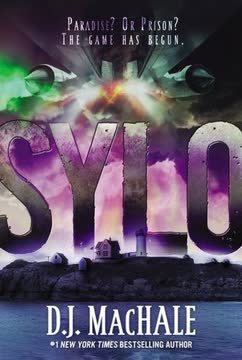
On a perfect autumn night, freshman Tucker Pierce sits on the bench, watching his small-town high school football team dominate. The star player, Marty Wiggins, is unstoppable—until, after a final touchdown, he collapses and dies on the field. The shock ripples through the tight-knit community, leaving Tucker haunted by Marty's last, wild-eyed words and the presence of a mysterious stranger in the crowd. The death is inexplicable, and the sense of normalcy on Pemberwick Island is shattered. Tucker's world, once predictable and safe, is suddenly filled with fear, confusion, and the first hints of something much larger at play.
Midnight Ride, Shadow Falls
Unable to sleep after Marty's death, Tucker and his best friend Quinn sneak out for their ritual midnight ride around the island. The night is clear, the stars bright, but their routine is interrupted by a haunting, musical sound and the sight of a massive, shadowy object gliding above the ocean. As they chase it, a rider on horseback and a mysterious pickup truck appear on the bluffs. Suddenly, a blinding flash and a thunderous explosion tear the night apart—the shadow is obliterated, raining red crystals and black debris into the sea. The boys are left stunned, their sense of reality upended, and the island's secrets deepen.
Exploding Secrets, Unanswered Questions
The explosion draws the Coast Guard, police, and their parents, but no one can explain what happened. Tucker and Quinn are questioned separately, their story met with skepticism. The mysterious pickup truck vanishes, and the boys are left with more questions than answers. The island's isolation becomes palpable, and the sense of being watched grows. As the community reels from Marty's death and the strange events on the bluffs, Tucker's family history and the reasons for their move to Pemberwick come into question, hinting at deeper secrets and a growing sense of unease.
The Ruby's Temptation
As the island mourns Marty, Tucker is approached by Ken Feit, the enigmatic stranger from the football game. Feit offers him a sample of "the Ruby," a red crystalline substance that promises to unlock athletic potential. After a brutal football practice, Tucker succumbs to temptation and tries the Ruby, experiencing a surge of strength, speed, and clarity. But the high is fleeting, replaced by exhaustion and guilt. The Ruby's true nature is unclear, but its connection to Marty's death and the island's mysteries becomes increasingly ominous. Tucker resolves never to use it again, but the lure of power—and the pressure to perform—linger.
Invasion: SYLO Arrives
During the annual Lobster Pot Festival, the island is suddenly overrun by military helicopters, paratroopers, and amphibious landing craft. The mysterious SYLO unit, clad in red berets and riot gear, takes control, cutting off all communication and transportation to the mainland. The President addresses the nation, claiming a viral threat and ordering a total quarantine. Captain Granger, the cold and ruthless leader of SYLO, enforces strict control, and the islanders are told to resume normal life under occupation. Fear, confusion, and suspicion spread, as the true purpose of the quarantine remains hidden.
Quarantine and Lies
The islanders struggle to adapt to life under SYLO's watchful eye. Businesses close, streets empty, and rumors swirl. The CDC arrives, taking blood samples from every resident. Tucker and his friends witness increasingly aggressive behavior among islanders—some fueled by the Ruby, others by fear. Attempts to escape are met with deadly force, and the military's explanations ring hollow. Tucker's parents act strangely, hinting at secrets and past dangers. The sense of imprisonment grows, and the line between protector and oppressor blurs.
The Island Divided
As the quarantine drags on, tensions rise. Tucker's relationships with Quinn, Tori, Kent, and Olivia are tested by jealousy, ambition, and the pressures of survival. The Ruby's influence spreads, leading to violence and tragedy. The community is divided between those who comply, those who resist, and those who seek escape. Tucker and Tori uncover the truth about the Ruby's deadly effects, and the mysterious Feit's role in its distribution. The island's isolation becomes both a prison and a crucible, forging new bonds and exposing old wounds.
The Price of Power
The substance grants superhuman abilities but exacts a terrible toll. Marty's death, Kent's breakdown, and a string of violent incidents are all traced back to the Ruby. Feit admits to pushing the drug, but claims it is part of a larger experiment. The CDC's tests yield no answers, and SYLO's true motives remain hidden. Tucker, Tori, and their friends are forced to confront the ethical and personal consequences of using the Ruby, as well as the possibility that the island is being used as a testing ground for something far more sinister.
The Mob and the Missile
Cut off from the world, the islanders riot, demanding answers and freedom. SYLO responds with force, using tear gas and water cannons to disperse the crowds. When a group attempts to seize the ferry, a Navy warship destroys it with a missile, sending a clear message: no one leaves. The sense of hopelessness deepens, and Tucker realizes that the authorities will go to any lengths to maintain control. The islanders' trust in their government is shattered, and the seeds of rebellion are sown.
Prisoners and Prison Break
After a failed attempt to expose the truth, Tucker, Tori, and Kent are captured and held in a SYLO prison camp. The compound is a model of control and surveillance, with random interrogations and medical tests. Inside, Tucker discovers a network of "rogues"—islanders and outsiders plotting resistance. With the help of the Ruby, they stage a daring escape, hijacking an ambulance and fleeing to the remote Chinicook Island, where the resistance is gathering. The cost of freedom is high, and the lines between friend and foe blur further.
The Rogues of Chinicook
On Chinicook, Tucker and his friends join a ragtag group of islanders, tourists, and outcasts led by Tori's father. The camp is a mix of fear, hope, and desperation. Feit, revealed as a key player in the Ruby's distribution, confesses to being manipulated by Granger and SYLO. The resistance plans a bold move: kidnap Granger and escape to the mainland to expose the truth. The Ruby, once a symbol of temptation and death, becomes a weapon in the fight for survival. The stakes are higher than ever, and the cost of failure is total annihilation.
The Battle for Pemberwick
The resistance is betrayed—SYLO tracks them to Chinicook and launches a brutal assault. Helicopters strafe the camp, and Granger's forces show no mercy. Tori's father is killed, and the survivors are forced to flee through fire and chaos. The dream of rebellion is crushed, but Tucker, Tori, Kent, and Olivia manage to escape to the hidden speedboats, determined to make one final run for freedom. The island is left in flames, and the last hope for exposing the truth rests with a handful of fugitives.
The Pemberwick Run
The group races across the ocean, pursued by Granger and his gunboat. As they approach the mainland, they are caught in the middle of a massive battle between the U.S. Navy and a swarm of mysterious black aircraft. The sea is a graveyard of burning ships and falling planes. Tori is wounded, and the odds of survival dwindle. In a final, reckless maneuver, they thread their boat between two sinking warships, escaping as Granger's boat is destroyed in the inferno. Against all odds, they reach the shore—free, but forever changed.
Portland's Empty Streets
Portland is a ghost town, its streets deserted, its buildings scarred by battle. The group searches for help, but finds only wreckage and silence. The TV station is gone, vaporized by the same weapon that destroyed Quinn's boat. The city's population has vanished, and the few clues they find—abandoned cars, bomb craters, and a downed black aircraft—raise more questions than answers. The war has spread, and the world they knew is gone.
The Truth in the Wreckage
Examining the wrecked black aircraft, Tucker discovers a cryptic Latin phrase and, beneath the grime, the logo of the United States Air Force. The realization is staggering: the war is not between nations, but within America itself. The mysterious planes are U.S. technology, and the battle for Pemberwick is part of a larger, hidden civil war. Feit's lies, the Ruby's purpose, and SYLO's true mission are all pieces of a puzzle that points to a conflict far beyond the island.
The Second Civil War
The group grapples with the enormity of what they've uncovered. The Ruby, the quarantine, the battles at sea and in the sky—all are symptoms of a nation tearing itself apart. The government's lies, the manipulation of its own citizens, and the use of advanced weapons against its own people reveal a new kind of civil war. Tucker, Tori, Kent, and Olivia are left to decide their next move in a world where trust is dead and survival is uncertain.
Losses and New Resolve
In the aftermath, the survivors mourn their losses—Quinn, Tori's father, and the world they once knew. But in their grief, they find new strength and resolve. Tucker, once content to drift, now embraces the need to act. The group sets out for Boston, determined to find answers, expose the truth, and fight for a future beyond the ruins of Pemberwick. As music drifts from the sky, they realize their journey is only beginning, and the fate of their world hangs in the balance.
Characters
Tucker Pierce
Tucker is an ordinary teenager thrust into extraordinary circumstances. Initially content to blend in and avoid risk, he is forced to confront fear, loss, and responsibility as his world unravels. His relationships—with best friend Quinn, enigmatic Tori, rival Kent, and love interest Olivia—shape his journey from passive observer to determined survivor. Tucker's psychological arc is one of awakening: he moves from denial and self-doubt to courage and leadership, driven by grief, anger, and a growing sense of justice. His struggle to trust, especially after his parents' betrayal, is central to his development, and his ultimate resolve to fight for the truth defines his transformation.
Quinn Carr
Quinn is Tucker's best friend and intellectual foil—a lanky, quick-witted genius with a thirst for adventure and a need to make his mark on the world. His curiosity and skepticism drive much of the investigation into the island's mysteries. Quinn's humor masks deep insecurities and a longing for significance. His tragic death, vaporized by the mysterious weapon, is a turning point for Tucker and the group, symbolizing the loss of innocence and the high cost of resistance. Quinn's legacy is one of courage, vision, and the enduring power of friendship.
Tori Sleeper
Tori is a complex, self-reliant girl shaped by abandonment and hardship. Daughter of a lobsterman, she is practical, tough, and fiercely independent, yet haunted by loss and a sense of not belonging. Her expertise with boats, knots, and survival is matched by emotional intelligence and quiet strength. Tori's relationship with Tucker evolves from wary alliance to deep trust and affection. Her father's death and her own wounding deepen her resolve, and her leadership in crisis cements her as a central figure in the group's survival and resistance.
Kent Berringer
Kent is the privileged, competitive star athlete who initially antagonizes Tucker but is ultimately drawn into the struggle for survival. His bravado masks vulnerability, especially after his father's death and his own near-fatal experience with the Ruby. Kent's journey is one of humility and adaptation—he learns to trust others, confronts his own limitations, and becomes a key player in the escape and resistance. His relationship with Olivia and his shifting dynamic with Tucker and Tori reflect his psychological growth from self-centeredness to reluctant camaraderie.
Olivia Kinsey
Olivia is a city girl stranded on the island, initially drawn to Tucker but swept up by Kent's charisma. Her outsider perspective and emotional honesty provide a counterpoint to the islanders' insularity. Though seemingly fragile, Olivia proves resourceful and compassionate, especially in crisis—her first-aid skills and emotional support are vital to the group. Her longing for home and her struggle to adapt mirror the broader theme of displacement and the search for belonging.
Ken Feit
Feit is the enigmatic stranger whose arrival coincides with the island's unraveling. Posing as a supplement salesman, he distributes the Ruby, seducing athletes with promises of greatness. His true motives are murky—part pawn, part architect of the island's suffering. Feit's confessions and ultimate death reveal the layers of deception at play, and his role as both victim and villain underscores the dangers of unchecked ambition and the ease with which ordinary people can become instruments of destruction.
Captain Benjamin Granger
Granger is the embodiment of SYLO's cold, implacable power. His military precision, emotional detachment, and willingness to use lethal force make him both protector and oppressor. Granger's psychological complexity lies in his unwavering commitment to his mission, his manipulation of truth, and his capacity for violence. He is both a product and a perpetrator of the system's moral collapse, and his death in the inferno marks the end of one chapter of tyranny—but not the struggle itself.
Mr. Sleeper
Tori's father is a symbol of the island's working-class resilience and the cost of resistance. His leadership of the Chinicook rogues, his efforts to protect his daughter, and his ultimate sacrifice highlight the personal stakes of the conflict. Mr. Sleeper's death is a catalyst for Tori's transformation and a reminder of the price paid by those who dare to fight back.
Tucker's Parents
Tucker's mother and father are loving, supportive, and seemingly ordinary—until their complicity in SYLO's plans is revealed. Their secrecy, emotional distance, and ultimate betrayal force Tucker to confront the limits of trust and the complexity of adult motivations. Their actions raise questions about loyalty, survival, and the moral compromises made in times of crisis.
The Island Community
The people of Pemberwick—locals, tourists, rogues, and prisoners—represent the spectrum of human response to catastrophe: denial, compliance, rebellion, and despair. Their shifting alliances, acts of courage and cowardice, and ultimate fate mirror the broader themes of community, identity, and the struggle for meaning in a world turned upside down.
Plot Devices
Isolated Setting and Escalating Threat
Pemberwick's physical isolation amplifies the sense of claustrophobia, paranoia, and helplessness. The gradual escalation—from unexplained death to military occupation, quarantine, and open warfare—mirrors the characters' psychological descent and the breakdown of social order. The setting allows for tight narrative focus, high stakes, and the exploration of how ordinary people respond to extraordinary threats.
The Ruby as Symbol and Catalyst
The Ruby is both a literal plot device and a metaphor for the dangers of unchecked desire and the seduction of easy solutions. Its effects—superhuman ability followed by collapse or death—mirror the broader themes of moral compromise, addiction, and the price of survival. The Ruby's ambiguous origins and connection to the larger conflict serve as a narrative engine, driving both character decisions and the unfolding mystery.
Mysterious Authority and Unreliable Narration
The story is structured around layers of deception: the government's official narrative, SYLO's hidden agenda, Feit's manipulations, and the characters' own secrets. Foreshadowing, red herrings, and withheld information create suspense and uncertainty, forcing both characters and readers to question what is real and who can be trusted. The gradual revelation of the true enemy—America at war with itself—serves as both a plot twist and a commentary on the dangers of division and the fragility of truth.
War as Chaos and Transformation
The narrative structure moves from intimate, character-driven drama to large-scale conflict, mirroring the characters' journey from self-absorption to collective action. The use of foreshadowing (the first death, the shadow in the sky), parallel plotlines (the resistance, the military, the Ruby's spread), and escalating set pieces (the festival invasion, the prison break, the naval battle) create a sense of mounting inevitability and the loss of control. The final revelation—that the war is civil, not foreign—reframes the entire story and sets the stage for further conflict.
Analysis
SYLO is a gripping exploration of fear, power, and the search for truth in a world where trust has collapsed and authority is both protector and predator. At its core, the novel is about ordinary people—teens, parents, neighbors—forced to confront the limits of their own courage and the consequences of their choices. The Ruby, with its promise of instant greatness and its deadly cost, is a potent symbol of the temptations that arise in crisis: the lure of shortcuts, the seduction of power, and the danger of losing oneself in the pursuit of survival. The island setting, with its enforced isolation and escalating threats, serves as a microcosm for a society on the brink—divided, manipulated, and ultimately betrayed by those meant to protect it. The revelation that the true enemy is not an external invader but a nation at war with itself is a powerful commentary on the dangers of division, secrecy, and the erosion of shared values. In a modern context, SYLO resonates as a warning against the seductive simplicity of easy answers, the corrosive effects of fear and suspicion, and the urgent need for empathy, resilience, and the courage to seek the truth—even when it means standing alone.
Last updated:
Review Summary
SYLO received mixed reviews, with an average rating of 3.92/5. Many praised its fast-paced plot, intriguing mysteries, and well-developed characters, particularly the protagonist Tucker. Readers enjoyed the suspenseful atmosphere and unexpected twists. However, some found the pacing inconsistent and felt too many questions were left unanswered. Critics noted the book's length and occasional lack of subtlety. Despite these issues, most reviewers found SYLO engaging and looked forward to the sequel, appreciating MacHale's ability to craft an exciting story for young adults.