Plot Summary
Wagers and Returns
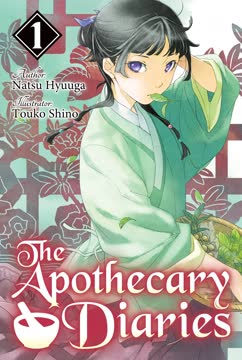
Jinshi, the beautiful and enigmatic eunuch, is locked in a subtle power struggle with the Emperor, wagering his future for a chance at autonomy. Meanwhile, Maomao, the apothecary's daughter, is reluctantly drawn back into palace life after her contract is bought out. Her return is met with a mix of familial warmth and the cold realities of her new position. The chapter sets the tone for the intricate web of personal ambitions, hidden motives, and the ever-present tension between appearance and reality. Maomao's pragmatic acceptance of her fate, coupled with Jinshi's determination to use his only advantage—his beauty—establishes the emotional stakes and the underlying sense of longing for self-determination that will drive both characters through the palace's labyrinthine intrigues.
Maomao's New Assignment
Assigned to the outer court, Maomao quickly discovers the social hierarchies and jealousies that pervade her new environment. Her intelligence and scars set her apart, drawing both suspicion and resentment from the other women. She deftly navigates their hostility with self-deprecating wit and calculated displays of her own "undesirability." Meanwhile, Jinshi's expectations for her are complicated by her refusal to conform to courtly ambitions, and her focus remains on the practical—herbs, medicines, and survival. The chapter explores the subtle warfare of women's spaces, the burdens of being "chosen," and Maomao's refusal to be either victim or pawn, even as she is swept into the currents of palace politics.
Rivalries and Scars
Maomao's presence as Jinshi's personal maid stirs up envy and speculation among the court ladies. She uses her physical scars—remnants of her apothecary experiments—as both shield and weapon, disarming her rivals with a calculated display of vulnerability. Jinshi, observing from the shadows, is both amused and unsettled by her methods. The chapter delves into the psychological games of status, the power of rumor, and the ways in which Maomao's outsider status both isolates and protects her. Her pragmatic approach to conflict, and her ability to turn perceived weaknesses into strengths, highlight her resilience and adaptability in a world that prizes conformity and beauty.
The Pipe and the Fire
A mysterious fire in the palace storehouses draws Maomao's curiosity. Her investigation, aided by the earnest military officer Lihaku, reveals that a simple act—smoking a pipe near flour—can have explosive consequences. Maomao's scientific approach and willingness to experiment (even at Lihaku's expense) expose the dangers of ignorance and the importance of knowledge in preventing disaster. The incident also hints at deeper unrest within the palace, as Maomao speculates about the motives behind the fire and the possibility of sabotage. The chapter underscores her role as both detective and outsider, unafraid to challenge assumptions and authority.
Lessons for Consorts
Maomao is reluctantly recruited to instruct the Emperor's consorts in the arts of intimacy and self-care, a task that exposes the vulnerabilities and ambitions of the palace's most powerful women. Her frankness and expertise unsettle the consorts, each of whom reacts according to her own temperament—curiosity, embarrassment, or outright terror. Jinshi, excluded from the lessons, is left to wonder at the true nature of Maomao's influence. The chapter explores themes of female agency, the transmission of forbidden knowledge, and the ways in which power is negotiated through the body. Maomao's role as teacher and confidante cements her unique position at the intersection of the palace's public and private spheres.
Poisoned Delicacies
Gaoshun enlists Maomao's help to solve a case of food poisoning that has left a high official comatose. The investigation leads Maomao through kitchens, recipes, and the subtle dangers of imported ingredients. Her methodical approach uncovers the truth: a rare seaweed, improperly prepared, was the source of the toxin. The case is further complicated by family intrigue and the ambitions of those who stand to gain from the victim's demise. Maomao's willingness to test the poison on herself, and her insistence on uncovering the truth regardless of rank or consequence, highlight her courage and scientific rigor. The resolution brings both justice and a deeper understanding of the palace's hidden dangers.
The Craftsman's Secret
Jinshi presents Maomao with a puzzle: a deceased craftsman's will, cryptic bequests, and a secret technique lost to his sons. Maomao's investigation into the family's dynamics and the physical clues left behind reveals a hidden method for creating a low-melting-point alloy—an innovation with both practical and deadly implications. The chapter explores themes of inheritance, sibling rivalry, and the transmission of knowledge across generations. Maomao's empathy for the youngest son, and her recognition of the dangers of lead poisoning, underscore her dual roles as healer and detective. The craftsman's secret becomes a metaphor for the hidden costs of progress and the burdens of genius.
Disguises and Outings
Jinshi, seeking anonymity, enlists Maomao's help to disguise himself as a commoner. Their journey through the city becomes a study in role reversal, as Maomao plays the lady and Jinshi her servant. The outing exposes both to the pleasures and perils of life outside the palace walls, and reveals the limits of transformation—no amount of makeup can fully conceal one's true nature. The chapter is rich with humor, social observation, and the subtle dance of attraction and misunderstanding between Jinshi and Maomao. Their shared experiences deepen their bond, even as the boundaries between master and servant, man and woman, blur.
The Plum Poison
Maomao returns to the pleasure district, where she tends to a former courtesan ravaged by syphilis—the "plum poison." The encounter is a stark reminder of the fragility of beauty and the brutal realities faced by women in the red-light district. Maomao's interactions with her "sisters" and the pragmatic madam reveal the complex web of loyalty, ambition, and resignation that sustains the brothel. The chapter is suffused with melancholy and compassion, as Maomao reflects on the choices that shape women's lives and the price of survival in a world that commodifies the body.
Lakan's Shadow
The eccentric military commander Lakan emerges as a disruptive force, his obsession with Maomao and the Verdigris House hinting at deeper connections. Through dreams and confrontations, Maomao is forced to reckon with her origins, her mother's madness, and the legacy of abandonment and longing that haunts her. Lakan's presence is both threat and opportunity, a reminder that the past is never truly buried. The chapter explores the psychological scars of parenthood, the search for belonging, and the ways in which personal history shapes destiny.
Rituals and Sabotage
A series of accidents—fires, thefts, and poisonings—culminate in a deadly plot to sabotage a major ritual. Maomao's investigation, driven by intuition and a relentless pursuit of patterns, uncovers a conspiracy that threatens the highest echelons of power. Her desperate attempt to warn the authorities is met with skepticism and violence, but with the unexpected intervention of Lakan, she manages to avert disaster—saving Jinshi's life at great personal cost. The chapter is a tour de force of suspense, deduction, and the high stakes of palace intrigue.
The Fall of Suirei
The court lady Suirei, implicated in the ritual sabotage, appears to take her own life with poison. Maomao, however, suspects a ruse. Her investigation at the mortuary reveals the use of a "resurrection drug"—a blend of thornapple and blowfish toxin—that allows Suirei to fake her death and escape justice. The chapter is a meditation on the limits of law, the ingenuity of the desperate, and the thin line between victim and perpetrator. Maomao's fascination with the forbidden knowledge of poisons and antidotes is both her strength and her temptation.
Red Nails, Blue Roses
As spring approaches, Maomao engineers a sensation in the palace: blue roses, created through clever manipulation rather than magic. The fad for red-painted nails sweeps the court, a symbol of both beauty and rebellion. Meanwhile, Maomao challenges Lakan to a high-stakes game of shogi, wagering a courtesan's freedom against her own autonomy. The contest is as much psychological as strategic, and Maomao's victory is both personal and symbolic—a reclaiming of agency in a world of bargains and betrayals.
Courtesan's Farewell
The question of how to buy out a courtesan's contract becomes a meditation on value, desire, and the meaning of choice. Lihaku, the earnest officer, seeks Maomao's advice in his quest to win Pairin's heart. The negotiations, both financial and emotional, reveal the complexities of love in a transactional world. The chapter culminates in a grand celebration as a courtesan is finally freed, her departure marked by ritual, rumor, and the bittersweet knowledge that every ending is also a beginning.
Dances on the Wall
As the pleasure district erupts in festivities, Maomao performs a solitary dance atop the palace wall, honoring her sister's departure and her own journey. Jinshi, drawn by rumor and concern, finds her there, and their encounter is charged with unspoken emotion and mutual recognition. The dance becomes a metaphor for transition, the passage of time, and the enduring bonds of chosen family. Maomao's wound reopens, a reminder that healing is never complete, and that every act of joy carries the risk of pain.
Fathers and Daughters
Lakan's story unfolds in full—a tale of love, loss, and the inability to recognize faces, both literal and metaphorical. His relationship with Maomao is fraught with regret and longing, as he seeks redemption for the mistakes that shaped both their lives. The chapter explores the limits of forgiveness, the persistence of memory, and the ways in which the past continues to shape the present. Maomao's acceptance of her own origins, and her refusal to be defined by them, marks a turning point in her journey toward selfhood.
The Price of Freedom
The question of Pairin's buyout becomes a test of character for Lihaku, Jinshi, and Maomao alike. The negotiations are as much about pride and self-worth as they are about money. Maomao's clinical assessment of Lihaku's suitability, and Jinshi's unexpected jealousy, reveal the tangled web of desire, competition, and vulnerability that underlies even the most calculated transactions. The chapter is a meditation on what it means to choose, to be chosen, and to claim one's own destiny.
Spring's New Blossoms
As spring arrives, the palace is abuzz with gossip, celebration, and the anticipation of new beginnings. Gyokuyou's pregnancy, the rise of new fashions, and the ongoing dance of intrigue and ambition signal a world in flux. Maomao, now more deeply enmeshed in palace life than ever, reflects on the lessons learned, the wounds healed and unhealed, and the enduring power of curiosity and compassion. The story closes with a sense of hope and possibility, as old patterns give way to new growth and the promise of another season.
Characters
Maomao
Maomao is the heart of the narrative—a young woman whose intelligence, curiosity, and resilience set her apart in the rigid world of the palace. Raised in the pleasure district by her adoptive father, she is both an outsider and an insider, able to navigate the complexities of both brothel and court. Her scars, both physical and emotional, are badges of survival and self-determination. Maomao's relationships—with Jinshi, her sisters, and her enigmatic birth parents—are marked by a blend of skepticism, loyalty, and a fierce desire for autonomy. Her development is a journey from reluctant participant to active agent, as she learns to wield her knowledge and compassion as tools of both healing and resistance.
Jinshi
Jinshi is a study in contradictions: outwardly perfect, inwardly restless, he uses his beauty as both shield and weapon in the treacherous world of palace politics. His wager with the Emperor is both a bid for freedom and a test of his own worth. Jinshi's relationship with Maomao is fraught with tension, attraction, and mutual incomprehension—she is one of the few who sees past his facade, and he is both drawn to and unsettled by her indifference to his charms. Psychologically, Jinshi is marked by a deep sense of inadequacy and a longing for genuine connection, which he seeks through acts of kindness, manipulation, and, ultimately, vulnerability.
Gaoshun
Gaoshun is Jinshi's right hand, a man whose experience and pragmatism ground the more volatile characters around him. He serves as a bridge between the old and new orders, carrying the burdens of both tradition and change. Gaoshun's relationship with Jinshi is paternal, marked by both affection and exasperation. He recognizes Maomao's value early on and often acts as her protector and facilitator. Psychologically, Gaoshun is defined by a sense of duty, a capacity for patience, and a subtle, often unspoken, empathy for those caught in the palace's machinations.
Lakan
Lakan is both comic relief and tragic figure—a military genius who cannot recognize faces, haunted by his failures as a father and lover. His obsession with Maomao and the Verdigris House is rooted in guilt, longing, and a desperate need for connection. Lakan's psychological landscape is marked by a profound sense of alienation, a reliance on games and strategy as substitutes for intimacy, and a capacity for both cruelty and tenderness. His development is a slow, painful reckoning with the consequences of his actions and the limits of redemption.
Suirei
Suirei is a shadowy figure whose detachment masks a fierce intelligence and a willingness to risk everything for a chance at agency. Her involvement in the ritual sabotage, and her use of the resurrection drug to escape justice, reveal both her resourcefulness and her despair. Suirei's relationship with Maomao is one of wary recognition—each sees in the other a kindred spirit, marked by loss and the refusal to be a passive victim. Psychologically, Suirei is defined by a sense of futility, a longing for escape, and a final, fatal gamble that both frees and destroys her.
Pairin
Pairin is Maomao's "sister" in the pleasure district, a woman whose beauty and appetites have made her both legend and outcast. Her relationship with Maomao is maternal, protective, and tinged with melancholy—their bond is a testament to the power of chosen family in a world that commodifies women. Pairin's struggle to find love and freedom, and her eventual buyout, are emblematic of the broader themes of agency, desire, and the cost of survival. Psychologically, she is marked by resilience, humor, and a refusal to be defined by her circumstances.
Meimei
Meimei is another of Maomao's "sisters," a woman whose intelligence and accomplishments have allowed her to thrive in the pleasure district. She is both mentor and rival, offering Maomao guidance while also pursuing her own interests. Meimei's pragmatism and adaptability are her greatest strengths, but they also mask a deep-seated longing for security and recognition. Her role in the story is to highlight the complexities of female ambition and the ways in which women support and compete with one another in a patriarchal world.
Lihaku
Lihaku is the "big dog" of the palace—a man whose strength and sincerity make him both endearing and vulnerable. His pursuit of Pairin is marked by both comic awkwardness and genuine devotion. Lihaku's psychological makeup is simple but profound: he values loyalty, hard work, and the possibility of love in a world that often seems to reward only cunning and cruelty. His development is a journey toward self-acceptance and the recognition that true worth lies not in status, but in character.
Suiren
Suiren is the backbone of Jinshi's household, a woman whose age and experience give her both authority and perspective. She is both taskmaster and confidante, guiding Maomao with a firm but gentle hand. Suiren's psychological landscape is marked by a deep sense of responsibility, a capacity for both kindness and severity, and a recognition of the ways in which power is exercised through care and discipline.
Loulan
Loulan is the new Pure Consort, a woman whose ever-changing appearance and alliances make her both fascinating and dangerous. Her relationship with her father, her manipulation of fashion and rumor, and her ability to adapt to shifting circumstances mark her as a survivor in the palace's treacherous environment. Psychologically, Loulan is defined by a restless ambition, a talent for self-invention, and a willingness to use every tool at her disposal to secure her place.
Plot Devices
Interlocking Mysteries and Social Intrigue
The novel employs a series of interlocking mysteries—fires, poisonings, thefts, and family secrets—that serve both as plot engines and as vehicles for exploring the psychological and social dynamics of the palace. Each case is a microcosm of the larger world, revealing the interplay of ambition, jealousy, and survival. The narrative structure is episodic but cumulative, with each mystery building on the last to create a tapestry of intrigue and revelation. Foreshadowing is used to great effect, with seemingly minor details—scars, dreams, rumors—later revealed as crucial clues. The use of disguises, both literal and metaphorical, underscores the theme of hidden selves and the difficulty of discerning truth in a world of masks.
Symbolism and Recurring Motifs
The story is rich in symbolism: blue roses represent the unattainable, red nails signal both beauty and rebellion, and the act of buying out a courtesan's contract becomes a metaphor for freedom and self-worth. Rituals—both sacred and profane—structure the narrative, from the formal ceremonies of the palace to the informal rites of the pleasure district. The recurring motif of games—Go, Shogi, and the games of love and power—serves as both plot device and psychological metaphor, highlighting the ways in which life in the palace is a constant negotiation of risk and reward.
Psychological Realism and Character-Driven Suspense
The novel's greatest strength lies in its psychological realism: characters' actions are driven by complex motives, hidden traumas, and the ever-present tension between desire and duty. Suspense arises not only from external threats, but from the internal conflicts that shape each character's choices. The use of multiple perspectives allows for a nuanced exploration of the ways in which individuals navigate the constraints of their roles, and the ways in which personal history shapes public action.
Analysis
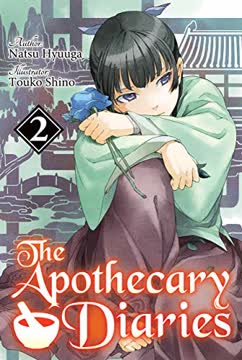
The Apothecary Diaries: Volume 2 is a masterful blend of mystery, social commentary, and psychological drama, set against the lush backdrop of an imperial palace where every gesture is fraught with meaning. At its core, the novel is an exploration of agency—how individuals, especially women, carve out spaces of autonomy in worlds designed to constrain them. Through Maomao's eyes, we see the costs and rewards of curiosity, the dangers of knowledge, and the enduring power of compassion in the face of cruelty. The book interrogates the nature of value—what is a life, a body, a secret worth?—and refuses easy answers. Its lessons are both timeless and timely: that survival requires both cunning and kindness; that freedom is always negotiated, never given; and that the bonds we choose can be as powerful as those we inherit. In a world obsessed with appearances, The Apothecary Diaries reminds us that true beauty lies in resilience, wit, and the courage to seek the truth, no matter the cost.
Last updated:
Review Summary
The Apothecary Diaries receives high praise from readers, with an average rating of 4.53/5. Fans love the protagonist Maomao, describing her as intelligent, logical, and intriguing. The mystery elements, character development, and evolving relationships are highly appreciated. Many readers find the second volume even better than the first, with more complex plots and deeper character exploration. The blend of mystery, romance, and humor keeps readers engaged. Some minor criticisms include episodic storytelling and occasional unclear character motivations. Overall, readers are eagerly anticipating future installments in the series.
薬屋のひとりごと [Kusuriya no Hitorigoto] (Light Novel) Series Series