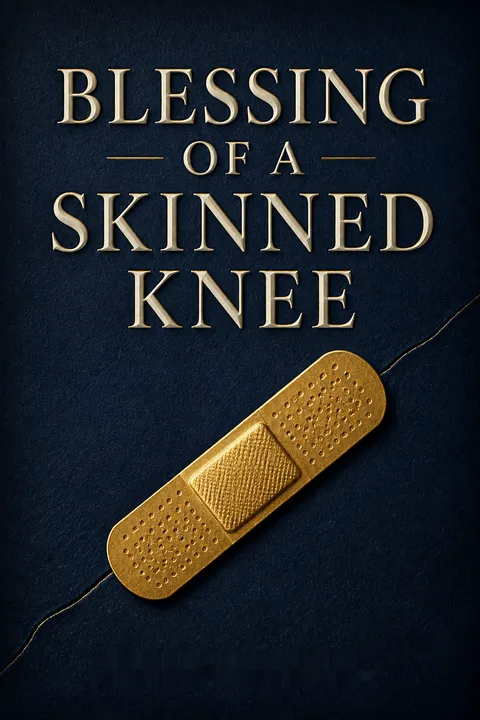


Key Takeaways
Trade the quest for perfect children for a tradition that forms good people
A different diagnosis. Wendy Mogel began as a child psychologist, working with ambitious families whose children seemed healthy on tests yet were persistently unhappy. Parents often wanted a diagnosis because it suggested a problem could be fixed. Mogel began to suspect that the deeper issue was not illness but a family culture of pressure, indulgence, and anxiety. Jewish teachings offered a new frame: parenting is less about producing impressive children than helping them become ethical, self-reliant adults.
Three everyday guides. She organizes this approach around moderation, celebration, and sanctification. Enjoy the world without letting appetite rule; notice and appreciate what is good; treat ordinary acts as worthy of attention and care. The home, especially its shared table, can become a place where these values are practiced rather than merely discussed.
The book’s distinctive move is to shift parenting from performance management toward moral formation. That reframing can loosen the grip of grades and diagnoses without dismissing genuine distress. It also makes daily routines consequential: a meal, a chore, or a family boundary becomes a chance to practice a value. The risk is that a spiritual lens could be used to minimize problems that need clinical help. Its strongest use is complementary: look beyond symptoms and achievement, while seeking professional assessment when a child’s functioning or safety is seriously affected.
Let your child be distinctive without demanding that every strength become exceptional
A child is not a project. Mogel describes parents who treat ordinary limits as defects to overcome, hoping every child can excel across academics, sports, and social life. One boy, Simon, was being tutored in nearly every subject and medicated for attention problems at a high-pressure school. After moving to a slower-paced school and making room for skateboarding, he became happier and more able to manage his work. His temperament had not needed correction so much as a better fit.
Accept the unevenness. The book draws on research describing wide differences in children’s energy, sensitivity, persistence, sociability, and adaptability. Mogel invokes Winnicott’s idea of “good enough” care: children need adequate support, not a flawless environment. Parents can observe a child’s pace and interests, then adjust expectations without treating average ability as failure.
This is a useful antidote to the assumption that every difficulty signals pathology or untapped potential. A child’s environment can amplify or soften a mismatch between temperament and expectations. The Simon story makes that practical: changing the setting may help more than adding another intervention. The discussion of boys’ and girls’ typical differences is less secure as a universal guide. Fair treatment requires attention to each child, not only broad gender patterns, and acceptance should not prevent support for real learning or health needs.
Be the dependable parent, not another negotiable friend
Children need a clear adult. Mogel argues that parents who make every household decision open to debate can leave children feeling insecure, even when the parents intend to be respectful. In one family, the children interrupted calls, took their mother’s clothes, and ignored requests. The parents began setting clearer expectations around privacy, manners, and shared resources. The home became calmer when children understood that adults had authority and that some rules did not require their agreement.
Teach respect by practicing it. Jewish tradition treats honoring parents as conduct, not a feeling children must manufacture. Mogel recommends simple habits: greet family members, ask before entering a closed room, speak respectfully, and help clear the table. She also stresses that children learn from watching how parents treat grandparents and other adults. Authority is meant to guide children into community life, not to excuse humiliation or cruelty.
The valuable distinction here is between listening to a child and requiring the child to decide. Children can be heard without carrying adult responsibility for the family’s structure. Consistent boundaries reduce the exhausting pattern in which every routine becomes a courtroom argument. Still, authority is healthiest when it is proportionate and accountable. A firm limit can coexist with an explanation, and children should be able to raise concerns about unfairness or harm. Respect becomes more credible when adults model the same standards they ask children to follow.
Let children meet manageable trouble before adulthood makes the stakes higher
Protection can obstruct growth. The book’s title points to a small injury as a metaphor for ordinary setbacks children can learn to handle. Mogel tells of a girl whose mother arranged for a housekeeper to share her bed after the child became afraid at night. The solution eased fear immediately, but also removed the chance to practice sleeping independently. Mogel’s larger principle is that parents should teach children to “swim”: build skills for life outside the family’s protection.
Withdraw in stages. The Jewish mystical term tsimtsum describes making room by withdrawing. Mogel applies it to parenting: babies need close supervision, while older children need increasing opportunities to decide, struggle, and recover. A forgotten sweater or a nervous first night away can become a manageable lesson. This is not a case for ignoring genuine danger; it is a case for distinguishing real hazards from discomfort that can be endured.
This argument treats resilience as learned capacity, not a personality trait bestowed at birth. When adults remove every obstacle, children lose practice in assessing risk and recovering from frustration. The useful question is not whether a child feels afraid, but whether the situation is genuinely unsafe and what support makes a first attempt possible. The book’s historical comparisons about danger belong to its moment and should not replace current safety judgment. Independence should expand according to the child, the setting, and the risk involved.
Respect wanting, but make waiting, gratitude, and generosity the practiced response
Desire is energy. In Jewish thought, yetzer hara is the impulse associated with appetite and self-interest. Mogel emphasizes that it also fuels ambition, curiosity, and creativity, so parents should guide desire rather than shame it. A child who longs for a new toy is not necessarily spoiled; the parent can recognize the wish, say no calmly, and avoid turning the decision into a debate. Immediate gratification, she argues, leaves little room to value what has been received.
Practice appreciation. Mogel describes a family ritual of sharing weekly gratitudes at Shabbat dinner. She also recommends giving children meaningful ways to help others, such as choosing where outgrown clothes should go or making a get-well card for a sick friend. In this framework, gratitude is not a feeling demanded on cue. It grows through repeated attention, waiting, and acts of generosity.
The distinction between wanting something and being entitled to it is psychologically useful. It lets parents set limits without defining a child by a passing appetite. Gratitude also becomes more concrete when connected to contribution rather than scolding about privilege. One nuance: delaying a purchase does not automatically create appreciation, and structured gratitude can become another performance if children are pressured to sound thankful. The strongest version invites honest feeling while making generous behavior a normal part of family life.
Give children real household work, then give them room to own it
Chores teach membership. Mogel treats household work as training in competence and contribution, not as an inconvenience to squeeze around “more important” activities. Young children can begin with self-care and simple tasks, then take on setting the table, laundry, cooking, and care for family members. A classroom teacher once found that several second graders did not know how to pour water. The example illustrates how adults can unintentionally deprive children of practice by doing everything for them.
Responsibility needs authority. When children receive a task, they need tools, clear expectations, and room to complete it imperfectly. Mogel recalls her daughter making an eccentric sandwich; instead of correcting every flaw, she let the child take pride in preparing lunch. Start with one or two duties, build routines, and follow through calmly. Excessive reminders teach dependence, while reasonable control over how a task is done helps competence take root.
Chores combine practical skill with social identity: a child learns not only how to do something, but that the household depends on their contribution. Giving children discretion also prevents responsibility from becoming mere obedience to an adult’s preferred method. The book rightly warns that speed and tidiness are poor measures of whether a task is worthwhile. Expectations must still account for age, disability, workload, and family circumstances. A chore system should distribute labor fairly, not make children responsible for adult needs.
Turn meals from a control contest into a grateful family ritual
Food carries emotion. Mogel sees mealtime conflict as a tangle of health concerns, parental history, control, and pleasure. A mother who had been forced to finish every plate as a child began anxiously preparing special foods for her own picky eater. Mogel advised her to offer food neutrally, avoid bargaining over every bite, and let the child’s doctor help determine whether growth was actually a concern. The parent’s anxiety, not just the child’s menu, was shaping the meal.
Make eating deliberate. The Jewish table is treated as a small sacred place. Mogel recommends sitting down, slowing the meal, sharing preparation, and using blessings to notice food and the people who made it possible. Her framework balances moderation, celebration, and sanctification: neither strict food moralizing nor unreflective indulgence. A family can value nutritious food and still allow pleasure, including occasional treats, without making either virtue or shame the main course.
The shift from monitoring intake to shaping the mealtime environment is important because food can become a proxy for parental control. A calm table gives children room to notice hunger and fullness without turning every bite into a judgment. The book’s advice is strongest when paired with medical guidance: persistent restriction, distress, or growth concerns deserve professional attention. Ritual can build connection, but it should not become a tool for pressuring children to eat or for disguising nutritional needs as moral failures.
Match discipline to the mistake, and repair harm without shaming
First identify the offense. Mogel distinguishes three kinds of wrongdoing: cheit, an accidental mistake; avon, a lapse driven by desire; and pesha, deliberate defiance. A forgotten lunch may teach its own lesson if the parent does not rush to rescue the child. A more serious lapse calls for a private, brief correction. Intentional testing of a clear rule may require a known consequence. The response should fit what happened rather than the parent’s level of irritation.
Repair, then reconnect. Mogel’s method of rebuke is specific and private: describe the behavior, explain its effect, state a proportionate consequence, and invite the child to make amends. A child who damages something can help restore it; one who hurts another can take a concrete step toward repair. The goal is to correct conduct without branding the child as bad. Follow-through matters, but escalating punishments or humiliating a child undermines the authority discipline is meant to build.
This framework separates accountability from condemnation. By distinguishing error, temptation, and deliberate defiance, it helps adults avoid treating every misbehavior as a character flaw. Repair also makes consequences intelligible: the child participates in restoring what was damaged. The categories are moral distinctions, not a diagnostic tool, and real situations can be ambiguous. A child’s age, capacity, and circumstances matter. Discipline is most constructive when the adult remains calm, the consequence is proportionate, and the relationship remains secure.
Guard unhurried time as deliberately as school, safety, and achievement
Time is not only a resource. Mogel argues that families can become so occupied with lessons, homework, and logistics that they lose the ability to notice one another. She presents Shabbat, a weekly day of rest, as a practical model: establish a protected stretch for meals, conversation, reflection, and renewal. Her own family adopted rituals gradually, beginning with candles and a meal, then building toward a regular Friday dinner.
Leave room for childhood. Mogel urges parents to limit homework when it becomes excessive, protect sleep, allow boredom and unstructured play, and make time for their partnership as well as their children. She cites a University of Michigan study in which elementary homework increased substantially from 1981 to 1997, without corresponding gains in test scores. Her point is not that work is useless, but that a child’s life should not be reduced to measurable output.
The idea of a recurring, protected pause is more powerful than a vague wish to slow down. Ritual gives families a boundary against constant availability and makes attention a shared practice. Unstructured time also allows children to discover their own interests rather than consume a schedule designed by adults. The book’s specific homework limits and historical figures should not be treated as universal rules. Schools, ages, and learning needs vary. The broader test is whether achievement has crowded out rest, connection, and ordinary enjoyment.
Practice a tradition before you can answer every question about God
Action can precede certainty. Mogel’s return to Judaism began with a synagogue service and grew through study, ritual, and teaching. She suggests that parents need not settle every theological question before offering children a spiritual life. A candlelit dinner, a blessing during illness, or a family celebration can make values tangible while leaving room for doubt and discussion.
Use stories as moral maps. When her daughter asked whether evolution or the biblical creation story was true, Mogel presented science and Torah as addressing different questions: science explains how the natural world works, while religious stories can explore how people should live. She also warns against outsourcing all religious education to children’s classes. A tradition becomes meaningful when adults participate, adapt it honestly, and connect it to ethical action and community.
This approach offers a third option between rigid certainty and silence: practice, question, and interpret together. Ritual supplies shared experiences that abstract explanations often cannot, while uncertainty models intellectual honesty. The distinction between scientific explanation and religious meaning is useful when neither is forced to impersonate the other. It should not be used to shield factual claims from evidence. Families can preserve symbolic and ethical meaning while being candid about what science establishes and what faith communities interpret.
Analysis
The book’s central insight is that anxious parenting often mistakes visible achievement for durable formation. Mogel’s clinical stories begin with children who are not clearly ill, yet are unhappy within households organized around service, stimulation, and performance. Jewish tradition gives her a vocabulary for the missing dimensions: duty, restraint, gratitude, ritual, and belonging. Her argument is not simply religious advocacy. It is a proposal to replace improvised, child-centered negotiation with an inherited structure that gives adults and children shared obligations.
The most compelling parts translate abstractions into household practice. Respect becomes greeting and privacy. Resilience becomes a child solving a manageable problem. Gratitude becomes a recurring meal ritual. Character becomes chores, repair, and service. The repeated insistence on action is persuasive because children encounter values in the routines that shape their day, not only in parental explanations. Shabbat is the clearest example: a weekly limit on work and interruption creates a protected setting where attention can be experienced rather than preached.
The book also contains tensions worth holding in view. Authority can provide safety, but it can become domination if the child has no voice or recourse. Encouraging manageable risk is not equivalent to minimizing danger, and the distinction depends on context. Some advice about gender reflects broad generalizations that need individual testing. The book’s statistical claims and social observations are also anchored in the period of its publication, so they should not be treated as current evidence without verification.
Its durable contribution is a practical moral lens, not a universal parenting script. It asks adults to consider what kind of person a routine is helping a child become, while acknowledging that families need not share Mogel’s theology to use the questions. Acceptance, responsibility, pleasure, and limits can be practiced within many traditions. The strongest reading keeps both parts: children deserve protection and respect, and they also need room to contribute, wait, fail, and grow.
Review Summary
The Blessing of a Skinned Knee receives high praise for its practical parenting advice rooted in Jewish teachings. Readers appreciate Mogel's emphasis on moderation, celebration, and sanctification in daily life. The book offers guidance on fostering resilience, gratitude, and self-reliance in children. Many non-Jewish readers find the principles universally applicable. Some criticize the book's focus on middle-to-upper-class families and occasional outdated perspectives. Overall, readers value Mogel's insights on balancing authority with love and teaching children to appreciate their blessings.
People Also Read






Glossary
yetzer hara
appetite and creative driveIn Jewish thought, the yetzer hara is the impulse toward appetite, self-interest, and desire. Mogel emphasizes that it is not merely destructive: its energy also supports ambition, curiosity, passion, and creativity. Parenting, in this account, means teaching children to direct this force through limits and constructive action rather than trying to erase it.
yetzer tov
impulse toward goodThe yetzer tov is the inclination toward goodness and ethical conduct. Mogel presents it alongside the yetzer hara as a force that must be developed through practice. Parents help children strengthen it by setting boundaries, encouraging responsibility, and directing desire toward considerate and generous behavior.
tsimtsum
making room by withdrawingA Jewish mystical concept meaning the contraction or withdrawal of divine presence to make space for creation. Mogel adapts it as a parenting image: adults provide intensive care when children are very young, then gradually step back so children can make decisions, face manageable difficulty, and develop independence.
tzar gidul banim
the pains of raising childrenA Hebrew phrase Mogel uses for the emotional difficulty involved in raising children. She also applies it to children’s own necessary experiences of frustration and discomfort. Parenting cannot remove every painful moment; some ordinary struggle is part of growing capable and resilient.
middot
good character traitsMiddot are measures or qualities of character that a person works to develop. In Mogel’s account, examples include patience, courage, self-control, tenacity, and the ability to tolerate distress. They are not acquired through instruction alone, but through repeated choices and conduct in everyday family life.
teshuvah
return through repairTeshuvah means return or repentance. Mogel describes it as a person’s return to their better self and to a standard of goodness after doing wrong. It requires action, not only regret: a child should try to correct or repair the harm caused, then move forward without being defined by the mistake.
rebbe gelt
lessons from consequencesA term used for the lesson gained from a natural consequence, such as forgetting a lunch or losing a jacket. The experience itself becomes the teacher. Mogel advises parents not to repeatedly rescue children from these manageable outcomes, because doing so can prevent them from learning from their own decisions.
pediatric religion
religion delegated to childrenA label for families who send children to religious education while adults remain uninvolved in religious practice. Mogel argues that this can imply that religion is for children but irrelevant to grown-ups. She recommends that parents participate in rituals and conversations so spiritual and ethical teaching is part of family life.
kavanah
spiritual focus or intentionKavanah refers to the focus or intention brought to religious practice. Mogel suggests that people assess a service or ritual not only by whether it meets their preferences, but by whether they can approach it generously and take something of value from it. The term emphasizes the participant’s attention, not just the performance itself.
mikdash me’at
the home as small sanctuaryA Hebrew expression meaning a small sanctuary. Mogel uses it for the home, especially the family table, as a place where holiness can be expressed through daily conduct. Caring for family members, sharing food, and observing rituals can give ordinary domestic life moral and spiritual significance.
cheit, avon, and pesha
three kinds of wrongdoingThese Jewish terms distinguish types of wrongdoing. A cheit is an inadvertent mistake or a missed mark; an avon is a wrong driven by desire despite some awareness; a pesha is deliberate rebellion. Mogel uses the distinctions to help parents choose responses, from allowing a natural lesson to offering a rebuke or proportionate consequence.
FAQ
What's The Blessing of a Skinned Knee about?
- Parenting Through Jewish Wisdom: The book explores parenting using Jewish teachings, focusing on character development and spiritual growth.
- Modern Parenting Challenges: It addresses issues like overprotection and materialism, offering insights on raising resilient children.
- Psychology and Tradition: Wendy Mogel combines her psychology background with Jewish traditions for a holistic parenting approach.
Why should I read The Blessing of a Skinned Knee?
- Timeless Advice: Offers wisdom that remains relevant despite changing societal norms, making it a valuable resource for parents.
- Practical Strategies: Provides strategies for fostering gratitude, resilience, and responsibility in children.
- Cultural Insights: Enriches understanding of parenting within a spiritual framework, with insights into Jewish culture and traditions.
What are the key takeaways of The Blessing of a Skinned Knee?
- Embrace Imperfection: Children should be accepted as they are, without pressure to be "special."
- Moderation and Balance: Advocates for moderation in parenting, teaching the value of hard work and gratitude.
- Authority and Respect: Highlights the importance of establishing authority and teaching respect.
What specific parenting strategies does Wendy Mogel suggest in The Blessing of a Skinned Knee?
- Encourage Independence: Allow children to face challenges and make mistakes to foster resilience.
- Teach Gratitude: Incorporate rituals of gratitude, like blessings before meals, into daily life.
- Assign Chores: Emphasizes age-appropriate chores to develop responsibility and family contribution.
How does The Blessing of a Skinned Knee address overprotection in parenting?
- Avoid Overprotection: Warns that overprotective parenting can lead to fearfulness and dependency.
- Experience for Growth: Children need discomfort and challenges to grow stronger and more capable.
- Safety and Freedom Balance: Encourages finding a balance between ensuring safety and allowing exploration.
How does The Blessing of a Skinned Knee address the concept of character development?
- Character Focus: Argues that character development is as important as academic success.
- Jewish Teachings: Uses Jewish teachings to nurture character traits through everyday actions.
- Long-Term Perspective: Emphasizes raising ethical and compassionate adults, not just successful ones.
What are the best quotes from The Blessing of a Skinned Knee and what do they mean?
- "Better a broken bone...": Highlights resilience and the necessity of overcoming challenges for growth.
- "Your child is not...": Reminds parents that children are individuals, not extensions of parental ambitions.
- "The most important moment...": Emphasizes the significance of the present in shaping lives.
How does Wendy Mogel suggest parents can cultivate gratitude in their children in The Blessing of a Skinned Knee?
- Daily Rituals: Recommends daily rituals like blessings to help children appreciate their blessings.
- Modeling Gratitude: Parents should demonstrate appreciation for both small and large blessings.
- Encouraging Giving: Engaging children in acts of kindness and charity fosters gratitude and responsibility.
What role does Jewish tradition play in Wendy Mogel's parenting philosophy in The Blessing of a Skinned Knee?
- Foundation of Values: Jewish tradition provides a foundation of values and teachings for parenting.
- Rituals and Practices: Highlights Jewish rituals that enhance family life and instill spirituality.
- Community and Responsibility: Stresses community involvement and social responsibility in raising children.
How can parents apply the lessons from The Blessing of a Skinned Knee in everyday life?
- Set Clear Expectations: Establish clear behavior and responsibility expectations for children.
- Encourage Open Communication: Advocates for open discussions about feelings and challenges.
- Practice Patience and Consistency: Emphasizes patience and consistency as children learn through repeated experiences.
How does The Blessing of a Skinned Knee address food issues in parenting?
- Food as Conflict: Describes how food can become a source of conflict, reflecting deeper struggles.
- Cultural Significance: Discusses the Jewish cultural connection to food as a time for bonding.
- Healthy Attitudes: Encourages modeling healthy attitudes toward food, emphasizing moderation and joy.
How does The Blessing of a Skinned Knee define the concept of yetzer hara?
- Evil Impulse: Describes yetzer hara as the source of passion and creativity, leading to positive and negative behaviors.
- Channeling Strengths: Emphasizes recognizing and channeling yetzer hara into constructive actions.
- Balance with yetzer tov: Contrasts with yetzer tov, suggesting both are necessary for a balanced life.
About the Author
Other books by Wendy Mogel

Download PDF
Download EPUB
.epub digital book format is ideal for reading ebooks on phones, tablets, and e-readers.








