

Plot Summary
Prologue
Gil believes Olin has ignored his warnings and walked back into a danger he cannot explain. He tried to make her hate him, but she kept offering the trust he once broke.
Now she knows too much, and he fears that the person controlling his life will kill her. The story opens with his conviction that love has brought Olin close to a lethal secret, then rewinds to the schooldays that bound them together.
The opening gives the reunion a shadow before the reader knows what casts it. Gil’s fear is real, but his framing of Olin as endangered by her own kindness also reveals his need to control what she knows. The prologue sets up the book’s central conflict: protection can become another form of confinement when it depends on secrecy and force. By placing the threat before the romance’s history, the story asks readers to hold tenderness and danger together rather than assume that love makes Gil safe.
An Interview Becomes a Reunion
With her savings nearly gone and her dancing career ended by an accident, Olin Moss applies to be a living canvas for Total Trickery, a body-painting business in Birmingham. The advertisement promises little pay and requires a model to pose naked, but she needs work. At the warehouse, the injured painter who rejects her is Gil Clark, the boy who disappeared from her life seven years earlier.
Their recognition revives old longing, but Gil turns it against her, denying their closeness and ordering her out. Olin returns that night anyway, partly to check his injuries and partly because she needs a job. When Gil learns a major commission is due, he reluctantly hires her for a few days.
Olin’s return is driven by practical need, but the job advert also offers a way back into a relationship she never understood losing. Gil’s immediate rejection does not erase his visible distress; instead, it makes his hostility feel defensive and increases Olin’s resolve to stay. Their reunion therefore begins with an imbalance: she seeks both wages and explanation, while he controls access to the studio and withholds the past. The canvas job turns that imbalance into a working arrangement, placing Olin’s body and Gil’s art in unusually intimate proximity.
One Secret in the Corridor
Years earlier, a teacher sends Gil to escort Olin from class after she claims she needs the bathroom. In the corridor, Olin admits she only wanted privacy to answer a message from her absent parents. Gil recognizes the loneliness beneath her cheerfulness and offers his own guarded friendship. They begin sharing small confidences, walking together, and looking after each other.
Olin brings him food and notices the injuries he tries to hide; Gil carries her bag and makes up affectionate nicknames from her name. Their connection grows because each sees the other’s neglect without turning it into pity. Gil is still wary of revealing his home life, but Olin becomes the first person he trusts enough to imagine as family.
The corridor scene establishes intimacy as reciprocal recognition, not rescue by one virtuous person. Olin’s popularity conceals parental abandonment; Gil’s isolation conceals a home organized around hunger and violence. Their friendship gives each a witness, someone who can see the injury without treating it as the whole person. The exchange also plants a tension that persists into adulthood: Gil equates disclosure with danger, while Olin experiences speaking honestly as relief. Their bond offers shelter, but it also makes separation and secrecy unusually costly.
Scars Beneath the Canvas
On her first morning as Gil’s model, Olin changes into the clothes he requires and stands before him, trying to behave like an employee rather than a former lover. When Gil asks her to turn around, he finds a large tattoo covering scars across her back. Olin explains that a drunk driver struck her while she was biking home from dance work in London, leaving her badly injured and unable to return to professional dancing.
She designed the tattoo herself, filling its owl with animals beginning with O, each a reminder of Gil’s old nicknames. He is shaken by what he failed to know, but hides his concern behind criticism of the ink. Olin refuses to apologize for the marks that helped her reclaim her body.
The tattoo makes private history visible while refusing to reduce Olin to damage. Its animals preserve a relationship Gil abandoned, but Olin has also made the image her own response to bodily trauma. Gil’s shock exposes the cost of his disappearance: he missed the accident, recovery, and the decisions through which she rebuilt her identity. Yet his first instinct is still to control the conditions of the painting. Their old intimacy reappears inside a professional role that requires Olin to be exposed and Gil to look closely without admitting what he sees.
Promises Painted on Brick
In their school years, Olin draws Gil into her home and makes him pancakes, a kind of care he has never received. He finally tells her that his father drinks, abuses him, and brings sex workers into their house, where food and sleep are scarce. Olin responds by accepting him rather than recoiling. Gil also shows her the graffiti he has begun making with stolen paint, discovering that art can briefly quiet the violence surrounding him.
They share a private dance in the school hall and imagine a future together after graduation. Meanwhile, their teacher, Jane Tallup, repeatedly holds Gil back academically and begins scrutinizing his closeness with Olin. What the teenagers treat as a private promise is already vulnerable to adult power.
Food and graffiti function as two forms of care with different stakes. Olin’s pancakes interrupt Gil’s deprivation through an ordinary act he can accept without being examined; his murals turn stolen materials into evidence that his life can produce something other than harm. Their promise of family is emotionally credible because both teenagers know what neglect feels like. Tallup’s presence changes the meaning of their private world: school is not simply a refuge from home but another institution in which adults can shape their futures and exploit unequal power.
Fifteen Hundred Pounds
Gil paints Olin as an underwater world, layering sea life, light, and glitter across her body until she sees herself as something grander than her damaged reflection. He photographs the finished commission, then pays her far more than the usual rate. When Olin asks why he left her years earlier, Gil refuses to answer and pushes her toward the exit.
Their restraint breaks into a fierce kiss, interrupted by Gil’s ringing phone; afterward, he insists the kiss meant nothing and orders her to stay away. At home, Olin learns from Justin Miller, her former boyfriend and Gil’s current friend, that the payment was more than triple the normal fee. The money feels like both help and an attempt to buy her silence.
The body painting briefly gives Olin an experience of transformation without pretending her scars have disappeared. She sees herself through Gil’s craft, but the commission ends in a familiar emotional injury when he turns tenderness into denial. The excessive payment adds an economic ambiguity to their attraction: it may be compensation, charity, or an attempt to create distance, and Gil refuses to clarify. Olin’s instinct to investigate the money shows that her need is no longer merely to be wanted. She needs to know what his actions mean and whether she can trust her own reading of him.
Van at Warehouse Twenty-Five
Olin returns to Total Trickery intending to give back the unexplained excess cash. Outside, an older man leaves the warehouse with blood on his knuckles and threatens her when she approaches. He tries to force her into his van. Olin fights, throws her bag at the warehouse door to attract attention, and strikes him with her head.
Gil bursts out and pulls her free, but then refuses to fight back when the man turns on him. The attacker beats Gil unconscious and gives him three days to meet an unstated demand. Olin calls the police, but Gil knocks her out to stop her report. When officers arrive, she lies about the attacker’s appearance and vehicle because Gil begs her to protect him.
This encounter destroys the comforting idea that Gil’s danger is only emotional. Olin’s instincts and physical resistance help draw attention, but Gil’s submission to the attacker reveals a coercive arrangement he will not explain. His decision to knock her unconscious crosses a serious boundary: the man he claims to protect her from is not the only one using force. Olin’s lie to the police is both an act of loyalty and a surrender of her own judgment. The relationship’s central question sharpens: when does trust become complicity in someone else’s secrecy?
Vodka Behind the Locked Door
Olin takes a receptionist job and arrives at Gil’s warehouse after work for another promised commission, only to find the building locked. She slips under the partly raised roller door and discovers him drunk, muddy, and emerging from a room he immediately locks. A faint strawberry scent follows him. Gil says it is too late to paint, but Olin refuses to leave him alone.
Their desire turns physical, and they have sex for the first time, though neither can separate it from years of longing and injury. Afterward, Gil withdraws and tells her to go. Olin leaves more confused than before, while the locked room and his drinking suggest that his private crisis has a life beyond their reunion.
The encounter delivers the physical closeness both have withheld, but it does not resolve the conditions that make closeness dangerous. Gil’s intoxication weakens his defenses without giving Olin the truth she wants; their bodies communicate desire while his words restore distance. The locked room and strawberry smell are concrete details that resist a purely romantic interpretation of his distress. Olin’s decision to stay beside him reflects her long habit of tending other people, but the scene also shows the risk of treating care as permission to cross boundaries or to expect intimacy to cure a secret.
Jane Tallup's Bargain
A school flashback reveals why Gil severed his relationship with Olin. Jane Tallup, their teacher, uses her control over his grades and Olin’s academic future to threaten him, then demands sex. She warns that no one will believe him if he accuses her, given his poverty, abusive father, and home surrounded by sex work. Gil publicly breaks up with Olin to make Tallup believe he no longer cares for her.
At a motel, Tallup drugs him with alcohol and Viagra and repeatedly coerces him into sex, using his fear of prison and of ruining Olin’s prospects to keep him compliant. Afterwards, Gil feels contaminated and pushes Olin away, even hurting her when she reaches for him. Olin turns to Justin, but Gil continues watching over her.
The revelation reframes Gil’s cruelty as an aftermath of sexual abuse without excusing the harm he inflicts on Olin. Tallup exploits institutional credibility and stereotypes about male victims, making his silence feel like the only available protection. Gil’s shame then converts violation into self-condemnation: he believes the involuntary bodily response makes him unworthy of Olin. His attempt to protect her by abandoning her repeats the very deprivation both feared. The scene exposes how trauma can distort agency, but it also preserves Olin’s injury as real rather than treating it as a sacrifice she should simply forgive.
Three Nights of Shelter
After days apart, Gil appears at Olin’s new workplace and claims the man from the van knows where she works and lives. He insists she leave with him, then admits that keeping her near him puts her in danger. Olin challenges his secrecy, and Gil finally takes her back to the warehouse, asking her to stay for three nights while he tries to resolve the threat.
At first, they argue over whether he has any right to control her choices. The argument becomes an impulsive, paint-smeared sexual encounter, followed by a brief tenderness that neither can sustain. Gil asks her to trust him, but still refuses to explain the debt or the person enforcing it. Olin agrees to stay, not because she feels safe, but because she cannot abandon him.
Shelter becomes a contested word: Gil offers it as protection, while Olin experiences the arrangement as another demand made without the information needed for consent. Their renewed intimacy gives them temporary relief but does not alter the threat or the unequal distribution of knowledge. Olin’s agreement reflects both genuine attachment and her familiar self-sacrifice; Gil’s request exposes how thoroughly he has come to rely on the person he keeps trying to exclude. The promised three nights create a fragile limit around a crisis that has already begun consuming their work, privacy, and judgment.
Olive in the Dark
While Olin stays at Gil’s warehouse, she wakes to his nightmare and hears him pleading to save someone named Olive. He later dreams of her again, clutching a stuffed owl, one of the animals tied to Olin’s childhood nickname.
Justin arrives with news that women are being found dead after being body-painted to blend into parks and woodland, where rescuers failed to see them. Olin realizes that Gil’s art could resemble the killer’s method, though she cannot accept that he is responsible.
Gil returns from unexplained absences dirty and distressed, drinks heavily, and refuses to open the locked room. His fear of the murders and his distress about Olive make Olin suspect that his debts, the killings, and the person hidden from her may be connected.
Olive’s name introduces a new emotional center without explaining her place in Gil’s life. The stuffed owl ties his private distress to the shared language of his youth with Olin, but the parallel does not make the nightmare about Olin alone. The murders transform body painting from an art form into a method of concealment, forcing Olin to confront how a skill she admired could be used to hide suffering. Gil’s absences and locked door deepen suspicion, while his visible fear complicates it. The section makes uncertainty itself an active pressure on Olin’s loyalty.
Camouflage at Kohl's
Short of money and pressed by the person demanding payment, Gil accepts a commercial commission for Kohl’s department store and asks Olin to model. He paints her and four mannequins into the store’s enormous logo, creating a public illusion of bodies disappearing into branding.
Shoppers applaud, but Gil dislikes the commercial work and seems strained throughout. Police officers arrive before he can finish photographing the display. They tell him the paints resemble those used on the murdered women and take him away for questioning.
Gil leaves Olin his equipment and tells her to drive it back to the warehouse. The public commission, designed to make a model visible as advertising, suddenly becomes evidence against a painter whose talents might also have concealed victims.
The commission makes the novel’s central artistic contradiction literal: Gil uses paint to make a person visible as an image while the murderer uses similar techniques to make victims disappear. The department-store logo turns Olin into a commercial object, echoing her earlier role as Gil’s canvas, but the public audience cannot see the intimate history beneath the design. Police suspicion gives the same technical skill a criminal meaning. Gil’s cooperation is practical, yet his visible reluctance leaves Olin with no reliable explanation for the accusation or the gaps in his recent movements.
Blood on the Bedding
After leaving the department store, Olin finds signs that someone has entered her apartment, including a bloodied stain on her bed. Police question her about the kidnapping report and the false vehicle details she gave earlier.
She maintains that her statement was unreliable, protecting the lie she told for Gil. Once the officers leave, the black van follows her through Birmingham as she drives away. With Gil still in police custody and no safe place to turn, Olin calls Justin.
He brings several colleagues, including a man trained in boxing, to Gil’s warehouse. The van retreats when the group confronts it. Justin unlocks the studio and stays with Olin while she showers and waits for Gil, giving her practical protection without demanding the full story.
The threat is no longer confined to Gil’s warehouse or to his account of danger; it has entered Olin’s home and followed her into the street. Her false statement now has consequences beyond protecting Gil, because it leaves investigators with less reliable information while the pursuer remains free. Justin’s intervention offers a contrasting form of care: he gathers help and respects Olin’s need for safety without claiming authority over her. Yet the refuge is provisional. Gil’s absence leaves Olin dependent on others while she still lacks the truth that might let her choose a safer course.
Boots and Broken Ballet
Gil returns to the warehouse late, dirty and shaken, then locks himself in the secret room. He kisses Olin, orders her to leave, and gives no account of where he has been. A new murder report describes a victim hidden through body paint, and Olin finds Gil’s muddy size-eleven boots, matching the shoe size reported near the body.
Unable to reconcile the clue with the boy who once protected her, she leaves his car and seeks solitude at a dance studio after work. There she tries a leap she once performed effortlessly, but her injured back gives way and she lands on her knees. The failure renews her grief over the career she lost. Still, with nowhere she trusts and questions unanswered, she drives back to Gil’s warehouse.
The boot size is not proof, but it gives Olin’s fear a physical object she cannot reason away. Her departure marks a rare attempt to put her own safety before Gil’s needs, while the failed leap brings her bodily loss back into the foreground. The studio is not an escape into nostalgia so much as a test of what remains after injury: she still chooses, investigates, and returns, even when her body cannot perform the movement that once defined her. Her return is therefore neither simple forgiveness nor certainty. It is a decision made under unresolved evidence and attachment.
The Letter at the Door
Outside the warehouse, Olin finds an unsealed envelope containing a photograph of her leaving work and a threat demanding that Gil choose between her and his most precious love. Gil opens the door, sees what she has read, and collapses under the weight of it. He admits that the man controlling him has his daughter, Olive, and has made Olin’s life the price of saving her.
Gil says he loves Olin but cannot put her first this time; he has committed acts that could send him to prison, and he believes the police cannot rescue the child. Olin refuses to accept his explanation as a reason to surrender. Gil takes her inside and reaches for rope as the story ends, before either the threat or their choice is resolved.
The final revelation changes Olive from a troubling name into the center of Gil’s present-day coercion. His long silence now has a concrete consequence: Olin has returned to his life without knowing that her safety has been made part of someone else’s bargain. Gil’s love is genuine, but his claim that he has no choice repeats the fatalism that governed his teenage silence. Olin’s refusal to accept that framing preserves her agency even as Gil physically draws her into danger. The ending withholds rescue and resolution, leaving love, guilt, and coercion locked in the same room.
Analysis
The novel binds romance to a problem of agency. Olin and Gil find one another as neglected teenagers because each recognizes the other’s loneliness, but recognition alone cannot protect them from the forces around them. As adults, Olin’s instinct to help becomes a source of courage and a vulnerability: she keeps returning even when Gil lies, rejects her, and at one point physically harms her. The narrative invites sympathy for the trauma beneath his behavior without making that trauma a substitute for accountability.
Art gives the story its most precise metaphor. Gil paints bodies into landscapes and advertisements, making them newly visible as images while concealing the living person beneath. The murdered women turn that talent into a terrifying instrument of erasure. Olin’s tattoo reverses the movement: she covers scars, but the animals preserve the injury and the affection that helped her survive it. Neither paint nor love can undo the past; they can only alter how it is carried.
The book also distinguishes protection from care. Gil believes that withholding information and controlling Olin’s movements can save her, a belief shaped by childhood powerlessness and later abuse. Yet his silence repeatedly transfers risk to her without consent. Olin’s loyalty is moving, but the story shows its cost when she lies to police and ignores evidence that may matter. Their bond offers real solace, especially in moments of touch and shared memory, but it cannot replace truth, safety, or choice.
The final revelation of Olive reframes the mystery without resolving it. Gil’s hidden child explains the urgency behind his terror, while the ultimatum places Olin in the same coercive structure that once governed his life. The story ends at the moment of forced choice, leaving its central ethical question open: whether love can survive when protection demands another person’s freedom.
Review Summary
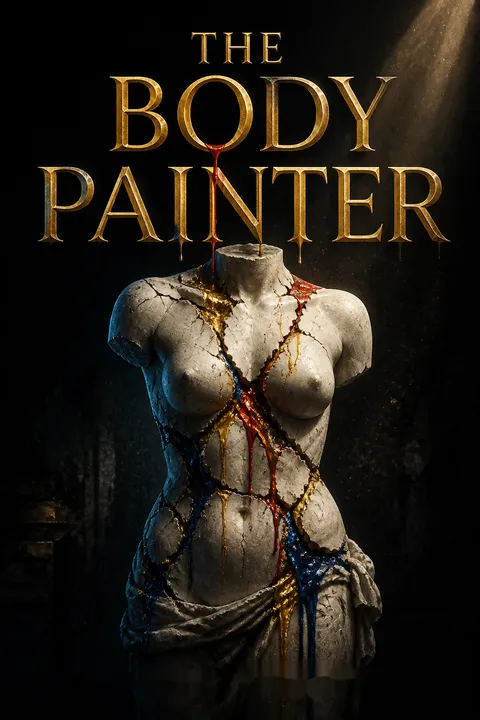
The Body Painter receives mixed reviews, with ratings ranging from 1 to 5 stars. Many readers praise Winters' writing style and the intense emotions evoked by the story. However, some find the plot repetitive and frustrating, citing the constant push-pull dynamic between the main characters. The book's dark themes and cliffhanger ending are polarizing elements. While some readers eagerly anticipate the sequel, others express disappointment with the pacing and character development. Overall, the novel's unique premise and passionate romance generate strong reactions among readers.
Characters
Olin Moss
The wounded dancerOlin is a former professional dancer whose career ended after a traffic accident damaged her back. She is resourceful and warm, but her kindness often takes the form of solving other people’s problems while postponing her own grief. Years of emotional neglect from her parents taught her to be self-reliant, while her bond with Gil gave her a rare sense of being chosen. She approaches him as both an old love and a person in need, which makes her compassionate but vulnerable to his secrecy and control. Her effort to reclaim her body through a self-designed tattoo parallels her attempt to reclaim choice in relationships. Olin’s strength lies not in endless forgiveness, but in continuing to ask for the truth.
Gil Clark
The guarded body painterGil is a gifted body painter whose technical discipline grew from a childhood of poverty, abuse, and instability. He keeps his studio and personal life spare, guards his identity, and treats work as both livelihood and refuge. As a teenager, he found in Olin the first person who saw his injuries without reducing him to them. His adult manner is harsh and controlling, yet flashes of care reveal how much feeling he has buried beneath self-punishment. He often mistakes isolation for protection and believes that withholding the truth can spare others harm. Art lets him transform skin into vivid worlds, but it cannot erase the trauma that shapes his choices. His attraction to Olin is inseparable from regret, fear, and a persistent need to be worthy of her.
Justin Miller
The steady old friendJustin dated Olin after Gil ended their teenage relationship and later became one of Gil’s few friends. He is socially confident, financially secure, and more willing than Gil to ask for practical help. Justin does not know every secret Gil keeps, but he recognizes that his friend is suffering and tries to remain available without forcing a confession. When Olin is threatened, Justin gathers colleagues to protect her. His care is not free of hurt, especially because he once loved Olin, yet he generally puts her safety ahead of jealousy.
Jane Tallup
The coercive teacherJane Tallup is Gil and Olin’s teacher, with authority over their grades and access to future opportunities. She presents herself as a strict educator, but her attention to Gil and interference in his relationship with Olin make her presence unsettling. Her role highlights how institutional power can make a young person feel trapped even outside the classroom. Tallup’s position gives her credibility that Gil believes he cannot challenge, deepening his distrust of adults and formal protection.
The older man
The threatening enforcerAn unnamed older man emerges from Gil’s warehouse and threatens Olin before attempting to force her into a van. He has enough leverage over Gil to make the stronger man submit to a beating and accept a deadline. His identity and the full nature of his control remain unclear for much of the story. He turns Gil’s private distress into an immediate physical danger for Olin.
Gil's father
A violent household presenceGil’s father is an alcoholic who abuses him and brings sex workers into the home. His violence, neglect, and refusal to provide food make Gil’s childhood a daily struggle for safety and survival. He shapes Gil’s fear of becoming like him and contributes to Gil’s belief that his own desires may be dangerous.
Olin's parents
Olin's absent parentsOlin’s parents travel frequently and leave her to manage her meals, schoolwork, and emotional life alone. Their material comfort does not compensate for their absence. Olin learns to present herself as cheerful and capable while privately longing for ordinary parental attention.
Olive
A name in nightmaresOlive is a child whose name surfaces in Gil’s sleep and private distress. The story initially withholds her connection to him, letting his desperate concern establish her importance before her identity is explained. Her presence points toward a history Gil has concealed from Olin.
Shannon
The practical managerShannon supervises Olin’s new receptionist job. She is sociable and pragmatic, welcoming Olin while making clear that the company expects reliable attendance. Her workplace provides Olin with a possible route toward stability outside Gil’s unpredictable world.
Hamish
The interested coworkerHamish is a colleague who asks Olin out soon after she starts her office job. His approach offers a glimpse of ordinary companionship, but Olin’s unresolved attachment to Gil leaves her unable to consider dating him.
The investigating officers
The suspicious investigatorsThe officers investigate Olin’s attempted abduction and the murders of women hidden with body paint. They question both Olin and Gil, testing their accounts and noting the connection between his profession and the victims’ camouflage. Their presence brings formal scrutiny, though Olin’s false statement complicates the investigation.
Plot Devices
The living canvas
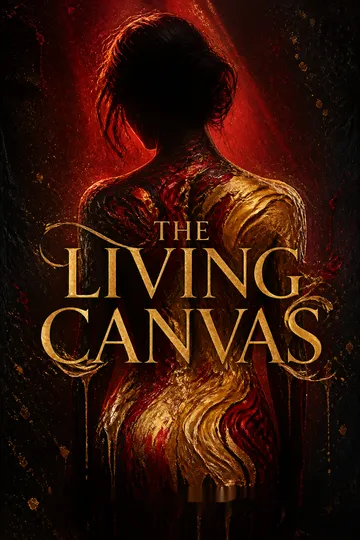
Art makes skin a stageGil’s work requires models to hold still while he turns their bodies into images, then photographs the result before the paint is washed away. The job gives Olin access to Gil while placing her in a position of exposure and dependence. It also literalizes the story’s questions about visibility: Olin sees herself differently through his art, while Gil uses the professional role to avoid acknowledging their history. Later, the same skill becomes relevant to the murders, where painted victims are made difficult to see. The canvas is therefore both a source of intimacy and a tool that can conceal harm.
The O-nicknames and tattoo
A private code survives separationAs teenagers, Gil gives Olin affectionate nicknames based on animals beginning with the letter O. She later incorporates those animals into a tattoo that covers the scars left by her accident. The image preserves their shared past, but it also records Olin’s own work of recovery. When Gil recognizes the design, it reveals that she carried part of their bond through years of separation. The motif returns through the stuffed owl and Gil’s nightmares, connecting childhood tenderness to the secrets of the present.
The locked room
A hidden life behind paintA door concealed within Gil’s graffiti-painted apartment remains locked, and a faint strawberry scent around it unsettles Olin. Gil’s attempts to keep her away from the room, combined with his drinking and nightmares, make the space a physical emblem of the history he refuses to explain. The room is not resolved before the story ends. Its function is to concentrate the novel’s uncertainty: Olin can see that Gil is protecting something, but she cannot tell whether his silence shields someone else, himself, or both.
Painted murder scenes
Beauty becomes concealmentA murderer uses body paint to make victims resemble their surroundings, leaving rescuers unable to find them in time. The method turns Gil’s specialized craft into a source of suspicion and gives Olin a reason to question the man she loves. Police compare the paints from the crime scenes with those used in Gil’s commissions, while a reported size-eleven boot print matches his footwear. Neither clue proves his guilt, but together they make Olin’s emotional certainty increasingly difficult to trust.
The forced choice
Love becomes leverageAn unnamed man uses Gil’s fear and an undisclosed debt to keep him compliant, then escalates the pressure by threatening Olin. A photograph of her leaving work arrives with an ultimatum that forces Gil to choose between her and the person he loves most. The device transforms Gil’s longstanding habit of secrecy into immediate danger: he has been trying to protect Olin without telling her what protection costs. At the ending, he reveals that the person being held is his daughter, Olive, but the book stops before Gil or Olin can act on the threat.
Master of Trickery Duet Series Series
About the Author







Download PDF
Download EPUB
.epub digital book format is ideal for reading ebooks on phones, tablets, and e-readers.








