

Plot Summary
Prologue
Olin begins with a hard-won doubt: kindness can become a form of blindness when it asks someone to overlook harm. She has trusted people by looking for the wounded goodness beneath their actions, and that faith has left her vulnerable to being hurt.
Her confession frames the story’s central question before its events unfold: when does compassion help someone, and when does it keep them from seeing what they must refuse?
The prologue works as a caution Olin has not yet learned how to follow. Her belief that a person’s harmful actions can be separated from the wounded self beneath them gives her unusual empathy, but it also risks making empathy an excuse for enduring repeated injury. The distinction matters: understanding why someone behaves destructively is not the same as being safe with them. By placing this insight before the romantic and suspense plots, the book gives Olin’s eventual boundaries psychological weight. Her kindness is not presented as a flaw to be cured, but as a capacity that must coexist with self-protection.
A Baby at the Door
At school, Gil Clark and Olin Moss had built a young love around loyalty and shared dreams. Their teacher, Jane Tallup, used her authority to control Gil and separate him from Olin. When Tallup disappears, Gil hopes to explain the truth and ask Olin to forgive him. Instead, Tallup arrives at his home carrying a newborn girl, Olive, and declares that Gil is the father.
She threatens to expose him as an attacker if he seeks help or challenges her account. Gil understands that she has abused him, but the threat leaves him frightened and alone. He chooses Olive over the life he had planned, steals money from his violent father, and leaves town with the baby, never telling Olin why he vanished.
The infant changes Gil’s priorities in an instant, but the choice is shaped by coercion as much as love. Tallup has already isolated him through sexual abuse and threats; handing him Olive makes the consequences of speaking out seem even more dangerous. Gil’s decision to leave is both an act of care and a repetition of the secrecy that trapped him. He assumes that protecting Olin means deciding for her, just as he assumes that protecting Olive means facing everything alone. The scene establishes the pattern that will govern their adult relationship: love motivates sacrifice, but silence turns sacrifice into abandonment.
Art Becomes a Lifeline
Gil reaches London with Olive and almost no money. He learns to care for a newborn, sells paintings, and gradually turns his skill into work that can support them. Body painting brings larger commissions and a public profile, while Olive grows up surrounded by his art. Olin, meanwhile, pursues dance in London after a lonely childhood, but an accident damages her back and ends the career she had built her identity around.
She takes an office job and learns to live without the future she imagined. As adults, she and Gil find their way back into each other’s lives. Their attraction returns, but their reunion grows inside the same old imbalance: Olin asks for honesty, while Gil still tries to shield her by keeping his troubles private.
Art gives both characters a way to live alongside loss, but it does not mean the same thing to each. Gil’s painting becomes income, identity, and a practical language for fatherhood; Olin’s dance is a vocation taken from her body, leaving her to reconstruct an identity outside performance. Their creative lives therefore mirror their different coping strategies. Gil turns pain into something he can control and sell, while Olin tries to remain generous even when the losses are not hers to repair. Their reunion offers a second chance, but the old relational structure remains intact until Gil learns that protection without disclosure can reproduce the very isolation he wants to prevent.
The Uncle's Long Leash
After Gil’s father dies, his uncle Jeffrey finds him and slowly earns a place in the life Gil has made with Olive. Jeffrey teaches him new painting techniques and helps him turn body painting into a successful business. Gil shares his earnings and eventually trusts his uncle with Olive.
Then Jeffrey takes the child and demands money. Gil pays, sells possessions, and searches woods and countryside for her, while Jeffrey’s demands become entangled with the deaths of painted women.
Gil believes payments have bought some victims time, but he fails to contact police, afraid that authorities will discover Olive’s origins or remove her from him. When he meets Justin Miller, Olin’s former boyfriend, in a pub, Gil learns Olin is not with Justin and is living in London. The news sharpens the losses he is already struggling to bear.
Jeffrey exploits Gil’s most cherished idea of family: that a relative who offers practical help must be safer than the world outside. Gil’s gratitude makes him susceptible to dependence, while his history teaches him to distrust institutions more readily than individuals who resemble him. The resulting secrecy is not simple foolishness. It is a survival strategy formed in an abusive home, but one that leaves Olive and other women more exposed. Justin’s return offers a counterexample: help can be offered without a hidden price. Gil cannot yet accept that distinction, so the friendship begins as a pressure against his isolation rather than an immediate cure for it.
Olin Becomes the Bait
In the present, Gil binds and drugs Olin in his warehouse, then paints her for delivery to Jeffrey. Olin wakes to the man she loves treating her as a sacrifice and believes he intends to let her be killed. Gil admits that Jeffrey has controlled him for more than a year and that he has helped with the painted victims, paying ransoms that he says saved seven girls.
He finally explains that Tallup sexually abused him as a teenager and threatened Olin’s future, which is why he broke up with her and disappeared. Olin recognizes that Gil was raped, not willing, but she remains furious that he again made a life-changing decision without her. Gil reveals a GPS tracker hidden on her and plans to follow her to Olive.
The warehouse scene forces two forms of injury into the same room. Olin must confront the fact that Gil was abused, while also recognizing that his trauma does not erase his present violation of her consent. Her compassion for the boy he was cannot automatically repair her trust in the man he is now. Gil’s tracker distinguishes his plan from an intended murder, but it does not make the plan safe or consensual. His failure is psychological as well as tactical: he can imagine himself risking everything for those he loves, yet still cannot imagine allowing them to participate in the risk.
The Forest Exchange
Gil carries the unconscious Olin through Lickey Hills Country Park to Jeffrey’s forest camp. Jeffrey is waiting with Olive, and Gil gets only a brief reunion with his daughter before she tries to run to him. Jeffrey catches her and uses her fear to keep Gil obedient.
Gil offers money and asks for Olive in exchange for Olin, but Jeffrey changes the bargain and threatens both women with a gun. Gil attacks; a shot rings out, and Jeffrey orders him to leave.
Gil walks away, believing he must wait for another chance, but Jeffrey secretly shoots him in the back. He then ties up Olin and Olive, declares himself Olive’s new father, and carries them to his caravan. Olin, barely able to move under the drugs, realizes that the GPS may be their only hope.
Jeffrey makes family affection into a weapon by forcing Gil to choose in public and then denying that choice its promised result. Gil’s willingness to bargain himself away is sincere, but Jeffrey’s shifting terms expose the futility of treating a sadist as a negotiating partner. Olin’s position complicates any simple reading of sacrifice: Gil loves her, yet he places her life on the table without her agreement. The shooting strips away his ability to manage the crisis through money or endurance. What remains is a contest over whether Jeffrey’s control can be broken before the two women are moved beyond reach.
The Painter Comes Back
Wounded and bleeding, Gil follows the tracker on his phone through the woods. He reaches Jeffrey’s caravan as the uncle is preparing to assault Olin. Gil injects Jeffrey with succinylcholine, a paralytic drug he obtained earlier, then takes the gun and waits for the poison to immobilize him. When Jeffrey threatens Olive, Gil drops the weapon, knowing the drug is already taking effect.
He pulls his daughter free and cuts Olin’s restraints. Jeffrey dies unable to move or breathe. Gil collapses from his gunshot wound beside the two women. Olin uses Gil’s phone to contact Justin, who has already called police after receiving Gil’s warning. Officers arrive, find Jeffrey dead and Gil critically injured, and take Olin and Olive to safety.
The tracker is the practical answer to Gil’s earlier isolation: a small device lets him follow rather than simply hope. Yet the rescue still depends on violence, and Gil knowingly chooses a method that makes him legally accountable. His use of the paralytic reverses the helplessness Jeffrey inflicted on his victims, but the reversal is not clean justice; it is a deliberate killing. Olin’s role after the attack matters too. She moves from captive to witness and caretaker, calling for help when Gil can no longer act. Their survival begins not with reconciliation but with a shared emergency and consequences neither can avoid.
A Family in Limbo
In hospital, Gil learns that his bullet wound is survivable and that Olive and Olin are safe. Police arrest him for Jeffrey’s murder and for his connection to the painted victims. Olin plans to leave, but child-protection workers arrive, concerned that Olive has missed school and needs stable care.
When Olive begs not to be separated from her father or sent to strangers, Olin agrees to take her until Gil can recover. Gil is arrested before they can settle their future. A judge sets bail at an amount he cannot pay, so Justin puts up the money and brings him home. Olin returns Olive to Gil, then tries to say goodbye, but agrees to help when the authorities threaten to place the traumatized child in foster care.
The crisis expands from physical survival into the systems that decide who may care for a child. Olin’s choice to take Olive is compassionate, but it is also a meaningful departure from her earlier habit of giving without limits: she names a concrete responsibility and acts for the child rather than pretending that affection has solved the adults’ problems. Justin’s bail payment makes support materially real, not merely sentimental. Gil, meanwhile, must face that love for Olive cannot protect her from institutions, and that his decision to avoid police involvement has helped create the very custody uncertainty he fears.
Bail Buys One More Chance
Public anger over the painted murders spreads online, and Gil’s business is boycotted before the full story is known. Justin pays Gil’s substantial bail, allowing him to leave the holding cell with an ankle monitor and strict limits on where he can go.
Olin returns Olive to Gil’s warehouse and tries to keep her own distance, even as messages from Gil reveal how long he has loved her. Their reunion becomes an argument between longing and self-preservation.
Olin eventually visits Gil and they have sex, hoping to make the encounter a final goodbye. Afterwards, she tells him she loves him but cannot remain with him, because his choices and secrets have repeatedly cost her security. Gil accepts her decision, though neither of them is ready to let go.
Bail gives Gil physical freedom without restoring agency: the ankle monitor and approaching trial make every movement conditional. The public backlash compounds that pressure by turning incomplete information into a verdict before evidence is heard. Olin’s choice to end the relationship after intimacy is emotionally contradictory, but not meaningless. She is trying to reclaim the power to decide what happens to her body and future after being used as leverage. Gil hears the boundary, yet the couple’s reliance on sex as a substitute for difficult conversation shows how easily desire can postpone, rather than resolve, the questions that have damaged their trust.
No Room to Run
Two men connected to one of the murdered women attack Gil outside his warehouse, and the owner soon orders him to leave because of the publicity surrounding his case. Gil cannot afford another home and must remain in Birmingham to keep his bail. Olive is still wary of living with Justin, so Justin asks Olin to shelter them. She agrees, though she has been planning to leave the city.
In her apartment, the three try to maintain a friendly routine around Olive, while Gil and Olin keep their attraction and anger carefully contained. When Gil asks Olin to become his canvas for a final commission, she refuses, explaining that the previous painting left her feeling violated. Gil accepts the refusal, but his trial is set for six days later.
The shared apartment turns private emotional conflict into a daily practice of restraint. Olin’s home becomes both refuge and reminder: she chooses to help, but refuses to let help be mistaken for romantic consent. Gil’s request to paint her is a significant change from his earlier unilateral actions because he asks; her refusal then tests whether he can tolerate a boundary without retreating into shame or self-punishment. The eviction and attack also expose the social consequences of a case not yet tried. Gil’s shrinking options are real, but they do not give him ownership of Olin’s care, body, or future.
The Last Canvas
Before the trial, Gil returns to Olin’s apartment after she is at work and prepares a dark backdrop, paints, and camera. When she arrives, he tells her that he and Olive have moved to Justin’s and that he wants one last chance to say goodbye. Olin initially refuses to be painted, but his admission that he may soon lose his art and freedom changes her mind.
As he covers her in blue, stars, birds, and other images, he tells the whole story: Jeffrey first mentored him, earned his trust, then took Olive and used ransom demands to make Gil paint women. Gil says he did not know the full purpose at first, but later failed to report his suspicions. They make love, and Olin later watches the video and understands she still loves him.
Painting becomes a confessional medium because it lets Gil speak while his hands perform the work that once helped him avoid speech. The images make the history visible, but they do not absolve him: his confession includes both his victimization by Jeffrey and his culpable silence after suspicion arose. Olin’s decision to sit for him is an act of choice, unlike the earlier drugged painting, and that distinction is central to its emotional force. Watching the video afterward, she sees their mutual attachment plainly, but recognition does not yet settle what she should do with it. Love becomes evidence, not an automatic verdict.
Five Years Behind Bars
At trial, Gil admits that he killed Jeffrey with succinylcholine but denies killing the four women found painted in his work. He explains that Jeffrey used his talent, money, and silence, and that fear for Olive kept him from seeking help. The jury finds him guilty of Jeffrey’s murder but not guilty of the women’s deaths.
The judge sentences him to five years and orders him to pay the victims’ families. Olin attends the hearing and promises to visit, though Gil tells her to move on. Justin becomes Olive’s guardian, and Olin moves in with them, helping the child endure the separation. In prison, Gil struggles with the loss of his family and his art, then begins teaching painting to other inmates.
The verdict refuses the easy categories the public has imposed on Gil. He is responsible for taking Jeffrey’s life, but the evidence does not make him the murderer of the painted women. The judge’s sentence also preserves a moral remainder: Gil’s silence helped Jeffrey continue, even if fear explains why he stayed silent. Prison turns that distinction into lived consequence. Teaching art to other inmates lets Gil use the talent that once served a criminal arrangement for a different purpose, while Olin and Justin’s care for Olive prevents punishment from becoming another abandonment for the child.
A Blessing Misunderstood
During the first months of Gil’s sentence, Olin and Olive visit him regularly, while Justin supports them both. Gil learns that Olin is living with Justin and his daughter, and assumes the two adults may become a couple. Wanting Olin to have a dependable future, he calls Justin from prison and gives him his blessing to pursue her if she returns his feelings.
Justin objects that Olin should decide for herself, but Gil still believes he is removing an obstacle. Olin never hears about the call at the time. She continues visiting, uncertain whether to leave Birmingham or wait, and does not tell Gil she remains in love with him. Their separate acts of protection become another secret between them.
Gil’s blessing sounds generous, but it repeats the paternalistic logic that has repeatedly damaged his relationships: he tries to arrange Olin’s future without asking her what she wants. His intention is to repay Justin and spare Olin hardship, yet he treats her love as a resource he can relinquish on her behalf. Olin’s silence is different in motive but similarly consequential. She wants the freedom to choose waiting without turning it into an obligation, so she keeps her feelings private. Their parallel secrecy shows that honesty is not simply the absence of lies; it requires trusting another person with the right to respond.
The Prison Door Opens
After nineteen months, Gil is released early for good behaviour and rehabilitation work. He stays away from Olive and Olin for several weeks while he rebuilds his painting business, rents a small apartment, and tries to stand on his own rather than ask for more help. He surprises Olive outside school.
When she takes him to Olin and Justin, he sees their easy affection and assumes they are a couple. Olin welcomes him, but Gil insists he already has a home. Justin suggests they celebrate together, and the three adults take Olive to dinner. Gil is grateful to be free and reunited with his daughter, yet he believes he has returned to a family in which Olin has chosen someone else.
Gil’s delayed return is an attempt to transform independence from a defensive pose into a real capacity. He wants to meet Olive as a father who can offer a home, not as another crisis Justin and Olin must absorb. But his old habit of inferring other people’s wishes from appearances survives his growth. Seeing Olin and Justin together, he assumes romance rather than asking. The reunion therefore grants him what he most wanted, freedom and contact with Olive, while leaving his central emotional fear untouched. His readiness to accept a lesser place in their lives is loving, but it is also another way to avoid risking an honest question.
The Truth at Last
After the reunion, Olin goes to Gil’s apartment and insists they talk. Gil warns her to leave because he fears his desire will overtake his judgment, but she stays. He admits how devastated he would be if she loved Justin, and Olin explains that she and Justin have never been romantic; she moved in to help Olive and has continued visiting because she chose to.
She also confesses that she remained in love with Gil throughout his sentence but needed the freedom to decide that for herself. Gil finally stops assuming that love requires him to withdraw. They make love gently, without disguising it as a farewell, and Gil proposes. Olin accepts, choosing a shared future rather than another departure.
This reconciliation hinges less on discovering that the love is mutual than on changing how the characters handle uncertainty. Olin’s account makes clear that waiting is meaningful only because it remains her choice, not a debt imposed by Gil’s suffering. Gil, in turn, must accept that wanting Olin does not automatically make him a burden or a danger to her. Their intimacy shifts from a strategy for saying goodbye to an expression of a decision they have spoken aloud. The proposal closes the cycle of mistaken sacrifice by replacing unilateral protection with mutual consent and a future neither person has chosen alone.
A Home Made Together
Gil and Olin build a life after his release, and he gradually repays the money owed to the victims’ families and to Justin, who cared for Olive. Gil’s body-painting business recovers with Olin’s help, and the family eventually buys a converted barn with room for his studio, Olin’s sunlight, Olive’s art, and Justin’s visits.
Olin continues to dance with Olive and encourages Gil to join her. The couple marries in a ceremony where Gil paints Olin’s wedding gown directly on her skin. Olive stands beside her, and Justin remains part of their chosen family. The final image answers the story’s repeated separations with a home built through shared work, restored trust, and the ordinary pleasure of staying.
The resolution does not erase the costs of the past. Gil chooses to repay the families despite being legally free of the debt, treating responsibility as an ethical commitment rather than a sentence imposed from outside. The barn gathers the characters’ separate needs without demanding that one person disappear into another’s life: studio, dance, childhood creativity, and friendship all have physical space. The painted wedding dress returns body art to the story’s intimate beginning, but its meaning has changed. Olin is no longer a canvas used in a plan she did not choose. She participates in an artistic ritual that she and Gil have made together.
Epilogue
Gil and Olin pay their debts, rebuild his body-painting business, and buy a converted barn that gives each member of their family room to belong. Olive paints and takes dance lessons; Gil joins Olin in dancing, though he is far less graceful than she is. Justin remains a frequent visitor.
On their wedding day, Gil paints Olin’s dress onto her skin, turning the art that once accompanied coercion into a celebration she chooses. With Olive as her daughter in every way that matters, Olin walks toward the marriage and home they once believed impossible.
The epilogues complete the novel’s movement from art as concealment to art as shared expression. Gil’s painting once hid victims, carried secrets, and made Olin vulnerable to a plan she had not chosen. At the wedding, painting becomes an openly chosen collaboration, witnessed by Olive and supported by the people who helped the couple survive. The home also matters as more than romantic reward: it gives distinct space to Gil’s work, Olin’s need for light and movement, Olive’s creativity, and Justin’s continuing friendship. The ending imagines healing not as forgetting trauma, but as building routines and relationships that no longer require secrecy or isolation.
Analysis
The novel makes secrecy the shared survival strategy of its central characters, then shows how that strategy reproduces the conditions they are trying to escape. Gil stays silent after Tallup abuses him because he expects adults and institutions to believe her over him. Later, he withholds Jeffrey’s threats from Olin and the police because he believes concealment is the only way to protect Olive. Those decisions are psychologically legible, but their consequences spread outward: Olin is placed at risk without consent, other women remain vulnerable, and Olive’s future becomes dependent on a single frightened father. Understanding Gil’s motives never makes his choices harmless.
Olin’s parallel struggle is to distinguish empathy from surrender. She can recognize Gil’s trauma and still object to being bound, drugged, painted, or treated as a bargaining piece. Her refusal to be painted again marks more than anger; it is a claim to authority over her own body. Later, her acceptance of the final painting has weight precisely because she can refuse. The novel’s romance becomes more credible when love is no longer used to excuse unilateral sacrifice and instead requires each character to state what they want.
Art carries this conflict in visible form. Gil’s work can earn money, camouflage a body, preserve memory, or communicate what speech has withheld. Its meaning depends on consent and context, not on beauty alone. His later teaching and the couple’s chosen artistic rituals do not erase the paintings connected to Jeffrey’s victims; they place the talent in a different ethical relationship. Likewise, the ending’s family is not built by blood or rescue alone. Justin’s practical loyalty, Olin’s care for Olive, and Gil’s willingness to accept accountability all contribute. The book’s final measure of redemption is not innocence, but whether people who have caused harm can stop deciding for one another and begin making a life through shared responsibility.
Review Summary
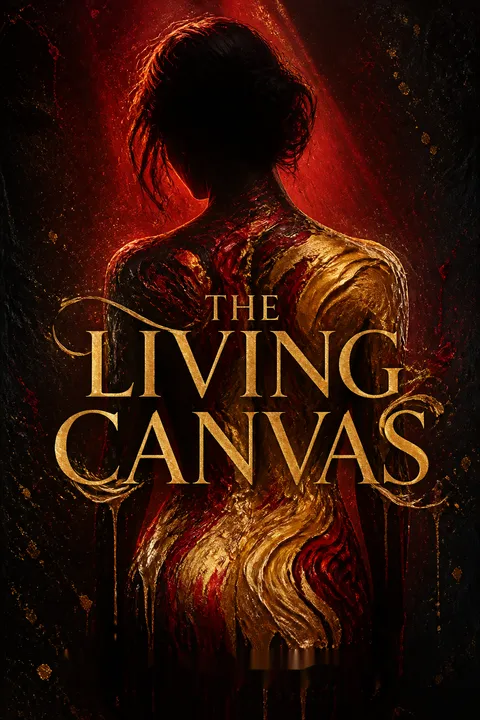
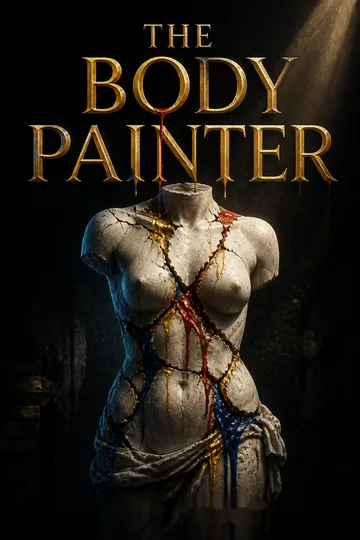
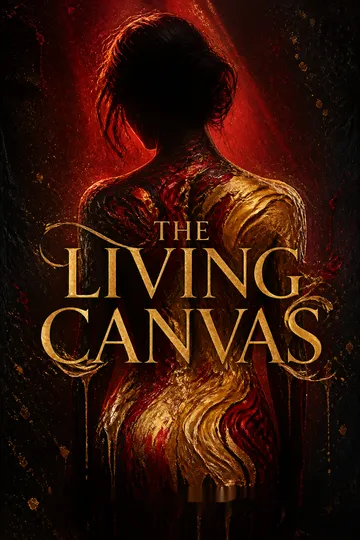
The Living Canvas concludes the Master of Trickery duet, picking up where The Body Painter left off. Readers praised the emotional intensity, suspense, and character development, particularly Gil's tortured soul and Olin's struggle with forgiveness. Some found the middle section repetitive, but most appreciated the resolution of mysteries and the exploration of love, family, and redemption. While opinions varied on pacing and plot elements, many fans of Pepper Winters found this a satisfying conclusion to the duet, with compelling characters and intense romantic scenes.
People Also Read




Characters
Gil Clark
The guarded body painterGil is a gifted body painter and devoted father whose childhood in an abusive, unstable home taught him to rely on himself. His artistic skill becomes both his livelihood and his private method of turning fear into something visible and controllable. He loves Olin deeply, but his idea of protecting her often means withholding information and making choices in her place. That impulse is tied to genuine care, yet it also repeats the isolation that shaped him. Gil’s growth depends on learning that accepting help is not weakness and that honesty must come before another person can freely choose to stand beside him.
Olin Moss
The injured dancerOlin is a former dancer whose back injury ended the career that had given her direction. She is perceptive, resilient, and instinctively generous, qualities that help her understand other people’s pain but can draw her into carrying burdens that are not hers. Her history with Gil makes her both his most intimate witness and the person most harmed by his secrecy. Olin does not confuse empathy with uncomplicated forgiveness: she can understand why Gil acts as he does while still refusing to surrender her own choices. Her central struggle is to remain compassionate without treating self-abandonment as proof of love.
Olive Clark
The young artistOlive is Gil’s spirited, observant daughter, raised among paint, stories, and her father’s fierce devotion. She inherits his eye for colour and his ability to notice what adults are trying not to say. Her year away from him leaves her wary of strangers and prone to nightmares, even when she appears cheerful. Olive’s affection for Olin grows from the practical kindness Olin offers, not from any easy understanding of the adults’ past. Her needs make the story’s emotional stakes concrete: safety means more than rescue; it means dependable care, school, familiar routines, and adults who respect her fears.
Justin Miller
The steadfast friendJustin is an accountant and Olin’s former boyfriend, but his lasting role is that of a loyal friend to both Olin and Gil. He tends to notice people in distress and offer practical help, even when they resist it. His generosity is grounded in a desire to be useful, though his habit of helping can sometimes make him sound overly certain about what others need. Justin gives Gil friendship without demanding emotional polish in return, and he becomes a reassuring adult for Olive at a time when trust is difficult. His steadiness provides a counterpoint to Gil’s belief that every burden must be carried alone.
Jane Tallup
The controlling teacherJane Tallup is Gil and Olin’s high-school teacher, an adult whose authority reaches into the students’ private lives. She is calculating about her reputation and attentive to the unequal power between a teacher and a vulnerable student. Her presence shapes Gil’s understanding of danger, shame, and whether anyone would believe him. Tallup is important not only because she alters the couple’s early relationship, but because her actions help create the secrecy Gil carries into adulthood. She represents the harm that can hide behind respectable roles and public appearances.
Jeffrey Clark
The persuasive uncleJeffrey is Gil’s uncle, a skilled car painter who can recognize and encourage artistic talent. He understands Gil’s loneliness and the gratitude that comes with finally having a relative who seems willing to help. That apparent kinship makes Jeffrey’s influence especially significant: Gil’s trust in him grows from a genuine need for family and mentorship. Jeffrey is comfortable treating affection, money, and obligation as things that can be exchanged. His relationship with Gil tests the difference between being related to someone and being worthy of their trust.
Gil's father
The violent parentGil’s father is an alcoholic who runs a house where violence and exploitation are part of daily life. He provides Gil with neither safety nor reliable care, teaching the boy to survive by staying quiet and anticipating danger. His influence follows Gil into adulthood as an expectation that help will come with a cost, and that asking for protection may make matters worse.
Brad Scott
The candid defense lawyerBrad Scott is Gil’s court-appointed lawyer. He prepares Gil to face a hostile courtroom and encourages him to explain the full context of his choices rather than hide behind silence. Brad does not promise an easy result; his usefulness lies in translating Gil’s scattered, painful history into evidence the court can assess. He gives Gil a professional advocate at the moment when the public has already decided what kind of man he is.
Olin's parents
The distant familyOlin’s parents live abroad and maintain a limited connection with her, often offering money more readily than emotional understanding. Their distance helps explain why Olin learned to manage setbacks without expecting much comfort from home. They are not openly cruel, but their absence leaves her to build her own sense of family and belonging.
Plot Devices
Body painting
Art becomes evidenceGil’s body painting begins as a survival skill and grows into a successful profession, allowing him to support Olive. The same skill becomes entangled with Jeffrey’s crimes when women painted by Gil are later found dead. Paint therefore serves several functions at once: it is Gil’s livelihood, a record investigators can trace, a means of camouflage, and a visual language for feelings he struggles to confess. Olin’s painted body changes meaning across the story. The first time, it is part of a plan made without her consent; the final wedding paint is a collaborative act she chooses.
The hidden GPS tracker
A trail through darknessGil hides a GPS tracker on Olin before delivering her to Jeffrey. The device allows him to follow her location after Jeffrey takes her into the woods, giving his rescue attempt a direction when he has been shot and cannot rely on knowing the forest. The tracker does not make the plan safe, and Olin is not told about it until Gil is already preparing to send her away. Its practical success cannot erase the ethical problem: Gil again makes a dangerous decision for her before inviting her into it.
Ransom payments
Love turned into leverageJeffrey’s demands make Gil’s financial success a measure of whether Olive stays alive. Gil pays what he can, sells his possessions, and spends his savings, believing that money may keep his daughter safe and may have saved other women. Each payment also strengthens his silence and dependence, since he fears that involving police will cost him Olive. Ransom turns ordinary acts of provision into a coercive system: Gil works to protect his child, but the arrangement drains the resources he needs to care for her and delays the outside intervention that could expose Jeffrey.
The Olin and Olive names
Names bind the familyGil names his daughter Olive after the woman he loved, Olin, while Olive later gives her stuffed owl the name Olin because of one of her father’s stories. The names create an intimate chain among the three characters before they can openly share a family life. Olive’s owl becomes an object of comfort and an indirect reminder that Gil has not forgotten Olin. The naming motif also makes the resemblance between Olin and Olive emotionally immediate, while keeping clear that the child is her own person rather than a replacement for the woman whose name inspired hers.
The ankle monitor
Freedom under surveillanceAfter Gil makes bail, an ankle monitor restricts him to approved locations and reports where he goes. It limits his ability to work, move, or visit Olin, and his decision to cross the boundary to see her brings police attention. The device gives physical form to the uncertainty between release and imprisonment: Gil is outside a cell but cannot freely choose where to live or how to help his daughter. It also underscores that legal consequences continue after the immediate danger has ended.
Master of Trickery Duet Series Series
About the Author









Download PDF
Download EPUB
.epub digital book format is ideal for reading ebooks on phones, tablets, and e-readers.








