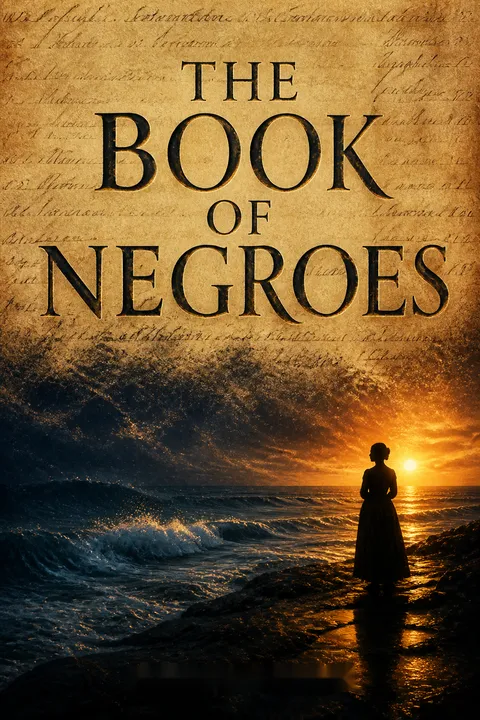


Plot Summary
The Witness in London
In 1802, Aminata Diallo lives in London, where abolitionists present her as proof of slavery’s cruelty and prepare to bring her before Parliament and King George. Their leader, Sir Stanley Hastings, wants her testimony to support a limited campaign against the slave trade, while Aminata insists that ending transport will not free those already enslaved.
She has survived too much to let powerful men reduce her to a useful emblem. John Clarkson, the quiet abolitionist who brought her to England, earns her trust, but the committee still wants to manage her account. Aminata decides to write her own life, beginning with the childhood she lost. The story turns backward, from the crowded rooms of London to the village where she was born.
The London opening establishes authorship as a struggle over power, not simply a matter of literacy. The abolitionists oppose the trade, yet their wish to shape Aminata’s testimony repeats a familiar pattern: others deciding what her experience means and how it may be used. Her insistence on recording her own life makes storytelling an act of self-possession. The frame also gives the reader a double perspective. We meet an elderly woman treated as a public symbol, then learn the intimate history that the symbol cannot contain. Her skepticism keeps the narrative from becoming a simple tale of rescue by sympathetic reformers.
Bayo Burns
Aminata grows up in Bayo, the daughter of Sira, a respected midwife, and Mamadu, a Fula jeweller who teaches her Arabic letters. Her parents cross ethnic boundaries in a time when kidnappings make villages build walls and form alliances. Aminata learns to assist at births, and her small hands become useful in difficult deliveries.
On a night journey home from another village, armed kidnappers surround her, Sira, and Fomba, an enslaved hunter. Fomba kills one attacker with a metal bucket but is knocked down. Sira is struck when she tries to save Aminata, and the raiders drag the girl away. Later, Aminata sees her father in the captive line. Mamadu breaks free and fights, but a gunshot kills him as Bayo burns behind them.
Aminata’s childhood teaches her that knowledge is practical, embodied, and shared: she learns letters from her father and the work of birth from her mother. Those gifts become the means by which she later helps strangers survive. The raid destroys the security her family tried to build through walls, religion, and local alliances. It also collapses Aminata’s belief that free birth or Muslim identity can protect her. Her parents’ different responses to danger matter: Mamadu fights openly, while Sira tries to shield her child. The violence leaves Aminata with no choice except forward motion, but her parents’ lessons remain an inner inheritance.
Three Moons to the Coast
The captors gather prisoners from several villages and force them toward the coast. Aminata travels with Fomba and Fanta, the chief’s pregnant wife, while Chekura, a boy from a nearby village, serves the kidnappers. He brings food and water, and gradually admits that he too was sold by a relative. When a pregnant captive named Sanu begins labour, Aminata persuades the guards to stop.
She delivers a girl, whom Sanu names Aminata, then watches mother and child continue in the coffle. At the coast, the captives are penned, washed, and branded. Aminata is marked above her breast. The next day, they are rowed to a slave ship. Chekura is forced aboard too, and the vessel carries the captives away from the land Aminata has sworn to find again.
The journey reveals how captivity is sustained by networks of complicity, not only by the men holding weapons. Villagers sell food, provide guards, and sometimes sell their own neighbours. Chekura’s compromised position makes him neither innocent nor simply an enemy; he is a captive forced to assist captivity. Aminata’s work at Sanu’s birth gives her a role that the captors cannot entirely erase. Naming the newborn after her creates a brief human bond inside the machinery of sale. The branding then turns a person into recorded property, while the scar becomes a lasting witness to a crime its perpetrators would prefer to deny.
The Ship Revolts
Below deck, Aminata is made useful because she speaks several African languages, and a ship’s surgeon begins teaching her English while exploiting the women around him. She carries food and information to the imprisoned captives, including Biton, a Bamana chief who urges them to prepare for resistance.
Fomba, nearly silent after his capture, proves able to open shackles with a nail. When Fanta gives birth to a son, the men use the occasion to launch their revolt. Biton and Fomba attack the crew, but the sailors’ guns overwhelm them.
Fanta kills her newborn and the surgeon, then throws Sanu’s baby overboard; Sanu follows her child into the sea. The uprising fails, the survivors are shackled, and the sick are discarded. After two months, Aminata reaches the American coast with only a fraction of the captives alive.
The revolt refuses a clean distinction between resistance and survival. Biton’s leadership, Fomba’s ingenuity, and Fanta’s violence all arise from a world designed to make ordinary moral choices impossible. Fanta’s actions are horrifying, yet the ship has already turned childbirth into a threat and motherhood into a vulnerability. Aminata’s position as translator gives her access and influence, but it cannot make her powerful enough to stop the massacre. The failure does not make resistance meaningless; it shows the scale of force arrayed against the captives. The ship’s survivors arrive alive, but their survival has been purchased through losses that cannot be repaired.
Meena Learns Carolina
On Sullivan’s Island, Aminata is too ill to eat until Biton and Chekura help keep her alive. The captives are sold, and she is taken to Robinson Appleby’s indigo plantation on St. Helena Island. Georgia, a skilled healer and midwife, shelters her and gives her the plantation name Meena.
By teaching Aminata Gullah, English, herbal medicine, and the rules of white authority, Georgia equips her to move through the plantation world without surrendering her judgment. Mamed, the mixed-race overseer who manages indigo production, secretly teaches her to read and write.
He also finds Fomba work suited to his abilities, building his confidence through fishing. Aminata learns the labour behind indigo dye and watches how knowledge can protect people, even when it cannot free them.
Georgia and Mamed offer distinct kinds of education. Georgia teaches social survival, healing, and the unspoken dangers of plantation life; Mamed offers literacy while showing how freedom can be bartered away within a system that calls itself orderly. Neither teacher can remove Aminata from bondage, but both help her build capacities the plantation needs and cannot wholly control. Fomba’s recovery through fishing makes the same point in bodily terms: dignity returns when a person’s strengths are recognized rather than punished. The plantation’s two names for Aminata, her own and the imposed Meena, reveal that identity becomes contested ground under ownership.
A Family Under Appleby
Chekura finds Aminata through the network of Black communities known as the fishnet. Their shared memories of the march from Bayo draw them together, and he visits in secret until they marry by jumping a broom.
Before their relationship can become secure, Appleby assaults Aminata and later humiliates her publicly by shaving her head and burning her clothes when he discovers her pregnancy. Georgia helps Aminata survive the assault and urges her to nurse any child for as long as possible, knowing owners often sell enslaved children.
In 1761, Aminata gives birth to a son and names him Mamadu after her father. Chekura reaches them two weeks later, but plantation patrols make visits dangerous. Aminata works while carrying her baby, hoping that love and vigilance can keep their small family together.
Marriage gives Aminata a chosen bond, but the plantation treats intimacy as another form of property. Appleby’s assault and public punishment are not isolated cruelties; they enforce his claimed right to control her body, clothing, and future child. Georgia’s warning about nursing exposes the brutal logic behind maternal care: the act that binds mother and baby may also make the child more valuable to an owner. Aminata’s decision to name her son after Mamadu connects the child to a family history that slavery has tried to sever. Her hope is real, but it exists under rules designed to make family life precarious.
The Empty Bed
When Mamadu is ten months old, Aminata wakes to find Appleby carrying him to a carriage. She runs after them, but the child is already sold. Georgia and Aminata use the fishnet to search nearby plantations, without finding him.
Aminata falls into grief, stops working, and loses hope of returning to the life she and Chekura had planned. Appleby sells her to Solomon Lindo, an indigo merchant in Charles Town. Lindo gives her better food and a chance to earn money through midwifery, while teaching her arithmetic and business accounts.
Yet Aminata discovers that his polished manners do not make him free of the system. She reads widely, studies maps that fail to show her village, and realizes that learning the colonists’ world may offer a route away from it.
The theft of Mamadu changes Aminata’s relationship to survival. Work and learning had once seemed like tools for building a future; after the sale, they become unbearable reminders that the system can take the result of every effort. Her refusal to labour is a form of protest, though it also leaves her exposed. Lindo’s household complicates the idea of a benevolent owner. He provides access to education and safer conditions, but still treats Aminata as an investment. Maps and ledgers offer knowledge without recognition: Africa is named and traded, while Bayo remains absent. Literacy therefore becomes both an instrument of mobility and evidence of the world’s deliberate exclusions.
The Indigo Jew’s Secret
In Charles Town, Aminata becomes a self-hire midwife, earns wages, and teaches herself to navigate the city’s markets and racial boundaries. Years after they were separated, Chekura finds her.
He explains that plantation owners sent him away after Mamadu was sold, then punished his later escape attempts by cutting his fingers. He also brings the news that their son died of smallpox in Savannah. A wet-nurse’s account identifies Solomon Lindo as the broker who arranged Mamadu’s sale, sharing the proceeds with Appleby.
Aminata confronts Lindo, who admits enough of the truth to deepen her anger. When Lindo later takes her to New York, she registers under her own name at Fraunces Tavern and recognizes that the city’s upheaval may offer a chance to escape.
The reunion gives Aminata the truth she needs and the loss she cannot undo. Chekura’s long absence was not abandonment, but her years of believing otherwise have already shaped her grief. The revelation about Lindo strips away the comforting idea that education and civility necessarily oppose exploitation. His role was more complicated than Appleby’s, but complication does not erase the sale. Aminata’s response is not immediate forgiveness or revenge. She refuses Chekura’s offer to kill Lindo, choosing instead to protect the life they still have. Writing her name in New York signals a shift from being identified by owners to identifying herself.
Freedom on Broadway
In New York, Aminata meets Sam Fraunces, whose tavern becomes a temporary refuge and a source of work. She teaches Black students at St. Paul’s Chapel and helps people in Canvas Town build a community from materials salvaged after rebel mobs ransack Loyalist homes.
The war brings shifting promises: Lord Dunmore and later the British offer protection to Black people who serve behind their lines. Aminata also works as a midwife, including for Rosetta Walcott, a young woman pregnant by Captain Malcolm Waters.
When British troops evacuate, Rosetta and her daughter remain vulnerable, but Aminata continues helping them. The British recruit Aminata to gather information for the Book of Negroes. She accepts because the promised evacuation may carry her toward safety, while insisting on fair pay and a passage of her own.
New York gives Aminata a community, but not secure freedom. The school, the tavern, and Canvas Town become improvised institutions where Black residents exchange knowledge and shelter one another beyond the control of owners. Yet the revolutionary language of liberty remains selective, and both armies treat Black freedom as a strategic resource. Aminata’s care for Rosetta shows how her midwifery has become civic work: she helps women survive the choices men with military or legal authority impose on them. Accepting British employment is neither trust nor surrender. It is a calculated attempt to turn the state’s paperwork into passage for people it has repeatedly used.
Names in the Ledger
Aminata records hundreds of Black Loyalists in the Book of Negroes, noting names, origins, ages, and claims of service. The ledger also exposes the contradictions of evacuation: some listed Black travellers are still described as another person’s property.
Rosetta and her daughter secure passage, but Aminata is pulled from the ship when Robinson Appleby claims ownership. In a hearing at Fraunces Tavern, Solomon Lindo produces the bill of sale proving that Appleby sold Aminata to him and arranged Mamadu’s sale for a share of the money.
The justice rejects Appleby’s claim. Lindo declares Aminata free, though she refuses to forgive him. She waits for the last British ship and leaves New York alone, pregnant by Chekura and without her belongings, determined to reach him in Nova Scotia.
The ledger is both a record of Black lives and a document shaped by the interests of those in power. Aminata’s careful entries preserve identities, yet the same process can label people as property and allow Loyalists to carry enslaved workers away. Her own case turns on written evidence: Appleby’s paper proves not his legitimate authority, but the transaction through which he tried to erase her choices. Lindo’s testimony exposes his complicity while allowing him to perform a belated act of release. Aminata’s freedom arrives through law, but it is fragile and dependent on another person’s decision. She leaves with a certificate, not with the family she hoped to reclaim.
Birchtown’s Lost Child
Aminata reaches Nova Scotia and settles in Birchtown, where free Black Loyalists wait for land and supplies the British promised but rarely deliver. She teaches, works for the printer Theo McArdle, and gives birth to a daughter, May, with help from the blind preacher Moses Wilkinson.
May grows up beside her mother, learning letters and hearing about Africa and the father she has never met. White workers in Shelburne attack Black residents, kill neighbours, and burn homes.
Aminata leaves May with the more prosperous Witherspoons while she returns to Birchtown to repair her damaged cabin and help Moses. When she comes back, the Witherspoons have sailed for Boston with May. They have told the child that Aminata abandoned her. Aminata searches and advertises, but no one can find them.
Birchtown offers legal freedom without the material conditions needed to make it secure. The settlers’ hunger and landlessness show how a promise can be honoured in name while withheld in practice. Aminata builds a life through teaching and paid work, and May gives that life a daily intimacy missing from earlier years. The riot demonstrates that even a home and a community can be attacked by those who resent Black people’s presence and employment. Aminata’s decision to leave May with the Witherspoons is made under pressure, not indifference. The resulting separation repeats her oldest wound, but now she has also been made powerless to correct the story told to her child.
The Journey to Africa
After years of searching for May and Chekura, Aminata hears Thomas Peters advocate for a Black return to Africa. John Clarkson arrives in Birchtown to organize the migration to Sierra Leone and asks Aminata to help register travellers.
She hesitates because she still hopes her family will return, but Clarkson investigates Chekura’s ship, the Joseph, and learns it sank with everyone aboard. With no remaining sign of May, Aminata joins the voyage. In Freetown, the settlers find a colony controlled by the Sierra Leone Company, lacking promised land and dependent on British supplies.
Aminata works as a teacher, healer, and writer, while learning Temne and seeking a route inland. When a slave coffle is marched through the settlement, Thomas Peters confronts the traders and is killed; Aminata can only watch the captives being rowed away.
The journey to Sierra Leone is not a return to an uncomplicated home. Aminata chooses it after the loss of the people who made staying in Nova Scotia meaningful, yet the colony reproduces dependence under a new flag. Its promise of racial equality coexists with company rule, trade, and the settlers’ separation from local communities. Peters’ death makes this contradiction physical: a settlement founded by Black people escaping enslavement cannot stop a coffle from passing through its territory. Aminata’s decision to keep learning languages and looking inland is not a rejection of Freetown’s people. It is a recognition that belonging to a continent does not automatically restore the particular home from which she was taken.
The Mark at Bance
Unable to find a Temne guide to Bayo, Aminata accepts help from Alexander Falconbridge, a former slave-ship surgeon who now opposes the trade. At Bance Island, the fortress where she was branded as a child, she meets William Armstrong, a senior company officer.
Armstrong insists that the trade sustains the empire and that Africans would be enslaved by other Africans regardless. Aminata reveals her scar to challenge his denial that captives are branded. He identifies the initials as belonging to Grant and Oswald, the company behind the fort.
Armstrong then introduces her to inland traders, including Alassane, a Fula merchant. Aminata offers three barrels of rum for passage to Segu. Alassane finally agrees, although his business carries captives toward the same coast she once fled.
Returning to Bance Island turns memory into evidence. The place is not a symbolic abstraction for Aminata; its walls, pen, and scar connect the child she was to the institution that still profits from captivity. Armstrong’s rationalizations show how economic dependence can make violence appear inevitable, even to people who recognize its cruelty. Aminata does not win him over through argument, but her scar breaks through his denial. Her bargain with Alassane is morally compromised from the start: she buys access by supporting a trade that has destroyed lives like hers. The scene refuses easy innocence and makes the cost of pursuing home visible before the journey begins.
Alassane’s Coffle
Alassane leads Aminata inland with armed escorts and a long train of porters carrying trade goods. She hides her knowledge of Fulfulde while observing the captives they pass, unable to free them without endangering herself.
After weeks of walking, she hears Alassane tell his men that he will sell her at Kassam, since her age and illness make her a marketable captive only for a short time. She waits until the camp sleeps, then escapes through the forest and walks in streams to hide her tracks. Fever and a wounded foot nearly kill her.
A young goatherd understands her plea in Fulfulde and brings her to a village, where women nurse her. There, she abandons the hope of reaching Bayo and decides that remaining free matters more than returning to a place she may no longer find.
The betrayal exposes the danger in Aminata’s hope that shared language or faith might guarantee solidarity. Alassane is a fellow Fula and Muslim, yet he plans to sell her because the trade has made human value a calculation. Aminata’s choice to escape relies on the practical intelligence accumulated across her life: she studies terrain, conceals language, and uses water to confuse trackers. The villagers’ care is different from the bargains surrounding her, though it cannot restore what she has lost. Giving up the search for Bayo is not surrender to despair. It is a hard revision of desire, from recovering a past to defending the freedom she still possesses.
Aminata Becomes Djeli
After recovering, Aminata proves her identity to a gathering of villagers by reading from Olaudah Equiano’s account in English and explaining what it says. She tells them the truth about her husband and children, then spends a month recounting her travels to listeners from nearby settlements.
They ask for names, and she gives them, preserving the people who might otherwise disappear into anonymous suffering. Aminata works beside the village women and receives cloth before setting out again for the coast.
She never reaches Bayo, but becomes the storyteller she once imagined herself being as a child. Back in Freetown, she continues her work until John Clarkson invites her to England to support abolition. She agrees, carrying the stories of the dead and displaced into the country whose trade helped cause them.
The village offers Aminata something no map or colonial registry could: listeners willing to receive her account as a human life rather than evidence for a distant argument. Her storytelling does not erase the harms she describes, but it restores names and relations to people whom commerce reduced to numbers. Becoming a djeli fulfills a childhood desire in altered form. She does not return to her original community; she creates a temporary community through narration. The episode also clarifies what later makes her testimony politically powerful. She can speak across languages and institutions without allowing any single one to define the whole meaning of her experience.
Aminata Finds May
In London, the abolitionists again try to manage Aminata’s public story, but she insists on writing it herself and eventually testifies to Parliament about the march, the ship, branding, and the loss of her children.
Her account appears in the newspapers, and she meets King George and Queen Charlotte, though the King cannot sustain a conversation. One day, May arrives at her room. The Witherspoons had taken her to England, kept her as an unpaid servant, and told her that Aminata abandoned her.
May escaped as a child, learned to read, and became a teacher to Black children in London. Mother and daughter reunite, and May expands her school into the Aminata Academy. In old age, Aminata teaches there as its storyteller, negotiates support for May, and insists that her memoir remain in her own words.
The reunion does not restore the years stolen from mother and daughter, but it changes the meaning of Aminata’s endurance. May has inherited literacy and resistance without having been raised by her mother, showing how care can travel through memory, teaching, and the stories other people preserve. Aminata’s testimony serves the abolition campaign, yet her insistence on controlling the account prevents the movement from claiming her life as its property. The Academy turns private survival into a shared institution. Her final work is not simply to remember what happened, but to teach younger people how names, histories, and authorship can resist the forces that once made them disposable.
Analysis
The novel follows Aminata through repeated acts of forced movement, but its central question is not simply whether she can return to a place. It asks what home means after law, war, family, and geography have all been used to deny a person stable belonging. Bayo remains her point of origin, yet every later community is made through work and relationship: Georgia’s cabin, the Lindos’ household, Canvas Town, Birchtown, Freetown, and the village that listens to her stories. None is an uncomplicated refuge. Each offers a form of care while revealing a new structure of exclusion.
Aminata’s intelligence is practical and relational. She learns languages to negotiate danger, midwifery to preserve life, arithmetic to make her labour legible, and writing to contest the narratives imposed on her. The novel does not pretend that education dissolves power. Literacy helps her earn wages and escape, but cannot prevent the sale of her son, the loss of May, or the legal compromises of the Book of Negroes. Its deepest value is that Aminata can name what happened and preserve the people caught inside it.
The book also complicates simple moral divisions. Africans participate in the capture and sale of other Africans; British abolitionists can oppose the trade while restricting Aminata’s voice; a considerate owner can still profit from enslavement. These contradictions do not make responsibility unknowable. They show how institutions recruit ordinary interests, sympathy, ambition, and fear into systems of harm. The repeated language of freedom is tested against concrete conditions: land, food, safety, family, and the right to leave.
Aminata’s return to Africa does not restore her childhood or reunite her family. Her eventual work as a storyteller offers a different kind of return: she gives names, histories, and human complexity back to people reduced to cargo or entries in a ledger. When May joins her in London, their bond does not erase the years apart; it makes the future newly imaginable. The final measure of survival is not invulnerability. It is the ability to keep choosing, remembering, teaching, and speaking in one’s own name.
Review Summary
The Book of Negroes follows Aminata Diallo, abducted from West Africa at eleven and sold into slavery. The novel spans six decades and three continents, chronicling her survival through wit, midwifery skills, and resilience. She witnesses the American Revolution, becomes part of the Black Loyalists' exodus to Nova Scotia, and eventually reaches London to advocate for abolition. Reviewers praise Hill's honest, balanced portrayal of human nature across races, meticulous historical research, and compelling protagonist. Most found the narrative deeply moving and educational, though some felt character development was thin or the accumulation of tragedy excessive.
People Also Read





Characters
Aminata Diallo
Witness and storytellerBorn in Bayo to a jeweller and a midwife, Aminata is curious, observant, and determined to learn. Her skill at catching babies and her gift for languages help her serve others across radically different communities. She has a sharp sense of justice and distrusts easy assurances, especially from people who benefit from the systems they claim to oppose. Literacy becomes both a practical tool and a private refuge. Aminata’s identity is repeatedly renamed by owners, employers, and political movements, but she keeps asserting the name and history she was given. Her defining impulse is not simply to endure: she records what happened, remembers the people involved, and insists that her own account belong to her.
Chekura
Aminata’s fellow survivorChekura is a boy from a nearby village who is forced to help the captors marching Aminata toward the coast. His position makes him a painful contradiction for her: he brings food and companionship, yet serves the people who have taken her. He has also been sold by family, so his choices are constrained by the same violence he helps carry out. Quick to smile and hungry for connection, Chekura becomes one of the few people who shares Aminata’s memories of home. Their bond is rooted in recognition, language, and a long history of separation, rather than in the fantasy that love can shield them from every danger.
Sira Kulibali
Aminata’s midwife motherSira is a skilled and respected midwife who brings children into the world and teaches Aminata to recognize what a labouring woman needs. Practical, strong, and attentive, she understands the dangers surrounding her family more clearly than her husband sometimes does. Her work gives Aminata an early model of care as expertise, not softness alone. Sira also teaches through close attention, allowing her daughter to learn by watching and helping. Her influence persists in the way Aminata approaches birth, fear, and other people’s pain.
Mamadu Diallo
Aminata’s learned fatherMamadu is a Fula jeweller, traveller, and the only person in Bayo with a copy of the Qur’an. He teaches Aminata to read and write in secret, nurturing the curiosity that later becomes central to her independence. Affectionate but shaped by the expectations of his community, he encourages her learning while still imagining a conventional future for his daughter. His stories about distant places enlarge Aminata’s sense of the world. He also gives her a grounding principle: to observe people carefully and seek knowledge instead of living entirely by fear.
Fomba
The quiet hunterFomba is a second-generation captive in Bayo, a powerful hunter who is gentle with children and often lets them tease him. His position in the village exposes the compromises and hierarchies that existed before Aminata herself is stolen. During captivity, trauma leaves him largely silent, but his practical intelligence remains. Given work that suits his strengths, he can fish, hunt, and contribute to the people around him. Fomba’s character asks what becomes possible when a person is treated as capable rather than defective.
Fanta
The defiant captiveFanta is a wife of Bayo’s chief, proud and accustomed to asserting authority over others, including Fomba. Captivity strips away the status that once protected her, placing her in close dependence on Aminata. Her relationship with the younger girl moves between hostility and moments of unexpected tenderness. Fanta is shaped by fear, pregnancy, and the loss of control over her future. She reveals how power can make victims reproduce the cruelties they have experienced, even as she remains fiercely resistant to being treated as helpless.
Georgia
Aminata’s healer and teacherGeorgia is a Gullah healer and midwife on Appleby’s plantation. She is blunt, funny, independent, and highly skilled in the practical knowledge that keeps people alive. She teaches Aminata the languages of the plantation, its dangers, its remedies, and the compromises necessary to survive. Georgia protects without pretending she can control everything, and her warnings are often more useful than comforting. Her care makes a home for Aminata in a place designed to deny her one. She also shows how Black women preserve knowledge and community through work that owners value but rarely respect.
Mamed
The secret schoolteacherMamed is Appleby’s mixed-race overseer and an expert in indigo production. His father was a white planter and his mother an African woman held in slavery. He has gained limited privileges through his skill, but remains bound to the plantation and forbidden to teach others to read. Mamed recognizes Aminata’s intelligence and secretly gives her lessons, passing on what his mother taught him. He is neither a simple collaborator nor a hidden liberator. His life shows how education, expertise, and negotiated comfort can coexist with profound constraint.
Robinson Appleby
The plantation ownerAppleby owns the indigo plantation where Aminata is first enslaved in Carolina. He treats the people he owns as sources of labour and profit, and expects obedience to extend beyond their work into their bodies and families. His confidence depends on his legal and economic power, which he uses to punish any sign of independence. Appleby represents a system in which personal cruelty is backed by contracts and custom. His presence forces Aminata to distinguish between the language of ownership and any genuine moral claim.
Solomon Lindo
The literate slaveholderSolomon Lindo is a Jewish indigo merchant who buys Aminata from Appleby and gives her access to books, arithmetic, bookkeeping, and paid midwifery. He sees her intelligence and offers opportunities unavailable on the plantation, yet continues to profit from her labour and from the slave system. His sympathy is real but compromised by self-interest and convention. Lindo’s relationship with Aminata makes the moral limits of benevolent ownership impossible to ignore. He is a man capable of kindness and wrongdoing at once, and the gap between those qualities is central to her judgment of him.
May
Aminata’s daughterMay is Aminata’s daughter, raised first in Birchtown and later in England. As a young child she is fierce, curious, and eager to learn, absorbing letters and family stories from her mother. Her life is shaped by separation and by the adults who tell her what happened to her. She develops a strong will and an attachment to literacy, then uses those abilities to teach other Black children. May’s character carries both the pain of family rupture and the possibility of connection across time. Her relationship with Aminata is defined by love, memory, and the work of rebuilding trust.
Solomon and Mrs. Lindo’s household companion
A fellow domestic workerDolly shares the Lindos’ household with Aminata and is protective of her position as cook and market worker. Pregnant and wary of being replaced, she initially resents Aminata but gradually becomes a companion. Her humour, love of colourful clothes, and practical generosity make the backhouse feel less lonely.
Sam Fraunces
The New York allySam Fraunces is a Jamaican-born tavern owner in Manhattan, confident in business and attentive to people who need a foothold. He gives Aminata work, advice, and a way to observe the turbulent city without demanding that she trust him completely. His tavern serves both political factions, while his actions show a personal concern for Black freedom. Sam is a practical ally who knows that good intentions matter less than food, shelter, and a safe opportunity to act.
John Clarkson
The abolitionist organizerJohn Clarkson is a British naval officer who organizes the Black Loyalist migration from Nova Scotia to Sierra Leone. Earnest, hardworking, and troubled by injustice, he tries to honour his promises while serving an institution that repeatedly fails the people he wants to help. He respects Aminata’s mind and relies on her language skills, writing, and knowledge of Black communities. Clarkson’s idealism is imperfect; he can become paternalistic and lose sight of what Aminata wants. Their relationship works best when he listens and treats her as a partner rather than a cause.
Moses Wilkinson
The blind Birchtown preacherKnown as Daddy Moses, Wilkinson is a blind Methodist preacher who leads a community in Birchtown. His faith gives people a shared language for endurance, while his humour and practical attention keep that faith grounded in daily needs. He offers Aminata shelter when she arrives pregnant and alone. Though he cannot see, he listens closely and recognizes the value of her story. He represents a form of leadership based on care, hospitality, and communal responsibility.
Thomas Peters
The Black Loyalist advocateThomas Peters is a Black Loyalist veteran who challenges the British over the failure to provide land and opportunity in Nova Scotia. His ambition is collective: he wants Black settlers to receive the rights they were promised, and he is willing to confront powerful officials to make that case. Peters can be forceful and impatient, but his anger comes from years of broken commitments. He helps turn private disappointment into political action.
Alassane
The inland traderAlassane is a Fula merchant who leads a trading party from the coast toward the interior. He is disciplined, experienced, and adept at negotiating with local leaders. His shared language and religion initially make him seem more familiar to Aminata than the European traders she knows. His role exposes the danger of mistaking cultural closeness for moral safety. He operates within a trade that turns people into goods, while Aminata depends on his knowledge to travel inland.
Alexander Falconbridge
The repentant surgeonFalconbridge once served as a surgeon aboard slave ships and later wrote against the trade. He is physically unwell, candid about his guilt, and uncertain whether his change of heart can redeem his past participation. He treats Aminata as an intelligent interlocutor and offers to introduce her to people who know the inland routes. His presence complicates the distinction between witness and accomplice: he knows the violence because he helped sustain it.
Anna Maria Falconbridge
The candid Company wifeAnna Maria is the wife of Alexander Falconbridge and one of the few Company women who seeks Aminata’s company. She reads widely, speaks openly about colonial life, and is willing to hear Aminata’s objections even when they challenge her assumptions. Her frankness creates room for disagreement rather than easy approval. Through her, Aminata encounters a European woman who is neither a simple enemy nor an uncomplicated ally.
William Armstrong
The Bance Island officerArmstrong is a senior officer at the Bance Island slave-trading fort. He is sociable and confident, and defends the trade as an economic necessity even while acknowledging its brutality. Aminata’s scar and memories challenge the version of events he prefers to believe. He is important because he makes the institution’s rationalizations explicit: profit and habit are offered as excuses for choices people continue to make.
Rosetta Walcott
The young mother in Holy GroundRosetta is a thirteen-year-old Barbadian girl living in Holy Ground while pregnant with a child fathered by a British officer. She believes the officer’s attention means he will care for her, even as he asks her to return without the baby. Aminata helps her give birth and find shelter. Rosetta’s story reveals how military power and sexual exploitation leave young women with few choices, and how solidarity can provide material help when promises fail.
Theo McArdle
The Shelburne printerTheo McArdle is a printer in Shelburne who recognizes Aminata’s literacy and gives her work proofreading and composing advertisements. He provides useful information and occasional support, but his willingness to challenge white authority has limits. His relationship with Aminata shows how a modest act of respect can matter without making a person fully dependable.
Alverna Witherspoon
May’s Shelburne caregiverAlverna Witherspoon is a white Loyalist woman whose household employs Aminata and treats May with tenderness. She gives Aminata work, food, and practical help during May’s illness. Her kindness makes Aminata trust her with the child, while her family’s power and mobility remain far greater than Aminata’s. Alverna’s character inhabits the uneasy space between genuine affection and the unequal choices that shape Black family life.
Malcolm Waters
The British officerWaters is a British officer who first meets Aminata in New York and later seeks her help as a midwife. He is capable of intervening against an assault, yet expects a young woman he has impregnated to manage the consequences. His conduct shows how personal gallantry can coexist with a willingness to exploit unequal power.
William Wilberforce
The parliamentary abolitionistWilberforce is a member of Parliament and a leading figure in the campaign against the slave trade. He values Aminata’s testimony but worries about how it will be received and sometimes tries to manage its presentation. His role reflects the tension between political strategy and the speaker’s right to control her own words.
Plot Devices
The Book of Negroes
Names become evidenceThe ledger records Black Loyalists leaving New York after the American Revolution, including their names, ages, origins, military service, and claims of freedom. Aminata’s work makes the document a record of people who might otherwise be reduced to anonymous property. Yet its columns also expose the limits of British protection: some Black travellers are still listed as enslaved or indentured. The ledger turns writing into a contested instrument. It can preserve identity, certify movement, and help make a case for freedom, but it can also formalize ownership. Aminata’s care in recording names makes the book more than bureaucracy, without making the system behind it just.
Literacy and the memoir
A life in her own handAminata learns Arabic from her father, English from the ship’s surgeon, and further reading, arithmetic, bookkeeping, and writing from Mamed, the Lindos, and her own practice. Each stage of literacy gives her a new way to move through an unfamiliar world, from keeping accounts to teaching others. Eventually, writing becomes the means by which she can challenge the abolitionists’ attempt to shape her testimony. The memoir gathers names and events that official records omit or distort. Its power is not that writing can undo harm, but that it can prevent other people from owning the meaning of what happened.
The fishnet
News travels by communityThe fishnet is an informal network of Black people moving among plantations and towns. Messages pass through traders, workers, and travellers, allowing families and friends to exchange news that owners try to suppress. Aminata uses it to find Chekura and search for her children, while the network also carries painful news of deaths and disappearances. It is not an all-knowing rescue system; information can arrive late, incomplete, or not at all. Its importance lies in the effort to keep relationships alive across forced separations, and in the collective intelligence people build when formal institutions refuse to help them.
The brand and scar
A mark becomes testimonyAminata is branded as a child at Bance Island, and the initials remain on her body for the rest of her life. For years, the scar is a private reminder of captivity and a source of fear when white men crowd around her. Later, it becomes material evidence when slave-trade defenders deny that branding occurs. Aminata’s return to Bance Island also lets her connect the initials to the company behind the fort. The mark cannot tell her entire story, but it makes a specific part of that story difficult to dismiss. Her body becomes a record the institutions around her cannot fully control.
Maps of Africa
The blank interior resistsMaps first give Aminata a way to understand the distance between Carolina and Africa, then frustrate her because they depict coasts and trade routes while leaving her home village out. Their empty interiors are filled with imagined animals and crude pictures rather than named towns and communities. This absence reflects the limits of European knowledge and the priorities of those who charted the continent for commerce. Aminata uses maps to seek Bayo, but eventually must rely on language, memory, and local guides. The device makes geography political: the land is known well enough to extract people and goods, yet not represented in a way that recognizes the lives already there.
Download PDF
Download EPUB
.epub digital book format is ideal for reading ebooks on phones, tablets, and e-readers.








