

Key Takeaways
Treat love as biology in motion, not a force from nowhere
The central claim. The book argues that desire, attachment, and many choices emerge from neurochemicals acting on brain circuits shaped by development and experience. This does not make people puppets: reflection can restrain impulses, but it does not operate apart from biology. The authors challenge a “corticocentric” view, the idea that rational thought simply rules instinct from a higher command center. Instead, brain systems work together, and their competing signals can shape what feels compelling.
A useful lens. Larry Young’s research began when one chemical sharply changed lizards’ sexual behavior. That puzzle frames the book’s inquiry into attraction, bonding, and the decisions people make under their influence. Its answer is not one molecule for love, but interacting systems of desire, reward, memory, and social experience.
The value of this account lies in making emotion explainable without making it trivial. A map of the brain’s contribution can clarify why a choice feels urgent, while leaving room for personal meaning, history, and responsibility. This resembles a distinction in medicine between mechanism and lived experience: knowing how pain is produced does not make pain imaginary. The caution is that biological explanations can sound more complete than they are. Neural activity may explain some conditions of attachment, but it cannot by itself explain why a particular relationship matters to the people in it.
Read gender as development, not a verdict from chromosomes or genitals
Development has windows. The authors describe the “organizational hypothesis”: hormone exposure during fetal development can shape brain circuits that influence later behavior. The Las Salinas children, known as guevedoces, were born with female-appearing genitals because a genetic condition disrupted production of DHT, a hormone involved in male genital development. At puberty, many developed male characteristics and identified as male. Their story challenged the claim that upbringing alone determines gender identity.
A second case. John Money presented the reassignment of Bruce Reimer, raised as Brenda after a surgical accident, as proof that a child’s gender could be socially shaped. Reimer later rejected that identity and lived as David. The authors use the case to show the limits of treating rearing as the decisive factor, while arguing that hormones, brain development, and social experience interact.
The cases make an important ethical point: decisions about children cannot safely rest on the assumption that anatomy, chromosomes, and identity always align in a simple way. They also caution against treating one dramatic case as a universal rule. Contemporary thinking benefits from separating biological sex traits, gender identity, and social roles rather than collapsing them into one category. Brain development matters, but a brain scan cannot assign an individual’s identity. The book’s strongest contribution here is its rejection of simplistic nurture-only explanations, not a claim that biology produces one uniform gender experience.
Notice how fertility cues can tilt attraction without dictating behavior
A temporary bias. In a University of Minnesota study, a woman called Susan spoke with two men presented as twin brothers. Near ovulation, she flirted with the confident, playful “Cad,” while giving the earnest “Eddie” short, restrained answers. Two weeks earlier, she had reacted similarly to both. The researchers argued that hormonal changes can shift attention toward potential mates, even when a person is not consciously planning to stray.
A market signal. A study of dancers at New Mexico clubs found that the same women earned about $354 per shift near ovulation, compared with $264 at less fertile times. Dancers taking the pill averaged about $193. The authors interpret these findings as evidence that subtle behavioral or physical cues can affect attraction. These are group averages from specific studies, not predictions about any individual woman.
This section offers a vivid reminder that preferences can vary with bodily state, a useful correction to the idea that attraction is always stable and fully deliberate. It also models a broader principle from behavioral science: context can shift judgments without erasing choice. The reported financial differences are striking, but a result from a small number of clubs cannot establish how people behave across settings. Cycle-related effects also deserve careful attention to measurement and individual variation. The sound lesson is not to distrust desire, but to recognize that its intensity and focus can change with circumstances.
Track the cues around pleasure, because desire learns what to seek
Wanting and getting. The book distinguishes appetitive behavior, the actions that pursue a reward, from consummatory reward, the satisfaction that follows obtaining it. Dopamine helps direct attention and motivation toward rewarding cues; opioids contribute to pleasure and satisfaction. In an early experiment, a rat with an electrode in its reward circuitry pressed a lever about 1,920 times an hour for stimulation, neglecting food and water.
Cues acquire power. Rats can learn to prefer a place, scent, or object associated with sex, even when it is normally unpleasant. Researchers conditioned some rats to prefer a female carrying the smell of death. The authors use such experiments to explain how human preferences can attach to particular people, settings, clothing, or rituals. The cue does not need to be inherently rewarding once the brain has linked it to past pleasure.
The distinction between seeking a reward and enjoying it is especially useful. It helps explain why a person can feel pulled toward a cue that no longer delivers much satisfaction, a pattern relevant to habits as well as romance. This fits the broader idea of incentive salience, in which learned signals gain motivational force. Still, the dramatic rodent experiments illuminate mechanisms, not a complete account of human sexuality. Human preferences are also shaped by culture, interpretation, and consent. A learned association can explain how desire forms without making every preference pathological.
Treat early care as brain-shaping input, not just a childhood memory
Care changes the system. Maria Marshall spent her first twenty-seven months in a Romanian orphanage with little human contact. After adoption, she struggled with anxiety, social cues, and emotional connection. Her experience is an extreme example, not a template for all children. In rat studies, pups raised by mothers who frequently licked and groomed them developed different stress responses and maternal behavior than pups receiving less care.
Experience can alter gene activity. Epigenetics describes how environmental experience can change how genes are switched on or off without changing the DNA sequence itself. In these rat studies, fostering pups with more nurturing mothers shifted later behavior. Human studies described in the book also found differences in oxytocin responses among children who had experienced early deprivation. The authors connect early social contact with later stress regulation and the ability to engage with others.
The account is powerful because it treats caregiving as part of biological development, not merely as a private family preference. It also points toward social policy: stable, responsive care may be protective, while deprivation can impose lasting costs. Yet this evidence must not become a weapon for blaming mothers or diagnosing children from a single behavior. Development remains plastic, and a difficult beginning does not dictate a fixed future. The most responsible interpretation is collective: families need support, and children benefit from dependable relationships beyond any one caregiver.
Understand romance as a possible reuse of the mother-infant bonding system
A proposed connection. Young argues that romantic attachment may draw on neural systems that support maternal bonding. In prairie voles, mating releases oxytocin and dopamine into reward-related regions, helping the animals form a preference for a particular partner. Blocking relevant receptors can prevent that preference. The book also describes the role of opioids in the pleasurable reinforcement of the bond and oxytocin in processing social cues and memory.
Human clues, not proof. Brain imaging studies found overlapping activity when some women viewed pictures of their babies and romantic partners. The authors propose that sex, eye contact, and breast stimulation may help activate bonding systems in humans. This is an evolutionary hypothesis, not settled evidence that romance is simply maternal care redirected toward an adult. Shared brain activity suggests a connection, but does not establish identical feelings or functions.
The idea of exaptation, an old biological system acquiring a new use, makes this theory memorable: evolution often modifies existing machinery rather than building from scratch. It also gives physical intimacy a role beyond reproduction. But similarity in brain activation is not identity of experience. The theory’s emphasis on women’s maternal circuitry and men’s complementary roles risks turning average patterns into fixed gender rules. Its strongest use is as a hypothesis about how attachment systems may overlap, not as a complete definition of love or a script for relationships.
Read territorial jealousy as a biological bias, never as permission
A vole-sized mechanism. Male prairie voles form partner preferences after mating and become more likely to defend their mate and territory. Vasopressin, a hormone also involved in water balance, acts on receptors in specific brain regions to influence social memory and these behaviors. The authors describe experiments in which changing receptor expression in meadow voles made them more likely to show partner preference.
Human parallels are partial. The book reports that vasopressin can affect men’s attention to social cues, and that variants of the human AVPR1A gene have been associated with differences in social behavior and relationship measures. These associations do not determine whether any individual will bond, cheat, or become aggressive. The authors use territorial behavior as a model for some forms of male attachment, while acknowledging that human bonds involve far more than territory.
The evolutionary comparison helps explain why jealousy can feel immediate and bodily, rather than like a carefully reasoned conclusion. It also makes a crucial ethical distinction possible: explaining an impulse is not endorsing its expression. The animal findings are strongest when applied to particular mechanisms, and weakest when stretched into a total theory of men or relationships. Genetic associations are probabilistic and shaped by context. A useful reader’s rule follows: biology may help account for possessive feelings, but it cannot justify surveillance, coercion, or violence.
Recognize that attachment can bind through distress as well as pleasure
The bond’s painful side. Addiction researchers distinguish positive motivation, seeking a reward because it feels good, from negative motivation, seeking relief from distress. The book applies this distinction to long-term attachment. In studies of prairie voles, males separated from bonded partners showed behaviors associated with stress and low mood. Blocking CRF, a stress-related brain signal, reduced some of those responses.
Why people return. Fred Murray described craving drugs even after they had damaged his life; the authors compare that compulsion with the distress of separation from a loved partner. They also report that viewing a romantic partner’s picture reduced experimental pain by activating reward-related brain regions. These parallels help explain why breakups can feel physically consuming. They do not mean ordinary love is a clinical addiction or that every painful relationship is healthy.
Negative reinforcement is a useful lens for understanding why absence can intensify attachment: contact may be sought not only for joy, but to stop the ache of separation. That explains some familiar behaviors without romanticizing them. The analogy has limits, however. Substance dependence involves specific patterns of impairment and neuroadaptation; a painful breakup is not automatically addiction. The distinction matters clinically and morally. A model of distress can encourage compassion for grief while still helping people recognize when a bond has become unsafe or destructive.
Separate pair-bonding from sexual exclusivity before judging either
Two kinds of monogamy. Social monogamy means maintaining a durable partnership; sexual monogamy means having sex only with that partner. The book argues that they do not always coincide in humans or other animals. The Coolidge Effect describes renewed sexual interest when a familiar partner is replaced by a novel one. Prairie voles can remain socially bonded while sometimes mating outside the pair.
Variation matters. Surveys cited in the book found that about 20 percent of American women and 31 percent of men in one age cohort reported sex outside marriage. Other research associated some gene variants and sensation-seeking traits with greater likelihood of infidelity, but the authors stress that neither genes nor statistics predict a person’s choices. Cultural expectations, economic conditions, and personal agreements also shape how couples understand fidelity.
Separating partnership from sexual exclusivity clarifies why societies argue so intensely about fidelity: people often expect one promise to cover both. The distinction can support more honest conversations about expectations, but it does not make deception harmless. A biological explanation describes possible pressures; it does not settle what partners owe each other. Nor do population surveys reveal what any particular couple should choose. The most useful framework is contractual and relational: define the agreement, communicate it clearly, and judge violations against the commitments people actually made.
Let neuroscience challenge prejudice, but guard against using it to control people
Mechanism is not destiny. The authors argue that biological evidence can undermine claims that gender identity or sexual orientation are chosen or imposed by culture alone. They also describe possible uses of social neuroscience, from helping people with social anxiety to exploring treatments for autism. The evidence they discuss is early and does not establish that oxytocin sprays or other chemical interventions reliably improve social life.
The social environment counts. The book raises questions about early parent-infant contact, work and caregiving pressures, digital communication, and exposure to hormone-disrupting chemicals. These are presented as concerns and research directions, not settled proof of widespread harm. Its closing challenge is to consider both benefits and risks: knowledge might reduce stigma and inform care, but it could also enable manipulation, unreliable genetic testing, or pressure to conform.
This is where the book’s science becomes a question of governance. The same knowledge can support treatment chosen by a patient or become a tool for marketing, coercion, and social sorting. Consent, evidence quality, and fair access therefore matter as much as technical possibility. There is also a danger in using biology to replace one prejudice with another, such as treating a measured tendency as an identity or a verdict. Mechanisms can inform humane policy, but they cannot decide which differences deserve respect or which forms of love count as real.
Analysis
The book’s central achievement is a connected account of desire and attachment across scales. It begins with fetal development, moves through sexual motivation and reward, then links caregiving, pair-bonding, territoriality, addiction, infidelity, and social ethics. Prairie voles serve as its recurring bridge: their measurable bonding behaviors let researchers manipulate hormones and receptors in ways human experiments cannot. Human interviews, imaging studies, historical cases, and social surveys then test how far those mechanisms might reach.
That architecture makes the argument vivid, but it also creates its main risk. A shared chemical or active brain region does not prove that two species experience the same emotion, or that a mechanism explains an entire relationship. The book sometimes moves quickly from animal manipulation to human interpretation, especially when proposing gendered theories of romance and territory. The authors do signal uncertainty, but readers should keep a distinction between established mechanisms, human correlations, and broader evolutionary hypotheses.
The most durable insight is not that people are ruled by molecules. It is that motivation depends on interacting systems: bodily state, learned cues, social history, reward, stress, and conscious restraint. Biology can create a bias without making a choice inevitable. This view avoids both extremes, the fantasy that love is untouched by the body and the claim that chemistry makes personal meaning irrelevant.
The book is also strongest when its science changes the ethical question. Early deprivation is not simply a regrettable memory if it can shape stress and social development; gender diversity is not easily dismissed as social fashion if development is complex; and an explanation of jealousy does not excuse harm. Its proposals about intervention and social policy remain questions, not conclusions. Taken as a map of mechanisms and a prompt for humility, rather than a final theory of every relationship, the book offers a useful way to think about why love can feel both chosen and powerfully driven.
Review Summary
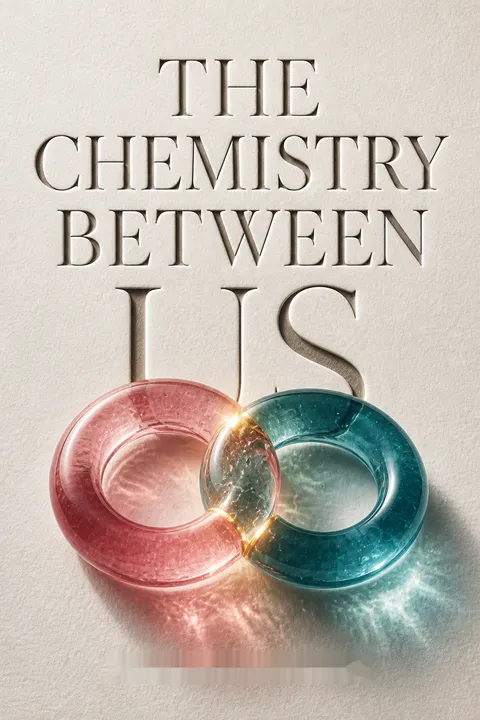
The Chemistry Between Us is a scientific exploration of love, sex, and attraction. Readers found it informative and engaging, praising its blend of research and humor. The book delves into the biological and chemical processes behind human relationships, discussing topics like gender identity, maternal behavior, and infidelity. While some appreciated its scientific depth, others found it too focused on animal studies or overly technical. Overall, the book offers insights into the neurochemical basis of human behavior, challenging traditional notions of love and free will.
People Also Read







Glossary
Organizational hypothesis
Prenatal hormones shape brain circuitsThe hypothesis that hormones acting during particular developmental windows can organize the brain and influence behavior later in life. In the book, prenatal androgens are presented as shaping some sex-typical neural circuits. Later hormones can activate those circuits, but the account does not imply that every person develops in the same way.
Appetitive behavior
Actions that seek rewardBehavior that moves an individual toward a desired outcome, such as pursuing food, sex, or social contact. It is distinct from consummatory behavior, which is the act of obtaining or experiencing the reward itself. The book describes appetitive behavior as shaped by hormones, reward circuitry, learned cues, and context.
Consummatory reward
Satisfaction after rewardThe brain’s reinforcing response associated with obtaining a desired outcome, such as sexual satisfaction. In the book’s account, consummatory reward involves pleasurable and calming neurochemical activity and can strengthen associations between the experience and the cues surrounding it. Those learned associations may influence later motivation and partner preference.
Social memory
Remembering particular individualsThe ability to recognize and remember specific individuals and relevant social information about them. The book describes oxytocin and vasopressin as contributing to social memory in animal studies, where recognizing a partner or familiar group member can affect bonding and behavior. Social memory is distinct from remembering places or ordinary objects.
Coolidge Effect
Novel partners renew sexual interestThe pattern in which sexual motivation or performance can rise again when a new partner replaces a familiar one. First described in animal research, the effect is used in the book to help explain how novelty may contribute to declining sexual interest in established relationships and to attraction outside a pair-bond.
AVPR1A
Gene for a vasopressin receptorA gene that provides instructions for making the V1a receptor, which responds to vasopressin. The book discusses variation in regulatory regions of AVPR1A and associations with social behavior in voles, primates, and people. These variations are not presented as simple genetic causes of loyalty, infidelity, or relationship success.
Hot/cold empathy gap
Misjudging desires across statesA decision-making bias in which people underestimate how strongly a bodily or emotional state will affect their choices. Someone making plans while calm may overestimate their ability to resist a temptation when hungry, aroused, or stressed. The book uses this idea to connect everyday self-control problems with biological motivation.
Negative motivation
Acting to relieve distressMotivation driven less by the promise of pleasure than by the need to escape an unpleasant state. The book uses this term when discussing addiction and separation from a bonded partner. Stress-related processes can make a person seek a drug or renewed contact to quiet distress, even when the sought-after experience brings less pleasure than before.
FAQ
What's The Chemistry Between Us about?
- Biological Exploration: The book explores the biological and chemical foundations of love, sex, and attraction, emphasizing the role of neurochemicals in driving these emotions.
- Neuroscience and Behavior: Authors Larry Young and Brian Alexander examine how hormones like oxytocin and dopamine influence human behavior and relationships, using both human and animal studies.
- Interdisciplinary Insights: It combines neuroscience, psychology, and evolutionary biology to offer a comprehensive understanding of love and attraction at a biological level.
Why should I read The Chemistry Between Us?
- Scientific Perspective: The book provides a scientific lens on love and attraction, making it valuable for those interested in the psychology of relationships.
- Behavioral Understanding: It helps readers understand their own behaviors and emotions in relationships, offering a framework for why we act as we do in love.
- Challenging Myths: By grounding love in biological science, the authors challenge traditional views of love as purely emotional or mystical.
What are the key takeaways of The Chemistry Between Us?
- Love is Biological: Love is deeply rooted in biology, influenced by hormones and brain chemistry, rather than being just a social construct.
- Oxytocin's Role: Oxytocin is crucial for forming bonds, affecting connections in both maternal and romantic relationships.
- Early Experiences Matter: Early nurturing experiences shape our ability to bond and empathize, impacting relationships throughout life.
What are the best quotes from The Chemistry Between Us and what do they mean?
- “Men are still led by instinct before they are regulated by knowledge.”: This suggests that primal instincts often drive behaviors in love and attraction before rational thought intervenes.
- “Love doesn’t really fly in and out.”: Emphasizes that love is a complex biological mechanism, not a whimsical force.
- “Love is an addiction.”: Captures the idea that love operates similarly to addiction, driven by neurochemical processes.
How does The Chemistry Between Us explain the science of attraction?
- Chemical Influences: Attraction is largely influenced by neurochemicals like dopamine and oxytocin, affecting feelings of desire and attachment.
- Animal Studies: The authors use animal behavior, particularly in prairie voles, to draw parallels with human attraction.
- Evolutionary Perspective: Attraction is framed as a survival strategy, with biological mechanisms evolved to ensure reproductive success and social bonding.
What role does oxytocin play in relationships according to The Chemistry Between Us?
- Bonding Hormone: Oxytocin is crucial for forming emotional connections, enhancing trust and empathy in relationships.
- Influences Behavior: It affects behaviors such as nurturing and social memory, essential for maintaining long-term relationships.
- Social Memory: Helps individuals remember and recognize partners, vital for sustaining bonds.
How does The Chemistry Between Us address the concept of maternal bonding?
- Biological Basis: Maternal bonding is driven by hormonal changes during pregnancy and after childbirth, particularly through oxytocin and prolactin.
- Behavioral Changes: These hormones alter a mother’s brain, making her more nurturing and responsive to her baby’s needs.
- Impact of Early Experiences: Quality maternal care has lasting effects on a child’s emotional and social development.
What does The Chemistry Between Us say about the differences between male and female attraction?
- Different Motivations: Men and women may have different evolutionary motivations for attraction, with men often driven by visual cues and women by emotional connection.
- Hormonal Influences: Testosterone and estrogen influence attraction and behavior differently, shaping approaches to relationships.
- Social Context: Social and environmental factors also play a significant role in how attraction is expressed and experienced by each gender.
How does The Chemistry Between Us explain infidelity?
- Biological Drives: Infidelity can be understood through biological drives and evolutionary imperatives that shape human behavior.
- Oxytocin and Bonding: While oxytocin creates strong bonds, its absence or disruption can lead to infidelity as individuals seek new partners.
- Complex Interplay: Infidelity is a complex interplay of biological, psychological, and social factors influencing relationship dynamics.
What is the significance of animal studies in The Chemistry Between Us?
- Modeling Human Behavior: Animal studies, especially with prairie voles, model human attachment and bonding, revealing underlying biological mechanisms.
- Insights into Monogamy: These studies explain the evolutionary advantages of monogamy and the hormonal influences behind it.
- Understanding Infidelity: Observations of infidelity in animals provide a framework for understanding similar behaviors in humans.
How does The Chemistry Between Us explain the relationship between love and addiction?
- Similar Neurochemical Pathways: Love and addiction share neurochemical pathways, activating the brain's reward system and leading to pleasure and attachment.
- Dopamine's Role: Dopamine drives motivation and desire, influencing behaviors related to seeking partners or substances.
- Consequences of Addiction: Just as addiction can lead to negative outcomes, love can also present challenges, requiring navigation of its complexities.
What are the implications of the findings in The Chemistry Between Us for future relationships?
- Understanding Dynamics: Insights help individuals understand their relationship patterns and behaviors, leading to healthier interactions.
- Therapeutic Applications: Neurochemicals like oxytocin could be used in therapy to improve relationships, enhancing communication and connection.
- Encouraging Discussions: The findings promote open discussions about love, attachment, and infidelity, fostering more honest and fulfilling relationships.
Download PDF
Download EPUB
.epub digital book format is ideal for reading ebooks on phones, tablets, and e-readers.








