


Plot Summary
Cherry Coke Verdict
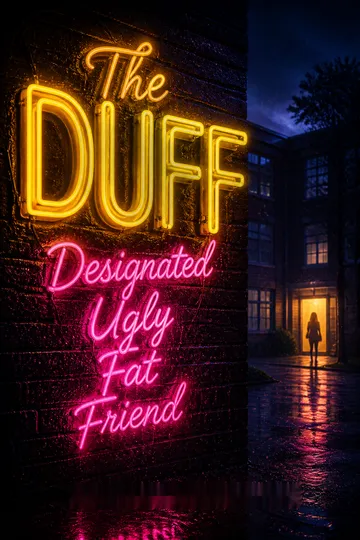
Seventeen-year-old Bianca Piper would rather watch her friends, Casey and Jessica, flirt at the teen club than join them on the dance floor. When rich, popular Wesley Rush sits beside her, he admits he is using her as a route to her attractive friends. He calls her the designated ugly fat friend, the tagalong who makes the others look better.
Bianca throws her Cherry Coke across his white shirt, then hustles Casey and Jessica out before Wesley can approach them. In the car, she hides the insult from her friends, but the word follows her home. Looking at herself in the mirror, Bianca begins measuring her body against Casey and Jessica's, and finds Wesley's verdict harder to dismiss than his arrogance.
The insult wounds Bianca because it gives a name to an insecurity she had kept at a distance. Her friends' beauty becomes evidence in a comparison she never chose, while her silence in the car protects both her pride and her place in the group. Wesley's calculation is crude, but the social logic he exploits is recognizable: people can be treated as instruments in someone else's pursuit. Bianca's soda is a refusal to cooperate, yet the label survives the confrontation because public defiance cannot instantly undo private self-doubt.
A Kiss for Silence
At school, Bianca discovers that her long-held crush, Toby Tucker, has a serious girlfriend, and the disappointment leaves her raw. That night, Casey urges her to go out, while Bianca's father, Mike, argues by phone with Gina, Bianca's frequently traveling mother. Bianca hears Mike plead for Gina to return, then worries about leaving him alone, but he sends her to meet her friends.
At the club, Wesley notices her distress and presses to know what is wrong. Rather than explain, Bianca kisses him. The sudden physical rush quiets her thoughts and briefly pushes her parents' unhappiness away. When Wesley's hand moves too far, she shoves and slaps him, angry at him and at herself for seeking comfort from someone she despises.
Bianca's first kiss with Wesley is less a romantic choice than an improvised anesthetic. She cannot ask her father to face the marriage crisis, and she cannot make her mother's absence mean something manageable, so she chooses a bodily interruption instead. The relief works precisely because it suspends interpretation. Yet the slap shows that escape does not erase her boundaries or her judgment; she still recognizes Wesley's entitlement, even as she has used the encounter to mute her own distress. Her secrecy begins here, before the relationship itself does.
The Ruined Living Room
After a planned movie night with Casey and Jessica, Bianca returns home to broken picture frames, empty beer bottles, and Mike asleep in his room. On the kitchen table she finds Gina's signed divorce papers. The shock makes Bianca blame her mother and clean up the wreckage herself. When Wesley calls about their assigned Scarlet Letter essay, Bianca goes to his mansion instead of letting him see the house.
They argue over why the book's heroine seeks an affair, and Bianca proposes that she wanted escape from a lonely life. Then Bianca kisses Wesley again, and their encounter becomes sex. Afterwards she insists their secret must stay private and returns home to finish cleaning, leaving Mike shut away and the divorce papers unanswered.
Bianca recognizes her own motive in her reading of Hester, but recognition does not yet change her behavior. She converts a family crisis into a theory for an essay, then repeats the very strategy she has described: using sex to escape rather than confronting the conditions that hurt her. Cleaning the living room gives her a task with visible results, unlike the marriage she cannot repair. The contrast between the ordered laundry she folds and the family's disorder shows how ritual can steady her without actually resolving anything.
Jake Comes Back
When Jessica announces that her brother Jake is visiting Hamilton with his fiancée, Tiffany, Bianca's composure breaks. Jake was the older boy she secretly dated at fourteen; he told Bianca he loved her while concealing that he had been with Tiffany for years.
Rather than face his return, Bianca begins meeting Wesley repeatedly, first in a school janitor's closet and then at his house. She tells Wesley what Jake did, and Wesley condemns the deception even while acknowledging his own reputation for casual sex.
Bianca frames their arrangement as purely physical, but she keeps returning after Jake has left town. Each visit offers temporary relief, while the secrecy makes her increasingly absent from Casey and Jessica, who notice her evasions but cannot yet explain them.
Jake's return reopens a wound organized around concealment: Bianca once mistook secrecy for protection and a promise for commitment. Her affair with Wesley reverses the role but preserves the structure. This time she tells herself she is using someone before he can hurt her, while hiding the relationship from friends who could challenge that story. Wesley's condemnation of Jake matters because he distinguishes casual sex from a false promise, though Bianca is not yet ready to examine what their own arrangement means. The repetition offers control, but it also narrows the circle of people she trusts.
Valentine's Divorce
On Valentine's Day, Gina returns to Hamilton and takes Bianca out of school. At first Bianca attacks her for sending the divorce papers without warning. During their drive, Gina explains that years of travel were attempts to escape an unhappy marriage, not a plan to come home renewed. She still loves Mike, but no longer wants to remain his wife.
Bianca accepts that the separation is real and urges her mother to tell Mike directly. Gina does, and the next morning she tells Bianca that Mike took the news badly. Bianca returns home to find him passed out beside fresh alcohol. His drinking continues, and he misses work, while Bianca conceals the relapse from her friends and reassures Gina that he is fine.
Gina's honesty gives Bianca a truth she can understand but cannot control. The divorce is not a sudden betrayal so much as the end of a long avoidance pattern, and Bianca sees that both parents have been postponing an admission. Mike's relapse then makes her feel responsible for managing the consequences, a burden she accepts without telling anyone. Her instinct to protect him becomes another form of concealment. The family crisis is no longer a vague fear overheard through a wall; it is a visible pattern of bottles, absence, and an adolescent trying to keep the household intact.
A House Full of Silence
Bianca keeps visiting Wesley, while Casey grows hurt by her cancellations and evasions. When Bianca's car battery dies, Wesley drives her home with his younger sister Amy. At their grandmother's house, the grandmother rebukes Wesley for bringing a supposed sexual partner near Amy and for his casual reputation.
Wesley defends his right to see his sister, then admits that his absent parents and their grandmother's judgments have left him lonely and distant from Amy.
Bianca recognizes the family isolation beneath his swagger, but continues hiding her own troubles. Casey, meanwhile, sees Bianca spending time with Toby and assumes she is being shut out. Their friendship strains further because Bianca cannot explain either the affair or Mike's drinking.
The ride exposes the cost of Wesley's performance. His sexual bravado earns attention, but it also lets his grandmother define him to Amy, threatening a relationship he values. Bianca's instinctive sympathy marks a shift from treating him as a convenient body to recognizing a person with family needs. Yet she still withholds her own crisis, so empathy does not become reciprocal honesty. Casey's hurt is not simple jealousy: Bianca's secrecy deprives her of the role she has long played as confidante and makes old loyalty feel suddenly one-sided.
The Broken Bottle
Wesley visits Bianca's small home after her father has gone out. When Mike returns drunk, he mistakes Wesley's presence for proof that Bianca is being exploited and calls her degrading names. Bianca tries to take the whiskey bottle from him. Mike knocks her down and strikes her head; Wesley punches him, then gets Bianca out of the house.
At Wesley's, Bianca breaks down and finally explains that Gina has filed for divorce and Mike has resumed drinking. Wesley listens instead of turning the disclosure into another sexual encounter. He tells Bianca that her father's choices are not proof she has abandoned him, and she admits she has been hiding from the crisis. Their next intimacy is tender rather than an attempt to shut out thought.
The assault makes Bianca's private family problem impossible to minimize. Wesley's intervention is consequential not because a punch repairs Mike, but because it interrupts immediate harm and creates a space where Bianca can stop performing calm. For the first time, sex follows disclosure rather than replacing it. Wesley's reassurance separates Bianca's worth from the slurs used against her, while her tears acknowledge the fear she has been managing alone. Their closeness changes meaning here: it begins in avoidance, but now includes attention to each other's vulnerability.
No More Hiding
The morning after Mike's outburst, Bianca wakes beside Wesley feeling safe, then panics at how much she cares about him. She calls Casey to collect her and ends the sexual arrangement before leaving Wesley's house.
In Casey's truck, she admits that she and Wesley have been sleeping together to escape her family troubles, and confesses that her feelings have changed. Casey explains that she and Jessica have felt abandoned by Bianca's unexplained absences. At home, Bianca finds Mike sober enough to apologize.
They talk openly about Gina's departure, and he admits he used alcohol to avoid grief. Together they pour the remaining beer and whiskey down the drain; Mike promises to return to recovery meetings and contact his sponsor. Bianca still keeps Wesley at a distance.
The break is an attempt to replace one kind of avoidance with responsibility. Bianca tells Casey the truth and hears that her silence had consequences for the people she loves. Mike's apology and commitment to recovery offer a practical beginning, not a guarantee, and Bianca participates by helping remove the alcohol. Yet she still treats her feelings for Wesley as another danger to control. The chapter's movement is therefore partial: she confronts the family crisis and repairs friendship through disclosure, but she has not yet risked the emotional honesty that intimacy with Wesley now demands.
Toby's First Date
With Wesley out of her life, Bianca accepts an invitation from Toby, the thoughtful classmate she has admired from afar. He asks her to prom, then offers a regular date when she dismisses the expensive dance. They eat Italian food, walk through Oak Hill, and share a gentle first kiss.
The attention feels flattering, but Bianca keeps measuring Toby's patience against Wesley's physical intensity. Later, while she and Toby work on a school editorial at her house, Wesley arrives after Bianca ignores his calls.
Finding them kissing, he confronts Bianca about avoiding him and accuses her of running from her feelings. Bianca insists she is finished with him and attacks his fear of abandonment. Wesley leaves; Toby offers to listen, but Bianca cannot settle into his comfort.
Toby represents a relationship Bianca once assumed would suit her: considerate, intellectually compatible, and free of Wesley's volatility. But her comparisons reveal that safety and desire are not interchangeable, and that choosing the apparently sensible partner cannot manufacture emotional readiness. Wesley's arrival destabilizes the arrangement because he names Bianca's avoidance accurately, even as his possessiveness complicates his concern. Bianca's counterattack also sees through him, but insight used as a weapon can still become a defense. Toby's steadiness gives her room, yet her attention remains divided.
A Letter from Wesley
Wesley's sister Amy approaches Bianca at school to thank her, saying he seems different. Soon after, Bianca sees Wesley refuse Vikki McPhee's offer to be his prom date and sexual partner. Casey's anger and Jessica's concern help Bianca understand how badly her secrecy damaged their friendship; Jessica also reveals that Jake has acknowledged his past cruelty.
Wesley leaves Bianca a note, then sends roses and a letter. He admits that she has seen through his image, apologizes for calling her the Duff, and says he has contacted his parents to arrange a conversation with Amy. He also confesses that he is falling in love with Bianca. She is moved by his effort but remains Toby's girlfriend and cannot yet decide what to do.
Wesley's changes matter because they are observable before Bianca receives his declaration: he declines an easy sexual encounter and takes steps toward repairing his family relationships. The letter therefore does not stand alone as romantic persuasion; it follows actions that answer Bianca's earlier criticism. At the same time, his claim that he knows her feelings risks substituting certainty for her choice. Bianca's hesitation is not indecision for its own sake. She must distinguish genuine change from the familiar pull of being wanted, and decide whether she can trust a person whose old insult still shapes her self-image.
The Word Changes Shape
Rumors spread that Vikki is pregnant. When Bianca finds her alone in the bathroom, Vikki explains that a test was negative, but a broken condom and a careless encounter with an older college boy had frightened her. Bianca recognizes how quickly she had judged Vikki's sexual choices, despite having used Wesley for escape herself.
She tells Vikki that the school's insults do not define her. That evening, Gina returns from Tennessee and admits Mike told her about his relapse; she asks Bianca to tell her if it happens again. Gina gives Bianca a small B necklace as a reminder to hold on to her own identity. Before Bianca leaves on a date with Toby, she is still trying to decide which feelings are truly hers.
Vikki's pregnancy scare turns the novel's language of judgment outward. Bianca has been wounded by a label, but she has also applied sexual labels to other girls, using moral distance to reassure herself that her own behavior is different. Vikki's explanation collapses that distance without making their choices identical. Gina's visit adds a parallel lesson: protecting someone by withholding information can increase isolation. The necklace does not solve Bianca's romantic dilemma; it gives her a concrete reminder that self-definition must precede the approval of a boyfriend, a friend group, or a rumor mill.
The Nest, Reconsidered
At the club, Bianca watches Wesley from across the room while Toby realizes she is still in love with him. Toby admits he has also been using their relationship to distract himself from his former girlfriend, Nina, and encourages Bianca to speak honestly. Bianca crosses the crowded floor, but twists her ankle in platform shoes; Wesley catches her and helps her to a seat.
She tells him she has feelings for him, though she will not call them love yet, and sets terms: real dates, no more Duff nickname, and a slower pace. Wesley apologizes for the insult and accepts her conditions. When he kisses her before she finishes laying out her rules, Bianca pushes him away, then smiles as they begin again on terms that include her boundaries.
The resolution refuses the easy equation of choosing Wesley with surrendering judgment. Toby's honesty frees Bianca from using a kind person as a cure for a different attachment, while his own unresolved feelings make the separation mutual rather than punitive. Bianca's terms directly answer the story's early injuries: the nickname, the purely physical arrangement, and her tendency to disappear into escape. Wesley's apology matters, but his impulsive kiss shows that change is a practice, not a completed transformation. Bianca can desire him and still insist that he meet her as a person.
Analysis
The story treats the word DUFF as both a social insult and a private theory of worth. Wesley intends it as a blunt ranking, and Bianca initially accepts the ranking because she already measures herself against Casey and Jessica. Her eventual insight does not claim that everyone experiences identical insecurity. Instead, it shows how comparison makes people vulnerable to labels, while gossip turns private choices into fixed identities. Bianca's encounter with Vikki helps her recognize that she has used the same judging language she resents.
The novel also links sexual behavior to coping without reducing the characters to moral lessons. Bianca uses Wesley to interrupt worry about her parents, then keeps returning because the escape is effective. The danger is not simply that casual sex is bad, but that she mistakes temporary relief for a solution and conceals the arrangement from people who might help her. Wesley, meanwhile, uses charm and a succession of partners to manage the loneliness created by his absent parents. Their early arrangement works because both can avoid asking for emotional care. It changes when Bianca tells him about Jake and Mike, and he listens rather than turning disclosure into another conquest. Family stories echo this pattern. Gina travels to avoid naming her unhappiness; Mike drinks after the divorce papers arrive; Bianca folds laundry, keeps secrets, and seeks physical distraction. Each person has a different escape, and each escape postpones a necessary conversation. The narrative does not suggest that honesty instantly repairs damage. Mike's recovery requires meetings and renewed support, while Bianca's friendships require her to admit that her absences hurt Casey and Jessica.
The resolution is deliberately conditional. Bianca chooses Wesley, but she also sets limits about his nickname, their pace, and the kind of relationship she wants. Toby's honesty allows her to leave without treating him as a villain. The ending argues that self-acceptance is not a declaration that others' judgments never hurt. It is the harder practice of recognizing hurt, rejecting imposed definitions, and asking to be treated with care.
Review Summary
The DUFF received mixed reviews, with many praising its honest portrayal of teenage life and relatable characters. Readers appreciated the book's humor, realistic approach to sex, and overall message about self-acceptance. However, some criticized the protagonist's behavior and found certain plot elements clichéd. The book's portrayal of teenage relationships and family issues resonated with many readers. Despite its flaws, many found it entertaining and addictive, noting its differences from the movie adaptation. The book's frank discussion of sensitive topics and its exploration of labels and stereotypes were generally well-received.
People Also Read






Characters
Bianca Piper
The guarded observerBianca is a sharp, loyal seventeen-year-old who trusts sarcasm more readily than confession. She is proud of her intelligence and resistant to the shallow rules that govern popularity, yet the comparison between her appearance and her friends' beauty unsettles her more than she admits. At home, she and her father share a habit of handling pain alone; with friends, she often hides distress to avoid becoming a burden. Her attraction to complicated people tests the cynicism she uses as armor. Bianca's central strength is her capacity to notice contradictions, including her own, and to revise her judgment when other people's stories become visible.
Wesley Rush
The charming provocateurWesley is a wealthy, handsome Hamilton High student whose confidence and sexual reputation make him a fixture at parties. He often treats flirtation as a game and uses mockery to keep others from seeing his loneliness. His wealthy parents are frequently absent, and his relationship with his younger sister Amy is strained by the family's judgments of him. Bianca's refusal to flatter him exposes both his arrogance and his capacity to listen. He is not simply a bad boy softened by affection; his challenge is to take responsibility for the effects of his behavior rather than relying on charm to escape them.
Casey Blithe
The loyal caretakerCasey has been Bianca's best friend since childhood and instinctively protects people she sees being humiliated or left alone. Tall, beautiful, and captain of the cheerleading squad, she could move easily among popular classmates, but she values loyalty more than status. Her own parents' divorce has made her alert to emotional pain and sometimes too eager to manage it for others. Casey encourages Bianca to talk, yet her protectiveness can become pressure when Bianca keeps secrets. Beneath her confidence is a fear of losing the people she loves, which makes Bianca's withdrawal feel personal as well as worrying.
Jessica Gaither
The hopeful friendJessica is warm, openly enthusiastic, and inclined to find possibility where Bianca sees embarrassment or futility. Her innocence is not a lack of care: she notices when friends are unhappy and eventually risks an awkward conversation to tell Bianca what she sees. Casey and Bianca once invited Jessica into their friendship when other cheerleaders treated her as a servant, so she understands the sting of being defined by a group. Her romantic optimism and loyalty make her an emotional counterweight to Bianca's cynicism, while her own vulnerability gives her advice a personal foundation.
Mike Piper
Bianca's reserved fatherMike is Bianca's quiet, affectionate father, known at home as a technology-store worker who prefers television and routine to emotional conversation. He has a history of alcoholism and has maintained sobriety for many years, a fact that shapes Bianca's private fears even before the family crisis becomes visible. His bond with Bianca is loving but understated; they often sit together without speaking about what hurts. The separation from Gina tests his fragile habits of coping. Mike's story highlights how a gentle person can still cause harm when grief and addiction go unaddressed.
Gina Piper
The wandering motherGina is Bianca's attractive, energetic mother, a motivational speaker who travels widely to discuss self-esteem. Her warmth and humor make her easy for strangers to admire, but at home her long absences have left difficult questions unattended. Gina uses travel to avoid confronting her unhappiness and struggles to balance independence with the responsibilities of marriage and motherhood. Her work's message of self-acceptance sits in uneasy contrast with Bianca's private insecurity, making their relationship both loving and imperfect.
Toby Tucker
The thoughtful classmateToby is a politically minded, academically gifted student who wears old-fashioned blazers and approaches people with patience. Bianca has admired him for years from the back of their government classroom, imagining that their shared interests would make them an ideal match. He is considerate without being flashy, and his attentiveness gives Bianca a different model of romance from Wesley's intensity. Toby's intelligence and gentleness do not make him immune to confusion; he, too, is working through a past relationship and the temptation to use new affection as a distraction.
Jake Gaither
The first heartbreakJake is Jessica's older brother and Bianca's first boyfriend, whom she dated secretly as a fourteen-year-old. He was a senior, and Bianca mistook the secrecy and his declarations of affection for evidence that their relationship was special. His past choices leave Bianca wary of promises and vulnerable to feeling replaceable. Jake's return to Hamilton brings an old injury close to the present, even though Bianca has built a friendship with his sister.
Amy Rush
Wesley's quiet sisterAmy is Wesley's younger sister, a shy girl who spends much of the time their parents are away with their grandmother. She is affectionate but easily influenced by the family's negative portrait of Wesley, leaving their sibling relationship strained. Her reserve contrasts with Wesley's showy confidence, and her approval matters to him more than he lets on. Amy's small gestures carry weight because she seldom speaks freely.
Vikki McPhee
The socially savvy classmateVikki is a fashionable, flirtatious student whose romantic life becomes common school gossip. She often performs confidence through attention from boys and competition with other girls, but that image does not reveal what motivates her choices. Bianca initially views her as shallow and reckless, then has reason to reconsider the ease with which classmates reduce her to a sexual reputation. Vikki's presence gives the story a perspective on judgment beyond Bianca's own insecurities.
Joe
The candid bartenderJoe is the adult bartender at the teen club, where he serves Bianca Cherry Coke and recognizes when her sarcasm is covering distress. His plainspoken observations make him a quiet witness to the tension between Bianca and Wesley.
Tiffany
Jake's longtime partnerTiffany is Jake's longtime girlfriend and fiancée. Bianca once mistook her relationship with Jake for friendship, so Tiffany's discovery of the secret affair becomes the moment that exposes Jake's deception.
Nina
Toby's former girlfriendNina is Toby's former girlfriend, who attended another high school and shared his plans for college. Though absent from most of the story, her past relationship remains emotionally important to Toby.
Wesley's grandmother
The family gatekeeperWesley's grandmother is a wealthy, poised woman who disapproves of his sexual reputation and believes she must protect Amy from his influence. Her concern is entangled with judgment, and she treats Wesley's public behavior as evidence of his entire character. This deepens the rift between the siblings and reinforces his sense that his family sees him as a problem rather than a person.
Harrison Carlyle
Jessica's hopeful crushHarrison is Wesley's close friend, a popular student whom Jessica admires. He is gay, a fact Jessica overlooks as she hopes he might return her interest, but he treats her kindly.
Angela
The easygoing classmateAngela is one of Bianca's classmates and friends, known for her straightforward manner and her parents' recent divorce. She shares school gossip with the group and offers a glimpse of how teenagers respond differently to family separation.
Jeanine McPhee
The well-connected classmateJeanine is Vikki's cousin and one of Bianca's classmates. She helps carry school gossip between groups, while her friendship with Toby gives Bianca a view of him before she can speak comfortably with him herself.
Plot Devices
The DUFF label
A wound turned into languageWesley applies the label designated ugly fat friend to Bianca as a blunt description of how a group can be ranked by comparison. The term intensifies her insecurity because she sees herself beside Casey and Jessica, but its meaning changes as she notices that even attractive people can feel overlooked. Later, Bianca recognizes that insults such as slut, bitch, and prude work similarly: they reduce complex people to a category and make judgment seem like fact. Reclaiming the label does not make appearance-based hierarchies harmless; it gives Bianca a way to question who benefits from them.
The Scarlet Letter essay
A mirror for avoidanceAn English assignment pairs Bianca with Wesley and requires them to interpret Hester Prynne's affair. Bianca argues that Hester seeks escape from an unhappy, lonely life, a theory shaped by Bianca's own family crisis and her emerging use of sex as distraction. Wesley takes her idea seriously, creating a private intellectual connection before Bianca fully trusts him emotionally. The essay establishes a pattern the story revisits: avoidance can feel like freedom for a while, but the consequences remain present. Its literary parallel later helps Bianca recognize that changing partners does not necessarily mean facing reality.
Folded laundry
Order against inner disorderBianca repeatedly folds clean clothes into precise stacks, finding temporary calm in the motion and symmetry. The ritual gives her a small, controllable task when family tension and self-doubt feel too large to manage. Wesley notices the habit in her room, where it becomes a point of intimacy rather than merely a private quirk. Its cycle also reflects Bianca's coping style: she arranges what she can, then returns to the same unresolved feelings. The folded clothes never solve the crisis, but they make visible her need for order and her effort to steady herself.
Wuthering Heights
A choice Bianca reconsidersToby recommends the novel, whose tangled attachments lead Bianca to compare her feelings for him and Wesley with its characters. She initially treats the comparison as a warning about choosing security over passion, then questions whether a book can prescribe what she should do. The novel gives her a vocabulary for distinguishing comfort, desire, and self-deception, but its value lies in provoking reflection rather than delivering an answer. Bianca ultimately has to make the decision herself, with attention to honesty and boundaries instead of treating literary parallels as destiny.
Bianca's B necklace
A reminder of selfhoodGina gives Bianca a silver necklace bearing her initial before Bianca goes on a date with Toby. The small charm arrives while Bianca is caught between a seemingly perfect boyfriend and unresolved feelings for Wesley. Gina presents it as a reminder that Bianca should remain herself while sorting through her choices. The necklace is not a magical answer or a symbol of romantic possession; it anchors the question of identity beneath the competing judgments of friends, boys, and school gossip. Bianca later touches it while trying to understand what she wants.
FAQ
Synopsis & Basic Details
What is The DUFF: Designated Ugly Fat Friend about?
- Teenager faces harsh label: Bianca Piper, a cynical seventeen-year-old, is labeled the "DUFF" by Wesley Rush, a popular playboy, which forces her to confront her insecurities and navigate complex relationships.
- Secret relationship forms: Seeking an escape from her troubled home life, Bianca enters a secret, enemies-with-benefits relationship with Wesley, blurring the lines between hate and attraction.
- Self-discovery and acceptance: As the relationship evolves, Bianca grapples with her feelings for Wesley, her friendships, and her self-perception, ultimately leading to a journey of self-discovery and acceptance.
Why should I read The DUFF: Designated Ugly Fat Friend?
- Relatable teenage struggles: The novel explores universal themes of self-esteem, identity, and the pressures of high school, making it relatable to a wide audience.
- Complex character dynamics: The characters are flawed and multi-dimensional, with evolving relationships that challenge stereotypes and offer fresh perspectives on love and friendship.
- Emotional and engaging narrative: The story is filled with emotional depth, humor, and unexpected twists, keeping readers engaged and invested in Bianca's journey.
What is the background of The DUFF: Designated Ugly Fat Friend?
- Contemporary high school setting: The story is set in a typical American high school, reflecting the social dynamics, parties, and pressures faced by teenagers in a modern context.
- Focus on social labels: The novel explores the impact of social labels and stereotypes, particularly the "DUFF" label, which highlights the insecurities and judgments prevalent in teenage culture.
- Personal and family issues: The narrative also delves into the personal and family issues that affect teenagers, such as parental divorce, alcoholism, and the search for identity.
What are the most memorable quotes in The DUFF: Designated Ugly Fat Friend?
- "You see, your friends are hot. And you, darling, are the Duff.": This quote, spoken by Wesley, is the catalyst for Bianca's journey, highlighting the harshness of social labels and setting the stage for her self-discovery.
- "I'm never ashamed of anyone I sleep with. Sex is a natural chemical reaction. It always happens for a reason.": This quote reveals Wesley's complex and unconventional views on relationships and sex, challenging Bianca's initial perceptions of him.
- "My love for Linton is like the foliage in the woods. Time will change it, I'm well aware, as winter changes the trees—my love for Heathcliff resembles the eternal rocks beneath—a source of little visible delight, but necessary.": This quote, from Wuthering Heights, reflects Bianca's internal conflict and her struggle to understand her feelings for both Toby and Wesley.
What writing style, narrative choices, and literary techniques does Kody Keplinger use?
- First-person perspective: The story is told from Bianca's point of view, allowing readers to experience her thoughts, emotions, and cynical observations firsthand.
- Conversational and humorous tone: Keplinger uses a conversational and often humorous tone, making the narrative engaging and relatable, even when dealing with serious themes.
- Realistic dialogue and slang: The dialogue is realistic and reflects the way teenagers actually speak, including slang and pop culture references, which adds to the authenticity of the story.
Hidden Details & Subtle Connections
What are some minor details that add significant meaning?
- The recurring Cherry Coke: Bianca's preference for Cherry Coke, often consumed at the Nest, symbolizes her attempts to find comfort and normalcy amidst the chaos of her life.
- The old blanket in Bianca's car: The presence of an old blanket in Bianca's car, used by her friends, highlights her role as the caretaker and her desire to provide comfort to those around her.
- The Family Ties marathon: Bianca and her father watching Family Ties together reveals their shared history and their attempts to find solace in familiar routines amidst their family turmoil.
What are some subtle foreshadowing and callbacks?
- Wesley's comment about "sensitivity": Wesley's initial claim that talking to the "Duff" shows sensitivity foreshadows his later genuine care for Bianca and his own vulnerability.
- Casey's "makeup sex" comment: Casey's joking comment about her parents' "makeup sex" foreshadows the later reconciliation between Bianca's parents, albeit in a different context.
- The mention of "The O.C.": The reference to the TV show The O.C., which Bianca likes, foreshadows her mother's location in Orange County and her eventual return.
What are some unexpected character connections?
- Bianca and Amy Rush: The connection between Bianca and Wesley's sister, Amy, reveals a shared understanding of Wesley's complex personality and their desire for genuine connection.
- Bianca and Vikki McPhee: The unexpected conversation between Bianca and Vikki in the bathroom highlights their shared experiences with judgment and labels, revealing a hidden vulnerability in both characters.
- Bianca and Toby's shared political views: Bianca and Toby's shared interest in politics and their similar views on social issues create a deeper connection beyond their initial attraction.
Who are the most significant supporting characters?
- Casey Blithe: As Bianca's best friend, Casey provides unwavering support and acts as a voice of reason, challenging Bianca's cynicism and encouraging her to confront her emotions.
- Jessica Gaither: Jessica's bubbly personality and naivety offer a counterpoint to Bianca's cynicism, and her genuine care for Bianca helps her realize the importance of empathy and understanding.
- Toby Tucker: Toby represents the ideal boyfriend, but his own insecurities and unresolved feelings for his ex-girlfriend highlight the complexities of relationships and the importance of self-awareness.
Psychological, Emotional, & Relational Analysis
What are some unspoken motivations of the characters?
- Bianca's need for escape: Bianca's unspoken motivation for her relationship with Wesley is her desire to escape from her troubled home life and her insecurities about her self-image.
- Wesley's desire for genuine connection: Wesley's unspoken motivation for pursuing Bianca is his desire for a genuine connection that goes beyond superficial relationships and his need to be seen as more than just a playboy.
- Casey's fear of abandonment: Casey's unspoken motivation for her anger towards Bianca is her fear of being abandoned and replaced, stemming from her own experiences with her parents' divorce.
What psychological complexities do the characters exhibit?
- Bianca's cynicism and self-doubt: Bianca's cynicism masks her deep-seated insecurities and self-doubt, which are exacerbated by the "DUFF" label and her troubled family life.
- Wesley's vulnerability and insecurity: Despite his confident facade, Wesley is deeply insecure and vulnerable, using his womanizing ways as a defense mechanism to avoid genuine emotional connections.
- Jessica's naivety and need for validation: Jessica's bubbly personality masks her own insecurities and her need for validation from others, particularly in her romantic pursuits.
What are the major emotional turning points?
- Bianca's realization of her feelings for Wesley: The moment Bianca realizes she has genuine feelings for Wesley marks a major emotional turning point, forcing her to confront her own desires and fears.
- Bianca's confrontation with her father: The confrontation with her father, where he hits her, forces Bianca to acknowledge the severity of his alcoholism and the impact of her parents' divorce.
- Bianca's conversation with her mother: The conversation with her mother, where she admits her unhappiness, allows Bianca to understand her mother's perspective and begin to accept her own family situation.
How do relationship dynamics evolve?
- Bianca and Wesley's relationship: Their relationship evolves from animosity to a secret, enemies-with-benefits arrangement, then to a genuine connection based on vulnerability and understanding, and finally to a more mature and honest relationship.
- Bianca and Casey's friendship: Their friendship is tested by secrets and misunderstandings, but ultimately strengthened by honesty and mutual support, highlighting the importance of communication and forgiveness.
- Bianca and Jessica's friendship: Their friendship evolves as Jessica becomes more aware of Bianca's struggles and offers unconditional support, demonstrating the power of empathy and acceptance.
Interpretation & Debate
Which parts of the story remain ambiguous or open-ended?
- The long-term impact of the "DUFF" label: While Bianca learns to accept herself, the long-term impact of the "DUFF" label on her self-esteem and her relationships remains somewhat open-ended.
- The future of Bianca and Wesley's relationship: The novel ends with Bianca and Wesley together, but the long-term viability of their relationship, given their complex personalities and past experiences, is left somewhat ambiguous.
- The extent of Bianca's personal growth: While Bianca makes significant progress in her journey of self-discovery, the extent of her personal growth and her ability to maintain her newfound confidence is left open to interpretation.
What are some debatable, controversial scenes or moments in The DUFF: Designated Ugly Fat Friend?
- Bianca and Wesley's initial relationship: The initial enemies-with-benefits relationship between Bianca and Wesley is controversial, raising questions about consent, power dynamics, and the objectification of women.
- Bianca's use of Wesley as an escape: Bianca's use of Wesley as an escape from her problems is debatable, raising questions about the ethics of using others for personal gain and the consequences of avoiding reality.
- Bianca's judgment of other girls: Bianca's judgmental attitude towards other girls, particularly Vikki, is controversial, highlighting the internalized misogyny and the tendency to label and categorize women.
The DUFF: Designated Ugly Fat Friend Ending Explained: How It Ends & What It Means
- Bianca chooses Wesley: The ending sees Bianca choosing to be with Wesley, accepting the complexities of their relationship and acknowledging her genuine feelings for him, despite his flaws.
- Rejection of the "Duff" label: Bianca's decision to embrace her identity and reject the "DUFF" label signifies her journey of self-acceptance and her understanding that everyone has insecurities.
- Emphasis on authenticity and vulnerability: The ending emphasizes the importance of authenticity and vulnerability in relationships, highlighting the power of genuine connection over superficial labels and societal expectations.
Hamilton High Series
Download PDF
Download EPUB
.epub digital book format is ideal for reading ebooks on phones, tablets, and e-readers.








