

Plot Summary
Prologue
Gaotona, an elderly arbiter of the Rose Empire, studies a painting that looks masterful but has been identified as a forgery. His fellow rulers argue over its maker, Shai, a captured Forger capable of changing objects by rewriting their histories.
Frava wants to exploit Shai’s talent; others fear it. Gaotona agrees to summon her, driven not only by the empire’s crisis but by curiosity about the artist behind the deception. He believes they must use her or lose control of the throne.
The painting introduces the novella’s central unease: a convincing imitation can be both false and artistically powerful. Gaotona’s interest is more than political calculation. He wants to know what kind of person would make beauty through deception, and that question shapes his relationship with Shai. The opening also places the arbiters in a compromised position. They condemn Forgery while depending on it, establishing that their moral certainty weakens when power is at stake.
An Execution Becomes Employment
Shai is days from public execution after a failed attempt to steal the Moon Scepter. The Imperial Fool betrayed her by switching the scepter, leaving her caught with a fake. In the dungeon, she studies the varied stones in her cell and prepares a crude escape stamp, but the arbiters summon her before she can use it.
Frava confronts her with a second forgery, a painting planted as cover for the theft. Shai recognizes that the arbiters need something from her and demands payment. Frava returns Shai’s five painstakingly made Essence Marks. In exchange, Shai must undertake a task the rulers have not yet revealed.
Shai’s first advantage is not magic but diagnosis. She reads Frava’s false show of mercy as a negotiation and refuses to let the arbiters define her as a helpless criminal. Her demand also establishes a durable tension: she will work with powerful people, but she regards her life and skill as her own property. The recovered Essence Marks matter because they represent years of labor and possible selves, not merely tools. From the start, the story makes survival inseparable from authorship: Shai must decide which version of herself she is willing to become.
An Emperor Without Words
The arbiters take Shai to Emperor Ashravan, whose body has been repaired after assassins killed his wife and shot him in the head. The resealers saved his life but replaced his damaged brain with an empty one. The Glory Faction may have arranged the attack, and the arbiters have only a hundred days before Ashravan must appear before the court.
They ask Shai to reconstruct his personality with a soulstamp, though she warns that imitating another person’s soul is far harder than altering an object. She accepts, securing soulstone, records, and wealth, while privately expecting the arbiters to kill her once their crisis passes. A Bloodsealer marks her door with her own blood, binding her to the room through the threat of skeletal pursuers.
The emperor’s condition converts Forgery from a criminal trick into a question of identity. A repaired body is not a restored person, and the arbiters’ deadline makes their need brutally practical. Shai enters the work under coercion, yet immediately negotiates for materials and information, turning captivity into a limited workshop. The Bloodsealer’s mark makes the coercion physical and recurring. Its daily renewal means that even time belongs to her captors, while the hundred-day deadline presses the opposite way: the rulers need her labor quickly, but she needs time to understand a human being.
Lessons in Plausible Lies
Shai begins with biographies, servants’ accounts, and Ashravan’s private journal, insisting that official histories cannot explain a person’s small motives. While she studies, she restores a neglected table through Forgery, provoking Gaotona to question how the art works.
She explains that a stamp succeeds only when its rewritten history remains believable and when the object’s identity supports the change. Her lesson alters Gaotona’s approach: he begins asking about the work instead of dismissing it as mere fraud.
Shai also points out weaknesses in the palace’s security, including the carelessness that let assassins reach the emperor. Gaotona takes her warnings seriously, tightening access to Ashravan’s rooms and recognizing that her expertise extends beyond the soulstamp itself.
Their early exchanges establish a relationship built on scrutiny rather than easy trust. Gaotona sees Shai’s talent as morally misdirected; Shai sees his condemnation as another form of ignorance. Yet his questions are genuine, and she answers them with a technical account that forces him to distinguish evidence from prejudice. The restored table is a small but significant demonstration: Forgery is not simply making a lie look true, but persuading a thing’s history to accept a different possibility. That principle will become the ethical problem of Ashravan’s reconstruction.
Frava Offers a Leash
As Shai studies Ashravan’s journal, she finds evidence that Gaotona once encouraged him to seek the throne, though the emperor later wrote of him with resentment. Frava visits privately and proposes a more compliant emperor who would heed selected advisers. She offers Shai control of the capital’s smuggling trade as a reward.
Shai recognizes that Frava is inviting her to build a hidden control into the emperor’s soul, then suspects the arbiter has another Forger ready to inspect or finish the work. The offer changes the danger: Shai can no longer assume she has the full hundred days. She continues gathering intimate evidence, aware that the closer her work comes to completion, the sooner Frava may decide she is expendable.
Frava exposes the political appetite beneath the arbiters’ public disgust: they do not merely want Ashravan alive, they want him useful to their faction. Shai’s ability to infer the presence of another Forger shows how she reads systems as carefully as people. Yet insight does not grant control. Her suspicion raises the cost of progress, because every successful step makes her more valuable and therefore more dangerous to keep alive. The scene also sharpens the distinction between restoring a person and engineering obedience, a distinction Shai will have to defend through the details of her craft.
Gaotona Becomes the Test
Rather than subject a servant to her experiments, Gaotona volunteers as Shai’s test subject because he knew Ashravan well. Her early stamps give Gaotona temporary memories and feelings, including an invented bond with a dead brother, then fade before they can hold. As the tests improve, Shai discovers that Ashravan’s favorite color and his decision to become emperor are tied to private history and to his complicated relationship with Gaotona.
Gaotona explains that Ashravan once wanted to reform the empire. Their work is interrupted by a dispute over a famous painting: Shai admits she burned the original, but later reveals that its blind artist, ShuXen, had asked her to destroy it rather than let the empire use it as a trophy.
The experiments make the consequences of Shai’s art emotionally legible. Gaotona does not merely report whether a stamp works; he briefly experiences the memories it creates, then loses them again. His willingness to undergo this process complicates his moral objections, while his account of Ashravan supplies knowledge no archive could provide. The painting dispute similarly resists a simple judgment. Shai’s act looks like vanity until its human history emerges. Her work depends on recovering the motives that official records flatten, but the same attention reveals how difficult it is to separate art, ownership, and political power.
A Soul Takes Shape
Shai pieces together Ashravan’s change from an idealistic young ruler into a man carried along by court routine and comfort. She rejects an easy, stage-ready imitation and decides to build a fuller person, even though the arbiters may kill her before she finishes.
Her own Essence Marks expose a different fear: one would let her abandon her life as a Forger and become an ordinary woman, but she has never dared use it. She tells Gaotona that ShuXen hired her to destroy the painting and admits the imagined relatives built into that unused identity are not real.
When a forged letter gives her a chance to turn the guards against the Bloodsealer, she hesitates, choosing to keep working. She completes the final soulstamp under crushing deadline pressure.
Shai’s commitment is not a sudden conversion to the arbiters’ cause. She is drawn by the difficulty of making a convincing whole, and her growing understanding of Ashravan turns technical ambition into something closer to care. The unused Essence Mark gives that conflict a private shape: escape can mean not only leaving the palace, but erasing the self she has spent years constructing. Her disclosure to Gaotona is risky because honesty gives him knowledge she could have concealed. It also demonstrates that her deepest acts of influence may come not from falsifying another person, but from allowing herself to be known.
One Stamp, Two Escapes
Captain Zu attacks before Shai can escape on her own terms, but her Forgery makes the bed and floor collapse beneath him. She slips out when the Bloodsealer’s mark fades, enters Ashravan’s chambers, and stamps the finished soul onto him. The emperor wakes with memories of the assassination and orders her to leave.
A fresh trace of Shai’s blood alerts the Bloodsealer, so she doubles back to Gaotona, who gives her Essence Marks and accepts the record of her work. Shai uses her warrior identity, defeats Zu and the Bloodsealer’s skeletal creatures, wounds their master, and rides out on Zu’s horse. Her escape is no longer quiet, but the emperor is alive and the work has taken.
The climax tests both halves of Shai’s identity: the patient researcher who constructs a soul and the practiced survivor who can act when plans collapse. Her return to Gaotona is a calculated risk grounded in the genuine trust she has built with him. The emperor’s first act is to send her away, not to rescue her, preserving his agency and her danger. Shai’s warrior stamp then turns a long-prepared alternate self into immediate physical survival. The title’s two escapes are linked: she escapes the palace, while Ashravan escapes the blankness imposed by the failed assassination.
Epilogue
By the hundredth day, Ashravan appears before the factions and speaks convincingly enough to quiet rumors of his death. Frava suspects Shai has built hidden controls into him, but Gaotona knows otherwise. Shai has left the city disguised as a beggar, then restored Zu’s stolen horse and taken a fake painting from Frava’s office.
She plans to hunt down the Imperial Fool who betrayed her. In a private book, she has explained that her stamp nudges Ashravan toward the reformer he might have become. Gaotona sees the subtlety of the work, understands why it must remain secret, and burns the record.
The ending refuses to settle whether a restored emperor is the original man or an exact-enough successor. Ashravan’s public acceptance demonstrates the political success of Shai’s work, while Gaotona’s private knowledge preserves its moral complexity. The book he burns is both evidence and the only full account of what Shai made. His destruction of it protects the emperor’s legitimacy, but also completes his education: he can recognize the artistry he once dismissed, even when appreciating it requires keeping it unseen.
Analysis
The novella makes identity a problem of evidence. Shai cannot rebuild Ashravan by assigning him a few convenient traits; she must connect his preferences and decisions to the relationships and histories that made them plausible. The magic’s rules therefore demand a form of attention that resembles both historical research and psychological interpretation. A successful stamp is not merely a lie imposed from outside. It must fit the subject’s accumulated sense of self closely enough to be accepted.
That principle complicates the difference between restoration and control. Frava wants a ruler who will obey selected advisers, while Shai’s task begins as a political expedient. Yet the more completely she understands Ashravan, the harder it becomes to reduce him to a useful mask. Her final work preserves his recognizable character while subtly strengthening the possibility that he will resume the reforming ambitions he abandoned. The story leaves open whether this is an authentic recovery or an artful intervention.
Shai’s own arc mirrors the emperor’s. She has built identities as instruments of survival and prepared even a complete alternative life, but her work with Gaotona requires her to risk being known without disguise. Their uneasy trust does not make her innocent or him wholly certain. Instead, it shows that understanding another person is a form of influence that can be used either to control or to care. The ending’s secrecy preserves Ashravan’s authority, but it also hides the artist whose labor made that authority possible. Shai’s triumph is therefore double-edged: she creates an unseen masterpiece and leaves the court before it can claim her.
Review Summary
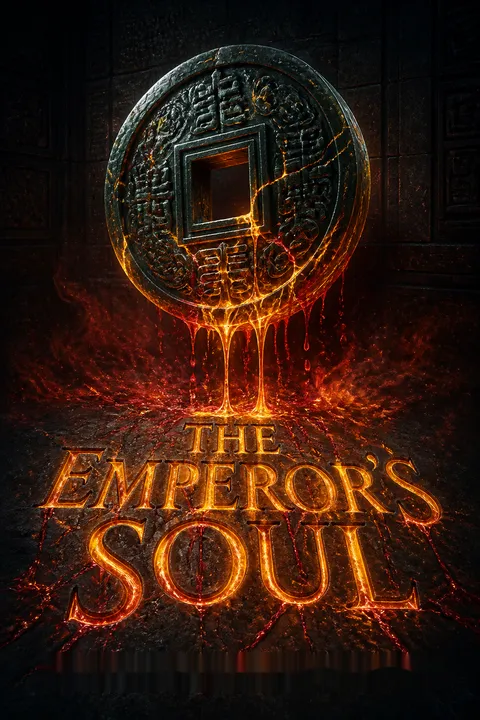
The Emperor's Soul is a highly praised novella by Brandon Sanderson, set in the Cosmere universe. Readers appreciate its intricate magic system, compelling characters, and thought-provoking themes on art and identity. Many consider it a masterpiece, praising Sanderson's ability to create a rich world and complex story in just over 100 pages. The novella won the Hugo Award for Best Novella in 2013. Fans particularly enjoy the protagonist Shai and her interactions with other characters, as well as the philosophical questions raised throughout the story.
People Also Read






Characters
Wan ShaiLu
The master soul-forgerShai is a MaiPon Forger, thief, and close student of human behavior. She survives through preparation, disguise, and a sharp sense of what other people want, but her skill is not simply manipulation: she studies the people she deceives with unusual care. She prizes the independence her craft gives her and resists being treated as a tool by the empire. Her work is complicated by a buried wish for a life without constant disguise, a possibility she has prepared but fears to choose. Shai’s ambition is artistic as well as practical. She wants to make something so convincing that it can withstand scrutiny, even when finishing it endangers her freedom.
Gaotona
The questioning elderGaotona is an elderly arbiter, a careful politician, and a longtime mentor to Ashravan. He values truth and cultural heritage, which initially makes him hostile to Shai’s art. Unlike Frava, he is willing to ask how Forgery works and to submit himself to its tests rather than impose them on a subordinate. His affection for Ashravan gives him a personal stake in the project, while his curiosity makes him more open to Shai than his principles suggest. Gaotona’s strength is not innocence; he understands power. It is his effort to remain honest within a system that rewards control.
Emperor Ashravan
The absent-minded rulerAshravan is the young emperor of the Rose Empire, raised within an elaborate court and surrounded by competing factions. In his earlier years he hoped to change the empire, but the habits of rule and the ease of delegation have shaped him over time. He is intelligent, proud, capable of anger, and attentive to beauty, yet his public position limits how freely he can show uncertainty. His history matters because Shai must reconstruct not a list of traits but a person formed by family, ambition, affection, and political routine. Gaotona’s memories of him offer a more intimate counterweight to official accounts.
Frava
The calculating arbiterFrava leads the Heritage Faction’s arbiters and is one of the empire’s most powerful political figures. She values Shai chiefly for what her talent can do for the faction, and she is skilled at presenting self-interest as necessity. Her polished manners conceal a willingness to bargain, threaten, and manipulate when the throne is at stake. Frava is not ignorant of Forgery; she simply draws a hard line between useful imitation and unacceptable intrusion into a person’s soul.
Captain Zu
The resentful palace guardZu is a Striker captain assigned to guard Shai and the emperor’s private quarters. He takes his duties seriously and regards Shai as a threat to the palace’s order. His hostility is sharpened by the sense that her presence exposes failures in the security he is meant to command. Zu is physically formidable and loyal to the arbiters, but his certainty about Shai leaves little room for understanding her motives.
The Bloodsealer
The keeper of bone creaturesA young man from the marsh country of Dzhamar, the Bloodsealer uses fresh blood and bone-based stamps to command skeletal creatures. The arbiters employ him to keep Shai from escaping, despite the horror his methods provoke in her and the Striker guards. His fearsome appearance masks a private attachment to someone at home, a detail Shai notices and uses to understand his behavior.
The Imperial Fool
Shai’s former partnerThe Imperial Fool is connected to Shai’s attempt to steal the Moon Scepter. His role in the palace affair leaves Shai wary of trusting even an accomplice, and gives her a personal reason to pursue him once she is free.
ShuXen
The blind master painterShuXen is an aging, blind painter whose work has become a prized possession of the imperial court. He once taught Shai, giving her a rare foundation in painting as well as Forgery. His hatred of the empire complicates the meaning of his most famous work and gives Shai a personal obligation that clashes with her own ambitions.
Kurshina
The murdered empressKurshina is Ashravan’s wife. Her murder during the attack on the emperor helps trigger the political crisis and gives Ashravan a profound personal loss to confront.
Plot Devices
Soulstamps
Rewrite history through marksA soulstamp changes an object by persuading it that its past happened differently. The Forger must research an object’s materials, origins, and identity so the revised history remains plausible. On a person, the task is harder because a human soul continues to change and resists the imposed version. Shai’s work depends on this rule: a clever design cannot replace intimate knowledge of the person being changed.
The emperor’s soulstamp
A soul rebuilt from evidenceShai’s final stamp connects to a metal plate carrying many smaller marks, allowing the emperor’s reconstructed history and personality to be applied as a unified design. The stamp gives the arbiters a living ruler, but its creation also raises the central question of whether a sufficiently complete reconstruction is restoration or replacement.
The Bloodsealer’s mark
A blood-bound alarmThe Bloodsealer renews a mark on Shai’s door using her blood. The mark alerts him if she leaves or alters the door, and fresh blood can guide his skeletal creatures toward her. Its effects depend on the freshness of the blood, giving Shai a narrow opening when the mark fades and making even a minor wound dangerous during her escape.
Shai’s Essence Marks
Prepared lives in stoneShai’s five Essence Marks are painstakingly researched stamps designed to rewrite her own history and abilities for a limited time. Each represents a possible version of herself, from a warrior to a scholar or a disguised beggar. They are both emergency tools and private experiments in identity: changing what she can do also changes what she remembers and how she understands herself.
FAQ
```markdown
Synopsis & Basic Details
What is The Emperor's Soul about?
- Master Forger's Impossible Task: The novella centers on Wan ShaiLu (Shai), a renowned Forger with the magical ability to rewrite the history and essence of objects and souls. Captured after a daring heist, Shai faces execution but is offered a desperate bargain by the Rose Empire's arbiters: recreate the soul of their brain-dead Emperor Ashravan within 100 days, or die.
- Artistry, Identity, and Deception: Shai, a prisoner under constant surveillance, must delve into the emperor's life, piecing together his true self from fragmented records and personal accounts. This monumental task forces her to confront the philosophical implications of her art, blurring the lines between imitation and genuine creation, and questioning the very nature of identity.
- High-Stakes Political Intrigue: Beyond the artistic challenge, Shai navigates a treacherous political landscape where the arbiters, particularly the cunning Frava and the principled Gaotona, vie for control. Her survival depends not only on her magical skill but also on her ability to manipulate her captors and orchestrate a daring escape, all while crafting a masterpiece that could save or doom an empire.
Why should I read The Emperor's Soul?
- Deep Philosophical Exploration: Readers seeking a story that delves into profound questions about identity, authenticity, and the nature of art will find The Emperor's Soul deeply rewarding. It challenges perceptions of truth and lies, making it a compelling read for those who enjoy intellectual depth in their fantasy.
- Masterful Magic System: Brandon Sanderson's signature hard magic system, Forgery, is brilliantly showcased, offering a unique and intricate form of magic that is both logical and creatively applied. The detailed process of soulstamping, requiring immense research and artistic skill, provides a fresh take on magical abilities.
- Tense, Character-Driven Narrative: The novella delivers a gripping, high-stakes plot driven by Shai's cunning and resilience. Her evolving relationship with Arbiter Gaotona, the constant threat of betrayal, and the ticking clock create a compelling narrative that keeps readers on the edge of their seats, making it a must-read for fans of character-focused thrillers.
What is the background of The Emperor's Soul?
- Rich Imperial Culture: The story is set in the Rose Empire, a society deeply rooted in its "Heritage Faction" which reveres ancient cultures and traditions, often through the use of Forgery to replicate historical artifacts. This cultural backdrop, with its emphasis on appearance and legacy, provides a fertile ground for the novella's themes of authenticity and imitation.
- Political Factionalism: The empire is governed by a council of arbiters representing various factions, creating a volatile political environment. The assassination attempt on Emperor Ashravan is a direct result of these power struggles, particularly with the "Glory Faction," highlighting the constant threat of internal conflict and the arbiters' desperate need to maintain stability.
- Inspired by Asian Art & History: As detailed in Sanderson's postscript, the concept of soulstamps was inspired by his visit to the National Palace Museum in Taiwan, observing traditional Chinese "chops" or yìnjiàn. This cultural influence is evident in the intricate artistry of Forgery and the philosophical underpinnings of the magic, connecting the fantasy world to real-world historical practices.
What are the most memorable quotes in The Emperor's Soul?
- "All things exist in three Realms, Gaotona. Physical, Cognitive, Spiritual.": This quote, spoken by Shai on Day Twelve, is pivotal to understanding the magic system of Forgery and the novella's core themes. It succinctly explains the metaphysical framework that allows Forgery to work, emphasizing that objects and people possess an inherent "soul" or essence that can be rewritten, providing a deep insight into the mechanics of identity and change.
- "True art was more than beauty; it was more than technique. It was not just imitation. It was boldness, it was contrast, it was subtlety.": Gaotona's realization in the Epilogue encapsulates the novella's central argument about the nature of art. This quote defines the profound impact of Shai's work, elevating Forgery from mere deception to a legitimate, even transcendent, art form that rivals traditional masterpieces, offering a powerful statement on artistic merit.
- "You can't manipulate people by being genuine." "You can't?" Shai asked. "Is that not how you've made your entire career?": This exchange between Shai and Gaotona on Day Ninety-Eight highlights the complex psychological manipulation at play and the paradox of honesty as a tool. It reveals Shai's deep understanding of human nature and Gaotona's own unwitting influence, underscoring the novella's exploration of how trust and authenticity can be strategically employed, even in a world of lies.
What writing style, narrative choices, and literary techniques does Brandon Sanderson use?
- Precise and Accessible Prose: Sanderson employs a clear, direct writing style that makes complex magical concepts and philosophical debates easily digestible. His prose is functional yet capable of evocative descriptions, particularly when detailing the intricate process of Forgery or the emotional states of characters, ensuring the narrative remains engaging and focused.
- Structured Time-Jump Narrative: The story is structured with distinct "Day" markers (e.g., "Day Two," "Day Twelve"), creating a clear sense of a ticking clock and emphasizing the urgency of Shai's task. This narrative choice effectively builds tension and allows readers to track Shai's progress and the escalating stakes, mirroring the methodical nature of her Forgery.
- Internal Monologue and Philosophical Dialogue: A significant portion of the narrative unfolds through Shai's internal thoughts and her philosophical discussions with Gaotona. This technique provides deep insight into her motivations, the mechanics of Forgery, and the novella's thematic concerns, allowing for a rich exploration of identity, art, and morality from multiple perspectives.
Hidden Details & Subtle Connections
What are some minor details that add significant meaning?
- The "Ancient" Urns' Hidden Seals: Early in the story, Shai observes "ancient" urns in the palace, suspecting they have soulstamps on their bottoms. This seemingly minor detail (Day Two) foreshadows the widespread, accepted use of object Forgery within the Heritage Faction, subtly revealing the hypocrisy of the arbiters who condemn Shai's "abomination" while benefiting from similar magic, highlighting the theme of societal double standards regarding art and authenticity.
- Bloodsealer's Letters and Drunkenness: Shai notices the Bloodsealer is punctual when he receives letters from home but drinks heavily and is late otherwise (Day Seventy-Six). This detail, initially a simple observation, becomes crucial for Shai's escape plan, as she forges a letter to manipulate the guards into attacking him. It reveals the Bloodsealer's hidden vulnerability and humanity, contrasting with his monstrous image, and underscores Shai's mastery of psychological manipulation.
- Gaotona's "Disappointed Grandfather" Demeanor: Shai frequently notes Gaotona's expression as that of a "disappointed grandfather" (Day Thirty), particularly when discussing her "wasted" talent. This recurring observation subtly hints at Gaotona's deep-seated desire for Ashravan to live up to his potential, mirroring his own unfulfilled hopes for the emperor. It establishes a personal, almost familial, connection that Shai later exploits by being "genuine," revealing the emotional core beneath his stern exterior.
What are some subtle foreshadowing and callbacks?
- Shai's Cell Wall's "Forty-Four Kinds": Shai's immediate correction of Frava, stating her prison cell had "forty-four kinds" of stone, not thirty (Day Two), subtly foreshadows her meticulous attention to detail and deep understanding of Forgery. This callback to her initial observation on Day Two establishes her expertise and cunning, setting the stage for her later, more complex Forgeries and her ability to outwit her captors.
- The Moon Scepter's "Simple Forgery": Frava dismisses Shai's attempt to steal the Moon Scepter as a "simple forgery" (Day Two), unaware that Shai had successfully swapped the original for her copy. This early detail is a callback to Shai's initial crime and subtly foreshadows her ultimate triumph: placing an even grander "forgery" (Ashravan's soul) on the throne, demonstrating her unparalleled skill and the arbiters' underestimation of her.
- Ashravan's Journal and Self-Reflection: Shai notes that Ashravan's journal is "worn and stained from constant turning" (Day Seventeen), indicating he reread it frequently. This detail foreshadows Shai's final, subtle manipulation of his soul, embedding "triggers that will cause him to react in a specific way to the assassination and his recovery," leading him to seek his journal and reflect on his youthful self (Epilogue). It highlights the cyclical nature of self-improvement and the power of introspection.
What are some unexpected character connections?
- ShuXen and Shai's Shared Artistic Ethos: The revelation that ShuXen, the blind master painter, hired Shai to destroy his masterpiece (Day Seventy-Six) creates an unexpected connection between them. This bond, rooted in a shared disdain for the empire's appropriation of art and a desire for artistic integrity, reveals a deeper, more principled side to Shai's actions than mere theft. It connects her to a legacy of artistic rebellion, challenging the perception of her as a simple criminal.
- Gaotona's Unwitting Mentorship of Ashravan: Shai deduces that Gaotona "encouraged Ashravan to seek the throne" and later "annoyed him with constant nagging about what he should accomplish" (Day Seventeen, Day Thirty). This reveals Gaotona's long-standing, almost paternal, influence on Ashravan, establishing a deep, complex connection that transcends their political roles. It explains Gaotona's personal investment in the emperor's restoration and his unique ability to test Shai's soulstamps, highlighting a hidden emotional depth in their relationship.
- The Bloodsealer's Familial Motivations: Shai's discovery that the Bloodsealer is a young man writing letters to a woman "back in Dzhamar" (Day Seventy-Six) reveals an unexpected personal motivation behind his sinister actions. This humanizes the seemingly monstrous character, showing he is driven by love and a desire to provide for his family, creating a subtle parallel to Shai's own complex motivations and challenging the reader's initial judgment of him.
Who are the most significant supporting characters?
- Arbiter Gaotona: The Moral Compass: Gaotona serves as the story's moral anchor and Shai's primary intellectual foil. His deep-seated belief in truth and his reluctant reliance on Shai's "abomination" create a profound internal conflict, making him the most complex supporting character. His willingness to undergo Shai's tests and his ultimate act of destroying her notes underscore his integrity and his role in validating Shai's art, making him crucial to the novella's thematic exploration of ethics and art.
- Captain Zu: The Personal Antagonist: Captain Zu represents the personal vendetta and institutional brutality that Shai faces. His humiliation at her hands fuels his relentless pursuit and desire for revenge, culminating in his direct attack on Shai. Zu's role is significant as he acts as a catalyst for Shai's escape, forcing her to activate her warrior Essence Mark and demonstrating the physical dangers she must overcome, highlighting the theme of survival against overwhelming odds.
- ShuXen: The Artistic Predecessor: Though only appearing through Shai's recounting, ShuXen, the blind master painter, is a significant supporting character. His request for Shai to destroy his masterpiece provides a crucial ethical dilemma and reveals a shared artistic philosophy with Shai. He represents the tension between an artist's legacy and their personal intent, influencing Shai's understanding of art's purpose and adding a layer of moral complexity to her actions.
Psychological, Emotional, & Relational Analysis
What are some unspoken motivations of the characters?
- Shai's Quest for Artistic Validation: Beyond mere survival or wealth, Shai's deepest unspoken motivation is the desire for her Forgery to be recognized as true art, even if secretly. Her internal monologue on Day Forty-Two reveals, "She found that she wanted to make Ashravan live. She wanted to try, at least." This drive to create an enduring masterpiece, a "Forgery, sitting on the Rose Throne itself," transcends her immediate need for escape, revealing a profound artistic pride and a longing for her work to have significant, lasting impact.
- Gaotona's Paternal Regret for Ashravan: Gaotona's consistent disappointment in Ashravan's later reign, and his willingness to undergo Shai's tests, stems from a deep, unspoken paternal regret. Shai observes, "You just want Ashravan back. You refuse to accept that you've lost him. You loved him as a son—the youth that you mentored, the emperor you always believed in" (Day Seventy). This reveals his motivation isn't just political stability, but a personal desire to restore the idealistic leader he once knew, highlighting the emotional weight of his actions.
- Frava's Fear of Losing Control: Frava's relentless scheming and her attempts to insert "back doors" into Ashravan's soul are driven by an unspoken fear of losing her immense power and influence. Her paranoia, as Shai deduces, leads her to keep "another Forger standing by" (Day Seventeen), indicating a deep-seated insecurity about her position. This motivation underscores the corrupting nature of power and the lengths to which individuals will go to maintain it, even at the cost of ethical compromise.
What psychological complexities do the characters exhibit?
- Shai's Paradoxical Authenticity: Shai exhibits the psychological complexity of a master deceiver who values genuine connection. She manipulates Gaotona by "being genuine" (Day Ninety-Eight), revealing that her honesty is a calculated strategy, yet also a part of her true self. This paradox highlights her internal struggle between her identity as a Forger—a master of lies—and her longing for authentic creation and connection, making her a deeply nuanced character.
- Gaotona's Moral Compromise and Awe: Gaotona struggles with the psychological burden of sanctioning an "abomination" (Forgery) for the "greater good" of the empire. His initial revulsion, followed by reluctant acceptance and eventual awe for Shai's art, showcases a complex moral evolution. He admits, "Our hunger for power outweighs our conscience" (Day Seventy), yet his tears upon reading Shai's notes reveal a profound appreciation for true artistry, demonstrating his internal conflict between duty and aesthetic appreciation.
- Ashravan's Latent Idealism and Indulgence: Even in his brain-dead state, Ashravan's psychological complexity is revealed through Shai's research. He was "idealistic" but also "indulgent," having "drifted farther and farther away" from his initial goals (Day Fifty-Nine). Shai's Forgery aims to restore his "him that could have been," suggesting a latent potential for greatness buried beneath years of complacency. This highlights the psychological impact of environment and the possibility of a "second chance" at self-actualization.
What are the major emotional turning points?
- Gaotona's Acceptance of Shai's "Art": A significant emotional turning point occurs when Gaotona, after initially dismissing Forgery as "lacking in spirit," witnesses Shai's transformation of her drab room into a beautiful chamber (Day Fifty-Eight). His stunned reaction and later admission that he "began to think" differently (Day Thirty) mark a shift from condemnation to reluctant appreciation, paving the way for his deeper understanding and eventual awe of her work.
- Shai's Investment in Ashravan's Soul: Shai experiences a profound emotional turning point when she realizes she genuinely wants to "make Ashravan live" (Day Forty-Two), rather than just escape. This shift from purely self-serving motivation to artistic dedication is crucial, as she finds herself "thrilled by the challenge" and "physically painful" at the thought of her work being a sham. This moment elevates her from a mere con artist to a true artist, deeply invested in her creation.
- Gaotona's Decision to Return the Essence Marks: The most impactful emotional turning point for Gaotona is his decision to return Shai's Essence Marks, despite knowing it will facilitate her escape (Day Ninety-Eight). His admission, "I've been played for a fool," is immediately followed by, "But I don't want you killed either, girl." This reveals his deep, almost paternal, affection and respect for Shai, overriding his duty and demonstrating a profound emotional connection that transcends their adversarial roles.
How do relationship dynamics evolve?
- Shai and Gaotona: From Adversaries to Mutual Respect: The relationship between Shai and Gaotona undergoes the most significant evolution. Initially, Gaotona views Shai as an "abomination" and a "master trickster," while Shai sees him as a "displeased grandfather." Through their philosophical debates and Gaotona's participation in the soulstamp tests, they develop a grudging respect, then a deeper understanding. By the end, Gaotona trusts Shai enough to return her Essence Marks, and Shai kisses him, acknowledging him as a "kindly grandfather," transforming their dynamic into one of profound, albeit complicated, mutual admiration and affection.
- Shai and Frava: From Manipulation to Open Hostility: The dynamic between Shai and Frava is consistently adversarial, evolving from subtle manipulation to overt hostility. Frava initially attempts to control Shai through false promises and threats, while Shai counters with her own deceptions. Frava's attempts to steal Shai's notes and her plan to have Shai killed (Day Fifty-Eight) reveal her ruthless nature. This culminates in Zu's assassination attempt, orchestrated by Frava, solidifying their relationship as one of pure antagonism and highlighting the cutthroat nature of imperial politics.
- Shai and the Palace Guards: From Captor-Captive to Manipulated Allies: Shai's relationship with the ordinary palace guards evolves from a standard captor-captive dynamic to one where she subtly manipulates them into becoming unwitting allies. By befriending them, learning their personal details, and exploiting their disdain for the Bloodsealer (Day Forty-Two, Day Seventy-Six), she turns them into instruments of her escape. This demonstrates her exceptional understanding of human nature and her ability to leverage empathy and shared grievances to her advantage, transforming passive observers into active, if unwitting, participants in her schemes.
Interpretation & Debate
Which parts
Elantris Series
About the Author
Other books by Brandon Sanderson





Download PDF
Download EPUB
.epub digital book format is ideal for reading ebooks on phones, tablets, and e-readers.








