Plot Summary
The Message from the Future
Harry August, on his deathbed in his eleventh life, is visited by a young girl who delivers a chilling message: the world is ending, and the end is accelerating. This message, passed down through generations of people like Harry—kalachakra, or ouroborans, who live their lives over and over—sets the stage for a desperate quest. The urgency and gravity of her words pierce Harry's morphine haze, igniting a sense of responsibility and dread. The emotional weight of this encounter is profound, as Harry realizes that the fate of the world may rest on his actions, and that time, for once, may not be on his side.
Birth, Death, and Origins
Harry's life begins in tragedy: born in a train station washroom to a dying mother, the illegitimate child of a kitchen maid and a lord. Raised by adoptive parents, Harry's early years are marked by loss, shame, and the quiet kindness of those who choose to care for him. The circumstances of his birth—coercion, class, and the indifference of the powerful—haunt him through every life. Each rebirth brings new understanding of his origins, and the pain of being an outsider, a secret, and a survivor. The emotional complexity of his family relationships shapes his sense of self and his longing for belonging.
The Curse of Memory
As Harry relives his life, memory becomes both a gift and a curse. The shock of returning to childhood with adult awareness drives him to madness and suicide in his early lives. The stages of rejection, exploration, and acceptance are not linear; each life brings new trauma and new attempts to find meaning. The weight of perfect recall—of every joy, every mistake, every death—threatens to crush him. Yet, over time, Harry learns to use his memory as a tool, seeking answers in science, religion, and philosophy, but always returning to the inescapable cycle of birth and death.
Childhoods Repeated
Harry's repeated childhoods are marked by the slow death of his adoptive mother, the silent grief of his father, and the coldness of his biological family. Each time, he tries to change the outcome, to save his mother or alter his fate, but the past proves stubborn. The pain of watching loved ones die, again and again, is both numbing and sharpening. Harry's relationships with his family—especially his adoptive father, Patrick—become the emotional anchor of his many lives, teaching him about loyalty, regret, and the limits of love.
War and Unremarkable Lives
Harry's lives intersect with the great events of the twentieth century: two world wars, social upheaval, and technological change. Despite his foreknowledge, he finds himself unable to alter the course of history in any meaningful way. His attempts to save friends or influence outcomes are met with the complexity and inertia of the world. The futility of his efforts, and the ordinariness of his existence, drive home the theme that even those who know the future are often powerless to change it. The emotional toll of war, loss, and disappointment accumulates with each life.
Science, Love, and Loss
In some lives, Harry becomes a scientist, a doctor, or a scholar, driven by the need to understand his condition. He falls in love—most notably with Jenny, a brilliant surgeon—and dares to reveal his secret, only to be met with disbelief and abandonment. The pain of losing Jenny, and the isolation of being unable to share his truth, deepen his loneliness. Science offers no cure for his immortality, and love offers no escape from the cycle. The emotional arc here is one of yearning, vulnerability, and the repeated shattering of hope.
Asylum and Isolation
Harry's knowledge and behavior often lead to his confinement in asylums, where he is subjected to brutal treatments and misunderstood by those around him. The cruelty of institutionalization, the indifference of doctors, and the violence of other patients reinforce his sense of alienation. Even when he tries to help others, his efforts are met with suspicion or hostility. The emotional landscape is bleak, marked by frustration, rage, and the desperate need for connection. Yet, even in these dark places, Harry's resilience and wit persist.
The Cronus Club Revealed
Harry is eventually discovered by the Cronus Club, a clandestine organization of kalachakra dedicated to supporting their own and maintaining the stability of history. The Club offers companionship, resources, and rules: do not interfere with major events, do not harm your own kind, and above all, protect the secrecy of your origins. The Club's history is one of both benevolence and brutality, as they police their own to prevent cataclysms. The emotional relief of finding others like himself is tempered by the realization that even among immortals, power and fear can corrupt.
The Burden of Immortality
As Harry becomes more involved with the Cronus Club, he grapples with the ethical dilemmas of immortality. The Club's mantra—complexity should be your excuse for inaction—reflects the dangers of tampering with history. Harry witnesses the consequences of those who try: cataclysms that wipe out generations, the erasure of entire timelines, and the ruthless punishment of offenders. The emotional weight of responsibility, guilt, and impotence grows heavier. Harry's perfect memory makes him both a valuable asset and a potential threat, as he alone recalls the full scope of past disasters.
Betrayal and Escape
Harry's refusal to cooperate with those who would exploit his knowledge leads to betrayal, torture, and the threat of true death—the erasure of his very existence. He is hunted by those who fear what he knows, and by those who seek to use him. The emotional arc is one of paranoia, desperation, and the struggle to maintain his identity in the face of overwhelming pressure. Escape becomes both a physical and psychological necessity, as Harry must outwit not only his enemies but also the limitations of his own mind.
Complexity and Inaction
The Cronus Club's doctrine of inaction is both a shield and a prison. Harry debates with fellow immortals about the morality of changing history, the unpredictability of consequences, and the temptation to play god. The stories of past cataclysms—triggered by well-intentioned interventions—serve as cautionary tales. The emotional tension between the desire to make a difference and the fear of unintended harm is central. Harry's own actions, and inactions, are haunted by the knowledge that even small changes can have vast, unknowable effects.
The First Cataclysm
The story of Victor Hoeness, an ouroboran who tried to reshape the world with knowledge from the future, serves as a grim parable. His actions led to technological acceleration, global war, and the extinction of humanity in that timeline. The Cronus Club's response—torture, erasure, and the ultimate punishment of never being born—reveals the dark side of their self-preservation. The emotional impact is one of horror, pity, and the sobering realization that immortality does not guarantee wisdom or mercy.
The Dangers of Knowledge
Harry's friendship with Vincent Rankis, a fellow mnemonic (one who remembers everything), becomes the axis on which the fate of the world turns. Vincent's ambition to build a "quantum mirror"—a device that could unlock all knowledge—threatens to destabilize reality itself. The acceleration of technology, the collapse of the Cronus Club, and the unraveling of history are all traced back to Vincent's quest. The emotional arc is one of betrayal, rivalry, and the tragic inevitability of genius unchecked by conscience.
The Enemy Within
Harry and Vincent's relationship is a complex dance of admiration, competition, and mutual destruction. As Vincent's actions lead to the destruction of the Cronus Club and the endangerment of the world, Harry is forced to confront the limits of loyalty and the necessity of stopping his friend. The emotional climax is one of heartbreak, as Harry realizes that the only way to save the world is to destroy the person he once called friend. The pain of this choice is sharpened by the knowledge that, in another life, they might have been allies.
The Quantum Mirror
Vincent's construction of the quantum mirror—a machine capable of revealing all truths—becomes the central threat. Harry, embedded in Vincent's operation, must navigate layers of deception, sabotage, and moral ambiguity. The emotional tension is acute: the allure of ultimate knowledge is set against the certainty of catastrophe. Harry's decision to sabotage the project is both an act of vengeance and a final assertion of agency. The cost is high: pain, loss, and the knowledge that some questions are better left unanswered.
Sabotage and Sacrifice
The sabotage of the quantum mirror leads to disaster: radiation, death, and the collapse of Vincent's dreams. Both men are mortally wounded, and in their final hours, they confront the truth of their actions and their relationship. Vincent, in a moment of remorse, attempts to erase Harry's memory one last time, but fails. The emotional resolution is bittersweet: forgiveness, regret, and the recognition that even immortals are shaped by love, loss, and the choices they make.
The End of the World
With Vincent's defeat, the acceleration of the world's end is halted. The Cronus Club, battered but surviving, begins to rebuild. Harry, now fully aware of the dangers of unchecked ambition and the necessity of humility, reflects on the meaning of his many lives. The emotional tone is one of weary relief, tempered by the knowledge that vigilance and restraint are the only safeguards against future cataclysms.
Vengeance and Closure
In his final act, Harry ensures that Vincent will never be born in the next cycle, ending the threat once and for all. The emotional arc closes with a sense of closure, justice, and the possibility of redemption. Harry's journey—from orphan to immortal, from victim to savior—culminates in the hard-won wisdom that the greatest power is not in changing the world, but in understanding and accepting one's place within it.
Characters
Harry August
Harry is the protagonist, a kalachakra who relives his life with perfect recall. His journey is one of existential struggle: the pain of endless repetition, the search for meaning, and the burden of responsibility. Harry's relationships—with his adoptive parents, his lovers, and his fellow immortals—are shaped by his longing for connection and his fear of causing harm. Psychologically, Harry is marked by resilience, curiosity, and a deep sense of guilt. His development is a slow movement from despair to acceptance, from passivity to action. His ultimate act of sabotage and vengeance is both a personal and philosophical resolution, embodying the hard lessons of immortality.
Vincent Rankis
Vincent is Harry's friend, rival, and nemesis—a mnemonic like Harry, whose perfect memory fuels both genius and hubris. Driven by the desire to unlock all knowledge, Vincent becomes the architect of the world's accelerating end. His charm, intellect, and capacity for friendship are shadowed by a ruthless pragmatism and a willingness to sacrifice others for his vision. Psychologically, Vincent is both deeply lonely and fiercely determined, seeking validation through achievement. His relationship with Harry is complex: admiration, betrayal, and a final, desperate plea for understanding. Vincent's downfall is a cautionary tale about the dangers of unchecked ambition and the limits of human wisdom.
Jenny
Jenny is Harry's great love—a surgeon whose intelligence and warmth draw him out of isolation. Their relationship is marked by honesty, vulnerability, and the pain of secrets. When Harry reveals his true nature, Jenny's inability to accept it leads to heartbreak and separation. Psychologically, Jenny represents both the possibility of connection and the inevitability of loss. Her later marriage to Vincent is a cruel twist, forcing Harry to confront the limits of his own capacity for forgiveness and the enduring power of love.
Patrick August
Patrick is Harry's adoptive father, a man of few words but deep loyalty. His quiet support and unwavering presence provide Harry with a sense of belonging and stability across many lives. Psychologically, Patrick embodies the virtues of endurance, humility, and unconditional love. His relationship with Harry is understated but profound, shaping Harry's understanding of family and duty. Patrick's death, and Harry's reflections on their bond, are among the most emotionally resonant moments in the narrative.
Virginia
Virginia is a senior member of the Cronus Club, responsible for guiding new kalachakra and enforcing the Club's rules. Her flamboyant personality masks a steely pragmatism and a willingness to do whatever is necessary to protect her kind. Psychologically, Virginia is both nurturing and ruthless, embodying the dual nature of the Club itself. Her eventual complicity in the pre-birth murders, and her own erasure, highlight the moral ambiguities of immortality and the dangers of power.
Akinleye
Akinleye is a fellow kalachakra who, after choosing to undergo the Forgetting, is reborn with a new perspective. Her journey from madness to healing, and her role in supporting Harry and rebuilding the Club, make her a symbol of hope and renewal. Psychologically, Akinleye is marked by empathy, adaptability, and a fierce commitment to helping others. Her relationship with Harry is one of mutual respect and shared purpose, providing emotional ballast in the face of overwhelming loss.
Charity Hazelmere
Charity is a senior Club member who specializes in rescuing and supporting young kalachakra. Her stern, no-nonsense demeanor hides a deep well of kindness and wisdom. Psychologically, Charity is pragmatic, resourceful, and fiercely protective of her charges. Her role in helping Harry maintain his cover and navigate the dangers of the Club's collapse is crucial. Charity represents the best of the Club's traditions: solidarity, discretion, and the quiet heroism of service.
Rory Hulne
Rory is Harry's biological father, a man whose actions—coercion, neglect, and emotional distance—cast a long shadow over Harry's lives. Psychologically, Rory is a product of his time: proud, damaged, and unable to express love or remorse. His relationship with Harry is fraught with unspoken tension, regret, and the longing for reconciliation. Rory's death, and Harry's reflections on their connection, underscore the novel's themes of forgiveness and the complexity of family.
Franklin Phearson
Phearson is a government agent who seeks to exploit Harry's knowledge for political gain. His methods—manipulation, torture, and psychological pressure—represent the dangers of power in the hands of the uncomprehending. Psychologically, Phearson is both cunning and limited, unable to grasp the true nature of Harry's condition. His role in Harry's journey is that of catalyst and adversary, forcing Harry to confront the limits of trust and the necessity of self-preservation.
Christa
Christa is the child who delivers the warning that the world is ending, setting Harry's final quest in motion. Though her role is brief, she embodies the urgency and gravity of the novel's central conflict. Psychologically, Christa is both innocent and burdened, a symbol of the generations who will inherit the consequences of the kalachakra's actions. Her message is the spark that ignites Harry's transformation from passive observer to active agent of change.
Plot Devices
Reincarnation with Memory
The central device of the novel is the kalachakra condition: the ability to live one's life over and over, with full memory of previous iterations. This structure allows for deep exploration of character, morality, and the consequences of action and inaction. The narrative is non-linear, looping through time, with each life offering new perspectives and challenges. The device raises questions about fate, free will, and the nature of identity, as Harry and others struggle to find meaning in repetition.
The Cronus Club
The Cronus Club serves as both sanctuary and prison for the kalachakra. Its rules—non-interference, secrecy, and mutual protection—are designed to prevent cataclysms and maintain order. The Club's history of both benevolence and brutality is revealed through stories of past cataclysms, betrayals, and punishments. The Club's collapse, and the struggle to rebuild, provide the backdrop for Harry's quest and the novel's exploration of power, trust, and community.
The Quantum Mirror
Vincent's quest to build the quantum mirror—a device capable of revealing all truths—serves as the novel's central plot engine. The mirror represents the allure and danger of ultimate knowledge, the temptation to play god, and the unpredictability of technological acceleration. The device is both a literal and metaphorical mirror, reflecting the ambitions, fears, and flaws of its creators. Its sabotage and destruction are the climax of the narrative, embodying the novel's themes of humility, restraint, and the limits of human understanding.
The Forgetting
The process of the Forgetting—chemical, electrical, or surgical erasure of memory—is the ultimate punishment among the kalachakra. It raises profound questions about the nature of identity, the ethics of punishment, and the possibility of redemption. The threat of the Forgetting, and its use as both weapon and mercy, drives much of the novel's tension. The device also serves as a metaphor for trauma, healing, and the possibility of starting anew.
Foreshadowing and Nonlinear Narrative
The novel employs foreshadowing through messages passed down the generations, warnings from the future, and the repetition of key phrases and events. The nonlinear structure—lives looping, memories resurfacing, timelines diverging—creates a sense of inevitability and suspense. The recursive nature of the story allows for deep psychological exploration, as characters confront the consequences of their actions across multiple lives.
Analysis
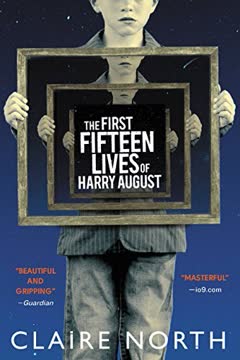
The First Fifteen Lives of Harry August is a profound meditation on time, memory, and the human condition, using the device of reincarnation with perfect recall to explore questions of identity, morality, and the limits of knowledge. The novel challenges the reader to consider the consequences of both action and inaction, the dangers of unchecked ambition, and the necessity of humility in the face of complexity. Through Harry's journey—from orphan to immortal, from passive observer to active agent—the story interrogates the meaning of life when stripped of finality, the value of love and connection in a world of endless repetition, and the ethical dilemmas of power without accountability. The Cronus Club, with its rules and rituals, serves as both a microcosm of society and a warning about the perils of insularity and self-preservation. Vincent's quest for the quantum mirror embodies the seductive allure of omniscience and the catastrophic risks of hubris. Ultimately, the novel suggests that wisdom lies not in changing the world, but in understanding and accepting one's place within it, and that the greatest acts of heroism are often those of restraint, compassion, and the courage to let go.
Last updated:
Review Summary
The First Fifteen Lives of Harry August by Claire North follows Harry, a "kalachakra" who repeatedly relives his life from 1919 onward with full memories intact. When warned that the world is ending sooner each cycle, Harry must discover why. Reviewers praised the innovative premise, sophisticated writing, and complex character relationships, particularly between Harry and the antagonist. Many found the first half slow-paced with philosophical digressions, though most agreed it gained momentum midway. The novel blends science fiction, spy thriller, and historical fiction elements. Common complaints included the glacial pacing and dense scientific discussions, but the emotional depth and thought-provoking exploration of time, memory, and choice resonated strongly with most readers.