

Key Takeaways
Make clients feel understood before offering facts, advice, or proof.
Emotion comes first. The book’s central claim is that home decisions are not made by weighing facts alone. Buyers and sellers are navigating fear, hopes, loss, and uncertainty, often before they can explain those feelings themselves. Tactical Empathy, a negotiation approach drawn from Chris Voss’s work, means identifying and expressing what another person appears to think or feel without agreeing with them or taking on those feelings. The authors argue that advice lands only after a client recognizes that the agent sees the situation from their perspective.
A different starting point. Steve Shull describes spending years teaching agents to improve their presentations and explain their value. Reading Voss’s negotiation work changed his view: more information could not reliably overcome emotional resistance. The agent’s task is not to overpower emotion with logic, but to understand it well enough to guide a useful conversation.
The distinction between understanding someone and agreeing with them is essential. It lets an agent acknowledge fear without endorsing an unrealistic plan, a skill relevant in medicine, management, and conflict resolution as well as sales. The approach is strongest when empathy is sincere and specific, not a polished maneuver used to steer someone toward a predetermined choice. Emotion matters greatly, but it does not make evidence irrelevant. Clients still need accurate market information; empathy helps make that information discussable.
Find out whether you are the chosen agent before preparing a pitch.
Possibility is not probability. The book calls an agent the Favorite when a prospect is already inclined to hire them, and the Fool when the prospect is mainly gathering information while leaning toward someone else. The authors estimate that a Favorite may have roughly an 80 percent chance of winning the work, while an agent in the Fool position may have about a 20 percent chance. These are coaching estimates, not guarantees. Their point is to stop treating every inquiry as an equally promising opportunity.
Read the signals. A Cold Read means noticing patterns in a prospect’s words, tone, and behavior to infer how likely they are to work with you. Look for whether they called you specifically, whether your background fits how they have chosen professionals before, whether the conversation feels emotionally connected and collaborative, and whether they are willing to commit. Treat these cues as evidence to explore, not a verdict.
The Favorite or Fool distinction gives agents a useful screening question: what is the evidence that this person is genuinely considering me? That can curb sunk-cost behavior, where hours already spent create pressure to keep pursuing a weak prospect. The numerical odds make the argument vivid, but they should not be mistaken for validated probabilities across markets or clients. A cautious prospect may simply need time, while a confident-sounding one may still be undecided. Pattern reading is most reliable when it prompts better questions rather than premature certainty.
Listen for their view, not openings to deliver your sales script.
Listening builds trust. The authors call focused attention to another person’s perspective Proactive Listening. Instead of planning a rebuttal or waiting to talk about credentials, an agent listens for what matters to the client and checks whether that understanding is accurate. Two practical tools are Labeling, briefly naming a possible thought or feeling, and Mirroring, repeating a few of the other person’s words to invite them to elaborate. A seller who says timing is important might hear a tentative reflection that the move needs to happen by a particular season, then clarify what that timing means.
Look for recognition. The authors describe “that’s right” as a sign that a person feels accurately understood, unlike a polite agreement that may hide resistance. The goal is not to guess perfectly. A mistaken reflection can give the client a chance to correct the picture and share more.
This is a practical correction to the common sales habit of treating every pause as an invitation to persuade. In fields such as clinical interviewing, careful reflection can help people articulate concerns they have not yet organized into a clear request. The method also has limits: repeated reflections can sound mechanical, and confident guesses about someone’s feelings can feel presumptuous. Tone and permission matter. The useful test is whether the client gains room to explain themselves, not whether the agent has deployed the right-sounding phrase.
Require real commitment before donating hours of property-specific consulting.
Free work has a cost. Agents often research a property, prepare pricing and marketing advice, travel to a home, and deliver a lengthy presentation before knowing whether the owner intends to hire them. The authors call this free consulting. Their concern is practical as well as financial: a prospect can take useful recommendations to another agent, while the agent loses time that could have gone to committed clients.
Qualify before visiting. Begin with a conversation that reveals how the prospect found you, what they want in an agent, what expectations they have, and whether they are prepared to work together. If a property-specific analysis is appropriate only after commitment, state that boundary calmly. A person who refuses may simply be shopping around. The book recommends leaving the door open without doing unpaid work in the hope of changing their mind.
This argument treats an agent’s time as a scarce professional resource rather than a promotional giveaway. In consulting and other service businesses, clear scope and paid engagement often prevent misunderstandings about what advice is being provided and for whom. Still, there is no universal line between a useful introductory conversation and free consulting. A brief assessment may help a client judge competence, while demanding commitment too early can exclude people who need basic information before deciding. The sound principle is to define boundaries transparently and proportionately.
Name the hard truth early, then give clients room to process it.
Do not hide the problem. Avoiding or softening bad news may spare an awkward moment, but it can make clients feel blindsided and raise doubts about the agent’s judgment or honesty. When a seller’s asking price is unrealistic, for example, waiting weeks for the market to confirm it can make a later price discussion more painful. The book recommends naming visible negative emotions rather than denying them, and raising foreseeable objections or obstacles before they become surprises.
Prepare, state, pause. Bracing for Bad News means warning someone that difficult information is coming. An Accusations Audit means articulating the negative reactions the other person may have before delivering that information. Then state the facts clearly and stop talking. Silence gives the client time to absorb the news and decide what to do, instead of being hurried into the agent’s preferred solution.
Early transparency is a form of procedural fairness: people are more likely to accept an unwelcome result when they believe they were informed and treated honestly. Naming an emotion can also show attention rather than dismissal. But the technique needs calibration. An elaborate list of supposed accusations may sound theatrical or plant distrust if the relationship is not strong. The best version is brief, grounded in what the client has actually expressed, and followed by enough quiet for them to respond in their own terms.
Advise the decision; leave ownership of the outcome with the client.
Separate guidance from control. The agent’s role is to explain the landscape, options, and likely consequences. The client chooses. In the book, an agent named Victoria becomes exhausted trying to get her friend Jasmine into a home, even though Victoria cannot control what Jasmine is willing to offer. Her real responsibility is to show suitable properties and explain what successful offers may require, not to produce a purchase at any cost.
Put choices in view. If a listing has attracted no offers, an agent can explain what may happen if the price stays put and what may happen if it changes. The client then decides how to proceed. The authors distinguish accountability for doing promised work from responsibility for decisions and market outcomes that belong to the client.
This boundary protects both the client’s autonomy and the agent’s judgment. It resembles the distinction between advising and deciding in professional ethics: an expert contributes knowledge, while the person affected retains authority over their own goals. That does not excuse an agent from explaining uncertainty or correcting misinformation. Nor should “the client decides” become a way to abandon them with a menu of choices. Good guidance makes trade-offs understandable, gives a candid recommendation when useful, and leaves the final decision genuinely theirs.
Use no and open questions to restore safety and uncover the real issue.
Make room for refusal. A No-Oriented Question is phrased so that saying no can protect the other person’s sense of control while keeping a conversation open. Rather than asking whether it is a good time to talk, an agent might check whether it is a bad time. The book argues that a low-pressure no can feel safer than a yes that seems to create an obligation.
Invite real thinking. Calibrated Questions are open-ended prompts, often beginning with how or what, that ask the client to explain priorities, concerns, or next steps. If a client asks what the agent thinks, the agent can first explore what is making the client uncertain. Used together with listening and reflection, these questions reveal the concern beneath a surface objection instead of forcing a quick answer.
Questions can shift a conversation from compliance to joint problem-solving, especially when the person being asked has more at stake than the professional. The ethical distinction is whether the question genuinely welcomes an answer or disguises a sales tactic. A carefully engineered no can still be manipulative if refusal is not accepted. Open questions are more robust because they leave the response less scripted, but they work best when followed by attentive listening rather than another question designed to funnel the client toward a preset conclusion.
Protect the final emotional memory, not merely the signed transaction.
A closing is not always a win. The book argues that clients remember the emotional high point and the ending of an experience, not just the final numbers. It cites a gap in real estate: 90 percent of buyers and sellers reportedly say they would use the same agent again, yet only 20 percent do. The authors use the Oprah Rule to describe ending every interaction in a way that leaves people feeling respected, whether or not a deal closes.
Do not force a tidy finish. Splitting a small price difference may look fair on paper but leave a client feeling that they surrendered something important. Rather than pushing a compromise to secure the transaction, help the client understand the trade-offs and choose freely. A prospect who hires someone else should still leave with a positive impression of the agent.
The focus on endings is consistent with a broader feature of memory: people often judge an experience partly by its most intense point and how it concludes. That makes the final negotiation more than administrative cleanup. Yet a pleasant ending cannot substitute for competent work throughout the transaction, and clients may remember serious failures more than a gracious goodbye. The useful lesson is to treat emotional closure as part of service, while resisting the temptation to optimize appearances at the expense of the client’s material interests.
Hold your fee and work standards without turning the conversation into a pitch.
State the boundary plainly. The authors advocate a 6 percent fee and argue that an agent who is already the client’s preferred choice has a stronger basis for holding that fee than one trying to win an unlikely prospect. Regina, a coached agent, named her commission, pricing expectations, staging requirements, and working hours early in a conversation with a property developer. He asked a question about how the commission was divided, and she recognized that he was engaging with a detail rather than rejecting her standards.
Make the recommendation contextual. The book calculates that keeping 3.5 percent of a 6 percent commission can require fewer transactions than keeping half of a 5 percent commission. Its wider advice is to set clear standards and avoid discounting from fear, not to assume that one fee fits every market, agreement, or client.
The valuable idea is not the specific percentage but the refusal to negotiate against oneself before a client has objected. Clear fees and service standards can protect quality and prevent resentment. The book’s categorical 6 percent rule is less persuasive as a universal prescription: fee structures, local rules, competition, and the actual scope of service vary. A professional standard should be transparent, legally compliant, and defensible in terms of work delivered. Confidence matters, but it cannot replace evidence of competence or a fair agreement.
Practice empathy in low-stakes conversations until it replaces your sales reflex.
Build the skill deliberately. The book closes with three habits: prepare for the conversation, read the other person’s words and behavior, and check that they feel understood. Preparation includes noticing the agent’s own hopes and fears so they do not dominate the exchange. Practice can begin in everyday conversations or role-play, where a clumsy first attempt carries little risk.
Expect awkwardness. Shull describes committing to repeated long rides on a stationary bike and finding the routine easier with practice. The analogy is that new conversational habits also become more natural through repetition. The point is not to memorize a script or guarantee a sale. It is to make curiosity, attentive listening, and calm responses available when a real negotiation becomes stressful.
The book is right to treat conversation as a practiced skill rather than a personality trait. Rehearsal can reduce cognitive load, leaving more attention for a client’s actual words. The analogy to exercise also usefully emphasizes repetition over inspiration. But repetition alone can harden a formula into performance. Practice should include feedback: did the client feel accurately heard, did the question invite an honest answer, and did the agent accept a refusal? Those checks keep technique connected to the human purpose it is meant to serve.
Analysis
The book’s most useful contribution is a change in the agent’s unit of work. Conventional sales advice treats the appointment, presentation, or closed deal as the central event. This book treats the relationship as the work: qualify the prospect, understand their perspective, disclose constraints, and help them decide without claiming control over their choice. Tactical Empathy supplies a practical vocabulary for carrying out that shift. The stories of the disappointed listing agent, the overpriced home, and Victoria’s exhausting search turn abstract negotiation advice into recognizable professional traps.
The approach is most convincing when it opposes avoidant behavior. Naming a foreseeable problem early is generally more respectful than allowing a client to discover it alone. Listening before advising also improves the quality of information available to both parties. These practices can reduce wasted labor and preserve trust even when no transaction results.
Its claims are less secure when presented as universal laws. The Favorite or Fool model is a useful hypothesis about prior preference, but an agent cannot reliably infer a prospect’s inner decision from a few cues. The 80/20 estimates clarify the authors’ argument without establishing general probabilities. Similarly, the instruction to charge a fixed 6 percent is a business position, not a conclusion that follows automatically from empathy or negotiation theory. The right fee depends on the service, agreement, and relevant rules.
There is also a tension between the book’s humane purpose and some of its tactical language. A question designed to elicit no, or a deliberately exaggerated audit of a client’s possible anger, can either protect autonomy or covertly direct behavior. The difference lies in intent and follow-through: a genuine advisor accepts the answer, including refusal, and supplies balanced information rather than engineering consent. Read this as an ethic of attention and boundaries, not a bag of verbal tricks. Its strongest promise is not effortless persuasion, but less wasted effort and more honest decisions.
Review Summary
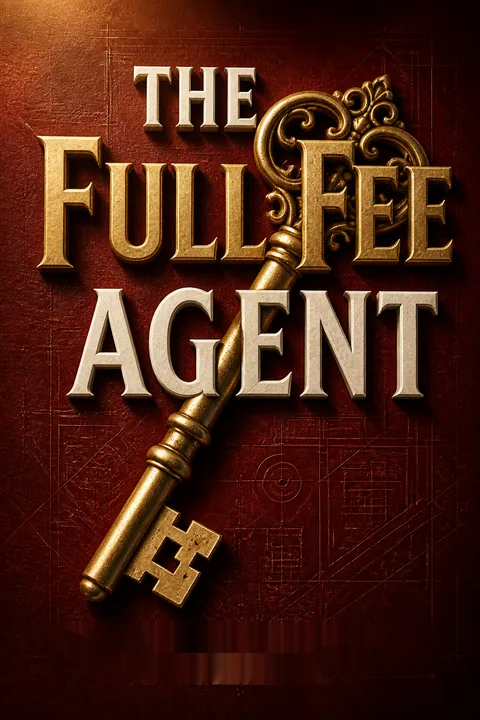
The Full Fee Agent receives high praise from readers, with an average rating of 4.53/5. Reviewers appreciate its application of negotiation principles to real estate and sales, focusing on tactical empathy and value-based pricing. Many find it transformative for their business approach, work-life balance, and client interactions. While some readers note its specific focus on real estate, others see broader applicability. A few mention it builds on concepts from "Never Split the Difference," with mixed opinions on how it compares to that book.
People Also Read








Glossary
Tactical Empathy
Expressing another’s perspectiveA negotiation approach that identifies and articulates what another person may be thinking or feeling without necessarily agreeing with them, disagreeing, or sharing the emotion. In the book, it is the foundation for building trust, understanding a client’s priorities, and guiding decisions without pressure.
Favorite or the Fool
Preferred agent or comparisonThe book’s distinction between an agent a prospect already favors and an agent included mainly for comparison or information. It encourages agents to test whether a real opportunity exists before investing heavily in a pitch. The labels describe positions in a particular prospect conversation, not fixed qualities of an agent.
Cold Read
Reading behavioral patternsA method of attending to a prospect’s words, tone, and behavior to infer how they are likely to act. In this book, cold reading helps an agent assess whether a prospect is genuinely considering them. It is best understood as evidence gathering, not certainty about another person’s intentions.
Labeling
Naming a possible feelingA Tactical Empathy technique that states a tentative interpretation of what another person may think, feel, or be experiencing. It often begins with language such as “It seems like” or “It sounds like.” A label can invite confirmation or correction, helping the speaker clarify their perspective.
Mirroring
Repeating key wordsA listening technique in which a speaker repeats a few words the other person has just used, often with a questioning tone. The repetition invites them to expand on an idea or clarify a point. In the book, it is a simple way to elicit more information without immediately offering advice.
Proactive Listening
Listening for their perspectiveFocused attention on another person with the aim of seeing the situation through their eyes and expressing that understanding. It differs from merely appearing attentive or waiting to speak. The listener notices concerns and emotional cues, then uses reflection and questions to check their interpretation.
Accusations Audit
Naming feared reactionsA preparation technique for a difficult conversation. Before delivering unwelcome information, the speaker names the negative thoughts or feelings the listener may have in response. The aim is to acknowledge the emotional risk openly, reduce surprise, and make space for the listener to respond.
No-Oriented Question
A question that permits noA question phrased so that answering no can feel safe and preserve the other person’s sense of choice while keeping discussion open. The book contrasts this with questions that seem to demand agreement. The technique should allow a genuine refusal rather than conceal pressure to say yes.
Calibrated Questions
Open-ended thinking promptsOpen-ended questions, commonly beginning with how or what, that invite a person to explain priorities, concerns, criteria, or possible next steps. They help the other party think through a decision and reveal information the agent would otherwise have to guess. The book presents them as tools for collaboration, not interrogation.
Focused Comparison
Comparing potential lossesA way of presenting options that makes the possible costs of each choice visible. Rather than insisting on a preferred decision, the agent explains what may be lost under different paths, such as the risk of a high asking price delaying a sale. The client remains responsible for choosing.
Bracing for Bad News
Preparing for difficult informationA short warning that difficult or disappointing information is about to be shared. The warning gives the listener a moment to prepare instead of receiving the news without context. In the book, it is paired with direct communication and a pause for the other person to process.
The Oprah Rule
End interactions positivelyThe book’s shorthand for ensuring people leave an interaction feeling respected, whether they become clients, close a deal, or choose another agent. It emphasizes that the end of a negotiation shapes the relationship and the likelihood of future contact. It does not mean every person must leave satisfied with every outcome.
Prospect Theory
Losses weigh more heavilyA behavioral economics account of how people evaluate gains and losses relative to a reference point. The book draws on its finding that an equivalent loss is often experienced more strongly than a gain. It uses this idea to explain why price reductions and compromises can feel worse than their financial size alone suggests.
FAQ
What's "The Full Fee Agent" about?
- Focus on Real Estate Success: "The Full Fee Agent" by Chris Voss and Steve Shull is a guide for real estate professionals aiming to maximize their success and efficiency in the industry.
- Tactical Empathy: The book introduces the concept of Tactical Empathy, a negotiation strategy that emphasizes understanding clients' emotions and perspectives to build trust and influence.
- Favorite vs. Fool Concept: It explores the idea of being the "Favorite" or the "Fool" in client interactions, encouraging agents to focus on high-probability opportunities.
- Building Trust Over Value: The authors argue that building trust is more important than explaining value, as trust leads to better client relationships and more sustainable business.
Why should I read "The Full Fee Agent"?
- Improve Negotiation Skills: The book offers insights into negotiation techniques that can be applied to real estate and other business interactions.
- Enhance Client Relationships: It provides strategies for building trust and understanding with clients, leading to more successful and enjoyable transactions.
- Increase Efficiency: By focusing on high-probability opportunities and avoiding time-wasting activities, agents can work more efficiently and effectively.
- Achieve Full Fees: The book encourages agents to confidently charge full fees by demonstrating their worth and building strong client relationships.
What are the key takeaways of "The Full Fee Agent"?
- Tactical Empathy: Understanding and articulating clients' emotions is crucial for building trust and influencing decisions.
- Favorite vs. Fool: Focus on being the "Favorite" in client interactions to increase the likelihood of successful deals.
- Trust Over Value: Building trust with clients is more important than explaining your value or offering discounts.
- Full-Service, Full Fee: Agents should confidently charge full fees by providing exceptional service and maintaining high standards.
What is Tactical Empathy in "The Full Fee Agent"?
- Definition: Tactical Empathy is the art of influencing others by articulating what they’re thinking and feeling, without necessarily agreeing or sympathizing.
- Builds Trust: It helps in building trust by making clients feel understood, which is essential for successful negotiations.
- Reduces Stress: By focusing on clients' emotions, agents can reduce stress and improve communication during transactions.
- Foundation for Success: Tactical Empathy is presented as a foundational skill for real estate agents to master for better client relationships and business outcomes.
How does "The Full Fee Agent" define the Favorite vs. Fool concept?
- Favorite: Being the "Favorite" means having a high probability of securing a deal because the client has already decided they want to work with you.
- Fool: The "Fool" is the agent who is just there for due diligence, with little chance of winning the business.
- Focus on Probabilities: The book advises agents to focus on high-probability opportunities where they are the Favorite, rather than chasing every lead.
- Efficiency and Success: By identifying whether they are the Favorite or the Fool early on, agents can save time and increase their success rate.
What are the best quotes from "The Full Fee Agent" and what do they mean?
- "Real estate agents are the greatest bargain on planet earth." This quote emphasizes the value that agents provide, suggesting they should confidently charge full fees.
- "How you do business is more important than how much business you do." It highlights the importance of building trust and relationships over merely focusing on transaction volume.
- "You can’t overcome emotion with fact, logic, and reason." This underscores the book's focus on Tactical Empathy, stressing the need to address clients' emotions in negotiations.
- "It’s not a sin to lose business—it’s a sin to take a long time to lose business." This encourages agents to quickly identify low-probability opportunities and move on to more promising prospects.
How does "The Full Fee Agent" suggest handling tough conversations?
- Get the Elephants Out Early: Address potential objections and negative emotions upfront to build trust and avoid surprises later.
- Use Accusations Audit: Articulate all the negative things a client might think or feel to defuse their emotions before delivering bad news.
- Brace for Bad News: Prepare clients for negative information with phrases like "I have some bad news" to soften the impact.
- Silence is Key: After delivering tough news, allow silence for clients to process the information and respond thoughtfully.
What is the significance of the commission conversation in "The Full Fee Agent"?
- Moment of Truth: The commission conversation is crucial as it tests the agent's confidence and ability to uphold their standards.
- Full-Service, Full Fee: Agents are encouraged to charge a full 6% fee, reflecting their value and expertise.
- No Exceptions: The book advises against making exceptions or discounts, as this undermines the agent's worth and business model.
- Tactical Empathy Application: Use Tactical Empathy to navigate the conversation, focusing on trust and understanding rather than convincing.
How does "The Full Fee Agent" propose agents should handle client objections?
- Anticipate Objections: Prepare for potential objections by understanding common client concerns and addressing them proactively.
- Use Tactical Empathy: Make clients feel understood by articulating their concerns and emotions, which can help in resolving objections.
- Calibrated Questions: Use open-ended questions to guide clients in thinking through their objections and finding solutions.
- Focus on Trust: Build trust by being transparent and honest, which can help in overcoming objections and securing client commitment.
What role does trust play in "The Full Fee Agent"?
- Foundation of Relationships: Trust is the cornerstone of successful client relationships and is more important than explaining value.
- Builds Influence: When clients trust an agent, they are more open to guidance and influence, leading to better outcomes.
- Reduces Stress: Trust reduces stress for both agents and clients, making the transaction process smoother and more enjoyable.
- Repeat Business: Trust leads to repeat and referral business, which is essential for a sustainable and successful real estate career.
How does "The Full Fee Agent" suggest agents should approach client interactions?
- Focus on Understanding: Use Tactical Empathy to understand and articulate clients' emotions and perspectives.
- Avoid Free Consulting: Don't give away valuable insights for free; ensure clients are committed before investing time and effort.
- Be a Trusted Advisor: Guide clients by providing information and options, but let them make their own decisions.
- Prioritize High-Probability Opportunities: Focus on interactions where you are the Favorite, and walk away from low-probability prospects.
What are the practical applications of "The Full Fee Agent" for real estate agents?
- Improved Negotiation Skills: Apply Tactical Empathy to enhance negotiation outcomes and client satisfaction.
- Efficient Time Management: Focus on high-probability opportunities to save time and increase success rates.
- Stronger Client Relationships: Build trust and understanding with clients to foster long-term relationships and repeat business.
- Confident Fee Structure: Charge full fees confidently by demonstrating value and maintaining high standards in service delivery.
About the Author

Download PDF
Download EPUB
.epub digital book format is ideal for reading ebooks on phones, tablets, and e-readers.








