

Key Takeaways
Treat biology as programmable infrastructure, not merely raw material
From reading to writing. Synthetic biology brings biology, engineering, and computing together to design or modify living systems. Earlier biotechnology could read DNA and make targeted edits. Newer tools can write genetic sequences digitally, synthesize them, and use cells to produce new functions. The authors call the connected labs, companies, computers, and public institutions behind this work the genesis machine. Its consequences reach beyond medicine: it may shape how people have children, produce food, manufacture materials, and respond to climate change.
A personal stake. The authors introduce the field through their struggles with fertility and the limits of medical explanations. Their point is not that biology will eliminate chance, but that people are gaining tools to intervene where inherited biology once seemed fixed.
What's striking is how the authors shift the discussion from a collection of laboratory techniques to an infrastructure question. A powerful tool matters only when data, skilled people, manufacturing, funding, and public rules work together. That perspective resembles the history of electricity and computing: the breakthrough was not only the device, but the networks built around it. The computer analogy is useful, but incomplete. Cells are not predictable machines with fully understood instructions. Their complexity makes the language of programming inspiring, while also warning against treating biological outcomes as fully controllable.
A cell factory can turn genetic instructions into scalable medicine
Insulin changed the model. In 1921, Frederick Banting and Charles Best extracted insulin from animal pancreases and used it to treat diabetes. The approach saved lives, but supply was a problem: producing a pound of insulin required pancreases from roughly 23,500 animals. Genentech pursued a different solution, inserting a human insulin gene into bacteria so the cells could produce the hormone. Its success led to Humulin, approved in 1982, and showed that living cells could serve as manufacturing systems.
A factory inside a cell. DNA stores instructions, RNA carries messages, and proteins perform much of the cell’s work. Synthetic biology can redirect that system to make useful products. This was not simply a better way to imitate nature. It established a new way to manufacture biological products at scale.
The insulin story makes the difference between a scientific discovery and a durable technology unusually clear. Extraction depended on animal supply chains. Recombinant production shifted the bottleneck toward engineering cells and operating facilities. Similar changes occur when manufacturing moves from scarce natural inputs to repeatable processes. But scalable production does not guarantee fair distribution. Insulin’s history contains both a technical triumph and a continuing affordability problem, a reminder that production capacity and access are separate achievements.
Build the biological toolchain before promising a biological revolution
Speed came from new methods. Craig Venter challenged the Human Genome Project’s slow, orderly sequencing approach with shotgun sequencing. His team broke DNA into fragments and used computers to assemble overlapping sequences. The contest helped accelerate the first draft of the human genome, but it also raised questions about patents and private control of genetic information.
Parts need shared standards. Researchers such as Tom Knight and Drew Endy pursued BioBricks, standardized biological components intended to be combined into more complex systems. They also worked toward shared ways to describe those parts so other labs could interpret and reuse them. These foundations matter because experiments are slow and biological results can vary. Better sequencing, synthesis, automation, and software can speed research, but a dependable ecosystem requires standards, trained workers, and facilities, not just ambitious designs.
This account highlights a familiar pattern in technological change: a breakthrough becomes transformative when complementary systems mature around it. Standards lower coordination costs, while shared data formats let discoveries travel between institutions. That is a plausible route to faster science, but biological parts are not as interchangeable as industrial components. Living systems interact with their surroundings and can behave differently across contexts. Standardization should make experiments more reproducible without creating the false impression that organisms behave like perfectly modular kits.
Use synthetic biology to redesign medicine, food, and manufacturing
A vaccine in days. After Chinese researchers shared the genetic sequence of the virus that causes COVID-19, Moderna designed an mRNA vaccine candidate in two days. The vaccine carried temporary instructions that prompted cells to make a harmless viral component, training the immune system to recognize the threat. The speed depended on years of prior work in sequencing, RNA design, and manufacturing.
Beyond vaccines. The authors describe possibilities including engineered cells that make medicines, crops that use fewer resources, lab-grown meat, and microbes that produce materials or help capture carbon. Yet the artemisinin project offers a caution. Researchers engineered yeast to produce a malaria-drug precursor, but commercial plans collided with farmer investment, market changes, and business pressures. A promising laboratory result is not the same as a robust product or successful supply chain.
The examples show why synthetic biology is better understood as a platform than as a single industry. The same broad methods can support vaccines, food production, and materials. Platform technologies often generate applications their inventors did not anticipate. Still, the artemisinin case complicates simple stories of inevitable progress. A product must compete with existing markets, fit local needs, and reach users reliably. Technical performance is only one condition of success, and the book is strongest when it keeps those conditions in view.
Make access and ownership part of the design, not afterthoughts
A lifesaving product can remain inaccessible. Insulin was developed with the ambition of making treatment broadly available, yet the authors report that one quarter of people with diabetes in the United States rationed insulin because of its cost. A small number of companies controlled its production, while prices rose sharply. The example shows how an innovation can succeed biologically and fail many people economically.
Genetic tools raise the stakes. Patents can fund research, but they can also restrict access to genetic methods and data. Meanwhile, embryo screening and possible genetic enhancement could give wealthy families choices unavailable to others. The authors warn that this gap could become a genetic divide, separating people who can pay for screening or intervention from those who cannot.
The book treats access as a question of system design rather than a charitable add-on. That matters because technologies often follow the incentives of their owners, not the distribution of social need. Public financing, licensing rules, and insurance coverage can influence who benefits. A caution is warranted, though: equal access does not mean every intervention is desirable or safe. Fairness requires both broad access to proven care and public scrutiny of which enhancements should be offered, by whom, and on what terms.
Treat every biological breakthrough as both a remedy and a risk
The same tools travel both ways. Synthetic biology may produce treatments, but genetic instructions can also be misused. Researchers synthesized poliovirus from publicly available genetic information, and a later team reconstructed horsepox using mail-order DNA. Those experiments raised concern that dangerous pathogens could be recreated without access to a natural sample. The book also describes gain-of-function research, which deliberately changes an organism to give it new capabilities, such as greater transmissibility.
Biology can escape its blueprint. The authors point to engineered organisms mixing with wild populations, lab safety failures, and cyberattacks that alter digital DNA designs before they are synthesized. The CRISPR-edited twins in China illustrate another danger: individual researchers can make permanent, heritable decisions without broad agreement or adequate safeguards.
This section connects biological risk to cybersecurity and environmental governance. A compromised file can be corrected; a living organism may reproduce, spread, and interact with ecosystems beyond its original setting. That difference makes prevention and traceability especially important. At the same time, grouping all risks together can distort judgment. A low-risk crop edit and the deliberate engineering of a dangerous pathogen do not warrant identical controls. Effective safeguards need to track both the potential harm and the reversibility of the intervention.
Earn trust before deploying engineered life into communities
Golden Rice was not just a laboratory test. Plant biologists developed rice that produces beta-carotene, a source of vitamin A, to address deficiency linked to blindness and childhood illness. The project faced a tangled web of 70 to 105 patents and agreements held by more than 30 institutions, then accepted corporate support to continue. Opponents used an unsupported claim about how much rice children would need to eat, while the project’s advocates sometimes promoted its benefits before field testing and distribution were ready.
The conflict became real. In 2013, activists destroyed a trial field in the Philippines. The rice’s scientific case could not resolve disputes about corporations, intellectual property, local control, and safety. The story shows how misinformation can exploit genuine distrust and derail a project intended to address malnutrition.
Golden Rice is persuasive because it refuses to reduce public opposition to ignorance alone. Misleading claims mattered, but so did corporate involvement, uneven power, and overconfident publicity. Science communication cannot substitute for legitimate consent or accountable institutions. Research on trust consistently points to the importance of procedural fairness: people are more willing to accept decisions when they can understand who made them and whose interests were considered. That makes community participation part of sound deployment, not merely a public relations strategy.
Use scenarios to rehearse choices that science makes newly possible
A scenario is a stress test, not a prediction. The book imagines a fertility company offering embryo selection and biological upgrades, a society where treatments slow aging but strain jobs and pensions, and underground communities built as refuges from climate instability. A fictional restaurant review imagines cultured meats and personalized meals. Each story extends present research and trends into a possible future to expose choices that are easy to ignore in the abstract.
The point is to question assumptions. A scenario asks what might happen if several conditions develop together, such as cheaper genetic tools, unequal access, and weak oversight. The authors also present a fictional FBI memo about a cyber-biological attack to dramatize how agencies might struggle to respond when digital and biological threats overlap.
Scenario planning is valuable because it makes indirect consequences tangible. A discussion of embryo selection becomes more concrete when the imagined clinic assigns different options to wealthy clients and public patients. This approach resembles a fire drill: its purpose is not to forecast the exact emergency, but to reveal weaknesses before they matter. The scenarios should not be mistaken for evidence that every imagined outcome is likely. Their best use is to identify decisions, stakeholders, and safeguards that deserve attention under uncertainty.
Govern life-writing through international standards, oversight, and shared accountability
The authors propose cooperation over a biological arms race. Their recommendations include banning gain-of-function research, building an international agreement to track genetic sequences and biological materials, and licensing researchers and facilities under shared safety standards. They compare the proposed agreement to Bretton Woods, the postwar system that created institutions for international economic cooperation.
National systems matter too. The book calls for updated regulation, a coordinated government body for cyberbiosecurity, clearer company policies on genetic data, and better communication of scientific findings. It also argues that research and genetic databases need broader representation. Past abuses, including the Havasupai DNA case and the Tuskegee syphilis study, help explain why communities may distrust medical research. Rules that ignore that history risk reproducing its harms.
The recommendations correctly treat governance as part of the technology itself. Shared standards can make research safer and more interoperable, while public investment can counter the pressure to commercialize prematurely. But a global genetic ledger creates a tension: the infrastructure meant to enable accountability could also become a surveillance system. Any international framework would need limits on data collection, meaningful consent, and independent oversight. The central challenge is not simply to coordinate powerful tools, but to make coordination legitimate across countries with conflicting interests.
Analysis
The book’s central contribution is to frame synthetic biology as a shift in humanity’s relationship with life: from observing and selectively altering organisms toward designing biological systems as a means of production. The insulin narrative gives that shift a concrete origin. The later examples, from mRNA vaccines to cultured food, show why the relevant unit of change is not one invention but an expanding network of laboratories, data, companies, standards, and regulators.
The engineering metaphor is powerful because it makes DNA synthesis and cellular design legible to non-specialists. It also risks implying more control than current biology warrants. Cells are variable, interdependent systems, and a designed genetic sequence does not guarantee a predictable organism or social outcome. The authors acknowledge this uncertainty through examples of unexpected cell behavior and through scenarios that model cascading effects. Their speculative futures are most useful as prompts for preparedness, not as forecasts with measurable likelihood.
The strongest ethical argument is that technical capability and social legitimacy must develop together. Golden Rice illustrates that safety claims alone cannot settle questions of ownership, trust, or local agency. Insulin shows that successful production does not guarantee affordable treatment. The book’s focus on access, genetic privacy, and inclusion therefore follows from its history, rather than sitting apart from the science.
Some proposals deserve further debate. A global registry could improve safety and traceability, yet genetic information is unusually sensitive and can be misused by states or firms. Licensing could reduce reckless experimentation, but overly broad requirements might exclude community researchers or concentrate expertise. Likewise, a categorical ban on gain-of-function research would need careful definitions and international enforcement to distinguish dangerous pathogen enhancement from valuable work on viruses. The enduring question is how to preserve scientific inquiry while placing consequential decisions under public, accountable governance. The book offers no simple formula, but makes a compelling case that waiting for crisis is itself a policy choice.
Review Summary
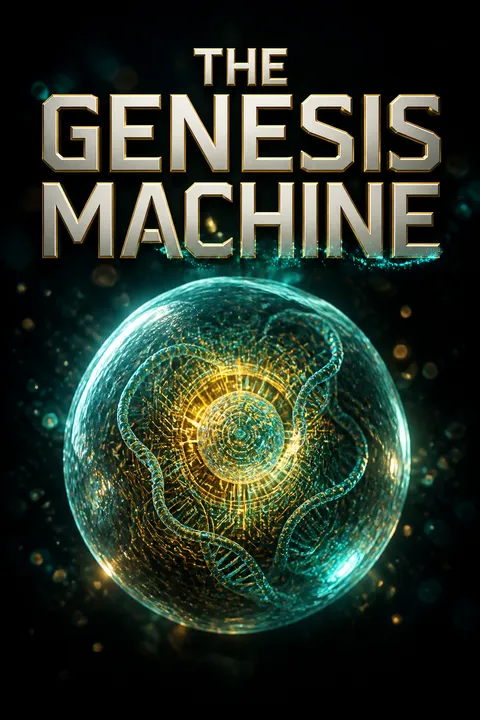
The Genesis Machine receives mixed reviews, with praise for its accessible overview of synthetic biology and thought-provoking future scenarios. Critics appreciate the book's exploration of ethical implications and potential societal impacts. However, some find it superficial, lacking depth in scientific explanations. Readers value the historical context and balanced presentation of opportunities and risks. The futuristic scenarios and practical recommendations are highlighted as strengths. Overall, the book is seen as a good primer on synthetic biology, sparking important discussions about its future applications and consequences.
Glossary
Synthetic biology
Engineering biological systemsAn interdisciplinary field that applies engineering, computing, and biological science to design or modify living systems. It includes reading and editing DNA, as well as synthesizing genetic sequences and using cells to produce intended functions or materials. The field’s applications range from medicines and vaccines to crops, fuels, and biomaterials.
genesis machine
Life-design ecosystemThe authors’ name for the interconnected system shaping the development of synthetic biology. It includes researchers, laboratories, computer systems, companies, investors, and government agencies. The term emphasizes that rewriting life is not accomplished by a single tool or scientist, but by a broad technical, commercial, and political infrastructure.
BioBricks
Standardized biological partsA proposed collection of standardized biological components that can be assembled into larger genetic devices and systems. Tom Knight and collaborators developed the idea partly to make biological engineering more modular and shareable. The goal was to let researchers build on existing parts rather than repeatedly create genetic components from scratch.
Carlson Curves
Biotechnology cost trendsA term for Rob Carlson’s analysis of how the cost and capability of biotechnology tools change over time. Inspired by Moore’s Law in computing, the curves track improvements in areas such as DNA sequencing and synthesis. The book uses them to explain why genetic tools are becoming faster and cheaper, expanding who can use them.
gene drive
Trait-spreading genetic systemA genetic modification designed to make a chosen trait spread through a population faster than ordinary inheritance would allow. In the book’s example, researchers investigate gene drives to propagate traits that could prevent female mosquitoes from biting or reproducing. Because a gene drive can spread widely and persist, it raises ecological and governance concerns.
dual use dilemma
Beneficial tools, harmful usesThe problem that scientific research intended for beneficial purposes can also be used, deliberately or accidentally, to cause harm. Synthetic biology can support vaccines, treatments, and agriculture, while related knowledge and tools may enable the recreation or modification of dangerous organisms. Managing this dilemma requires weighing scientific benefits against misuse risks.
outcrossing
Engineered genes entering wild populationsThe mixing of engineered genetic material with wild populations or native species. The book identifies outcrossing as a potential consequence of an engineered organism escaping or otherwise entering the environment. Depending on the organism and its interactions, such mixing could affect ecosystems in difficult-to-predict ways.
gain-of-function research
Research adding biological capabilitiesResearch that intentionally alters an organism so it gains a new capability or performs an existing function more strongly. The book focuses on experiments that make viruses more transmissible or dangerous, and argues that this work can resemble bioweapons development. It distinguishes those experiments from other uses of synthetic viruses, such as treatment or gene delivery.
FAQ
1. What’s The Genesis Machine: Our Quest to Rewrite Life in the Age of Synthetic Biology by Amy Webb and Andrew Hessel about?
- Exploration of synthetic biology: The book investigates how humans are moving from reading genetic code to writing and editing it, fundamentally transforming life itself.
- Historical and future perspectives: It traces the evolution of biotechnology, from early insulin production to modern gene editing, and projects future scenarios where synthetic biology reshapes health, agriculture, and even human evolution.
- Societal and ethical implications: Webb and Hessel examine the profound ethical, moral, and social questions raised by the ability to program life, including who controls genetic data and the risks of genetic divides.
- Call for public engagement: The authors stress the need for broad societal dialogue and responsible governance to ensure synthetic biology’s benefits are realized safely and equitably.
2. Why should I read The Genesis Machine by Amy Webb and Andrew Hessel?
- Comprehensive introduction to synthetic biology: The book provides an accessible yet detailed overview of the science, history, and future of synthetic biology, making complex topics understandable for a broad audience.
- Insight into ethical dilemmas: It highlights urgent ethical, moral, and religious questions raised by genetic engineering, helping readers prepare for personal and societal decisions.
- Balanced view of risks and opportunities: Webb and Hessel balance optimism about synthetic biology’s potential with a sober examination of risks such as bioweapons, misinformation, and social inequities.
- Engaging scenarios and personal stories: The book uses vivid future scenarios and personal narratives to humanize the science and spark informed debate.
3. What are the key takeaways from The Genesis Machine by Amy Webb and Andrew Hessel?
- Transformative power of synthetic biology: The ability to design and rewrite life’s code is advancing rapidly, promising breakthroughs in medicine, agriculture, and environmental sustainability.
- Ethical and societal complexity: New technologies raise profound questions about identity, rights, and equity, especially concerning human-animal chimeras, genetic enhancements, and data privacy.
- Misinformation as a major risk: False information threatens public trust and can derail beneficial innovations, as illustrated by the Golden Rice controversy.
- Need for global cooperation: The authors recommend international governance, regulation, and public engagement to ensure safety, accountability, and equitable access.
4. What are the most important scientific concepts explained in The Genesis Machine by Amy Webb and Andrew Hessel?
- DNA as biological code: DNA sequences are likened to digital code, with four nucleotides forming codons that instruct cells to produce proteins, the machinery of life.
- CRISPR-Cas9 gene editing: CRISPR is described as “molecular scissors,” enabling precise, accessible gene editing that revolutionizes the field.
- Synthetic biology tools and BioBricks: The book explains efforts to standardize biological parts (BioBricks) and develop software tools to design and assemble genetic circuits, making biology programmable like computers.
- Human Genome Project and genome writing: The race to sequence and eventually write genomes laid the foundation for modern synthetic biology.
5. How did synthetic biology originate according to The Genesis Machine by Amy Webb and Andrew Hessel?
- Biotechnology’s early milestones: The book traces roots to Genentech’s synthesis of human insulin using recombinant DNA in the 1970s, marking the birth of biotechnology.
- Human Genome Project: Sequencing the human genome was a critical step, enabling scientists to read and eventually write genetic code.
- Standardization efforts: Researchers like Tom Knight and Drew Endy at MIT initiated the creation of standardized biological parts, allowing synthetic biology to evolve as an engineering discipline.
- Pioneering figures: The book highlights the contributions of scientists like George Church and Craig Venter in advancing genome engineering.
6. What are the main applications of synthetic biology discussed in The Genesis Machine by Amy Webb and Andrew Hessel?
- Medicine and personalized health: Synthetic biology promises cures for genetic diseases, lab-grown organs, personalized vaccines, and continuous health monitoring.
- Agriculture and food production: Innovations include genetically edited crops, lab-grown meats and dairy, vertical farming, and engineered microbes for environmental benefits.
- Environmental solutions: The book discusses biofuels, biodegradable materials, carbon sequestration, and synthetic organisms designed to clean up pollution and reduce greenhouse gases.
7. What are the major risks and challenges of synthetic biology according to The Genesis Machine by Amy Webb and Andrew Hessel?
- Dual-use dilemma: Technologies intended for good can be misused to create bioweapons or harmful organisms, raising security concerns.
- Unpredictability and ecological risks: Engineered organisms may behave unexpectedly or escape containment, potentially causing ecological harm or new diseases.
- Privacy and security threats: The ability to sequence and synthesize DNA raises risks of genetic surveillance, personalized bioweapons, and misuse of genetic data.
- Regulatory and ethical gaps: Outdated, fragmented regulations and unresolved ethical questions pose significant challenges.
8. How does The Genesis Machine by Amy Webb and Andrew Hessel address ethical and regulatory challenges in synthetic biology?
- Regulatory lag and patchwork laws: Current regulations are outdated and fragmented, failing to keep pace with rapid advances in gene editing and synthetic biology.
- Intellectual property conflicts: Patent battles over technologies like CRISPR could stifle innovation and concentrate control in a few entities.
- Social equity and genetic divide: Access to genetic enhancements may be limited to the wealthy, creating societal divides and new forms of discrimination.
- Call for global governance: The authors propose international licensing, a global genetic data registry, and inclusive dialogue to address these challenges.
9. What is the story of Golden Rice and why is it significant in The Genesis Machine by Amy Webb and Andrew Hessel?
- Golden Rice’s humanitarian promise: Developed to combat vitamin A deficiency, Golden Rice is genetically engineered to produce beta-carotene, potentially saving millions of children from blindness and death.
- Misinformation and opposition: Despite rigorous science, Golden Rice faced backlash fueled by misinformation, legal patent complexities, and distrust of biotech corporations.
- Impact of activism: Activists, notably Greenpeace, spread false claims, leading to destruction of field trials and delayed adoption in countries that needed it most.
- Lessons on trust: The Golden Rice saga exemplifies how public mistrust and misinformation can thwart life-saving innovations, highlighting the need for better communication and governance.
10. How does The Genesis Machine by Amy Webb and Andrew Hessel explore the creation and ethics of human-animal chimeras?
- Blurring species boundaries: The book discusses the creation of chimeras—organisms combining human and animal cells—and the difficulty in defining “human” traits in such beings.
- Moral status ambiguity: It raises questions about the rights and treatment of chimeras, especially if they develop cognitive capacities between animals and humans.
- Potential uses and risks: Chimeras could advance organ transplantation and neurological research but also pose risks if misused or if they escape into the wild.
- Societal unpreparedness: The authors warn that society lacks the psychological, moral, and legal tools to handle chimera research outcomes.
11. What future scenarios does The Genesis Machine by Amy Webb and Andrew Hessel imagine for human life and society?
- Designer babies and genetic upgrades: The book envisions parents using advanced services to select and upgrade embryos, including artificial wombs and genetic enhancements.
- Canceling aging: It imagines breakthroughs in anti-aging therapies that extend healthy lifespans, leading to social and economic upheavals.
- Culinary and environmental revolutions: Cultured meats from exotic species, personalized nutrition, and underground colonies in response to climate change are explored.
- Cyber-biological threats: The book presents scenarios of hybrid cyber-biological attacks, highlighting vulnerabilities in synthetic biology’s infrastructure.
12. What are the best quotes from The Genesis Machine by Amy Webb and Andrew Hessel and what do they mean?
- “A million lives are at stake every year due to vitamin A deficiency, and Golden Rice was basically ready for use in 2002. Every year that you delay it, that’s another million people dead. That’s mass murder on a high scale.” —George Church, emphasizing the tragic consequences of delaying life-saving biotech innovations.
- “We trust scientists, but not the science itself.” —Reflects the paradox of respecting scientists while remaining skeptical of scientific findings, often due to cognitive biases and misinformation.
- “Synthetic biology demands our re-perception.” —Urges readers to challenge existing mental models and embrace uncertainty to responsibly shape the future of engineered life.
- “The genesis machine is powered on and running.” —Symbolizes the irreversible momentum of synthetic biology transforming conception, health, environment, and society.
- “If this group at Asilomar…could openly debate their beliefs and come to a consensus, the scientists would have demonstrated their ability to balance scientific self-interest with voluntary self-restraint.” —Highlights the importance of collaborative governance and ethical responsibility in emerging biotechnologies.
About the Author

Download PDF
Download EPUB
.epub digital book format is ideal for reading ebooks on phones, tablets, and e-readers.








