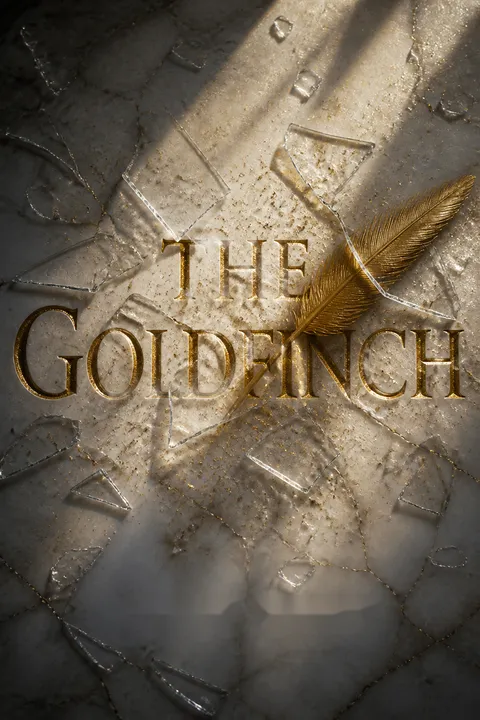


Plot Summary
The Amsterdam Hotel Room
Years after the events that made him flee, Theo Decker hides in an Amsterdam hotel, too afraid to go outside or telephone anyone. Dutch newspapers describe an unresolved killing, but he cannot read enough to know whether the police are looking for him.
Feverish and alone, he dreams of his mother, Audrey, whose death has shaped every life since. The city beyond his window glows with Christmas activity while Theo studies the room as if it were a cell. His fear has brought him to this sealed present; to explain it, he turns back to the rainy day in New York when he was thirteen.
The novel begins with consequence before cause. Theo's confinement makes memory feel less like orderly recollection than an attempt to build a map through danger. His dream of Audrey is both comfort and wound: she remains psychologically present, but only in a form he cannot reach. The cheerful city outside sharpens his isolation, while the unreadable newspapers turn language itself into a threat. By withholding the crime's full context, the opening establishes the book's central tension between what can be seen and what remains inaccessible.
The Museum Blast
That morning, Audrey takes her troubled son Theo to a school meeting after his suspension. They have barely enough money to get by since his father, Larry, abandoned them, and Theo fears the school will discover his thefts from empty Hamptons houses. A sudden storm drives mother and son into the Metropolitan Museum, where Audrey leads him through a Dutch painting exhibition.
Theo notices red-haired Pippa and her bent, kindly companion, Welty Blackwell, while Audrey studies Carel Fabritius's small painting of a chained goldfinch. She explains how beauty can carry loss within it. Before Theo can speak to Pippa, a bomb tears through the museum shop, hurling him into smoke and rubble.
The bombing erupts from an ordinary morning crowded with small failures: Theo's suspension, his father's absence, and the unspoken strain between mother and son. Audrey's attention to the painting gives the scene a moral vocabulary before disaster arrives. She sees that beauty and damage can inhabit the same image, while Theo is still absorbed in his own fear and a stranger's face. The explosion makes that lesson brutally concrete. It also ties art to contingency: one storm, one detour, and the lives of several strangers converge.
The Bird in the Rubble
When Theo wakes, the gallery has collapsed around him. He finds Welty gravely injured and tries to give him water. In his confusion, Welty asks Theo to take the goldfinch painting and presses a heavy ring into his hand, directing him toward Hobart and Blackwell, the antique shop he shared with his partner, James Hobart.
Theo cannot make sense of the instructions, but hides the painting in a shopping bag. Crawling through debris and damaged galleries, he reaches an emergency exit and emerges into rain, sirens, and crowds being pushed away from the museum. He searches the bodies for Audrey, recognizes none as her, and walks home believing she must have escaped.
Theo's survival is bound to an act of care he only partly understands. Welty gives him the painting and ring not as a calculated inheritance but as a final, urgent transfer of responsibility. The boy's concussion and shock blur the distinction between obedience, theft, and rescue, leaving him with an object he cannot safely explain. His search for Audrey ends in uncertainty rather than knowledge. That gap becomes fertile ground for guilt: because Theo cannot see what happened, he can imagine himself responsible for everything.
A Home Without Audrey
At home, Theo waits for Audrey until social workers finally tell him she died instantly in the museum bombing. With Larry gone and no dependable relatives, he is placed temporarily with the wealthy Barbour family, where his old friend Andy offers quiet companionship. Theo returns to school but cannot accept ordinary routines; his classmate Tom Cable avoids him, and Theo turns his guilt into rage at the boy whose cigarette suspension had put Audrey on the road that morning.
Investigators question Theo about the blast, but his concussion and fear keep him from identifying his location or mentioning the painting. When Andy's mother notices the antique ring, she recognizes the engraved name Blackwell, giving Theo a reason to seek its owner.
The adults around Theo respond with procedures, interviews, and advice, while his grief refuses to follow a procedure. His silence about the painting is not yet a confident criminal choice; it is the instinct of a frightened child trying to keep one fragile piece of the day from being taken away. Blaming Tom gives Theo a target for pain that has no manageable source. The Barbours supply shelter, but their formality also reminds him that he is a guest in another family's life.
Hobie and Pippa
Theo follows the ring's engraving to Hobart and Blackwell, where James Hobart confirms that Welty died and that Pippa survived the blast with severe injuries. Theo visits Pippa as she recovers, and the two children recognize in each other a loneliness shaped by lost mothers. Before she leaves to live with her aunt Margaret in Texas, Pippa kisses him while still muddled by pain medication.
Theo returns to the shop, where Hobie treats him as a person rather than a case to manage and lets him help in the restoration workshop. He keeps the painting instead of returning it, partly from fear and partly because it becomes his private connection to the day he lost Audrey.
Hobie's workshop offers Theo a form of attachment grounded in attention: furniture is examined, repaired, and handled with care rather than hurriedly discarded. Pippa's brief intimacy becomes magnified by Theo's grief and by their shared experience, though her injury and impending departure make the bond fragile from the start. The painting, meanwhile, changes from evidence into a private relic. Keeping it gives Theo a sense of continuity, but also turns remembrance into concealment.
Desert Rules
Theo's father returns to New York with his girlfriend Xandra and removes him from the Barbours' home, taking him to a half-empty development outside Las Vegas. There Theo learns that Larry's supposed sobriety masks gambling, betting debts, and prescription-drug use. Xandra works nights at a casino bar and resents being made responsible for a teenager.
In the desert, Theo befriends Boris Pavlikovsky, a restless Ukrainian-Australian boy whose alcoholic father is often absent or violent. The boys steal food, drink, smoke, and spend long nights together, while Theo hides the wrapped painting in his room. Their friendship gives him a companion, but also normalizes the risky ways both boys have learned to endure neglect.
Las Vegas strips away the social protections of New York and leaves Theo in a household organized around adult appetite. Larry's charm can briefly imitate fatherhood, but gambling and drugs keep his attention unstable. Boris recognizes this instability without moralizing, which makes him both a source of comfort and a powerful model for evasion. Their companionship is genuine, yet its intimacy forms in the absence of supervision, making danger feel less like an exception than a shared language.
The Night Theo Leaves
Larry's gambling debts draw the attention of Bobo Silver, who visits the house to demand payment. Before Theo can understand the danger, Larry dies in a drunk-driving crash. At the chaotic gathering afterward, Theo and Boris take cash and drugs from Xandra's bedroom, where Theo also finds Audrey's stolen emerald earrings.
Theo decides to flee before child services can place him in foster care, but Boris will not leave Kotku and Las Vegas with him. He helps Theo conceal tiny dog Popper in a bag, then gives him drugs and sends him toward the bus station. Theo rides across the country with Popper and the goldfinch, returning to New York alone.
Larry's death does not restore Theo's family; it removes the last adult tie while exposing how little stability that tie contained. The emerald earrings confirm that Larry's betrayals reached into Audrey's life long before the bombing. Theo's escape is an improvised act of self-preservation, but Boris's refusal to join him reveals the limits of their brotherhood: affection cannot make either boy ready to choose the same future. Popper, initially an inconvenient companion, becomes a responsibility Theo refuses to abandon.
A Workshop for Shelter
Back in New York, Theo cannot rely on the Barbours: Mr. Barbour, in a manic episode, mistakes him for a beggar, while Andy is away. Theo reaches Hobie's townhouse, where Pippa is briefly visiting, and Hobie lets him stay. With lawyer George Bracegirdle's approval, the arrangement becomes an informal guardianship, and Theo enters an early-college program.
He spends his days helping Hobie restore furniture, learning woods, joinery, gilding, and the difference between genuine wear and a false imitation. The painting remains wrapped and hidden beneath his bed. At first the shop gives Theo structure and belonging; it also teaches him techniques that will later let him deceive customers.
Hobie's care is unusually nonintrusive: he offers food, work, and a place in the house without demanding that Theo perform grief correctly. The workshop makes restoration a practical education in patience, but it also teaches that appearances can be manipulated convincingly. Theo's hidden painting and his new craft therefore develop side by side: one object he refuses to surrender, one skill he may use to alter the truth. The refuge contains the seed of his later ethical compromise.
The Years of Drift
As the years pass, Theo neglects school and becomes indispensable to Hobie's struggling business. He raises prices, charms buyers, and eventually sells Hobie's cleverly reconstructed furniture as authentic antiques, using the profits to pay taxes and keep the shop open. At the same time, he develops a serious opioid habit, hiding it behind polished clothes and reliable work.
He loses touch with Andy until Platt, years later, tells him that Andy and their father drowned after a boating accident off Maine. Theo's guilt about his own father's death and his distance from Andy deepen his isolation. The goldfinch remains sealed in a storage locker, protected but unseen.
Theo's fraud begins as rescue: he sees Hobie's generosity endangering the shop and believes he can keep it alive by exploiting what customers want to believe. Each successful sale makes the deception easier to rationalize and harder to reverse. His addiction performs a similar function internally, suppressing grief while preserving a public image of competence. The hidden painting and the hidden habit mirror one another: both are kept out of sight, and both quietly govern the life built around them.
The Engagement Bargain
Theo reunites with the Barbours and begins seeing Andy's sister Kitsey, whose affection revives the family's old welcome. She is lively and socially assured, and her mother is delighted when they become engaged. Theo tells himself the marriage will give him a stable future and soothe the family grief they share.
Yet he remains obsessed with Pippa, while Kitsey secretly continues an affair with Tom Cable, Theo's former schoolmate. Meanwhile, antique buyer Lucius Reeve challenges Theo over a falsely represented chest-on-chest and hints that he knows about the missing museum painting. Theo offers to buy the furniture back, but Reeve's pressure makes clear that Theo's two concealed worlds are beginning to converge.
The engagement is a mutually useful arrangement as much as a romance: Theo gains belonging and a plausible future, while Kitsey can satisfy her mother's hopes without relinquishing her private attachment to Tom. Neither is simply lying for advantage; both are protecting a version of life they cannot quite inhabit honestly. Reeve's accusation threatens to expose Theo's fraud, but it also makes his deeper secret feel newly vulnerable. His polished adult identity is less a cure for grief than an elaborate screen.
Boris Names the Theft
Boris reappears in New York after years away, now wealthy through a shadowy international business. He admits that, before Theo fled Las Vegas, he stole the original goldfinch from Theo's room and substituted a civics workbook wrapped to match it. Boris kept the painting, then used it as collateral in a criminal art network involving the dealer Horst and associates in several countries.
Theo realizes that the object he has guarded in storage is only Boris's decoy. Boris says he has traced the original to people connected to Horst's circle and wants Theo's help recovering it. The revelation transforms their friendship: Boris's old loyalty and betrayal have been inseparable for years.
The switch reinterprets Theo's private history. For years, he has treated the wrapped parcel as proof that the painting remained safely with him, while the object itself has been elsewhere, circulating through a world he could not imagine. Boris's betrayal was partly theft, partly protection, and partly appetite; none of those motives cancels the others. Their friendship has always mixed intimacy with reckless use of one another, and the revelation forces Theo to face how badly he needs Boris despite knowing he cannot fully trust him.
The Party Becomes a Getaway
After a late conversation with Pippa, who returns to New York and listens as Theo describes their shared losses, Theo attends his engagement celebration with Kitsey. Boris arrives and urges him to come to Amsterdam to reclaim the painting. Earlier, Theo has seen Kitsey with Tom and understands that their marriage rests on mutual convenience more than exclusive love.
He leaves the party without resolving the engagement, takes his passport and cash, and flies with Boris to the Netherlands. Boris explains that the painting is being held by Sascha's associates and that a hurried exchange has been arranged. Theo goes along, still hoping the original can be recovered without another life being destroyed.
Theo's departure is both escape and pursuit. He abandons a social future that already feels false, but he also follows Boris into a dangerous transaction because the painting has become the one object around which he can still imagine making amends. Pippa's attention briefly offers the closeness he longs for, while her refusal to be claimed keeps that longing unresolved. The party's polished abundance contrasts with the improvised criminal plan waiting beyond it.
The Garage Shootout
In Amsterdam, Boris's contacts arrange a meeting at a closed vegetarian cafe, where Theo is meant to pose as the buyer. The men on the other side delay the exchange, and Boris senses a trap. A confrontation follows in a parking garage: an armed associate, Martin, tries to take the painting, while an Asian courier boy escapes with the wrapped original.
Boris and Theo scramble for cover. Theo grabs a fallen gun and shoots Martin, killing him; Boris is wounded but alive. They leave the scene in a stolen car, with no painting and no clear way to undo what Theo has done. The killing brings Theo's old museum trauma into the present as an act of his own.
The exchange converts Theo's long-contained fear into immediate action. He has spent years imagining himself as a witness to catastrophe, but now his hand fires the weapon that makes catastrophe irreversible. The escaped painting sharpens the irony: the object they risked everything to recover is lost again, while Theo acquires a guilt no explanation can erase. Boris's criminal fluency helps them survive the moment, but also keeps them moving before either can reckon with it.
The Painting Comes Home
After Theo returns to New York, Boris finally explains the plan he set in motion: he planted evidence linking Sascha to the stolen-art cache in Frankfurt, prompting police to raid the apartment and recover the goldfinch with other missing works. The museum's masterpieces are publicly reported as found, and Boris receives a large reward, part of which he gives to Theo.
Theo uses the money to approach the clients who bought his fraudulent furniture and buy back the pieces, trying to limit the damage to Hobie's reputation. His engagement to Kitsey remains unresolved rather than neatly ended. In his final reflections, Theo accepts that the painting's meaning lies not in ownership but in the chain of people who preserved and loved it.
The recovery does not erase the violence or make Theo's choices clean. Boris secures the painting through deception, just as Theo once hid it through fear, and the reward converts a criminal chain into a public return without settling every moral debt. Theo's restitution to furniture buyers is a limited attempt to repair harm, not a return to innocence. The ending locates hope in transmission: beauty survives because imperfect people keep passing it on, even when their motives and methods are compromised.
Analysis
The Goldfinch asks what happens when an object becomes a substitute for a life that cannot be restored. Theo's attachment to the painting begins in the wreckage of the museum and grows through secrecy: it gives him a private continuity with Audrey, Welty, and a moment when care seemed possible. But possession does not preserve that moment. It isolates Theo from the public life of the artwork and turns remembrance into a source of risk. Hobie's restorations offer a countermodel. He repairs damage while allowing evidence of age to remain; Theo initially learns the same attention, then converts it into fraudulent control.
The book's moral world resists neat accounting. Theo's concealment protects him, his fraud keeps Hobie's shop alive, and Boris's theft ultimately leads to the painting's recovery, but none of these benefits cancels the harm each person causes. Chance and responsibility coexist. Theo did not cause the museum bombing, yet his later choices are real choices, even when grief and addiction narrow his sense of possibility. His first-person account is therefore neither an acquittal nor a reliable ledger. He notices exquisite detail but can misread motives, especially when longing supplies the interpretation.
Art matters here not because beauty makes suffering worthwhile, but because it can interrupt the numbness that suffering produces. The goldfinch's visible chain does not resolve its captivity; it makes the condition impossible to ignore. Likewise, the painting cannot return Theo's mother or make his life innocent again. Its survival instead depends on imperfect acts of attention, from Audrey's looking to Welty's care and the people who eventually recover it. The closing vision is not a simple celebration of beauty. It is a defense of caring for what cannot be owned without cost, and of passing it forward despite the damage carried by those who do the passing.
Review Summary
The Goldfinch received mixed reviews, with many praising Tartt's prose and character development while others criticized its length and pacing. Readers found the novel immersive and emotionally resonant, particularly in its exploration of loss, art, and human connection. Some felt the book was overlong and self-indulgent, while others considered it a masterpiece. The story of Theo Decker and the painting he steals captivated many readers, though some found the plot implausible. Overall, the novel elicited strong reactions, both positive and negative, from its audience.
People Also Read








Characters
Theo Decker
The haunted apprenticeTheo is a watchful, verbally gifted boy who is more at ease observing other people's rooms and habits than explaining his own. His closeness to Audrey gives him a strong sense of beauty and a fragile sense of safety; losing her leaves him searching for both in objects, places, and people. He is curious, charming, and capable of loyalty, but he also avoids painful truths and learns to turn perception into persuasion. His eye for detail becomes a strength in Hobie's workshop and a danger in the antiques trade. Theo's central struggle is not simply choosing right over wrong, but learning whether he can live honestly with the grief and appetite that shape him.
Audrey Decker
Theo's vivid compassAudrey is Theo's loving, perceptive mother, a former model who studied art history and still looks at paintings with a scholar's attention. She brings warmth to ordinary encounters, speaking easily with doormen and making a small life feel vivid despite money trouble and her husband's unreliability. Her bond with Theo is affectionate but not effortless: his adolescent secrecy and her worry create a final morning of awkwardness before the museum visit. Audrey's way of seeing art teaches Theo to notice that beauty carries evidence of time, damage, and loss.
James Hobart
The patient restorerHobie is Welty's business partner, a gifted furniture restorer whose knowledge is matched by a gentle, absent-minded manner. He is less interested in selling than in understanding how an object was made and how it can be repaired without erasing its history. With Theo, he offers practical work, meals, attention, and a form of trust that never feels like an interrogation. His generosity can leave him vulnerable in business, but it is also the quality that makes his home a refuge. Hobie embodies care as a repeated physical practice: examining, mending, and passing things on.
Boris Pavlikovsky
Theo's unruly brotherBoris is a Ukrainian-Australian teenager raised across countries by a volatile, alcoholic father. He is funny, quick-thinking, linguistically gifted, and accustomed to making a life from whatever is available. His appetite for risk coexists with a vivid capacity for affection; he can steal, lie, and drink recklessly while also caring for Theo and neglected animals. Boris treats identity as flexible and friendship as a form of family, though his survival strategies often injure the people closest to him. His confidence is both his charm and his danger.
Pippa
The distant red-haired friendPippa is the red-haired girl Theo notices in the museum, a talented young musician with a quick, offbeat manner and a deep attachment to sound, books, and animals. She has already lost her mother and is close to Welty, who has helped raise her. A severe head injury leaves her navigating pain, fatigue, and changes to the future she imagined for herself as a performer. Pippa is compassionate without being easily possessed by another person's longing. Her shared history with Theo creates genuine intimacy, but she retains her own judgments and boundaries.
Welty Blackwell
The generous art dealerWelty is Hobie's elegant, hunchbacked business partner and Pippa's beloved uncle. Raised partly in Cairo, he is sociable, discreet, and unusually good at recognizing what people need from an object or from another person. His knowledge of antiques is joined to a gift for matchmaking between collectors and the things they will cherish. Theo meets him only briefly, but Welty's kindness and final act of trust shape the boy's path toward Hobie and the art world.
Andy Barbour
Theo's first true friendAndy is a brilliant, awkward, and sensitive boy whose dry humor often hides how painfully isolated he feels among his athletic siblings and classmates. He and Theo become friends after being bullied at school, and Andy offers companionship without demanding that Theo explain his grief. His scientific interests, precision, and remote manner distinguish him from the Barbour family's social confidence. Andy is deeply affected by his father's illness and by a household where attention is unevenly distributed.
Samantha Barbour
The composed benefactorSamantha is Andy's mother, an elegant, reserved woman whose social poise can look like coldness. She intervenes quietly to protect Theo from the harsher machinery of child services and offers him a place in her home. Her restraint is a form of control, but it also conceals real loyalty and grief. Samantha values family stability, fine art, and carefully managed appearances, sometimes struggling to recognize the needs of the child who does not fit her expectations.
Chance Barbour
The restless sailing fatherChance is Andy's father, a wealthy lawyer whose charm and expansive enthusiasms can brighten a room. Sailing gives him a sense of freedom and identity, though his intensity and periods of instability unsettle his family. He is affectionate in flashes, especially with his children, yet his illness makes him unpredictable and difficult to reach. Chance's love of the sea is sincere, but it can become an appetite that overrides caution.
Larry Decker
The charming absconderLarry is Theo's father, a former actor whose easy charm can win strangers over even as he disappoints his family. He drinks, gambles, and evades responsibility, leaving Audrey and Theo to manage the practical and emotional costs. He can be affectionate and entertaining, particularly when sharing films or stories, which makes his failures harder for Theo to dismiss. Larry's need to reinvent himself repeatedly is both a source of charisma and a way of escaping accountability.
Xandra Terrell
The uneasy Vegas guardianXandra is Larry's girlfriend, a casino bar manager who is blunt, energetic, and often unsure how to live with a teenager she did not choose. She dislikes being cast as a substitute mother and protects her own independence, yet she can show flashes of practical concern. Xandra's life in Las Vegas is shaped by work, money, drugs, and a desire to keep moving. Her rough manner makes her difficult for Theo to trust, even when she is not his immediate threat.
Kitsey Barbour
The polished social heirKitsey is Andy's younger sister, sociable, beautiful, and adept at moving through the rituals of a wealthy New York family. As a child she resents Theo's presence; as an adult she is warm and engaging, but avoids emotional subjects that threaten her composure. She wants to please her mother and to build a secure future, while also carrying private desires she does not easily disclose. Her ease in company contrasts with Theo's vigilance and makes their relationship both comforting and unstable.
Platt Barbour
The volatile older brotherPlatt is Andy's older brother, athletic, privileged, and accustomed to occupying the center of the family. His early cruelty toward Andy is intensified by competition for their parents' attention and by a household that rewards confidence over sensitivity. As an adult he carries a strained, self-conscious manner beneath his old arrogance. Platt is capable of acknowledging pain, but shame and resentment often make his attempts at honesty uneven.
Horst
The underground art brokerHorst is a cultivated but unstable art dealer who moves stolen works through an international network. He knows paintings deeply and can speak with genuine insight about technique, yet his connoisseurship exists alongside addiction and criminal opportunism. Horst is not merely a villainous collector: he is intellectually alive to the works he handles, which makes the gap between appreciation and exploitation especially stark.
Lucius Reeve
The menacing collectorReeve is a wealthy, socially adept collector who buys a piece from Theo and insists on controlling the terms of their dealings. He is observant, self-assured, and skilled at applying pressure while sounding reasonable. Reeve's polished manners conceal a readiness to exploit any advantage he discovers, making him difficult for Theo to read or safely dismiss.
Tom Cable
Theo's reckless schoolmateTom is Theo's brash, risk-seeking school friend in New York, drawn to trespassing, mockery, and the thrill of getting away with things. Their friendship is built on shared mischief and sharp-edged humor, but Tom is less dependable when consequences arrive. He is socially agile in ways Theo is not, and his presence links Theo's adolescent rebellion to the more polished deceptions of adult life.
Kotku
Boris's fierce first loveKotku, whose given name Theo never firmly retains, is an older student from Las Vegas with a hard exterior and a history of instability. Boris sees her vulnerability and bravery, while Theo initially judges her through school gossip and his fear of losing his friend. Her bluntness and survival instincts unsettle both boys, but she is more than the delinquent caricature they imagine: she has endured experiences they barely understand.
George Bracegirdle
Audrey's cautious lawyerBracegirdle is Audrey's lawyer and the custodian of the education funds she set aside for Theo. He is cultivated, practical, and more perceptive than Theo first realizes. His concern is to protect Theo's future from financial exploitation, even when his preferred solution is to send the boy away to school. He represents adult responsibility at its most useful, though his legal caution can feel to Theo like another threat of separation.
Plot Devices
The Goldfinch
A portable burden of beautyFabritius's small painting first appears as the image Audrey studies with Theo in the museum. Its physical beauty, history of survival, and chained bird make it both an artwork and a private emblem of captivity, loss, and endurance. Theo takes it from the wreckage and keeps it hidden; Boris later steals the original and substitutes a school workbook, while the authentic painting enters an illicit network. Its movement links the museum disaster, Theo's secrecy, Boris's criminal world, and the final recovery. The painting's meaning changes with each owner, but its material vulnerability remains constant.
Welty's Ring
A key to unexpected shelterWelty gives Theo his ring in the rubble and directs him to Hobart and Blackwell. The engraved name leads Theo to Hobie, connecting a dying stranger's final act to the household that will shelter him. The ring is also physical evidence that Theo was close to Welty at the museum, a fact that could expose Theo's role in the painting's disappearance. It therefore functions in two opposing ways: as the object that brings Theo toward care, and as a trace of the secret he works to conceal.
Restored Antiques
Craft turned into deceptionHobie's workshop teaches Theo how to identify age, repair damaged furniture, and distinguish authentic wear from careless imitation. Hobie's reconstructed pieces, made from salvaged period materials, are intended as creative restorations rather than deliberate forgeries. Theo later exploits their plausibility, sells them as genuine antiques, and uses the proceeds to keep the business solvent. The craft becomes a plot mechanism for both rescue and betrayal: Theo's skill protects Hobie's shop financially while exposing it to reputational and legal ruin.
The Hidden Workbook
A theft concealed in plain sightBoris replaces the wrapped painting with a civics workbook of matching size and weight, leaving Theo to believe the original remains with him. The substitution exploits Theo's intoxication, grief, and refusal to unwrap the parcel. The workbook's cheerful lessons about citizenship become an ironic disguise for an object trafficked through criminal hands. Its eventual discovery forces Theo to re-evaluate years of memory and trust, showing how easily a familiar package can preserve the wrong truth.
The Framed Narration
Memory catches up with dangerThe novel opens with adult Theo hiding in an Amsterdam hotel while a Dutch murder story unsettles him, then returns to his childhood and moves forward until the past reaches that crisis. This structure makes the reader experience his history as both confession and delayed explanation. Theo's account is perceptive about objects and other people's habits, but distorted by grief, drugs, shame, and incomplete information. The frame creates suspense while also making memory itself part of the plot: details first understood as emotional fragments later acquire practical consequences.
FAQ
Synopsis & Basic Details
What is The Goldfinch about?
- A boy's life altered: The Goldfinch follows Theo Decker's life after a terrorist bombing at the Metropolitan Museum of Art kills his mother. He is left with a small painting, "The Goldfinch," which becomes a symbol of his loss and a catalyst for his journey.
- A journey through loss: The story explores Theo's struggles with grief, guilt, and identity as he navigates a series of complex relationships and dangerous situations. He moves from New York to Las Vegas and then back to New York, each location shaping his experiences.
- A search for meaning: The novel delves into themes of art, beauty, and the search for meaning in a chaotic world, as Theo grapples with the consequences of his choices and the weight of his past.
Why should I read The Goldfinch?
- Rich character study: The novel offers a deep dive into the complex psychology of its characters, particularly Theo, whose internal struggles and emotional journey are both compelling and heartbreaking.
- Intricate plot and themes: The Goldfinch weaves together a complex plot with profound themes of loss, love, art, and the search for meaning, creating a rich and thought-provoking reading experience.
- Beautiful prose and vivid imagery: Donna Tartt's writing is known for its lyrical prose and vivid descriptions, immersing the reader in the story's atmosphere and emotional landscape.
What is the background of The Goldfinch?
- Art world backdrop: The novel is set against the backdrop of the art world, exploring themes of beauty, value, and authenticity. The Metropolitan Museum of Art and the world of antique dealing play significant roles in the story.
- Post-9/11 anxieties: The bombing at the museum reflects the anxieties and fears of the post-9/11 era, adding a layer of tension and unease to the narrative.
- Exploration of American culture: The novel explores different aspects of American culture, from the wealthy elite of New York to the transient world of Las Vegas, highlighting the contrasts and complexities of American life.
What are the most memorable quotes in The Goldfinch?
- "Things would have turned out better if she had lived.": This quote encapsulates Theo's deep-seated grief and the sense of loss that permeates his life after his mother's death, highlighting the pivotal role she played in his happiness.
- "People die, sure. But it's so heartbreaking and unnecessary how we lose things. From pure carelessness.": This quote reflects the novel's themes of loss and the fragility of life, emphasizing the importance of cherishing what we have.
- "The absurd does not liberate; it binds.": This quote, from Albert Camus, sets the tone for the novel's exploration of the human condition, highlighting the sense of entrapment and the search for meaning in a chaotic world.
What writing style, narrative choices, and literary techniques does Donna Tartt use?
- First-person perspective: The novel is narrated from Theo's point of view, allowing readers to intimately experience his thoughts, emotions, and perceptions, creating a strong sense of empathy and connection.
- Descriptive and atmospheric prose: Tartt's writing is characterized by its rich, detailed descriptions and evocative imagery, immersing the reader in the story's settings and emotional landscape.
- Use of foreshadowing and callbacks: The novel employs subtle foreshadowing and callbacks, creating a sense of interconnectedness and highlighting the cyclical nature of Theo's experiences.
Hidden Details & Subtle Connections
What are some minor details that add significant meaning?
- Goldie's name: The doorman's nickname, "Goldie," foreshadows the significance of the goldfinch painting and the theme of value and worth that runs throughout the novel. His real name, "Burt D.," is a mundane contrast to his nickname, highlighting the gap between appearance and reality.
- The candy-striped umbrella: The description of the umbrella as "tiny" and "candy-striped" emphasizes its fragility and the fleeting nature of happiness, contrasting with the tragic events that follow. It also becomes a symbol of Theo's mother.
- The cab's smell: The description of the cab's smell as "dirty diapers" and "coconut air freshener" foreshadows the unpleasant and chaotic events that are about to unfold, creating a sense of unease and foreboding.
What are some subtle foreshadowing and callbacks?
- Goldie's comment about summer: Goldie's longing for summer and the quietness of the city foreshadows the emptiness and isolation that Theo experiences after his mother's death, highlighting the loss of normalcy.
- The "time warp": Theo's mother's comment about a "time warp" on Fifth Avenue foreshadows the way the past continues to haunt Theo, blurring the lines between memory and reality.
- The butterfly in the still life: The description of the butterfly in the still life as "stillness with a tremble of movement" foreshadows the themes of life and death, and the delicate balance between them, which are central to the novel.
What are some unexpected character connections?
- Hobie and Mrs. Barbour: The connection between Hobie and Mrs. Barbour through her family's history as collectors reveals a hidden network of relationships within the art world, highlighting the interconnectedness of seemingly disparate characters.
- The old man and Pippa: The old man's connection to Pippa, and his mistaken identity of Theo as someone else, reveals a hidden history and a sense of shared destiny, highlighting the interconnectedness of lives and the cyclical nature of time.
- Tom Cable and the Barbours: The revelation that Tom Cable's sister dated Platt Barbour highlights the interconnectedness of the characters and the small world of the Upper West Side, adding a layer of complexity to their relationships.
Who are the most significant supporting characters?
- Hobie: Hobie serves as a father figure and mentor to Theo, providing him with a sense of stability and purpose. His knowledge of art and craftsmanship offers Theo a path to self-discovery and a connection to his mother's interests.
- Boris: Boris is a complex and influential figure in Theo's life, representing both the allure of recklessness and the possibility of redemption. His friendship with Theo is marked by both loyalty and betrayal.
- Pippa: Pippa is a kindred spirit for Theo, sharing a deep understanding of loss and trauma. Her presence is a source of both longing and comfort, representing the possibility of connection and healing.
Psychological, Emotional, & Relational Analysis
What are some unspoken motivations of the characters?
- Theo's desire for connection: Theo's unspoken motivation is his deep-seated need for connection and belonging, which drives his relationships with his mother, Hobie, Boris, and Pippa. He seeks to fill the void left by his mother's death.
- Hobie's need to preserve: Hobie's unspoken motivation is his desire to preserve beauty and craftsmanship, which stems from his own sense of loss and his belief in the power of art to transcend time and tragedy.
- Boris's search for belonging: Boris's unspoken motivation is his search for belonging and acceptance, which leads him to form intense but often destructive relationships. He seeks to create a sense of family and connection in a world that has often rejected him.
What psychological complexities do the characters exhibit?
- Theo's survivor's guilt: Theo exhibits complex psychological traits, including survivor's guilt, which manifests in his self-destructive behavior and his inability to move on from his mother's death.
- Hobie's avoidance of conflict: Hobie's psychological complexity is evident in his avoidance of conflict and his tendency to retreat into the world of art and craftsmanship, which serves as a refuge from the harsh realities of life.
- Boris's self-destructive tendencies: Boris's psychological complexity is evident in his self-destructive tendencies and his inability to form lasting relationships, which stem from his own traumatic past and his search for meaning.
What are the major emotional turning points?
- The museum bombing: The bombing is a major emotional turning point, marking the loss of Theo's mother and the beginning of his journey through grief and trauma. It sets the stage for all the events that follow.
- Pippa's departure: Pippa's departure to Texas is a major emotional turning point, highlighting Theo's fear of abandonment and his inability to form lasting connections. It underscores his sense of isolation and loss.
- Boris's confession: Boris's confession about stealing the painting is a major emotional turning point, forcing Theo to confront the consequences of his actions and the complexities of his relationship with Boris.
How do relationship dynamics evolve?
- Theo and Hobie: Their relationship evolves from a temporary refuge to a deep bond based on shared interests and mutual respect. Hobie becomes a father figure for Theo, offering him guidance and support.
- Theo and Boris: Their relationship evolves from a close friendship to a complex dynamic marked by loyalty, betrayal, and shared trauma. Their bond is tested by their differing paths and the consequences of their actions.
- Theo and Kitsey: Their relationship evolves from a superficial connection to a strained engagement, highlighting the emptiness of their attempts to find solace in societal norms. Their relationship is ultimately undone by their inability to connect on a deeper level.
Interpretation & Debate
Which parts of the story remain ambiguous or open-ended?
- The true nature of the old man's words: The old man's dying words to Theo remain ambiguous, leaving the reader to wonder about their true meaning and significance. His references to Mozart and Groppi's add to the mystery.
- The fate of the painting: While the painting is recovered, its ultimate fate remains open-ended, leaving the reader to ponder its true value and its impact on Theo's life.
- The nature of Theo's redemption: The novel's ending leaves the reader to question the true nature of Theo's redemption, as he continues to grapple with his past and the consequences of his choices.
What are some debatable, controversial scenes or moments in The Goldfinch?
- Theo's drug use: Theo's descent into drug use is a controversial aspect of the novel, raising questions about his moral character and the nature of addiction. Some readers may find his actions self-destructive and difficult to sympathize with.
- Theo's relationship with Kitsey: Theo's engagement to Kitsey is a controversial aspect of the novel, as it highlights his inability to form genuine connections and his tendency to seek solace in superficial relationships.
- The ending: The novel's ending, with its open-ended nature and lack of clear resolution, is a source of debate among readers. Some may find it unsatisfying, while others may appreciate its ambiguity and realism.
The Goldfinch Ending Explained: How It Ends & What It Means
- Theo's acceptance of loss: The ending sees Theo accepting the loss of his mother and the impossibility of recapturing the past. He finds a way to move forward, though his life is forever marked by his experiences.
- The painting's symbolic return: The return of the painting symbolizes Theo's journey towards redemption and his attempt to reconcile his past with his present. It represents the enduring power of art and its ability to transcend time and tragedy.
- Ambiguity and open-endedness: The ending is deliberately ambiguous, leaving the reader to ponder the true meaning of Theo's journey and the nature of his future. It highlights the complexities of life and the impossibility of finding easy answers.
About the Author

Download PDF
Download EPUB
.epub digital book format is ideal for reading ebooks on phones, tablets, and e-readers.








