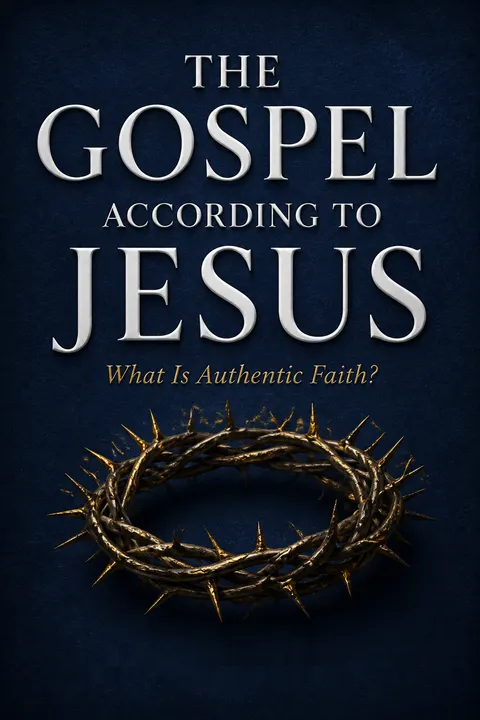


Key Takeaways
Receive Jesus as Lord, not as a Savior whose authority can wait
The claim is indivisible. MacArthur argues that the gospel presents Jesus as both rescuer and ruler. The New Testament word kurios means Lord or master, while doulos describes a slave who belongs to a master. The book sees these ideas as inseparable: to trust Christ is to recognize his authority, not to reserve the right to obey only when convenient. Jesus’ calls to deny oneself, follow him, and obey are therefore not advanced options for especially devoted Christians, but part of the summons to faith.
Freedom through allegiance. The author does not claim that surrender earns salvation. He argues that grace changes a person’s allegiance, freeing the believer from sin’s rule and orienting life toward Christ. The language of slavery is deliberately stark, though it should not be confused with approval of human slavery.
The argument’s strength is its refusal to reduce faith to agreement with religious claims. It treats trust as relational allegiance: a person does not merely believe that a ruler exists, but recognizes that ruler’s claim. That distinction helps explain why the author sees obedience as an outcome of faith rather than its purchase price. The slavery metaphor, however, carries moral associations that cannot be erased by saying the master is benevolent. Its force depends on the theological claim that submission to Christ liberates from sin, not on any general defense of human domination.
Look for a new birth, not a more impressive religious résumé
Religion cannot regenerate. In John 3, Nicodemus approaches Jesus as a respected teacher and religious authority. Jesus does not congratulate him on his learning or discipline. He says that entry into God’s kingdom requires birth from above, a change that a person cannot produce by effort. MacArthur reads Jesus’ language about water and Spirit through the Old Testament promise of cleansing and a new heart, especially Ezekiel 36. The point is transformation by God, not ritual achievement.
Information is not life. Nicodemus initially recognizes Jesus as a teacher sent by God, but that incomplete judgment does not amount to saving faith. The encounter challenges the assumption that morality, expertise, or religious status can bridge the distance between a person and God. In the book’s account, salvation begins with divine action that makes a new response possible.
Nicodemus is a sharp case against the idea that religious fluency guarantees spiritual understanding. The distinction resembles the difference between knowing the language of a discipline and being changed by what it teaches. Yet the metaphor of new birth also sets a demanding limit on self-help: it presents conversion as gift and dependence, not a project of self-improvement. That can comfort people exhausted by moral striving, while leaving an important pastoral question: how can communities speak of divine transformation without treating every slow or uneven change as proof that nothing happened?
Treat repentance as a changed direction, not regret alone
A whole-person turn. MacArthur uses the Greek term metanoia for repentance, but argues that its biblical meaning is more than changing one’s opinion. It involves recognizing personal sin, turning from it toward God, and intending to serve God. Sorrow may accompany repentance, but sorrow by itself is not the same thing: Judas felt remorse, and the rich young ruler left distressed, yet neither response became a turn toward Christ.
Change follows the turn. John the Baptist told tax collectors to stop taking more than they were owed and soldiers to stop abusing their power. These examples show repentance taking shape in conduct. The author insists this is not a demand to repair one’s life before asking for mercy. It is a willingness to abandon sin and seek mercy, with changed behavior as evidence of the new direction rather than payment for salvation.
The distinction between remorse and repentance is practically useful because guilt can remain self-focused: a person may hate the consequences of wrongdoing without rejecting the wrongdoing itself. The book instead connects moral recognition with a reoriented will. That connection should not be mistaken for instant moral competence. A changed direction can include setbacks, uneven progress, and dependence on help. The more precise test is not whether someone has already achieved a clean record, but whether the person is willing to face wrongdoing and move toward repair rather than defend it.
Let acknowledged need, not respectability, shape the invitation to Christ
The respectable and rejected. John’s Gospel places Nicodemus, a leading religious figure, beside a Samaritan woman whose relationships and reputation made her an outcast. Jesus challenges the teacher’s confidence in religion and brings the woman’s private life into the open. Yet he offers both the same essential hope: life from God. The contrast shows that social respectability does not remove the need for salvation, and public disgrace does not put salvation out of reach.
Welcome is not indifference. Jesus also calls Matthew, a tax collector despised for enriching himself under Roman rule. Matthew leaves his post and hosts a meal where Jesus welcomes other stigmatized people. The Pharisees object to the company he keeps; Jesus answers that the sick need a physician. In MacArthur’s reading, Christ receives sinners by confronting and freeing them from sin, not by declaring their conduct irrelevant.
These encounters resist two opposite errors: reserving religious attention for respectable people, and confusing welcome with approval. The physician image makes compassion active. A physician enters the patient’s world because the illness matters, not because it does not. The same distinction is valuable beyond religious settings: inclusion can make honest change possible when shame would otherwise drive people away. The challenge is to ensure that concern for moral transformation does not become a license for humiliating people or defining them solely by the behavior from which they need help.
Read a profession by its fruit, not by its emotional intensity
Four responses, one harvest. In the parable of the soils, seed falls on a hard path, shallow ground, thorny ground, and fertile soil. MacArthur reads the seed as God’s message and the soils as different responses to it. Some reject it, some respond briefly before hardship exposes shallow roots, and some are crowded out by worldly concerns. Only the good soil produces a harvest. Early enthusiasm or exposure to the message is not, by itself, evidence of lasting faith.
Fruit is not flawlessness. Jesus’ images of wheat and weeds, branches, and trees distinguish genuine disciples from counterfeits by the outcome of their lives. The author contrasts Judas, whose apparent association with Jesus ends in betrayal, with disciples who fail but return. True believers may sin, but the book argues that their lives will show some continuing movement toward obedience and will not settle permanently into rebellion.
The book’s strongest pastoral distinction here is between perfection and direction. A person can fail badly without failure becoming the whole story; what matters is whether the person responds to correction, seeks restoration, and shows signs of change. Still, outward conduct is imperfect evidence of inward life. People’s circumstances, capacities, and support differ, and observers can mistake visible conformity for faith or struggle for its absence. The passage is therefore most responsibly used as a call to self-examination and patient discernment, not as a shortcut to pronouncing judgment on another person’s eternal status.
Do not mistake a seeker’s urgency for willingness to surrender
The question beneath the question. A rich young ruler asks Jesus how to obtain eternal life. He is earnest, morally respected, wealthy, and eager for an answer. Jesus points him to the commandments, exposing the man’s confidence that he has kept them, then tells him to give up his possessions and follow. The demand reveals that wealth holds his deepest loyalty. He leaves grieving rather than yielding.
A costly lesson in evangelism. MacArthur recalls once leading an eager airplane seatmate through a quick profession of faith, only to discover that the man showed no continuing interest in Christianity. He later sees his mistake: he offered relief without first helping the man confront sin. Jesus’ encounter warns against treating readiness to make a decision as proof of conversion. The specific demand to sell everything addressed this ruler’s attachment, not a universal rule that every convert must liquidate possessions.
The rich ruler’s story questions a conversion model built around speed, numbers, and a tidy moment of closure. A person can sincerely want comfort, certainty, or a better life while remaining unwilling to reconsider what governs them. The narrative asks evangelists to listen for that deeper allegiance rather than simply secure a verbal response. Its caution has limits: no human guide can fully inspect another person’s motives, and pressure can imitate conviction. Honest invitation should make the stakes clear while leaving room for a person to think, ask, and respond freely.
Keep justification distinct from transformation, but never separate them
A verdict, not a wage. Justification is God’s legal declaration that a believing sinner is accepted as righteous through Christ. MacArthur illustrates it with Jesus’ parable of the tax collector who pleads for mercy and goes home justified, without first completing a program of penance. The basis is not the sinner’s moral achievement but Christ’s righteousness, counted to the believer. The book calls this imputed righteousness.
A verdict that begins a life. Justification is not the same thing as sanctification, the gradual change in character and conduct. Confusing the two would make acceptance depend on imperfect moral progress. But separating them entirely would imply that God can save without changing anyone. MacArthur argues that both belong to God’s saving work: conduct does not earn acceptance, yet genuine faith begins to produce a changed life.
This distinction protects the logic of grace. If moral improvement is the price of acceptance, no imperfect person can be secure; if moral change is irrelevant, salvation becomes detached from the life it claims to renew. The useful conceptual separation is between basis and evidence: Christ is the basis, while transformed conduct is evidence. Evidence, however, is not a simple measuring device. It can be partial, delayed, or difficult to interpret, so the distinction needs to be held with both theological clarity and pastoral restraint.
Treat the kingdom as priceless, not as a wage for religious effort
Worth makes surrender joyful. In two short parables, one man discovers treasure buried in a field and another finds a pearl beyond price. Each sells everything to obtain what matters more. MacArthur reads these figures as people who see the incomparable value of God’s kingdom and gladly relinquish rival claims. They do not purchase salvation by their sacrifices; their willingness to surrender shows how highly they value what God gives.
Grace does not rank by arrival time. In the vineyard story, workers hired at different hours receive the same daily wage. The point is not a labor policy but God’s generosity: eternal life is not allocated according to years of service. The thief who turns to Jesus at the cross receives the same salvation as a lifelong servant. The book holds together costly allegiance and unearned grace.
The treasure images clarify why sacrifice need not mean bargaining with God. The buyer gives up lesser goods because a greater good has become visible, not because the price earns the treasure’s value. The vineyard parable supplies the counterweight: length of service does not create a claim to more salvation. Together, the stories oppose both self-congratulation and the fear that grace is cheap. Their practical force depends on keeping the distinction clear: discipleship may cost a person dearly, while eternal life remains a gift rather than a salary.
Preach the narrow gate honestly, without manufacturing quick conversions
A real choice, not a sales pitch. Jesus describes two roads: one broad and popular, the other narrow and leading to life. He warns that many will claim religious standing yet fail to do God’s will. His images of a house built on rock or sand make the same point: hearing without acting cannot withstand judgment. MacArthur argues that evangelism should not promise safety through a raised hand, repeated prayer, or one-time decision when a life gives no evidence of faith.
Sow, do not coerce. The parable of wheat and weeds says believers and unbelievers live together in the world until God’s final judgment. It does not excuse tolerating destructive conduct in a church, but it does warn against taking final judgment into human hands or trying to purge society by force. The task is to proclaim the message clearly and leave ultimate judgment to God.
This approach makes evangelism less like persuasion toward a preferred statistic and more like truthful disclosure of a consequential choice. The parable of the weeds adds an important limit: confidence about the message does not grant authority to control or punish the world. That distinction can restrain religious coercion. At the same time, warnings about false assurance require care. Communities can challenge harmful behavior and invite self-examination, but they should not confuse pastoral concern with certainty about another person’s final standing.
Rely on Christ’s completed atonement, not obedience as payment
The cross is the accomplishment. MacArthur presents Jesus’ death not as an accident or defeat but as the completion of the work he came to do. In John’s account, Jesus’ final declaration signals that redemption is finished: sin’s penalty has been borne, and nothing human beings do can add to the atonement. The Jewish leaders and Roman officials act culpably, yet the crucifixion also unfolds within God’s purpose and Jesus’ willing obedience.
Obedience is the result. This completed work does not make repentance and submission ways to earn salvation. The author’s distinction is essential: Christ alone pays for redemption; the believer’s changed life is the fruit of being saved. The book closes by holding together a free offer of eternal life, the authority of Christ, and a call to repentant faith.
The finished-work claim prevents the book’s emphasis on surrender from becoming a hidden merit system. If the cross is sufficient, obedience cannot function as an installment paid toward forgiveness. It instead belongs to the consequences of receiving the gift. That distinction is conceptually clear, even if applying it to real lives is difficult: people often confuse sincere struggle with rebellion, or respectable behavior with spiritual renewal. The closing emphasis is strongest when it directs attention away from human achievement and toward the source of both acceptance and transformation.
Analysis
MacArthur’s book is an argument about the shape of saving faith, but beneath the doctrinal dispute lies a question of what counts as evidence. He rejects a model in which a remembered decision settles the matter regardless of subsequent life. Instead, he treats repentance, obedience, and perseverance as consequences that reveal whether faith is genuine. The distinction between basis and evidence is the argument’s hinge: Christ’s work, not human conduct, grounds acceptance, while conduct is offered as a sign of transformation.
That framework has considerable internal coherence. It avoids turning salvation into a moral achievement while resisting a version of grace that changes no allegiance or desire. The stories make the logic concrete: the rich ruler’s sorrow is not surrender; Zacchaeus’s restitution is not the purchase price; the tax collector’s appeal is met with acceptance rather than a probationary period.
The difficulty is epistemic and pastoral. A changed life is not a laboratory test. Human behavior is uneven, visible actions can be performed for social approval, and serious illness, trauma, limited capacity, or isolation can complicate judgments about growth. Conversely, a community may excuse influential people whose conduct contradicts their profession. The book’s emphasis on self-examination is strongest when it resists both errors: automatic assurance based on a past formula, and confident condemnation based on an observer’s incomplete view.
The central metaphor of slavery also requires careful handling. MacArthur uses it to depict belonging and obedience to Christ, while acknowledging that slavery is repugnant. The metaphor’s theological force depends on a claimed contrast between bondage to sin and liberation under a loving divine master. It should not be treated as a transferable defense of human ownership or coercion.
The result is a forceful account of evangelical Protestant salvation, not a detached survey of every Christian tradition. Its lasting value lies in making evangelism answer a harder question than whether someone said yes: what kind of trust is being invited, and what kind of life does that trust begin to form?
Review Summary
The Gospel According to Jesus receives mostly positive reviews, with readers praising its biblical foundation and challenge to easy believism. Many find it a transformative read that clarifies the true nature of salvation and discipleship. Critics argue it can be repetitive and potentially blur the line between faith and works. Some reviewers note it's controversial but appreciate MacArthur's commitment to scripture. Overall, readers recommend it as an important book for understanding Jesus' teachings on salvation and Christian living.
People Also Read









Glossary
Lordship salvation
Faith that acknowledges Christ’s ruleMacArthur’s term for the view that saving faith receives Jesus as both Savior and Lord. It includes repentance and willingness to submit to Christ’s authority, while denying that obedience earns salvation. The author argues that a changed life is the result and evidence of God’s saving work, not its price.
metanoia
Repentant change of directionThe Greek term MacArthur discusses for repentance. He argues that its biblical sense goes beyond a change of opinion to a turning from sin toward God, involving thought, feeling, and will. Changed conduct is not the payment for forgiveness, but the expected fruit of a genuine turn.
Regeneration
God’s work of new birthThe divine act by which a spiritually dead person receives new life and a changed heart. In MacArthur’s reading of Jesus’ conversation with Nicodemus, this birth is necessary for entering God’s kingdom and cannot be produced by religious effort, ritual, or learning. It begins the transformation associated with salvation.
Justification
God’s declaration of righteousnessA legal verdict in which God accepts a believing sinner as righteous because of Christ, rather than because of the sinner’s moral record. MacArthur distinguishes justification from sanctification, the gradual transformation of conduct. He also insists they belong together within salvation: transformation does not earn the verdict, but genuine faith is not fruitless.
Imputed righteousness
Christ’s righteousness credited to believersThe theological claim that God counts Christ’s perfect righteousness as belonging to the believer. It explains how a sinner can be justified without achieving sinless conduct. In MacArthur’s account, Christ’s righteousness, rather than any virtue or religious effort in the believer, is the ground of acceptance before God.
Perseverance of the saints
Genuine faith endures to the endThe doctrine that those whose faith is genuine are preserved by God and do not finally abandon Christ. It does not mean believers never sin or never experience spiritual decline. MacArthur treats enduring faith, returning from failure, and continuing evidence of spiritual life as marks of salvation, while final apostasy reveals a false profession.
Antinomianism
Grace detached from moral obedienceA theological error, as MacArthur uses the term, that separates justification from sanctification and treats obedience or holiness as unrelated to salvation. The book argues that this confuses freedom from earning salvation with freedom to remain under sin’s rule. Grace is free, but it produces a changed life.
FAQ
What's The Gospel According to Jesus about?
- Focus on Authentic Faith: The book explores the nature of true faith as defined by Jesus, emphasizing repentance and obedience to Christ's lordship.
- Jesus' Evangelistic Approach: It examines how Jesus proclaimed His gospel, stressing the necessity of repentance and submission to His lordship.
- Call to Discipleship: John F. MacArthur Jr. argues that true faith involves a commitment to follow Christ, which is often overlooked in modern evangelism.
Why should I read The Gospel According to Jesus?
- Understanding True Salvation: The book provides clarity on the nature of salvation, helping readers discern between genuine faith and superficial belief.
- Address Common Misconceptions: It challenges popular misconceptions about faith and works, clarifying that true faith must produce obedience and good works.
- Biblical Foundation: MacArthur grounds his arguments in Scripture, making it a valuable resource for anyone seeking a deeper understanding of the gospel.
What are the key takeaways of The Gospel According to Jesus?
- Lordship of Christ: Acknowledging Jesus as Lord is essential for true salvation, as genuine faith involves a repentant, submissive surrender to the truth.
- Repentance is Necessary: Genuine faith must include a turning away from sin, as highlighted in Jesus' encounters with various individuals.
- The Cost of Discipleship: Following Christ requires a willingness to forsake all, as illustrated by the rich young ruler's story.
What are the best quotes from The Gospel According to Jesus and what do they mean?
- “I did not come to call the righteous, but sinners”: This quote encapsulates Jesus' mission to seek and save those who recognize their need for salvation, contrasting with the self-righteous.
- “You must be born again”: This statement underscores the necessity of spiritual rebirth for anyone seeking to enter the kingdom of God, highlighting the transformative nature of salvation.
- “Take My yoke upon you”: This invitation signifies that true faith involves submission to Christ’s authority, emphasizing that salvation is not just about receiving but also about yielding.
How does John F. MacArthur Jr. define true faith in The Gospel According to Jesus?
- Faith and Obedience: True faith is inseparable from obedience and submission to Christ’s authority, as “Real faith obeys.”
- Repentance as Integral: Genuine faith includes a turning from sin, which is a necessary response to God’s grace.
- A Heart Change: True faith results in a transformed heart that desires to follow Christ, reflecting the essence of salvation.
What does The Gospel According to Jesus say about the relationship between faith and works?
- Faith Produces Works: Genuine faith will inevitably produce good works as evidence of salvation, with “The proof of salvation is fruit.”
- No Works for Salvation: While salvation is by grace through faith, true faith is not devoid of works; rather, it is the result of God’s work in the believer’s life.
- Misunderstanding of Grace: The book critiques the notion that faith can exist without any accompanying change in behavior, asserting that “faith that does not result in righteous living is dead and cannot save.”
How does The Gospel According to Jesus address the issue of sin?
- Sin as Central: Understanding one’s sinfulness is crucial for genuine repentance and faith, as “Salvation is not for people who want an emotional lift, but for sinners who come to God for forgiveness.”
- Confronting Self-Righteousness: MacArthur critiques the modern tendency to overlook sin in favor of a feel-good message, arguing that true salvation requires acknowledging one’s guilt.
- Transformation Required: Real salvation results in a changed life, where the believer turns from sin and seeks to live righteously.
How does John F. MacArthur Jr. address the concept of lordship in The Gospel According to Jesus?
- Essential to Salvation: Recognizing Jesus' lordship is a fundamental aspect of saving faith, as “You cannot remove the lordship of Christ from the gospel message without undermining faith at its core.”
- Misunderstood by Many: Contemporary evangelicalism often separates Jesus as Savior from His role as Lord, leading to a diluted understanding of the gospel.
- Call to Obedience: True faith is characterized by a desire to obey Christ, emphasizing that “the essence of God’s saving work is the transformation of the will.”
How does The Gospel According to Jesus differentiate between true and false faith?
- Evidence of Righteousness: True faith is evidenced by a life of obedience and good works, while false faith is characterized by a lack of spiritual fruit.
- Warning Against Hypocrisy: Many who profess faith may not truly be saved, as seen in Jesus' parable of the Pharisee and the tax collector, where only the humble were justified.
- Self-Examination: Readers are encouraged to examine their own lives for signs of genuine faith, emphasizing that true believers will demonstrate a desire for holiness and obedience.
What role does judgment play in The Gospel According to Jesus?
- Judgment for False Professors: Many who claim to know Christ will face judgment for their empty professions, as illustrated in Matthew 7:21-23.
- Call to Righteousness: True righteousness is necessary for entering the kingdom of heaven, and those who do not live according to God's standards will be excluded.
- Eternal Consequences: The seriousness of the choice between the narrow and broad ways is underscored, reminding readers that their eternal destiny hinges on their response to Christ.
How does John F. MacArthur Jr. suggest we approach evangelism based on The Gospel According to Jesus?
- Present the Full Gospel: A clear presentation of the gospel should include the necessity of repentance and the lordship of Christ, rather than a diluted message of easy-believism.
- Encourage Self-Examination: Potential converts should be encouraged to examine their hearts and consider the cost of discipleship before making a profession of faith.
- Focus on Transformation: Evangelism should highlight the transformative nature of salvation, showing that true faith results in a changed life and a commitment to follow Christ.
What examples does John F. MacArthur Jr. provide in The Gospel According to Jesus to illustrate his points?
- Nicodemus: The encounter with Nicodemus illustrates the need for spiritual rebirth and the futility of relying on religious works for salvation.
- The Rich Young Ruler: This story highlights the cost of discipleship and the necessity of prioritizing Christ over material possessions.
- Zaccheus: The transformation of Zaccheus from a corrupt tax collector to a generous giver exemplifies the change that occurs in a true believer.
About the Author
Other books by John F. MacArthur Jr.








Download PDF
Download EPUB
.epub digital book format is ideal for reading ebooks on phones, tablets, and e-readers.








