

Key Takeaways
Treat predestination as a biblical problem, not Calvin's invention
A reluctant conversion. Sproul begins as a skeptic of the Reformed doctrine. He resists it through college and seminary, then finds that Romans 9 and his study of the Bible leave him unable to dismiss it. His change begins with a principle: theology should follow what Scripture teaches, not what feels acceptable. He also notes that Augustine, Aquinas, Luther, Calvin, and Edwards defended versions of the doctrine, though their agreement cannot prove it true.
The real disagreement. Sproul argues that Christians cannot simply avoid predestination if they regard the Bible as authoritative. The dispute is about what the biblical passages mean, not whether the topic exists.
The opening story makes the argument personal without presenting conversion as proof. Its strongest intellectual point is that discomfort alone cannot settle a theological question. Its important safeguard is that respected authorities deserve a hearing, not unquestioning agreement. Readers can use the same distinction in other debates: inherited consensus may identify a serious question, while evidence and reasoning must still decide it.
If God is sovereign, no event escapes his permission
The sovereignty claim. Sproul defines divine sovereignty as God's supreme authority and power over creation. If something could happen wholly outside God's permission, then something would be beyond his rule. He illustrates the concern with a tiny failed car part that caused the death of a champion driver: a small event can redirect a human life, but, in Sproul's view, no stray event can derail God's purposes.
Permission is not authorship. The Westminster Confession, which Sproul teaches, holds that God ordains what comes to pass while neither committing sin nor eliminating creaturely freedom. Sproul acknowledges that this leaves a hard question: why did God allow sin? He says the first creature's turn toward evil remains a mystery, not a solved puzzle.
This view gives divine promises a robust foundation: history cannot escape the power of the God who makes them. It also distinguishes permission from direct causation, an important attempt to preserve moral responsibility. Yet the distinction does not dissolve the problem of evil. If God knowingly permits an event and could prevent it, readers may still ask what makes that permission righteous. Sproul treats that question as a real tension, not a clever verbal trick.
Define freedom as choosing your strongest desire, not escaping causation
Choice has motives. Sproul draws on Jonathan Edwards to reject a will that chooses from perfect neutrality. If a person has no preference or reason, it is unclear why one option would be chosen over another. Edwards instead describes the will as the mind choosing: people act on the strongest inclination they have at the moment, even when their desires conflict.
Choice is not coercion. Someone who picks dessert while trying to diet still chooses according to a desire, though the desire to indulge outweighs the desire to lose weight. A threat can narrow the options, but the resulting choice still reflects the person's motives. Sproul calls this self-determination, distinguishing it from being forced by an outside power.
This account explains why choices can be both caused by motives and experienced as one's own. It also avoids treating every unplanned impulse as morally neutral. The difficult question is whether people deserve blame when their desires are themselves shaped by nature, upbringing, and circumstance. Sproul's model clarifies what freedom means within his theology, but does not settle every philosophical dispute about responsibility.
A fallen will can choose freely while unable to love Christ
Ability has two senses. Sproul distinguishes natural ability, the ordinary power to think and choose, from moral ability, the inclination to choose what pleases God. In his account, the Fall does not erase the human will. It corrupts human desire. Augustine's distinction is that fallen people retain choice but lack liberty from sin's rule.
Sin is a condition. Sproul uses original sin to mean the corrupt condition inherited from Adam, not Adam's first act itself. People sin because their nature is bent toward sin. Thus, he argues, a person may choose freely in the sense of acting on desire, while lacking the moral desire to turn to Christ without God's help.
Separating capacity from inclination helps explain why moral inability need not mean physical compulsion. It also gives a more precise account than simply saying people are imperfect. Still, the claim that every unregenerate desire is opposed to God is a theological reading of human nature, not a neutral psychological observation. Readers should notice that the larger argument depends on accepting this view of the Fall.
Treat new birth as God's rescue of the spiritually dead
Life comes first. Sproul reads Ephesians 2 as describing people not merely as sick, but as spiritually dead. A patient may accept medicine; a dead person cannot. In his reading, God must first make the sinner spiritually alive. Regeneration, or the new birth, is God's act of giving that new life, and it comes before faith.
Grace changes desire. Sproul argues that Jesus' teaching in John 3 and John 6 makes God's action necessary before anyone can enter the kingdom or come to Christ. Faith is still the person's act, but God changes the heart so that Christ becomes desirable. Sproul calls this effectual grace: grace that accomplishes God's purpose, rather than merely making a response possible.
The distinction between creating faith and believing on someone's behalf preserves human response while making divine initiative decisive. The book contrasts effectual grace with prevenient grace, a view in which God gives people prior help that they may accept or resist. The key disagreement is what Scripture means by spiritual death and divine drawing. The image of resurrection makes Sproul's position vivid, but also reveals how much turns on that interpretation.
God's election rests on mercy, not foreseen human decisions
The Golden Chain. In Romans 8, Paul links foreknowledge, predestination, calling, justification, and glorification. Sproul argues that the sequence describes God's saving action, not merely God's advance awareness of who will believe. If the calling in this chain is God's inward work, he reasons, everyone called is justified, and God's initiative cannot be reduced to a prediction of human choice.
Romans 9 sharpens the claim. Paul describes Jacob and Esau as chosen before either had done good or evil. Sproul reads this as evidence that election depends on God's purpose, not on a future virtue or decision God sees in advance. He understands biblical foreknowledge as including God's prior relationship and love, not just information about future events.
The chain's force comes from its linked sequence: if each stage reaches the next, salvation appears secure from beginning to end. Sproul's reading of calling as inward and effective is central to that conclusion. Other Christians interpret these passages differently, especially the language of foreknowledge and election. The useful reading discipline is to distinguish what a verse explicitly states from the theological steps used to connect it to a larger system.
Adam's choice becomes humanity's condition through representative headship
Three explanations examined. Sproul rejects the view that Adam and Eve are only symbols because it does not explain why sin is universal. He also rejects realism, the theory that human souls existed in Adam and personally participated in his act. His preferred account is the federal view: Adam represented humanity, so his failure brought a fallen condition to his descendants.
Representation and responsibility. Sproul argues that God's choice of Adam as representative was perfectly informed, even though humans did not select him themselves. Romans 5, where Paul connects one man's disobedience with humanity's sin and death, is central to his case. The claim is not that later people committed Adam's particular act, but that they inherit the damaged condition it brought about.
The federal account makes sense of why the New Testament treats Adam and Christ as representative heads: what each does affects those connected to him. It also exposes a moral question rather than hiding it. Political representation is an imperfect analogy, since citizens can choose or remove leaders, while humanity did neither with Adam. Sproul's answer rests finally on God's justice and character, not on a familiar model of consent.
Distinguish God's mercy to the elect from his justice to others
An asymmetrical decree. Sproul calls election and reprobation two sides of predestination, but rejects the idea that God actively creates evil in some people as he creates faith in others. The elect receive mercy; those passed over remain in their existing sin and receive justice. In this account, no one is treated unjustly, though not everyone receives the same mercy.
Pharaoh's hardening. Sproul interprets God's hardening of Pharaoh as passive judgment: God withdraws restraints on a heart already set against him, rather than planting new evil there. He still acknowledges the difficult question of why God saves some and not all. His answer is that mercy is not owed, while justice is owed to the guilty.
The distinction between creating sin and allowing existing sin is morally important within Sproul's framework. It also shows why he rejects equal ultimacy, the claim that God works unbelief in the same direct way he works faith. But permission remains consequential: withdrawing restraint is still a choice by a sovereign God. The book's appeal to undeserved mercy clarifies its logic, while leaving readers to judge whether that logic resolves the fairness concern.
Ground assurance in God's preservation, not flawless performance
Assurance is possible. Sproul distinguishes knowing one is saved from merely claiming certainty. He says assurance rests on God's promises, the inward evidence of love for Christ, visible changes in conduct, and the Spirit's witness through Scripture. Good works do not earn salvation, but they can provide evidence of a changed life. Serious sin or suffering may weaken assurance without proving that salvation has been lost.
God preserves believers. The perseverance of the saints means that true believers continue in faith because God keeps them. Sproul points to Peter, who denied Jesus but returned, and Judas, whose betrayal ended in destruction. Biblical warnings against falling away still matter: they call believers to vigilance, while the promise of God's preservation grounds their hope.
This account separates spiritual security from the emotional feeling of security, which can fluctuate with guilt, illness, or grief. It also resists complacency by treating warnings and self-examination as part of Christian life. The caution is that inward conviction and outward fruit can be difficult to interpret, so assurance should not become a license to ignore persistent harm. Sproul's strongest anchor is not the believer's consistency, but God's promised care.
Christ's cross actually saves a people, not merely opens possibility
The question is intent. Sproul's account of limited atonement asks whether Christ's death was intended to secure salvation for particular people or only to make salvation possible for everyone. He agrees that Christ's death is sufficient in value for all and that the gospel is offered to all. His claim is that the cross effectively saves the people God gave to Christ, rather than creating a possibility that human choice may leave unrealized.
A contested reading. Sproul points to New Testament descriptions of Jesus saving his people and laying down his life for his sheep. He argues that if Christ paid for every person's sins in the same effective sense, universal salvation would follow. He therefore interprets passages about Christ dying for all in relation to the worldwide reach of the elect.
The distinction between the value of the atonement and its intended outcome is the hinge of this doctrine. It helps explain how a universal gospel invitation can coexist with a particular account of redemption. It also makes interpretation of words such as all and world decisive. Sproul acknowledges the complexity of the issue, and readers should recognize that Christians who affirm the cross's full sufficiency disagree sharply over its intended scope.
Evangelize because God ordains messengers as well as conversions
Means matter. Sproul answers the charge of fatalism by distinguishing God's personal rule from impersonal chance. A coin toss may seem random because people cannot track every cause; chance itself does not act. More practically, Romans 10 describes a sequence: people hear the gospel through preachers, and preachers must be sent. Sproul argues that God ordains these means along with the salvation they serve.
A duty and a privilege. The doctrine does not excuse silence. The church is commanded to preach, and Christians are invited to take part in the work of redemption. Sproul also reads God's statement that he does not desire anyone to perish in light of the Bible's different senses of God's will, including his commands and his disposition toward judgment.
This answer avoids the mistaken assumption that a predetermined outcome makes its causes irrelevant. In ordinary life, outcomes depend on means; in Sproul's theology, evangelism is one of God's chosen means. That can strengthen rather than diminish urgency. The remaining tension is pastoral: if salvation depends on divine initiative, the preacher cannot control the result. Sproul treats that limit not as failure, but as a reason to speak faithfully and leave conversion to God.
Analysis
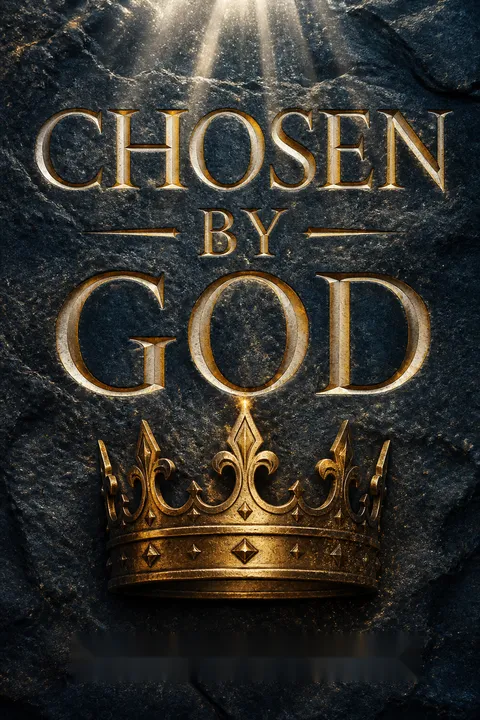
Chosen By God is both an argument for Reformed theology and a record of Sproul's own reluctant acceptance of it. Its organizing question is not simply whether humans make choices, but what makes a choice possible and what kind of freedom those choices represent. Sproul's answer is compatibilist: people choose according to their desires, yet God remains sovereign over history. The Fall, in this system, does not erase choice. It makes human desire incapable of turning to God without divine renewal.
That account gives the book a tight theological architecture. Original sin explains moral inability; regeneration explains faith; election explains why regeneration occurs in some rather than others; preservation explains why salvation reaches its intended end. The biblical passages are not isolated proof texts in Sproul's presentation. They form a connected account of human nature, grace, and redemption. This coherence is a major strength, even for readers who reject some conclusions.
The same coherence creates its main interpretive risk. The argument often depends on particular readings of terms such as calling, foreknowledge, world, and all. If those readings are accepted, the Reformed account can appear compellingly unified. If they are disputed, the system's apparent inevitability weakens. Sproul is candid that the origin of evil and God's choice to save some rather than all remain mysteries. That candor helps, but the distinction between God's permission and authorship may not satisfy everyone wrestling with responsibility and suffering.
The book is most useful when it forces careful distinctions: freedom versus autonomy, natural ability versus moral ability, assurance versus salvation, and justice versus mercy. It is less successful as a final settlement of inter-Christian disagreement than as a rigorous statement of one tradition's answer. Readers can value its intellectual seriousness while testing each exegetical step rather than assuming that a tightly connected system has therefore proved every premise.
Review Summary
Chosen by God by R.C. Sproul is a widely acclaimed book on Reformed theology, particularly predestination. Readers praise Sproul's clear explanations of complex theological concepts, his logical arguments, and his use of Scripture. Many find the book life-changing, deepening their understanding of God's sovereignty and grace. While some struggle with the implications of Calvinism, most appreciate Sproul's pastoral tone and willingness to address difficult questions. The book is considered an excellent introduction to Reformed theology, even for those who ultimately disagree with its conclusions.
People Also Read




Glossary
Predestination
God's prior ordering of destinyIn Sproul's usage, predestination concerns God's decision before a person's life about that person's final destiny, particularly salvation. The central dispute is whether God makes this choice on the basis of foreseen human faith or according to his own purpose. The book focuses on election and reprobation, not every event commonly discussed under providence.
Divine sovereignty
God's supreme ruleDivine sovereignty means that God holds supreme authority and power over creation. Sproul argues that every event occurs at least with God's permission, because anything wholly outside that permission would limit God's rule. He also insists that sovereignty does not mean God commits sin or coerces every human choice in the same way.
Free will
Choice according to desireSproul uses free will to mean the ability to choose in accordance with one's desires, rather than the ability to choose from a perfectly neutral state. A person may make a real choice without being autonomous or free from every influence. In this account, motives shape choices, while coercion differs from acting on one's own inclinations.
Moral inability
Inability rooted in desireMoral inability is the inability to choose what pleases God because a person's desires are opposed to God. It is distinct from natural inability, such as lacking the physical power to perform an action. Sproul argues that fallen people retain the natural ability to choose, but need God to change their disposition before they will turn to Christ.
Original sin
Inherited sinful conditionOriginal sin refers not to Adam's first sinful act, but to the corrupt condition that follows from it and belongs to humanity. Sproul describes this condition as a fallen nature from which particular sins arise. In the Reformed account he presents, human beings are born morally unable to live without sin or to seek Christ unaided.
Federal view of the Fall
Adam as humanity's representativeThe federal view holds that Adam acted as the representative head of the human race. His disobedience brought judgment and a fallen condition to those he represented. Sproul argues that this view best accounts for biblical passages connecting Adam's act with the sin and death of humanity, while distinguishing inherited corruption from personally committing Adam's act.
Regeneration
God's creation of spiritual lifeRegeneration is the work of God by which a spiritually dead person is made alive. Sproul treats it as a decisive beginning of new spiritual life, not a gradual improvement initiated by the sinner. In the Reformed order he defends, regeneration gives a person the disposition to believe, so it precedes faith rather than following it.
Effectual grace
Grace that accomplishes its purposeEffectual grace is God's saving work that successfully brings about the response he intends. Sproul prefers this expression to irresistible grace, because people can resist God's commands and invitations, yet God's work of regeneration achieves its purpose in the elect. The renewed person comes to Christ willingly, with desires changed by grace.
Prevenient grace
Grace given before faithPrevenient grace is a view Sproul contrasts with effectual grace. It holds that God gives people prior grace that enables them to respond to the gospel, while leaving them able to accept or refuse it. Sproul questions why some people cooperate with this grace and others do not, and whether Scripture teaches this account.
Double predestination
Election and reprobationDouble predestination refers to both God's election of some people to salvation and his decision to pass over others. Sproul rejects equal ultimacy, the view that God creates unbelief in the reprobate as directly as he creates faith in the elect. He instead describes election as active mercy and reprobation as leaving sinners to receive justice.
Foreknowledge view
Election based on foreseen faithThe foreknowledge view holds that God elects people because he knows in advance who will freely believe in Christ. Sproul argues that this reading makes the decisive basis of salvation a human choice and does not fit the sequence of calling and justification in Romans 8. Reformed theology instead sees God's foreknowledge as involving prior personal knowledge and love.
Perseverance of the saints
Believers continue in faithThe perseverance of the saints is the doctrine that true believers will not finally lose salvation. Sproul grounds this not in believers' unaided strength, but in God's preservation of them. Christians may sin seriously, lose assurance, or struggle, but God sustains their faith and brings them to final salvation.
Limited atonement
The cross secures the electLimited atonement, also called definite atonement, holds that Christ's death was intended to secure salvation for the elect, rather than merely make salvation possible for everyone. Sproul distinguishes the atonement's sufficient value for all from its effective saving purpose. He acknowledges that Christians dispute how biblical references to all and the world should be read.
Common grace
Benefits shared by allCommon grace is God's unmerited kindness to people generally, including those who are not believers. Sproul includes ordinary goods such as rain and sunshine, as well as restraints that keep evil from becoming as destructive as it could be. He uses this concept to explain how God may harden a sinner by withdrawing restraint rather than creating new evil.
FAQ
What's "Chosen By God" about?
- Overview of Predestination: "Chosen By God" by R.C. Sproul explores the doctrine of predestination, a theological concept that deals with God's sovereignty in determining the eternal destinies of individuals.
- Biblical Foundation: The book examines scriptural passages that discuss predestination, such as those in Romans and Ephesians, to provide a biblical basis for the doctrine.
- Addressing Misconceptions: Sproul aims to clarify common misunderstandings about predestination, such as its association with fatalism or the idea that it negates human free will.
- Theological Implications: The book delves into the implications of predestination for understanding God's nature, human responsibility, and the assurance of salvation.
Why should I read "Chosen By God"?
- Deepens Understanding: It provides a thorough examination of a complex and often misunderstood doctrine, enhancing your theological knowledge.
- Clarifies Misconceptions: The book addresses and corrects common misconceptions about predestination, helping readers to see it in a new light.
- Strengthens Faith: By exploring God's sovereignty and grace, the book can strengthen your faith and provide comfort in the assurance of salvation.
- Engages with Scripture: Sproul's work is deeply rooted in biblical texts, offering a scriptural perspective on predestination that is both informative and thought-provoking.
What are the key takeaways of "Chosen By God"?
- God's Sovereignty: The book emphasizes that God is sovereign over all creation, including the salvation of individuals, which is determined by His will.
- Human Responsibility: Despite God's sovereignty, humans are still responsible for their actions and decisions, which are made freely according to their desires.
- Assurance of Salvation: Sproul discusses the assurance of salvation, arguing that those who are truly elect will persevere in faith through God's preserving grace.
- Misunderstandings of Predestination: The book clarifies that predestination is not about God arbitrarily choosing some for salvation and others for damnation, but about His gracious and just nature.
What are the best quotes from "Chosen By God" and what do they mean?
- "God's sovereignty is not a threat to our freedom but the foundation of it." This quote highlights the idea that God's control over the universe does not negate human freedom but rather establishes it within His divine plan.
- "We are not saved because we are good; we are saved because God is good." This emphasizes the grace of God in salvation, underscoring that it is not human merit but divine goodness that saves.
- "The doctrine of predestination is not a doctrine of despair but of hope." Sproul argues that understanding predestination should lead to comfort and assurance, not fear or hopelessness.
- "God's grace is not merely offered; it is effectual." This quote points to the Reformed view that God's grace effectively brings about the salvation of the elect, rather than merely making it possible.
How does R.C. Sproul define predestination in "Chosen By God"?
- God's Eternal Decision: Predestination is defined as God's eternal decision regarding the eternal destinies of individuals, made before they are born.
- Not Based on Foreseen Actions: Sproul argues that God's choice is not based on foreseen human actions or decisions but solely on His sovereign will.
- Includes Election and Reprobation: The doctrine encompasses both the election of some to salvation and the passing over of others, known as reprobation.
- Rooted in Scripture: The definition is supported by biblical passages, particularly those in Romans and Ephesians, which discuss God's sovereign choice.
What is the relationship between predestination and free will in "Chosen By God"?
- Free Will Defined: Sproul defines free will as the ability to make choices according to one's desires, which are influenced by one's nature.
- Moral Inability: Due to original sin, humans have a moral inability to choose God without divine intervention, as their desires are corrupted.
- Regeneration Precedes Faith: The book argues that God must first regenerate a person's heart, giving them a new desire for Christ, before they can freely choose Him.
- No Contradiction: Sproul contends that predestination and free will are not contradictory, as God's sovereign choice ensures that the elect will freely choose Him.
How does "Chosen By God" address the concept of assurance of salvation?
- Grounded in God's Promises: Assurance of salvation is grounded in the promises of God and the work of Christ, not in human effort or merit.
- Inward and Outward Evidence: True assurance comes from both the inward witness of the Holy Spirit and the outward evidence of a transformed life.
- Perseverance of the Saints: The book teaches that those who are truly elect will persevere in faith, as God preserves them through His grace.
- Avoiding False Assurance: Sproul warns against false assurance based on misunderstandings of salvation, emphasizing the need for a correct understanding of faith and grace.
What is the role of evangelism according to "Chosen By God"?
- Divine Command: Evangelism is a duty commanded by God, and believers are called to share the gospel with others as part of their obedience to Him.
- Means to an End: God uses evangelism as a means to bring the elect to faith, aligning human efforts with His sovereign plan.
- Privilege and Joy: Evangelism is not only a duty but also a privilege, allowing believers to participate in God's redemptive work and experience the joy of seeing others come to faith.
- Not in Conflict with Predestination: The book argues that predestination does not negate the need for evangelism but rather ensures its success according to God's purposes.
How does "Chosen By God" explain the concept of double predestination?
- Positive and Negative Decrees: Double predestination involves God's positive decree to elect some to salvation and His negative decree to pass over others, leaving them in their sin.
- Not Equal Ultimacy: Sproul distinguishes between God's active intervention in the elect and His passive allowance of the reprobate to follow their sinful desires.
- Biblical Basis: The concept is supported by scriptural passages, such as Romans 9, which discuss God's sovereign choice in election and reprobation.
- God's Justice and Mercy: The doctrine highlights both God's justice in punishing sin and His mercy in saving the elect, emphasizing His righteous character.
What is the significance of God's sovereignty in "Chosen By God"?
- Ultimate Authority: God's sovereignty means that He has ultimate authority and control over all creation, including the salvation of individuals.
- Comfort and Assurance: Understanding God's sovereignty provides comfort and assurance to believers, knowing that their salvation is secure in His hands.
- Not a Threat to Freedom: Sproul argues that God's sovereignty is not a threat to human freedom but rather the foundation of it, as it ensures the fulfillment of His purposes.
- Central to Predestination: The doctrine of predestination is rooted in God's sovereign will, highlighting His power and grace in the salvation of the elect.
How does "Chosen By God" address common objections to predestination?
- Misunderstandings Clarified: Sproul addresses common objections, such as the idea that predestination negates free will or makes God unjust, by clarifying the biblical teaching on these issues.
- Not Fatalism: The book distinguishes predestination from fatalism, emphasizing that it is based on God's righteous and loving character, not on impersonal forces.
- Human Responsibility: Despite God's sovereign choice, humans are still responsible for their actions and decisions, which are made freely according to their desires.
- Biblical Consistency: Sproul argues that predestination is consistent with the overall teaching of Scripture, providing a coherent understanding of God's plan for salvation.
What is the role of grace in "Chosen By God"?
- Effectual Grace: The book emphasizes that God's grace is effectual, meaning it effectively brings about the salvation of the elect, rather than merely making it possible.
- Irresistible Grace: Sproul discusses the concept of irresistible grace, arguing that when God regenerates a person's heart, they will inevitably come to faith in Christ.
- Grace and Free Will: Grace does not violate human free will but rather transforms it, enabling individuals to freely choose Christ according to their new desires.
- Central to Salvation: Grace is central to the doctrine of predestination, highlighting God's initiative and power in saving sinners who are unable to save themselves.
About the Author
Download PDF
Download EPUB
.epub digital book format is ideal for reading ebooks on phones, tablets, and e-readers.








