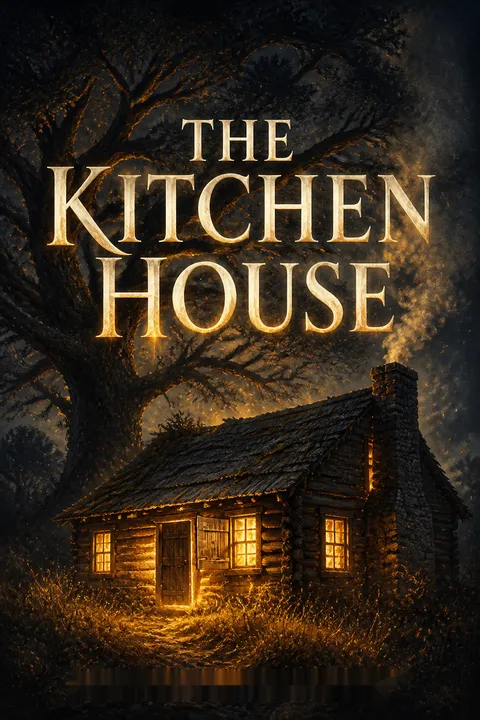


Plot Summary
Prologue
In 1810, Lavinia runs toward Tall Oaks through smoke and falling darkness, with her seven-year-old daughter struggling behind her. Brambles tear at Lavinia’s long skirts, and she slips crossing the stream, but neither delay can turn her from home.
At the hilltop, the familiar oak stands over a hanging body. Lavinia recognizes its handmade shoes and green head covering, then moves forward in shock.
The opening makes the homecoming story a race toward a catastrophe whose meaning is withheld. Lavinia’s urgency is both physical and emotional: she pushes past her daughter, the brambles, and the cold stream because fear has narrowed her world to one destination. The hanging body transforms the oak, a recurring place of childhood play and family life, into a public site of violence. By delaying the identity of the dead, the frame asks readers to hold grief before they know its cause, preparing the novel’s movement between intimate attachment and the brutal power that can destroy it.
The Irish Child Arrives
In 1791, Captain James Pyke brings seven-year-old Lavinia McCarten to his Virginia plantation. Her Irish parents have died during the voyage, and shock has erased her memory. Because the captain owes money for her passage, he assigns her to Belle, a young mixed-race woman who runs the kitchen house.
Lavinia is too sick to keep food down, so Belle’s stern care and Mama Mae’s chicken broth slowly restore her. When the captain supplies her name, Lavinia cannot feel that it belongs to her. She clings instead to the household’s sounds and faces, especially Mama Mae’s kindness, and begins the story dependent on people whose own freedom is denied.
Lavinia’s amnesia makes identity a practical question before it becomes a psychological one: she needs a name, food, and a place to sleep. Her status as an Irish indentured child places her beside enslaved people without making their conditions equivalent. Belle and Mama Mae rescue her through daily care, but the plantation’s hierarchy still determines who may assign work and decide a child’s future. The kitchen house becomes her first home because its residents recognize her need before they know her history. That distinction between legal ownership and chosen kinship will shape her understanding of belonging.
A Family Takes Her In
Lavinia grows close to Mama Mae, her husband George, their twins Fanny and Beattie, and their large son Ben. George accepts her as another daughter, while Ben’s gentleness awakens her first childhood crush. The death of Dory’s infant son, Henry, changes everything. Watching the burial sends Lavinia back to the ship: she remembers her parents dying at sea and her brother Cardigan being taken from her.
Mama Mae rocks her through the terror until she can grieve, and Lavinia vows to find Cardigan. She also begins to understand that life at Tall Oaks is sharply divided. The enslaved children are hungry, and Mama Mae teaches her daughters that defiance can bring sale, violence, or death.
The memory returns through another child’s death, linking Lavinia’s private trauma to the losses that structure life among the enslaved families. Mama Mae’s care gives Lavinia a way to endure memory without being swallowed by it. Meanwhile, her acceptance by George and affection for Ben are genuine, but they exist inside a system that can separate families at an owner’s discretion. Mama Mae’s warning to Fanny makes that danger concrete: survival requires reading power accurately, even when obedience feels like surrender. Lavinia’s promise to find Cardigan gives her a future-directed purpose, while her adopted family gives her a present.
The Swing and the Tutor
At Christmas, the captain’s daughter, Sally, brings joy to the kitchen-house children, while his son Marshall grows increasingly isolated under the tutor, Mr. Waters. Lavinia notices the boy’s fear, and Jacob later reports hearing him cry behind the locked study door.
The adults cannot make the captain act on those warnings. When Marshall violently drives Sally’s swing, she falls and dies; her caretaker Fanny is left shaking with guilt. During the same afternoon, Martha gives birth to Campbell and rejects the newborn, so Lavinia holds and loves him.
Waters then blames Ben for Sally’s death. Lavinia and Belle identify Marshall as the one pushing, and the captain rides out with George to rescue Ben from a mob that has already cut off his ear.
The fatal fall exposes how a child’s private distress becomes lethal when adults mistake authority for care. Waters has access to Marshall behind closed doors, yet the captain’s trust in discipline blocks intervention. After Sally’s death, blame moves toward Ben because racial power makes his body more punishable than Marshall’s actions. Lavinia’s testimony briefly interrupts that machinery, but the mutilated ear shows how narrow the protection is. Her tenderness toward Campbell offers a counterpoint to Martha’s withdrawal, while also repeating the novel’s pattern of children being forced to absorb the consequences of adults’ failures.
Waters Disappears
After the captain leaves again, Waters’s abuse continues. During the hog-killing festivities, he assaults Dory; Ben intervenes and kills him. Mama Mae, Belle, and Jacob conceal the body, clear the tutor’s room, and forge a letter making his departure appear voluntary. Rankin, the overseer, suspects wrongdoing and uses his authority to frighten the household.
When patrollers arrive seeking Waters and accuse Ben, Martha confronts them with a pistol and forces them to release him. Her courage protects the family for the moment, but she cannot expose the truth without endangering Ben. The household’s safest course is silence, and the false letter buys time rather than justice.
The cover-up is not presented as an uncomplicated triumph: it protects Ben and Dory from a legal system more likely to punish them than investigate Waters, but it also leaves Rankin with leverage. Martha’s intervention shows that white authority can be used to restrain violence, yet her defense is selective and temporary. The people in the kitchen house must manage danger through secrecy, quick judgment, and coordinated action because formal institutions do not offer them equal protection. The forged letter turns literacy into a survival tool, a skill Belle learned from her grandmother and now uses against the plantation’s official power.
Rankin Takes Control
In 1794, Rankin beats Jimmy to death after he steals a scrap of meat for his hungry family. The captain removes Rankin and appoints Will Stephens to manage the farm. Will improves food rations, grants the workers free weekends, and allows them to attend church, giving Tall Oaks a brief period of relative stability. The captain’s health, however, repeatedly collapses.
When he dies in 1797, his lawyer holds the estate until Marshall comes of age. Martha is sent to a Williamsburg hospital, and Lavinia is taken to live with the Maddens, where she can continue caring for her. Belle remains at Tall Oaks and gives birth to Jamie, while the captain’s promised freedom papers for her remain out of reach.
Jimmy’s death reveals that Rankin’s power is not merely personal cruelty; he controls food, labor, and punishment, and the enslaved have little recourse. Will’s reforms show how materially life can improve when someone with authority chooses to redistribute time and provisions, but they do not abolish ownership. The captain’s death unsettles the temporary order and divides Lavinia from the people who raised her. Her departure is framed as care for Martha and an educational opportunity, yet it also removes her from the community that gave her identity. Belle’s unresolved papers make that separation another consequence of decisions made above her.
No Brother in Williamsburg
The Maddens give Lavinia a room, lessons, and a close friendship with their daughter Meg, but Lavinia still longs for Tall Oaks and searches for Cardigan. Her hope ends when Mr. Boran finds that her brother died years earlier while apprenticed to a blacksmith. Boran then proposes marriage, and Lavinia accepts under pressure because she sees few ways to secure a future of her own.
At a ball, he takes her to his empty house and attacks her. Marshall, who has followed, pulls her to safety, and the engagement is broken. As Lavinia turns seventeen, Marshall proposes marriage and promises to take her back to Tall Oaks. Grateful for a path home, she accepts.
Williamsburg offers Lavinia education and shelter, but not a secure independent identity. The discovery of Cardigan’s death removes the future she had imagined as her escape from dependence. Her decision to accept Boran reflects how limited choices can make apparent consent difficult to distinguish from fear; his assault exposes the danger hidden inside the respectable match. Marshall’s rescue gives him unusual emotional authority over her, and his later proposal appears to reunite her with home. Lavinia’s longing makes that promise persuasive before she understands how marriage will place her under another man’s control.
A Bride Returns Home
Lavinia and Marshall marry in 1801 and return to Tall Oaks, where the people who once raised her now address her as their mistress. The title unsettles her, but Marshall insists she keep her distance from the kitchen house. He attacks Will Stephens, then uses the law to take four-year-old Jamie from Will’s farm and place him with Martha, who treats him as her own son.
Lavinia helps Martha and Jamie grow attached, while Belle is left separated from her child. Marshall drinks heavily, controls Lavinia’s movements, and expects obedience. As Lavinia tries to preserve her old family ties, the household she hoped to reclaim becomes a place where every visit can be read as disloyalty.
The return reverses Lavinia’s childhood position without giving her real authority. She has become mistress by law, yet her husband controls where she goes and whom she sees. The change in address makes hierarchy audible: the family bonds she remembers are recast as relations between owner and servant. Jamie’s removal repeats the forced separations that shaped Lavinia’s own childhood, while Martha’s attachment offers the boy comfort at the cost of his mother’s presence. Lavinia’s impulse to believe that home is unchanged leaves her vulnerable to a system she once observed from the kitchen house but now helps administer.
The Truth at the Wedding
At Fanny’s wedding, Lavinia learns from Ida that Marshall fathered Belle’s son, Jamie, after Rankin and Marshall sexually assaulted Belle. The revelation makes Jamie’s resemblance to Marshall impossible to ignore. Lavinia then sees Marshall enter the kitchen house with Beattie and realizes the same coercion is being repeated.
When she confronts him, he drags her away and rapes her. She later gives birth to Elly, whose red hair and face resemble Lavinia’s. The family hides its knowledge to protect Beattie and the children, while Lavinia turns her anger on Beattie, mistaking compliance under ownership for desire. Mama Mae eventually helps her see that Beattie has no power to refuse.
The revelation makes resemblance a record of violence: Jamie’s face connects the enslaved child to the man who controls his mother, while Elly’s likeness to Lavinia becomes a source of pride rather than shame. Lavinia’s initial resentment toward Beattie shows how coercion can redirect anger toward the person with less power, especially when confronting the perpetrator feels dangerous. Mama Mae’s intervention restores the crucial distinction between choosing and being compelled. The family’s silence protects people in the short term, but it also leaves Lavinia to interpret abuse through incomplete information, intensifying her isolation.
Sukey Is Sold
Lavinia’s marriage grows more controlling, and she uses laudanum to blunt the fear and nausea that accompany Marshall’s drinking and violence. When she rides secretly to see Belle, Sukey bites Marshall as he attacks Lavinia. He retaliates by sending Sukey away and then selling her, threatening the others against helping Lavinia contact her.
Lavinia retreats further into opium, neglects Elly, and loses years to dependence. She later finds Belle’s long-hidden freedom papers in Martha’s linen press, but an accident leaves them in Jamie’s hands. After Elly tells her how the drug makes her disappear, Lavinia stops taking it. She begins to recover, though the family and home she remembers remain fractured.
Sukey’s sale is punishment designed to reach Lavinia through attachment. Marshall cannot merely forbid a visit; he can turn a child’s belonging into a weapon and make every other family member afraid to help. Laudanum initially appears to restore Lavinia’s ability to endure meals and marriage, but its relief narrows her awareness until she abandons the daughter who depends on her. Elly’s account punctures the story Lavinia tells herself about private suffering. Recovery begins not with a grand rescue but with accepting the harm her escape has caused and allowing other people to keep her accountable.
Jamie Finds His Mother
At thirteen, Jamie leaves Tall Oaks with the freedom papers Lavinia had hidden, finds Belle, and tells her that she is his mother. He has been raised to think Martha is his mother and cannot stay to absorb the truth about his father, Marshall. Belle treasures the papers, then asks Marshall to sell her son so she can take him to Philadelphia.
He strikes her, and she escapes. Meanwhile, Marshall’s gambling debts and failing plantation make the future uncertain for every enslaved person at Tall Oaks. Rankin has returned, and reports of people about to be sold convince the family that waiting is no longer safe. Lavinia, now clearer-headed, begins to see how many lives depend on their next choice.
Jamie’s visit gives Belle the recognition she has wanted, but not the uncomplicated reunion she imagined. He can name her as his mother without remembering her care, while the papers offer a legal possibility that cannot erase years of separation. Belle’s attempt to buy him confronts the brutal paradox of emancipation under slavery: she must negotiate with the person who claims ownership of her child. Lavinia’s recovery coincides with the plantation’s worsening danger, turning personal clarity into a responsibility to act. The papers shift from a hidden promise to a fragile instrument that might help one family escape a larger system.
Fire at Tall Oaks
When Marshall prepares to sell people from the plantation, Beattie helps Jamie escape and sends word to the others. Ben plans a fire to draw Rankin away while he frees the captives. Lavinia flees with Elly; Belle stays behind, and Mama Mae refuses to abandon George or Beattie. As the group moves through the woods, Belle is caught and hanged from the oak.
Mama Mae confronts Marshall and reveals that Belle is his half-sister, the captain’s daughter. Marshall turns on her, and Rankin knocks Belle unconscious. Jamie returns with a shotgun and kills Marshall. By the time Lavinia reaches the hill, the big house is burning and Mama Mae hangs from the tree. Belle survives, but the family has lost its matriarch.
The escape plan depends on the very domestic space that once sustained the family becoming a decoy: Beattie sets the fire so Ben can free people from their restraints. The house’s destruction is both tactical and irreversible. Mama Mae’s revelation exposes the captain’s concealed kinship, but blood relation does not undo the racial hierarchy that enabled Marshall to exploit Belle. Her final intervention is an act of protection carried out at terrible cost. Jamie’s return with the shotgun turns the family’s enforced vulnerability into immediate resistance, but his action cannot restore the people or home already lost.
Lavinia Takes the Blame
Lavinia claims she shot Marshall and is jailed while Will Stephens searches for the fugitives and arranges care for Elly. Belle reaches Lavinia and explains what happened, including Jamie’s role in Marshall’s death. Lavinia refuses to identify him, knowing that a Black boy accused of killing a white man would face certain execution.
At trial, the Maddens defend her and build a story that places the shooting and fire on Jacob, whose body is missing. The jury acquits Lavinia. She leaves prison to find Elly with Fanny and Belle, then learns that Will and Mr. Madden have secured part of Tall Oaks and arranged freedom papers for the family members who remain.
Lavinia’s confession is both an act of protection and a continuation of her old habit of making herself responsible for other people’s survival. This time, however, she understands the specific danger her lie is meant to prevent: the law would not treat Jamie as a child whose actions grew from captivity and loss. The Maddens’ legal strategy shows that access to status and advocacy can alter an outcome, even as their account depends on erasing Jacob’s fate. The acquittal does not repair the family, but it gives Lavinia a chance to make restitution through land, freedom papers, and renewed care.
A Home After Ruin
Lavinia chooses to stay near Tall Oaks rather than return to Williamsburg. Mr. Madden lends her money to build a new house, and she gives freedom papers to George, Eddy, Fanny, Beattie, and Beattie’s sons, asking them to remain as family and workers. The new home rises across the orchard, away from the hill where Mama Mae died.
Belle joins Lavinia and Elly, while Jamie is safe in Philadelphia and will receive papers of his own. The survivors build a livelihood by raising horses. Lavinia can no longer restore the household she lost, but she helps create one in which the people who remain have a choice about staying.
The new house is not a return to the old arrangement; its placement deliberately refuses to make the burned home or the execution tree the center of the survivors’ future. Freedom papers matter, but Lavinia’s invitation to stay recognizes that legal status alone cannot create security, land, or kinship. Their horse farm makes collective labor the basis of a different household, though its survival still depends on resources secured through a white lawyer and a loan. The ending offers neither perfect justice nor a clean escape from history. It gives the survivors room to choose their relationships and begin again.
Analysis
The Kitchen House makes family both a source of refuge and a site of vulnerability. Lavinia’s adopted kinship with Belle, Mama Mae, George, and the children is emotionally real, but it cannot shield them from a system that treats enslaved people as property. Her own indenture gives her greater protection than theirs, yet she is still transferred, managed, and later controlled through marriage. The novel’s repeated separations, from Lavinia and Cardigan to Belle and Jamie, show how ownership reaches beyond labor to govern memory, parenthood, and belonging.
The two narrators sharpen this account. Lavinia’s childlike trust allows her to recognize tenderness across racial boundaries, but it also leaves her slow to understand how power changes the meaning of apparently familiar relationships. Belle’s voice is more alert to the consequences of each decision because she has lived under those consequences from birth. Neither perspective is sufficient alone. Lavinia can see the intimacy that the plantation’s categories deny, while Belle can identify the coercion that Lavinia initially mistakes for personal conflict.
The story is especially concerned with how violence is normalized through institutions and euphemisms. Waters’s lessons, Rankin’s discipline, Marshall’s authority, medical confinement, and the law’s treatment of ownership all permit harm to continue under respectable labels. Mama Mae’s practical wisdom and Will’s reforms offer meaningful protections, but they do not undo the structure that makes people saleable. The final escape and rebuilding therefore provide a limited, earned hope rather than a simple victory. Lavinia can help survivors secure land and papers, but the dead cannot be restored, and Jamie’s future remains shaped by the same racial order that divided his family. The novel’s strongest claim is that care matters most when it becomes action: feeding, sheltering, telling the truth, and making room for another person’s choice.
Review Summary
The Kitchen House received mixed reviews, with many praising its compelling storytelling and vivid portrayal of life on a Southern plantation. Readers appreciated the dual narration and well-developed characters. Some found the numerous tragedies overwhelming and melodramatic. Critics noted the occasional reliance on stereotypes and felt the ending was abrupt. Despite these issues, many readers were deeply moved by the themes of family, love, and survival in the face of adversity. The book's exploration of slavery and its impact on both black and white characters resonated with many.
People Also Read










Characters
Lavinia McCarten
The searching childAn Irish orphan brought to Tall Oaks as an indentured servant, Lavinia begins with no memory of her name or family. She is watchful, anxious to please, and drawn to the people who offer her care, especially Mama Mae, Belle, and Ben. Her affection makes her perceptive about individual suffering, but her longing for home can also make her misread danger and accept dependence as safety. As she moves between the kitchen house and the big house, she learns to read the social rules that shape each space. Her need to belong drives her decisions, while her capacity for tenderness repeatedly connects children and adults separated by status.
Belle Pyke
The kitchen-house anchorBelle runs the kitchen house with skill, pride, and a sharp sense of what can go wrong. She is loyal to the family that raised her, especially Mama Mae, and gradually makes room for Lavinia despite her initial frustration with the sick child. Her position is precarious: her mixed-race identity and closeness to the captain place her near the big house without granting her the power enjoyed by white family members. Belle resists being moved away from the people and place she loves. Her humor, practical intelligence, and fierce attachments allow her to keep working even when the choices made for her are not truly choices.
Mama Mae
The family’s steady centerMama Mae is the kitchen-house matriarch, mother to Dory, Fanny, and Beattie, and a fierce protector of Lavinia. She understands that survival on the plantation depends on reading danger early and teaching younger people when to yield, when to speak, and whom to trust. Her care is practical as well as emotional: she feeds the sick, tends children, delivers babies, and mediates conflicts. She is not passive or sentimental; her warmth coexists with a clear-eyed knowledge of slavery’s violence. For Lavinia, Mama Mae makes family something enacted through daily attention rather than determined by blood or color.
George
The protective fatherGeorge, called Papa by the children, is Mama Mae’s husband and the father of their family. His size and strength are matched by a gentle manner, especially toward Lavinia, whom he accepts without hesitation. He works with the animals and understands the limits imposed on enslaved men, even when those limits make him furious. George favors protection and patience over reckless confrontation because he has seen what resistance can cost. His affection gives Lavinia a secure place in the family, while his practical judgment helps the household survive crises that force others to move quickly.
Ben
The gentle strongmanBen is George and Mama Mae’s son, a large, warmhearted man whose easy humor makes him a favorite of the children. Lavinia falls in love with him when she is young, and Belle shares a long, complicated attachment to him. His physical strength makes others expect him to fight, but Ben knows that violence by a white man can leave him mutilated, sold, or dead. He often restrains himself to protect his family, though that restraint carries its own shame. His tenderness toward Lavinia and his loyalty to the people around him anchor the story’s quieter forms of courage.
Marshall Pyke
The volatile heirMarshall is the captain and Martha’s son, raised to inherit Tall Oaks and its authority. As a boy, he is tense, withdrawn, and vulnerable to the influence of adults who promise discipline while exploiting his fear. As he grows older, he seeks control through drinking, anger, and the power his position grants him. His moments of kindness toward Lavinia make his later behavior harder for her to understand, not less damaging. Marshall is shaped by loss and abuse, but the novel does not treat those wounds as an excuse for the harm he causes. His authority turns private impulses into consequences for everyone around him.
James Pyke
The absent plantation masterCaptain James Pyke owns Tall Oaks and spends long stretches away managing his shipping and commercial affairs. His return can bring gifts, celebration, and temporary hope, but his absences leave Martha and the plantation without steady leadership. He sees himself as responsible for the property and its future, yet often mistakes delegation for care. His decisions shape the legal and domestic lives of Belle, Lavinia, Marshall, and the enslaved workers. He is a figure of affection and authority whose good intentions cannot erase the damage done by the system he maintains.
Martha Pyke
The grieving mistressMartha is James Pyke’s wife and the mother of Marshall and Sally. Isolated at Tall Oaks, she has little companionship beyond the household and grows increasingly dependent on laudanum after repeated losses. She can be elegant and affectionate, but grief often overwhelms her capacity to care for her children or herself. Lavinia becomes a source of comfort because she resembles Martha’s lost sister and patiently offers attention without demanding recovery. Martha’s story reveals how the big house’s privilege cannot protect its mistress from loneliness, medical neglect, or the consequences of a husband’s prolonged absence.
Jacob
The watchful elderJacob is an older house servant trusted with the keys, the household’s routines, and the captain’s errands. He observes what others overlook and warns people when danger is building. His learning and faith offer Lavinia a wider sense of the world, while his calm manner helps the family manage tense moments. Jacob’s loyalty is expressed through action rather than display, and he understands that protecting people sometimes requires silence as much as speech.
Dory
The divided motherDory is Mama Mae’s eldest daughter and a mother whose work in the big house keeps her close to Martha. She loves Jimmy and their children but must navigate rules that restrict whom she may marry and where she can live. Her grief after losing an infant is intensified by the labor and separation imposed on her. Dory’s care for the babies of both households shows how affection can persist inside an unjust arrangement without making that arrangement benign.
Fanny
The outspoken twinFanny is Mama Mae’s tall, quick-witted daughter and Beattie’s twin. She is bold enough to challenge instructions, but her mother’s warnings teach her how easily a white person can punish that defiance. Fanny becomes devoted to Sally and later helps care for Lavinia and Elly. Her bluntness can bring needed levity, yet it also makes her willing to speak when others are afraid. She measures loyalty through practical help and does not confuse obedience with respect.
Beattie
The gentle twinBeattie is Fanny’s quieter twin, known for her dimples, generosity, and love of sewing. She shares her beloved doll with Lavinia and often softens the family’s sharper exchanges. Her gentleness is not weakness; it is a way of preserving connection in a household where fear can make people guarded. Beattie’s wish to care for children and keep family life intact gives her a steady presence among the younger generation.
Sukey
Lavinia’s chosen childSukey is Dory’s daughter, raised among the kitchen-house family after her mother’s absence. She becomes especially attached to Lavinia, whose care gives her a dependable maternal presence. As a child, Sukey is observant, loyal, and more courageous than adults expect; she recognizes when Lavinia is in danger and acts to protect her. Her bond with Lavinia is built through shared routines and physical closeness, making the threat of separation especially powerful.
Will Stephens
The reforming managerWill Stephens is a capable young man who becomes farm manager at Tall Oaks. He improves food provisions, gives workers more control over their free time, and earns trust through consistent decisions. He is a careful listener and a dependable ally to Belle and the families around her. His affection for Lavinia is real, but he recognizes the danger and moral limits of acting on it while she is married. Will’s steadiness offers a contrast to the arbitrary authority of the plantation’s other men.
Rankin
The predatory overseerRankin is the overseer, charged with keeping the fields productive and the enslaved workers under control. He uses that position to intimidate, exploit, and punish, and he understands how to enlist other white men in his violence. His crude manner can disguise a calculating sense of what he can get away with. Rankin’s presence makes the plantation’s danger immediate, especially for women and children who have little legal protection.
Mr. Waters
The tutor behind doorsMr. Waters is hired to educate Marshall, but his closed-door lessons and the boy’s visible fear make the household uneasy. He presents himself as a disciplinarian and uses his role to isolate his pupil. His presence connects the big house’s private life to the violence taking place elsewhere on the plantation. The adults’ failure to investigate his conduct exposes how easily authority can shield an abuser.
Jamie
The child between householdsJamie is Belle’s son, a pale, book-loving child whose appearance makes his place in the plantation’s racial order especially fraught. As a boy, he is separated from Belle and grows attached to Martha, who believes him her own. He is observant, proud, and sometimes difficult to reach, partly because the adults around him conceal the truth about his family. His interest in reading and birds suggests a life larger than the plantation, but the question of who may claim him remains central to his childhood.
Elly
Lavinia’s perceptive daughterElly is Lavinia and Marshall’s daughter, a spirited child who grows up surrounded by the extended family at Tall Oaks. She is observant enough to notice how her mother’s laudanum use changes her behavior, and she is not afraid to express what she needs. Her presence gives Lavinia a reason to confront the harm that has become routine. Elly’s attachment to Fanny also shows how children form their own networks of care.
Meg
The curious naturalistMeg is the Maddens’ daughter and Lavinia’s closest friend in Williamsburg. She is independent, intellectually ambitious, and far more interested in birds and plants than in the social accomplishments expected of young women. Her disability does not define her, though it shapes how she moves through the world. Meg’s loyalty to Lavinia is direct; she challenges decisions she thinks will harm her friend and offers a relationship not governed by plantation status.
Sarah Madden
The well-meaning guardianSarah Madden is Martha’s sister and Meg’s mother. She believes education, manners, and respectable connections can protect young women, and she tries to prepare Lavinia for a secure future. Her concern is sincere, though shaped by class assumptions that Lavinia does not share. Sarah’s household provides Lavinia with stability and learning, even as Sarah sometimes mistakes social advantage for freedom.
Lucy
The unexpected allyLucy is Ben’s wife, a field worker whose quietness comes from a childhood shaped by separation and hard labor. Belle initially sees her as a rival, but Lucy’s practical kindness gradually challenges that resentment. She understands what it means to fear losing a child and can offer solidarity without pretending that the women’s relationship with Ben is simple. Lucy’s patience makes her an essential part of the family’s wider network of care.
Ida
A mother under threatIda is Jimmy’s and Eddy’s mother, a woman whose life has been shaped by Rankin’s exploitation. She knows the dangers facing the people in the quarters and speaks carefully because the cost of being heard can be severe. Her knowledge helps reveal the truth about Belle’s history, but she does not treat disclosure lightly. Ida embodies the hidden labor of protecting children when the law and the overseer offer no protection.
Cardigan
The lost brotherCardigan is Lavinia’s older brother, separated from her during the family’s passage from Ireland. Her childhood promise to find him becomes one of the few goals she can carry from her forgotten past into her new life. To Lavinia, Cardigan represents the family she remembers only in fragments and the hope that her origins might still be recovered.
Sally Pyke
The beloved younger childSally is the captain and Martha’s young daughter. Generous and openhearted, she brings her toys to the kitchen-house children and quickly wins their affection. Her easy trust makes her a bridge between the big house and the families who work in it. Sally’s presence reveals both the possibility of childhood friendship across the plantation’s divisions and the adults’ failure to protect children from the harm around them.
Eddy
Fanny’s steadfast husbandEddy is Ida’s son and Fanny’s husband. Quiet and agreeable in manner, he is more likely to support Fanny’s judgment than to claim the conversation for himself. His family ties place him among the people most vulnerable to Rankin’s authority, while his loyalty to Fanny gives him a reason to take risks when the family is in danger.
Plot Devices
Dual first-person narrators
Two voices, one plantationLavinia and Belle narrate alternating sections, giving the same plantation two distinct centers of attention. Lavinia begins as a child who observes racial boundaries without understanding their full force; Belle already knows how those boundaries govern work, kinship, and danger. Their perspectives sometimes supply different pieces of the same event, especially when Lavinia is absent from the kitchen house or Belle cannot know what occurs in the big house. The structure makes the reader compare their assumptions and exposes the gap between being loved by a family and having power within it.
Lavinia’s recovered memory
Grief restores the pastLavinia’s loss of memory begins the novel, leaving her unable to name herself or recall her family. Sensory details and moments of grief gradually return fragments, with Henry’s burial bringing back the deaths of her parents and the separation from Cardigan. The device makes her history emerge through emotional association rather than a single explanation. It also connects her Irish childhood to the losses experienced by the enslaved families, while preserving the difference between her indenture and their enslavement.
Laudanum
Relief becomes dependenceLaudanum first appears as a medicine used to quiet Martha’s distress and later becomes a way for Lavinia to manage the fear and sickness of life with Marshall. Its short-term effects make it seem useful, but repeated doses narrow Lavinia’s attention and separate her from Elly and the people who might help. The drug links the two women’s forms of suffering while showing how a prescribed remedy can become an instrument of withdrawal. Elly’s observation of its effects eventually gives Lavinia a reason to stop.
Papers, fire, and escape
A legal promise becomes a routeBelle’s freedom papers are prepared but lost inside the big house, where they remain beyond her reach for years. When Jamie finds them, the papers reconnect mother and son and create a possible path toward freedom, though they cannot immediately overcome Marshall’s control. Later, a fire at Tall Oaks gives Ben time to free people held for sale. The papers and the blaze work differently: one offers a legal claim, the other a dangerous opening for flight. Neither guarantees safety, and both depend on people risking themselves for one another.
FAQ
Synopsis & Basic Details
What is The Kitchen House about?
- Orphan's Journey to Belonging: The Kitchen House tells the story of Lavinia, an Irish orphan who becomes an indentured servant on a Virginia plantation in the late 18th century. She navigates a complex world of racial and social hierarchies, finding an unexpected sense of family and belonging within the enslaved community of the kitchen house.
- Intertwined Lives and Secrets: The narrative explores the intertwined lives of Lavinia, Belle, a mixed-race slave, and other characters, revealing hidden secrets, forbidden relationships, and the harsh realities of plantation life. It delves into the emotional and psychological impact of slavery and servitude on both the enslaved and the enslavers.
- Themes of Identity and Resilience: The novel examines themes of identity, belonging, and resilience as Lavinia and Belle struggle to define themselves in a world that seeks to categorize and control them. It highlights the power of love, family, and community in the face of adversity and oppression.
Why should I read The Kitchen House?
- Compelling Historical Narrative: The Kitchen House offers a compelling and immersive historical narrative that sheds light on the often-overlooked experiences of indentured servants and enslaved people in the antebellum South. It provides a nuanced perspective on the complexities of race, class, and power dynamics during this period.
- Rich Character Development: The novel features richly developed and complex characters, each with their own unique struggles, motivations, and desires. Readers will be drawn into their lives and invested in their journeys, experiencing their joys and sorrows as if they were their own.
- Emotional and Thought-Provoking: The Kitchen House is an emotionally resonant and thought-provoking story that explores universal themes of love, loss, identity, and resilience. It will leave readers with a deeper understanding of the human condition and the enduring power of the human spirit.
What is the background of The Kitchen House?
- Historical Setting: The novel is set in the late 18th and early 19th centuries in Virginia, a time of significant social and political change in the United States. It explores the complex dynamics of plantation life, including the system of slavery and indentured servitude.
- Cultural Context: The story delves into the cultural context of the time, highlighting the racial and social hierarchies that shaped the lives of both white and black individuals. It examines the impact of these hierarchies on personal relationships and the struggle for identity and belonging.
- Social Commentary: The Kitchen House offers a social commentary on the injustices of slavery and servitude, exposing the dehumanizing effects of these systems on both the enslaved and the enslavers. It challenges readers to confront the uncomfortable truths of the past and to consider their relevance to the present.
What are the most memorable quotes in The Kitchen House?
- "This world is not the only home. This world is for practice to get things right.": This quote, spoken by Mama Mae, encapsulates the novel's theme of resilience and the search for meaning in the face of suffering. It highlights the importance of faith and hope in overcoming adversity.
- "You learn to cook, that way they don't get rid of you.": This quote, spoken by Mama Mae to Belle, reveals the harsh realities of slavery and the need for survival strategies. It underscores the importance of skill and resourcefulness in a world where one's worth is often determined by their usefulness.
- "They are my slaves!": This quote, spoken by the captain, reveals the dehumanizing nature of slavery and the power dynamics that shape the lives of the characters. It highlights the inherent injustice of the system and the struggle for freedom and autonomy.
What writing style, narrative choices, and literary techniques does Kathleen Grissom use?
- Dual Narratives: Grissom employs dual first-person narratives, alternating between Lavinia and Belle, which provides intimate access to their thoughts, feelings, and perspectives. This technique allows readers to experience the story from multiple viewpoints, enhancing the emotional depth and complexity of the narrative.
- Rich Sensory Detail: The author uses rich sensory detail to create a vivid and immersive reading experience. Descriptions of food, smells, sounds, and the natural environment bring the plantation and its inhabitants to life, drawing readers into the world of the story.
- Foreshadowing and Symbolism: Grissom skillfully uses foreshadowing and symbolism to create tension and suspense, hinting at future events and adding layers of meaning to the narrative. Recurring objects, colors, and motifs enhance the thematic depth of the story and invite readers to engage in deeper interpretation.
Hidden Details & Subtle Connections
What are some minor details that add significant meaning?
- The Significance of Names: The name "Abinia," given to Lavinia by Papa George, signifies her acceptance into the enslaved community and her connection to a new family. It contrasts with her given name, "Lavinia McCarten," which represents her past and her status as an indentured servant.
- The Color Green: The recurring color green, particularly in Belle's head rag and the fabric of Lavinia's doll, symbolizes hope, growth, and the enduring spirit of the enslaved community. It also represents the natural world and the connection to the land that sustains them.
- The Use of "Drops": The repeated mention of "black drops" (laudanum) highlights the characters' attempts to cope with trauma, loss, and the harsh realities of their lives. It also foreshadows the destructive nature of addiction and the cycle of pain and suffering.
What are some subtle foreshadowing and callbacks?
- The Hanging Body in the Prologue: The image of the hanging body in the prologue foreshadows the violence and tragedy that will unfold throughout the novel. It also serves as a callback to the themes of loss, despair, and the destructive nature of power.
- The Bird Nests: Lavinia's collection of abandoned bird nests foreshadows her own sense of displacement and her longing for a place to belong. It also serves as a callback to her childhood and her connection to the natural world.
- The Captain's Promises: The captain's repeated promises to Belle about her freedom and a new life in Philadelphia foreshadow his inability to fulfill his obligations and the limitations of his power. It also serves as a callback to the themes of broken promises and the betrayal of trust.
What are some unexpected character connections?
- Belle and Marshall's Shared Paternity: The revelation that Belle and Marshall share the same father creates a complex and unexpected connection between them. It highlights the hidden secrets and forbidden relationships that exist within the plantation's social structure.
- Lavinia and Miss Martha's Bond: The unexpected bond between Lavinia and Miss Martha, despite their different backgrounds and social positions, reveals the human capacity for empathy and connection. It also highlights the shared experiences of loss and isolation that transcend race and class.
- Will Stephens and Belle's Shared Understanding: The subtle connection between Will Stephens and Belle, despite their different social positions, reveals a shared understanding of the injustices of the world and a mutual respect for each other's strength and resilience.
Who are the most significant supporting characters?
- Uncle Jacob: Uncle Jacob serves as a wise and spiritual guide for the enslaved community, offering comfort, wisdom, and a connection to their African heritage. His knowledge of herbal remedies and his understanding of human nature make him a valuable source of support for the characters.
- Papa George: Papa George is a strong and protective figure who embodies the resilience and strength of the enslaved community. His love for his family and his unwavering commitment to justice make him a powerful force in the novel.
- Fanny and Beattie: Fanny and Beattie, Mama Mae's twin daughters, provide a sense of continuity and hope amidst the challenges of plantation life. Their close bond and their individual strengths highlight the importance of family and community in overcoming adversity.
Psychological, Emotional, & Relational Analysis
What are some unspoken motivations of the characters?
- Marshall's Need for Control: Marshall's unspoken motivation is his need for control, stemming from his insecurities and his desire to maintain his position of power. His actions are often driven by a fear of losing control and a need to assert his dominance over others.
- Miss Martha's Yearning for Connection: Miss Martha's unspoken motivation is her yearning for connection and love, stemming from her grief over the loss of her children and her own mental instability. Her actions are often driven by a desperate need for affection and a desire to fill the void in her life.
- Belle's Desire for Autonomy: Belle's unspoken motivation is her desire for autonomy and freedom, stemming from her experiences as a slave and her longing for a life of her own choosing. Her actions are often driven by a need to protect herself and her son and to secure a future free from oppression.
What psychological complexities do the characters exhibit?
- Lavinia's Trauma and Identity Crisis: Lavinia exhibits psychological complexities stemming from her traumatic past and her struggle to define her identity in a world that seeks to categorize and control her. Her experiences with loss, displacement, and the complexities of race and class contribute to her internal conflicts and her search for belonging.
- Marshall's Internal Conflict and Self-Destructive Behavior: Marshall exhibits psychological complexities stemming from his internal conflict and his self-destructive behavior. His struggles with his identity, his family history, and his own desires contribute to his volatile nature and his inability to find peace.
- Belle's Resilience and Emotional Depth: Belle exhibits psychological complexities stemming from her resilience and her emotional depth. Her experiences with slavery, motherhood, and the complexities of love and loss contribute to her strength and her ability to navigate a world that seeks to oppress her.
What are the major emotional turning points?
- Lavinia's Memory Retrieval: Lavinia's emotional turning point occurs when she begins to remember her past, including the death of her parents and her journey to America. This moment marks a shift in her understanding of herself and her place in the world.
- Belle's Decision to Stay: Belle's emotional turning point occurs when she decides to stay at the plantation, despite the opportunity for freedom. This moment highlights her deep connection to her family and her commitment to her community.
- Marshall's Loss of Control: Marshall's emotional turning point occurs when he loses control and lashes out at those around him. This moment reveals the destructive nature of his internal conflicts and his inability to cope with his own pain.
How do relationship dynamics evolve?
- Lavinia and Belle's Sisterhood: The relationship between Lavinia and Belle evolves from a bond of necessity to a deep and enduring sisterhood. Their shared experiences and mutual support create a connection that transcends race and class, highlighting the power of human connection.
- Lavinia and Marshall's Entanglement: The relationship between Lavinia and Marshall evolves from a complex mix of attraction and obligation to a destructive cycle of power and control. Their interactions reveal the complexities of love and desire and the destructive nature of unchecked privilege.
- Belle and Ben's Complicated Love: The relationship between Belle and Ben evolves from a childhood friendship to a complicated love affair marked by societal constraints and personal desires. Their interactions highlight the challenges of love and commitment in a world defined by oppression and injustice.
Interpretation & Debate
Which parts of the story remain ambiguous or open-ended?
- The Fate of Jamie: The fate of Jamie, Belle's son, remains ambiguous at the end of the novel. While he is sent away to safety, his future is uncertain, leaving readers to wonder about his ultimate destiny and his ability to find freedom and happiness.
- The Extent of Marshall's Redemption: The extent of Marshall's redemption remains ambiguous, leaving readers to question whether he is capable of change and whether he will ever be able to overcome his inner demons. His final actions are open to interpretation, inviting debate about the possibility of redemption for those who have caused so much harm.
- The Future of Tall Oaks: The future of Tall Oaks remains ambiguous, leaving readers to wonder about the long-term impact of the events that have transpired. While the characters have found a measure of peace and stability, the legacy of slavery and oppression continues to cast a shadow over their lives.
What are some debatable, controversial scenes or moments in The Kitchen House?
- The Relationship Between Belle and the Captain: The relationship between Belle and the captain is a controversial aspect of the novel, raising questions about power dynamics, consent, and the complexities of interracial relationships in the antebellum South. Readers may debate whether the captain's actions were exploitative or whether he genuinely cared for Belle.
- Lavinia's Use of Laudanum: Lavinia's use of laudanum is a controversial aspect of the novel, raising questions about addiction, self-medication, and the characters' attempts to cope with trauma and loss. Readers may debate whether her use of the drug was a form of self-preservation or a self-destructive act.
- The Ending and the Fate of the Characters: The ending of the novel is open to interpretation, leaving readers to debate the ultimate fate of the characters and the meaning of their experiences. Some may find the ending hopeful, while others may see it as a reflection of the enduring challenges of race and class in American society.
The Kitchen House Ending Explained: How It Ends & What It Means
- Lavinia's Escape and New Beginning: The ending sees Lavinia escaping the plantation with Sukey, seeking refuge with Will Stephens and his family. This escape represents a new beginning for Lavinia, offering her a chance to create a life free from the oppression and violence of her past.
- The Destruction of Tall Oaks: The destruction of Tall Oaks symbolizes the end of an era and the collapse of the old social order. It represents the consequences of unchecked power and the need for change and transformation.
- The Enduring Power of Family and Community: Despite the tragedy and loss, the ending emphasizes the enduring power of family and community. The characters find strength and resilience in their bonds with each other, highlighting the importance of love and support in overcoming adversity. The ending suggests that even in the face of destruction, hope and the human spirit can endure.
Download PDF
Download EPUB
.epub digital book format is ideal for reading ebooks on phones, tablets, and e-readers.








