Plot Summary
Shattered Boundaries, Rising Shadows
The story opens with the collapse of the magical Boundary that has protected Andarra for two millennia, unleashing Banes and darkness upon the world. Asha, Davian, Wirr, and Caeden are scattered, each facing the consequences of the world's unraveling. The Shadows, once outcasts, rise as unexpected defenders, while the Venerate—immortal manipulators of fate—move to seize their final victory. The collapse is not just physical but existential, as the rules of magic, time, and destiny begin to break down. The characters are forced into desperate alliances and confrontations, their personal struggles mirroring the world's descent into chaos. The sense of loss and impending doom is palpable, setting the stage for a battle not just for survival, but for the very nature of choice and freedom.
The Price of Memory
Caeden, once Tal'kamar and Aarkein Devaed, regains his memories, confronting the atrocities he committed in the name of a false god. The weight of his actions—destroying cities, betraying friends, and unleashing horrors—threatens to break him. Yet, memory is both a curse and a guide: it reveals the manipulations of Shammaeloth, the true enemy masquerading as El. Caeden's journey is one of self-forgiveness and the struggle to become the man he aspires to be, not the monster he was. His restored memories are the key to understanding the Venerate's plans and the only hope for breaking the cycle of predestined tragedy. The emotional cost is immense, as Caeden must accept that redemption is not erasure, but responsibility.
The Last Stand at Ilin Illan
As the Banes and the Desrielite army converge on Ilin Illan, Wirr, Asha, and the remnants of Andarra's defenders make a final, desperate stand. The city's magical defenses falter, and the Assembly is paralyzed by fear and politics. Asha, empowered by the Siphon and the Shadows, becomes a beacon of hope, while Wirr's command of the Oathstone allows him to coordinate a defense that is as much about buying time as it is about victory. The cost is staggering: friends fall, the city is ravaged, and the survivors are forced to retreat. The battle is not just physical but moral, as the characters are confronted with impossible choices—who to save, who to trust, and what lines they are willing to cross for the greater good.
Zvaelar's Time-Torn Prison
Davian is cast into Zvaelar, a city torn from time, where prisoners from across centuries are forced to scavenge for survival. Here, time is broken, and the rules of magic are warped. Davian's struggle is both external—against monstrous Banes and the oppressive regime—and internal, as he is forced to confront his own limitations, fears, and the inevitability of his fate. Through hardship, loss, and unexpected friendship, Davian grows from a reluctant hero into a master of kan and Vessels, learning to shape magic in ways no one has before. Zvaelar becomes a crucible, forging him into the only one capable of challenging the Venerate's control over time and destiny.
The Burden of Choice
The central conflict of the story is not just against external enemies, but against the very concept of fate. The Venerate, convinced that the world is a prison of predestination, seek to break the cycle by any means necessary—even mass murder. Caeden, Davian, and Asha are forced to grapple with the question: do their choices matter, or are they merely playing out a script written by gods? The agony of choice is ever-present—whether to sacrifice oneself for the many, whether to forgive the unforgivable, whether to hope in the face of despair. The emotional stakes are heightened as each character must decide who they are, and what they are willing to become, when the world is watching.
The Sins of the Venerate
The Venerate, once idealists, have become monsters in their quest to free the world from fate. Their immortality is both a gift and a curse, binding them to a cycle of violence and regret. Through flashbacks and revelations, the story exposes the moral rot at the heart of their order: the destruction of Dareci, the creation of the Banes, the manipulation of entire civilizations. Yet, even among the Venerate, there is division—some, like Alaris, cling to hope, while others, like Gassandrid, embrace nihilism. The story does not shy from the horror of their actions, but also offers the possibility of redemption, if only they can accept responsibility and let go.
The Ilshara's Golden Light
As Shammaeloth's shadow descends, Asha, empowered by the Siphon and the Shadows, creates an ilshara—a golden dome of Essence—around Deilannis, holding back the tide of Banes and the god's corrupting influence. The feat is unprecedented, a testament to her growth and determination. Yet, the strain is immense, and the barrier is constantly tested by the relentless assault. Asha's struggle is not just magical but psychological, as she must maintain focus and hope in the face of overwhelming odds. Her friends—Davian, Wirr, and Caeden—fight to protect her, knowing that the fate of the world rests on her shoulders.
The Fall of Deilannis
The climax unfolds in Deilannis, where the final confrontation with Gassandrid and the rift takes place. The city, once a symbol of hope and progress, is torn apart as the rift threatens to consume everything. Caeden, Davian, and Asha must work together to defeat Gassandrid, close the rift, and prevent Shammaeloth's entry into the world. The battle is as much against despair and regret as it is against physical enemies. The destruction of Deilannis is both tragic and necessary—a sacrifice to ensure that the mistakes of the past are not repeated.
The Rift's Final Sacrifice
The story's emotional core is Davian's acceptance of his role as the one who must die to close the rift. Yet, in a final act of defiance against fate, Caeden uses the Sever to remove Davian's connection to kan, saving his life and breaking the cycle of predestined tragedy. The act is both a rejection of the Venerate's nihilism and an affirmation of the power of choice and friendship. The cost is immense—Caeden's own life, the loss of magic, and the end of an era—but it is a sacrifice freely chosen, not imposed by fate.
The End of Fate
With the rift closed and the Banes destroyed, Shammaeloth's power is broken. The world is remade—not as a utopia, but as a place where choice and consequence are real. The survivors—Asha, Davian, Wirr—are left to pick up the pieces, mourning their losses but also celebrating their freedom. The story does not offer easy answers or perfect endings, but it does offer hope: that even in a world scarred by tragedy, there is the possibility of healing, forgiveness, and new beginnings.
The Weight of Forgiveness
The aftermath is a time of reckoning. Caeden, having confronted the full horror of his past, finds a measure of peace—not by erasing his sins, but by accepting them and striving to be better. Asha and Davian, scarred but alive, must learn to forgive themselves and each other. The survivors honor the fallen, remembering that victory is not without cost. The story's emotional resolution is found not in triumph, but in the quiet moments of forgiveness and the determination to build a better world.
The Dawn After Darkness
As the sun rises over a world free from the tyranny of fate, the characters look to the future. The old order is gone—magic is diminished, the Venerate are no more, and the survivors must find new ways to live. Wirr takes up the burden of leadership, Asha and Davian find solace in each other, and the Shadows are no longer outcasts. The world is not perfect, but it is theirs to shape. The story ends not with a grand victory, but with the promise of new beginnings and the hard work of healing.
The Cost of Victory
The victory over Shammaeloth and the Venerate is not without cost. Friends and loved ones are lost, cities are destroyed, and the survivors are left to grapple with the trauma of what they have endured. The story does not shy from the pain of loss, but also insists that it is not meaningless. The cost of freedom is high, but it is a price worth paying. The characters are changed, but not broken, and their scars are a testament to their resilience.
The Circle Closes
In a final, poignant twist, Caeden travels back in time to ensure that the cycle is broken. He becomes the very figure who set his own redemption in motion, accepting that the past cannot be changed, but the future can be chosen. The story comes full circle, affirming that while fate may be inescapable, the meaning of life is found in the choices we make, the people we love, and the courage to hope.
The Man He Aspires
The story's ultimate message is one of aspiration—not perfection, but the willingness to strive for something better. Caeden, once a monster, becomes a man who aspires to be good, even knowing he will never be free of his past. The characters are not defined by their failures, but by their determination to rise above them. The world is not saved by heroes, but by people who choose, again and again, to do what is right, even when it is hard.
The World Remade
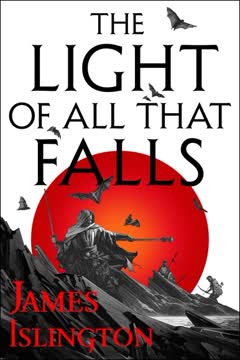
The story ends with the world remade—not as a paradise, but as a place where choice, consequence, and hope are real. The survivors look to the future, knowing that there will be new challenges, new mistakes, and new opportunities for redemption. The cycle is broken, not by erasing the past, but by accepting it and choosing to build something better. The Light of All That Falls is not the end, but the beginning of a new story—one written not by gods, but by the people who live it.
Characters
Caeden (Tal'kamar, Aarkein Devaed)
Caeden is the emotional and philosophical heart of the trilogy—a man who was once Tal'kamar, the idealist, and then Aarkein Devaed, the destroyer. His journey is one of memory, guilt, and the struggle to become the man he aspires to be. Caeden's relationships—with Elliavia, the Venerate, Davian, and Asha—are fraught with regret and longing. His immortality is both a curse and a chance for redemption, as he is forced to confront the consequences of his actions across millennia. Psychologically, Caeden is defined by his refusal to accept easy absolution; he insists on responsibility, even when it is unbearable. His final act—sacrificing himself to save Davian and break the cycle of fate—is both a rejection of nihilism and an affirmation of hope.
Davian
Davian begins as an uncertain, powerless orphan, but his journey through Zvaelar and beyond transforms him into a master of kan and Vessels, and ultimately into the one who can challenge the Venerate's control over fate. His relationships—with Asha, Wirr, and Caeden—are the emotional anchor of the story, grounding the epic in personal stakes. Davian's defining trait is his refusal to give up, even when faced with the inevitability of his own death. Psychologically, he is marked by humility, loyalty, and a growing sense of agency. His survival, made possible by Caeden's sacrifice, is a testament to the power of friendship and the possibility of breaking free from destiny.
Asha
Asha's arc is one of transformation—from a powerless Shadow to the most powerful Gifted in the world. Her connection to the Siphon and the Shadows makes her both a weapon and a symbol of hope. Asha's relationships—with Davian, Wirr, and Caeden—are marked by love, loss, and the struggle to forgive. Psychologically, she is defined by resilience, compassion, and the willingness to bear unbearable burdens for the sake of others. Her creation of the ilshara is both a magical and emotional climax, as she becomes the shield that holds back the darkness. Asha's journey is about finding belonging, purpose, and the courage to hope.
Wirr (Torin Wirrander Andras)
Wirr is the pragmatic, compassionate prince who becomes the de facto leader of Andarra in its darkest hour. His command of the Oathstone and his ability to unite Gifted, Administrators, and soldiers make him indispensable. Wirr's relationships—with Davian, Asha, Dezia, and his family—are marked by loyalty, grief, and the burden of responsibility. Psychologically, Wirr is defined by his refusal to abuse power, his commitment to justice, and his willingness to make hard choices. He is the everyman hero, proving that leadership is not about strength, but about service and sacrifice.
Gassandrid
Gassandrid is the visionary-turned-monster, the founder of the Venerate whose quest to break fate leads to atrocity. His relationship with Caeden is one of rivalry, betrayal, and mutual recognition. Psychologically, Gassandrid is defined by certainty—his refusal to doubt, to question, to accept responsibility. He is both a warning and a mirror for Caeden, embodying the dangers of idealism without humility. His death is both a victory and a tragedy, as it marks the end of an era and the failure of a dream.
Alaris
Alaris is Caeden's oldest friend and greatest disappointment—a man who clings to hope even as he becomes complicit in horror. His relationship with Caeden is marked by love, regret, and the inability to let go. Psychologically, Alaris is defined by his refusal to accept that he is wrong, even in the face of overwhelming evidence. His death is a moment of profound loss, both personal and philosophical, as it marks the end of the Venerate's dream and the possibility of reconciliation.
Nethgalla (The Ath)
Nethgalla is both villain and victim—a creature of the Darklands who becomes obsessed with Caeden, seeking his love and approval at any cost. Her relationship with Caeden is one of twisted longing and manipulation, but also genuine pain. Psychologically, Nethgalla is defined by fixation, loneliness, and the inability to let go. Her actions drive much of the plot, but her ultimate fate is one of rejection and exile, a reminder that love without respect is destructive.
Taeris Sarr
Taeris is the wise, scarred mentor who guides Davian, Asha, and Wirr through their trials. His relationship with Davian is especially poignant, marked by guilt, pride, and the longing for forgiveness. Psychologically, Taeris is defined by regret and the need to atone for past mistakes. His death is a final act of sacrifice, a testament to the power of love and the cost of redemption.
Raeleth
Raeleth is Davian's companion in Zvaelar, a man of deep faith and conviction. His relationship with Davian is one of mutual respect and challenge, as Raeleth pushes Davian to consider the meaning of choice, morality, and hope. Psychologically, Raeleth is defined by humility, courage, and the willingness to forgive. His fate is bittersweet, a reminder that even in the darkest places, goodness can endure.
Diara
Diara is the most ruthless of the Venerate, a woman who embraces atrocity in the name of a greater good. Her relationship with Caeden is complex—marked by affection, rivalry, and the inability to forgive. Psychologically, Diara is defined by certainty, pride, and the refusal to accept responsibility. Her death is both a relief and a tragedy, a symbol of the cost of power without compassion.
Plot Devices
Time Loops and Predestination
The narrative is built around the concept of time as both a prison and a possibility. The Venerate's immortality, the rift in Deilannis, and the existence of Zvaelar all serve as metaphors for the cycle of predestined tragedy. The story uses time travel not as a means of escape, but as a crucible—forcing the characters to confront the consequences of their actions and the meaning of choice. Foreshadowing is used masterfully, with visions, prophecies, and memories all hinting at the inevitability of certain events, only for the characters to challenge and ultimately break the cycle.
Memory and Identity
The restoration and loss of memory is a central device, especially for Caeden. Memory is not just information, but the source of guilt, regret, and the possibility of redemption. The story explores the idea that identity is not fixed, but forged in the crucible of choice and consequence. The characters are constantly forced to confront who they were, who they are, and who they wish to become.
Sacrifice and Redemption
The story is structured around acts of sacrifice—personal, moral, and existential. The characters are forced to give up everything they love, not for victory, but for the possibility of a better world. Redemption is not erasure, but acceptance; the story insists that the only way to break the cycle of tragedy is to take responsibility for the past and choose to be better.
Magical Systems as Metaphor
The magic of the world—Essence, kan, Vessels, the ilshara—is not just a tool, but a metaphor for agency, consequence, and the limits of control. The decay of magic mirrors the decay of hope, and the restoration of balance is both a magical and emotional climax. The story uses the rules of its world to explore deep philosophical questions about freedom, responsibility, and the meaning of life.
Narrative Structure and Perspective
The story is told through multiple perspectives—Caeden, Davian, Asha, Wirr—each with their own arc, struggles, and growth. The use of flashbacks, visions, and time loops allows the narrative to explore events from different angles, deepening the emotional impact and reinforcing the theme that understanding is only possible through empathy and self-examination.
Analysis
The Light of All That Falls is a masterwork of modern fantasy, blending intricate world-building, philosophical depth, and emotional resonance. At its core, the novel is a meditation on the nature of choice: are we prisoners of fate, or do our decisions matter? Through the journeys of Caeden, Davian, Asha, and Wirr, the story insists that freedom is not the absence of constraint, but the willingness to accept responsibility and strive for something better. The book does not offer easy answers—victory comes at immense cost, and the scars of the past cannot be erased. Yet, it is ultimately a hopeful work, affirming that even in a world shaped by tragedy, there is the possibility of healing, forgiveness, and new beginnings. The lessons are clear: redemption is not about forgetting, but about aspiring; leadership is not about power, but about service; and the meaning of life is found not in perfection, but in the courage to choose, again and again, to be the man or woman you aspire to be. The Light of All That Falls is both a thrilling adventure and a profound exploration of what it means to be human.
Last updated: