Plot Summary
Yorkshire Shadows Deepen
In late 1970s Yorkshire, the specter of the Yorkshire Ripper looms over every household, including that of young Miv, her silent mother, practical Aunty Jean, and weary father Austin. The town is battered by economic decline, political change, and a string of brutal murders that have become the region's dark claim to fame. Miv's world is shaped by the constant threat, the whispered warnings, and the way fear seeps into daily life. The adults' attempts to shield children from horror only make it more mysterious and terrifying. Miv's longing for stability and belonging is threatened by the possibility of moving away, and she clings to her best friend Sharon and the familiar streets of her Yorkshire home, even as the world grows more uncertain and dangerous.
A Wish at the Well
On a school trip to Knaresborough, Miv is captivated by the legend of Old Mother Shipton's wishing well. With her family's future uncertain and the Ripper's shadow growing, she makes a wish: to be the one to catch the Yorkshire Ripper, hoping that if the murders stop, her family won't have to leave. This wish, made in innocence and desperation, becomes a turning point. It plants the seed for a quest that will shape her friendships, her sense of self, and her understanding of the world's dangers. The wish is both a child's attempt to control the uncontrollable and a foreshadowing of the burdens she will carry as she tries to bring order to chaos.
The List Begins
Inspired by detective stories and her aunt's obsession with lists, Miv enlists Sharon in a plan: they will create a "List of Suspicious Things" to help catch the Ripper. Their investigation is both earnest and naive, blending childish logic with the real terror of their environment. They scrutinize neighbors, teachers, and strangers, noting cars, behaviors, and rumors. The list becomes a way to impose structure on a world that feels increasingly unsafe, and a means for Miv to feel less powerless. As they gather clues, the girls' friendship deepens, but so does their exposure to the adult world's complexities and prejudices.
Suspects and Secrets
The girls' list grows: Mr Bashir, the kind shopkeeper; Mr Ware, their angry teacher; the haunted mills; the man in the overalls; even their own vicar. Each suspect reveals more about the town's undercurrents—racism, class tension, and the ways people hide pain. Their investigations bring them into contact with Ishtiaq, Mr Bashir's son, and force them to confront their own biases and the community's. As they probe, they discover that everyone has secrets, and that suspicion can be both a shield and a weapon. The line between vigilance and paranoia blurs, and the girls begin to see the cost of mistrust.
Friendship and Fear
As the girls' investigation continues, their friendship is tested by jealousy, secrets, and the intrusion of adolescence. Sharon's growing bond with Ishtiaq, and the town's reaction to their friendship, exposes the deep-seated racism and fear of outsiders. The girls' innocence is further eroded by encounters with real violence—bullying at school, the fire at Mr Bashir's shop, and the ever-present threat of the Ripper. Miv's need for control and Sharon's empathy pull them in different directions, and the list that once united them becomes a source of tension. The boundaries between childhood games and real danger become perilously thin.
The Mills and the Ghosts
The abandoned mills, relics of Yorkshire's industrial past, become both literal and metaphorical sites of fear. The girls' exploration of Healy Mill, rumored to be haunted by a child's ghost, mirrors their search for the Ripper and their confrontation with the town's history of loss and violence. The mills are places where secrets fester and the past refuses to die. The girls' adventures there are tinged with both excitement and dread, and their encounters with other children—bullies, outcasts, and victims—highlight the ways trauma is passed down and repeated. The mills are a crucible for courage, fear, and the limits of what children can bear.
Outsiders and Prejudice
The story delves into the lives of those marked as outsiders: Mr Bashir and Ishtiaq, targeted by racism; Brian, the man in the overalls, isolated by difference; Helen Andrews, trapped in an abusive marriage. The girls' investigation brings them into contact with these lives, forcing them to confront the town's prejudices and their own complicity. The fire at Mr Bashir's shop, the bullying of Ishtiaq, and the suspicion cast on Brian all reveal how fear of the Ripper is entangled with fear of the "other." The girls learn that real danger often comes not from monsters, but from the ordinary cruelties of neighbors and family.
Fires, Loss, and Blame
The arson attack on Mr Bashir's shop is a turning point, shattering the fragile sense of safety and exposing the town's capacity for violence. Ishtiaq and his father are forced to leave, and Sharon is consumed by grief and guilt over her inability to protect those she loves. Miv's determination to find the culprit leads her to suspect Brian, and her actions have unintended, devastating consequences. The boundaries between justice and harm blur, and the girls are forced to reckon with the cost of their vigilance. The fire becomes a symbol of all that is lost—innocence, trust, and the belief that good intentions are enough.
The Cost of Vigilance
The aftermath of the fire and Brian's suicide force Miv and Sharon to confront the consequences of their quest. The list, once a source of empowerment, is now a burden of guilt. Sharon withdraws, unable to forgive Miv or herself, and Miv is left to grapple with the knowledge that their search for the Ripper has hurt the very people they wanted to protect. The story explores the limits of what children can understand and control, and the ways in which fear can turn victims into perpetrators. The cost of vigilance is revealed to be heartbreakingly high.
Betrayals and Brokenness
As the girls' friendship falters, the secrets of the adults around them come to light. Miv discovers her father's affair with Sharon's mother, a betrayal that shatters her trust and sense of home. Helen's abuse at the hands of her husband is exposed, and the community's silence is revealed as complicity. The arrest of Uncle Raymond, a trusted church member, for abuse, further erodes the belief that danger is always outside. The story lays bare the ways in which families and communities are broken by secrets, shame, and the refusal to see what is in plain sight.
The Night at the Mill
The story reaches its climax at Healy Mill, where Miv, Sharon, Ishtiaq, and Paul are confronted by Reece and Neil, whose hatred and violence have been escalating. In a moment of chaos, Sharon falls from the roof and is killed. The children's quest to catch the Ripper ends not with triumph, but with tragedy. The violence they sought to understand and prevent has claimed one of their own, and the cost of their search is made devastatingly clear. The mill, once a place of adventure and fear, becomes a site of irrevocable loss.
Aftermath and Reckoning
In the wake of Sharon's death, the community is shattered. Miv is consumed by guilt, believing her actions led to tragedy. The adults, too, are forced to confront their failures—Austin's affair, Ruby's grief, Helen's escape from abuse, and the town's complicity in violence and prejudice. The Ripper is finally caught, but the sense of safety does not return. Instead, the survivors must find ways to live with loss, to forgive themselves and each other, and to rebuild trust. The story becomes one of reckoning—with the past, with the limits of justice, and with the need for healing.
Healing, Hope, and Memory
As time passes, Miv, her family, and the community begin to heal. New friendships form, old wounds are tended, and the memory of those lost is honored. Miv starts a new list—not of suspicious things, but of wonderful things, a tribute to Sharon and a testament to resilience. The story ends with a sense of hope: that even in the aftermath of horror, love and kindness can endure. The lessons learned are hard-won, but they offer a way forward—a commitment to see, to care, and to remember. The shadows of the past remain, but they are no longer all that defines Yorkshire, or those who call it home.
Characters
Miv
Miv is the heart of the story—a bright, bookish, and deeply sensitive girl growing up in a Yorkshire town haunted by violence and loss. Her longing for stability and belonging drives her to create the List of Suspicious Things, a child's attempt to impose order on chaos. Miv's relationships—with her silent mother, practical Aunty Jean, and distant father—are marked by longing and disappointment, but also by fierce love. Her friendship with Sharon is her anchor, but also a source of pain as they grow apart. Miv's journey is one of reckoning with the limits of control, the cost of suspicion, and the necessity of forgiveness. She is both a detective and a witness, learning that the world's dangers are often closer to home than she imagined.
Sharon
Sharon is Miv's best friend and the embodiment of kindness and resilience. She is everything Miv wishes she could be—pretty, popular, and seemingly untroubled—but beneath the surface, Sharon carries her own burdens. Her empathy and willingness to stand up for others make her a target for bullies and a bridge between worlds, especially in her friendship with Ishtiaq. Sharon's loyalty to Miv is tested by secrets, jealousy, and the intrusion of adolescence, but her capacity for forgiveness and her insistence on doing what is right remain constant. Her tragic death is the story's emotional fulcrum, and her memory becomes a source of healing and hope for those left behind.
Austin (Dad)
Austin is Miv's father, a man struggling to hold his family together in the face of economic hardship, marital breakdown, and personal guilt. His affair with Ruby, Sharon's mother, is a betrayal that shatters Miv's trust, but it is also a symptom of his own loneliness and despair. Austin's relationship with Miv is marked by distance and misunderstanding, but also by moments of tenderness and connection. His journey is one of reckoning with his failures, seeking forgiveness, and learning to be present for his daughter in the aftermath of loss.
Marian (Mum)
Marian's withdrawal into silence is both a symptom of trauma and a form of resistance. Her story, revealed late in the novel, is one of survival—she is a victim of violence who blames herself, internalizing the shame and guilt that society places on women. Her return to her family and her willingness to share her story with Miv are acts of courage that help both mother and daughter begin to heal. Marian's journey is a testament to the enduring impact of violence and the possibility of recovery.
Aunty Jean
Aunty Jean is the family's anchor, a woman shaped by Yorkshire's traditions and hardships. Her love is expressed through lists, routines, and a fierce sense of duty. She is often critical and rigid, but beneath her brusque exterior lies deep care for her family. Jean's own losses and disappointments are hinted at, and her eventual softening is a quiet triumph. She represents the strength and limitations of the old ways, and her presence is both a comfort and a challenge to Miv.
Ishtiaq
Ishtiaq is Mr Bashir's son and becomes a close friend—and first love—for Sharon. He is marked by his difference: his skin color, his intelligence, and his sensitivity. Ishtiaq endures racism, bullying, and the trauma of losing his mother and his home. His friendship with Miv and Sharon is a source of joy and pain, and his grief after Sharon's death is raw and unfiltered. Ishtiaq's resilience and openness offer a model for healing, and his relationship with his father is one of mutual care and respect.
Mr Bashir (Omar)
Mr Bashir is the local shopkeeper, a widower raising Ishtiaq alone in a town that never fully accepts him. He is a figure of warmth and generosity, but also of vulnerability—targeted by racism, arson, and suspicion. His grief for his wife and his determination to protect his son are central to his character. Mr Bashir's friendship with Helen and his role in the community's healing are testaments to his strength and compassion. He embodies the pain and possibility of being an outsider.
Helen Andrews
Helen is the local librarian, Arthur's daughter, and a victim of domestic abuse. Her story is one of entrapment—by her marriage, by the town's expectations, and by her own sense of duty. Helen's kindness to the girls and her eventual courage in leaving her husband are acts of quiet heroism. Her relationship with Mr Bashir offers hope for new beginnings, and her journey is a reminder of the hidden suffering that exists behind closed doors.
Sharon's Family (Ruby and Malcolm)
Ruby is Sharon's mother, a figure of warmth and stability, but also of vulnerability. Her affair with Austin is a desperate attempt to find comfort, and its consequences are devastating. Malcolm, often absent, is a shadowy presence, unable to protect his family from loss. After Sharon's death, Ruby's grief is overwhelming, but she finds strength in community and in caring for others. The family's story is one of love, betrayal, and the struggle to survive tragedy.
Reece Carlton
Reece is a classmate whose transformation from shy, intelligent boy to violent bully mirrors the town's descent into fear and hatred. He is shaped by his father's brutality and the community's failures, and his actions culminate in the story's central tragedy. Reece is both a victim and a perpetrator, a reminder that violence begets violence, and that the true dangers often come from within.
Plot Devices
The List of Suspicious Things
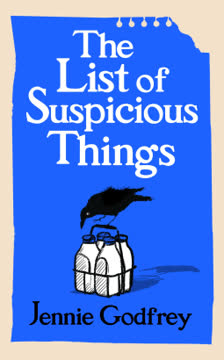
The central device of the novel is the list itself—a notebook in which Miv and Sharon record people, places, and behaviors they find suspicious. The list is both a literal tool for their investigation and a metaphor for the human need to make sense of chaos. It allows the girls to feel empowered in the face of fear, but also leads them to make mistakes, hurt others, and confront the limits of their understanding. The list's evolution—from a game to a burden, and finally to a list of wonderful things—mirrors the characters' growth and the story's emotional arc.
Multiple Perspectives and Interwoven Narratives
The novel shifts between the perspectives of Miv, Austin, Mr Bashir, Helen, and others, creating a rich tapestry of experiences. This structure allows the reader to see the impact of violence, prejudice, and loss from multiple angles, and to understand the interconnectedness of the community. The interwoven narratives also serve to build suspense, reveal secrets, and deepen the emotional resonance of the story.
Foreshadowing and Irony
The story is laced with foreshadowing—Miv's wish at the well, the recurring nightmares, the adults' secrets, and the girls' growing sense of danger. Irony abounds: the real Ripper is someone known to the community, but never suspected; the girls' quest to catch him leads to unintended harm; the adults' attempts to protect children often expose them to greater risk. The use of foreshadowing and irony underscores the novel's themes of innocence lost and the unpredictability of life.
Symbolism of Place
The setting—Yorkshire's mills, streets, and homes—is more than a backdrop; it is a character in its own right. The mills symbolize both the town's proud past and its haunted present. The shop, the church, the school, and the mill are sites of both safety and danger, community and exclusion. The landscape reflects the characters' inner lives and the broader social changes sweeping through the region.
The Unreliable Narrator and the Limits of Perspective
Much of the story is filtered through Miv's perspective, with all the limitations and misunderstandings of childhood. The girls' interpretations of events are often naive or incomplete, and the reader is invited to see beyond their conclusions. This device heightens the tension between innocence and experience, and challenges the reader to question what is seen and unseen, known and unknown.
Analysis
The List of Suspicious Things is a profound exploration of how violence, fear, and prejudice shape individuals and communities. Set against the real historical backdrop of the Yorkshire Ripper murders, the novel uses the device of a child's list to interrogate the ways in which people try to impose order on chaos, and the costs of doing so. The story is as much about the dangers within—secrets, betrayals, and the everyday cruelties of racism, sexism, and abuse—as it is about the threat from without. Through Miv's journey, the novel examines the limits of innocence, the necessity of reckoning with pain, and the possibility of healing. It is a love letter to Yorkshire, to friendship, and to the resilience of those who survive trauma. The lessons are hard-won: that vigilance must be tempered with compassion, that justice is often elusive, and that hope can be found in the act of remembering and telling the truth. In a world still haunted by violence and division, the novel's call to see, to care, and to forgive is both timely and timeless.
Last updated: