

Plot Summary
Barcelona Loses a Second
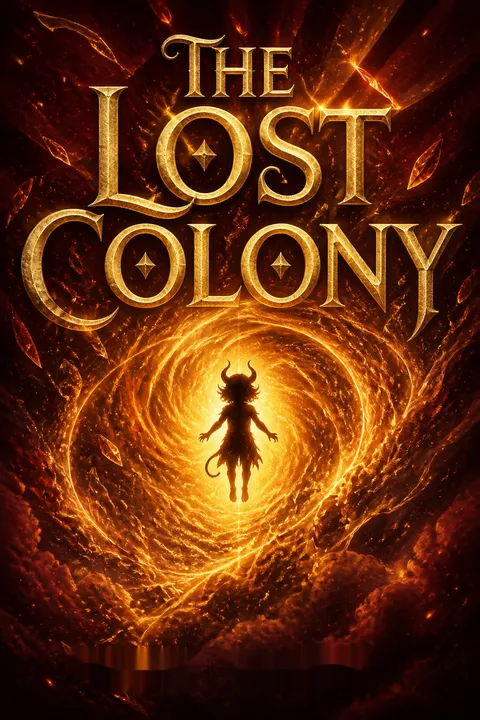
Artemis Fowl waits outside Barcelona’s Casa Milà with his bodyguard, Butler, expecting a demon to appear through a tear in time. When the creature materializes, it mistakes Artemis for someone connected to a long-dead Englishwoman and pulls him into the rent. They pass through alien landscapes and arrive at the same building during its construction, where Artemis recognizes the architect Antoni Gaudí.
Butler has caught Artemis by the shoulder, but the time pull takes his hand too. A silver nugget in Butler’s bracelet anchors him to the present, letting him haul Artemis back. They escape in their limousine; Artemis discovers that two fingers have switched places. The accidental journey confirms that demons can cross time, but not safely.
The opening turns Artemis’s familiar talent for prediction into a genuine limit: he can calculate where danger ought to appear, but the demon’s arrival breaks his model. Butler’s grip and silver bracelet convert bodily loyalty into a physical law, making protection more than a profession. Artemis returns fascinated rather than frightened, a response that fits his habit of treating the impossible as a problem to solve. The exchanged fingers leave a small, comic mark on a much larger uncertainty: time travel alters the traveler, and nobody yet understands its cost.
An Ex-Captain Rejoins the Hunt
Below ground, Holly Short works as a private investigator with Mulch Diggums, far from her former position in the LEP. Their pursuit of fish-smuggler Doodah Day turns dangerous when he traps Holly beside the blades of a runaway construction mixer.
She escapes with minor injuries, and Mulch captures Doodah by swallowing him into a tunnel and sealing him in dwarf spit. Before Holly can deliver her prisoner, Wing Commander Vinyaya arrives with a secret unit called Section Eight.
Its commander, Foaly, explains that the unit tracks demons from Hybras, an island displaced from time. Since Artemis appeared at the Barcelona incident, Section Eight wants Holly to discover how he predicted it. Holly accepts a return to covert fieldwork, while Mulch stays behind.
Holly’s demotion is not simply a change of job; it strips away the institutional tools that once made her feel effective. Her brush with the mixer shows that she can still act decisively, but now she must improvise without weapons or backup. Section Eight offers a route back to consequential work while also asking her to serve an agency whose secrecy and politics she distrusts. Mulch’s presence preserves a connection to the life she chose for herself. Holly’s decision is therefore neither a clean return nor a rejection of independence, but a test of whether public service can still be hers on different terms.
The Imp Who Would Not Warp
On Hybras, demon children become adults through a painful transformation called warping. Number One, the oldest imp, cannot summon the hatred his peers need to change. He longs instead for books, kindness, and a life beyond the island’s rigid warrior culture. During a lesson, he uses a heated skewer to crack a scale on Leon Abbot, the pride’s celebrated leader, and briefly turns the wood to stone.
Abbot denies the evidence and humiliates him. Later, Abbot’s hypnotic voice persuades Number One that he should cross into the human world to find his supposed kind. Alone near the volcano, the imp removes his silver bracelet, which normally blocks the pull of the moon. The failing time spell seizes him and carries him away.
Number One’s difference is expressed through specific refusals: he dislikes cruelty, wants prepared food, and cannot pretend that a puppet makes him angry. These are not signs of weakness so much as evidence that the culture around him has mistaken aggression for maturity. Abbot exploits the imp’s hunger for belonging, turning an apparent invitation into a form of control. Number One’s departure begins as an act shaped by manipulation, but it also reveals a real desire to escape a world that has no language for his gentler instincts. His first magic appears precisely when he tries to think rather than dominate.
Demons Beneath the Opera
Artemis has used Section Eight’s files to study Hybras and suspects its time spell is deteriorating, a danger he wants to verify before warning the fairies. At a Sicilian opera, Holly arrives in a new Section Eight suit, and Artemis explains that the demon appearances are becoming more frequent.
As they watch, Number One materializes onstage. A disguised marksman shoots him with a silver-tipped dart, while a rigged lamp and the theatre’s trapdoor conceal his capture.
Artemis recognizes the cleverness of the operation and spots Minerva Paradizo, a young French prodigy, leaving with her team. Holly follows the captors, while Artemis and Butler pursue by another route. The demon’s disappearance gives Artemis evidence that the crisis is real, and an intelligent rival to investigate.
The opera stages two performances at once: Bellini’s tragedy for the audience and a covert abduction hidden inside its machinery. Artemis sees the capture as a carefully authored plan, not random violence, and his admiration makes the threat personal as well as strategic. Holly’s surveillance role forces her to tolerate a kidnapping long enough to learn who is behind it, a hard reversal for an officer accustomed to immediate intervention. Minerva’s entrance establishes a mirror for Artemis: a young mind using secrecy and technical skill to command adults, with no settled boundary yet between discovery and possession.
Minerva's Chateau Becomes the Target
Holly follows Minerva’s team from Sicily to the south of France, where the captive demon travels hidden inside a golf bag. Artemis and Butler fly to Nice and work with Holly to identify the girl as Minerva Paradizo, a twelve-year-old already advanced in science and psychology.
Her father, Gaspard, finances the operation, while security chief Juan Soto and mercenary Billy Kong protect it. The team’s chateau is heavily guarded, built on rock, and screened from surveillance. Holly cannot enter without an invitation, and Butler cannot cross the laser defenses unseen.
Artemis proposes using Mulch, whose tunneling can bypass the grounds, and Holly asks the dwarf to recruit Doodah as a driver. The team begins planning an infiltration that depends on the household’s young son, Beau.
This section shifts the conflict from an unknown abduction to a specific household, making Minerva’s family structure part of the danger. Minerva is not merely a child surrounded by adults; she has designed a project that the adults support, and the security apparatus gives her ambition material force. Each member of Artemis’s team meets a different limit: Holly’s magic is constrained by fairy law, Butler faces physical defenses, and surveillance cannot penetrate the chateau. Their solution depends on cooperation rather than individual brilliance. The plan also introduces Beau as a point of access, reminding us that the operation enters a family home, not an abstract fortress.
Chocolate, Dwarf, and Decoy
Mulch finds Doodah in an illegal restaurant and offers him amnesty if he drives a toy car into the chateau. Doodah accepts, rides Mulch’s underground route to the septic tank, then uses a chocolate bar to draw Beau close. He sedates the boy with dwarf saliva, takes his car, and installs a device that lets Foaly hijack the security cameras.
Doodah’s getaway alerts Minerva, who has already prepared a gas trap in a stolen vehicle. Foaly fills the chateau’s screens with an imaginary military assault, forcing the household to evacuate. Minerva’s team retrieves the decoy car, finds Holly inside, and captures her. Minerva then searches the hillside and correctly infers that Artemis is watching from cover, turning the rescue attempt into a trap.
The intrusion succeeds because the group combines talents that are individually undignified or unreliable: Mulch’s tunneling, Doodah’s driving, and Beau’s appetite. Yet the plan’s cleverness cannot erase its ethical messiness, especially the use of a child as camouflage. Minerva proves that she is not simply reacting to Artemis; she anticipates his tactics and uses his predictable preference for surveillance against him. The false military assault also shows how easily sophisticated information systems can manufacture reality. By capturing Holly rather than the demon, Minerva gains leverage over the rescuers and demonstrates that the contest is now between planners who can both learn from failure.
An Invisible Escape
In the chateau basement, Billy Kong questions Holly about whether demons can remove their faces. His fixation comes from childhood: his brother Eric invented stories about demons to keep young Jonah Lee indoors, then died in a gang killing.
Jonah grew up believing Eric had deceived him, but Holly’s knowledge of the past convinces him the demons were real. She uses her mesmer to make Kong talk, learns that Minerva keeps her research in a wall safe, and knocks him unconscious. Meanwhile, Foaly remotely guides Holly’s helmet through the building.
Holly frees Number One, wraps him in camouflage foil, and leads him toward the exit. When the foil fails, Foaly disables guards with the helmet’s laser. Holly and Number One escape through a window and join Artemis and Butler outside.
Kong’s violence grows from grief organized into a false memory. Eric’s protective lie gave the child a frightening explanation for danger, and Kong has spent adulthood trying to make that explanation true. Holly’s decision to exploit his belief unsettles the situation but also gives him, briefly, a way to recover his brother’s intention. The escape depends on technology and trust, yet Foaly’s enthusiasm for using force makes Holly question how easily rescue can become domination. Number One’s first experience of allies is therefore mixed: they protect him, but they also make decisions around him. His growing sense of safety begins without making him naïve.
Kong Takes the House
After the escape, Minerva’s father, Gaspard, decides to end the demon project, but Billy Kong refuses to accept the loss of his chance for revenge. He signals men he has planted inside the security team, has Soto’s radio calls go unanswered, and knocks the chief unconscious.
Kong threatens Gaspard and Minerva until Artemis calls with an offer: a demon in exchange for Minerva’s release. Kong chooses Taipei 101 as the meeting place, believing its distance and height will limit Artemis’s options.
Artemis agrees, then travels with Holly, Butler, and Number One to Taiwan. Minerva is now caught between her father’s decision to stop and Kong’s determination to use the demon as a weapon. The exchange gives Artemis a chance to protect her and pursue his own plan.
The chateau’s apparent security collapses because it was built to keep outsiders out, not to restrain the man trusted to guard it. Kong’s takeover reveals the flaw in Minerva’s confidence: she can model systems but has underestimated a person willing to reject the rules of employment and family. Gaspard’s attempt to stop the project offers a belated ethical boundary, while Minerva’s ambition has already made her vulnerable to coercion. Artemis’s bargain is not simple self-sacrifice or simple strategy. He accepts a dangerous exchange because allowing Kong to harm Minerva would make him responsible for a consequence he can still prevent.
Silver Above Taipei
At Taipei 101, Number One walks to Kong’s table while Artemis, Butler, and Minerva wait near the elevators. Kong reveals a bomb intended to travel back to Hybras with the imp. Number One shows that Artemis has already removed the silver pellet from his leg, then drops it and vanishes toward his own dimension.
The building’s enormous silver-covered wind damper interferes with the passage, briefly drawing Number One back into view. Holly flies down and clamps a silver bracelet onto his wrist, anchoring him to Earth.
The rescue leaves Kong furious and Minerva free to join Artemis. Artemis takes her to an art gallery on the fortieth floor, where a collection of rune-marked stone figures suggests that the demon crisis began far earlier than she knew.
The exchange turns on competing meanings of silver. Kong treats it as a mechanism for forcing a captive back into danger, while Artemis and Holly use it as an anchor that gives Number One a choice of where to remain. The building’s engineering becomes an accidental ally, its mass damper interrupting a magical process through sheer material weight. Minerva’s release also marks a change in her position: she is no longer directing the encounter from a safe distance. The stone figures redirect the story from rescue toward history, suggesting that the solution may be hidden in the very material Minerva had approached as scientific evidence.
Warlocks Beneath the Gallery
Artemis recognizes the gallery’s ancient figures as demon warlocks petrified during the original attempt to move Hybras through time. Number One touches one statue and releases Qwan, the surviving warlock, whose magic can help restore the island.
Kong’s men break into the gallery carrying the bomb, and a grenade explodes beside Holly. Her suit’s protective magic saves her life, but breaks her legs and leaves her without strength to shield anyone. With the bomb’s timer running, Artemis concludes that Qwan must take the group through the time tunnel.
Holly carries Artemis, Number One, and Qwan toward a neighboring building, but her damaged wings fail under their weight. As they fall above Taipei, Artemis removes Number One’s silver bracelet. The group disappears into the unstable passage to Hybras.
The gallery’s sculptures transform the meaning of preservation: what looks like a cultural artifact is also a living being suspended beyond ordinary history. Number One’s touch makes his latent power useful to others, but the rescue exacts an immediate cost when Kong’s bomb and grenade turn the gallery into a battlefield. Holly’s injury exposes the fragility of relying on a single protector, while Artemis’s decision to remove the bracelet converts apparent failure into a deliberate risk. The fall is not a triumph of control. It is a choice to enter uncertainty rather than let a bomb, a captive, and a dying island dictate the outcome.
Hybras Comes Apart
Artemis, Holly, Number One, and Qwan survive the passage and arrive in the volcano crater on Hybras with Kong’s bomb. Qwan explains that the time spell is breaking apart and that silver can no longer protect the demons from being pulled away.
The group needs five magical beings to reverse the spell; they have only four, counting the power inside the captive Abbot. They climb from the crater and meet a demon pride armed against them. Number One recognizes its leader, Abbot, who has used his authority to teach the demons that humans are enemies.
The newcomers also discover silver bracelets left by earlier travelers. As sections of the island begin vanishing into time, the group prepares to confront the pride and reach the bomb before the spell collapses.
Arrival does not provide refuge; it makes the crisis visible at its source. Hybras is both home and a failing mechanism, so the demons’ attachment to it cannot protect them from its disappearance. Qwan’s requirement of five magical beings turns the plot’s scattered identities into a precise problem, while Abbot embodies the political danger of filling uncertainty with an enemy story. Number One now has to face the culture that rejected him, but his new allies cannot simply rescue him from it. Their survival depends on convincing a frightened, armed community that cooperation is more useful than the familiar promise of war.
Abbot's Last Reversal
Qwan identifies Abbot as N’zall, the dissenter who helped ruin the original spell, and exposes his claim to heroism. Artemis realizes Abbot has retained stolen warlock magic, while Number One discovers he can conjure lifelike human soldiers to hold the advancing demons back.
As the time surge distorts Holly’s weapon and the landscape, Abbot attacks and runs his enchanted sword through her. Artemis ignores her plea for help long enough to calculate the bomb’s erratic timer.
He fires Holly’s weapon into a brief backward surge, striking the Abbot of a minute earlier before the fatal attack can occur. The present Abbot disappears as an unrealized possibility. Holly survives and binds him, while Qwan and Number One resume the spell circle with the bomb at its center.
Artemis’s apparent refusal to help Holly is the story’s sharpest test of strategic intelligence against emotional loyalty. He must endure the sight of her death long enough to identify a narrow temporal opening, then use violence not to punish Abbot but to erase the conditions of the injury. The solution makes memory morally complicated: Artemis remembers a death that the revised present denies. Number One’s conjured soldiers are another shift in his self-conception, since he uses imagination as protection rather than as an escape from reality. Abbot loses control not through a stronger army, but because his account of the past can no longer command belief.
Three Years at Home
As Hybras disintegrates, Qwan begins the reverse spell with Number One, Artemis, Holly, and Abbot’s stolen magic. Inside the magic circle, Qweffor, Qwan’s long-lost apprentice, reaches them from within Abbot and adds the power needed to seal it.
The bomb’s explosion supplies the energy; Holly chooses where the island will return, and Artemis finds the right time. Hybras reappears near Ireland, where the LEP evacuates its inhabitants and prepares to sink the island safely. On Earth, Artemis learns that nearly three years have passed.
He reaches a coastal cottage and finds an older, bearded Butler waiting. Butler reunites him with the life he left behind, then reveals that Artemis’s parents have had twins. Artemis quietly uses the magic he retained to heal a small injury.
The return resolves the physical crisis through a collective act: Qwan’s knowledge, Number One’s developing power, Qweffor’s recovery, Holly’s orientation, and Artemis’s temporal calculation all matter. No single genius can substitute for the others. Yet success does not restore the human calendar. Artemis comes back to a home that has continued grieving and growing in his absence, so the reunion is a beginning with an emotional debt attached. His remaining magic offers a private means of mending, but not a way to erase the lost years. The twins make that change concrete: time has not merely passed; it has created new relationships Artemis must now enter.
Analysis
The novel repeatedly tests the difference between intelligence and wisdom. Artemis and Minerva are both prodigies who can read systems and direct adults, yet each must learn that a person is not merely a variable in a plan. Minerva treats demons as scientific evidence; Artemis initially treats their crisis as an absorbing puzzle. Their recognition of one another is meaningful because it exposes the loneliness beneath their competitiveness, but the plot insists that insight alone does not guarantee ethical action. Minerva’s father has to interrupt the project, and Artemis must accept responsibility for people whose fate offers him no personal reward.
Number One provides the clearest alternative to the warrior culture of Hybras. His reluctance to hate is first used against him, then becomes the basis for a different kind of strength. The story does not make kindness passive: he learns to wield magic, free Qwan, and defend others. Abbot, by contrast, gains influence by turning historical uncertainty into a promise of enemies and conquest. His authority thrives where people lack access to the past, making the restoration of memory a political as well as magical act.
Time travel makes consequence unusually visible. A person can arrive at the wrong moment, lose pieces of themselves, or return to a world that has continued without them. Artemis’s choice to undo Holly’s death saves her, but he retains the memory of a version of events no one else experienced. His eventual return to Earth offers no clean reset: his parents have endured years of grief, Butler has aged, and the family has grown. The ending therefore treats rescue as a beginning rather than an erasure. The book’s deepest claim is that exceptional ability matters most when it is joined to responsibility, cooperation, and a willingness to live with consequences that cannot be calculated away.
Review Summary
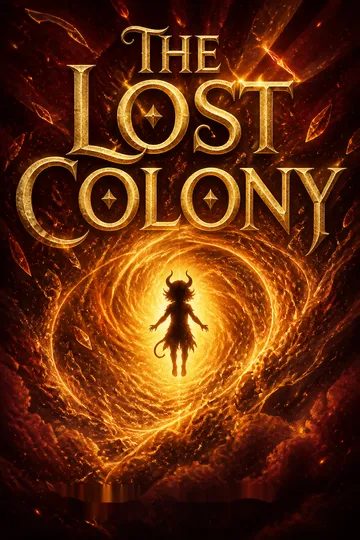
The Lost Colony, the fifth book in the Artemis Fowl series, introduces new characters and explores demon magic. Readers appreciate the humor, especially regarding Artemis's puberty, and the complex plot involving time travel. The addition of Minerva, a young genius rival, adds intrigue. While some found the pacing uneven, many consider it one of the best in the series. The book's ending sets up excitement for future installments. Overall, fans enjoy the creative heists, character development, and expanding magical world.
People Also Read

Characters
Artemis Fowl
The calculating prodigyArtemis is a young Irish strategist whose intelligence first grew in the service of schemes, then became a tool for protecting people beyond his family. He reads systems quickly, from security routines to a failing magical time spell, and often treats uncertainty as something that can be reduced to calculation. His partnership with Butler gives his plans a human anchor, while his connection to Holly and the fairies challenges his old assumption that helping must involve a bargain. Artemis is proud of being exceptional and impatient with ordinary limits, but he is increasingly troubled by the consequences of his choices. His ambition remains intact; what changes is the circle of people for whom he is willing to take responsibility.
Holly Short
The stubborn field captainHolly is an elf officer and pilot whose career has been shaped by competence, courage, and resistance to unfair authority. After leaving the LEP, she tries private investigation with Mulch, only to discover that independent work rarely gives her the resources needed for the dangers she cares about. She values her own face and history, and resists the idea that adapting must mean erasing herself. With Artemis, she shares a mix of trust, irritation, and hard-earned respect; with Butler, she has the ease of a longtime comrade. Holly’s instinct is to intervene when someone is threatened, but she can also recognize when patience and observation are necessary.
Number One
The unwarped impNumber One is an unusually old imp who has not undergone the transformation that defines adulthood among demons. His reluctance to hurt others leaves him isolated in a culture that treats aggression as proof of worth. He is observant, curious, and unusually receptive to human language and ideas, qualities that make him seem out of place at home but prepare him to learn quickly elsewhere. He yearns for recognition without knowing what form it should take, and he is vulnerable to anyone who promises belonging. His emerging magical ability gives his sensitivity practical force, allowing imagination and empathy to become sources of action rather than reasons for shame.
Minerva Paradizo
The ambitious young scientistMinerva is a French child prodigy who has advanced far beyond her age in science, psychology, and strategic planning. She is disciplined, competitive, and accustomed to adults treating her brilliance as both a wonder and an inconvenience. Her desire to make a historic discovery is genuine, but she tends to view people as evidence or instruments when she is focused on a goal. She shares Artemis’s quickness and isolation, which lets them recognize one another even while they compete. Her bond with her father complicates her independence: she wants his support, but also expects him to follow her lead. Minerva’s intelligence is formidable, though experience and emotional judgment have not always kept pace with it.
Butler
Artemis's steadfast protectorButler is Artemis’s bodyguard, confidant, and practical counterweight. A highly trained protector, he notices physical threats that Artemis’s abstract reasoning can miss and is prepared to act before anyone else has finished assessing the danger. His loyalty is not blind obedience: he questions Artemis, worries over the risks, and tries to keep the boy connected to ordinary human needs. Their relationship carries the intimacy of a family bond, even when Butler insists on professional boundaries. He is formidable in a fight but rarely seeks violence for its own sake. His steadiness gives Artemis the confidence to take extraordinary risks, while Artemis’s trust gives Butler a deeper stake than the job requires.
Qwan
The elder warlockQwan is a demon warlock whose age and experience make him a teacher as much as a practitioner of magic. He understands that spells require discipline, cooperation, and a clear sense of purpose. His patience is imperfect, especially when faced with ignorance or unnecessary bravado, but his humor and curiosity keep him from becoming a remote authority. Qwan’s knowledge connects the present crisis to Hybras’s ancient history, and he is willing to rely on younger companions rather than claim that age alone makes him sufficient.
Billy Kong
The mercenary with a grievanceBilly Kong is a skilled mercenary whose calm appearance hides a hair-trigger capacity for violence. He prizes control and finishes the jobs he accepts, but his fixation on demons is rooted in the childhood story his brother told him. That story shaped his sense of danger and loyalty long before he knew what was true. Kong’s past makes him dangerous because he interprets new evidence through old grief, not because he lacks intelligence. He can plan patiently, yet his grudges repeatedly overrule professional judgment.
Mulch Diggums
The irreverent dwarf partnerMulch is a dwarf and former criminal who uses tunneling, disguise, and a formidable appetite to solve problems no conventional investigator can approach. His jokes and insults are a shield against solemnity, though his loyalty to Holly and the wider fairy community is real. He misses the thrill of theft but has no wish to return to the fear and isolation of his old life. Mulch’s talents are often disgusting by ordinary standards, but his willingness to use them makes him indispensable when polite methods fail.
Foaly
The inventive centaurFoaly is a centaur engineer and intelligence specialist whose confidence in his own inventions is matched by his eagerness to show them off. He builds the equipment that gives Holly a chance to operate above ground and can turn a secure human network into a source of information. His teasing with Mulch and Holly masks genuine affection and respect. Foaly believes in technical solutions, but his enthusiasm can outrun the field agent’s caution, making their friendship a useful check on his impulses.
Doodah Day
The fearless getaway driverDoodah is a fast, resourceful pixie who has built a reputation as a livestock and fish smuggler. He thinks in routes, engines, and escape plans, and his confidence behind a wheel can become recklessness. Holly’s pursuit of him has left a personal grievance between them, but Doodah is not eager to kill and can be persuaded when the terms are right. His skills make him useful to people who would otherwise distrust him.
Leon Abbot
The pride's commanding leaderAbbot is a powerful demon leader who commands attention through confidence, physical strength, and a carefully cultivated public image. He knows how to appeal to his people’s fear of humans and their hope of returning home. His authority depends on presenting certainty in a world where the old rules and history are difficult to verify. Abbot’s appetite for control makes him a dangerous figure, particularly to anyone who questions the story he tells about the demons’ past.
Gaspard Paradizo
Minerva's devoted fatherGaspard is a cosmetic surgeon and Minerva’s father. Proud of her intelligence, he funds her projects and gives her unusual freedom to direct the adults around her. His affection is sincere, but his willingness to indulge her ambition can make it difficult to recognize when support has become complicity. When danger becomes impossible to ignore, Gaspard must weigh his daughter’s wishes against his responsibility for her and the people caught up in her work.
Wing Commander Vinyaya
Holly's covert commanderVinyaya is a veteran fairy commander, a longtime supporter of Holly, and an early advocate for women in the service. She recruits Holly into Section Eight because the mission needs someone who understands both Artemis and the risks surrounding demon appearances. Vinyaya is practical about secrecy and political constraints, but she also knows Holly’s abilities well enough to trust her with difficult work.
Qweffor
Qwan's former apprenticeQweffor is Qwan’s apprentice, a warlock whose knowledge and magical ability are tied to the original spell that displaced Hybras. He is a link between the island’s ancient crisis and the companions trying to repair it. His personality retains a lively curiosity, even after an extraordinary period of silence.
Juliet Butler
Butler's thoughtful sisterJuliet is Butler’s sister. Her gift of a silver bracelet gives him an unexpected safeguard during Artemis’s first encounter with a demon. Though she is not present for the mission, her care reaches into its most dangerous moment.
Plot Devices
Hybras's time spell
The failing dimensional bridgeThe demon warlocks used a volcanic eruption to move Hybras out of ordinary time, carrying its inhabitants into Limbo. The spell leaves a tunnel between the island and Earth, through which demons can be drawn at unpredictable moments. Silver acts as a dimensional anchor, resisting the pull, but the spell is deteriorating and the appearances become harder to predict. Artemis studies its changing pattern and realizes the island itself is in danger. The spell gives the book its governing physical problem: a people separated from home are being dragged back without control, and reversing the process requires magical ability, timing, and a source of energy powerful enough to complete the journey.
Silver anchors
A weight against timeSilver can repel the dimensional attraction that draws demons toward the moon and their original world. Butler’s bracelet anchors him during the Barcelona incident, while silver worn by demons can prevent an unwanted transfer. The same principle later becomes a tool for rescuing Number One: the silver damper inside Taipei 101 disrupts his passage, and Holly adds a bracelet to hold him in place. The device is concrete and reusable, so its meaning changes with the person using it. In Kong’s hands, silver is a means of coercion; in Holly’s, it becomes a means of protection and choice.
Number One's magic
The imp's hidden abilityNumber One’s dormant power first appears when he turns a wooden skewer to stone. Because demons believe ordinary imps cannot perform magic, Abbot dismisses what happened and Number One has little basis for understanding it. His unusual sensitivity and his refusal to warp set him apart from the other young demons. As he encounters new dangers, that power develops into the ability to release petrified warlocks and create magical images. The device links character development to practical action: Number One’s difference is not cured by becoming more like his peers. It becomes valuable when he learns to use it on behalf of others.
The petrified warlocks
Ancient power in stoneA gallery exhibits a set of rune-marked figures believed to be an ancient sculpture. Artemis recognizes the figures as warlocks petrified after the original time spell went wrong. Number One’s ability to turn stone back into living flesh releases Qwan, whose knowledge provides a possible way to reverse the failing spell. The figures turn a piece of art into a hidden historical record and a source of present-day action. Their condition also makes the cost of the original spell visible: the warlocks did not simply vanish, and the survival of Hybras depends on recovering knowledge that has been trapped for thousands of years.
The bomb's energy
A weapon becomes fuelKong’s bomb is intended to travel back to Hybras with Number One and injure the demon population. Its timer behaves unpredictably in the unstable time spell, but the explosive charge itself remains intact. Qwan recognizes that the blast can supply the energy needed to power the reverse spell. Artemis tracks the timer’s pattern, while Qwan and the other magical beings contain and redirect the explosion. The bomb changes from an instrument of revenge into the dangerous fuel for a collective rescue. Its function depends on the group’s ability to contain violence without pretending that the violence is harmless.
FAQ
Synopsis & Basic Details
What is The Lost Colony about?
- Time spell unravels: The story centers on the unraveling of a time spell that has kept the demon island of Hybras in Limbo, threatening to scatter demons across time and space.
- Artemis's mission: Artemis Fowl, a teenage genius, becomes involved in preventing this catastrophe, using his intellect and resources to understand and counteract the spell's effects.
- Alliances and conflicts: The plot involves alliances with fairies and conflicts with humans, as Artemis navigates a complex web of magic, science, and personal responsibility.
Why should I read The Lost Colony?
- Intricate plot: The book offers a complex and engaging plot that combines elements of fantasy, science fiction, and adventure, keeping readers guessing until the very end.
- Character development: Readers will enjoy the evolution of Artemis Fowl, as he grapples with his past and takes on a more heroic role, alongside a cast of memorable characters.
- Unique blend of genres: The Lost Colony seamlessly blends elements of fantasy, science fiction, and action, creating a unique reading experience that appeals to a wide range of readers.
What is the background of The Lost Colony?
- Fairy mythology: The story draws on the established mythology of the Artemis Fowl series, including the existence of a hidden fairy world and its complex relationship with humans.
- Time manipulation: The concept of a time spell and its unraveling is central to the plot, introducing elements of temporal mechanics and interdimensional travel.
- Technological and magical blend: The book combines advanced technology with magical elements, creating a unique world where both science and magic play significant roles.
What are the most memorable quotes in The Lost Colony?
- "I am unique.": This quote, uttered by Artemis after a time-travel mishap, highlights his self-awareness and acceptance of his extraordinary nature.
- "Time is the key to this whole thing.": This quote, spoken by Foaly, emphasizes the central role of time manipulation in the story's plot and the challenges it presents.
- "It's not about what's best for us, it's about what's best for the People.": This quote, a recurring theme from Commander Root, underscores the importance of selflessness and duty in the face of danger.
What writing style, narrative choices, and literary techniques does Eoin Colfer use?
- Fast-paced narrative: Colfer employs a fast-paced, action-oriented narrative style, keeping readers engaged with frequent plot twists and cliffhangers.
- Humorous dialogue: The book is filled with witty and humorous dialogue, often used to highlight the characters' personalities and add levity to tense situations.
- Multiple perspectives: Colfer shifts between different characters' perspectives, providing a comprehensive view of the events and allowing readers to understand the motivations of various players.
Hidden Details & Subtle Connections
What are some minor details that add significant meaning?
- Silver's significance: The recurring mention of silver as a dimensional anchor foreshadows its importance in both saving and trapping demons, highlighting its dual nature.
- The third button: Butler's third button emitting a Solinium pulse, initially a throwaway detail, later becomes a symbol of the advanced technology that both protects and complicates their lives.
- Gaudi's mosaics: The mention of Gaudi's mosaics in Barcelona, and their later appearance in a time-travel vision, subtly connects the past and present, emphasizing the cyclical nature of time.
What are some subtle foreshadowing and callbacks?
- Juliet's bracelet: Juliet's silver bracelet, initially a seemingly insignificant gift, becomes the key to anchoring Artemis and Butler in time, foreshadowing the importance of silver.
- The Derrier plant: Mulch's story about the Derrier plant, initially a humorous anecdote, foreshadows his later use of his "natural talents" in the tunnel.
- The Hill of Taillte: The movie "The Hill of Taillte" that Holly watches in the theater foreshadows the historical conflict between humans and fairies, which is central to the demon's motivations.
What are some unexpected character connections?
- Artemis and Minerva: The parallel between Artemis and Minerva as child geniuses, initially presented as a rivalry, evolves into a subtle understanding and mutual respect.
- Holly and Vinyaya: The connection between Holly and Wing Commander Vinyaya, her former flight instructor, reveals a deeper network of support and mentorship within the fairy world.
- Mulch and Doodah: The unlikely partnership between Mulch and Doodah, initially based on mutual dislike, evolves into a grudging respect and a shared sense of purpose.
Who are the most significant supporting characters?
- Foaly: Foaly's technical expertise and access to Section 8 Technology resources are crucial for the mission's success, highlighting his importance beyond his role as a tech consultant.
- Qwan: Qwan's knowledge of demon magic and his connection to the past provide essential context and guidance, making him a key figure in the fight against the unraveling time spell.
- Minerva Paradizo: Minerva's intelligence and ambition make her a formidable antagonist, but her complex motivations and eventual change of heart add depth to her character.
Psychological, Emotional, & Relational Analysis
What are some unspoken motivations of the characters?
- Artemis's boredom: Artemis's desire for intellectual stimulation and a sense of purpose drives his involvement in the demon crisis, revealing a deeper need beyond his criminal past.
- Holly's guilt: Holly's sense of responsibility for Julius Root's death and her desire to make a difference in the fairy world motivate her actions, even when they conflict with her personal safety.
- Butler's loyalty: Butler's unwavering loyalty to Artemis stems from a deep sense of responsibility and a desire to protect his charge, even at great personal risk.
What psychological complexities do the characters exhibit?
- Artemis's internal conflict: Artemis struggles with his desire for control and his growing sense of responsibility, revealing a complex internal conflict between his intellect and his emotions.
- Minerva's ambition: Minerva's ambition and desire for recognition mask a deeper insecurity and a need for validation, highlighting the psychological toll of her genius.
- Abbot's insecurity: Abbot's need for control and his reliance on mesmerism stem from a deep-seated insecurity and a fear of losing his power, revealing a fragile ego beneath his bravado.
What are the major emotional turning points?
- Artemis's sacrifice: Artemis's decision to risk his life to save the demons and Holly marks a significant emotional turning point, demonstrating his growth beyond his self-centered past.
- Holly's vulnerability: Holly's capture and near-death experience force her to confront her own mortality and the limitations of her abilities, leading to a deeper understanding of her own vulnerability.
- No.1's transformation: No.1's journey from a timid imp to a powerful warlock, driven by his desire to save his people, highlights his emotional growth and newfound sense of purpose.
How do relationship dynamics evolve?
- Artemis and Holly: The relationship between Artemis and Holly evolves from a grudging respect to a deep friendship, marked by mutual trust and a shared sense of responsibility.
- Artemis and Butler: The bond between Artemis and Butler is tested by the challenges they face, but their loyalty and mutual understanding remain unwavering.
- Foaly and Mulch: The relationship between Foaly and Mulch, initially marked by bickering and insults, evolves into a grudging respect and a shared sense of camaraderie.
Interpretation & Debate
Which parts of the story remain ambiguous or open-ended?
- The nature of magic: The exact nature of magic and its connection to time and space remains somewhat ambiguous, leaving room for interpretation and further exploration in future stories.
- The long-term effects of time travel: The long-term effects of time travel on the characters and the world are not fully explored, leaving open the possibility of future consequences.
- The future of Hybras: The ultimate fate of Hybras and its inhabitants is left somewhat open-ended, with the possibility of future conflicts and challenges.
What are some debatable, controversial scenes or moments in The Lost Colony?
- Artemis's manipulation: Artemis's use of manipulation and deception to achieve his goals, while often effective, raises ethical questions about the means justifying the ends.
- Holly's capture: Holly's decision to allow herself to be captured, while strategic, is a controversial moment that highlights the risks and sacrifices involved in their mission.
- Abbot's redemption: The possibility of Abbot's redemption, despite his past actions, raises questions about the nature of forgiveness and the potential for change.
The Lost Colony Ending Explained: How It Ends & What It Means
- Hybras is saved: The combined efforts of Artemis, Holly, Qwan, and No.1 successfully transport Hybras back to Earth, averting the catastrophic consequences of the unraveling time spell.
- Personal growth: The characters undergo significant personal growth, with Artemis embracing his heroic side, Holly accepting her vulnerability, and No.1 discovering his magical potential.
- Uncertain future: While the immediate crisis is resolved, the ending leaves the future uncertain, with the potential for new challenges and conflicts to arise, highlighting the ongoing nature of their journey.
Artemis Fowl Series

About the Author
Other books by Eoin Colfer

Download PDF
Download EPUB
.epub digital book format is ideal for reading ebooks on phones, tablets, and e-readers.








