Plot Summary
Ghosts Among the Stacks
The story opens with the ghostly voice of Harry Elkins Widener, whose spirit is said to haunt the library that bears his name. He reflects on the myths surrounding his death on the Titanic, the grief of his mother Eleanor, and the creation of the Widener Library as a living memorial. The library is not just a mausoleum but a place where love and loss are intertwined, and where Harry's presence is felt in the carefully preserved Memorial Room. The narrative sets the tone for a tale where the past and present, the living and the dead, are in constant conversation, and where the power of books to connect souls across time is central.
Violet's Grief and Arrival
Violet, a Harvard student reeling from the recent death of her boyfriend Hugo, finds refuge in her new job as a page in the Widener Library. The library's rare book collection and the quiet order of its routines offer her a fragile sense of stability. Under the guidance of Madeline Singer, the head librarian, Violet is entrusted with special tasks, including caring for the flowers in Harry's Memorial Room. As she navigates her grief and the pressures of academic life, Violet is drawn to the story of Harry and the aura of loss that permeates the library, sensing a kinship with the young man whose memory is so carefully preserved.
Harry's Legacy and Loss
Through Harry's ghostly narration, we learn of his upbringing in a wealthy Philadelphia family, his love of books, and the profound influence of his mother. The Wideners' fortune and their passion for collecting are set against the backdrop of personal tragedy, including the loss of children in previous generations. Harry's grandfather's wisdom—that family and time are the most precious things—echoes through the halls of Lynnewood Hall and the library. The construction of the Widener Library is revealed as an act of mourning and love, each brick a word in Eleanor's eulogy to her son.
The Book Collector's Circle
Violet is drawn into the world of rare book collecting through her work transcribing letters between Harry and his mentor, the bookseller A.S.W. Rosenbach. The letters reveal the intricate networks of collectors and dealers, the thrill of the hunt for rare volumes, and the relationships that shaped Harry's collection. The narrative introduces Ada Lippoldt, a young woman working at Quaritch's bookshop in London, whose correspondence with Harry begins as a professional exchange but soon deepens into something more personal and profound.
Letters Across Time
The letters between Harry and Ada become increasingly intimate, revealing their shared passion for books and the subtle blossoming of affection. Harry's anticipation of meeting Ada in London, and their eventual encounter in New York, are charged with the excitement of intellectual and emotional discovery. The narrative weaves together the voices of the past and present, as Violet, reading these letters decades later, feels the presence of both Harry and Ada guiding her toward a hidden truth.
The Spirit in the Room
Violet begins to experience strange phenomena in the Memorial Room: the eyes in Harry's portrait seem to follow her, a chill passes through the air, and the scent of pipe tobacco lingers where no one is smoking. These supernatural elements intensify as she becomes more involved in the library's mysteries, suggesting that Harry's spirit is reaching out to her. The supernatural elements are grounded in the emotional realities of grief and longing, as both Violet and Harry's mother seek comfort and connection with the lost.
Ada's Introduction
Ada Lippoldt, introduced through her letters and Harry's memories, is revealed as a woman of intelligence, independence, and deep feeling. Her background as a scholar and bookseller sets her apart in the male-dominated world of early twentieth-century bibliophilia. The connection between Harry and Ada grows as they share their favorite books, dreams, and vulnerabilities. Their relationship, though constrained by social norms and circumstance, becomes a central thread in the tapestry of love and loss that defines the story.
Love in the Margins
Harry and Ada's relationship deepens during his visit to London, culminating in a brief but passionate affair. Their love is expressed through the language of books, poetry, and shared glances, and is shadowed by the knowledge of Harry's impending return to America on the Titanic. The narrative explores the tension between public duty and private desire, as Harry contemplates introducing Ada to his family and the possibility of a future together. Their romance is both a source of joy and a prelude to tragedy.
The Bacon Connection
The miniature 1598 edition of Francis Bacon's Essays, known as the "Little Bacon," becomes a talisman in Harry and Ada's story. Purchased in London and kept close to Harry's heart, the book is rumored to be the one he returned to his cabin for on the Titanic. The truth, however, is more complex: the book represents not just Harry's passion for collecting, but also his love for Ada and his desire to carry a piece of her with him always. The Bacon's fate is intertwined with the larger mysteries of the narrative.
Secrets and Signs
Violet's investigation into Harry's life leads her to a mysterious key found in his desk, adorned with two starlings. Guided by dreams, supernatural signs, and the encouragement of her friend Theo, Violet becomes convinced that the key unlocks a secret connected to Harry's heart. The narrative builds suspense as Violet and Theo plan a visit to Lynnewood Hall, hoping to uncover the truth behind the key and the missing pages of Harry's story.
The Scent of Memory
Sensory details—especially the recurring scent of Harry's custom tobacco blend—anchor the story's supernatural elements in the physical world. The weekly delivery of flowers to the Memorial Room, a tradition begun by Eleanor Widener, becomes a ritual of remembrance and hope. Violet's own memories of Hugo, her grandmother, and her childhood are interwoven with the larger narrative, illustrating how love and loss echo across generations and how the past is never truly gone.
The Key to the Past
Violet and Theo's journey to Lynnewood Hall culminates in the discovery of a locked drawer in Harry's armoire, opened by the starling key. Inside, they find a lacquered box containing Ada's sealed letter to Eleanor Widener and a trove of correspondence revealing the truth of Harry and Ada's love and the existence of their child. The revelation that Violet's own grandmother was Ada's daughter brings the story full circle, connecting the living and the dead in a chain of love, loss, and legacy.
The Titanic's Shadow
The narrative returns to the night of the Titanic's sinking, recounting the chaos, fear, and heartbreak as Harry searches for Ada and ensures her safety before perishing in the icy waters. Ada survives, carrying both the trauma of loss and the secret of her pregnancy. The aftermath of the disaster is explored through letters, memories, and the struggles of those left behind to make sense of their grief and to find meaning in the ruins.
Loss, Legacy, and Hope
Eleanor Widener's determination to build the library in her son's memory is paralleled by Ada's efforts to secure a future for her child. The challenges faced by unwed mothers, the stigma of illegitimacy, and the sacrifices required by love are depicted with empathy and nuance. The library itself becomes a symbol of hope, a place where the missing pages of history can be restored and where the living can commune with the spirits of the past.
The Missing Pages
The theme of missing pages—both literal and metaphorical—runs throughout the novel. Books with blank or torn pages, letters never delivered, and stories left untold all serve as reminders of the fragility of memory and the persistence of longing. Violet's quest to fill in the gaps of Harry's story becomes a journey of self-discovery, as she learns to accept her own losses and to find solace in the connections that survive even death.
Unveiling the Secret Drawer
The discovery of Ada's letter and the confirmation of Violet's lineage bring closure to the mysteries that have haunted the library and its caretakers. The secret drawer in Harry's desk, containing his childhood copy of Treasure Island and the Little Bacon, becomes a repository of love, memory, and hope. The narrative affirms the power of storytelling to heal wounds, bridge divides, and ensure that no life is ever truly forgotten.
The Heir Uncovered
Violet's realization that she is Harry and Ada's great-granddaughter transforms her understanding of herself and her place in the world. The revelation is both a personal and a collective triumph, as the missing pages of the family's history are restored and the legacy of love is affirmed. The story ends with a sense of continuity and renewal, as Violet prepares to share her discoveries and to honor the memory of those who came before her.
The Heart of the Library
In the epilogue, Ada returns as an old woman to the Widener Library, bringing with her the Little Bacon to be placed in Harry's secret drawer. The library, with its Memorial Room at its heart, stands as a testament to the enduring power of love, the importance of remembering, and the ways in which books can bridge the gap between the living and the dead. The story closes with a sense of peace and fulfillment, as the missing pages are finally restored and the spirits of the past are at rest.
Characters
Harry Elkins Widener
Harry is the central figure whose life, death, and legacy shape the entire narrative. Born into immense wealth, he is defined by his passion for rare books and his deep bond with his mother, Eleanor. Harry's psychological complexity emerges through his shyness, sensitivity, and longing for connection—qualities that set him apart from his more pragmatic family. His love for Ada Lippoldt is transformative, awakening in him a sense of purpose and joy. As a ghost, Harry is both a narrator and a presence, guiding Violet and seeking to have his true story known. His development is marked by a journey from privileged isolation to emotional vulnerability, and ultimately, to a kind of peace as his missing pages are found.
Violet Hutchins
Violet is a Harvard junior whose life is upended by the sudden death of her boyfriend, Hugo. Her work in the Widener Library becomes both a refuge and a catalyst for self-discovery. Violet's psychological arc is one of moving from numbness and isolation to curiosity, agency, and healing. Her relationships—with Madeline, her friends, and especially Theo—help her navigate her grief and open her to the mysteries of the past. As she uncovers the truth about Harry and Ada, Violet also discovers her own place in the family's legacy, finding meaning and connection where she once felt only loss.
Ada Lippoldt
Ada is a pioneering woman in the world of rare books, whose intelligence, wit, and passion draw Harry to her. Her relationship with Harry is both a source of joy and a cause of profound suffering, as social conventions and tragedy conspire to keep them apart. Ada's psychological journey is marked by resilience, resourcefulness, and heartbreak. Forced to give up her child and her career, she nonetheless carves out a life of meaning and accomplishment. Her letters and memories are the missing pages that Violet must find, and her legacy endures through her daughter and granddaughter.
Eleanor Elkins Widener
Eleanor is a formidable figure whose love for her son drives her to create the Widener Library as a living memorial. Her grief is both a private torment and a public force, shaping the narrative's emotional landscape. Eleanor's interactions with Ada and her determination to control the narrative of Harry's life reveal both her strength and her limitations. She is a symbol of the ways in which love and loss can inspire acts of creation, even as they leave wounds that never fully heal.
Madeline Singer
Madeline is the head librarian at Widener and Violet's supervisor. She is both a gatekeeper and a guide, entrusting Violet with special responsibilities and encouraging her curiosity. Madeline's own research into Harry's life parallels Violet's quest, and her sensitivity to the emotional undercurrents of the library makes her a crucial ally. Her psychoanalytic role is that of the wise mentor, helping Violet to see the connections between past and present, and to honor the complexities of grief and remembrance.
Theo
Theo is Hugo's former teammate and Violet's steadfast friend. His easygoing nature and willingness to support Violet's investigations provide her with much-needed companionship and grounding. As the story progresses, Theo moves from skepticism to active participation in the search for answers, demonstrating the importance of friendship and open-mindedness. His development mirrors Violet's, as both learn to balance reason and intuition, and to trust in the power of love and memory.
Hugo
Hugo's death is the inciting trauma that propels Violet into the world of the library and its mysteries. Though absent in the present, his memory is a constant presence in Violet's thoughts and dreams. Hugo represents the pain of loss and the challenge of moving forward, but also the possibility of finding joy and connection again. His role is that of the beloved ghost, whose influence lingers even as Violet learns to let go.
A.S.W. Rosenbach
Rosenbach is Harry's friend and mentor, a legendary figure in the world of rare books. His correspondence with Harry and later with Ada provides crucial insights into the collector's psyche and the networks that shape the story. Rosenbach's psychological role is that of the wise elder, but he is also flawed—capable of both generosity and self-interest. His relationships with Harry, Ada, and Eleanor reveal the complexities of loyalty, ambition, and grief.
Amalie
Amalie is Eleanor's maid and a minor but pivotal character. Her actions—retrieving Ada's letter from the trash and locking it away with Harry's treasures—ensure that the missing pages of the story are preserved for future discovery. Amalie represents the quiet, often invisible labor of women who safeguard the legacies of others, and her loyalty and intuition are essential to the story's resolution.
Elizabeth "Helen"
Helen, Violet's grandmother, is the child of Harry and Ada, adopted and raised without knowledge of her true parentage. Her love of books and her gift of the fairy-tale volume to Violet are the threads that connect the generations. Helen's psychological role is that of the lost child, whose story is finally reclaimed and honored through Violet's quest. She embodies the resilience of love and the possibility of healing across time.
Plot Devices
Dual Timelines and Epistolary Structure
The novel employs a dual timeline, alternating between Violet's contemporary journey and the early twentieth-century story of Harry and Ada. Letters, diary entries, and archival documents serve as bridges between eras, allowing the characters—and the reader—to piece together the missing pages of the past. This structure creates suspense, deepens emotional resonance, and highlights the ways in which history is both preserved and lost.
Supernatural Elements and Symbolism
The presence of Harry's ghost, the scent of tobacco, the falling laurel leaf, and the murmuration of starlings are all used to signal the permeability of the boundary between life and death. These supernatural elements are grounded in psychological realism, reflecting the characters' grief, longing, and need for connection. Objects such as the Little Bacon, the starling key, and the secret drawer function as symbols of love, memory, and the persistence of the past.
The Quest and the Mystery
Violet's investigation into Harry's life is structured as a quest, complete with clues, obstacles, and revelations. The mystery of the missing pages—both literal and figurative—drives the narrative forward, engaging the reader in the process of discovery. The use of plot devices such as the Ouija board, the psychic reading, and the journey to Lynnewood Hall adds layers of suspense and meaning, culminating in the restoration of the family's lost history.
Intergenerational Trauma and Healing
The novel delves into the psychological impact of grief, abandonment, and secrecy across generations. The characters' struggles to make sense of their losses are mirrored in the gaps and silences of the historical record. The act of uncovering the truth—of filling in the missing pages—becomes a form of healing, allowing the living to honor the dead and to find hope in the face of sorrow.
The Power of Books and Storytelling
Throughout the novel, books are more than objects—they are repositories of emotion, history, and identity. The act of reading, collecting, and preserving books is depicted as a sacred duty, a way of keeping the past alive and forging connections across time. The narrative itself is a testament to the power of storytelling to restore what has been lost and to create meaning from the fragments of experience.
Analysis
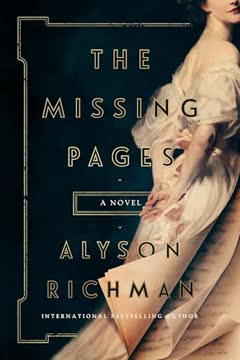
Alyson Richman's The Missing Pages is a moving meditation on grief, love, and the enduring power of books to connect souls across time. By weaving together the stories of Harry, Ada, and Violet, the novel explores how loss can inspire acts of creation and how the search for meaning can bridge the gap between the living and the dead. The use of supernatural elements—ghostly presences, sensory clues, and symbolic objects—serves not as mere plot devices but as expressions of the characters' psychological realities. The novel's dual timeline and epistolary structure invite the reader to become a detective, piecing together the missing pages of history and identity. Ultimately, the story affirms that what is lost is never truly gone, as long as there are those who remember, seek, and love. The lessons of the book are clear: that healing is possible, that the past can be reclaimed, and that the heart of every library—and every life—is the love that endures beyond death.
Last updated:
Review Summary
The Missing Pages receives an overall 4.2/5 rating across 499 reviews. This dual-timeline historical fiction follows Harry Widener, who died on the Titanic, and Violet Hutchins, a 1990s Harvard student working in the library built in his memory. Readers praise the beautiful writing, compelling historical backdrop, and themes of grief, love, and books. Many found Harry's storyline more engaging than Violet's. Some criticized the dialogue as stilted, pacing issues, and historical inaccuracies. The paranormal elements and mystery divide readers. Most appreciate the emotional depth and literary references, though a few found it too sentimental.