Plot Summary
Blood at the Gates
Lunameade is a city built for survival, its people living and dying by the warning bells that signal attacks from the Drained—monstrous, bloodthirsty beings haunting the woods beyond the walls. Harlow Carrenwell, youngest daughter of the city's ruling magical family, is intimately familiar with the city's dangers, but the threats inside her home are just as real. As the Drained grow bolder, the city's power struggles intensify, and Harlow's family prepares for a new alliance that will change her life forever. The city's safety is an illusion, and Harlow's own poison magic is both her weapon and her curse. The story begins with a sense of dread and tension, as Harlow's world is shaped by violence, secrets, and the ever-present threat of betrayal.
Sisters in the Shadows
Harlow's closest bond is with her sister Aidia, a fellow outcast in a family that values power over love. Their relationship is a lifeline, a secret language of comfort and defiance in a house where weakness is punished. Aidia's marriage to the abusive Rafe Mattingly has left her bruised and isolated, and Harlow's rage simmers beneath the surface. The sisters' whispered check-ins—"My heart, my bones, our blood"—are a shield against the world's cruelty. But even as they support each other, the family's machinations threaten to tear them apart. The chapter is heavy with longing, grief, and the desperate hope that love can survive in the shadows.
Poison in the Veins
Harlow's poison magic is both a blessing and a curse. From childhood, she's been a weapon for her family, her deadly kiss used to eliminate threats. But she's also become the Poison Vixen, a vigilante who kills abusive men to protect the city's women. Her double life is a secret shared only with a few trusted allies, and each kill is a small act of justice in a world that refuses to protect the vulnerable. The city's violence is mirrored in Harlow's own trauma, and her need for control is a way to reclaim power stolen from her. The chapter pulses with anger, guilt, and the relentless drive to survive.
The Marriage Bargain
When the long-lost Mountain Haven fort reestablishes contact, Harlow's family seizes the opportunity to marry her to their heir, Henry Havenwood. The marriage is a political maneuver, a way to secure power and uncover the fort's secrets. Harlow is furious at being traded again, but she sees a chance to earn her freedom if she plays her part. The engagement is fraught with suspicion, as both families hide their true intentions. Harlow's first encounter with Henry is electric and dangerous—he is the man she tried and failed to kill, immune to her poison. Their relationship is a battlefield, each testing the other's limits, and the stakes are life and death.
A Monster in the House
Henry is not what Harlow expected. He is Deathless, a man who cannot be killed the same way twice, and he is haunted by his own losses. Their marriage is a tense dance of suspicion, attraction, and mutual loathing. Both are tasked with spying on the other, and both are hiding devastating secrets. As they navigate the treacherous politics of Lunameade and Mountain Haven, their animosity gives way to a dangerous intimacy. The house is full of monsters—some human, some not—and Harlow must decide if she can trust the man she was meant to destroy. The emotional stakes rise as desire and vulnerability threaten to unravel them both.
The Deathless Heir
Henry's immunity to Harlow's poison is only the beginning. He is Deathless, brought back from death by his mother's rare magic, and he carries the scars of countless violent ends. His family's survival after the fall of Mountain Haven is a story of sacrifice, grief, and the burden of leadership. Harlow learns that Henry's pain mirrors her own, and their shared trauma becomes a bridge between them. But trust is hard-won, and both are wary of being used. The chapter is a meditation on the cost of survival, the longing for connection, and the fear that love is just another vulnerability.
The Poison Vixen
Harlow's secret life as the Poison Vixen is a rebellion against the city's indifference to women's suffering. With the help of her ex-lover Bea and a network of allies, she hunts abusers and delivers her own brand of justice. Each kill is a release, a way to channel her rage and protect those who cannot protect themselves. But the work is dangerous, and the line between justice and vengeance blurs. As the city's violence escalates, Harlow's actions draw the attention of her brother Kellan, the captain of the city guard, and the risk of exposure grows. The chapter explores the ethics of violence, the hunger for retribution, and the loneliness of being a monster for others.
Breeders in the Dark
The Drained are changing. Reports of missing women and new, more intelligent monsters—Breeders—signal a terrifying evolution. Harlow and Henry uncover the truth: the Drained are capturing women to breed more of their kind, and the city's defenses are failing. The revelation is a turning point, forcing old enemies to work together and exposing the limits of magic and power. The threat is no longer just outside the walls; it is inside, growing stronger. The chapter is suffused with dread, urgency, and the realization that survival will require sacrifice and unity.
Madness in the Well
The city's sacred wells, once a source of healing and power, are now a source of madness. Harlow's father and brother are succumbing to violent fits, and the well's magic no longer works as it should. The cause is traced to the blood tithes—offerings made in anger and resentment, poisoning the magic. The family's secrets are laid bare, and the cost of their ambition is madness and death. Harlow's own pain episodes are a symptom of the city's sickness, and she fears she is losing her mind. The chapter is a descent into chaos, as the foundations of power crumble and the true price of control is revealed.
The Claiming Night
The tension between Harlow and Henry erupts on the night of the hunt, a ritual of pursuit and claiming. In the darkness of the forest, they give in to their most primal desires, and Henry marks Harlow as his with blood and pleasure. The claiming is both a surrender and a reclamation of power, as Harlow finds freedom in being wanted and seen. Their love is monstrous, born of pain and violence, but it is also healing. The chapter is a fever dream of lust, rage, and the possibility of redemption through intimacy.
The Price of Vengeance
The time for vengeance arrives. Harlow confronts her parents, forcing them to face the pain they inflicted on their children. With Kellan's help, she compels them to suffer as she and Aidia did, and then delivers the final, poisonous blow. The act is both justice and damnation, and it leaves Harlow hollow. The cost of vengeance is high—she is left without family, without purpose, and with the guilt of surviving when her sister did not. The chapter is a reckoning with the past, a confrontation with the limits of justice, and the beginning of a new kind of freedom.
The Family's Undoing
Kellan reveals himself as Rochelli, the leader of the rebellion, and the city's secrets are brought into the light. The blood tithes are ended, the Drained are fought with new knowledge, and the Carrenwell dynasty falls. Harlow's violence is both condemned and understood, and the city begins to heal. The revolution is not without cost, but it offers the hope of a better future. The chapter is a celebration of survival, the forging of new alliances, and the possibility of change.
The Revolution Unmasked
With the old order destroyed, Lunameade must find a new way forward. Kellan takes responsibility for the family's sins, and the city's people are given a voice. Harlow is offered a choice: to stay and help rebuild, or to leave and find her own peace. The wounds of the past are not easily healed, but there is hope in the possibility of forgiveness and the promise of a new beginning. The chapter is a meditation on the meaning of power, the necessity of truth, and the courage to choose love over fear.
The End of the Carrenwells
Harlow is haunted by the loss of her sister, the violence of her past, and the uncertainty of her future. In a final vision, Aidia urges her to let go and live. The act of saying goodbye is both a release and a reclamation of self. Harlow's grief is monstrous, but it is also a testament to her love. The chapter is a quiet, aching farewell to the ghosts that have shaped her, and a step toward healing.
The Last Guilt
In the aftermath of revolution and revenge, Harlow is left to pick up the pieces of her life. She confronts her brother, her guilt, and her own capacity for violence. The path to forgiveness is not easy, but it is necessary. With the help of friends and allies, Harlow begins to imagine a future where she is more than her pain. The chapter is a journey toward self-acceptance, the mending of broken bonds, and the tentative hope that love can survive even the darkest nights.
The Choice to Stay
With the city changed and her family gone, Harlow is finally free to choose her own path. Henry offers her a place at his side, not as a weapon or a pawn, but as a partner. The choice to stay is both an act of courage and an act of love. Harlow's journey is not over, but she is no longer running from her pain. The chapter ends with the promise of a new life, built on the ashes of the old, and the hope that even the most poisonous hearts can heal.
Characters
Harlow Carrenwell
Harlow is the youngest daughter of Lunameade's ruling family, marked by her deadly poison magic and a lifetime of trauma. She is fiercely intelligent, deeply wounded, and driven by a need for control in a world that has always tried to use her. Her closest bond is with her sister Aidia, and their secret language is a lifeline in a house where love is scarce. Harlow's double life as the Poison Vixen is both an act of rebellion and a desperate attempt to protect others from the violence she cannot escape. Her journey is one of survival, vengeance, and the search for a place where she can be more than a weapon. Over the course of the story, Harlow is forced to confront her own capacity for violence, her longing for love, and the possibility of healing. Her relationship with Henry is a crucible, burning away her defenses and revealing the strength and vulnerability beneath.
Henry Havenwood
Henry is the heir to Mountain Haven, a man who cannot be killed the same way twice, and who carries the scars of countless deaths. His immunity to Harlow's poison is both a blessing and a curse, and his own trauma mirrors hers. Henry is tasked with spying on Harlow and her family, but he is also searching for justice for the sister he lost. His love for Harlow is fierce and complicated, born of shared pain and the recognition of a kindred spirit. Henry's journey is one of learning to trust, to forgive, and to choose love over vengeance. His dual blessings—healing and manipulation—make him both a savior and a threat, and his struggle is to use his power without becoming the monster he fears.
Aidia Carrenwell
Aidia is Harlow's older sister and closest confidante, a fellow outcast in a family that values power over love. Her marriage to Rafe Mattingly is a slow-motion tragedy, and her suffering is both a catalyst for Harlow's rage and a mirror of her own pain. Aidia's magic is glamour, the ability to change appearances, but she cannot hide the bruises or the toll of abuse. Her relationship with Harlow is the emotional heart of the story, a testament to the power of sisterhood and the devastation of loss. Aidia's death is the wound that never heals, and her memory haunts Harlow long after she is gone.
Kellan Carrenwell
Kellan is the captain of the city guard, blessed with manipulation magic, and the only sibling Harlow truly trusts. He is pragmatic, compassionate, and torn between duty to his family and loyalty to his sister. Kellan's secret identity as Rochelli, the leader of the rebellion, is a masterstroke of subterfuge, and his actions are driven by a desire to protect the city from his parents' corruption. His relationship with Harlow is complex, marked by guilt, love, and the shared burden of survival. Kellan's journey is one of atonement, leadership, and the hope that change is possible.
Rafe Mattingly
Rafe is the mayor of Lunameade and Aidia's husband, a man blessed with powerful manipulation magic. He is charming, cunning, and utterly ruthless, using his power to control and abuse those around him. Rafe's violence is both personal and political, and his rise to power is a testament to the city's moral decay. He is the embodiment of the dangers lurking within the walls, and his eventual downfall is both justice and a warning. Rafe's relationship with Harlow is one of mutual hatred, and his actions are the catalyst for much of her rage and vengeance.
Gaven Pomeroy
Gaven is Harlow's lifelong bodyguard, a man without his own magic but marked by a rare immunity to Divine blessings. He is a steady presence, a surrogate father, and a silent witness to the family's violence. Gaven's loyalty is complicated—he protects Harlow from external threats but is powerless to stop the harm within her own home. His death is a turning point, forcing Harlow to confront the limits of loyalty and the cost of survival. Gaven's relationship with Harlow is one of quiet devotion, regret, and the hope that she can find peace.
Liza and Harrick Carrenwell
Liza and Harrick are the heads of the Carrenwell family, ruling Lunameade with a combination of magical power and emotional cruelty. Their ambition is boundless, and their love is conditional, doled out only when it serves their interests. They use their children as pawns, trading them for alliances and sacrificing them for power. Their violence is both physical and psychological, and their legacy is one of trauma and madness. Their eventual downfall is both a reckoning and a release, but the scars they leave behind are indelible.
Bea
Bea is Harlow's former lover and the owner of Guardian's Crossing, a bar that serves as a hub for the Poison Vixen's network. She is tough, resourceful, and fiercely loyal, providing both practical support and emotional grounding. Bea's relationship with Harlow is complicated by love, jealousy, and the knowledge that she cannot save her from herself. She is a voice of reason, urging Harlow to accept help and to believe in the possibility of healing. Bea's presence is a reminder that love can survive even when it cannot save.
Carter and Bryce
Carter and Bryce are Henry's closest friends and fellow survivors of the fall of Mountain Haven. Carter is calm, pragmatic, and blessed with manipulation magic, while Bryce is brash, charming, and a skilled fighter. Both are marked by trauma and the struggle to rebuild after loss. Their loyalty to Henry is unwavering, and their presence is a source of strength and humor. Carter and Bryce's journey is one of camaraderie, resilience, and the hope that friendship can endure even the darkest times.
The Drained
The Drained are the ever-present menace outside the city walls, a symbol of the world's violence and the consequences of unchecked power. Their evolution into Breeders is a terrifying escalation, forcing the city to confront the limits of its defenses and the cost of its secrets. The Drained are both literal monsters and a metaphor for the poison that infects families, cities, and hearts. Their presence is a constant reminder that survival is never guaranteed, and that the true danger is often within.
Plot Devices
Dual Narratives and Shifting Perspectives
The story unfolds through the alternating perspectives of Harlow and Henry, each chapter peeling back layers of trauma, desire, and deception. This structure allows readers to inhabit both the victim and the monster, the hunted and the hunter, and to see how pain shapes every choice. The shifting perspectives create dramatic irony, as each character withholds truths from the other and from themselves. The use of unreliable narration—memories lost to trauma, secrets buried for survival—heightens the tension and emotional stakes. The dual narrative is a mirror, reflecting the ways love and violence are intertwined, and how healing requires both confrontation and surrender.
Poison as Metaphor and Weapon
Poison is both literal and symbolic throughout the novel. Harlow's magic is a tool for vengeance, a means of control, and a curse that isolates her from intimacy. The poison in the wells, the blood tithes, and the city's politics all echo the theme of corruption—how power, when wielded without care, infects everything it touches. Poison is also a metaphor for trauma, for the ways pain seeps into every relationship and decision. The story asks whether it is possible to transmute poison into healing, or if some wounds are too deep to ever fully mend.
Foreshadowing and Revelation
The novel is rich with foreshadowing—early hints of madness in the well, the evolution of the Drained, the true nature of Henry's immortality, and the depth of Harlow's trauma. The use of memory loss and dissociation as both a plot device and a psychological reality creates suspense and emotional resonance. Key revelations—Aidia's death, Kellan's identity as Rochelli, the cause of the well's corruption—are seeded early and pay off in devastating ways. The structure is cyclical, with the past constantly intruding on the present, and healing only possible when the truth is finally faced.
Revolution and Power Shifts
The story is driven by the slow, inevitable collapse of the old order. The Carrenwell family's grip on power is undone by their own violence, the rebellion led by Kellan, and the exposure of their secrets. The revolution is both political and personal, as Harlow and Henry must decide what kind of world they want to build from the ashes. The plot is propelled by betrayals, shifting alliances, and the recognition that justice is never clean. The hope for change is tempered by the knowledge that healing is a process, not a destination.
Analysis
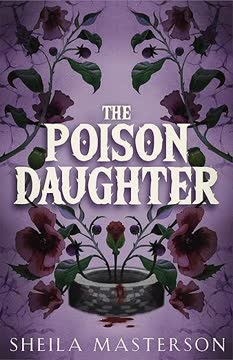
Sheila Masterson's The Poison Daughter is a searing exploration of trauma, vengeance, and the possibility of healing in a world poisoned by violence and power. At its heart, the novel is about the cost of survival—how pain shapes identity, how love and violence are often inseparable, and how the wounds of the past can be both a source of strength and a prison. The story refuses easy answers, instead offering a nuanced portrait of characters who are both victims and monsters, shaped by forces beyond their control but still capable of choice. The use of poison as both weapon and metaphor is particularly resonant in a modern context, echoing the ways trauma lingers in the body and mind. The novel's structure—alternating perspectives, unreliable narration, and cyclical revelations—mirrors the process of healing: nonlinear, painful, and full of setbacks. Ultimately, The Poison Daughter is a testament to the power of truth, the necessity of rage, and the hope that even the most broken hearts can find peace. It is a story for anyone who has ever survived, and for those still learning how.
Last updated:
Review Summary
The Poison Daughter receives overwhelmingly positive reviews, averaging 4.49 stars. Readers praise the dark romantasy standalone for its compelling enemies-to-lovers romance, badass assassin FMC with poisonous powers, and arranged marriage plot with vampires. The banter, tension, and spicy scenes earn high marks, as does representation of chronic migraines and trauma. Multiple plot twists keep readers engaged through 600+ pages. Common criticisms include repetitive internal monologue, excessive length, and rushed resolution of betrayals. Some note similarities to "From Blood and Ash." Readers appreciate the mature characters (in their 30s), feminist themes, and emotional depth, though darker content requires trigger warnings.