Plot Summary
Forbidden Cleft Discovery
On a bright summer morning, a young boy sneaks into the forbidden King's Cleft to play, only to stumble upon the naked body of a woman. His innocent adventure is shattered by terror, and the small town of Fjällbacka is instantly thrust into darkness. The discovery shocks the community, and the police are called in, led by detective Patrik Hedström, who is pulled from his holiday and his pregnant partner Erica's side. The scene is chilling, the body's placement deliberate, and the sense of something deeply wrong lingers in the air. The boy's fear and the town's collective anxiety set the stage for a mystery that will unravel decades of secrets and pain.
Three Bodies, One Blanket
As forensic teams examine the crime scene, they make a shocking discovery: beneath the murdered woman lie two skeletons, their bones tangled together on the same blanket. The present-day murder is instantly linked to the past, and the investigation doubles in complexity. The police realize they are dealing with not just a single crime, but a legacy of violence. The skeletons' age suggests they are the remains of two young women who vanished in 1979, cases that haunted the town but were never solved. The chilling parallel between past and present ignites a desperate search for answers, as the boundaries between old wounds and new horrors blur.
Hult Family Shadows
The Hult family, long the subject of local suspicion and gossip, is thrust back into the spotlight. Johannes Hult, once suspected in the 1979 disappearances, committed suicide under a cloud of shame, leaving his wife Solveig and sons Robert and Stefan to bear the weight of the town's judgment. The family's poverty and dysfunction are laid bare, their home a shrine to lost beauty and broken dreams. Meanwhile, the more prosperous branch of the Hults, led by Gabriel, maintains a veneer of respectability, but old resentments simmer. The family's tangled history, marked by rivalry, betrayal, and secrets, becomes central to the investigation, as the sins of the fathers threaten to destroy the next generation.
Past Sins, Present Crimes
Detective Patrik and his team dig into the cold cases of Siv Lantin and Mona Thernblad, the two girls who vanished in 1979. Their lives, personalities, and families are reconstructed through interviews and archives, revealing a town that never truly healed. The investigation exposes the failures and biases of the original inquiry, the destructive power of rumor, and the lasting trauma for those left behind. As the police struggle to connect the dots, they confront the possibility that the killer has been hiding in plain sight for decades, and that the past is not as distant as it seems.
The Preacher's Legacy
The Hult family's patriarch, Ephraim "the Preacher," was a legendary figure whose faith-healing revivals and manipulations shaped his sons and grandchildren. His legacy is one of both spiritual power and psychological damage. The family's history is marked by favoritism, rivalry, and the burden of living up to Ephraim's myth. The Preacher's belief in special gifts, and his willingness to exploit his children for his own ends, left scars that echo through the generations. As the investigation unfolds, it becomes clear that the roots of violence and secrecy run deep, entwined with the family's sense of destiny and shame.
Erica's Unquiet Summer
Erica, Patrik's partner, is heavily pregnant and struggling with the discomforts and anxieties of impending motherhood. Her summer is disrupted by a parade of unwelcome guests, family tensions, and the shadow of the murder investigation. Erica's relationship with her sister Anna is strained by past trauma and present fears, while her own insecurities about motherhood and partnership surface. Despite her efforts to help Patrik with research, she feels increasingly isolated and powerless. The domestic sphere, usually a place of safety, becomes another site of tension and uncertainty, mirroring the chaos outside.
Missing Girls, Old Wounds
The case takes a terrifying turn when Jenny Möller, a teenage tourist, goes missing after hitchhiking. Her parents' anguish and the community's panic echo the events of 1979, as the police scramble to find her before it's too late. The search is hampered by false leads and bureaucratic failures, and the overwhelming pressure of public scrutiny. The fear that a serial predator is at work grips Fjällbacka, and the police are forced to confront their own limitations and mistakes. The urgency of the present collides with the unresolved pain of the past, as hope dwindles and dread grows.
The German Connection
Liese, a young German woman, arrives at the police station desperate to find her missing friend Tanja. Her story reveals that Tanja came to Fjällbacka on a mysterious personal mission, seeking answers about her own origins. As the police piece together Tanja's background, they discover she is the daughter of Siv Lantin, one of the 1979 victims, sent to Germany as a child and raised under a new identity. Tanja's search for her mother's fate led her into the killer's path, and her tragic end becomes the key to unlocking the intergenerational web of secrets, lies, and longing for closure.
Family Feuds Ignite
The simmering feud between the Hult family branches erupts as accusations, threats, and even vandalism fly. Solveig confronts Gabriel, blaming him for her husband's ruin and the family's disgrace. The younger generation, caught between loyalty and resentment, act out in destructive ways. The police struggle to separate truth from vendetta, as the family's dysfunction threatens to derail the investigation. The emotional toll of decades of suspicion and bitterness is laid bare, and the cost of silence and pride becomes painfully clear.
The Healer's Curse
The investigation uncovers the psychological legacy of Ephraim's obsession with healing and chosenness. Johannes, once the favored son, was haunted by the loss of his "gift" and driven to desperate acts in a futile quest to reclaim it. His son Jacob, raised on stories of miracles and burdened by illness, internalizes the family mythos to a dangerous degree. The line between faith and delusion blurs, as the need to be special, to heal, and to be redeemed becomes a curse passed from father to son. The crimes are revealed as both personal tragedies and the inevitable outcome of a toxic inheritance.
DNA and Deceptions
Forensic breakthroughs reveal that the killer's DNA is related to Johannes Hult, but not a direct match to any known family member. The investigation is thrown into confusion, as blood tests and family trees expose hidden paternity, affairs, and betrayals. The discovery that Jacob is actually Johannes's son, not Gabriel's, and that his DNA is masked by a bone marrow transplant from Ephraim, creates a labyrinth of mistaken identities and false leads. The truth, when it emerges, is both shocking and heartbreakingly logical, the result of generations of secrets and lies.
The Search for Jenny
As the police close in on the truth, the search for Jenny becomes frantic. Clues point to Jacob, whose recent cancer diagnosis and psychological unraveling make him both a suspect and a victim of his own family's legacy. The team's efforts are hampered by red herrings, personal conflicts, and the sheer vastness of the landscape. The community's fear and the parents' agony reach a fever pitch, as the possibility of saving Jenny slips further away. The investigation becomes a test of endurance, faith, and the limits of human resilience.
Jacob's Descent
Jacob, tormented by illness and the weight of his family's expectations, succumbs to madness. Convinced he is chosen to continue his father's work, he kidnaps and tortures Jenny in a hidden bomb shelter, reenacting the rituals of pain and healing described in Johannes's secret notebook. His delusions are fueled by religious fervor, guilt, and a desperate need for meaning. The narrative descends into the claustrophobic horror of captivity, as Jenny's hope fades and Jacob's grip on reality slips away. The line between victim and perpetrator, faith and madness, is obliterated.
The Bomb Shelter Secret
A breakthrough comes when the police, aided by childhood memories and a crucial phone call, realize that Jacob is hiding Jenny in an old bomb shelter on the family property. The search is tense and dangerous, as the team races against time and the threat of further violence. The confrontation is fraught with risk, and the emotional stakes are at their highest. The discovery of Jenny's body, and Jacob's arrest, bring the investigation to a grim conclusion, but the sense of loss and failure lingers. The bomb shelter becomes a symbol of buried secrets and the darkness at the heart of the family.
Truths Unearthed
In the aftermath, the tangled web of family secrets is finally unraveled. The truth about Johannes's crimes, his murder at the hands of his father Ephraim, and the chain of extortion, betrayal, and silence is laid bare. The surviving Hults are left to reckon with the legacy of violence and shame, as relationships are shattered and new wounds are opened. The police, too, must confront their own mistakes and the limits of justice. The community is forever changed, its innocence lost, but the possibility of healing, however fragile, remains.
The End of Innocence
The town mourns its dead, and the survivors struggle to rebuild their lives. Erica and Patrik, scarred by the horrors they have witnessed, face the birth of their child with a mixture of joy and fear. Anna, Erica's sister, is forced to confront her own abusive past and uncertain future. The Hult family, broken but unburdened by secrets, must find a way to move forward. The investigation's end brings no easy closure, only the hard work of living with the truth. The story closes on a note of ambiguity, as the cycle of pain and redemption continues.
Aftermath and New Beginnings
In the wake of the case, Fjällbacka is left to pick up the pieces. The police reflect on the cost of their pursuit of justice, and the community grapples with the scars left by violence and betrayal. Erica and Patrik welcome their child, a symbol of hope and renewal amid the darkness. The survivors, each changed by the ordeal, look to the future with caution and determination. The story ends with the recognition that evil can never be fully banished, but that love, resilience, and the search for truth endure.
Characters
Patrik Hedström
Patrik is the emotional and investigative center of the novel, a dedicated police officer whose sense of responsibility is both his strength and his burden. His relationship with Erica, and impending fatherhood, add layers of vulnerability and humanity to his character. Patrik's methodical approach and empathy make him a natural leader, but the weight of the case, especially the failure to save Jenny, leaves him deeply shaken. He is driven by a need for justice and a fear of his own limitations, and his journey is one of confronting the darkness within himself and his community.
Erica Falck
Erica is both a participant in and observer of the unfolding drama. Her pregnancy, family history, and intellectual curiosity position her as a bridge between the domestic and the criminal worlds. Erica's struggles with anxiety, isolation, and her relationship with her sister Anna mirror the larger themes of the novel: the difficulty of breaking free from the past, and the challenge of building a future in the shadow of trauma. Her resilience and insight provide moments of hope and clarity amid the chaos.
Jacob Hult
Jacob is the tragic inheritor of the Hult family's legacy. Raised on stories of miracles and burdened by illness, he is both victim and perpetrator. His descent into madness is fueled by religious delusion, guilt, and a desperate need to fulfill his father's myth. Jacob's actions are horrifying, but his psychological complexity and the pathos of his fate evoke both fear and pity. He embodies the novel's exploration of the dangers of inherited trauma and the thin line between faith and fanaticism.
Solveig Hult
Solveig is a figure of both pathos and rage, her life defined by loss, poverty, and the weight of public suspicion. Her obsession with the past, embodied in her photo albums, and her inability to move on from her husband's disgrace, make her both a victim and a source of pain for her sons. Solveig's confrontations with Gabriel and her role in the family's ongoing feud highlight the destructive power of pride and resentment.
Gabriel Hult
Gabriel represents the respectable face of the Hult family, but his need for control and his inability to express emotion have left him isolated and embittered. His rivalry with Johannes, his complicated relationship with his wife Laine, and his eventual confrontation with the truth about his son's paternity force him to reckon with his own failures. Gabriel's journey is one of reluctant self-awareness and the painful acceptance of his limitations.
Laine Hult
Laine is a study in repression and endurance. Her affair with Johannes, her years of silence, and her role as the family's emotional caretaker have left her exhausted and hollow. The revelation of Jacob's true paternity and the collapse of her marriage are both a liberation and a tragedy. Laine's story is a testament to the corrosive power of secrets and the difficulty of forgiveness.
Robert and Stefan Hult
Robert and Stefan are the casualties of their family's history, their lives shaped by poverty, loss, and the stigma of their father's suicide. Robert's bravado masks deep insecurity, while Stefan's sensitivity makes him vulnerable to despair. Their relationship is marked by loyalty and resentment, and their fates are intertwined with the larger tragedy of the Hults. Stefan's near-fatal beating and Robert's grief underscore the novel's themes of brotherhood, sacrifice, and the longing for redemption.
Anna Falck
Anna's journey from an abusive marriage to uncertain independence mirrors the novel's exploration of trauma and recovery. Her struggles with self-worth, her complicated relationship with Erica, and her efforts to protect her children highlight the challenges of breaking free from cycles of violence. Anna's choices, both brave and flawed, reflect the difficulty of healing and the importance of solidarity.
Tanja Schmidt / Malin Lantin
Tanja's quest to uncover her mother's fate brings her to Fjällbacka and into the killer's path. Her story is one of longing for identity, belonging, and closure. Tanja's fate is a catalyst for the investigation, and her death is a reminder of the enduring consequences of secrets and abandonment. Her character embodies the novel's themes of intergenerational trauma and the search for meaning.
Jenny Möller
Jenny's disappearance and death are the emotional heart of the novel's present-day narrative. Her youth, hope, and vulnerability make her loss especially devastating. Jenny's story is a stark reminder of the randomness of evil and the fragility of safety. Her parents' grief and the community's response underscore the collective cost of violence and the enduring need for justice and compassion.
Plot Devices
Dual Timelines and Generational Echoes
The novel's structure alternates between the events of 1979 and the present, using flashbacks, archival research, and personal recollections to gradually reveal the connections between past crimes and current mysteries. This device creates suspense, deepens character development, and highlights the cyclical nature of trauma and violence. The generational echoes—children repeating the sins or suffering the consequences of their parents—are central to the plot's emotional and thematic resonance.
Family Secrets and False Paternity
The revelation of Jacob's true parentage, the existence of illegitimate children, and the concealment of affairs and betrayals are key to unraveling the case. DNA evidence, mistaken identities, and the consequences of silence and shame propel the investigation and create layers of irony and tragedy. The motif of hidden blood ties underscores the novel's exploration of identity, inheritance, and the destructive power of secrets.
Religious Delusion and the Healer Motif
The legacy of Ephraim's faith-healing and the belief in chosenness are transformed into a curse that drives both Johannes and Jacob to violence. The motif of healing—both literal and metaphorical—serves as a dark mirror to the acts of torture and murder. The blurring of boundaries between faith, fanaticism, and mental illness is a central plot device, raising questions about the nature of evil and the dangers of unchecked belief.
Red Herrings and Procedural Obstacles
The investigation is marked by misdirection, dead ends, and the limitations of both technology and human judgment. The police are hampered by missing reports, personal biases, and the complexity of the case. These obstacles create tension, delay resolution, and force the characters to confront their own fallibility. The use of forensic science, especially DNA analysis, is both a tool for truth and a source of confusion, reflecting the ambiguities of justice.
Symbolic Spaces
The King's Cleft, the bomb shelter, and the Hult family homes are more than settings—they are symbols of secrecy, entrapment, and the buried past. The claustrophobic spaces where the victims are held and the hidden compartments where secrets are stored mirror the characters' internal prisons. The landscape of Fjällbacka, with its beauty and darkness, becomes a character in its own right, shaping and reflecting the story's emotional arc.
Analysis
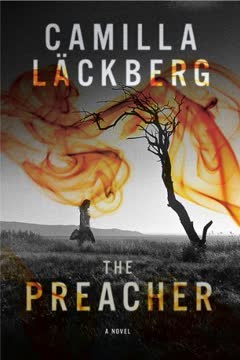
Camilla Läckberg's The Preacher is a masterful exploration of the ways in which the past haunts the present, and how the legacies of family, faith, and secrecy can shape—and destroy—lives across generations. At its core, the novel is a meditation on the dangers of inherited trauma, the seductive power of myth, and the corrosive effects of silence and shame. Through its intricate plotting and rich characterizations, the book interrogates the boundaries between victim and perpetrator, faith and madness, love and violence. The dual timelines and interwoven narratives create a sense of inevitability, as the sins of the fathers are visited upon the children, and the quest for healing becomes a path to destruction. Läckberg's portrayal of small-town life is both affectionate and unsparing, revealing the ways in which community can be both a source of support and a crucible of judgment. The novel's ultimate message is one of caution and hope: that while evil may never be fully eradicated, the courage to confront the truth, to break the cycle of secrecy, and to choose compassion over pride can offer the possibility of redemption and renewal.
Last updated:
Review Summary
The Preacher by Camilla Läckberg is the second book in her Fjällbacka series featuring detective Patrick Hedström. Readers praise the intricate plot involving a feuding family descended from a charismatic preacher, and the discovery of bodies spanning two decades. Many appreciate the characterization and Swedish setting, though some find the numerous characters confusing and note frequent perspective shifts. Common criticisms include predictable elements, excessive domestic scenes with pregnant Erica, translation issues, and narrative tricks that withhold information from readers. Ratings vary widely, with most giving 3-4 stars, appreciating it as solid Nordic noir despite flaws.