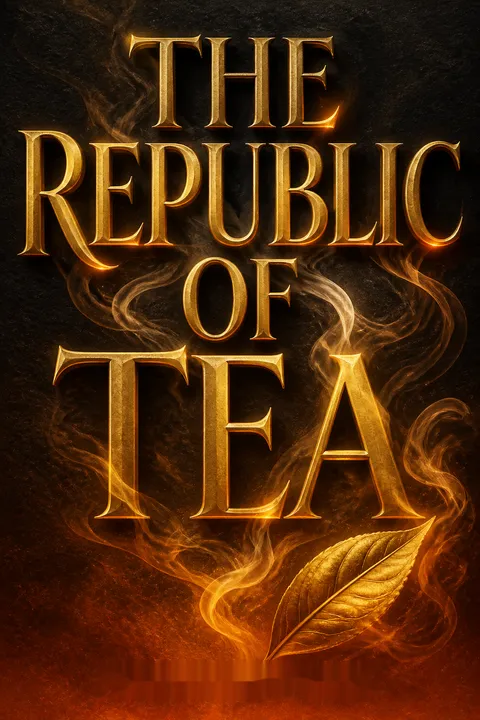


Key Takeaways
Use tea to sell a slower way of living, but make the tea genuinely excellent.
A beverage with a point of view. Mel Ziegler and Bill Rosenzweig first met in 1990 and spent a seven-hour flight imagining a company that could offer Americans better tea and a calmer way to experience daily life. Their term “Tea Mind” means attentive, contented awareness, encouraged by pausing to prepare and drink tea. The company’s playful imagined nation, The Republic of Tea, gave that idea a memorable form.
The cup comes first. The founders wanted the brand to invite people into a more deliberate rhythm, not preach a doctrine. But their own correspondence kept returning to a practical test: the tea had to taste good. The message could attract attention; only a worthwhile product could make the experience credible and bring customers back.
The founders treat a product as a carrier of meaning, not as a blank surface for advertising. That distinction matters: ritual can make an ordinary purchase memorable, but it cannot indefinitely compensate for a disappointing product. Their strongest version of the idea joins the tangible and the symbolic. The tea gives customers something real to taste, while the brand supplies a context for noticing it. The approach also has a useful limit: a business can invite a slower pace, but it cannot guarantee that customers will experience the inner calm its founders associate with tea.
Stop polishing the concept and go find the product.
Ideas can imitate progress. For months, Bill’s faxes filled with market research, ambitious product lists, possible acquisitions, and elaborate plans. Yet the company still had no tea to sell. Mel saw the gap: attractive language and packaging could not substitute for the product itself. Bill had to decide whether he would lead the venture, rather than wait for a partner to make the decision feel safe.
Learn by getting close. After a year of scattered efforts, Bill began studying tea directly. He practiced tasting, learned how growing conditions shaped flavor, and investigated how tea was sourced and sold. That work changed his role from idea organizer to product builder. The business became possible when he stopped asking others to supply the missing certainty and began acquiring the knowledge the work required.
This is a sharp account of analysis becoming a shelter from exposure. Research is valuable when it changes a decision or reduces a real uncertainty; it becomes circular when each answer generates another reason to postpone contact with the work. Bill’s shift is not a rejection of planning. It is a change in what counts as evidence, from increasingly polished scenarios to direct knowledge of the tea and the people who buy it. The story also resists a simplistic instruction to act immediately: his preparation mattered, but only once it served a concrete commitment.
Let a paying customer teach you what the market actually wants.
A small sale made the idea real. In Sedona, Bill arranged for the local Arts Center to serve Republic of Tea blends at a weekly social tea and sell products through its gallery shop. This gave the founders an early customer, a place to observe people responding to tea, and a low-cost way to refine products. Visitors suggested gift baskets, tea sets, and events, helping the founders see how tea could become a shared experience.
Test before you scale. The arrangement was not proof that a national business would work. It did, however, replace speculation with feedback from people who could taste the tea and choose whether to buy it. Bill aimed to fund early expenses through sales and to add products as they earned approval, rather than commit immediately to a costly launch.
The Arts Center test is valuable because it joins product use, social context, and commerce in one setting. Customers were not merely answering a survey about hypothetical preferences; they were drinking, discussing, and considering purchases. That kind of feedback can reveal needs a questionnaire misses. Still, a welcoming local audience cannot establish broad demand by itself. The experiment’s real achievement is narrower and more useful: it showed the founders how to learn cheaply, and gave them evidence to guide the next decision.
Meet customers where they are before inviting them to brew differently.
Convenience was part of the market. Bill initially favored loose tea, which the founders believed offered better flavor and encouraged a more attentive preparation ritual. But they also recognized that most American tea at home was being made from bags. Their account of Britain offered a similar corrective: even there, where tea had deep cultural roots, more than 80 percent of sales were in bags.
Offer a bridge, not a test. The founders concluded that superior tea should be available in both loose form and bags. A customer could begin with the familiar format and explore other ways of brewing if interested. Their aim was not to force customers to adopt the founders’ preferred ritual, but to make better tea accessible on customers’ own terms.
This choice captures an important tension between product conviction and user friction. A company can believe that one format is richer while recognizing that changing established routines has a cost. Offering both formats makes the better product easier to try without treating convenience as a character flaw. The approach also guards against a common strategic mistake: confusing the founders’ ideal customer journey with the journey real customers are willing to take. A bridge can preserve the destination without insisting that everyone cross it at the same speed.
Earn the story with product quality customers can taste.
Tea has a harvest behind it. Bill learned to compare teas side by side and distinguish, for example, a brighter first-flush Darjeeling, picked early in the season, from a mellower later harvest. He also studied how origin, cultivation, water, and brewing affect the cup. This made tea more than a generic flavor category: particular estates and harvests could have their own character.
Consistency can conceal difference. The book describes commercial blends as combinations selected partly to maintain a familiar taste and supply. The Republic’s opportunity was to offer exceptional, sometimes limited teas that revealed more of the leaf’s origin and variation. Names, stories, and packaging could help explain those differences, but repeat purchases depended on customers finding the tea itself worth drinking.
The book’s most durable argument for differentiation is not its whimsical branding, but its attention to a product’s underlying variation. Treating tea as a crop with distinct origins gives customers a reason to learn and compare, rather than simply choose among flavors. The challenge is that complexity can become intimidating or expensive to communicate. The founders’ task was therefore twofold: secure quality, then translate it into approachable language. Their story suggests that education works best when it helps people notice a difference they can actually taste.
Make profit the engine of responsibility, not its rival.
Good intentions need a durable business. Mel argued that a company cannot advance its social purpose if it fails financially. Profit was not simply money for the owners: in his account, a healthy business should create value for investors, employees, suppliers, and customers. Bill agreed that moral ambition could not replace the discipline of making the venture work.
Keep the economics visible. The founders debated how quickly to expand, whether to acquire a company, and how much inventory or distribution to fund. A smaller test market meant less money at risk and more room to learn. Their later plans included sales forecasts, catalogue costs, inventory, and cash flow, while preserving the broader goal of responsible relationships and quality products.
This view usefully distinguishes social purpose from charitable language. A mission that consumes resources without generating enough value can leave employees and suppliers carrying the cost of its idealism. The book’s answer is to treat commercial viability as a condition of service, not evidence of moral failure. That principle does not settle every question about what counts as fair profit or who receives its benefits. It does, however, require a venture to face those questions in its operating choices, rather than assume good intentions make the accounts work.
Match the founding team to the work, not just the vision.
Shared enthusiasm did not settle the roles. Mel brought the founding vision and company voice, Patricia shaped its visual world, and Bill was expected to lead daily operations. Bruce Katz added financial and commercial scrutiny, pressing Bill to consider distribution, costs, and the limits of opening retail stores. Their different instincts strengthened the discussion, but uncertainty about ownership, time, and responsibility also slowed it.
Clarify commitment before relying on it. Mel and Patricia ultimately offered support and investment without promising day-to-day involvement. Bill had wanted a working partnership and had been waiting for that commitment. Once the mismatch was discussed, he could build a plan that fit the actual contributions available. The episode shows why friendship and shared values are not substitutes for explicit agreements about who decides, who works, and who bears risk.
The team’s creative chemistry generated possibilities, while its practical disagreements exposed assumptions hidden beneath the idea of partnership. That combination is productive only when differences become discussable. Bill’s frustration was not simply interpersonal; he needed an operating partner, while Mel wanted to contribute selectively. Naming that mismatch made it possible to design around reality rather than hope. The story also cautions against treating a complementary team as automatically effective: distinct talents help only when authority, workload, and financial exposure are understood by everyone involved.
Treat plans as experiments, and keep execution close to reality.
A plan changed as the facts changed. The founders considered buying an existing company, launching bottled tea, opening a retail shop, and building a catalogue. Bruce’s commercial review led Bill to favor wholesale rather than fund an expensive store. Bill also revised his assumptions about loose tea, product lines, and financing as he learned more about the trade.
Yielding still requires doing. Mel’s idea of “not-doing” meant listening and adapting instead of forcing a predetermined outcome, not avoiding work. Bill still had to secure suppliers, learn quality control, raise money, and commit his own resources. The Republic of Tea was incorporated on January 22, 1992, and its first product shipped in May. The long period of reconsideration mattered because it ended in specific execution.
The book’s language of flow can sound like a license to wait for destiny, especially beside its repeated insistence that a business must be built through concrete work. The most useful interpretation is less mystical: stay responsive to evidence, but remain responsible for the next action. The founders’ changing plans show adaptability in practice, while the launch dates make clear that flexibility alone is not progress. A plan is strongest when it guides decisions without becoming a promise to ignore what the market, product, or team reveals.
Analysis
The Republic of Tea is both a startup story and a record of how an idea becomes less romantic, more specific, and finally operable. Its form matters: a sequence of faxes lets readers see the founders invent language, imagine products, argue over strategy, and expose uncertainties that a polished retrospective might hide. The central narrative is not simply that a better tea company was born. It is that Bill had to become capable of carrying the idea without depending on Mel to make its risks feel manageable.
The book’s most revealing contrast is between presentation and substance. Early correspondence produces a vivid brand world, product names, and ambitious extensions into retail and bottled beverages. Yet those creations cannot resolve the basic questions of supply, quality, customer behavior, and cash. Bill’s education in tea and eventual focus on the actual leaf give the business a firmer foundation than its language alone could provide. The lesson is especially sharp because the founders are unusually skilled at storytelling, making them vulnerable to mistaking a compelling story for a tested business.
The book also holds two seemingly opposed principles together: act decisively, and yield to circumstances. Read carelessly, the language of allowing events to unfold could romanticize delay. Read alongside Bill’s eventual supplier research, product tasting, financial projections, and launch, it points instead to a disciplined responsiveness. Do the work, but do not confuse a favored plan with reality.
Its account of responsible business is similarly practical. Social purpose is meaningful only if the enterprise can sustain the people and relationships through which it operates. The text sometimes treats profit as a cleaner measure of shared benefit than real organizations can guarantee, but its deeper contribution is to reject the comforting idea that virtue exempts a company from economics. The Republic’s founding story makes entrepreneurship a process of learning what the idea requires, then accepting responsibility for supplying it.
Review Summary
The Republic of Tea receives mixed reviews, with an overall rating of 3.80 out of 5. Many readers appreciate its unique format of letters between founders, offering insights into the entrepreneurial process and business creation. The book is praised for its authenticity, creativity, and philosophical approach to starting a business. However, some readers find it frustrating, self-indulgent, or lacking practical details. Despite criticisms, it's often recommended for entrepreneurs and those interested in business development, with several reviewers considering it one of the best business books they've read.
People Also Read

Glossary
Tea Mind
attentive, contented awarenessThe founders’ term for a state of calm attention associated with preparing and drinking tea. It means noticing the present experience rather than rushing through it or treating happiness as something that must be acquired from outside. In the business concept, tea provides a practical, everyday invitation to this outlook, not a formal belief system.
not-doing
work without forcing outcomesMel’s interpretation of a Taoist idea, not a recommendation to avoid effort. It describes acting for the work itself while remaining attentive to what circumstances require, rather than trying to control every result. In the book, this includes listening, changing course, and removing obstacles, while still taking concrete steps to build the business.
sip-by-sip
a slower way of livingThe Republic’s shorthand for approaching life with the pace and attention associated with drinking tea. It contrasts deliberate experience with hurried consumption and serves as both a marketing idea and a personal philosophy. The phrase expresses an invitation, not a promise that tea itself can solve the pressures or problems of daily life.
The Republic of Tea
a tea-centered brand worldThe company and its imagined community of customers, described through the playful language of a nation with citizens and ministers. The metaphor lets the founders connect tea products to a wider culture of quality, curiosity, ceremony, and balance. Its purpose is to make the brand feel like an invitation into an experience, while the underlying business remains the sale of tea.
FAQ
1. What is "The Republic of Tea: The Story of the Creation of a Business, as Told Through the Personal Letters of Its Founders" by Mel Ziegler about?
- Epistolary business memoir: The book chronicles the creation of The Republic of Tea through a series of personal letters and faxes exchanged between its founders, Mel Ziegler, Patricia Ziegler, and Bill Rosenzweig.
- Entrepreneurial journey: It details the process of conceiving, developing, and launching a specialty tea company in the United States, from initial idea to first product shipment.
- Philosophy and business blend: The narrative intertwines practical business decisions with philosophical reflections on life, creativity, and the meaning of work.
- Unique format: Rather than a traditional business how-to, the book offers an intimate, behind-the-scenes look at the emotional and intellectual journey of starting a business.
2. Why should I read "The Republic of Tea" by Mel Ziegler?
- Authentic entrepreneurial insight: The book provides a rare, unfiltered look at the real conversations, doubts, and inspirations that drive a startup, making it valuable for aspiring entrepreneurs.
- Blends business and philosophy: Readers gain both practical business lessons and deeper reflections on purpose, happiness, and the creative process.
- Unique storytelling format: The use of personal correspondence makes the story engaging, relatable, and more emotionally resonant than standard business books.
- Inspiration for creative ventures: The book encourages readers to pursue business as a form of art and self-expression, not just profit.
3. What are the key takeaways from "The Republic of Tea" by Mel Ziegler?
- Business as a living entity: The founders treat the business as an evolving, organic being with its own needs and direction, not just a profit machine.
- Importance of "Tea Mind": The concept of "Tea Mind"—living life sip by sip, not gulp by gulp—serves as both a business philosophy and a metaphor for mindful living.
- Embrace uncertainty and yielding: Success comes from balancing action with letting things unfold naturally, yielding to the process rather than forcing outcomes.
- Personal growth through business: The entrepreneurial journey is as much about self-discovery and transformation as it is about building a company.
4. How did the founders of The Republic of Tea develop their business idea, according to Mel Ziegler's book?
- Serendipitous beginnings: The idea was born from a chance conversation on a plane between Mel Ziegler and Bill Rosenzweig, both seeking more meaning in their work.
- Collaborative brainstorming: The founders engaged in extensive, playful, and philosophical correspondence, exploring every aspect of tea, business, and lifestyle.
- Metaphor-driven vision: They envisioned the company as a "republic" with ministries and citizens, using tea as a metaphor for a more balanced, appreciative way of life.
- Iterative refinement: The business concept evolved through ongoing dialogue, research, and self-examination, rather than a fixed business plan from the start.
5. What is the "Tea Mind" philosophy in "The Republic of Tea" and how does it shape the business?
- Sip by sip, not gulp by gulp: "Tea Mind" advocates for slowing down, savoring the present, and appreciating what you have, both in life and business.
- Guiding principle: This philosophy influenced every aspect of the company, from product development to customer experience and internal culture.
- Alternative to coffee culture: The founders positioned tea—and their business—as an antidote to the fast-paced, caffeine-fueled lifestyle prevalent in America.
- Marketing and messaging: "Tea Mind" became a central theme in branding, packaging, and customer communication, promoting mindfulness and contentment.
6. What challenges and doubts did the founders face in starting The Republic of Tea, as described by Mel Ziegler?
- Uncertainty and self-doubt: Bill Rosenzweig, in particular, struggled with confidence, commitment, and the fear of failure throughout the process.
- Balancing vision and practicality: The founders had to reconcile their big, creative dreams with the practical realities of funding, distribution, and product development.
- Role ambiguity: There was ongoing negotiation about each founder's involvement, responsibilities, and the structure of their partnership.
- Market skepticism: Industry experts and potential partners often doubted the viability of a new specialty tea company in a coffee-dominated market.
7. How does "The Republic of Tea" by Mel Ziegler illustrate the creative process in entrepreneurship?
- Business as art: The founders approach building the company as a creative act, likening it to making a movie or composing poetry.
- Embracing chaos and yielding: They stress the importance of allowing ideas to evolve organically, listening to what the business "wants to be," and not forcing outcomes.
- Iterative ideation: The book documents the messy, nonlinear process of brainstorming, prototyping, and refining both products and business models.
- Collaboration and dialogue: Creativity is shown as a collective process, fueled by open, honest, and sometimes vulnerable communication among partners.
8. What specific business strategies and methods are discussed in "The Republic of Tea" by Mel Ziegler?
- Customer as citizen: The company treats customers as "citizens" of the Republic, fostering a sense of belonging and participation.
- Product differentiation: Focus on high-quality, full-leaf teas, unique blends, and innovative packaging to stand out in a crowded market.
- Direct engagement: Early strategies included mail-order catalogs, tea tastings, and educational marketing to build a loyal customer base.
- Flexible business models: The founders debate and test various approaches—wholesale, retail, catalog, and partnerships—adapting as they learn.
9. How does "The Republic of Tea" address the relationship between profit and purpose in business?
- Profit as necessity, not goal: The founders agree that a business must be profitable to survive, but see profit as a byproduct of serving a higher purpose.
- Purpose-driven mission: The company’s mission is to enrich lives and promote a mindful, balanced lifestyle, using tea as the medium.
- Social responsibility: While not overtly a "cause" company, The Republic of Tea aims to model ethical, compassionate, and sustainable business practices.
- Personal fulfillment: The book suggests that true business success is measured by the positive impact on founders, employees, customers, and society.
10. What are the most memorable quotes from "The Republic of Tea" and what do they mean?
- "The life of tea is the life of the moment. We have only Now, and we each sip it in our own cups." – Emphasizes mindfulness and presence as central to both tea and life.
- "Tea Mind allows life to live us. It frees us from the hubris of trying to control what cannot be controlled." – Advocates for yielding to the flow of life and business, rather than forcing outcomes.
- "Business is about another kind of relationship, the one between you and me. When we conduct business together, we create a third entity, the business relationship." – Highlights the importance of mutual benefit and respect in business partnerships.
- "If we’d buy it, it will sell." – Stresses the value of authenticity and personal conviction in product development.
11. How does "The Republic of Tea" by Mel Ziegler differ from traditional business books?
- Epistolary format: The story unfolds through real letters and faxes, offering a raw, unfiltered look at the founders’ thoughts and emotions.
- Focus on process, not just results: The book emphasizes the journey, including doubts, setbacks, and philosophical musings, rather than just business tactics or success stories.
- Integration of life and business: It blurs the line between personal growth and entrepreneurship, treating business as a path to self-realization.
- Emphasis on metaphor and meaning: The narrative is rich with metaphor, poetry, and cultural references, making it as much a meditation on life as a business manual.
12. What lessons from "The Republic of Tea" by Mel Ziegler are most applicable to aspiring entrepreneurs today?
- Start with authenticity: Build a business around what you genuinely love and believe in, not just market trends or profit potential.
- Embrace uncertainty: Accept that the path will be nonlinear, and be willing to adapt, yield, and learn as you go.
- Balance vision and practicality: Dream big, but ground your ideas in practical steps, financial discipline, and customer needs.
- Prioritize relationships: Success depends on open communication, mutual respect, and shared values among founders, employees, and customers.
- Let the business evolve: Allow the business to become what it wants to be, rather than rigidly imposing your own plans or expectations.
Download PDF
Download EPUB
.epub digital book format is ideal for reading ebooks on phones, tablets, and e-readers.








